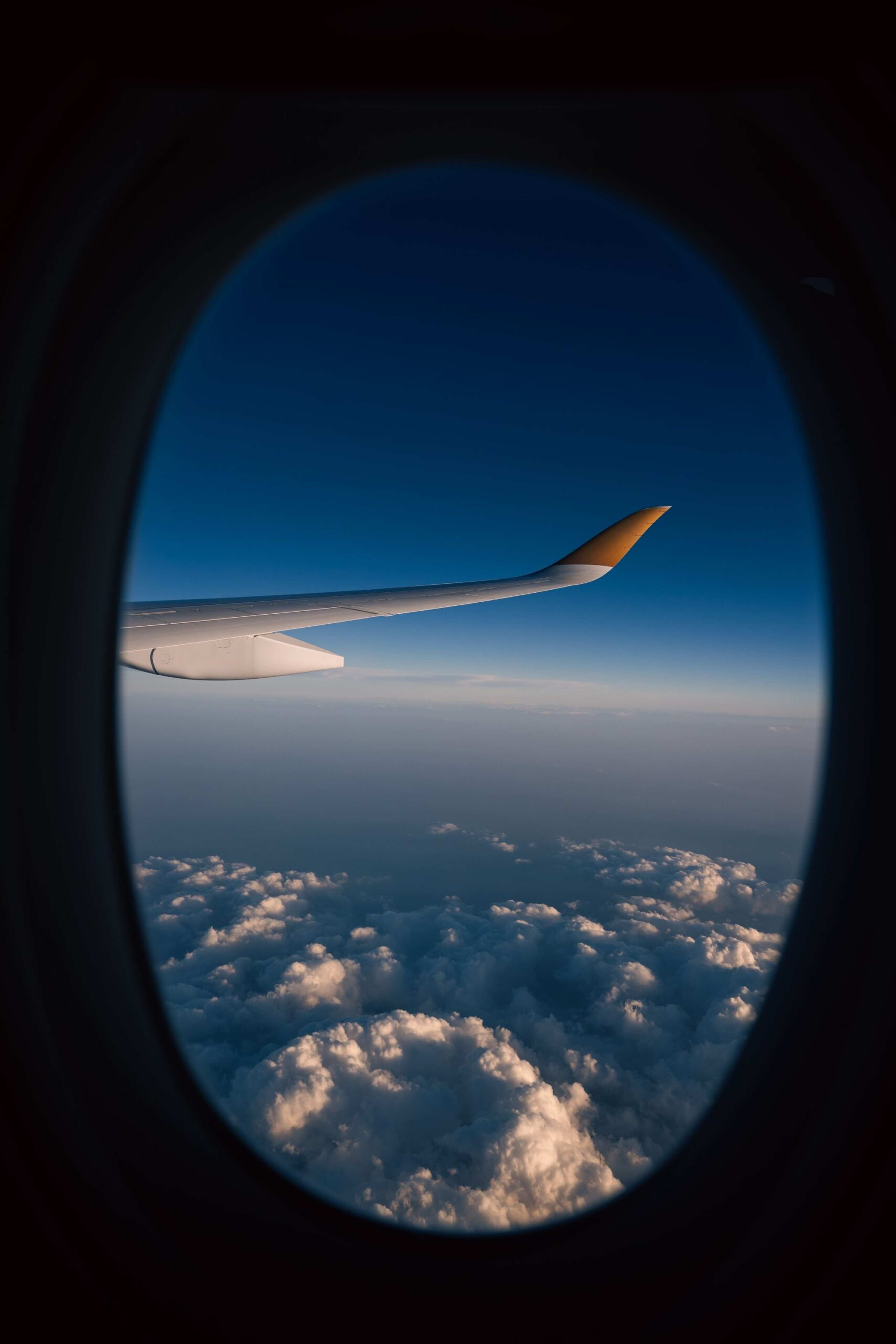
Most people assume experienced travelers are just lucky – always snagging the good seats, gliding through security, landing relaxed while everyone else looks like they survived a disaster. But it’s not luck. Retirees who fly regularly – and plenty of them fly a lot now that they have the time – have quietly built a personal playbook of tricks that the average occasional traveler has never heard of. They aren’t spending more. They’re flying smarter.
These aren’t the recycled tips you skim past on a generic travel blog. These are the habits seasoned retirees defend fiercely, repeat on every trip, and press on their grandchildren at every holiday dinner. Some will feel counterintuitive. A couple might make you genuinely annoyed you didn’t know them sooner. Here’s what the real road warriors actually do – counting down to the one trick that makes the biggest difference of all.
#12 – They Always Book the First Flight of the Morning
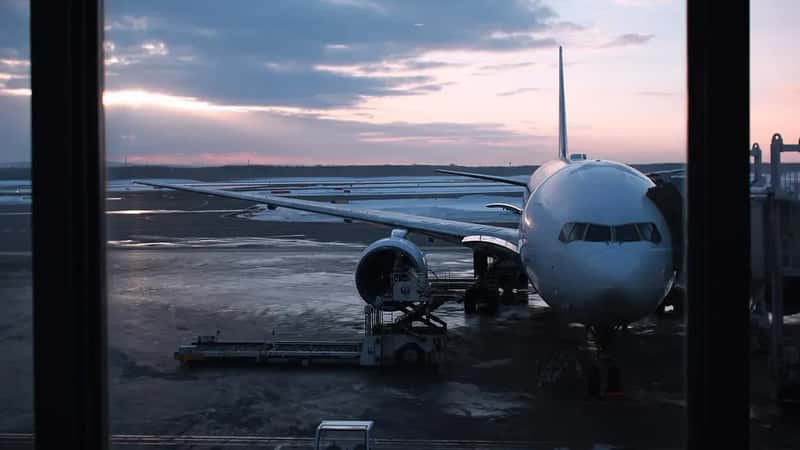
Ask any retiree who flies more than four times a year and they’ll say the same thing without hesitating: take the earliest flight of the day. Morning departures have the lowest delay rates because the aircraft is already parked at the gate, fresh from overnight servicing. There’s no inbound flight to wait on, no cascading drama from the night before. By midday, a single weather hiccup on the East Coast can ripple into chaos across the entire network.
Morning flights also tend to be quieter, cleaner, and – quietly – a little cheaper. Retirees aren’t in a rush to sleep in. That 6 a.m. departure everyone else dreads? That’s their sweet spot. And if something does go wrong, they have the entire day ahead of them to get rebooked, instead of being stranded at midnight with nothing left but a vending machine and a hostile gate agent.
#11 – They Put a Tracker in Every Checked Bag

This used to be a quirky habit of the overly cautious. Now it’s standard practice among anyone who flies more than occasionally. Frequent retiree travelers dropping a smart tracker – most commonly an Apple AirTag – into every checked suitcase before it leaves their hands. The peace of mind alone is worth far more than the price tag.
Lost luggage is more common than the airlines like to advertise, especially during connections through large, busy hubs. When a bag goes missing, having a tracker means you can show the airline exactly where it’s sitting on the tarmac – and suddenly their urgency to find it increases noticeably. AirTags cost under $30. Retirees who’ve had a bag disappear even once never fly without one again. This is the trick that turns a potential travel disaster into a minor, manageable inconvenience.
#10 – They Search Flights in Incognito Mode

You’re not imagining it – that flight price probably did go up after you checked it twice. Airline and booking websites track your searches through browser cookies, and some have been shown to nudge prices higher on repeatedly searched routes to pressure you into booking faster. The fix is simple: always search in a private or incognito browser window to see uninfluenced prices.
Retirees who’ve figured this out pair it with Google Flights, which shows price history, flexible-date grids, and fare predictions alongside useful details like seat pitch, legroom, Wi-Fi, and power outlets. They never search for flights the same way twice – and they almost always find a better fare than the person sitting next to them paid. It takes about 10 extra seconds and costs nothing.
#9 – They Call the Airline Directly When Things Go Wrong

Here’s a trick almost no one under 60 uses anymore – and it’s costing them. When a flight gets cancelled, the instinct is to rush the gate agent’s desk and join the snaking line of frustrated passengers. Experienced retirees do the opposite. They walk away from the crowd, pull out their phone, and call the airline’s customer service line directly. The agent on the phone can rebook you just as fast as the gate agent – often faster, because they aren’t staring down an angry mob.
The savviest ones have the airline’s customer service number already saved in their contacts before the trip even begins – not scrambling to find it after something goes sideways. While hundreds of people fume in a terminal line going nowhere, the retiree who made that call is already rebooked and heading toward a quiet corner with a cup of coffee. One habit. Enormous difference.
#8 – They Stash Small Items Before Security, Not After
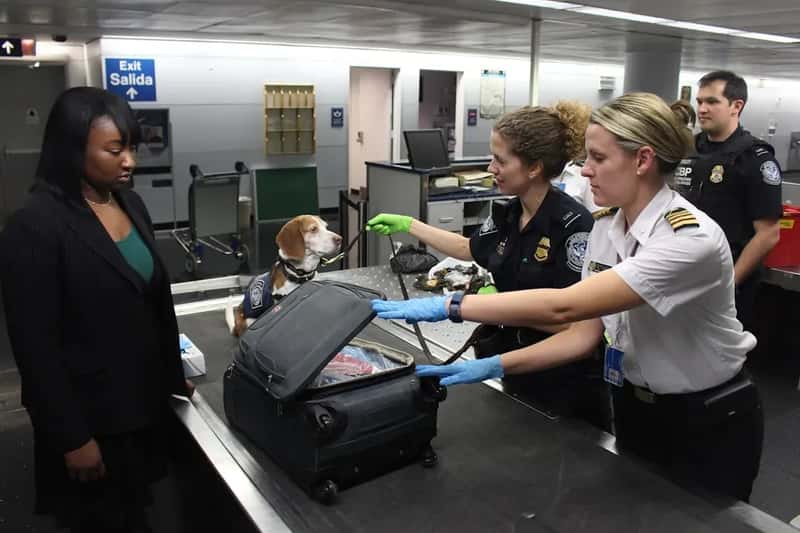
Coins, rings, a watch, reading glasses, folded cash – these are the items that vanish in the security scramble, and nobody notices until they’re halfway to the gate. The security bin shuffle is chaotic by design, and small valuables slip through unnoticed every single day. The fix is to stash everything in a zippered pouch inside your carry-on before you reach the checkpoint – not after the scanner beeps.
Experienced retirees take this further. They also pre-load a small personal bag with everything needed during the flight – snacks, a water bottle, earbuds, a book – so they can slide it under the seat in seconds before stowing the bigger bag overhead. Nothing slows down a security line faster than a traveler who hasn’t prepared. The person who glides through like they’ve done this a thousand times? They probably have. And they’ve been packing this way for years.
#7 – They Always Pick the Left Security Lane

This sounds almost too simple to be real, but frequent flyers quietly rely on it every single time. Most people are right-handed, and research supports that crowds naturally drift right. The left security lane is consistently less crowded at most airports, and over a lifetime of travel, those saved minutes add up into something meaningful – especially when you’re cutting it close.
This pairs with another move retirees consider one of the best investments they’ve ever made: TSA PreCheck. Shoes stay on, laptops stay in the bag, and the dedicated lane is almost always faster regardless of which side you pick. The retirees who seem to teleport through airports aren’t magicians. They’ve enrolled in PreCheck, they go left, and they’ve stacked every advantage the system quietly offers.
#6 – They Book Aisle and Window When Traveling as a Pair
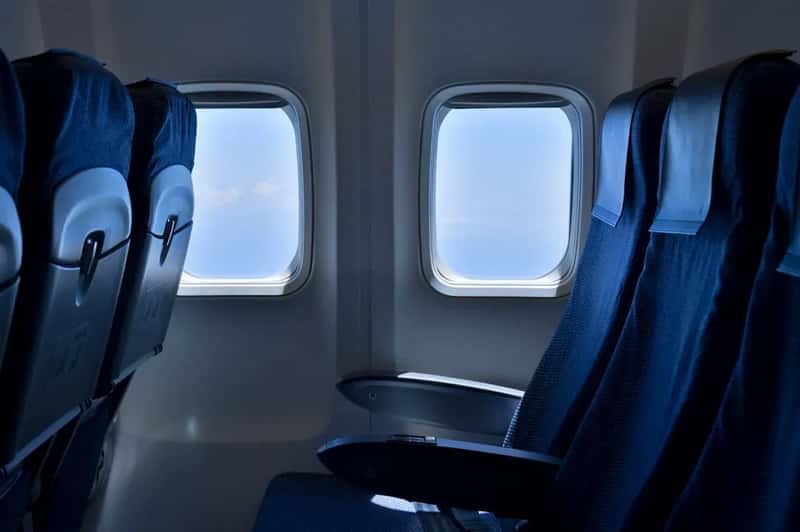
This is one of those tricks that sounds like it shouldn’t work – and yet it almost always does. When two people are flying together on a less-than-full flight, booking one in the aisle seat and one in the window seat often leaves the middle seat empty. Nobody wants the middle. Flight booking algorithms know this. Other travelers actively avoid it, which means that row of three frequently becomes a row of two with breathing room.
If someone does get assigned that middle seat, they’re almost always thrilled to swap for the aisle or window – because the alternative is being sandwiched between strangers for six hours. Retiree couples have been running this play for decades, on domestic hops and transatlantic overnight flights alike. The only people who end up crammed in the middle are the ones who didn’t know this trick existed.
#5 – They Lift the Aisle Armrest to Claim Extra Space

This one genuinely makes people’s jaws drop the first time they see it done. On most aircraft, aisle seats have a hidden release button or lever – usually tucked into the underside of the armrest hinge – that lets you raise the aisle-side armrest completely. Lift it during the flight and you suddenly have noticeably more room to stretch or shift. Most passengers have no idea it exists.
Flight attendants know about it. Frequent flyers know about it. And retirees on long-haul routes use it without a second thought, especially those who need a little extra comfort on a multi-hour stretch. One veteran traveler described watching a fellow passenger try to copy the move without finding the button – and nearly pulling the whole armrest off the seat. The lever is subtle, but once you know where to look, you’ll never fly the same way again.
#4 – They Text Themselves Their Flight Number the Morning of Departure
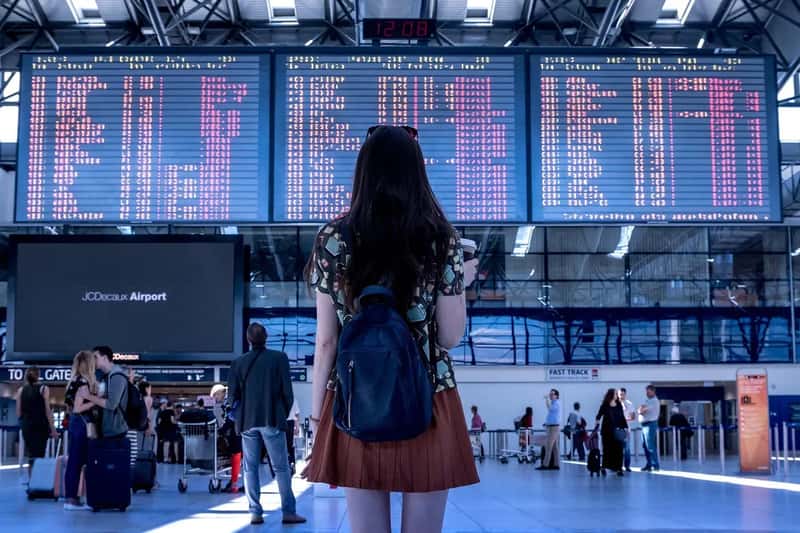
This is a newer trick that quietly spread among frequent flyers, and it’s almost embarrassingly effective. On the morning of departure, text your flight number to yourself. On most smartphones, that number generates a tappable link – and when you tap it, you get the current gate, inbound aircraft status, baggage carousel, and real-time updates pulled directly from the airline’s system. No app needed. No digging through confirmation emails.
Electronic boarding passes don’t always refresh in real time, which means gate changes and delays can sit in the system without ever pushing to your screen. Retirees who travel solo especially love this trick because it becomes one clean, always-current source of truth. The moment that linked text updates with a new gate, they know before the PA announcement even starts. It takes five seconds the morning of the flight and has saved more than a few travelers from sprinting to the wrong terminal.
#3 – They Preboard Without Apology
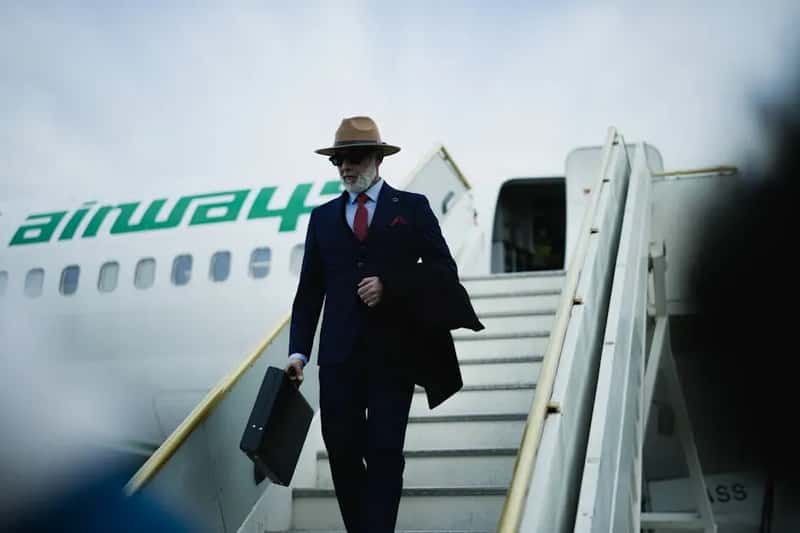
A lot of retirees feel hesitant to ask for early boarding – like it’s an imposition, or they have to prove they need it. The most experienced ones have stopped feeling shy about it entirely. Airlines actively encourage seniors to self-identify at the gate for preboarding because it keeps the aisle from clogging. No doctor’s note, no formal disability designation required. You walk up, you mention you need a little extra time, and you board first.
Most airlines also allow one travel companion to preboard alongside you – meaning couples can both settle in, stow bags at their own pace, and be completely comfortable before the boarding-group stampede begins. Preboarding is one of the most underused free perks available to older travelers, and retirees who’ve stopped feeling guilty about using it consistently describe it as one of the single biggest quality-of-life upgrades in their entire travel routine. Stop waiting to be invited. Just ask.
#2 – They Fly Off-Peak and Book About 7–8 Weeks Out

Retirees have the one thing working-age travelers desperately lack: schedule flexibility. And the smartest ones weaponize it completely. Flying during off-peak periods – avoiding school holidays, long weekends, and peak summer weeks – can cut airfare and accommodation costs by 20% to 40% compared to peak demand. Retirees aren’t locked into anyone else’s calendar. That freedom is genuinely worth thousands of dollars a year if you use it intentionally.
Travel research consistently points to roughly 54 days out as a sweet spot for domestic booking and around 107 days for international – and midweek departures, especially Tuesdays and Wednesdays, typically carry the lowest fares. The retirees who seem to travel constantly on a modest budget aren’t doing anything miraculous. They’re flying when demand is lowest, booking at the right window, and letting everyone else pay a premium for the privilege of traveling at the worst possible time.
#1 – They Join Every Loyalty Program, Even If They Only Fly That Airline Once a Year
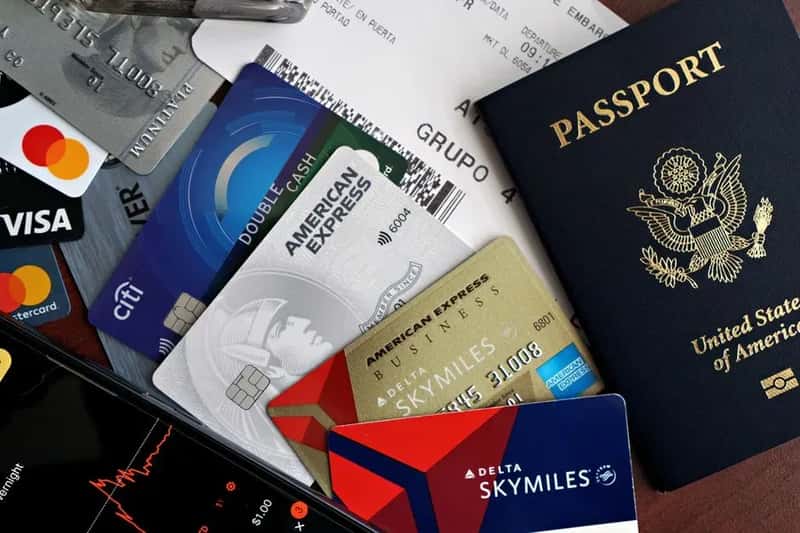
This is the trick that separates casual flyers from people who consistently land better seats, earlier boarding, surprise upgrades, and real human help when things go sideways. Signing up for an airline loyalty program is free. There is no downside. Points accumulate even on infrequent trips, and membership alone often unlocks earlier boarding, priority check-in lines, and direct access to better customer support the moment a flight goes wrong.
Retirees who’ve been quietly earning miles for years – or who carry travel-focused credit cards that stack rewards – can redeem those points for discounted upgrades or outright free premium seats on routes they’d otherwise fly coach. Some airlines offer senior-specific card benefits as well.
Loyalty programs are not about flying more. They’re about flying smarter every single time you go anywhere.
Gary Leff, View from the Wing
The retirees who seem to always end up in better seats aren’t just lucky – they’ve been quietly earning toward those seats for years. The habit costs nothing to start, and it compounds with every single trip from the moment you create the account.
The common thread running through all 12 of these tricks isn’t money or status – it’s preparation and pattern. Retirees who fly well have simply flown enough times to learn what works, and they’ve stopped being shy about using every advantage available. From the 6 a.m. departure to the loyalty program they joined “just in case,” every habit on this list started with one trip. Which one are you trying first?