Airfare has climbed noticeably over the past two years, and airlines have gotten smarter about turning nearly every comfort item into a separate purchase. What used to feel like a small treat, an upgraded seat here or a lounge visit there, now often carries a price tag that rivals a chunk of the ticket itself.
That shift matters because the value equation has quietly changed. Some upgrades that made sense in 2022 or 2023 now cost more while delivering roughly the same experience, and a few have been squeezed so hard by dynamic pricing that they barely qualify as a deal anymore.
Basic-to-standard fare bundle upgrades
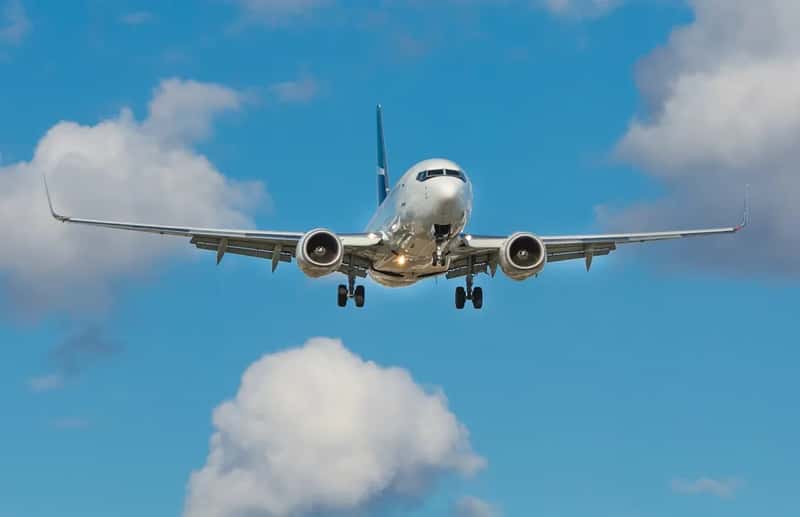
Airlines like Southwest have leaned hard into tiered fare bundles, and the numbers show how normalized this has become. Southwest’s own Q1 2026 disclosures show that 60% of flyers now pay to move up from base fare, with operating revenue rising 12.8% year over year to a record $7.25 billion.[1] The jump from the cheapest tier to the next one up is the one most travelers end up paying for.
On a sample route, Choice fares priced about $40 more each way than Basic in exchange for a standard seat, a longer transferable flight credit, and free same-day standby, while the next tier up added a modest premium for a forward cabin seat and full refundability that rarely matched the added cost for most travelers.[1] Unless you specifically need same-day flexibility, that middle tier is often just a seat map preference dressed up as a meaningful upgrade.
Extra-legroom economy seats on short domestic hops
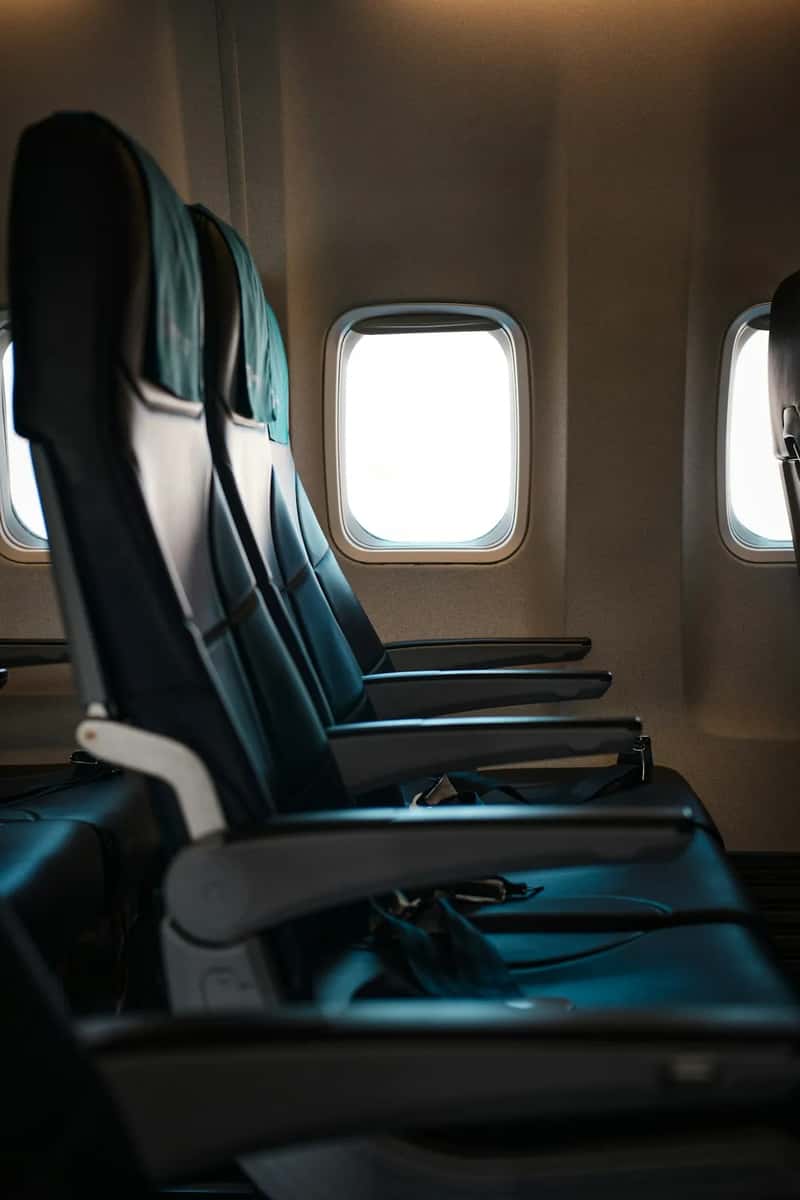
Paying a premium for a few extra inches of pitch on a flight under two hours has become a much harder sell than it used to be. Fees for these seats now vary widely, and on short domestic routes they can still run noticeably higher than what the seat actually delivers in comfort. The fee for these seats ranges from $15 to $50 on short domestic flights, $50 to $150 on longer domestic routes, and $100 to $300 or more on international flights.[2]
For a one or two hour flight, the physical difference between a standard seat and an extra-legroom seat is small enough that most bodies barely notice it before landing. Travel writers who track this closely put it bluntly: on quick trips, the money is usually better spent elsewhere. When a flight is only an hour or two long, paying extra for a specific seat is usually a waste of money, since you can put up with almost any seat for that short amount of time.[3]
Premium economy on flights under eight hours
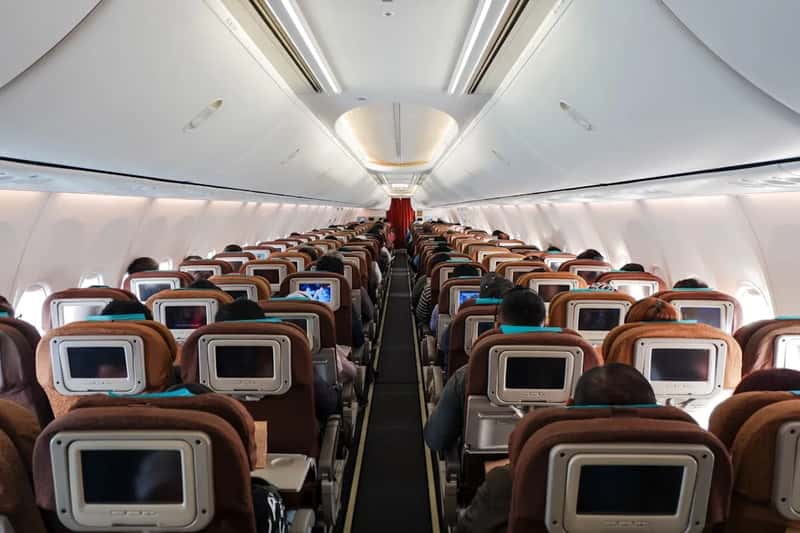
Premium economy has matured into a real cabin class with its own loyal following, but its value depends heavily on flight length. Premium economy in 2026 is no longer a niche experiment but a well established cabin class that airlines continue to expand, though whether the upgrade is worth it depends largely on the traveler and the journey.[4] The problem is that pricing has stopped scaling gently with distance the way it once did.
Multiple analysts now converge on the same rule of thumb. It tends to offer the greatest value on long-haul flights, particularly those lasting eight hours or more, where additional space and improved comfort make a noticeable difference over time.[4] Below that threshold, the extra legroom rarely offsets a fare that can run one and a half to two times the economy price.
Peak-season premium economy fares
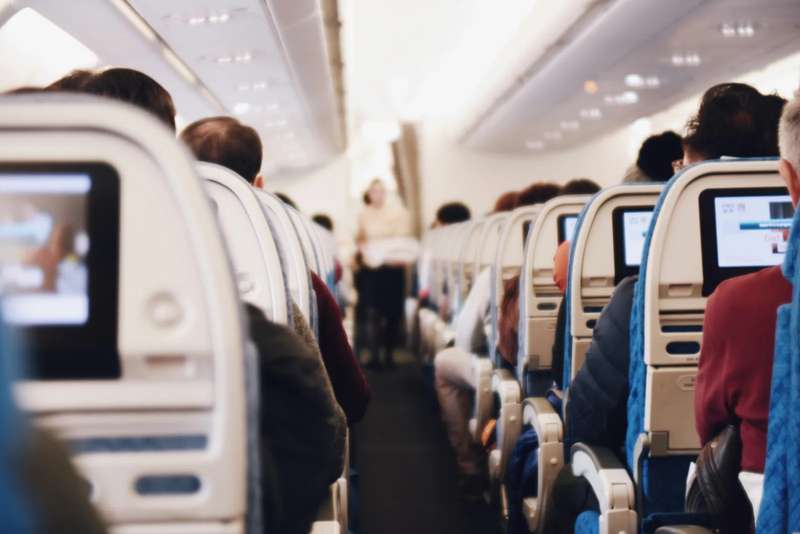
Even travelers who accept the long-haul logic behind premium economy are running into a newer problem: seasonal pricing has become erratic. During summer transatlantic travel or Christmas routes to Asia, premium economy fares can rise by as much as 100%, while economy fares by contrast may increase by only 30 to 40%.[4] That gap did not exist at anywhere near this scale a few years ago.
Tightening capacity is part of the story. In 2026, airlines are filling around 84% of seats globally, which leaves less unsold inventory that previously helped drive cheaper last-minute upgrades, so those opportunities are becoming less common.[4] Booking premium economy during a peak window now often means paying business-class-adjacent prices for a seat that is nowhere close to that experience.
Airport lounge day passes bought on impulse
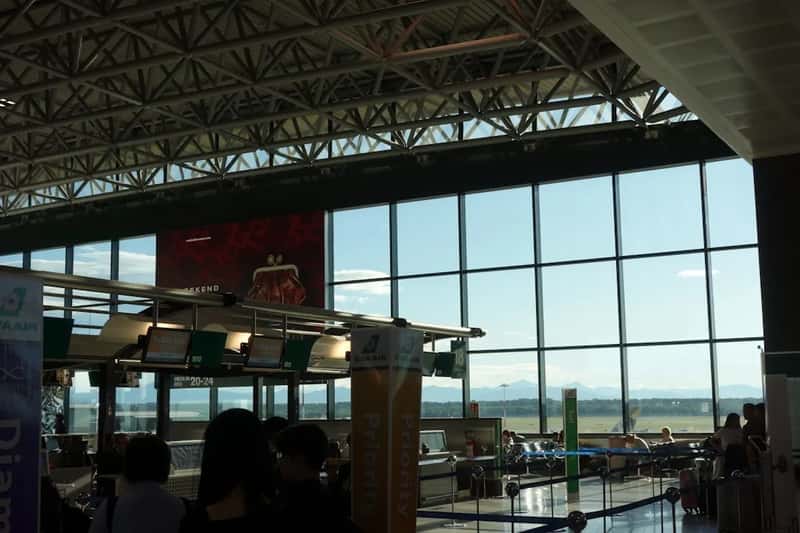
A quiet lounge with free snacks and decent Wi-Fi still sounds appealing during a long layover, but the math has gotten less favorable. Airport lounge day passes typically cost between $25 and $80, making them one of the most popular ways for travelers to access premium airport facilities without purchasing a premium airline ticket.[5] At the higher end of that range, a single walk-in visit can cost more than a meal and a coffee combined at the terminal.
For a one-off trip, the return on that spend is thin unless the lounge offers something you genuinely need, like a shower before a red-eye connection. Airport lounge prices range from $25 for basic independent lounges to $100 or more for premium first class facilities, with most day passes costing $30 to $50.[6] Frequent travelers are usually better served by a credit card that bundles access rather than paying per visit.
Inflight Wi-Fi day passes on short flights
Inflight internet has quietly shifted from a novelty to a paid utility, and the free trial periods that many carriers used to build goodwill are ending. Air India’s free introductory period ran for about 19 months after the airline became the first in India to introduce inflight Wi-Fi on domestic flights, with complimentary access launched on January 1, 2025.[7] Once that grace period ends, the day pass price rarely feels worth it for a short domestic hop.
On U.S. carriers the fee itself is modest on paper. A United Wi-Fi Day Pass costs $8 for MileagePlus members and $10 for non-members on U.S. domestic and short-haul international flights.[8] For a flight under two hours, that is a real amount of money for connectivity most people will use for less than an hour, especially now that basic messaging apps often work for free without any purchase at all.
Gate-side bid-based upgrades to business class
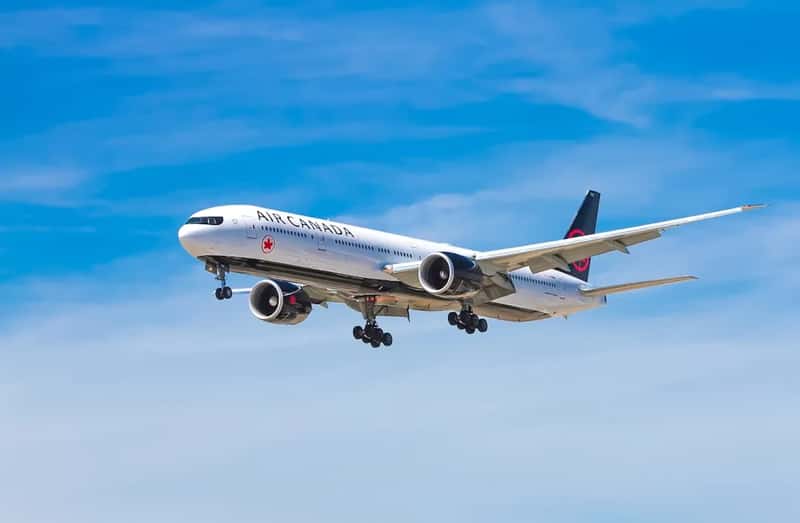
The auction style upgrade, where you submit a bid weeks in advance and hope the system picks you, has become one of the more unpredictable purchases in air travel. Airlines built the format to fill empty premium seats at whatever price the market would bear, and that means prices climb sharply whenever demand for the route is even modestly strong. International business class pricing has stayed elevated throughout 2025 and 2026, with economy fares softening on some routes while premium cabins have remained resilient thanks to sustained corporate demand and high leisure spending.[9]
That resilience in premium cabin pricing has bled directly into bid-upgrade systems, since airlines set minimum bid thresholds based on the cash fare they could otherwise sell. On a busy route, a “successful” bid can end up costing nearly as much as simply booking business class outright months in advance, which defeats the entire point of bidding for a discount in the first place.
Miles-based upgrades on dynamically priced routes
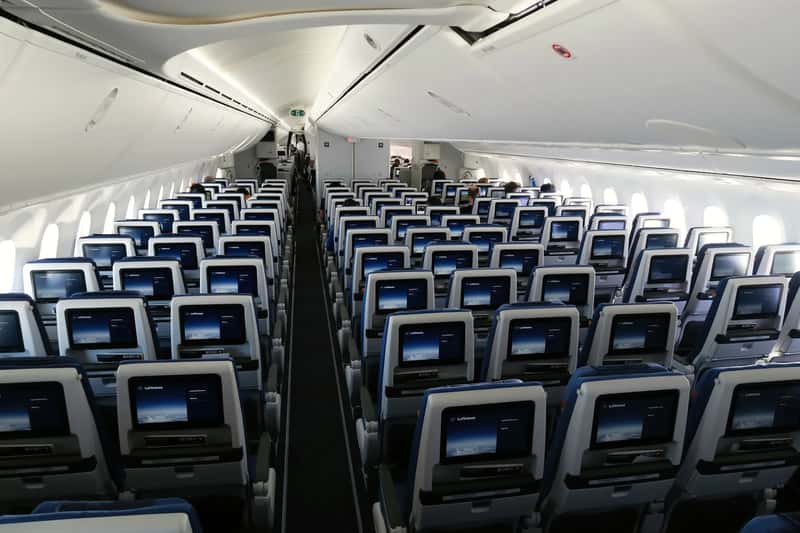
Using miles to upgrade an existing economy ticket used to be one of the most reliable tricks in frequent flyer strategy. Dynamic pricing has changed that considerably, because the number of miles required now often tracks the cash fare rather than a fixed, published chart. The biggest change affecting award travel is not a new aircraft or route, but how airlines determine the number of points required for a ticket, since traditional loyalty programs relied on published award charts while dynamic pricing has largely replaced that model.[9]
The result is that upgrade costs in miles can spike right alongside cash fares during busy periods, erasing much of the advantage that made mileage upgrades attractive in the first place. Instead of charging a fixed amount, airlines increasingly adjust award costs based on demand, seasonality, booking trends, and even prevailing cash fares, and during periods of heavy travel redemption rates can rise substantially.[9] Off-peak dates still offer decent value, but the once-dependable flat-rate upgrade is largely gone.
Loyalty program mileage top-ups for premium seats
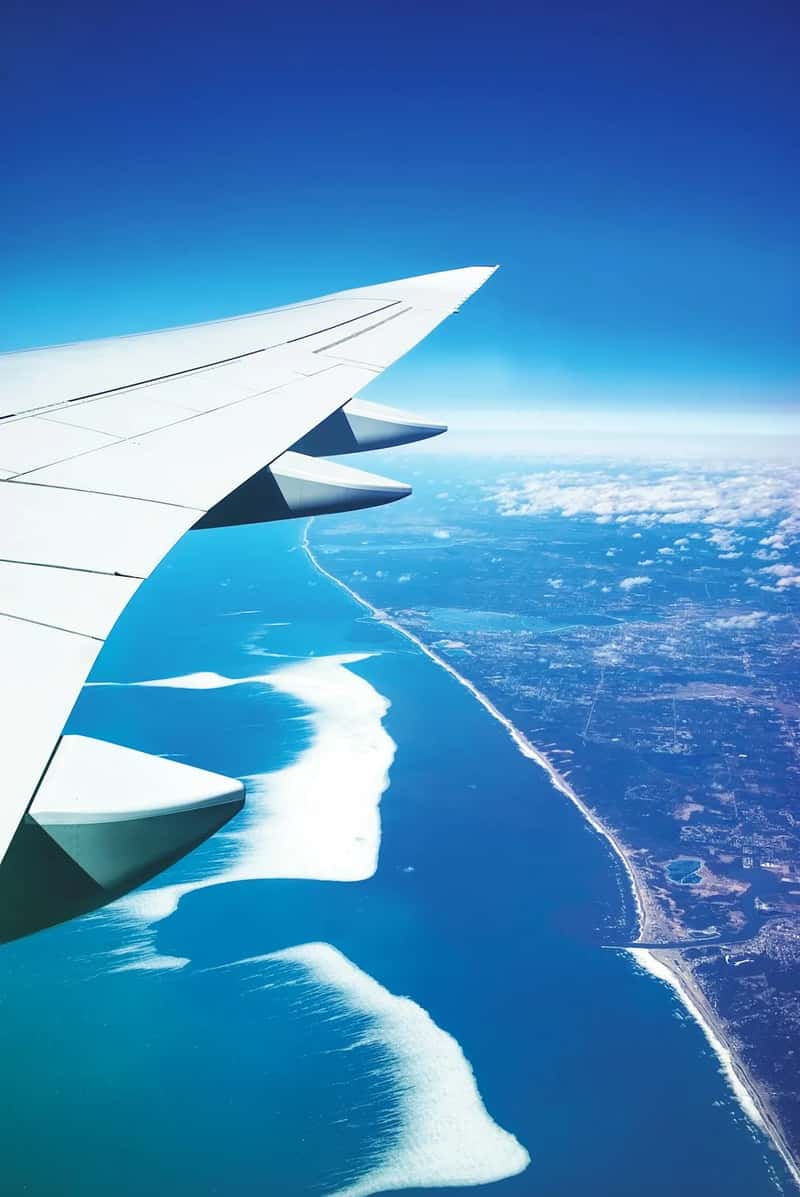
Buying extra miles directly from an airline to top up a balance for a premium cabin redemption has become a riskier bet than it looks. Several major programs have quietly changed the underlying math of how many points a ticket actually costs, which means a top-up calculated today can fall short by the time the booking window opens. Because it takes a specific number of points to cover every dollar of a fare, as cash prices rise the number of points needed for a flight increases automatically, and stealth devaluations often occur when airlines change the underlying math of their fixed-value systems.[10]
This is not a hypothetical concern; it has already happened at scale. Travelers who spent years meticulously hoarding airline miles are waking up to a frustrating reality in 2026, as a silent heist takes place across the aviation industry with major carriers adjusting redemption rates without any formal announcement.[10] Paying cash to buy miles for a specific upgrade target is now a bet on a moving number, and the odds have not been favoring the traveler.
Full-fare business class on routes where premium economy exists
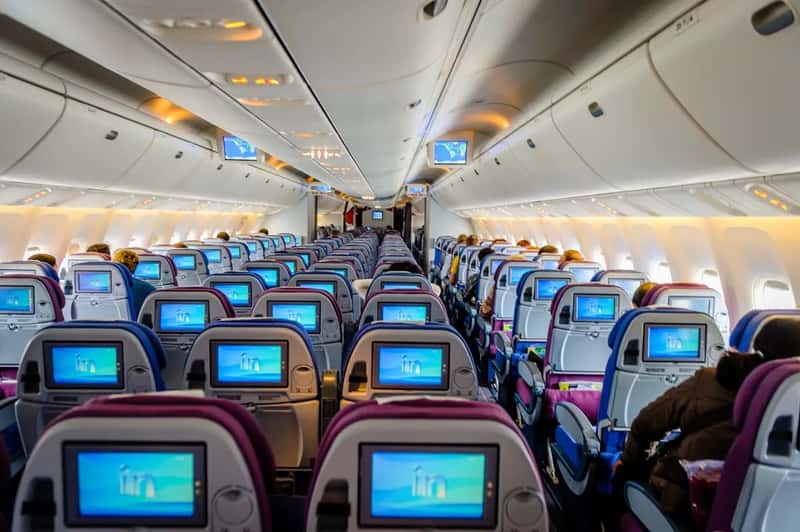
On long-haul routes where a genuine premium economy cabin sits between economy and business class, paying full fare for business is starting to look like overkill for a large share of travelers. The comfort jump from premium economy to business is real, but so is the price gap, and that gap has widened rather than narrowed. The widening pricing gap means that a round-trip business class ticket for a family of four is now worth an astronomical amount of points, often draining portfolios entirely.[11]
Analysts tracking loyalty program shifts have noticed travelers responding by trading down deliberately rather than reluctantly. Premium economy redemptions have remained remarkably stable, preserving a logical hierarchy between cabins, and with roughly half the miles of a devalued business class ticket while still providing priority services and enhanced legroom, premium economy is now the most efficient currency-to-comfort sweet spot in modern aviation strategy.[11] Paying the full business class premium in cash increasingly makes sense only for very long overnight sectors or specific corporate travel needs.
Annual lounge memberships for infrequent flyers
Airline lounge memberships look tempting once you see the per-visit math, but they only pay off if you actually fly often enough to use them. Some of these programs carry serious price tags that assume frequent travel to justify the cost. United’s All Access membership isn’t cheap at $1,400 per year, and premium airline memberships like Delta’s Executive plan at $1,495 are far more expensive and only make sense if you fly frequently with family.[12]
For someone who travels a handful of times a year, buying individual day passes or relying on a travel credit card’s built-in lounge access tends to work out cheaper overall. A card like the Venture X charges a relatively modest $395 annual fee yet bundles unlimited Priority Pass and Capital One Lounge access, with two free guests through early 2026.[12] Committing to a standalone annual lounge membership without running that comparison first is one of the easier ways to overspend on a perk you barely use.
Refundable fare upgrades bought “just in case”
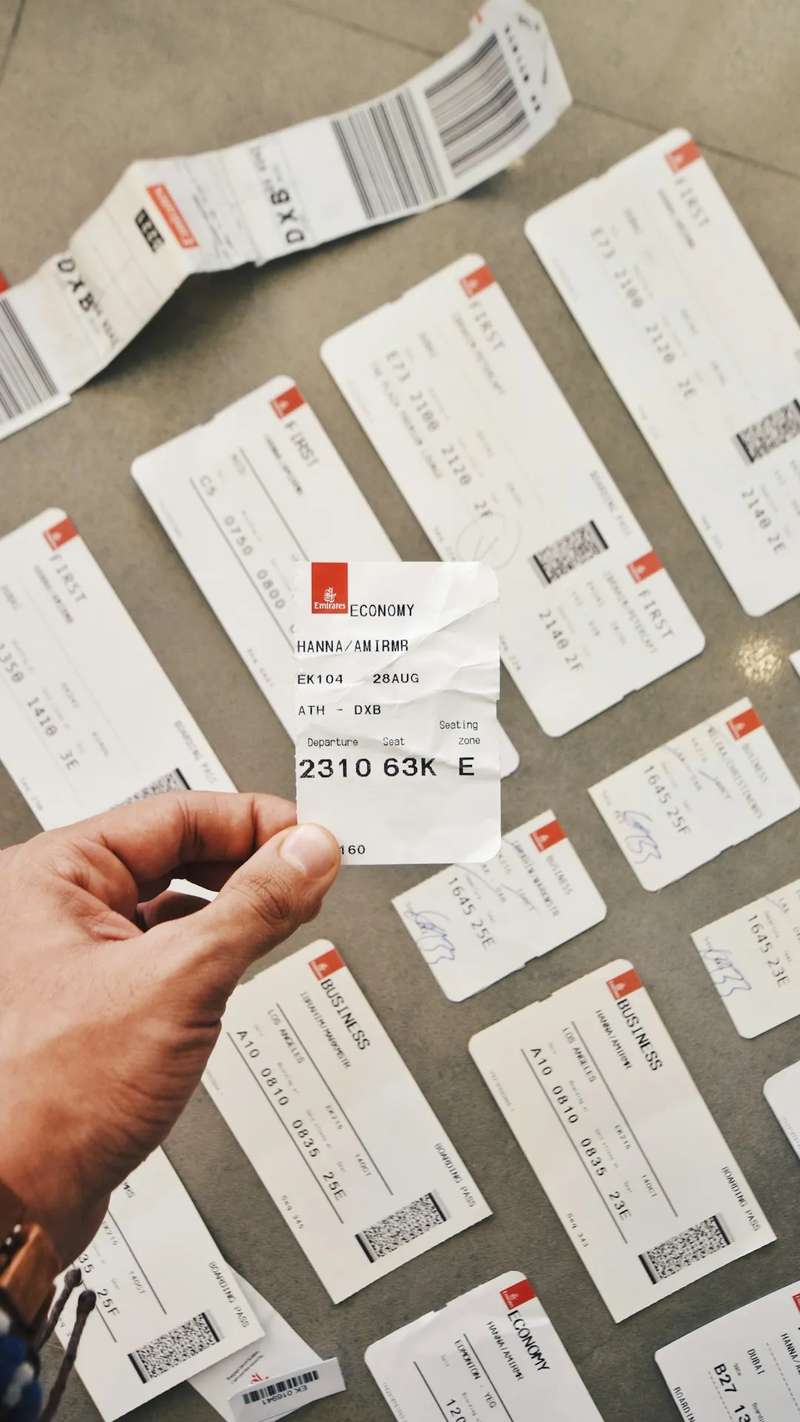
Paying extra for a fully refundable fare feels like peace of mind, but for most leisure trips the premium rarely gets used. Airlines have priced these upgrades to capture travelers who are anxious about changing plans rather than travelers who are statistically likely to need to. Choice Preferred adds a modest premium on top of the standard tier for a forward-cabin seat and a fully refundable ticket, though the added cost rarely matches the added value for most travelers.[1]
Trip insurance, or simply a standard fare with a modest change fee, often covers the same risk for a fraction of the cost of buying full refundability upfront. The refundable upgrade earns its price mainly for business travelers with genuinely unpredictable schedules, not for a family heading out on a planned vacation with a fixed return date.
Airlines have gotten very good at packaging comfort into small, separately priced pieces, and each piece in isolation can look reasonable. Add them up across a single itinerary, though, and the total often exceeds what the same comfort would have cost as a bundled fare just a couple of years ago. The smartest approach right now is to treat every upgrade offer as its own negotiation, checking the actual price gap against the actual benefit rather than assuming that paying more automatically means getting proportionally more.