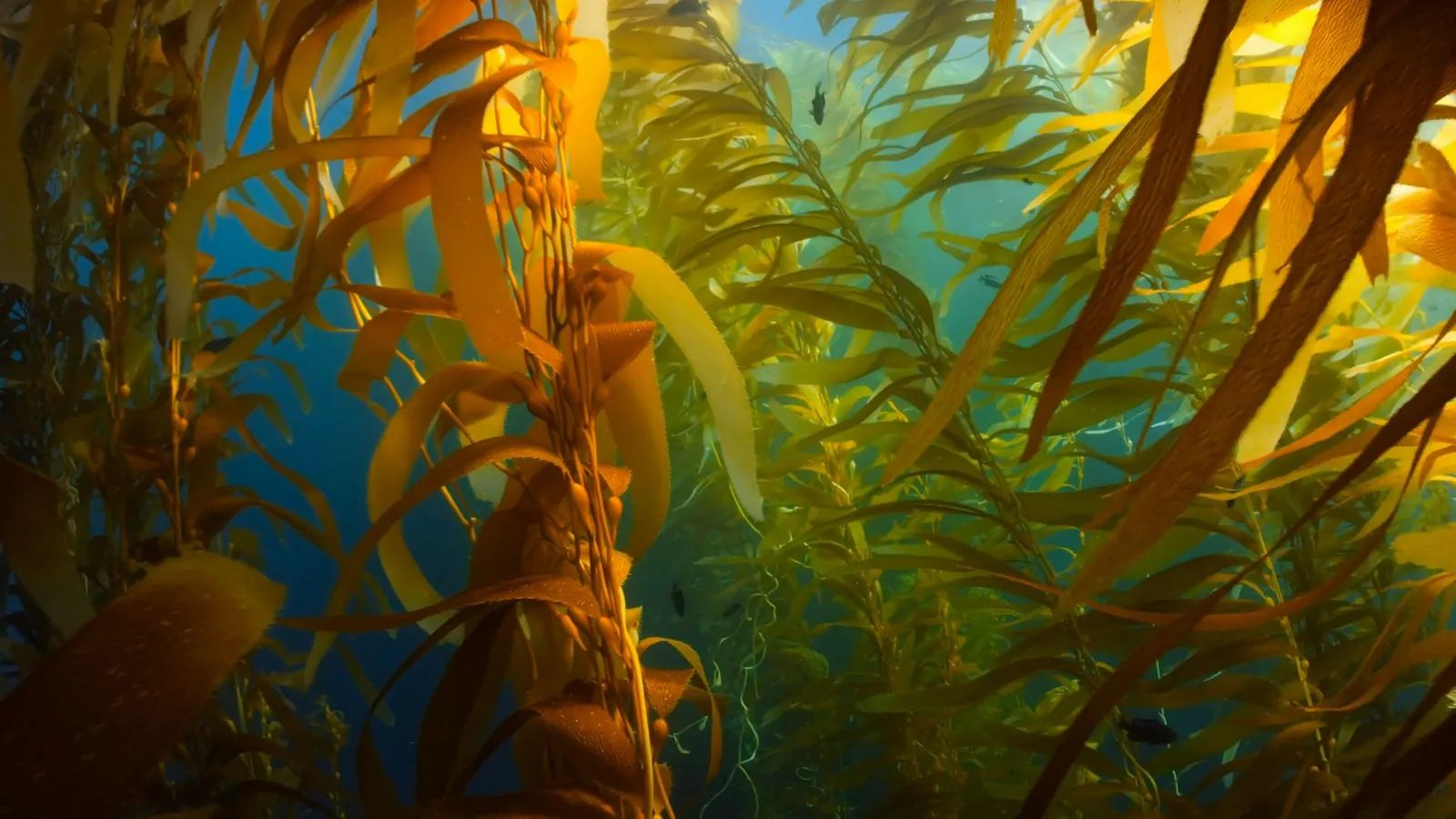
Most travelers picture dense kelp forests swaying along the sunlit coasts of California. Far fewer realize that comparable underwater woodlands also grow in the Arctic, where frigid waters and seasonal ice cover create an unexpected home for these large brown algae. The contrast highlights how adaptable marine life can be even in extreme environments. ([1])
Life Hidden Under the Ice
Arctic kelp forests form in shallow coastal zones where enough light reaches the seafloor despite long, dark winters. Thick ice may blanket the surface for months, yet the plants persist by anchoring to rocky substrates and growing during the brief summer window of open water and extended daylight. This seasonal rhythm produces dense stands that differ markedly from the year-round growth seen in warmer regions. The physical structure remains similar in both places, with long, flexible fronds that create vertical habitat. In the Arctic, however, the forests must endure colder temperatures and greater seasonal swings in light and salinity. These conditions shape slower growth rates and distinct seasonal patterns of expansion and retreat.
Wildlife That Depends on the Forests
The underwater canopies shelter a range of marine animals that use the fronds for cover, feeding, and breeding. Fish, invertebrates, and other organisms find protection from predators among the swaying blades, while the plants themselves supply food through their tissues and the detritus they shed. This layered habitat supports food webs that extend from tiny grazers up to larger predators. Because the forests occupy a narrow band of suitable depth and substrate, they concentrate biodiversity in otherwise sparse polar shallows. Seasonal ice movement can scour or expose new areas, creating a dynamic patchwork of growth that changes from year to year. The result is a resilient yet fragile community shaped by both biology and the physical Arctic environment.
Climate Pressures on a Fragile System
Rising ocean temperatures and declining sea ice are altering the conditions that allow these forests to persist. Longer ice-free periods can extend the growing season in some locations, yet increased storm activity and changes in water chemistry may stress the plants or shift the balance of species that rely on them. Researchers continue to track how these shifts play out across different Arctic regions. Warming also opens new areas to potential colonization while threatening established stands through altered light penetration or competition from other algae. The long-term outcome remains uncertain, but the forests serve as sensitive indicators of broader environmental change in polar waters.
Why These Hidden Gardens Matter
Arctic kelp forests demonstrate that productive marine ecosystems can thrive far beyond the temperate zones most people associate with them. Their presence adds to the overall richness of polar seas and offers a living example of nature’s capacity to adapt within narrow environmental windows. For travelers and naturalists, they represent one more reason to appreciate the complexity of the far north. Protecting these underwater landscapes requires attention to the larger forces reshaping the Arctic. Continued observation and thoughtful management can help preserve the balance that allows the forests and the life they support to endure.