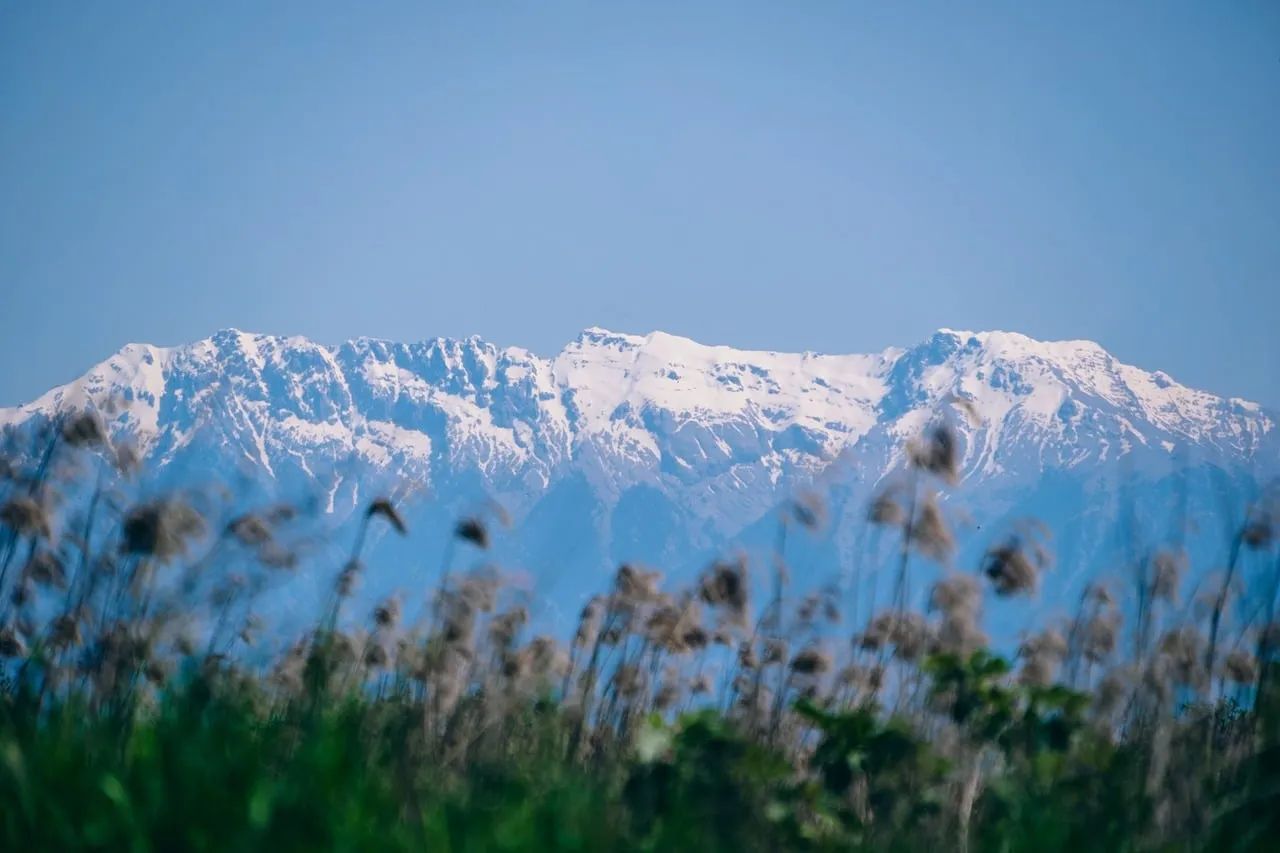
Southeastern Peru’s high Andes hold one of the planet’s rare tropical ice formations. The Quelccaya ice cap rises to roughly 5,600 meters and ranks as the world’s second-largest such feature. Local residents in the community of Phinaya have long depended on its meltwater for their livelihoods and traditions. Recent government interest in lithium and uranium deposits beneath its slopes has renewed attention to the area. ([1])
A Landscape Shaped by Ice and Tradition
The Quelccaya ice cap sits above the Phinaya district in the department of Puno. Its white summit has anchored local life for generations. Residents describe the glacier as a living source of water that sustains pastures and daily needs. Alpaca herding remains the primary economic activity for many families in the region. Donato Bermúdez tends a flock of 500 animals on the slopes below the ice. He has lived his entire life in Phinaya and previously served as community president. Bermúdez notes that residents view the glacier as essential to their survival. The water it releases supports both livestock and the broader ecosystem around the mountain.
Government Priorities and Mineral Concessions
Peru’s administration under President Keiko Fujimori has placed renewed emphasis on minerals viewed as important for energy transition. Lithium and uranium feature prominently in those plans. Canadian company American Lithium, through its Peruvian subsidiary Macusani Yellowcake, holds rights to extensive deposits in the area. The concessions cover at least 174 sites spanning more than 1,090 square kilometers in Puno. These holdings lie directly in the shadow of Quelccaya. Project development has faced delays in the past, yet current policy signals suggest greater momentum. Officials describe the minerals as strategic assets for national economic goals.
Community Concerns Over Potential Effects
Residents express worry that expanded mining could alter the glacier’s surroundings and the water sources they rely upon. Yolanda Quispe, a community leader and park ranger who has lived beneath the ice cap for decades, has voiced strong reservations. She states that lithium and uranium operations would prove catastrophic for the glacier, the surrounding wildlife and plants, and the people who depend on them. Local leaders point to the interconnected nature of the highland environment. Any disruption to the ice or its melt patterns could affect pastures used by alpaca herds. The community has maintained traditional practices tied to the glacier for centuries. Quispe and others emphasize that the stakes extend beyond economics to cultural continuity.
Looking Ahead for Stakeholders
The tension between national mineral ambitions and local environmental priorities continues to unfold. Phinaya residents remain closely tied to the land and its resources. Government agencies and mining firms will need to address questions about water protection and community consent as projects advance. The situation highlights broader challenges in balancing resource development with the preservation of unique high-altitude ecosystems. Communities like Phinaya continue to monitor developments that could reshape their relationship with the Quelccaya ice cap.