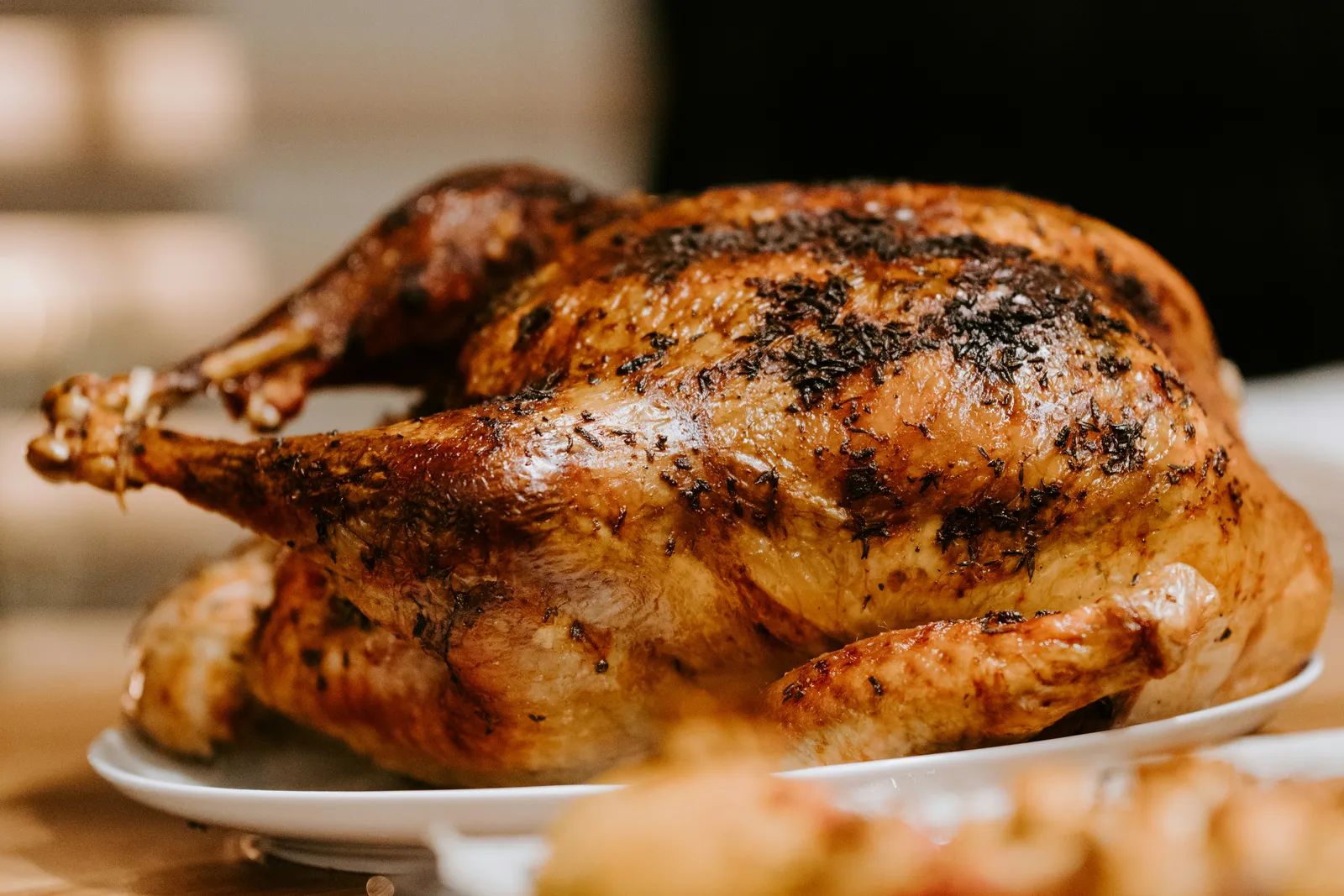
Families returning from holiday gatherings often face a familiar puzzle once the feast ends: how long can those containers of sliced turkey safely stay in the refrigerator before plans shift to travel or weekday meals. The concern grows sharper when the bird was roasted midweek and the calendar now points toward Sunday or Monday. Federal food-safety agencies offer a consistent benchmark that removes much of the guesswork.
The Federal Standard for Cooked Turkey
The U.S. Department of Agriculture places cooked turkey at three to four days in a refrigerator held at 40°F or below. The same window appears on charts from the Food and Drug Administration and FoodSafety.gov for cooked poultry in general. The count begins on the day the turkey was first cooked, not the day it was carved or reheated. A bird served on Thursday therefore reaches its outer limit by Monday under ideal conditions. Gravy introduces a minor point of divergence. USDA materials list it at three to four days, while the FDA chart suggests one to two days. When in doubt, the shorter range or prompt freezing offers the more cautious path. Stuffing, casseroles, and soups made with turkey follow the same three-to-four-day refrigerator guideline across the reviewed federal sources.
Practical Storage Steps After the Meal
Prompt cooling protects quality and safety. Leftovers should move into the refrigerator within two hours of serving, or within one hour if the room temperature exceeds 90°F. Dividing large portions into shallow, covered containers speeds the chill and keeps the refrigerator at its target temperature. Removing stuffing from the cavity right away and storing it separately further reduces risk. Labeling each container with the cooking date helps track the window accurately. An appliance thermometer confirms the refrigerator stays at 40°F or below. These steps apply equally to whole pieces, sliced breast meat, and legs, because federal charts do not differentiate by cut.
Freezing Extends the Timeline
When the three-to-four-day mark approaches, freezing preserves the turkey for later use. Plain pieces maintain best quality for about four months at 0°F, while portions covered in broth or gravy can reach six months. Frozen food remains safe indefinitely, though flavor and texture gradually decline. Thaw packages in the refrigerator and consume the meat within three to four days of thawing. Reheating brings an additional safety margin. All leftovers should reach an internal temperature of 165°F, measured with a food thermometer. Gravy and sauces benefit from a rolling boil. Reheat only the amount needed for the current meal rather than warming the entire batch repeatedly.
When to Let It Go
Visible mold, an off or sour odor, or a slimy surface signals that the turkey should be discarded. The absence of these signs does not guarantee safety, because harmful bacteria cannot always be detected by sight or smell. Any turkey left out longer than the two-hour limit, or kept past the four-day refrigerator window, falls outside recommended guidelines regardless of appearance. The same principles guide decisions during holiday travel. Leftovers packed for a drive home still follow the original cooking-date clock. When the timeline is uncertain or the turkey has been handled by multiple households, the conservative choice is to freeze early or discard. Federal guidance emphasizes that cold storage slows but does not eliminate all bacterial growth. For households with pregnant members, adults over 65, or anyone with a weakened immune system, staying at the shorter end of the range and reheating thoroughly adds an extra layer of protection. The three-to-four-day rule remains the clearest, most widely supported benchmark for everyday planning.