We’ve all been there. You’re settled into your seat, menu in hand, ready to enjoy a great meal – and then that table over there just completely ruins the vibe. Maybe it’s the snapping fingers, the screaming toddler running laps around the dining room, or the guy on a loud phone call who clearly didn’t get the memo.
Honestly, bad diner behavior is more widespread than most of us admit. A YouGov survey asked 1,000 American adults about the acceptability of 40 different restaurant behaviors – and the results were, let’s say, revealing. People are watching. Other diners are judging. And restaurant staff? They remember everything. Let’s dive into the 12 habits that will absolutely get you labeled as the most hated table in the room.
1. Refusing to Pay for a Meal You Already Ate
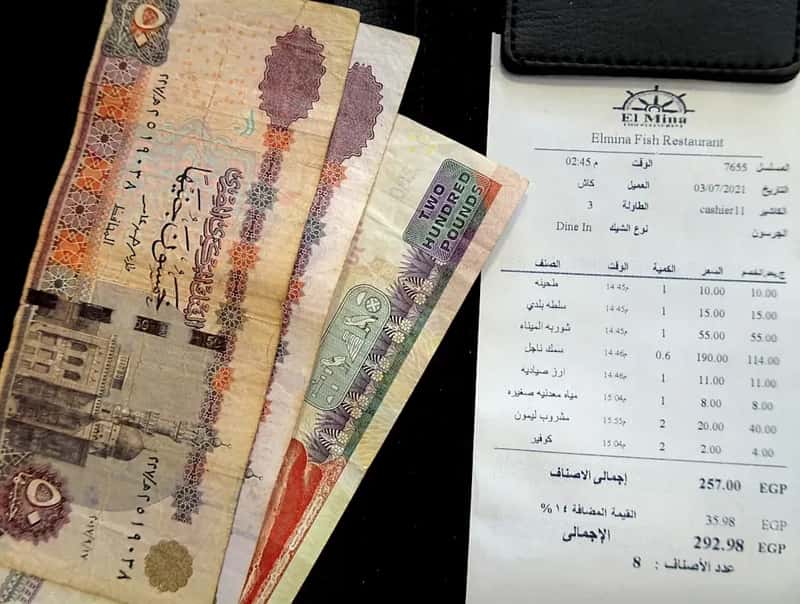
Let’s be real – this one is staggering in its audacity. Eating most of a dish and then suddenly deciding you “didn’t like it” to avoid paying is not a dining hack, it’s dishonesty. About 90% of survey respondents said the most annoying thing a customer can do at a restaurant is refuse to pay for a meal they ate but claim they didn’t like.
Think about it from a logical standpoint. If you genuinely didn’t like something, you wouldn’t clean the plate. A contracts professor at Loyola Law School explained that in most cases you’re obligated to pay for a dish you consumed, though many restaurants would simply take a barely-touched meal back and not charge the customer. The operative word there is “barely touched.”
2. Letting Your Kids Run Wild
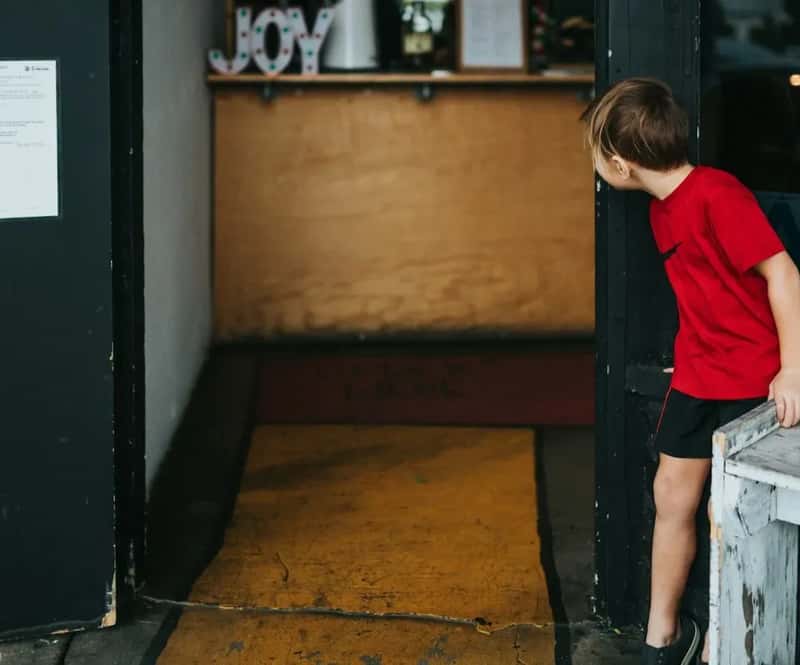
There’s nothing wrong with bringing children to a restaurant. Kids deserve to experience dining out. What nobody deserves is having a stranger’s child weave between their chair and the server carrying a tray of scalding food. Allowing your kids to roam freely around a restaurant is a major no-no, according to roughly 90% of survey respondents.
So many parents step over the restaurant threshold and completely forget how to parent. They let their kids run wild, weaving under the legs of servers carrying heavy trays of hot food, grinding Cheerios into the carpet and writing on the walls with the crayons the restaurant itself provided. It’s a shared space. Act like it.
3. Snapping, Whistling, or Waving Your Arms at the Server
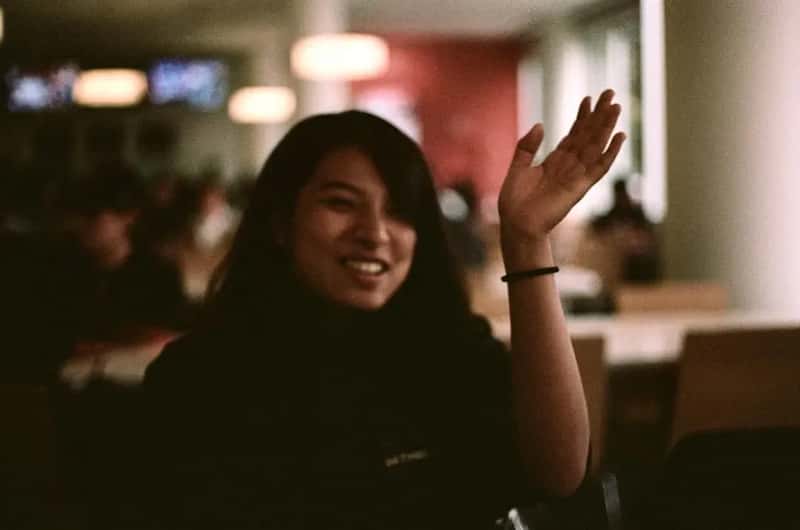
Here’s the thing – your server is a professional, not a dog, and certainly not an air traffic controller. The way you signal for their attention tells the entire dining room exactly what kind of person you are. At least eight in ten Americans say it is unacceptable to snap your fingers to get a waiter’s attention.
Snapping fingers at a server is not only not okay, it’s downright rude. Flailing your arms is also annoying behavior, and whistling or clapping is even worse. A simple nod of the head and eye contact is all that’s needed. It’s not hard. It’s just basic human decency – something that, apparently, a surprisingly large number of diners seem to have left at home.
4. Debating Menu Prices with the Staff
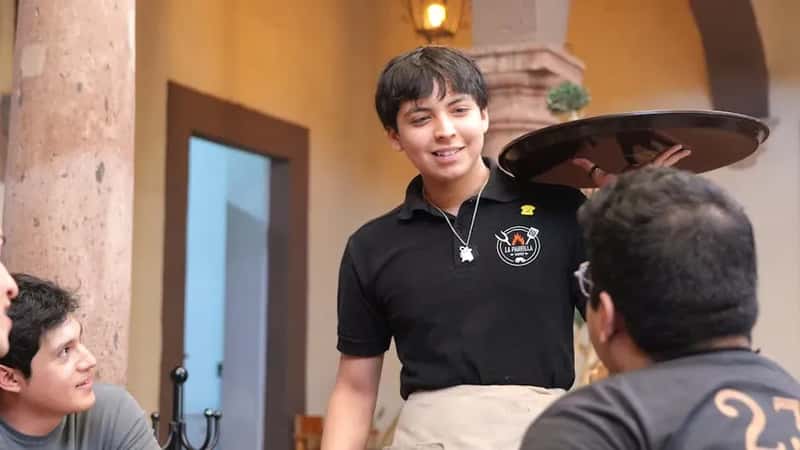
Imagine training for a job, showing up to work, and then having someone lecture you about whether the pasta is worth the price it’s listed at. That’s what servers go through regularly. At least eight in ten Americans say it is unacceptable to debate menu prices with the staff. That number, I think, should be closer to ten in ten.
Servers do not set menu prices. They have zero say in it. Arguing the cost of a dish with them is as pointless as it is embarrassing for everyone at the table. If the prices don’t work for you, that’s completely fine – nobody is forcing you to order the lobster. Pick something in your budget and move on gracefully.
5. Staying Past Closing Time
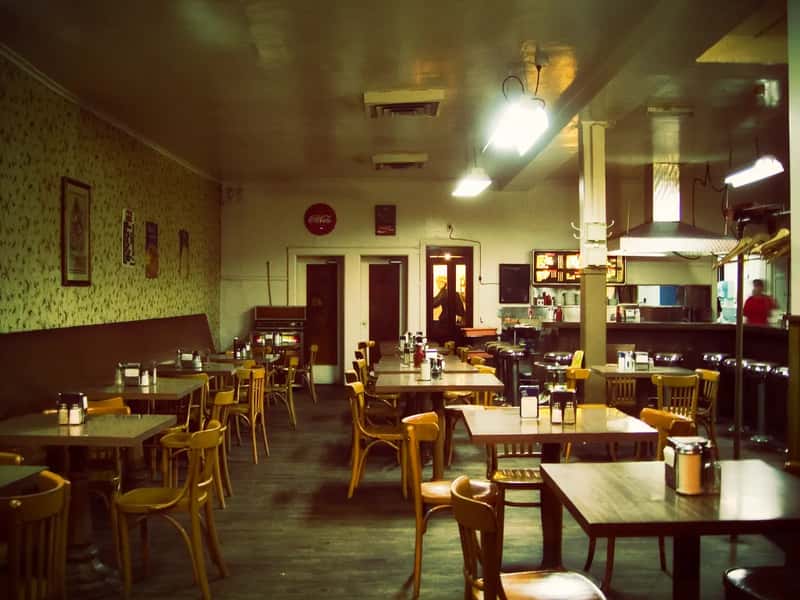
You’ve had a wonderful evening. The food was great, the conversation flowed. Lovely. Now please, for the love of everything, leave. At least eight in ten Americans say it is unacceptable for diners to stay past the restaurant’s closing time. Yet this happens constantly, in restaurants all over the country.
Restaurant workers have families, commutes, lives. A 2024 survey in the UK found that roughly three quarters of hospitality workers reported experiencing mental health challenges at some point – and lingering customers who refuse to leave is a key stressor behind that number. This sort of behavior is what customer entitlement looks like: people expecting the impossible and thinking it’s acceptable to hold staff hostage after hours.
6. Making an Endless List of Modifications
Dietary needs are real and restaurants absolutely should accommodate them – up to a reasonable point. There’s a massive difference between asking for dressing on the side and essentially trying to rewrite the entire menu from your chair. It’s one thing to ask the kitchen to hold the tomatoes or put your salad dressing on the side. It’s an entirely different story to dine at a steakhouse and ask for the spare ribs to be made vegetarian and served over quinoa.
There isn’t a hard rule for how many changes you can ask for in one dish, but aiming to keep it under three is wise. If you need more than that, consider ordering a different dish altogether. The kitchen is cranking out dozens of orders simultaneously. Every extreme modification throws a wrench into that machine – and makes you deeply unpopular with everyone behind the swinging door.
7. Being Loud Enough to Ruin Everyone Else’s Meal

Restaurants are social spaces, yes. Energy is good. Laughter is wonderful. Being so impossibly loud that nearby tables cannot hear their own conversations, however, is something else entirely. Studies by both Consumer Reports and international dining guide Zagat reveal that noise levels are the top complaint from those dining out – considered even more annoying than poor service or substandard food.
It is estimated that roughly four in five customers have difficulty holding conversations in noisy restaurants, and noise complaints will often be the top complaint for diners, which can drive away business. When a table is so deafening that nearby guests leave early, it’s not just disrespectful – it’s bad for the entire establishment. Patrons who are offended by noise levels are more likely to leave prematurely and less likely to return.
8. Ignoring the Server When They Approach
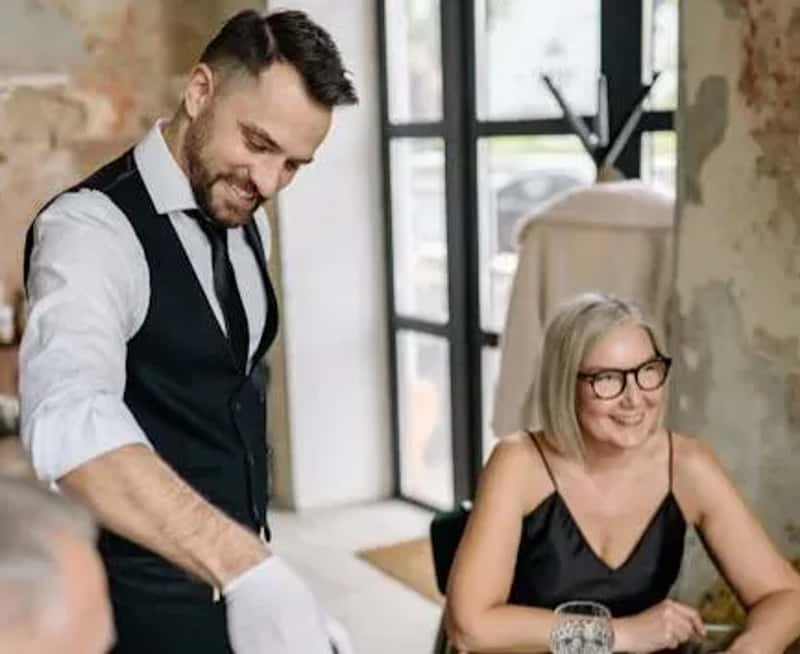
Your server walks up to take your order or check on the table. You and your companion continue your conversation without so much as a glance in their direction. Maybe you wave a hand vaguely in the air. This is profoundly rude, even if it feels casual to you. Servers and customers talking to each other is part of the way things work in restaurants. Any time a server is at the table, they are there for a reason, so it’s best to pay attention. They’re never there to just say hello – they have a purpose. When a customer doesn’t pause their conversation for half a minute to find out what the server needs, it’s officially annoying behavior.
I know it sounds harsh, but it comes down to simple acknowledgment. A server’s time is carved into precise intervals – every minute they wait by your table is a minute another table goes without service. The smallest nod costs you nothing.
9. Using Your Phone at Full Volume
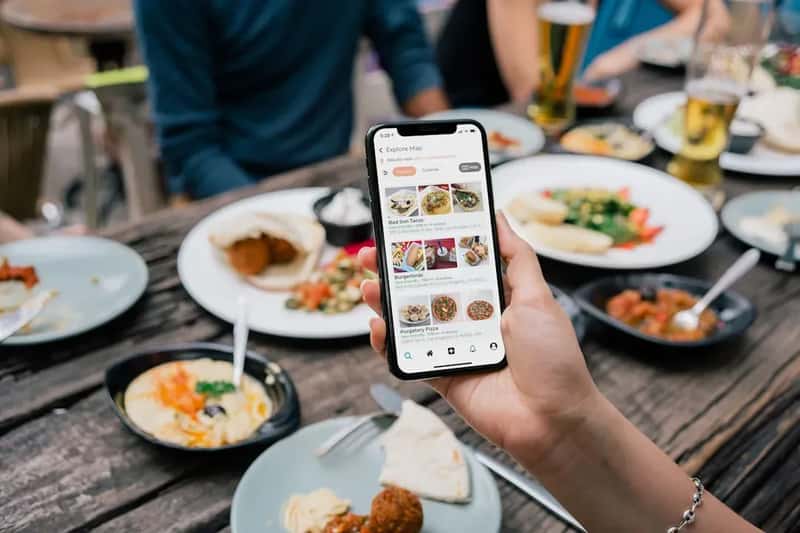
The phone debate in restaurants is genuinely nuanced. A quick check, a discreet text – most people can live with that. What nobody signed up for is listening to your speakerphone call, your TikTok video blasting at full volume, or your lengthy argument with someone about nothing. Beyond the immediate table, excessive phone use can subtly alter the overall atmosphere of a restaurant. The constant glow of screens, the sound of notifications, and the potential for loud phone conversations all contribute to a less relaxing and enjoyable environment for other diners. Restaurants aim to create a specific ambiance, and widespread phone usage can disrupt that carefully curated atmosphere.
The etiquette problems with cell phones in restaurants could fill their own article, but one way to short-circuit most problems is to simply turn your phone off or put it on silent and out of eyesight for the duration of your stay. It’s a meal, not a broadcast. The world can wait an hour.
10. Tipping Embarrassingly Low – or Not at All
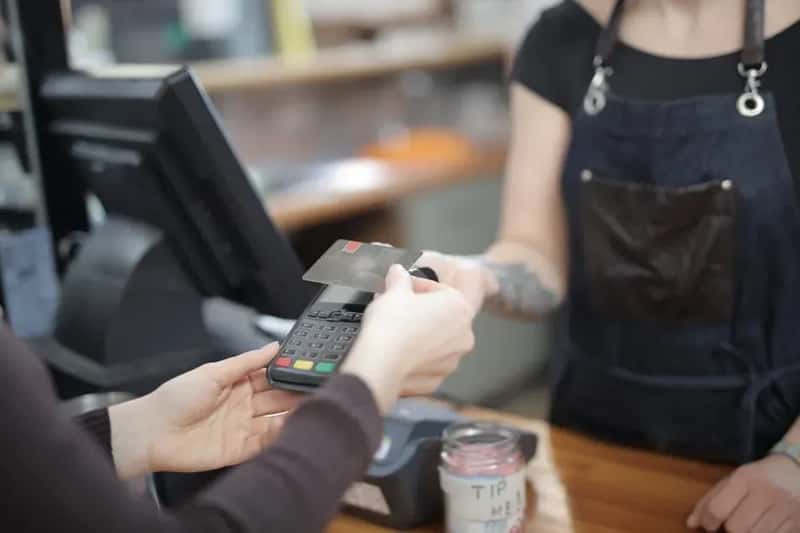
Few things mark a table as toxic quite like leaving an insulting tip. In the United States, servers often receive a federal tipped minimum wage of just $2.13 per hour before gratuity. Tips make up roughly 58.5% of a waitstaff’s and about 54% of a bartender’s total hourly earnings. When you stiff the table, you’re not making a bold statement – you’re simply not paying someone’s rent.
Average tip size has shrunk from 15.5% in 2023 to 14.9% during the second quarter of 2025, leaving workers with lower wages, according to Square data. When it comes to sit-down restaurants, 71% of women and only 63% of men always tip, while just 35% of Gen Zers always tip when dining in, compared to 86% of baby boomers. The math here is straightforward: if you can afford to eat out, you can afford to tip fairly.
11. Reserving a Large Table for a Much Smaller Party
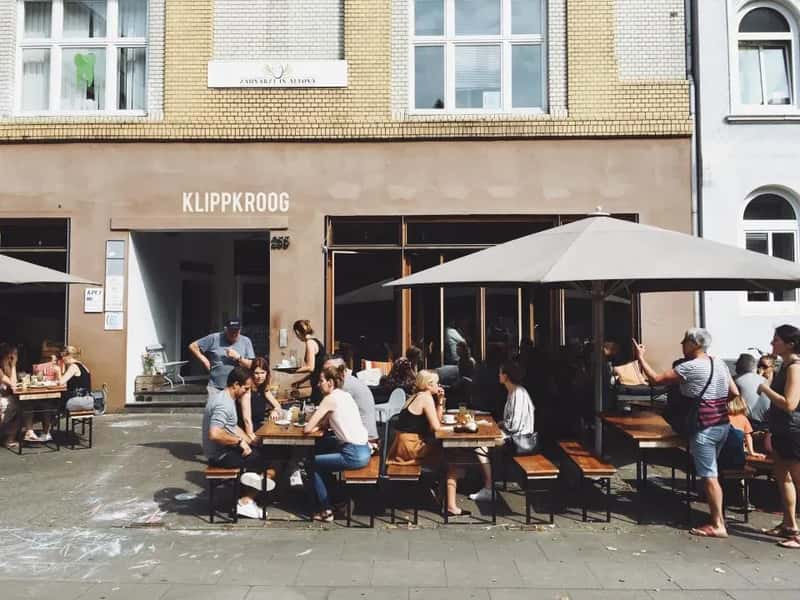
You booked for eight. Five people canceled last minute. Now your group of three is sprawled across a table clearly meant for a full party, while other guests wait at the door. Worse yet, your party of six took up a larger table or maybe multiple tables, and it then shrunk into a party of three. Unless the other members of your party are in the parking lot, wait for a table.
This is super frustrating because on busy shifts, tables are allocated to specific bookings and to help section rotation. Think of it like a domino effect. One oversized table throws the entire seating flow off balance for the whole evening. Call ahead, update the reservation, and be the kind of guest that managers actually want back.
12. Treating the Server as an Emotional Punching Bag
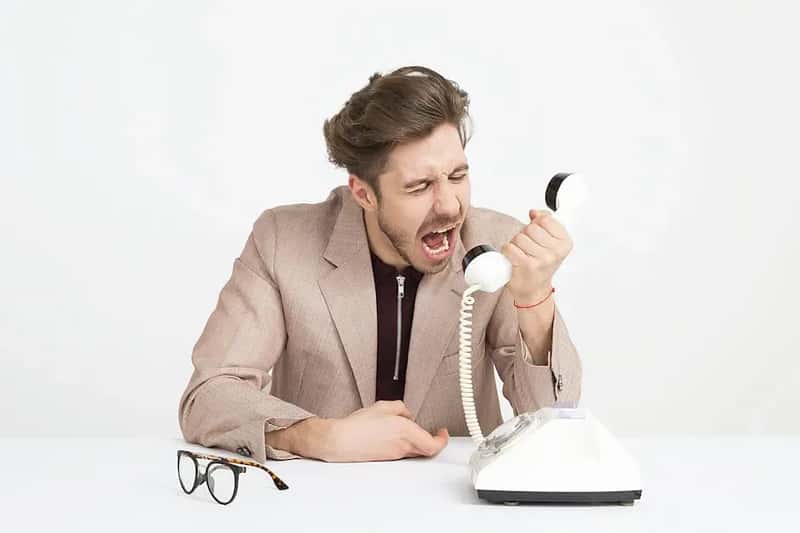
Servers deal with a staggering amount of stress during every shift. Long hours, physical demands, difficult customers, and the constant pressure to perform graciously no matter what’s happening. Taking your bad day out on the person bringing you food is not just rude – it’s genuinely harmful. Customer entitlement – people expecting the impossible, getting annoyed over tiny hiccups, or thinking it’s okay to yell at or harass the staff – is what truly defines the worst restaurant experiences.
If you have a problem with paying the tip amount or with tipping customs in general, that’s not something you should take out on your server, who counts on tips to make the majority of their pay. Most Americans now believe that the customer is not, in fact, always right. The restaurant is not your personal venting space, and the person taking your order deserves the same basic respect you’d give any other professional.
A Final Thought Worth Chewing On
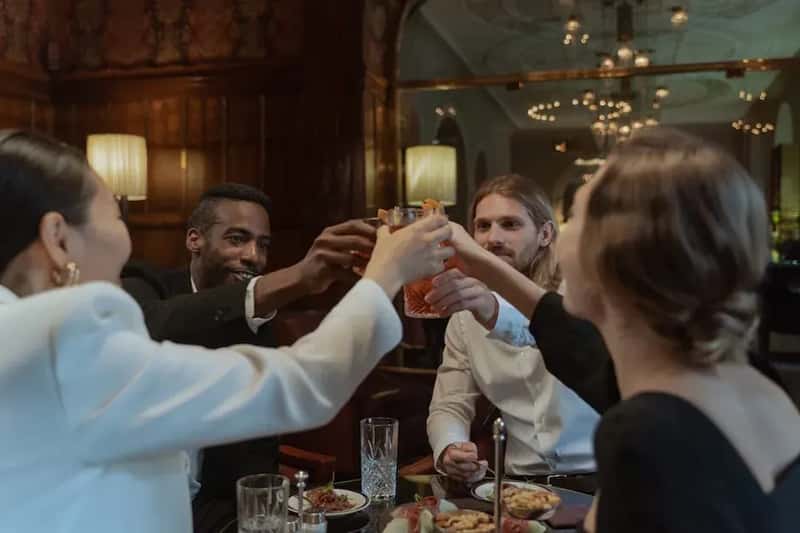
Dining out is one of life’s genuine pleasures – the food, the atmosphere, the company. The appeal of dining out centers around the overall experience, with factors like atmosphere, socialization, and special occasions being key drivers for the vast majority of diners. Ruining that experience for the people around you, for the staff, or for the restaurant itself is entirely avoidable.
It’s worth asking yourself honestly: would you want to sit next to your own table? If the answer is even a hesitant “maybe not,” a few small adjustments can make a world of difference – for everyone in the room. The next time you dine out, which of these habits do you think you might actually be guilty of without realizing it?