should be about more than just waking up in the same place you’ve always lived. It’s about waking up to something better. Many people spend decades thinking about their golden years, only to discover that their savings might not stretch as far as they’d hoped at home.
Here’s the thing. Moving abroad doesn’t mean sacrificing quality. The world has changed in ways that make international more accessible than ever before. Whether you’re drawn to Mediterranean coastlines, tropical rainforests, or charming European villages, there’s a place out there where your pension can afford you a lifestyle you might only dream about in your home country.
Honestly, it sounds crazy, but some countries truly roll out the welcome mat for retirees with special visas, tax breaks, and healthcare systems that rival anything you’d find in North America. So let’s dive in.
1. Greece: A Stunning Mediterranean Comeback

Greece has surged to the top spot in the 2026 Annual Global Retirement Index, marking a significant shift in Europe’s retirement landscape as recent visa changes and rising costs in Portugal and Spain have retirees looking elsewhere, offering a beautiful, welcoming, and affordable European base with accessible residency options.
The Greek islands have captivated travelers for centuries. Picture this: over three hundred sunny days per year, fresh seafood at local tavernas, and island communities where life moves at a gentle pace. Greece’s Golden Visa program grants a residence permit to foreigners making a minimum real estate investment of around $290,000, scoring highly on climate, healthcare and housing.
The cost of living remains reasonable, especially outside Athens. You’ll find English is widely spoken in tourist areas, making the transition smoother than you’d expect. In Crete, one of the most affordable spots among the top retirement destinations, estimated monthly living costs come in near $1,830.
2. Panama: Central America’s Retiree Paradise
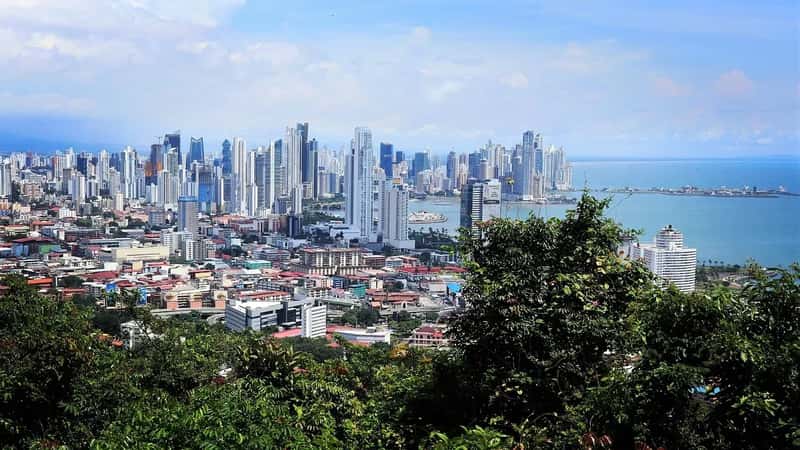
Panama stands as the frontrunner in the visa and retiree benefits category, with its Pensionado Program offering impressive perks including 50% off entertainment, 30% off transport, 25% off airfares, 15% off medical bills, and discounts on everything from electricity to eating out. That’s not marketing hype. Those are government-mandated discounts for retirees.
Panama’s healthcare system rivals the US in quality without the price tag, with a hospital stay that might cost $30,000 in Miami potentially running just $3,200 in Panama, including CT scans and medication. The infrastructure is modern, the internet is fast, and Panama City serves as a cosmopolitan hub with a tropical rainforest within city limits.
In Boquete, a popular retirement town in Panama’s highlands, a retiree’s estimated monthly budget sits around $2,400. You get mountain air, coffee farms, and a thriving expat community that makes integration a breeze.
3. Costa Rica: Pura Vida Living

Costa Rica topped the climate category in the retirement index, with roughly one quarter of its landmass protected rainforest, roughly all of its power from renewable energy, and being one of the few nations to reverse deforestation. The “Pura Vida” lifestyle isn’t just a slogan. It’s a genuine cultural approach to life that prioritizes happiness and connection.
To qualify for Costa Rica’s Pensionado Visa, applicants must demonstrate a guaranteed lifelong pension income of at least USD 1,000 per month from sources such as government or military retirement plans, social security, private company pensions, lifetime annuities, or disability benefits.
Pensionado visa holders gain immediate access to Costa Rica’s universal healthcare system through mandatory CCSS enrollment, with monthly contributions equal to roughly nine to eleven percent of reported monthly income, starting at approximately $90 to $110 for those at the minimum pension threshold. This represents exceptional value compared to private insurance costs in most developed countries.
4. Portugal: The European Favorite

Portugal ranks among the best countries for Americans to retire in 2026, with its ranking driven by an exceptional balance of quality of life, safety, accessible procedures, and integration. Walk through Lisbon’s cobblestone streets or along the Algarve’s dramatic coastline, and you’ll understand why so many retirees have made this their home.
Life in Portugal is roughly thirty to fifty percent cheaper compared with the US and UK, requiring around €4,500 in Lisbon to maintain the same standard of living as €8,000 in Washington or London. That difference adds up quickly when you’re living on a fixed income.
A retired couple could live comfortably in Portugal for between $1,500 and $2,000 per month. According to the Global Peace Index 2024, Portugal ranks seventh among the safest countries in the world. The weather is mild, the people are welcoming, and you can be sipping wine in a centuries-old plaza within hours of landing.
5. Mexico: Close to Home, Worlds Apart

As many as one million Americans and Canadians already call Mexico home, making it the largest North American expat population anywhere on Earth. There’s comfort in knowing you’re not pioneering uncharted territory. Mexico has been perfecting the art of welcoming retirees for decades.
The highways are excellent, the internet is fast, and the infrastructure is modern, combined with a remarkably low cost of living, first-rate healthcare, and an easy path to residency. From the colonial charm of San Miguel de Allende to the beachfront bliss of Puerto Vallarta, Mexico offers incredible diversity.
In Puerto Vallarta, a popular coastal retirement destination, monthly costs run roughly $3,305. Let’s be real – you can find cheaper spots in the interior or even along lesser-known coastal stretches. The proximity to the United States means your family can visit without epic international flights.
6. Italy: La Dolce Vita Never Gets Old
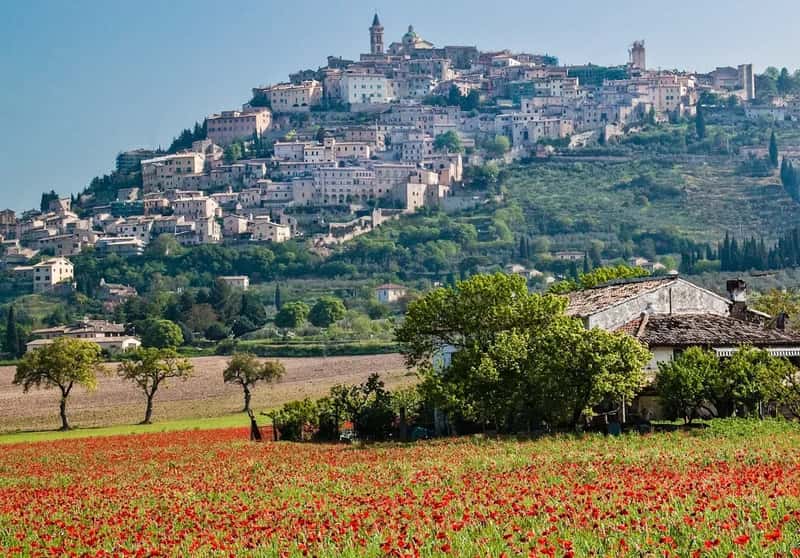
Italy offers delicious food, exceptional wines, miles and miles of stunning coastline along the Tyrrhenian, Adriatic, and Mediterranean Seas dotted with over 400 Italian islands, picture-postcard mountain ranges in the north, rolling hills covered with iconic cypress trees and vineyards, bustling historic cities filled with ornate cathedrals, welcoming piazzas, ancient ruins, romantic canals, and world-class art.
Italy isn’t the cheapest option on this list, that much is clear. Still, smaller towns in regions like Umbria or Le Marche offer affordability that surprises many. You’re trading dollars for a lifestyle steeped in history, culinary excellence, and a pace of life that values long lunches and evening passeggiata walks.
Though roughly the size of California, Italy offers a range of climates to suit everyone, from tropical weather with palm trees in the south to cooler alpine regions in the north. The visa process requires some patience and paperwork, yet thousands of expats navigate it successfully every year.
7. Spain: Sunshine and Siestas

With many regions getting over 300 days of sunshine a year, Spain’s climate shapes its culture, fostering outdoor living, late-night socializing, and a strong sense of community. The Spanish approach to retirement revolves around enjoying life rather than racing through it.
Spain’s non-lucrative visa stands as the top option for retirees who can show passive income or savings, with requirements currently sitting at €28,800 for the main applicant. That works out to roughly $31,000 annually.
In 2025, retirees typically need between €2,500 and €2,800 monthly in major cities like Madrid or Barcelona, but only €1,500 to €1,900 monthly in smaller towns or rural areas, with costs depending heavily on housing, healthcare, and lifestyle choices. Valencia has emerged as a favorite, offering beaches, culture, and affordability in one attractive package.
8. France: Elegance Meets Countryside Charm
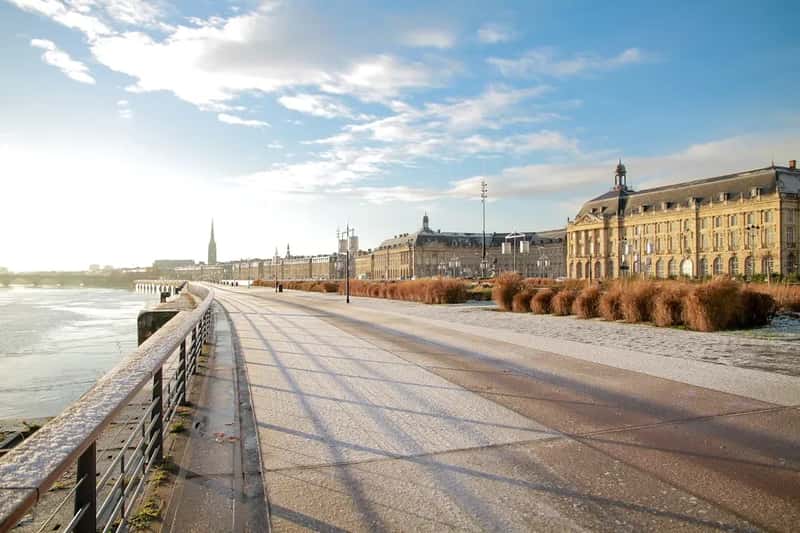
France may not top every affordability chart, yet its appeal transcends mere numbers. The French healthcare system ranks among the world’s finest. You’ll find farmers’ markets in every village, wine regions to explore, and a cultural richness that feeds the soul as much as the body.
French lawmakers are considering a proposal to end free healthcare for foreign pensioners. This potential policy shift deserves attention, though France remains attractive for those seeking European sophistication. The language barrier presents more of a challenge here than in some other destinations, making basic French skills nearly essential.
Southern France offers milder climates, while Brittany and Normandy appeal to those who prefer cooler, greener landscapes. French bureaucracy has a reputation for complexity, so patience and perhaps professional assistance prove valuable during the residency process.
9. Malaysia: Tropical Asia on a Budget

Malaysia ranks well for cost of living for foreign retirees. Penang has become particularly popular among Western retirees, offering a mix of colonial charm, modern amenities, and a food scene that’s nothing short of legendary. The Malaysia My Second Home program provides a straightforward path to long-term residency.
English is widely spoken, especially in urban areas. The healthcare system combines affordability with quality, drawing medical tourists from around the globe. You’ll find modern shopping malls alongside traditional wet markets, creating a fascinating blend of old and new Asia.
The tropical climate means year-round warmth, which some embrace while others find challenging. Yet air conditioning is ubiquitous, and the seaside breezes in coastal areas provide natural relief. Malaysia offers an exotic retirement option without the extreme culture shock that some Asian destinations might present.
10. New Zealand: Nature’s Masterpiece

New Zealand moved up to the second spot on the US News retirement list in 2024, with older survey respondents viewing the country as the number one place they would live and as family-friendly, also ranking among the top five nations for being friendly, happy and scenic, and for having many geographic attractions.
The country’s dramatic landscapes feel like living inside a nature documentary. Mountains, fjords, beaches, and lush forests create an outdoor enthusiast’s paradise. The Kiwi culture emphasizes work-life balance, friendliness, and a laid-back approach that appeals to many retirees.
The cost of living runs higher than in many retirement havens, particularly housing in Auckland and Wellington. Still, smaller cities and towns offer more reasonable prices while maintaining excellent quality of life. The remoteness can be challenging for those wanting easy access to other countries, though that same isolation creates a peaceful, unhurried lifestyle.
11. Australia: Sun, Sea, and Security

While the cost of living is high, Australia is looked upon favorably for its excellent healthcare system and mandatory superannuation system in which employers contribute a certain percentage of wages to employees’ retirement funds. The country’s political stability, rule of law, and developed infrastructure create a secure environment .
Australian cities consistently rank among the world’s most livable, with Melbourne, Sydney, and Brisbane offering cosmopolitan lifestyles alongside easy access to stunning natural environments. The Gold Coast and Queensland regions attract retirees seeking warmth and outdoor activities year-round.
Visa requirements for retirees can be stringent, often requiring substantial financial assets. Still, for those who qualify, Australia delivers first-world amenities, English language ease, and a culture that values leisure time. The distance from North America and Europe means fewer casual visits from family, something to weigh carefully.
12. Slovenia: Europe’s Hidden Gem
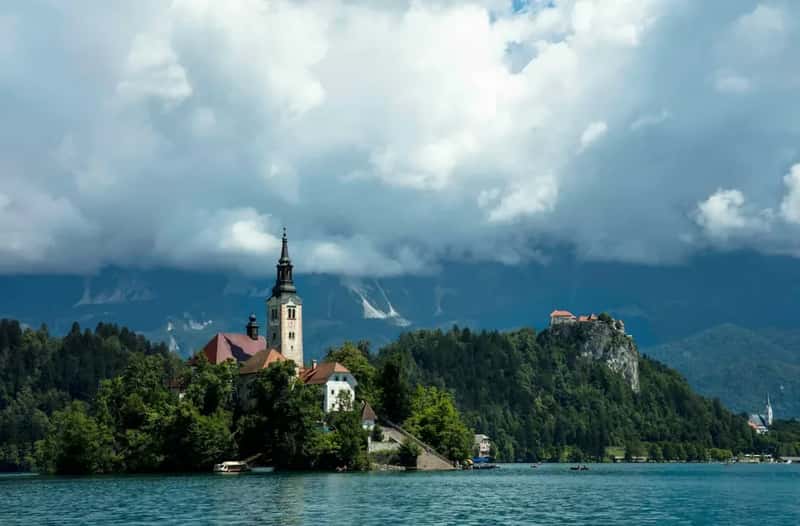
Slovenia rose to number ten overall in the retirement rankings, known for being affordable and extremely safe and community-oriented, ranking third in Material Wellbeing. This small country nestled between Italy, Austria, and Croatia offers Alpine beauty, Mediterranean coastline, and Central European charm.
Ljubljana, the capital, feels more like a large town than a bustling city. The country’s size means you can ski in the morning and be at the Adriatic coast by afternoon. Slovenia combines European quality with costs significantly lower than Western European neighbors.
The expat community remains smaller here than in more popular destinations, which appeals to some seeking authenticity. Learning basic Slovenian helps, though English proficiency is growing, especially among younger generations. Slovenia represents a retirement choice for those seeking European sophistication without the typical European price tag.
What strikes me most about this list isn’t just the variety – it’s the realization that retirement no longer needs to look the way it did for previous generations. You’re not locked into one choice or one country. Many retirees I’ve researched spend time in multiple locations, following good weather or simply exploring different corners of the world with their newfound freedom.
Did you expect that so many quality options existed outside the traditional retirement havens? What would you prioritize in your ideal retirement destination – healthcare, climate, cost, or community? Tell us in the comments.