Retiring abroad sounds simple in theory. Sell the house, book a flight, start sipping coffee somewhere warm. In practice, a successful move takes months of preparation, and the people who skip steps are usually the ones who end up frustrated, broke, or back on a plane home within a year.
More retirees than ever are making this leap. Well over 700,000 people currently collect Social Security benefits while living outside the United States, a number that keeps climbing as remote healthcare, banking, and communication make distant living far more manageable than it used to be. Before you join them, there are a dozen practical steps worth working through carefully.
1. Pin down the right visa or residency pathway
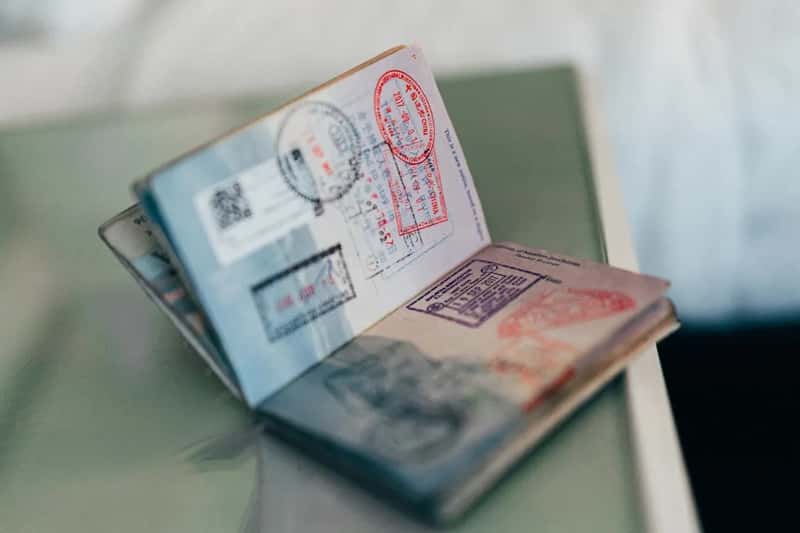
Every country has its own rules for letting foreign retirees settle in long term, and guessing your way through this part rarely ends well. At least 32 countries now offer a visa or residency permit built specifically for retirees, and most work on the same basic model: show steady income, meet a few extra conditions, and you’re in. Income thresholds swing wildly, from a few hundred dollars a month in parts of Latin America to several thousand dollars in Western Europe.
Portugal’s D7 visa asks for passive income around 920 euros a month, while Panama’s Pensionado program wants a 1,000 dollar monthly pension plus offers a long list of retiree discounts in return. Spain sits at the higher end, with its Non-Lucrative Visa requiring roughly 2,650 dollars a month for the main applicant. A short consultation with an immigration lawyer in your target country will usually clear up in one conversation whether you actually qualify.
2. Get real about your healthcare plan

This is the step that catches the most people off guard, especially Americans. Original Medicare does not cover healthcare received outside the United States, with only narrow exceptions involving emergency care near the Canadian or Mexican border and certain cruise ship situations. That means the coverage many people spent decades paying into simply stops working the moment they cross the border to live somewhere new.
Some expats keep paying the Medicare Part B premium anyway, mainly to avoid late enrollment penalties and to stay covered during visits back home. For day to day care abroad, though, you’ll need something else: private international insurance, a local private plan, or enrollment in the host country’s public system once you qualify as a resident. Portugal and Spain, for example, both let registered residents access public healthcare after they’ve established legal residency.
3. Sort out your tax situation in both countries
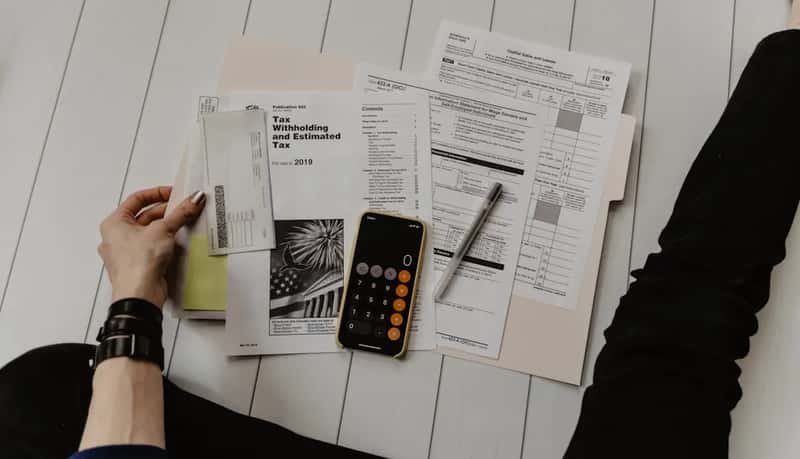
Moving abroad does not mean leaving the tax office behind, and this surprises a lot of first time retirees. US citizens remain on the hook for reporting worldwide income no matter where they live, and many host countries will also tax you once you become a resident there. Tax treaties and foreign tax credits can prevent double taxation in most cases, but only if the paperwork is filed correctly and on time.
Residency itself can trigger taxation on pensions, investment income, or rental earnings from your home country, so this is not something to figure out after you’ve already moved. A cross border tax advisor who understands both jurisdictions is worth the fee, especially in the first year or two while you’re still learning the local system.
4. Visit for an extended stay before committing

Vacationing somewhere for a week and living there full time are two completely different experiences, and the gap between them trips up plenty of retirees. A place can look perfect during a sunny two week holiday and feel isolating once the novelty wears off and you’re dealing with plumbing repairs or a doctor’s appointment in a language you barely speak. Spending a month or two in your target city, ideally during both a good season and a rough one, tells you far more than any glossy brochure.
Use the extended stay to test grocery shopping, public transport, and how far your money actually stretches on ordinary days. Talk to expats already living there if you can find them, since their honest complaints are often more useful than any travel blog’s highlight reel.
5. Build a realistic, detailed budget

Cost of living estimates online are a starting point, not gospel, and they tend to undersell the extras. Retirees can live comfortably in places like Thailand or Colombia on around 1,500 dollars a month, while a couple settling in France or Spain typically needs somewhere between 2,500 and 3,700 dollars monthly to live comparably. Those numbers cover the basics, but they often leave out one time costs.
Factor in visa fees, moving expenses, furnishing a new home, and the recurring cost of international health insurance, which can run anywhere from a few hundred to over a thousand dollars a month depending on your age and coverage level. Currency fluctuations matter too, since a pension paid in dollars or pounds can lose or gain purchasing power as exchange rates shift over the years.
6. Reorganize your banking and access to money

Wiring money internationally every month is not a long term strategy, and most retirees eventually open a local bank account once residency paperwork allows it. Some countries require proof of address and a tax identification number before a bank will even open an account, so this step often has to wait until after you’ve landed. In the meantime, a bank card with no foreign transaction fees and reliable ATM access becomes essential.
It’s worth telling your home bank about the move as well, since unexpected international activity can trigger fraud holds at the worst possible moment. Setting up at least one backup card or account, kept separate from your main one, gives you a safety net if a card gets lost, cloned, or simply stops working abroad.
7. Confirm how your pension and Social Security payments will arrive

Social Security benefits generally follow US citizens wherever they choose to live, and payments can usually be deposited directly into a foreign bank account or a US account you access from overseas. Private pensions are less predictable, since some plans have rules about paying out to foreign addresses or accounts, and it pays to check this well before the move rather than after. If you or your spouse worked and paid into the US system for at least ten years, benefits generally remain payable even from most foreign countries.
A handful of countries have restrictions on receiving certain US federal benefits, so a quick check with the Social Security Administration’s international operations office avoids surprises. Keeping a small US bank account open, even after you move, often makes managing these payments considerably easier.
8. Learn how the local healthcare system actually functions

Knowing that insurance exists is one thing. Understanding how to actually use a foreign healthcare system is another matter entirely, and it matters more the older you get. Countries like Portugal, Spain, and Thailand let non-residents buy into public healthcare for relatively affordable annual fees once residency is established, but the process, wait times, and paperwork vary enormously from one country to the next.
It’s worth researching where the nearest quality hospital is relative to where you plan to live, not just in the capital city but in your actual neighborhood. Retirees who settle in rural or coastal areas sometimes discover too late that the best specialist care is hours away, which matters a great deal if a health emergency ever comes up.
9. Decide what happens to your home and belongings

Selling the family home outright is not the only option, and plenty of retirees choose to rent it out instead, especially if they’re not fully certain the move abroad will be permanent. Renting keeps a financial and emotional foothold back home while still freeing up cash flow, though it does mean dealing with tenants or a property manager from a distance. Shipping furniture overseas, on the other hand, is often more expensive and complicated than simply buying new furniture once you arrive.
Most experienced expats recommend downsizing aggressively before the move, keeping only what truly matters and has sentimental or practical value. A storage unit for the handful of things you’re not ready to part with is usually cheaper than shipping a container full of furniture across an ocean.
10. Get your documents translated, apostilled, and organized

Bureaucracy abroad runs on paper, and missing one certified translation can stall a visa application for months. Most countries require notarized translations of documents like birth certificates, marriage certificates, and police background checks, and many also require an apostille, which is an internationally recognized form of document authentication. A Social Security award letter or pension statement is typically the most common form of income proof requested during visa applications.
Start gathering these documents well before you plan to apply, since apostille processing at the state or federal level can itself take weeks. Keeping digital copies of everything, stored somewhere accessible from abroad, saves enormous headaches if an original ever gets lost or a government office asks for a duplicate.
11. Start learning the language and understanding local customs

You don’t need fluency before you move, but showing up with zero effort makes everyday life harder than it needs to be. Simple tasks like visiting a pharmacy, negotiating with a landlord, or explaining a symptom to a doctor become far less stressful with even basic conversational skills. Language apps and local classes, ideally started a year or so before the move, make the transition noticeably smoother.
Beyond language, understanding local customs around things like tipping, punctuality, or how bureaucracy actually functions day to day helps avoid friction that has nothing to do with vocabulary. Retirees who make a visible effort to integrate, even imperfectly, tend to build friendships and support networks faster than those who stick strictly to expat circles.
12. Build a support network and update your estate plans

Loneliness is one of the most common complaints among retirees who move abroad without a plan for meeting people. Joining local expat groups, hobby clubs, or volunteer organizations before or shortly after arrival gives you a starting point rather than leaving connections entirely to chance. Many popular retirement destinations already have established expat communities that make this considerably easier.
On the legal side, wills, powers of attorney, and healthcare directives drafted under your home country’s laws may not hold up automatically abroad, so it’s worth asking an attorney whether you need a parallel document valid in your new country. This is not a pleasant task to think about while planning an exciting move, but sorting it out ahead of time protects both you and the people you leave decisions to.
None of these twelve steps are optional extras. Skipping even one, whether it’s the tax planning or the extended test visit, tends to create problems that surface at the worst possible time, usually after the move is already underway. Retirees who work through this list methodically, ideally over twelve to eighteen months rather than a few frantic weeks, generally report a far smoother transition and fewer regrets once they’ve settled into their new life abroad.