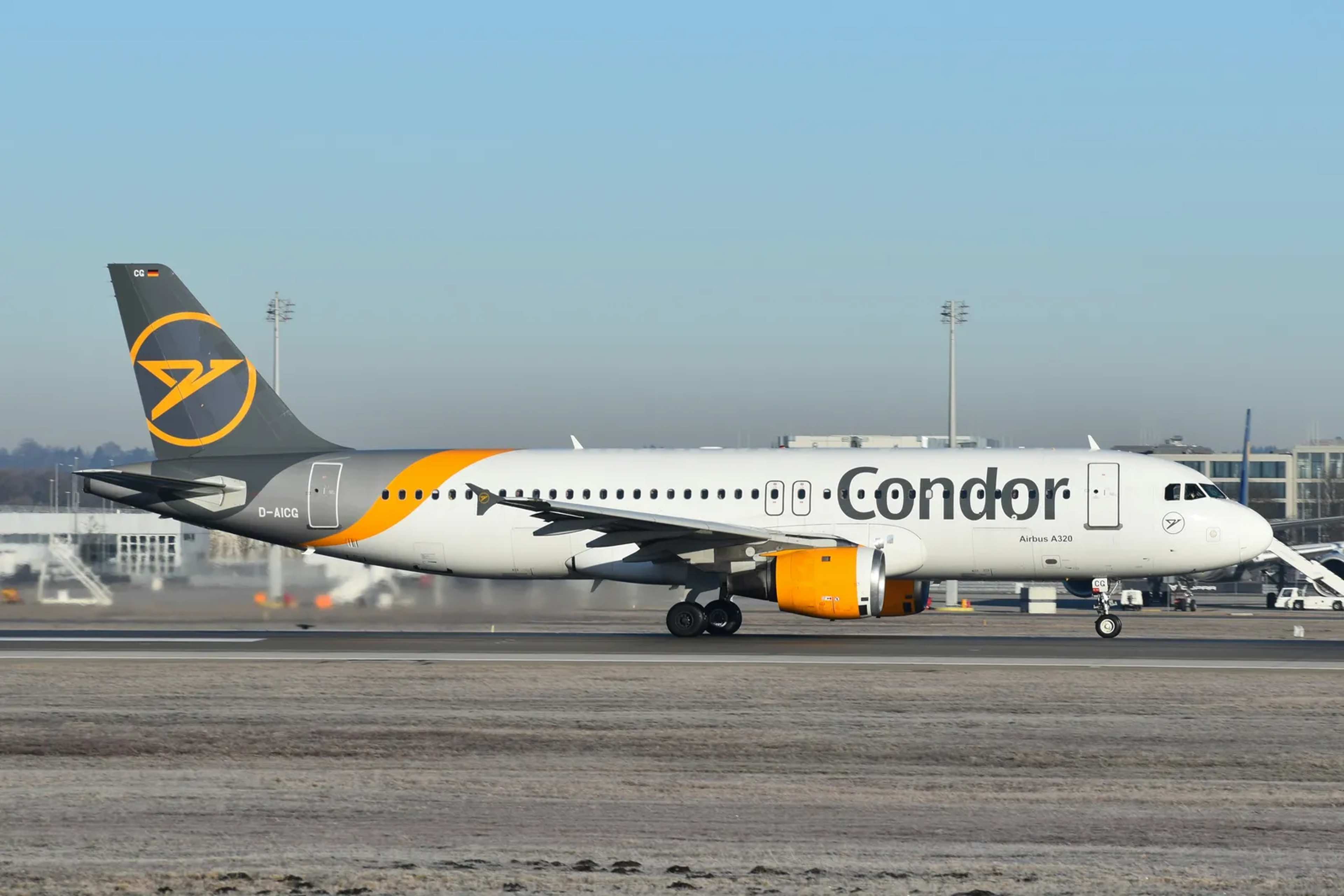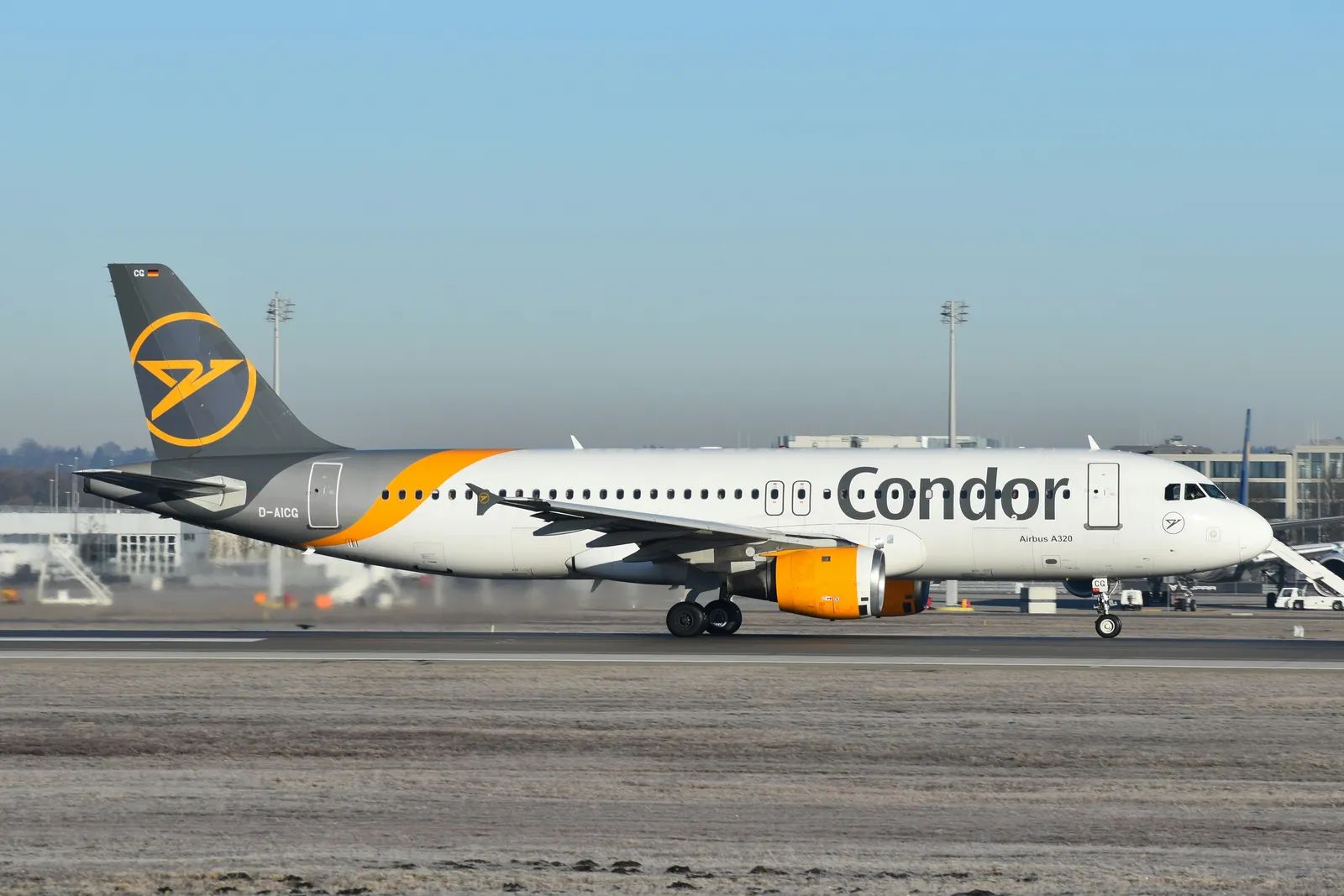
Germany’s Condor Airlines is redirecting its long-haul network toward larger American gateways after losing a key source of connecting passengers. The Frankfurt-based carrier, recognizable by its distinctive striped aircraft, once served a wider range of secondary U.S. cities during the summer season. It now prioritizes markets with stronger origin-and-destination demand while building new commercial ties.
The Lufthansa Split Forces a New Approach
A long-standing commercial agreement that funneled Lufthansa passengers onto Condor flights ended after a court ruling in Lufthansa’s favor in 2025. Without that feed, Condor must generate more of its own connecting traffic at its Frankfurt hub. Chief executive Peter Gerber noted the practical reality at a recent industry conference: the airline’s sizable long-haul fleet and Germany’s geography make it impossible to fill those aircraft without reliable onward connections. The carrier has responded by adding short-haul routes from Frankfurt to Barcelona, London Gatwick and Venice. These additions help capture more independent travelers who can then continue on Condor’s transatlantic services. Gerber acknowledged that Condor will never match the breadth of Lufthansa’s network at its home base, yet the focus remains on the strongest city-pair markets.
American Airlines Partnership Opens New Doors
In September, Condor and American Airlines launched an interline agreement that lets passengers book both carriers on a single ticket with through-checked baggage. Connections are available at Boston, Los Angeles, New York JFK and, from May onward, Chicago O’Hare. The arrangement does not yet include reciprocal frequent-flyer benefits, but it gives each airline access to the other’s connecting passengers. This partnership forms the centerpiece of Condor’s revised U.S. strategy. It allows the German airline to reach travelers who prefer to begin their journey on a U.S. carrier before transferring to Condor for the Atlantic crossing. Similar interline deals already exist with Southwest Airlines, while Alaska Airlines and JetBlue members can earn and redeem loyalty points on Condor flights.
Chicago Service Begins in 2027
Condor’s only new U.S. route next year will be daily nonstop flights between Frankfurt and Chicago O’Hare. The service operates from May 14 through September 12, 2027, using Airbus A330-900 aircraft configured with 30 business-class, 64 premium-economy and 216 economy seats. The summer schedule aligns with peak leisure demand on the North Atlantic. The Chicago addition reflects the airline’s deliberate move toward larger U.S. markets that can sustain year-round or extended seasonal operations without relying on external feed. Earlier secondary-city routes such as San Antonio and Baltimore are no longer part of the published schedule.
Secondary Cities That Remain
Not every smaller market is disappearing. Flights to Anchorage and Portland, Oregon, will continue because both airports serve as major hubs for longtime partner Alaska Airlines. Those routes benefit from the existing loyalty-program linkage and from strong seasonal demand for Alaska and the Pacific Northwest. The combination of the American Airlines interline, the Alaska and JetBlue partnerships, and the Southwest agreement gives Condor multiple ways to fill seats without operating flights to every possible U.S. city itself. Travelers gain more booking flexibility and baggage through-checking options on itineraries that previously required separate tickets.
What Travelers Can Expect
For U.S. passengers planning trips to Germany or onward European destinations, the changes mean more nonstop options from major gateways and smoother connections through partner networks. Chicago joins Boston, Los Angeles and New York as cities where Condor and American flights can be combined on one ticket. The striped Condor aircraft will therefore appear more frequently at the country’s busiest airports rather than at a broader scatter of secondary destinations. The strategy keeps the airline’s long-haul fleet utilized while adapting to the post-Lufthansa commercial landscape.