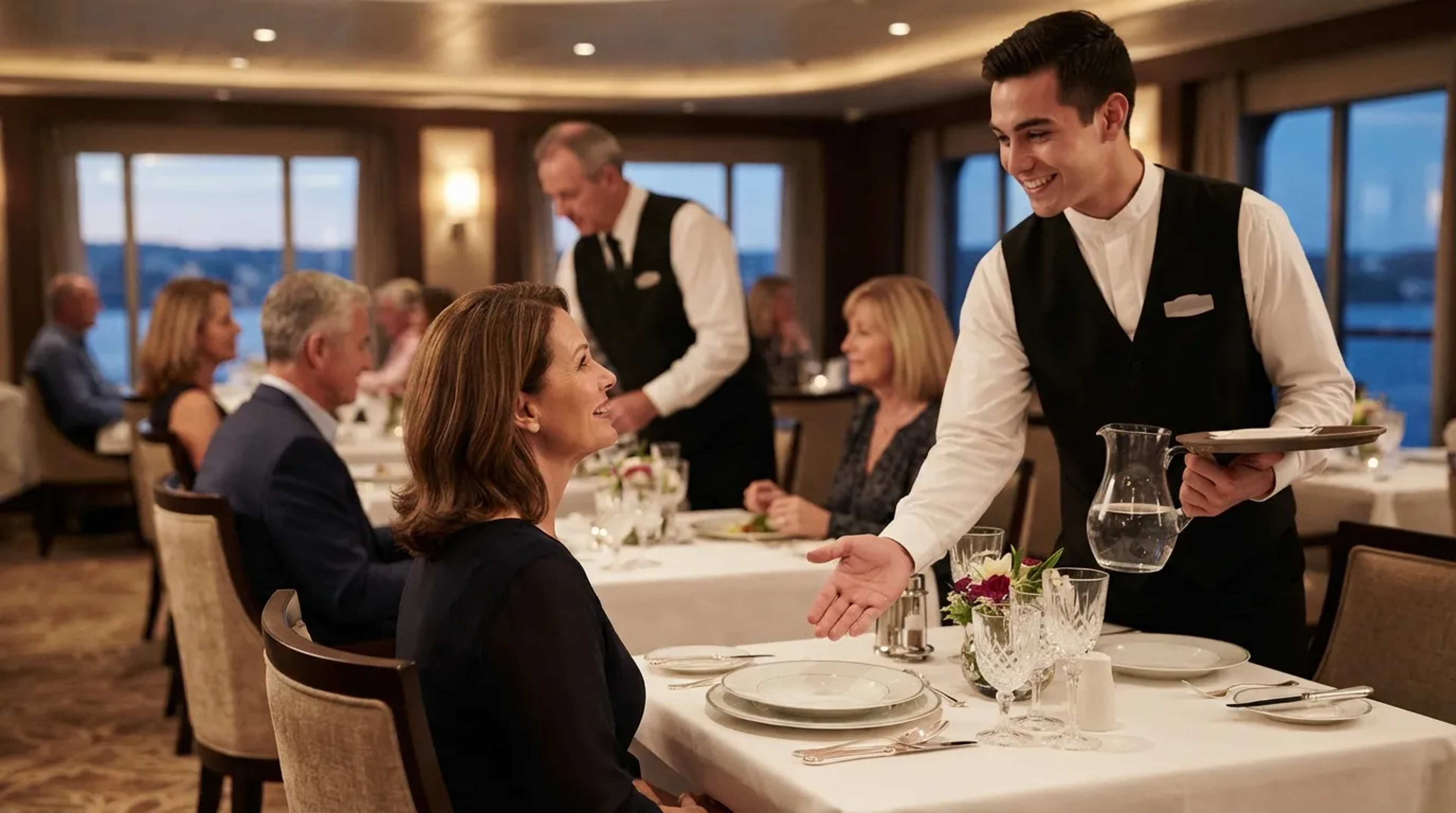
There’s a certain quiet confidence that separates seasoned, well-heeled travelers from everyone else when they sit down at a restaurant abroad. It’s rarely about the size of the bill they’re prepared to pay. More often, it comes down to small, deliberate choices, the kind that locals notice and appreciate, even if they never say a word about it.
Watch closely at a trattoria in Florence or a family-run izakaya in Kyoto, and you’ll start to see patterns. The travelers who blend in, who get warmer service and better recommendations, tend to avoid a specific set of habits. Here are twelve things they simply don’t do.
1. They never assume the menu is just for show
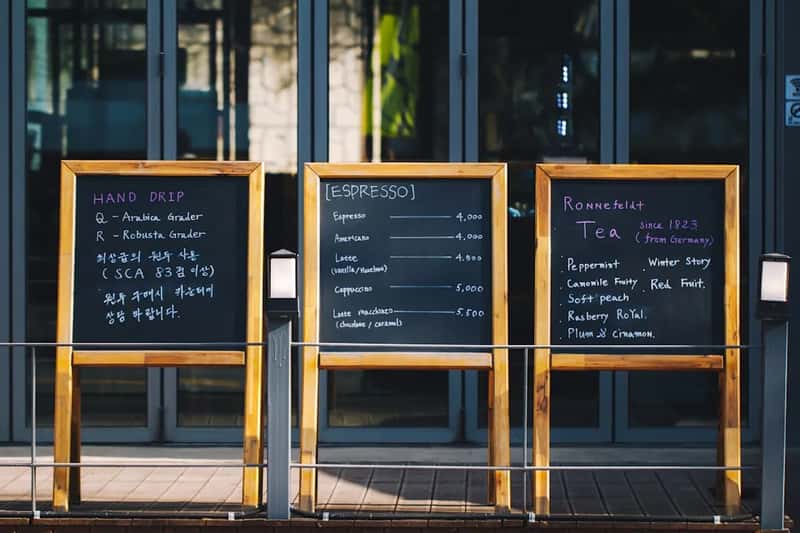
Wealthy travelers who’ve spent real time abroad understand that a menu, especially a handwritten or chalkboard one, is often the restaurant’s actual identity, not a formality to skim past. They read it closely, ask questions about unfamiliar dishes, and treat it as a window into the kitchen’s priorities that day. Dismissing it or asking for something not listed, like a modified version of a dish, is seen as a subtle sign of disrespect in many culinary traditions.
In places like Japan or parts of France, chefs build their reputation around a tightly curated, often seasonal selection. Requesting substitutions can put staff in an awkward position, since the dish may have been designed around a specific balance of ingredients. Frequent travelers learn to trust the format they’re given rather than trying to reshape it to fit home habits.
2. They don’t skip the greeting ritual
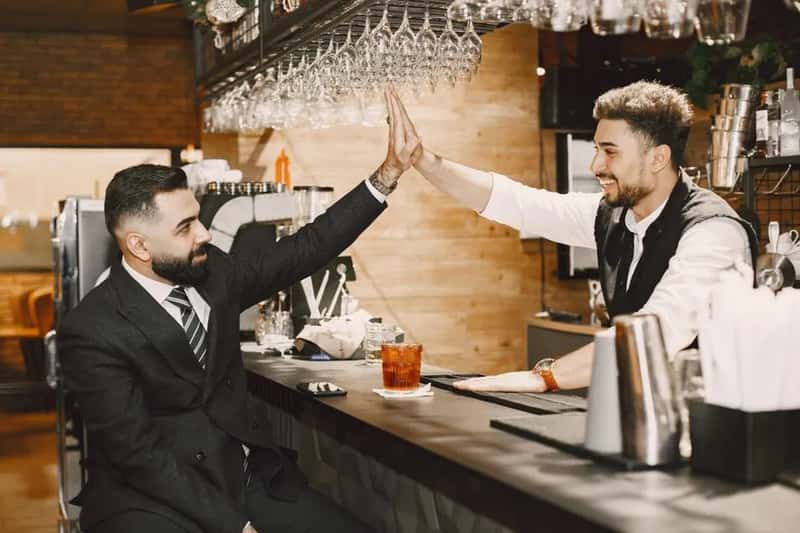
Walking straight to a table without acknowledging the host or staff is one of the fastest ways to be marked as an outsider, and not in a charming way. In countries like Italy, Turkey, or Thailand, a warm verbal greeting when entering, even a simple one, sets the tone for the entire meal. Experienced travelers make eye contact, offer a greeting in the local language if they can manage it, and wait to be seated rather than choosing their own table in a full restaurant.
This isn’t about performing politeness for its own sake. It’s rooted in the reality that many restaurants abroad, particularly smaller or family-owned ones, operate more like an extension of someone’s home than a transactional business. Skipping that initial human moment can color how attentive the service turns out to be for the rest of the night.
3. They avoid loud complaints about slow service
In much of Southern Europe, Latin America, and parts of Asia, meals are structured around a slower rhythm than what’s typical in the United States or the United Kingdom. Wealthy travelers who dine abroad frequently know this going in, so they rarely voice frustration when a course takes forty minutes to arrive. Instead, they treat the pacing as part of the cultural experience rather than a service failure.
Restaurants in cities like Madrid or Buenos Aires often don’t rush multiple courses because the meal itself is meant to be a social event, not a quick refuel. Complaining loudly, or worse, demanding compensation for the wait, tends to be viewed as a distinctly foreign behavior. Seasoned diners instead use the extra time to order another round of wine or simply slow down their own expectations.
4. They don’t over-tip or under-tip out of habit

Tipping customs vary dramatically from country to country, and travelers who assume their home country’s norms apply everywhere often get it wrong in both directions. In Japan, tipping can actually be seen as confusing or even mildly insulting, since exceptional service is considered a baseline expectation rather than something extra. In much of Europe, a service charge is frequently already built into the bill, so adding another twenty percent on top isn’t necessary and can come across as showing off.
Well-traveled diners take a few minutes before a trip to understand local norms, whether that means rounding up a bill in Germany or leaving a small cash tip in parts of Latin America. Getting this detail right signals familiarity with the country rather than wealth being used as a blunt instrument. It’s a small gesture, but it’s one that locals and staff notice immediately.
5. They never photograph food without asking, especially in small establishments
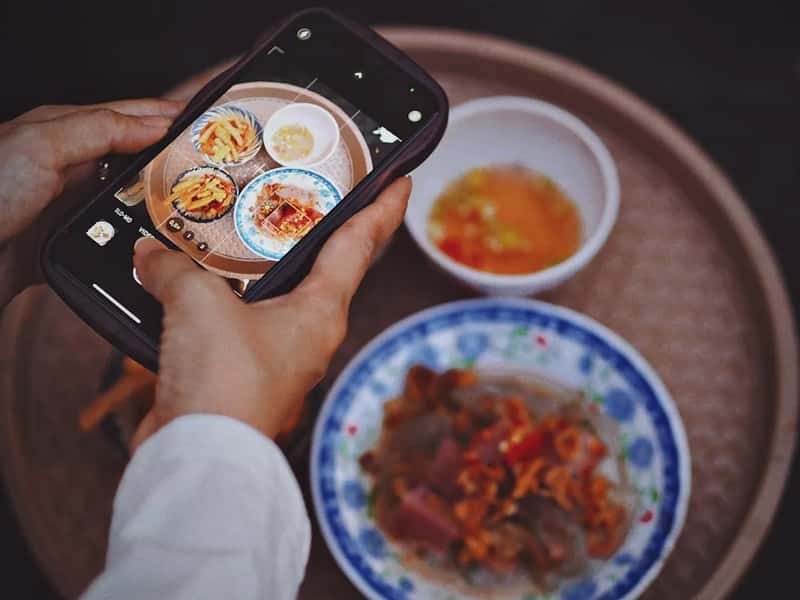
Social media has normalized snapping photos of every dish, but in many smaller, family-run restaurants abroad, this habit can feel intrusive rather than flattering. Wealthy, experienced travelers tend to ask permission first, particularly in intimate dining rooms where other guests are present or where the owner is visibly protective of the space. In some traditional restaurants in places like Kyoto, extensive photography is quietly discouraged because it disrupts the calm atmosphere the space is designed to create.
This isn’t a universal rule, and plenty of destinations are perfectly comfortable with diners documenting their meal. Still, the more discerning approach is to read the room first. A quick glance around, or a brief question to the server, avoids the awkwardness of being the table everyone quietly notices for the wrong reasons.
6. They don’t order the same dish they’d get at home
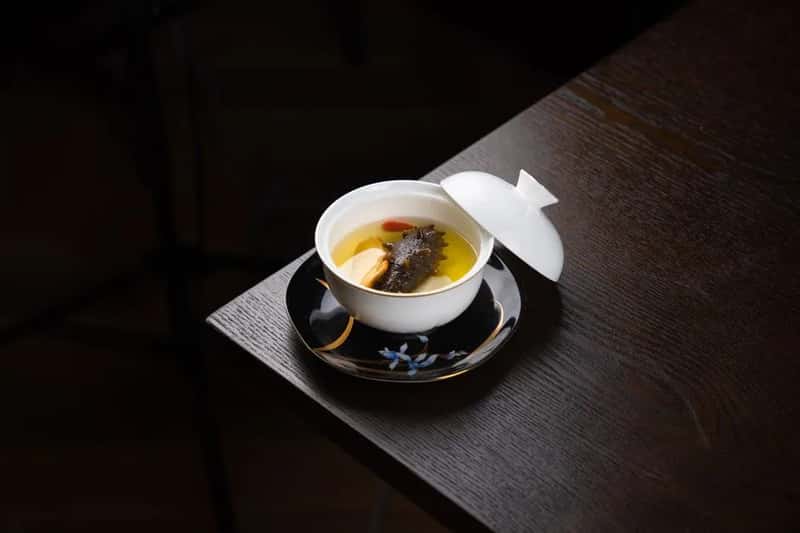
There’s a specific kind of traveler who visits Rome and orders a Caesar salad, or heads to Bangkok and asks for a plain chicken breast, no spice. Wealthy, experienced travelers tend to see this as a wasted opportunity rather than a safe choice. They lean into what the region does best, trusting that a restaurant’s specialty dish, the one locals actually order, is almost always the better decision.
This habit isn’t about being adventurous for its own sake. It comes from understanding that restaurants abroad are often built around a narrow set of dishes they’ve perfected over years or even generations. Ordering outside that specialty, just to stay in a comfort zone, usually results in a forgettable meal and, frankly, wastes the reason for traveling in the first place.
7. They never raise their voice to get a server’s attention

In many countries, particularly across Asia and parts of Europe, raising a hand or a subtle nod is the accepted way to signal a server, while calling out loudly is considered brash. Wealthy travelers who’ve learned this tend to use quieter, more localized cues, whether that’s a small wave in Vietnam or simply catching a server’s eye in France. It’s a detail that seems minor but tends to get noticed immediately by both staff and other diners.
This restraint often results in better service, not worse. Staff in busy restaurants abroad are generally attentive to subtle signals precisely because loud, demanding behavior is rare and stands out negatively. Blending into local etiquette here tends to pay off far more than trying to stand out.
8. They don’t insist on ice in every drink

Travelers accustomed to heavily iced beverages at home sometimes find themselves frustrated abroad, where ice is often served sparingly or not at all, particularly in Europe. Wealthy, well-traveled diners tend to accept this rather than pushing back, understanding that the norm exists for practical and cultural reasons rather than an oversight. In parts of Italy or the UK, warmer drinks and smaller ice portions are simply how beverages have always been served.
Insisting on a glass full of ice, or complaining that a drink isn’t cold enough, tends to mark someone as unfamiliar with local customs. It’s a small thing, but it reflects a broader pattern of adapting rather than expecting the destination to adjust to visitor preferences. Most frequent travelers pack this kind of flexibility into their expectations before they even land.
9. They avoid dining at the most obvious tourist-trap hours
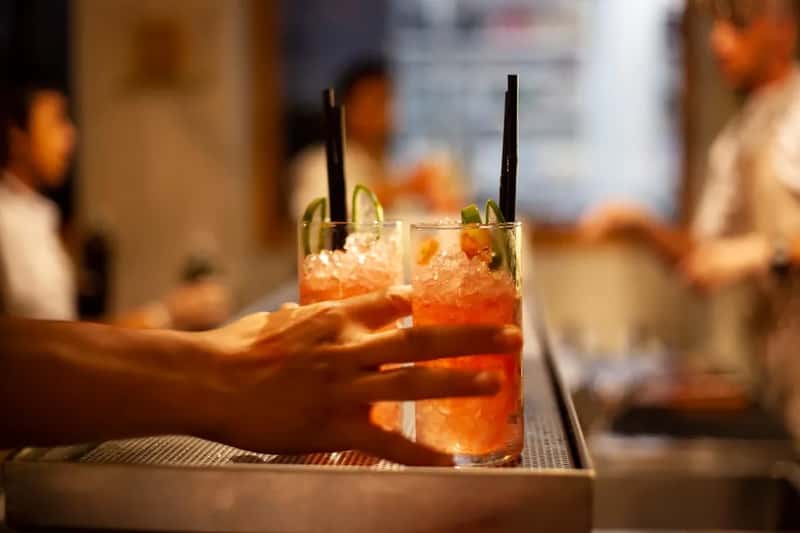
Restaurants near major landmarks often shift their offerings, pricing, and even quality slightly during peak tourist hours, something experienced travelers have learned to sidestep. In cities like Paris or Barcelona, dining an hour or two outside the typical foreign tourist window, whether earlier or later, often results in a noticeably better experience and a more authentic crowd. This timing shift isn’t about avoiding other travelers out of snobbery. It’s a practical way to land better service and a more accurate sense of how locals actually eat.
Locals in Spain, for instance, often eat dinner well after nine in the evening, while many tourist-oriented restaurants push earlier seatings to accommodate visitor schedules. Wealthy travelers who’ve spent time studying local rhythms tend to eat on the country’s schedule rather than their own. It’s a subtle adjustment, but one that consistently leads to better food and a calmer atmosphere.
10. They never argue about the bill in public
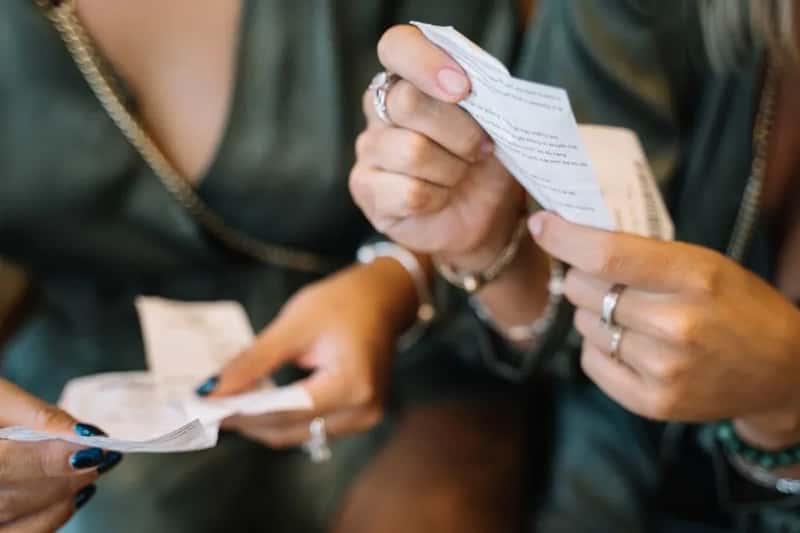
Disputes over a check happen everywhere, but how they’re handled varies enormously by culture and by class of traveler. Wealthy, experienced diners tend to address billing concerns quietly, either by speaking directly and calmly with a manager or by simply paying and following up privately if something seems off. Making a scene at the table, especially over a relatively small discrepancy, is widely seen as poor form in most dining cultures.
This restraint isn’t about avoiding accountability. It’s about understanding that public confrontation rarely resolves anything faster and often embarrasses everyone at the table, including other guests nearby. A calm, private conversation almost always gets better results than a loud one in the middle of a dining room.
11. They don’t ignore local dress expectations
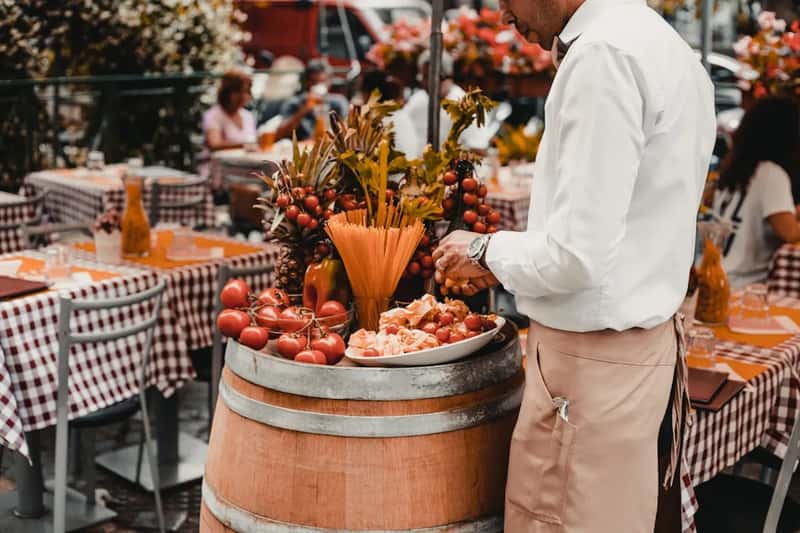
Certain restaurants abroad, particularly upscale or traditional establishments, maintain unspoken dress expectations that go beyond what’s typical in casual dining back home. In parts of Italy or at more formal restaurants in Japan, arriving in beach sandals or gym clothes can result in a noticeably cooler reception, even if there’s no official dress code posted. Wealthy travelers who dine out frequently tend to research this ahead of time, packing at least one slightly elevated outfit for dinners at well-regarded spots.
This isn’t about dressing extravagantly or trying to impress anyone. It’s a small courtesy that signals respect for the setting and, often, for the effort a restaurant has put into its atmosphere. Showing up appropriately dressed tends to smooth over small interactions throughout the meal, from how quickly a table is offered to how warmly staff engage.
12. They never treat every meal like a transaction to rush through
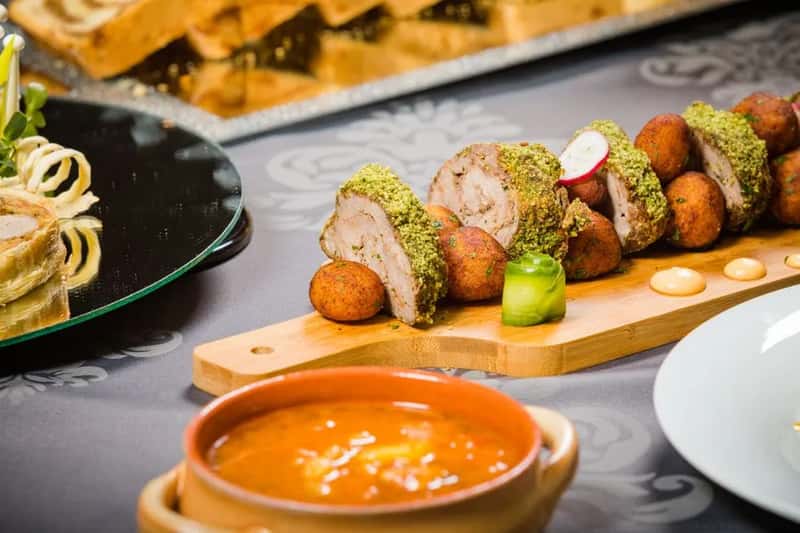
Perhaps the clearest marker of an experienced traveler abroad is patience with the meal itself as an event, not just a stop to refuel between sightseeing. In countries like France, Italy, or Greece, a dinner can easily stretch past two hours, built around conversation, multiple courses, and unhurried pacing. Wealthy travelers who’ve dined abroad extensively rarely check their watch or ask for the check the moment the last bite is finished.
This mindset shift changes the entire dynamic of a meal, both for the traveler and for the staff serving them. Restaurants built around a slower dining culture tend to reward guests who settle in rather than those who signal impatience through body language or repeated requests for the bill. Treating dinner as an experience worth lingering over, rather than a task to complete, tends to be the single biggest difference between tourists and travelers who’ve genuinely learned how to eat well abroad.
These habits rarely show up in guidebooks, yet they shape almost every interaction that happens at a table abroad. None of them require deep pockets, just attention, patience, and a willingness to follow the rhythm of wherever you happen to be sitting down to eat.