Every summer, families load up the minivan, drive hours through stunning scenery, and pull up to a national park entrance gate – only to be turned away on the spot. Rangers across the country deal with it every single day. These aren’t clueless travelers. Many of them planned their trips months in advance, made reservations, bought passes, and still got rejected at the gate over one overlooked detail. The worst part? Almost every single rejection was completely preventable.
The rules surrounding national park entry have quietly gotten far more complicated in recent years. New fee structures, timed entry systems, digital pass requirements, and residency-based pricing mean the old “just show up and pay at the gate” approach no longer works. Some of what’s changed in 2026 will genuinely surprise you – especially mistakes 2 and 3.
#13 – Thinking Your Campsite Reservation Covers Everything
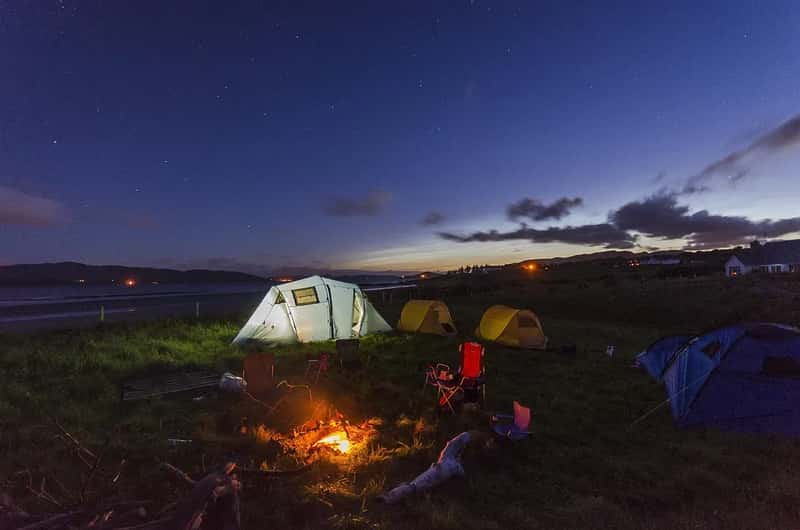
This is one of the most confidently made – and most painfully wrong – assumptions at national park gates. A campsite reservation and a timed entry permit serve completely different purposes, but families regularly assume one covers the other. In most parks, a confirmed camping reservation does include park entry for the day you check in. A timed entry permit, however, never automatically includes a campsite. The confusion runs both directions, and it costs families entire vacation days.
Some campers skip the timed entry permit because they already have a campsite booked, only to learn their camping reservation alone does not cover access to specific corridors like Bear Lake Road at Rocky Mountain. Always read the fine print on both reservations. If you’re planning a road trip with camping stops at multiple parks, treat every park as its own puzzle with its own booking requirements. The campsite is the bed. The timed entry permit is the key to the front door. You need both.
At a Glance
- Campsite reservation: Covers your overnight stay and typically park entry on check-in day
- Timed entry permit: Covers vehicle access during a specific window – campsite does NOT substitute for this
- Bear Lake Road (Rocky Mountain): Requires its own separate corridor permit even for campers
- Both documents: Must be shown to rangers independently at the gate
- Rule of thumb: Book each reservation type separately, and confirm both before you leave home
#12 – Arriving Outside Your Timed Entry Window
You booked a timed entry reservation weeks in advance – good job. But then you arrive two hours late because the kids needed breakfast and traffic was brutal. That slot is gone. Timed entry reservations grant access during a specific window, not whenever you feel like showing up. Arrive too early and the ranger will ask you to wait. Arrive too late and your slot may no longer be valid. Families are genuinely stunned by this because they assume a reservation means they can show up “sometime that day.”
Build extra time into your morning routine, especially if you’re driving from a hotel outside the park. Summer traffic near popular entrances can add 30 to 60 minutes to what looks like a short drive on the map. At Rocky Mountain National Park, timed entry reservations lock you into a specific two-hour entry window – missing it means no entry, no exceptions. If you arrive outside your assigned window, you may be denied access entirely with no workaround at the gate.
#11 – Assuming All Parks Dropped Their Reservation Requirements
The headlines in early 2026 were everywhere: Yosemite dropped reservations! Glacier dropped reservations! Some families read those stories and assumed the entire system had been dismantled – that every park was now open-door, no planning required. That assumption is dangerously wrong, and it has left real families staring at closed gates. Rocky Mountain National Park still requires timed entry permits from May 22 through October 12, 2026.
Acadia requires a vehicle reservation for Cadillac Summit Road. Haleakala requires a sunrise reservation for vehicles entering between 3 and 7 a.m. Shenandoah requires day-use tickets for Old Rag Mountain hikers. Carlsbad Caverns requires reservations for cave tours. The 2026 reservation landscape is a patchwork – one park on your road trip itinerary might be wide open while the next requires a permit booked 90 days in advance. Never assume. Check each park’s NPS page before you leave home.
Quick Compare: Parks That Changed Rules in 2026
- Dropped timed entry in 2026: Arches, Glacier, Mount Rainier, Yosemite
- Still require timed entry in 2026: Rocky Mountain (May 22–Oct 12), Acadia (Cadillac Summit Road), Haleakala (sunrise, 3–7 a.m.)
- Require attraction-specific permits: Carlsbad Caverns (cave tours), Zion (Angels Landing lottery), Shenandoah (Old Rag)
- Bottom line: Even “open” parks may restrict specific roads, trails, or attractions
#10 – Showing Up With Only a Receipt for Your Pass

You ordered an America the Beautiful annual pass online three weeks ago. You have the confirmation email. The order number is right there in your inbox. The ranger at the gate doesn’t care. Receipts for park passes are not valid for entry – and this surprises a remarkable number of people every single season. Families who order through the USGS Online Store expect the paper trail to be enough. It isn’t, and there’s no workaround at the gate.
America the Beautiful passes ordered through the USGS Online Store may take up to three weeks to be processed and delivered – and the receipt in your email will never open a park gate. The fix is straightforward: get a digital America the Beautiful pass through Recreation.gov instead, which you can use immediately from your phone. The digital pass became available on November 20, 2025, and can be saved directly to your mobile device for same-day use. Or pick up a pass in person at a park visitor center on your way in.
#9 – Not Having Your Photo ID Ready at the Gate
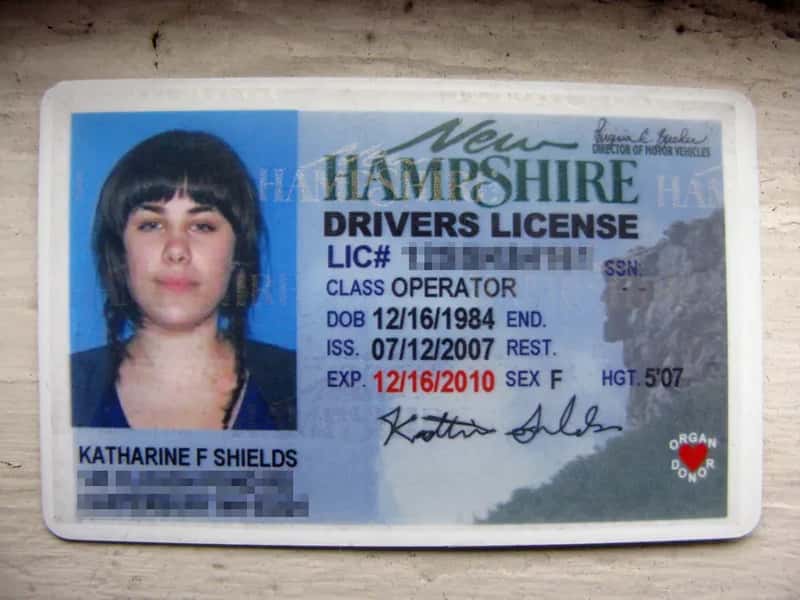
It used to be simple: flash the pass, pay the fee, drive through. Now there’s a verification step that many families haven’t heard about. America the Beautiful Passes are non-transferable, and passholders must show valid photo identification with each use. This requirement has been enforced more strictly since 2026, partly because of the new residency-based fee structure that rangers now have to verify at the gate. A pass without an ID is a pass that doesn’t work.
Visitors who can’t produce a valid photo ID will need to pay the entrance fee – including the increased nonresident fee if they can’t prove residency. Acceptable documents include a U.S. passport, state driver’s license, or green card. Forgetting your wallet at the hotel, or handing your pass to a friend who then shows up without you, can cost the whole group entry. The pass is non-transferable by design, and rangers are trained to check. Make sure the actual passholder is in the vehicle with their ID every single time.
#8 – Banking on Free Admission Days Without Checking the New Residency Rules
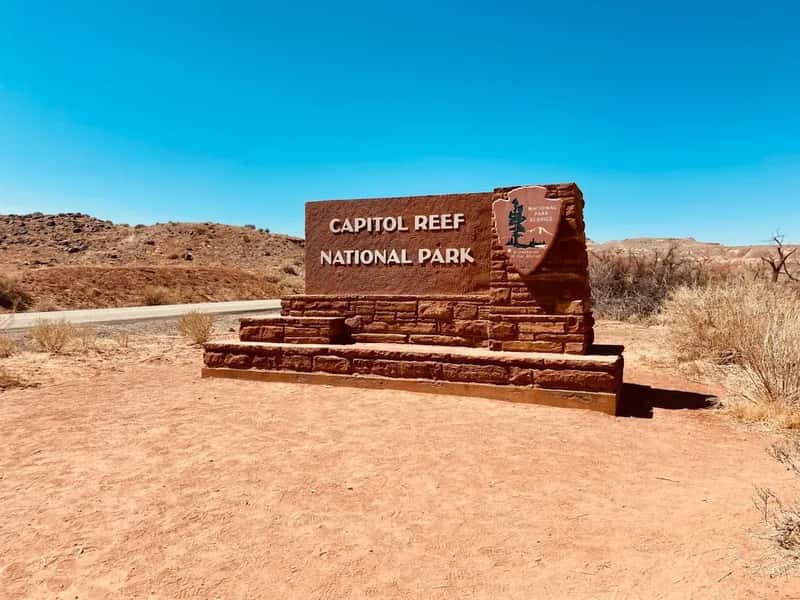
Families have built vacation schedules around national park fee-free days for years. In 2026, that tradition comes with a massive asterisk that most people haven’t noticed yet. Beginning in 2026, free entrance on those designated days applies to U.S. citizens and residents only. Nonresidents still pay the regular entrance fee – plus any applicable nonresident fees. For American families, nothing changes. For families with international relatives visiting, or mixed-residency households, the surprise at the gate is real and expensive.
The NPS has announced fee-free days in 2026 exclusively for U.S. residents, including Memorial Day weekend, Independence Day, and Veterans Day. Other reservation or timed-entry fees may still apply even on those days. If you’re bringing grandparents or cousins from abroad and planned your trip around a free-entry date, that math no longer works the way you think it does. Double-check residency status and review the current nonresident fee structure before you pack the car.
#7 – Confusing the Timed Entry Ticket With the Entrance Pass

This is one of the most widespread errors rangers encounter – and it makes complete sense that people get confused, because the two things sound like the same thing. They are not. A timed entry permit and a park entrance pass are two completely separate requirements. Your America the Beautiful annual pass, or the daily entrance fee, gets you into the park. But at parks with timed entry systems, the annual pass alone is not enough during peak hours. Rangers will still turn you away.
Think of it this way: the entrance pass is the ticket price, and the timed entry ticket is the reservation for the show. You need both. At Rocky Mountain National Park, even America the Beautiful passholders must show a separate timed entry reservation during required hours. That reservation costs $2 per vehicle on top of the entrance fee – a small amount with a big consequence if you skip it. Most people who skip it do so simply because they didn’t know it existed.
Worth Knowing
- An America the Beautiful pass covers the entrance fee – it does not replace a timed entry permit
- Rocky Mountain timed entry reservations cost $2 per vehicle (non-refundable) via Recreation.gov
- Timed entry permits are checked separately from your pass at the entrance gate
- Even campers and annual passholders must have a timed entry reservation during required hours
#6 – Letting Your Phone Die Before You Can Show Your Pass

Families increasingly rely on digital passes stored on smartphones to enter national parks – which is smart and convenient right up until the phone dies in the parking lot. Cell service inside and around national parks is notoriously unreliable. If your only copy of the reservation lives in your email inbox or buried in the Recreation.gov website, a dead battery or a cracked screen at exactly the wrong moment turns perfectly prepared families into frustrated strangers at the gate. It happens more than park staff would like to admit.
Screenshot your confirmation before you leave your hotel. Better yet, save your timed entry pass to Apple Wallet or Google Wallet through the Recreation.gov app, which stores it for offline access even without cell service. A printed backup in the glove box is old-fashioned but completely foolproof. Rangers now use high-speed digital scanners at many parks, and even a cracked screen can cause enough delay to create problems when lines are long. Print the backup. It takes 30 seconds and has saved entire vacations.
#5 – Not Booking Permits for Specific Attractions Inside the Park
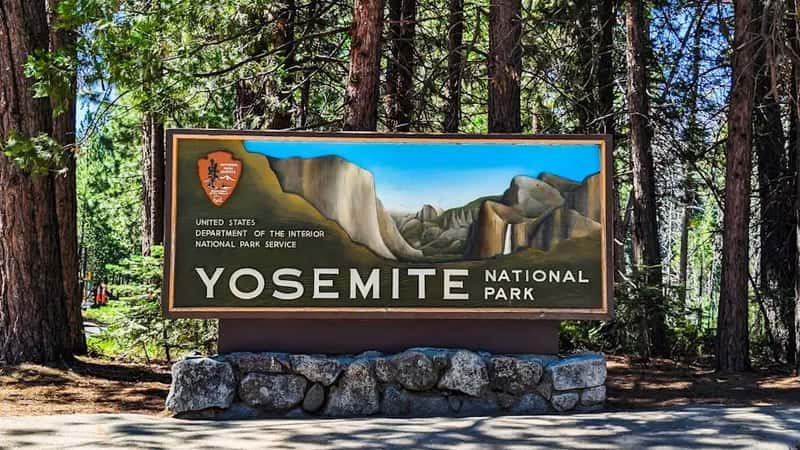
Getting into the park is only half the battle. Several major parks require separate, independent permits for their most iconic attractions – and families often don’t discover this until they’re already parked inside. Carlsbad Caverns requires advance reservations for cave tours, and a family that drives across the Four Corners without one might find the next available tour is days away. The park entrance was never the finish line. It was just the first gate.
The Angels Landing trail at Zion requires a separate lottery-based permit that has nothing to do with general park entry. You can be legally inside the park, standing at the trailhead, staring up at the path, and still be completely blocked from setting foot on it. In 2026, permits for experiences like Angels Landing are released through a lottery system, with a small batch held for a same-day drawing the night before. Plan every layer of your visit – not just the entrance. The permit you forgot is almost always the one you wanted most.
#4 – Treating Every Park on a Multi-Stop Road Trip the Same Way
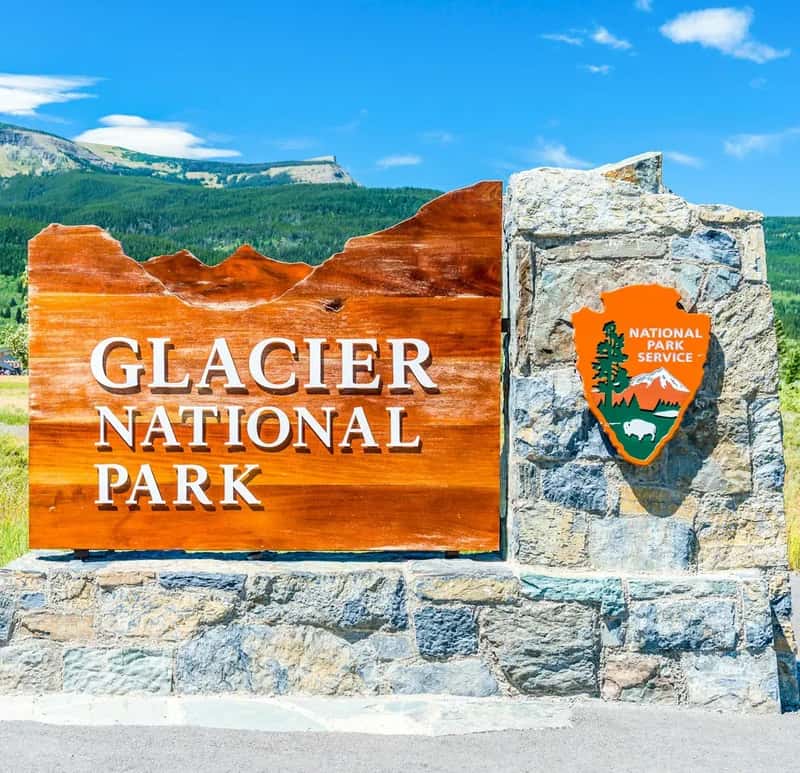
Road trip families are especially vulnerable to this one. You do the research for your first park stop, nail the reservations, and then cruise into every subsequent park assuming the same rules apply. They don’t. One park on your itinerary might have no reservation requirement at all while the next requires a timed entry permit booked 90 days in advance. Treating them as interchangeable is how families end up scrambling – or sitting in a parking lot Googling frantically with no cell service.
In 2026, several parks discontinued timed entry reservations – including Arches, Glacier, Mount Rainier, and Yosemite – while others added or kept new requirements. The list changes year to year, and a park that was wide open last summer may now require reservations, or vice versa. Before finalizing any multi-park road trip, visit the NPS website for every single park on your route and check current entry requirements individually. Do this for each stop, not just the headliner. The middle stops on a road trip are where families get caught the most.
#3 – Underestimating How Fast Reservation Slots Disappear

People hear “reservations required” and assume they have a few weeks to sort it out. The reality is far more brutal. Many high-demand parks release entry windows 90 days in advance through Recreation.gov, with limited last-minute availability. Families who log in a week before their trip often find every slot already gone – not just the good ones, every single one. Rocky Mountain’s timed entry reservations are released on a first-come, first-served basis, with the first batch dropping at 8 a.m. MDT on May 1, 2026, for dates through June 30.
The most popular time slots sell out within minutes. Not hours. Not days. Minutes. A limited number of next-day slots are released at 7 p.m. local park time the night before – and those go almost instantly too. Set a phone alarm for the exact release time, have your Recreation.gov account ready with payment info already saved, and be logged in before the window opens. Missing the release by five minutes at the most popular parks can mean missing the trip entirely. There is no waitlist, no customer service override, and no sympathy at the gate for families who simply didn’t know how fast the slots move.
Fast Facts: How to Win the Reservation Race
- Rocky Mountain releases timed entry slots at 8 a.m. MDT on the first of each month for the upcoming period
- A small batch of next-day slots drops at 7 p.m. local park time every evening – these also sell out fast
- Set calendar alerts and have your Recreation.gov account, payment info, and party size ready before the window opens
- Use the Recreation.gov app’s Availability Alert feature to catch last-minute cancellations
- There is no waitlist and no on-site workaround if you miss the release
#2 – Not Knowing About the New $100 Per-Person Fee for International Visitors
This is the mistake that has been playing out in real time at park gates across the country in 2026, and it is leaving international families genuinely blindsided. Ever since the new fees took effect on January 1, non-residents have been turned away at the gate when they don’t have the correct pass or the funds to cover the nonresident cost. The policy change happened fast, communication was inconsistent, and the sticker shock at the gate has been severe. Some families drove hours to reach remote parks only to turn around in the parking lot.
Non-U.S. residents without an annual pass now pay a $100 per-person fee at 11 of the most visited parks – on top of the standard entrance fee. Those 11 parks are: Acadia, Bryce Canyon, Everglades, Glacier, Grand Canyon, Grand Teton, Rocky Mountain, Sequoia & Kings Canyon, Yellowstone, Yosemite, and Zion. Alternatively, non-residents can purchase an annual pass for $250, which covers the full vehicle for the year. A family of five visiting one of those parks without the annual pass now faces a dramatically higher bill than before January 1, 2026. If you have international guests joining your trip, warn them well in advance.
#1 – Skipping the Research Entirely and Just “Figuring It Out” at the Gate
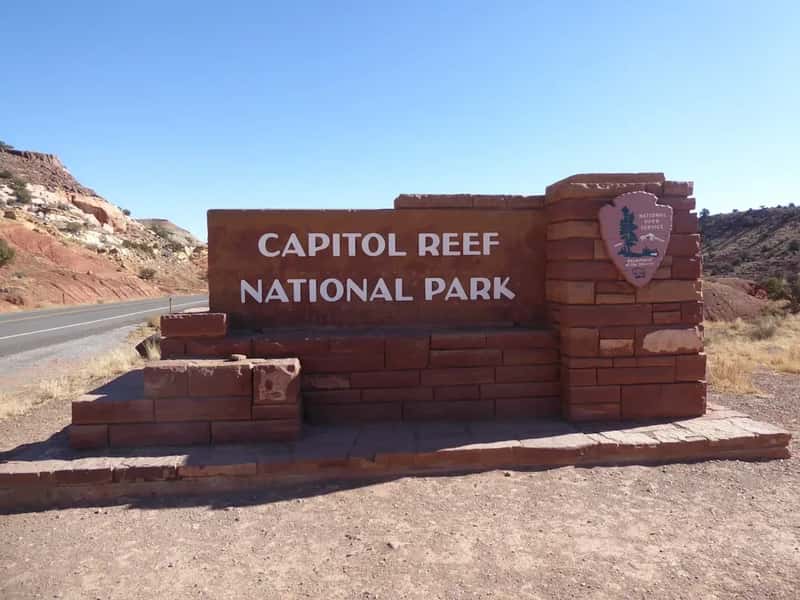
This is the root cause behind almost every other mistake on this list. Families assume the national park system still works like it did in 1995 – pay a flat fee at the booth, grab a paper map, enjoy the park. That world is gone. The system now has layers: digital passes, timed entry tickets, residency verification, attraction-specific permits, and corridor-specific reservations. Some parks only accept credit cards at the entrance. Fewer staffed gates means longer lines and less help when something goes wrong. Winging it is no longer a viable strategy.
The National Park Service recorded 331.9 million recreation visits across its 433 sites in 2024 – a record high since the agency began counting in 1929. That level of demand is exactly why these systems exist, and why improvising at the gate no longer works. Since 2010, park staffing has eroded while visitation has climbed significantly, meaning there are fewer rangers available to walk confused families through missing paperwork. The NPS itself recommends that visitors research each park and understand what passes or reservations are required before leaving home. An hour of prep work prevents a full day of heartbreak.
Why It Stands Out: Your Pre-Trip Checklist
- Check NPS.gov for every park on your itinerary – don’t assume last year’s rules still apply
- Book on Recreation.gov the moment your reservation window opens, not a week before your trip
- Get a digital pass through Recreation.gov for instant access – skip the mail-order receipt trap
- Save everything offline – screenshots, Apple/Google Wallet passes, and a printed backup
- Know your party’s residency status – the $100 per-person nonresident fee applies at 11 major parks
- Book attraction permits separately – the park gate is not the last checkpoint
Every single one of these 13 mistakes is avoidable with a little advance planning. Check each park’s NPS page, book on Recreation.gov the moment your window opens, save passes offline, and know exactly what documents you need before you back out of the driveway. The parks themselves are still among the most extraordinary places on earth. Don’t let a paperwork slip be the reason your family drives home without ever seeing them.