There’s a specific look on a seasoned traveler’s face when they watch a first-timer drag an overstuffed suitcase through the airport, sit on the lid to zip it, then pay $45 at the gate because it’s two pounds over. It’s not judgment exactly. It’s recognition. They were that person once, too – until a few painful trips rewired how they pack forever.
The habits that separate the carry-on crowd from the carousel waiters aren’t complicated or expensive. They’re counterintuitive. Some of them sound so unnecessary that first-timers actually laugh – right up until they’re digging through a suitcase avalanche at midnight in a hotel room looking for their phone charger. Here are all 13, in order of impact.
#13 – They Make a Packing List and Actually Use It
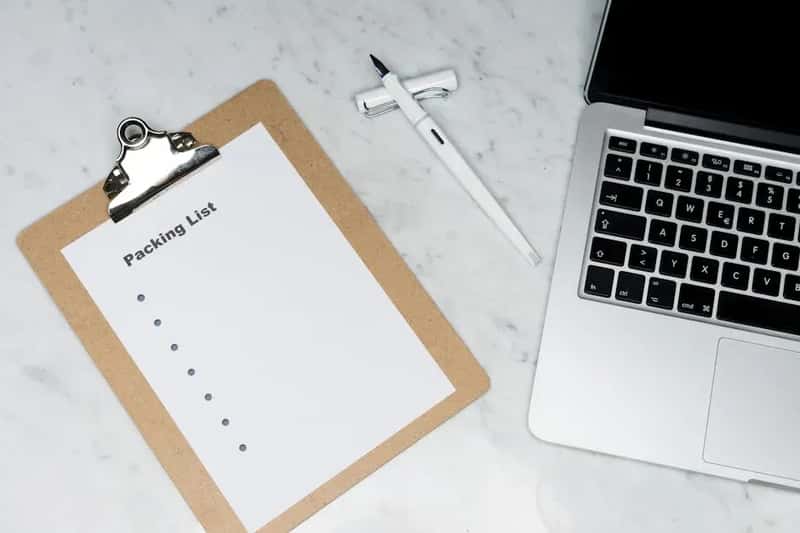
First-timers pack by feel – grabbing things as they remember them, spiraling the night before the flight. Experienced travelers treat packing like a project with a real checklist. A master list, refined across dozens of trips, accounts for destination weather, cultural norms, baggage allowances, and the specific activities planned. Nothing forgotten, nothing doubled up, no last-minute pharmacy run for a travel-size toothpaste you already own at home.
The smartest version isn’t a hasty phone note – it’s a living document, kept in Google Drive or a notes app and updated after every trip. The real power isn’t just what the list tells you to bring. It’s what it trains you to leave behind. After a few trips, the same unused items keep showing up, and eventually they stop making the cut permanently. That’s when the list starts working for you instead of just reassuring you.
Fast Facts
- A master list typically covers clothing, toiletries, documents, tech, and destination-specific extras – all in one place.
- Updating the list after every trip (not before) is the move most people skip – and the one that actually makes it smarter over time.
- Apps like Notion, Google Keep, or dedicated packing apps like PackPoint let you save and reuse your list across trips.
- The best lists include a “do not bring” section – items that made every trip but were never used.
#12 – They Pack by Outfit, Not by Item Type
Grabbing ten shirts and seven pairs of pants separately is how you end up with nothing that actually goes together. Pros plan complete outfits before a single item touches the bag – dinner on night one, beach day two, long travel day three – including shoes and accessories, all mapped out in advance. No mid-trip panic when nothing matches. No staring into a suitcase wondering how you packed so much and have so little to wear.
This approach also forces a natural edit that no amount of willpower alone can achieve. When you’re building real outfits, redundant pieces become obvious fast. Pull everything you want to bring, then put a third of it away – you almost certainly won’t need it. Most first-timers pack for a fantasy version of their trip. Seasoned travelers pack for the actual one.
#11 – They Wear Their Bulkiest Items on the Plane
That oversized jacket and those chunky boots are suitcase killers – they take up room that could hold five days of clothing. The experienced fix is simple: wear them onto the plane. It feels slightly awkward for ten minutes at check-in and buys back a quarter of your bag. Frequent travelers treat this as so obvious it barely qualifies as a tip. First-timers fold their heaviest coat and wonder why they can’t close the suitcase.
The secondary benefit is just as good. A jacket with deep pockets worn on board becomes a free second personal item – cash, passport, earbuds, a book, and a portable charger can all disappear into it without touching the overhead bin. When traveling between two climates, those pockets also keep valuables close and off the conveyor belt entirely. That’s a meaningful security upgrade hiding inside what looks like a fashion choice.
#10 – They Stuff Their Shoes (and Hats) with Small Items

Shoes dropped flat into a suitcase are dead space. The inside of each shoe is a container, and experienced travelers use it. Rolled socks, a travel adapter, a charger brick, or a small tube of sunscreen all fit perfectly inside most shoes without distorting the shape. It’s the kind of trick that sounds almost too obvious – which is exactly why so many people never think to do it.
Hats work the same way. Turn them upside down, stuff them with socks and small items, and you’ve protected the hat’s shape while eliminating wasted space in one move. A single pair of shoes – treated as a container rather than a footwear problem – can swallow everything that would otherwise rattle around loose at the bottom of the bag. First-timers waste that hollow space on every single trip without realizing it’s the best free upgrade they’re not using.
#9 – They Keep a Pre-Stocked Toiletry Kit Ready to Go

Rebuilding a toiletry bag from scratch before every trip is a low-grade tax on your time and mental energy that adds up fast. Frequent travelers eliminate the problem entirely by keeping a dedicated kit with permanent travel-sized versions of every essential – always stocked, always ready. When a trip comes up, the kit goes in the bag without a second thought. No cabinet raids. No forgotten prescriptions. No 11 p.m. CVS run.
The real move is committing to permanent minis rather than decanting into travel bottles every time. Many hotels provide basic toiletries, so the kit stays lean – just the non-negotiables, in sizes that slide under TSA limits without a second thought. It feels like a small upfront investment. Over time, it’s the difference between packing in twenty minutes and packing in two hours of mounting anxiety.
#8 – They Use Packing Cubes – Religiously
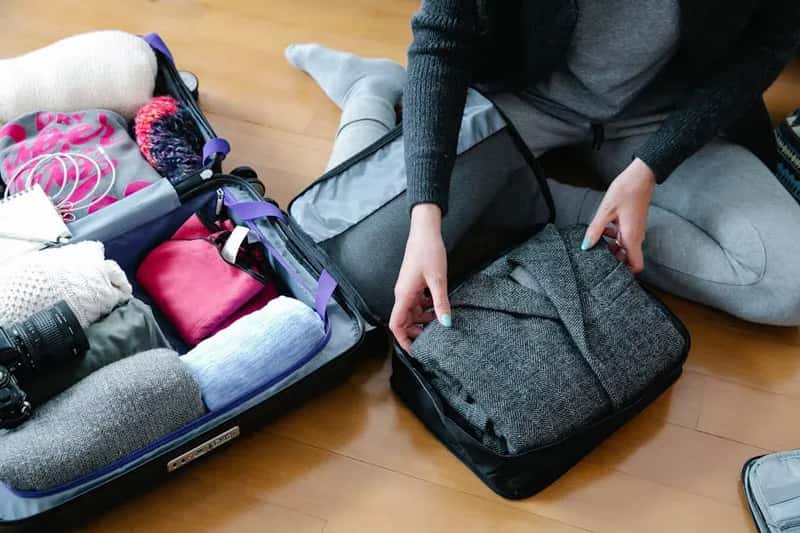
To a first-timer, packing cubes look like an over-engineered answer to a problem that doesn’t exist. Road warriors know exactly what they’re buying. Packing cubes keep clothing organized, help maximize carry-on space, and – this one surprises people – they make TSA searches dramatically less disruptive. If an agent needs to inspect the bag, they open a cube, check it, and close it again. No scattered mess. No repacking an exploded suitcase in the security lane while everyone stares.
Compression packing cubes take it a step further. According to testing by multiple travel gear sites, compression cubes can reduce clothing volume by 20–50% for soft items like T-shirts and sweaters, making room for pieces that otherwise wouldn’t fit. The system works because everything has a fixed home inside the bag, which means no rummaging after every hotel change and no guessing which pocket holds what. First-timers buy packing cubes, use them wrong for one trip, and give up. Seasoned travelers commit to the system and never go back to loose-packing again.
Quick Compare
- Standard packing cubes: Organize clothing, speed up hotel unpacking, ~10–15% space savings through better structure.
- Compression packing cubes: Add a second zip layer that squeezes out air – reviewers consistently report 20–50% volume reduction on soft items.
- Loose packing (no cubes): Everything shifts in transit, finding anything mid-trip requires excavating the whole bag.
- TSA bonus: Cubed bags are faster to inspect and repack at security – a real advantage at busy checkpoints.
#7 – They Roll Their Clothes Instead of Folding Them
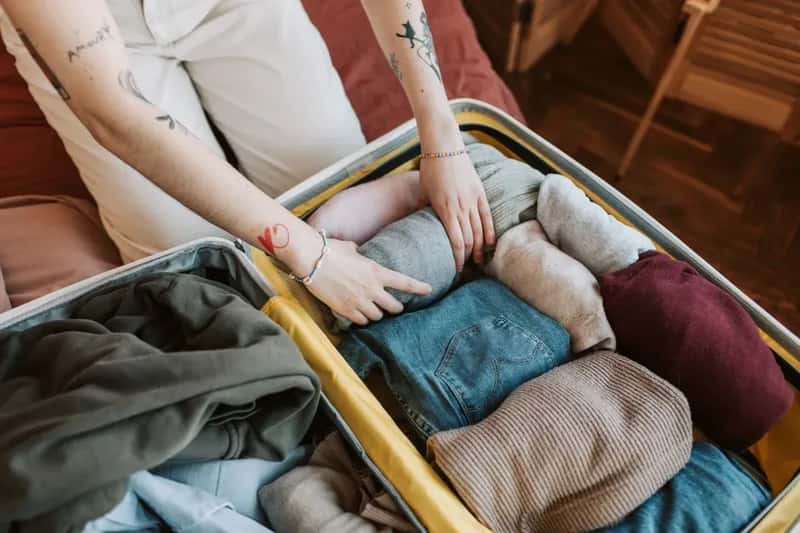
The folding-versus-rolling debate sounds trivial until you realize one method genuinely dominates for travel. Rolling saves space, reduces wrinkles on casual pieces, and – this is the part that actually changes how you pack – makes everything visible at a glance without pulling the suitcase apart. A rolled T-shirt takes up roughly half the footprint of a folded one and stays visible from above instead of buried in a stack you have to excavate.
Rolling also turns packing into a Tetris problem rather than a stacking one, letting you fill awkward corners and gaps that flat-folded clothes can’t reach. The exception is structured pieces – blazers, dress shirts, anything with a natural crease worth protecting – which are better folded along their seams. But for jeans, casual tops, workout gear, and anything knit? Rolling wins by a wide margin. First-timers fold out of habit. Experienced travelers roll because they’ve seen the difference.
#6 – They Build Their Wardrobe Around a Neutral Color Palette
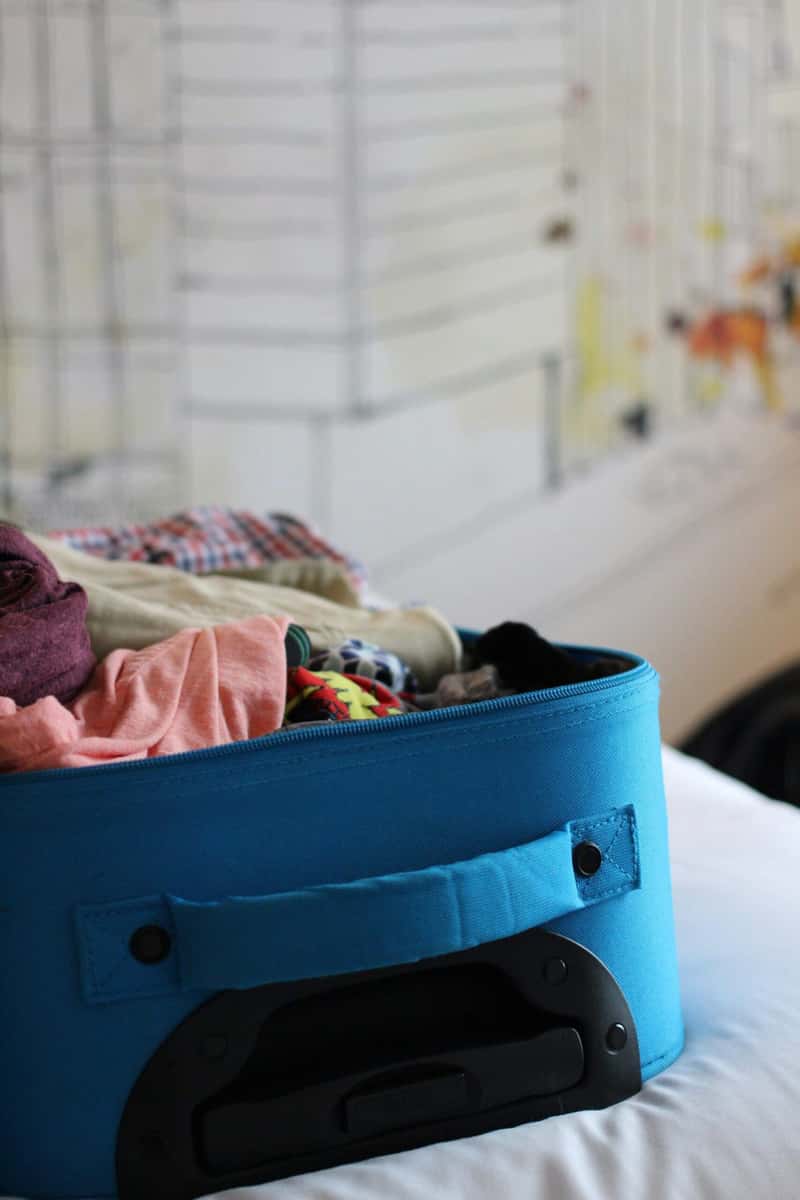
Packing five tops in five different colors sounds reasonable until none of them work with the same two pairs of pants. Experienced travelers sidestep the problem entirely with a neutral palette – grey, black, beige, navy, khaki – where everything mixes with everything else. A week’s worth of looks comes from far fewer pieces, and accessories do the work of adding personality without adding weight. That’s the real math of a travel capsule wardrobe.
The bonus that nobody talks about enough is laundry. A neutral wardrobe washes together in any sink, in any country, without sorting or color bleeding. The hard version of learning this is packing a chaotic color mix, washing everything together out of desperation, and watching a formerly bright shirt turn murky grey by day five. Neutrals solve the matching problem, the laundry problem, and the overpacking problem simultaneously – which is why you’ll find the same quiet color scheme in nearly every frequent traveler’s bag.
#5 – They Swear by Merino Wool Clothing
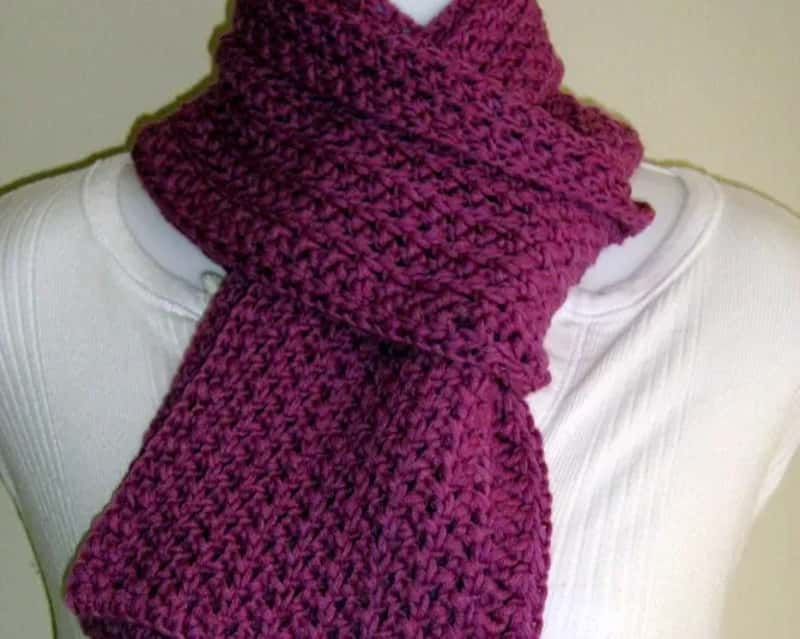
Cotton feels like the obvious travel fabric – familiar, comfortable, everywhere. Experienced travelers have largely moved past it. A quality Merino wool shirt can be worn for three to five consecutive days without developing noticeable body odor, according to textile testing cited by multiple travel gear publications. The reason is material science, not marketing: Merino fibers contain residual lanolin with mild antibacterial properties, actively absorb odor molecules into the fiber’s cortex, and create a drier surface that discourages bacteria from thriving. That’s why frequent flyers are willing to spend real money on a single shirt – where you once needed seven shirts for a week-long trip, two or three Merino pieces cover the same ground.
The math isn’t close, and neither is the comfort difference on a long-haul flight. Merino can absorb up to 30% of its own weight in moisture and still feel dry to the touch, regulates temperature from cold airport lounges to hot street markets without a clothing change, and sheds wrinkles without an iron. First-timers pack seven cotton shirts for a week and still feel grimy by day four. Merino costs more upfront. Over the life of the garment – and the trips it saves you from overpacking – it’s one of the best value investments in a travel wardrobe.
Why It Stands Out
- Odor resistance: Wearable 3–7 days between washes – the fiber’s structure traps bacteria rather than letting it colonize.
- Temperature range: Comfortable from roughly 40°F to 90°F in a single shirt, thanks to crimped fibers that trap or release heat as needed.
- Moisture management: Absorbs up to 30% of its weight in water and still feels dry – polyester moves moisture to the surface and feels clammy.
- Quick-dry: A sink-washed Merino shirt is typically wearable within 8–12 hours; cotton can take twice as long.
- Wrinkle resistance: Merino fibers spring back to shape naturally – pull it from your pack, shake it out, wear it.
#4 – They Always Pack a Change of Clothes in Their Carry-On
Checking a bag and assuming it will arrive when you do is a bet that seasoned travelers stopped making. According to the SITA Baggage IT Insights 2025 report, the global mishandled baggage rate stood at 6.3 bags per 1,000 passengers in 2024, with 33.4 million bags worldwide delayed, damaged, or lost that year. Transfer mishandling alone accounted for 41% of those incidents – meaning every connection is a new opportunity for the system to lose track of your stuff. That’s not a fringe risk. It’s a known, predictable feature of checked baggage travel.
The answer isn’t to never check a bag – sometimes you have no choice. The answer is to treat your carry-on like an insurance policy. Essentials, a full outfit, extra underwear and socks, any medication, and anything irreplaceable go in the overhead bin regardless of what else is checked below. Many experienced travelers learned this lesson exactly once, standing at an empty baggage carousel at midnight, watching it spin. They’ve never packed any other way since.
#3 – They Skip Checked Bags Entirely Whenever Possible
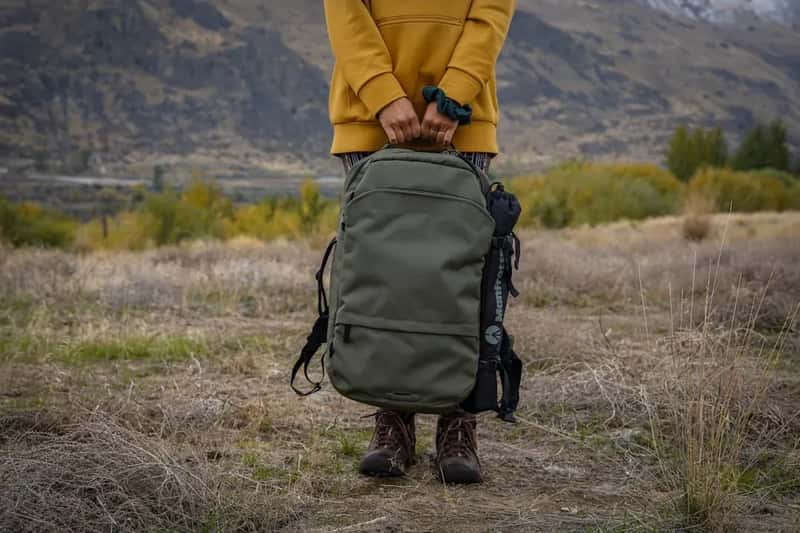
This is the habit that genuinely baffles first-timers – and the one that changes everything once you live it. No carousel wait. No gate-check anxiety. No fees for the privilege of handing your bag to a stranger and hoping for the best. Carry-on only travel means you walk off the plane and straight out the door while everyone else stands in a cluster watching a conveyor belt. The time difference on a one-stop trip can easily be 45 minutes to an hour of your life, every single time.
According to data from the U.S. Bureau of Transportation Statistics, U.S. airlines collected a record $7.27 billion in checked baggage fees in 2024 – up from $7.07 billion in 2023 and the highest total ever recorded. American Airlines alone pulled in $1.5 billion of that. And with Southwest ending its longtime free-bag policy and standard first-bag fees now running $35–$45 across major carriers, the cost of checking luggage keeps climbing. Carry-on-only travel requires real packing discipline, but the discipline pays off before you even board. No one else touches your belongings. No loss, no theft, no damage claim. You land, you leave – and you’re already somewhere the people waiting at baggage claim won’t be for another hour.
#2 – They Research the Weather Properly – Not Just for the First Day

Most travelers check the forecast once, pack for the average temperature, and get blindsided by the cold front on day four or the afternoon rainstorms that hit every day in the tropics and somehow surprised no one but them. Experienced travelers go deeper: historical climate data for the destination and travel dates, not just the seven-day forecast, so they’re planning around patterns instead of one snapshot. That’s the difference between packing a rain shell and not thinking about rain until you’re soaked at a museum entrance.
Waterproof or windproof outer layers, packable down layers, and a reliable base for layering aren’t luxuries – they’re the answer to not needing a separate outfit for every possible condition. The single biggest driver of overpacking is refusing to trust a layering system and instead bringing a different outfit for every temperature scenario. Seasoned travelers crack that code early: three pieces worn in six combinations beats six pieces worn once each, every time.
The first time I traveled carry-on only, I stood outside the airport in ten minutes while my travel companion waited forty-five minutes for a bag. I’ve never checked luggage since.
A frequent traveler’s account widely shared across travel communities
#1 – They Pack Less Than They Think They Need – Every Single Time

This is the habit first-timers hear, nod at sincerely, and completely ignore – then regret from the moment they lift the bag at the curb. The core truth, learned through painful repetition, is this: you will use about half of what you pack, and you can buy almost anything else you need on the road. A common rule among frequent travelers is to pack for three days, then add one more outfit for longer trips. That sounds insane for a ten-day vacation until you factor in laundry, re-wearable Merino pieces, and the reality that most people default to the same two or three outfits anyway.
Nobody has ever landed after a trip and thought, “I wish I’d brought more.” Not once. The regret runs the other direction every time – the aching shoulder, the overweight fee, the cobblestone street that turned a rolling suitcase into an obstacle course. Overpacking is consistently cited as one of travelers’ biggest trip regrets, and the frequent travelers who’ve eliminated it aren’t doing anything magical. They just took the lesson seriously one trip earlier than everyone else. Start with one change – a packing list, compression cubes, one Merino tee – and the rest tends to follow on its own.
The real payoff of all 13 of these habits stacked together isn’t just a lighter bag. It’s arriving with energy instead of stress, skipping the fees, dodging the carousel, and walking straight into the trip you spent months planning – instead of spending the first hour of it untangling a packing disaster you could have avoided at home.