Here’s the thing nobody tells you before a road trip: the place everyone photographs is rarely the place locals actually love. Ask someone who’s lived in a tourist town for twenty years where they go on a Saturday, and the answer is almost never the landmark on the postcard.
What’s stranger is how close these overlooked spots sit to the places everyone already visits. Some are a fifteen-minute detour. Others are the actual gateway to the famous attraction, hiding in plain sight while tourists drive straight past. Here are 13 places locals quietly claim as their own, and why outsiders keep missing them.
#13 – The Georgia Island Locals Treat Like a Family Secret
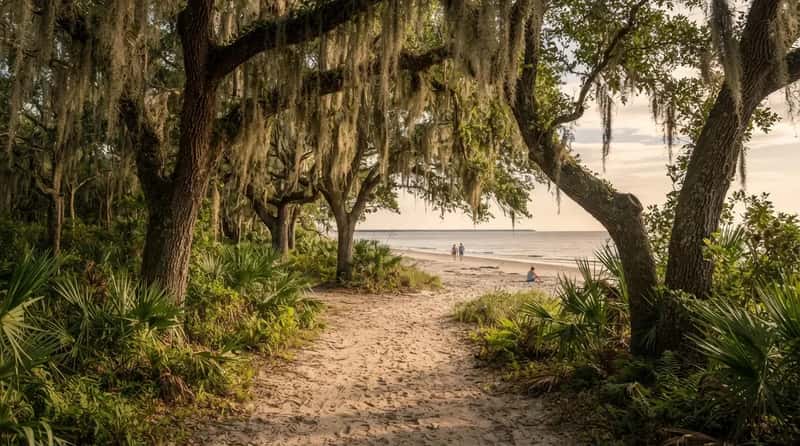
While vacationers pile onto Florida and South Carolina beaches every summer, Georgians slip away to St. Simons Island instead. It’s the largest of the Golden Isles, yet out-of-state beachgoers almost always drive past it without stopping. What they miss is quiet stretches of sand shaded by live oaks dripping in Spanish moss, with none of the boardwalk chaos.
Locals don’t treat this island like a bucket-list stop; they treat it like a backyard. That’s exactly why the pace here has never sped up to match the rest of coastal tourism. The whole island runs on unhurried island time, and nobody who lives there wants that to change.
Fast Facts
- Part of Georgia’s Golden Isles, alongside Jekyll Island and Sea Island
- Home to the St. Simons Lighthouse, rebuilt in 1872 after the original was destroyed during the Civil War
- Shares the island with Fort Frederica National Monument, a preserved 18th-century British fort site
- Miles of public beach access without the high-rise hotel crowds found further south
#12 – The Wisconsin Harbor Town Everyone Skips for the Bigger Lake
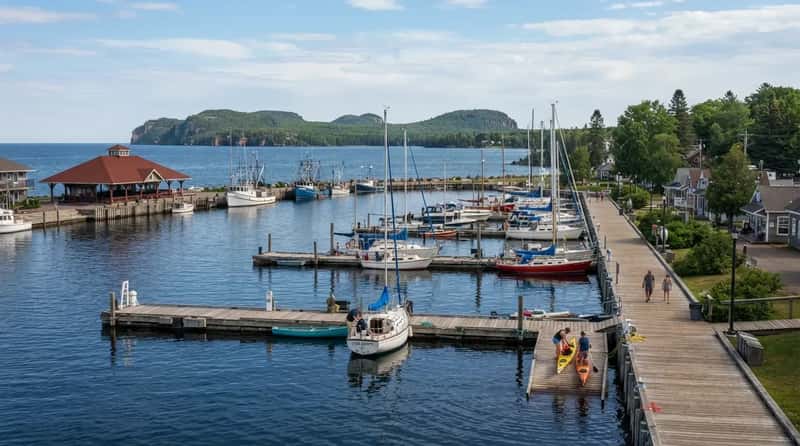
Tourists chasing Lake Michigan crowds in Door County almost never make the extra drive north to Bayfield. Perched on Lake Superior, this small harbor town is the actual gateway to the Apostle Islands, one of the most underrated island chains in the Midwest. Most visitors never even learn its name, despite driving straight through it to reach the islands they came for.
What they miss feels frozen in a quieter decade: small marinas, orchard stands, and locals who’ll point you toward a sea cave kayak tour instead of a gift shop. Bayfield never had to reinvent itself for tourists, so it just didn’t. That’s the whole appeal.
#11 – The Iowa Town Hiding a Full Norwegian Village
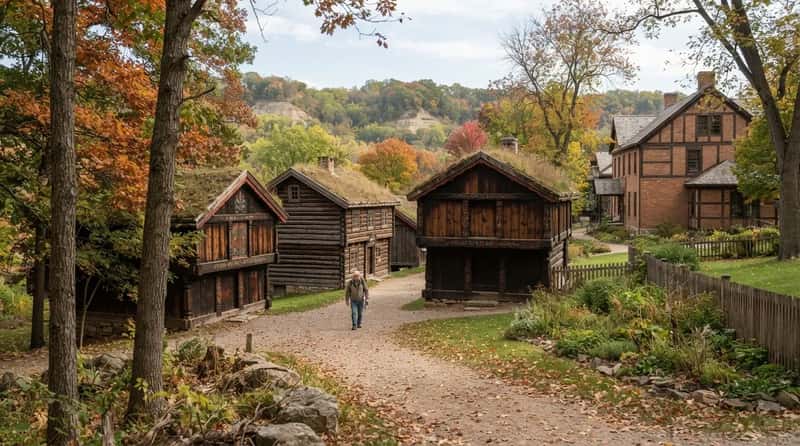
Nobody expects Norwegian heritage tucked into northeastern Iowa, which is exactly why Decorah stays under the radar. The bluffs here look more like New England than the Midwest, and the town’s trout streams draw a loyal, quiet crowd of anglers instead of selfie-seekers. The Vesterheim Norwegian-American Museum sits right in the middle of it, largely unknown outside the region.
Locals bike the trails, linger in the same small-town cafes for years, and let the museum stay a locals’ landmark rather than a tour-bus stop. It’s beloved by people who already know about it and almost invisible to everyone else. That contrast is the whole charm.
#10 – The Smallest State Capital in the Country, and Its Best-Kept Secret
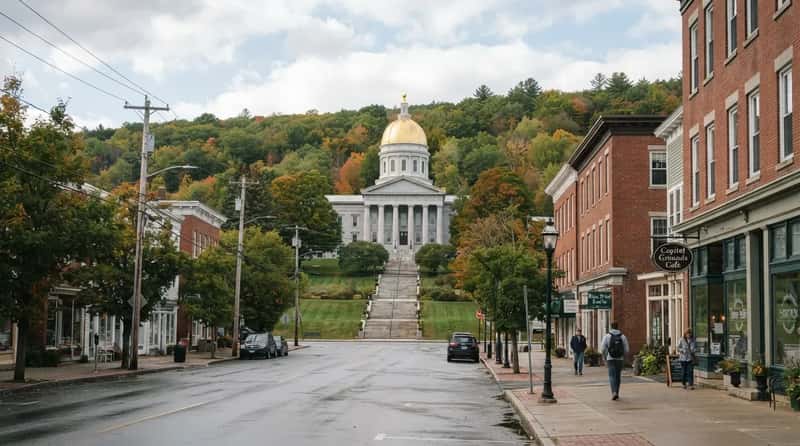
Vermont tourists funnel almost entirely into Burlington and Stowe, leaving the actual state capital nearly empty of visitors. Montpelier is the smallest state capital in the U.S., small enough that hiking a mountain before breakfast is a normal Tuesday errand for the people who live there. Bookstores and co-ops fill the walkable downtown instead of chain hotels.
Locals aren’t complaining about being skipped. Every tourist who picks Burlington instead is one more reason Montpelier’s coffee shops stay uncrowded. It’s a capital city that quietly refuses to act like one.
#9 – The Minnesota Shore Town Colder and Quieter Than Its Neighbor
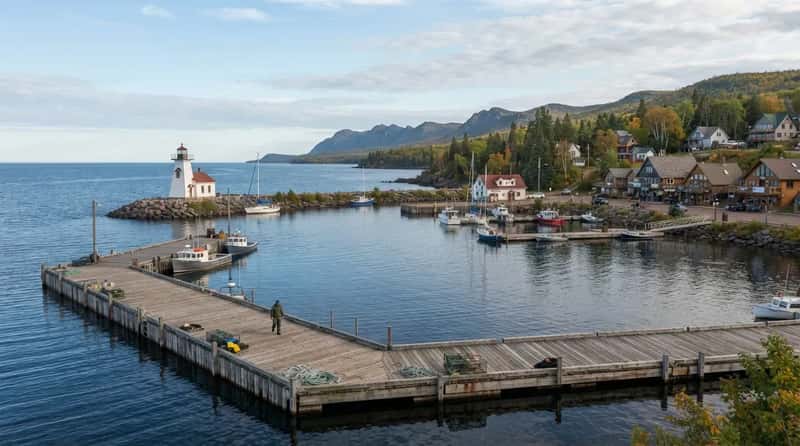
The North Shore of Lake Superior has a reputation problem: everyone’s heard of Duluth, almost nobody drives the extra hour to Grand Marais. This lakeside town is a haven for nature lovers and creatives, shaped by a Scandinavian influence that runs deeper than most visitors realize, right down to the architecture and the diners.
The isolation here is the actual appeal, a slower pace than anywhere near a major interstate. Locals recommend it quietly, almost hoping outsiders won’t actually make the drive. So far, that strategy has worked.
#8 – The West Virginia Coal Town Rebuilt by Artists, Not Developers
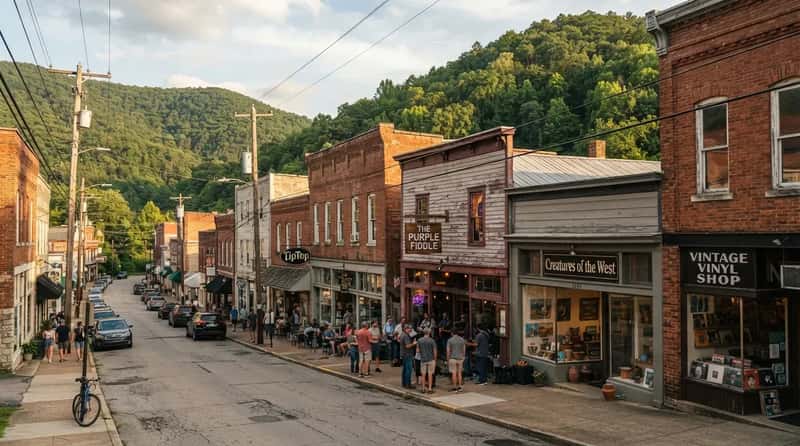
Most road-trippers through Appalachia never leave the interstate long enough to find Thomas. This coal town emptied out decades ago, and instead of a developer swooping in, it was slowly rebuilt by artists, one abandoned building at a time. Vinyl record stores and funky cafes now sit inside structures that sat empty for years.
The Purple Fiddle, a live music venue that punches way above its size, anchors the whole town. Thomas never asked to be famous, and that’s exactly why locals love it. It became Appalachian cool without ever chasing the label.
#7 – The Ohio Village That Feels Like New England Got Lost in the Midwest
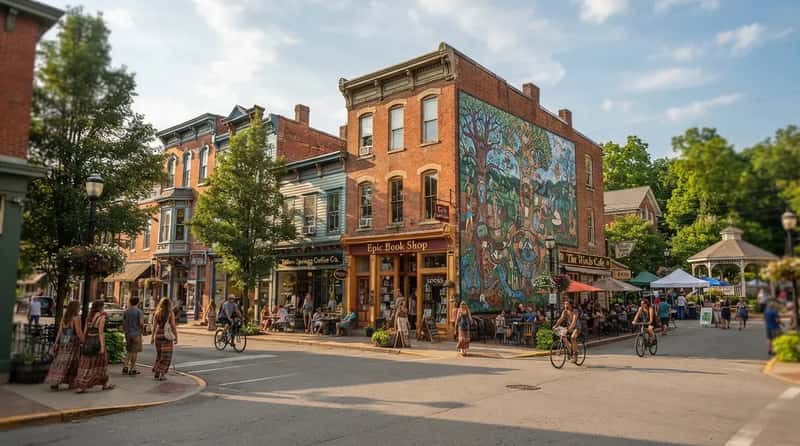
Drivers between Dayton and Columbus blow right past Yellow Springs without a second glance, and locals are perfectly fine with that. This progressive, offbeat village has colorful murals, a proud counterculture history, and a single village square that somehow holds more independent bookstores and organic cafes than towns ten times its size.
Locals flock to Glen Helen Nature Preserve and treat the farmers market like a weekly reunion. The counterculture roots here run deeper than most people expect for small-town Ohio. It feels like a slice of New England landed in the wrong state, on purpose.
Worth Knowing
- Glen Helen Nature Preserve spans close to 1,000 acres of forest, waterfalls, and hiking trails
- Home to Antioch College, a small liberal arts school with a long activist history
- The town’s Saturday farmers market has run for decades and doubles as a social hub
- Known for a concentration of independent bookstores and cafes rare for a town this size
#6 – The Oregon Gorge Town Locals Escape to When Portland Gets Crowded
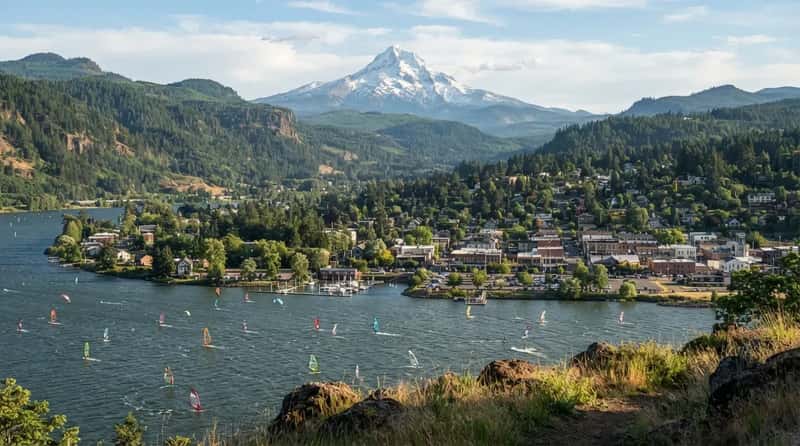
Everyone assumes Bend is Oregon’s escape hatch from Portland, but longtime residents know better. Hood River, set in the Columbia River Gorge, offers windsurfing and hiking conditions that rival destinations charging triple the lodging price, plus a stretch of craft cider houses locals treat like their own living rooms.
Tourists chasing bigger-name Oregon towns skip right past the one Oregonians actually prefer. That’s not an accident; it’s a direct result of nobody outside the state putting Hood River on their list. Locals aren’t in a hurry to change that.
#5 – The New Mexico Mining Town With Ancient Cliff Dwellings Next Door
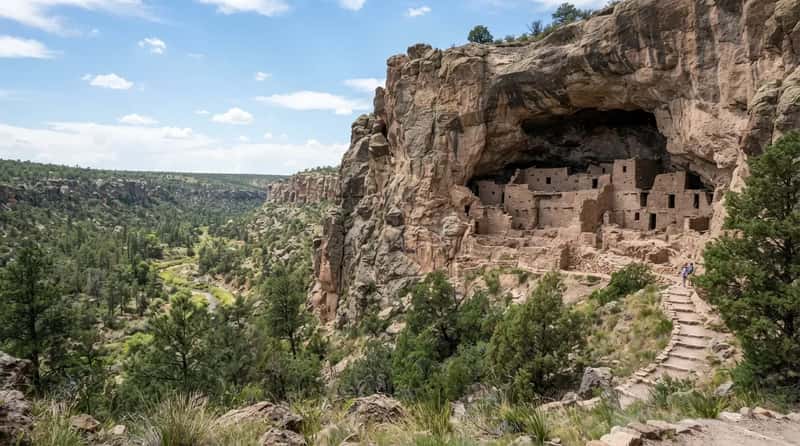
Silver City sits far enough off the interstate that most New Mexico road trips never reach it, and that distance is exactly the appeal for locals. Adobe storefronts line a quaint downtown, and the nearby Gila Cliff Dwellings offer a genuinely rare glimpse into ancient history, one that should be a major draw and somehow still isn’t.
Almost nobody outside the Southwest has heard of the cliff dwellings, let alone Silver City itself. The isolation keeps the town’s artistic community small enough to still feel like a secret. The few tourists who do make it this far are the ones who get rewarded.
#4 – The Ozark Town Built Entirely on a Hillside, Ghost Stories Included
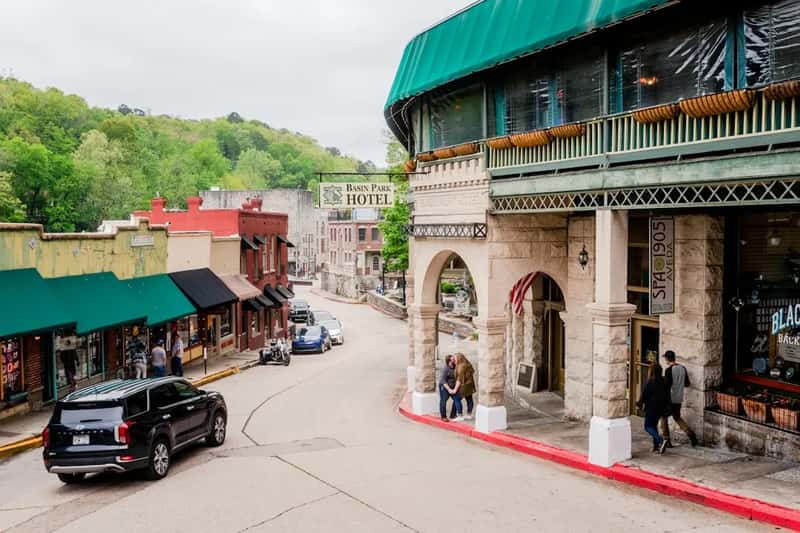
Arkansas doesn’t come up often in vacation conversations, which is exactly why Eureka Springs stays a locals’ favorite instead of a tourist trap. The entire downtown sits on a steep hillside and is listed on the National Register of Historic Places, meaning every street corner offers a different view, a different Victorian facade, and a different ghost story.
Winding streets lead to the “healing” springs that gave the town its name, and locals swear both the springs and the ghost stories are real. The famed Thorncrown Chapel sits hidden in the woods nearby, easy to miss if you’re not looking for it. This magical mountain town feels like it stepped out of a different century entirely.
At a Glance
- Founded in the 1880s as a health resort town built around dozens of natural springs
- The entire downtown historic district is listed on the National Register of Historic Places
- Thorncrown Chapel, tucked in the woods nearby, is built almost entirely of glass and wood
- Streets follow the natural curve of the hillside, so no two blocks look the same
#3 – The Washington Waterfront Town Overshadowed by Its Famous Neighbor
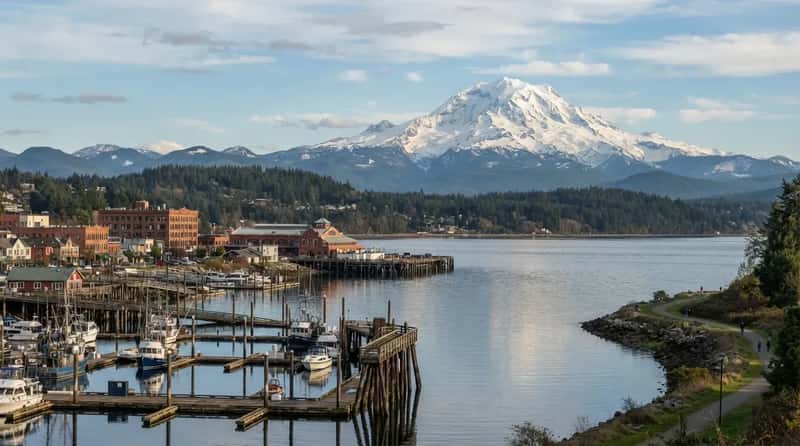
Seattle gets all the attention, and Bellingham, just an hour and a half north, gets almost none, which is exactly how locals like it. Most outsiders never clock that a glaciated volcano sits within easy reach of the city limits here, giving locals the rare option of hitting waterfront breweries and mountain trailheads in the same afternoon.
Tourists treat Bellingham as a pass-through town on the way to Vancouver, not a destination in itself. That’s a mistake locals are happy to let slide. Mount Baker and dozens of hiking trails sit practically in the backyard of a town most road-trippers barely notice.
#2 – The Arizona Ghost of a Mining Town That Refused to Die
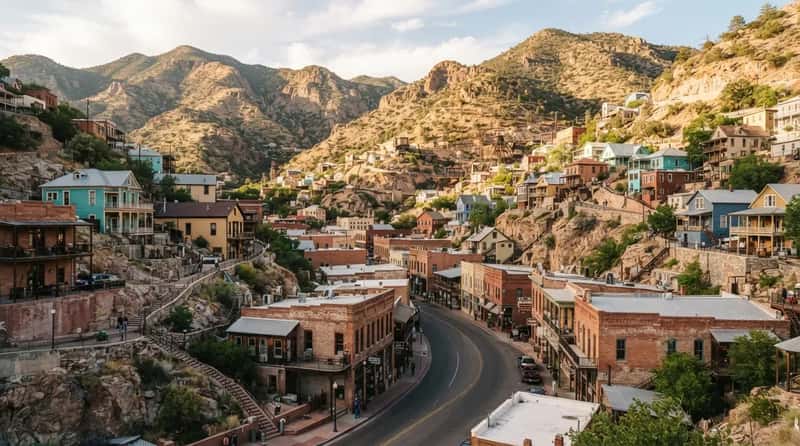
Phoenix and Tucson pull in the desert crowds, while Bisbee, tucked into the Mule Mountains near the Mexican border, keeps its charm almost entirely to itself. The steep, winding streets make it feel more like a European hill town than an Arizona mining outpost, with colorful hillside homes and hidden staircases replacing the strip malls of the bigger cities.
The old copper mines are still tourable, and locals treat the tour guides like neighbors, not strangers passing through. Once a booming mining town, Bisbee now runs almost entirely on its arts scene and its dive bars with character. It feels worlds away from the heat and crowds most tourists associate with Arizona.
#1 – The Texas Desert Town With Lights Nobody Can Fully Explain
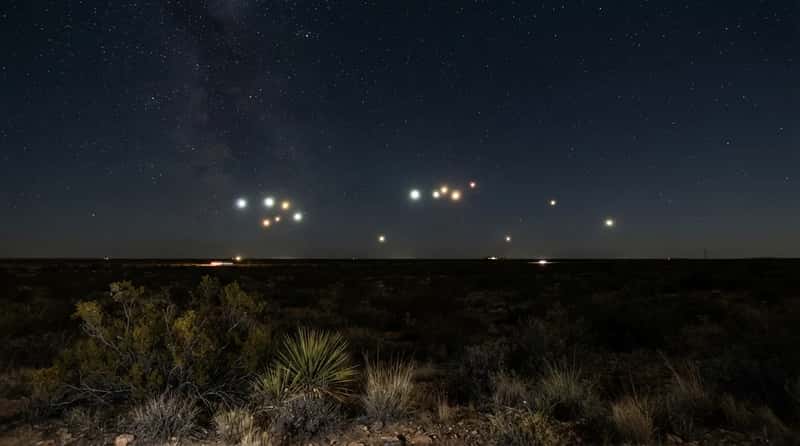
No spot on this list divides opinion quite like Marfa, and that’s exactly why locals guard it so fiercely. This tiny west Texas town packs in avant-garde galleries and minimalist architecture most people would never expect out here, alongside mysterious lights that dance across the desert at night and have kept skeptics and believers arguing for generations.
Ranchers and gallery owners share the same coffee counters, a mix that shouldn’t work anywhere else but somehow defines the entire town. Locals treat the unexplained lights as just another Tuesday night, nothing worth the fuss outsiders make of them. This is the spot locals mention last, almost reluctantly, because once word gets out, it never stays quiet for long.
Why It Stands Out
- The Marfa Lights Viewing Area sits along Highway 90, about nine miles east of town
- Sightings of the unexplained lights date back to reports from ranchers in the 1880s
- Home to the Chinati Foundation, artist Donald Judd’s sprawling contemporary art museum
- A town of roughly 1,700 people that still draws gallery openings and film crews year-round
What ties all 13 of these places together isn’t remoteness, it’s proximity. Nearly every one of them sits within easy driving distance of a major tourist hub, yet somehow stays invisible to the millions of people who pass nearby every year. Locals aren’t hiding these spots out of secrecy; they’re just not the ones writing the travel guides.
That gap between what gets marketed and what actually gets loved is exactly why these places still feel real. Which one surprised you most? Drop your own local favorite in the comments, the ones tourists still haven’t found.