Walk into any airport terminal and you can spot the amateurs in about four seconds flat. They’re the ones standing directly under the departure board, boarding pass gripped like a winning lottery ticket, eyes darting toward every gate agent movement. Meanwhile, ten feet away, someone in worn sneakers is scrolling their phone completely unbothered, bag already positioned just so, like they’ve done this a thousand times before.
Most people assume frequent flyers are the ones dressed sharpest or moving fastest through the terminal. Turns out it’s almost the opposite – the real tells are quieter, weirder, and honestly a little petty. Here’s what gate agents, flight attendants, and million-mile travelers actually notice when they clock a regular in the crowd.
#13 – The Backpack That Never Touches the Floor
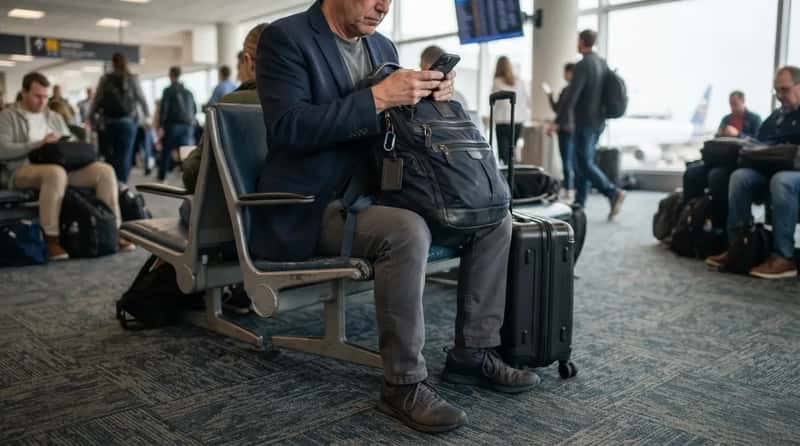
Frequent flyers treat their personal item like it’s carrying state secrets. It sits on their lap, gets tucked between their feet, or hangs on one shoulder – but it almost never gets set down on gate-area carpet. This isn’t paranoia, it’s math: airport floors are touched by thousands of shoes a day, and seasoned travelers have learned that a bag on the ground is a bag that’s easy to forget or easy for someone to bump.
There’s also a practical reason tied to packing. Road warriors keep their laptop, charger, and passport in outer pockets they can reach without fully opening the bag, so the whole thing stays semi-closed and upright rather than sprawled open on a bench. It looks almost obsessive to a casual traveler, but it’s really just efficiency dressed up as habit.
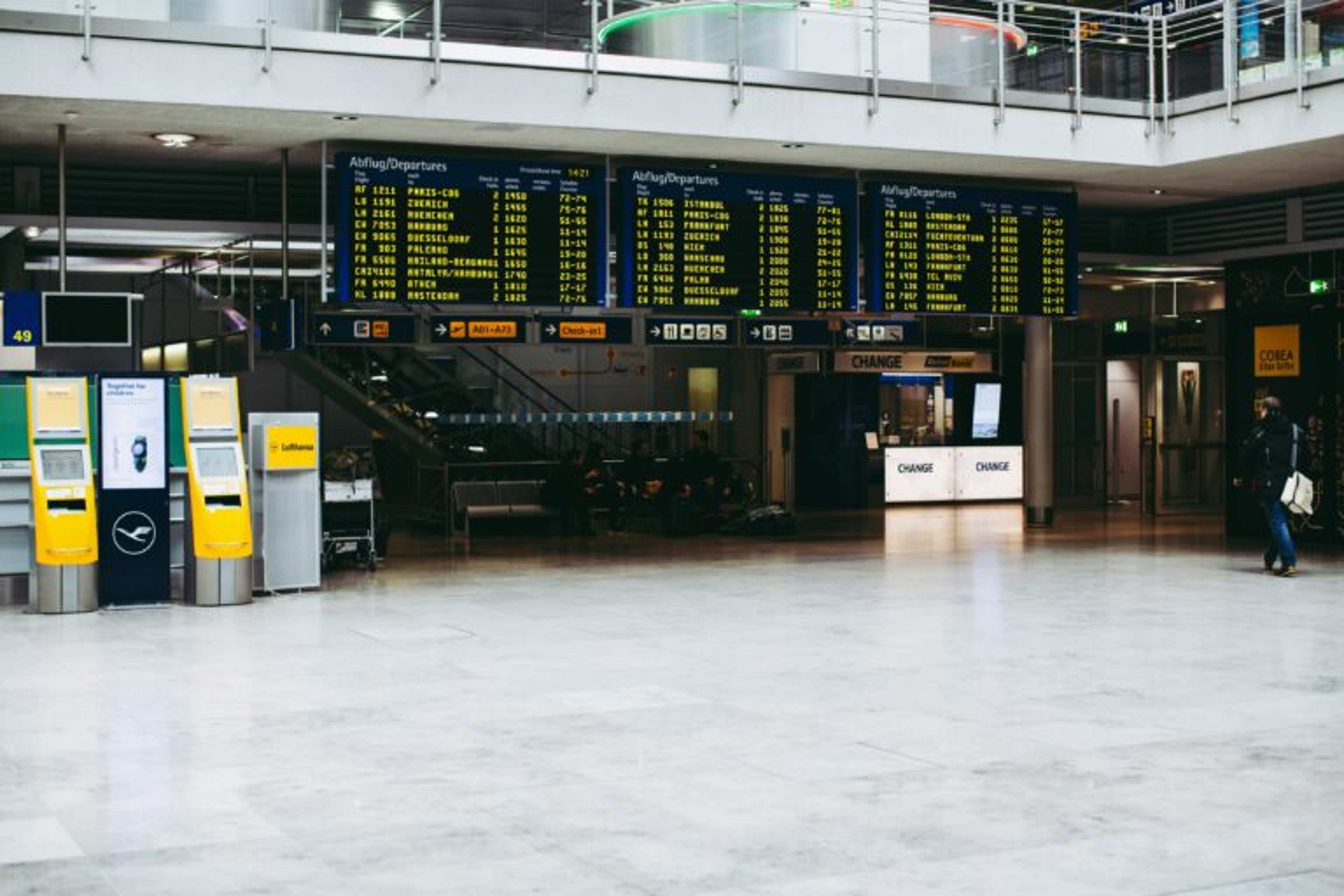
#12 – They Stop Watching the Departure Board Entirely
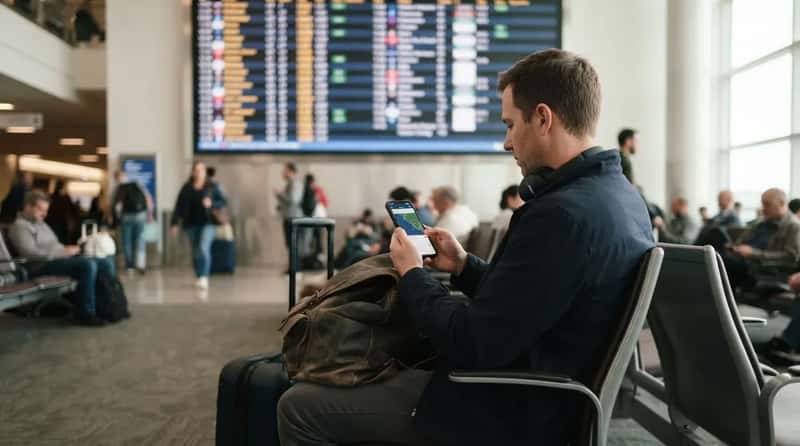
Rookies stare at the board like it’s about to reveal the meaning of life. Veterans glance at it once, maybe twice, and then rely entirely on the airline app pinging their phone with gate changes and delay alerts in real time.
This isn’t laziness, it’s a trust issue. Frequent flyers have been burned by boards that lag behind reality, still showing “ON TIME” seconds before a gate change flashes across everyone’s phones simultaneously. Many elite-status travelers even turn their phone volume up specifically so they don’t miss that alert chime, since it usually beats the overhead announcement by several minutes. Sitting with their back to the board, phone in hand, is one of the clearest tells there is.
#11 – Sitting Anywhere Except Directly at the Gate
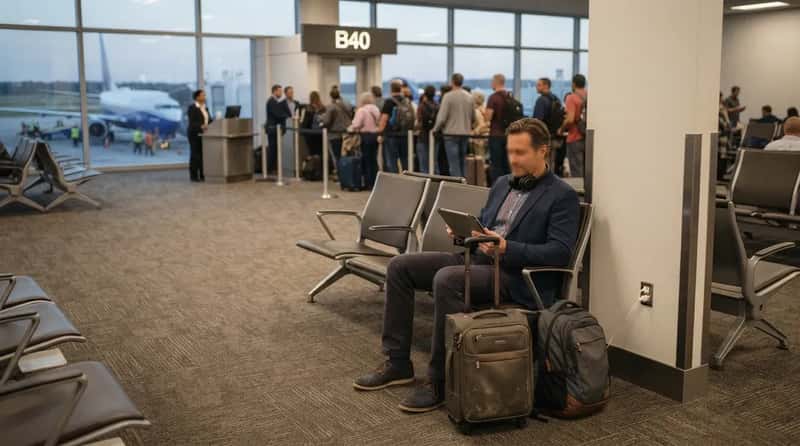
Here’s a genuinely controversial opinion among gate-area regulars: sitting right at your assigned gate is often the worst seat in the house. Frequent flyers scatter to nearby gates, empty charging stations, or quiet corners with a wall outlet, because they know they’ll hear the boarding announcement from fifty feet away just fine.
The payoff is real. Gates immediately adjacent to yours are almost always less crowded, have open power outlets, and give a clear sightline to watch the crowd building without being part of it. Only when the agent starts calling zones does the seasoned flyer casually stroll over, timed almost perfectly to avoid the initial crush. Rookies, meanwhile, camp out in the loudest, most crowded seats for an hour, terrified they’ll somehow miss their own flight.
#10 – They Never Join the “Gate Lice” Crowd
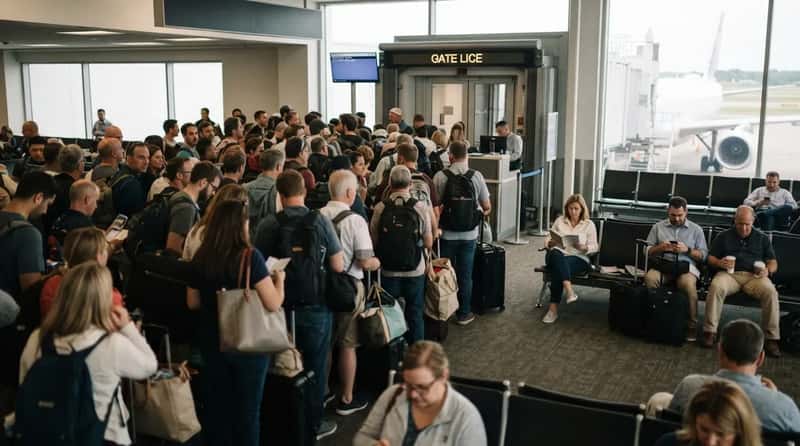
There’s now an actual term for the herd that gathers at the gate long before boarding even starts, and frequent flyers want nothing to do with it. “Gate lice” describes travelers who cluster near the boarding door before their group is called, and the phrase has gone mainstream enough that Cambridge Dictionary officially recognized it in January 2025.
Ironically, the behavior mostly comes from a rational fear about overhead bin space running out on a packed flight. Experienced flyers have simply learned that hovering doesn’t get you on the plane any faster, it just gets you dirty looks from everyone forced to squeeze past. Some airlines are fighting back hard, too: American Airlines has rolled out gate technology that audibly flags and rejects a boarding pass scanned before that passenger’s group is actually called. Frequent flyers already know this, which is exactly why they stay seated.
Fast Facts
- The term originated in a 2005 FlyerTalk frequent flyer forum discussion and entered mainstream vocabulary when the Cambridge Dictionary recognized it in January 2025.
- It’s now bringing the tool, which was trialed at three airports, to roughly 100 airports ahead of the busy Thanksgiving travel period.
- “It has improved the whole boarding process, so you see less crowding at the gate,” American Airlines senior vice president of airport operations told CBS News.
#9 – Their Boarding Pass Was Screenshotted Before Yours Even Loaded
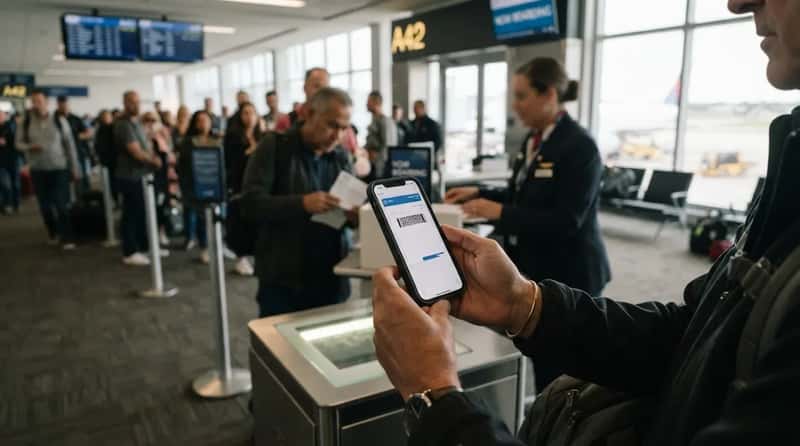
Casual travelers fumble with the airline app, waiting for it to load, hoping for a signal in a crowded terminal. Frequent flyers took a screenshot of their boarding pass the moment it was issued and have it saved directly to their camera roll, ready in an instant.
This tiny habit solves three problems at once: it works with zero signal, it never times out or logs you out, and it doesn’t drain the battery reloading an app screen every thirty seconds. Some go a step further and print a paper backup for international trips where finicky scanners can slow the whole line down. It’s a small, almost invisible move, but gate agents notice instantly who fumbles and who doesn’t.
#8 – Shoes That Slip Off Without Untying Anything
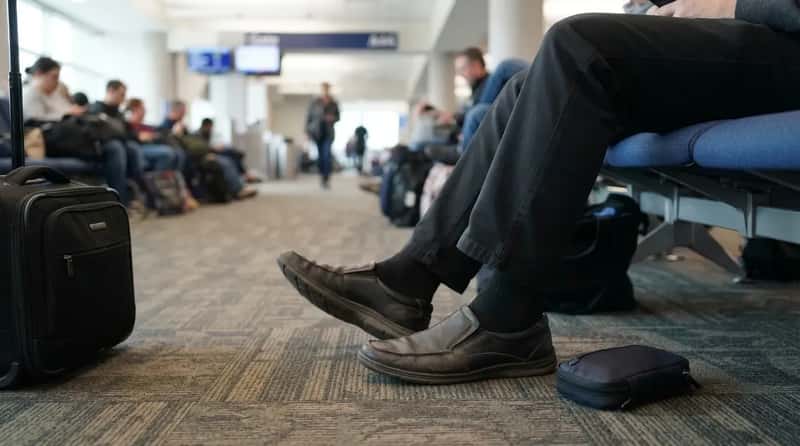
Look down at the gate area and the frequent flyers are wearing slip-on sneakers, loafers, or shoes with minimal laces. This isn’t a fashion statement, it’s pure security-line strategy, developed after one too many TSA lines spent hopping around on one foot trying to retie a boot while a line builds behind them.
The habit extends beyond just shoes, too. Belts stay in the carry-on entirely, jackets go into the bin folded a specific way to avoid wrinkles, and pockets get emptied into a single zippered pouch before they even reach the checkpoint. It looks like overthinking to an occasional traveler, but it shaves real minutes off the security process, minutes that add up across dozens of trips a year.
#7 – They Don’t Even Know Their Gate Number – And Don’t Care
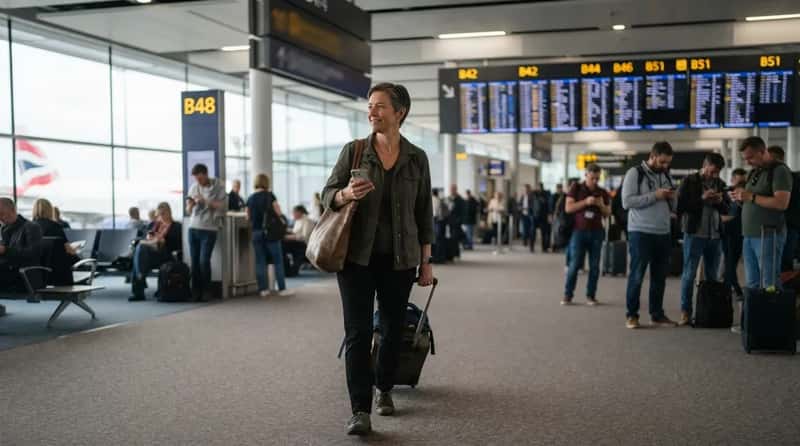
This one surprises people: frequent flyers often don’t memorize their gate number until they’re already standing in the terminal, and it doesn’t bother them one bit. They’ve learned that gate numbers change constantly, sometimes twice in one trip, so locking one in early is often wasted effort.
Instead, they check their phone notification right as they clear security, note the gate, and move on without giving it another thought. Casual travelers, by contrast, often repeat the gate number out loud to themselves or a companion multiple times, almost like a superstition against getting lost. The confidence to not double-check obsessively is itself a tell – it signals someone who trusts the system because they’ve navigated it hundreds of times before.
#6 – A Coffee Order Timed to the Minute
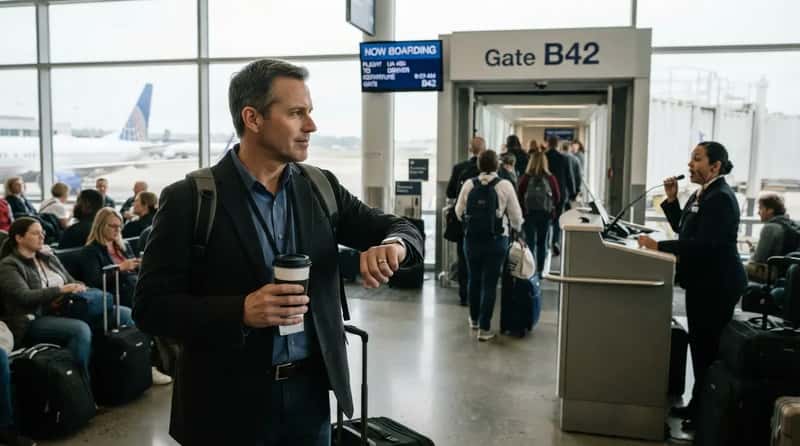
Frequent flyers don’t grab coffee whenever they feel like it, they calculate it. They know almost exactly how long their walk to the gate takes, how long the average line runs at that particular airport’s coffee stand, and they time their order so it finishes right as boarding realistically begins, not when it’s scheduled to.
This sounds oddly specific, but it comes from experience with airports where boarding “at 9:40” can mean anywhere from 9:35 to 10:05 depending on the day. Veteran travelers treat scheduled boarding times as rough estimates, not deadlines, which is exactly why they’re comfortable stepping away from the gate entirely for a five-minute coffee run that a nervous flyer would never risk.
#5 – They Skip the Priority Boarding Rush On Purpose
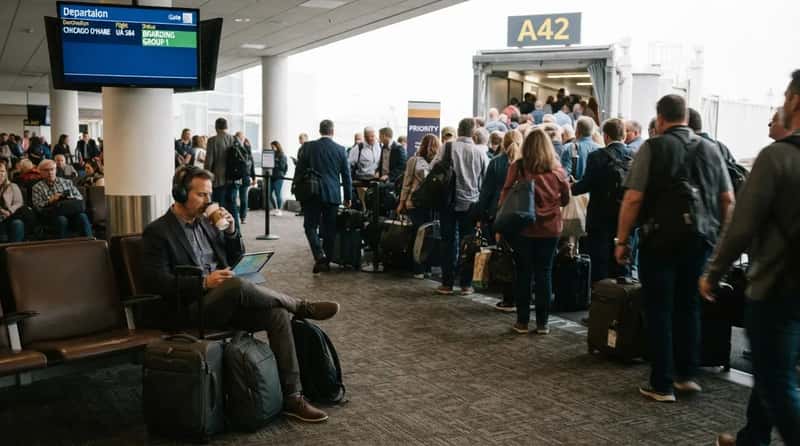
Here’s a controversial take frequent flyers will actually admit if you ask them directly: boarding first isn’t actually that valuable most of the time. Plenty of elite-status travelers board within their group without rushing, because on a domestic flight under three hours, an extra ten minutes in a middle seat isn’t worth the stress of sprinting to the jet bridge.
Where it does matter is bin space, and that’s the real reason status matters to them, not the ego boost of an early boarding lane. Elite fliers with priority privileges do cluster near the gate early, but the difference is they’re doing it because their zone was actually called, not because they snuck forward hoping nobody would check. It’s a subtle distinction most casual travelers never notice.
Quick Compare
- Nervous flyer: Edges toward the boarding door the second any group number gets called, hoping to slip through unnoticed.
- Frequent flyer: Waits for their exact group, then walks up once the initial crowd has already thinned out.
- Nervous flyer: Treats early boarding like a race that has to be won.
- Frequent flyer: Treats it like a formality worth exactly as much bin space as it guarantees, nothing more.
#4 – Snacks and a Full Water Bottle, Every Single Time
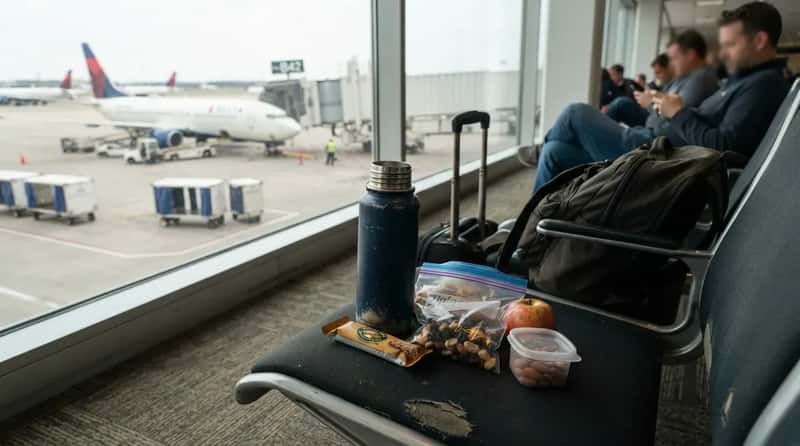
An empty reusable water bottle is one of the most reliable tells in the entire terminal. Frequent flyers carry one through security empty, then fill it at a fountain near the gate, a habit that saves real money over dozens of trips a year at airports where a bottled water can run five dollars or more.
Snacks follow the same logic. Seasoned travelers rarely buy food at the gate at all, because they’ve learned airport concession prices and mediocre quality just aren’t worth it when a granola bar from home does the same job. This isn’t about being cheap, it’s about having been burned by one too many fourteen-dollar airport sandwiches.
#3 – Complete Comfort With Delays and Gate Changes
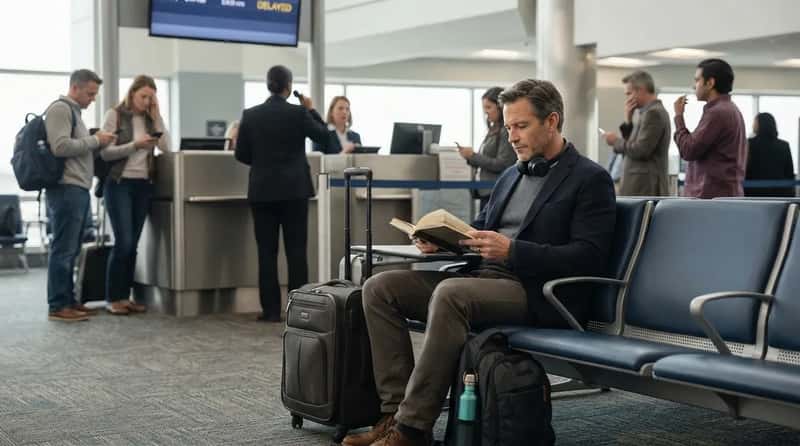
When an announcement crackles that the flight is delayed forty-five minutes, watch the room split instantly. New travelers groan, check the board obsessively, and start asking gate agents questions the agent doesn’t have answers to yet. Frequent flyers barely look up from what they were already doing.
This isn’t indifference, it’s pattern recognition. They know delays get announced in stages, that the “real” updated time usually lands twenty minutes after the first vague announcement, and that hovering near the desk doesn’t speed anything up. Many will quietly rebook themselves through the app before the gate agent even finishes the announcement, because they’ve learned self-service beats waiting in a forming line every time.
#2 – They Can Find the Only Working Outlet in Under 30 Seconds
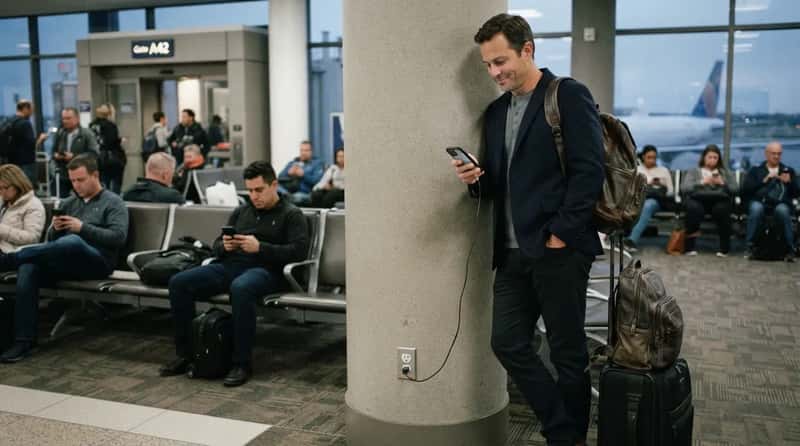
This is almost a running joke among road warriors: they can walk into an unfamiliar terminal and locate a working power outlet within about thirty seconds, like it’s a sixth sense. In reality, it’s pattern memory. Most U.S. airport gate areas place outlets in predictable spots near support columns or under certain bench styles, and frequent flyers have simply logged that pattern without realizing it.
There’s also an unspoken rule among regulars about treating outlet access almost like informal territory, not aggressively, but with a quiet understanding that whoever’s phone is nearly dead gets priority. Casual travelers often don’t even think to look until their battery hits single digits, while veterans plug in as a reflex the moment they sit down, regardless of battery percentage. It’s less about need and more about never wanting to be caught without options.
Worth Knowing
- Older terminals tend to cluster outlets near support columns, kiosk stands, and specific rows of refurbished bench seating.
- Newer gate areas increasingly build individual USB and AC ports right into the seats, cutting the outlet hunt out entirely.
- Many frequent flyers carry a short charging cable for this exact reason, since gate outlets rarely sit near a comfortable chair.
#1 – They’re the Last Ones to Actually Line Up
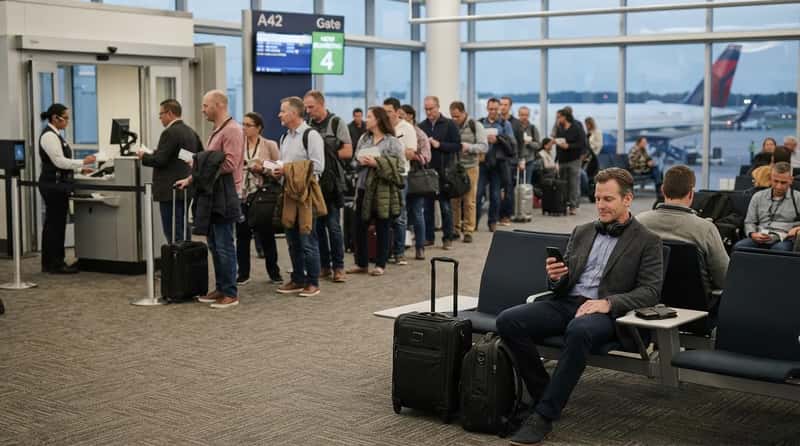
This is the single biggest tell, and it’s the one that trips up almost every occasional flyer trying to blend in: true frequent flyers are almost never near the front of the physical line, even when they have priority boarding. They know their zone, they know roughly when it’ll be called, and they’d rather stay seated and comfortable until the very last reasonable moment.
The irony is that this looks like carelessness to an outside observer, but it’s actually the most confident behavior in the entire gate area. Everyone knows there’s only so much overhead bin space, and once it’s full, the next bag gets tagged and sent down to the hold – but a frequent flyer with a small, compliant bag and a known seat assignment simply doesn’t fear that outcome the way a nervous traveler does. Watching someone stroll up calmly as the line dwindles to nothing is the clearest sign in the entire terminal that they’ve done this a thousand times before.
None of these habits are flashy. There’s no secret handshake, no special lounge pass required to spot them, just small, repeated choices shaped by hundreds of hours spent waiting in terminals. The screenshotted boarding pass, the ignored departure board, the empty water bottle, the refusal to join the early crowd – each one on its own looks minor, but together they paint a pretty clear picture of who’s done this before and who hasn’t.
What’s your biggest tell for spotting a frequent flyer at the gate? Drop it in the comments – we’re willing to bet at least one of these hit a little too close to home.