Packing lists have a funny way of growing every year, even though trips themselves rarely change all that much. Frequent flyers and travel gear specialists tend to notice the same pattern: bags get heavier not because of what people need, but because of what they assume they might need. A closer look at how seasoned travelers actually pack reveals a shorter, smarter list than most people expect.
1. A separate travel adapter for every device
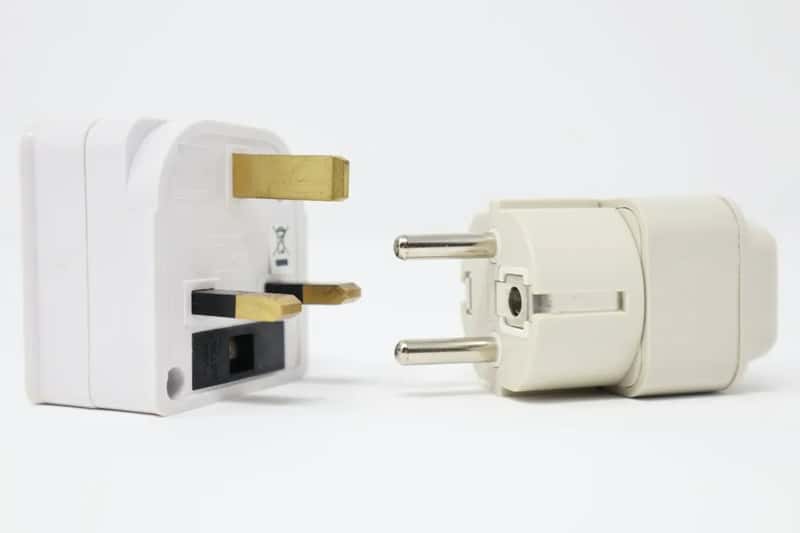
Many travelers still pack multiple single-purpose adapters, one for a phone, another for a laptop, sometimes a third for a camera charger. In reality, most modern devices can share a single universal adapter equipped with multiple USB ports or a compact multi-plug design. Airlines and hotel reviewers frequently point out that a single well-chosen adapter with built-in USB-A and USB-C ports covers nearly every gadget a traveler carries today.
The redundancy adds unnecessary bulk and weight, especially for short trips where charging needs are minimal. Travel gear specialists generally recommend testing one universal adapter at home before a trip rather than assembling a small electronics drawer for the suitcase. This alone can free up meaningful space in a carry on.
2. Printed paper maps
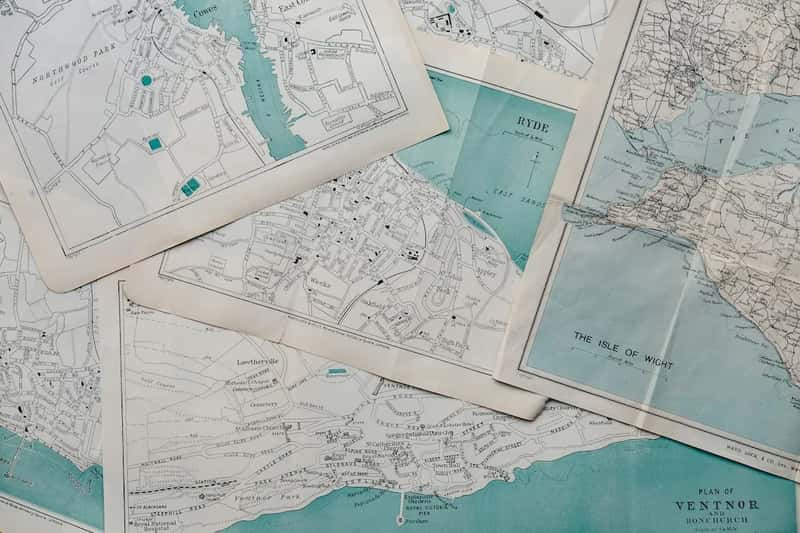
Paper maps once felt essential for navigating unfamiliar cities, but offline map technology has largely replaced that need. Apps like Google Maps and Maps.me allow travelers to download entire city maps in advance, including walking routes, transit lines, and points of interest, all accessible without an internet connection. This makes paper maps functionally redundant for the vast majority of trips.
Frequent travelers note that phones already serve as the default navigation tool, and carrying a paper backup rarely gets used once the trip begins. Unless someone is heading to a region with extremely limited cell infrastructure and no digital mapping coverage, a printed map tends to sit unused at the bottom of a bag.
3. A full-size hairdryer

Hotels overwhelmingly include hairdryers as standard bathroom equipment, which makes packing a personal one largely unnecessary for most stays. Even budget accommodations and short-term rentals increasingly stock this amenity because guest expectations have shifted over the past decade. Bringing a bulky, heavy hairdryer for a trip where one is already provided adds weight without adding value.
For travelers staying in more remote lodging or rural guesthouses where a hairdryer might not be guaranteed, a lightweight travel-sized version can still make sense. However, for typical hotel or Airbnb stays, checking the amenities list beforehand often reveals that this item is already covered.
4. Multiple pairs of jeans

Denim is heavy, slow to dry, and takes up more suitcase space than almost any other clothing item. Packing experts commonly suggest limiting jeans to one pair at most, since they add significant weight relative to how often they get worn during a typical trip. Lightweight travel pants or quick-dry fabrics offer far more versatility for changing weather and activities.
This is particularly relevant for trips involving multiple climates or active itineraries, where quick-drying materials matter more than they might at home. Frequent packers often treat jeans as a one-outfit exception rather than a wardrobe staple while traveling.
5. A dedicated travel pillow for every trip

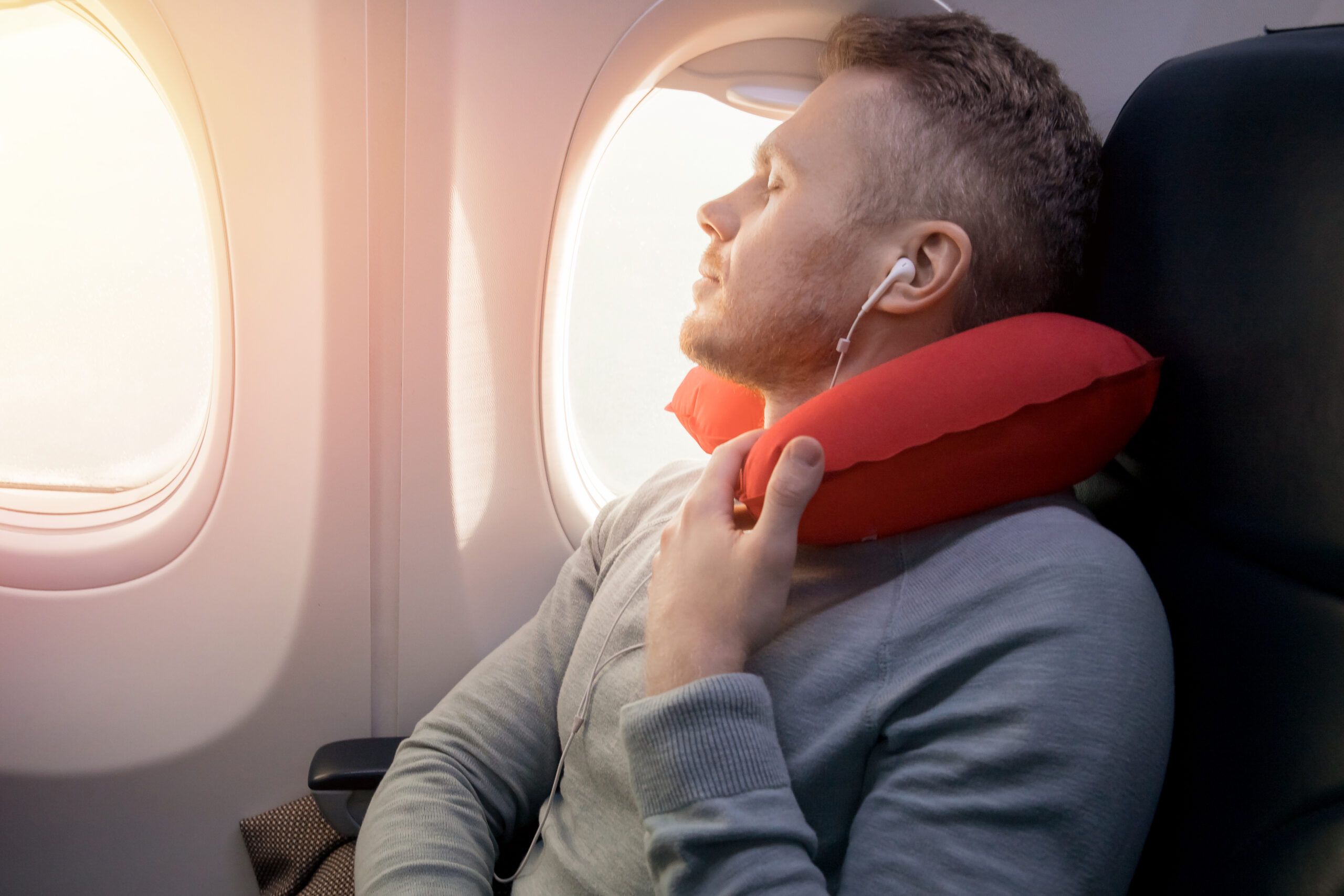
Neck pillows have become a packing default for many flyers, yet ergonomics specialists have raised doubts about how effective the traditional inflatable or U-shaped versions actually are at preventing neck strain. Some travelers find that a rolled-up sweater or jacket provides comparable support without the extra item taking up space in a carry on. Airlines flying wide-body aircraft also frequently offer small pillows as part of standard amenities on longer routes.
For short flights under a few hours, the case for a bulky travel pillow becomes even weaker. Many travelers who fly frequently for work skip it entirely, especially on red-eye domestic routes where legroom and space matter more than added comfort accessories.
6. Excess toiletries in full-size bottles

TSA regulations already limit liquids to 3.4 ounces per container for carry-on luggage, yet many travelers still overpack toiletries beyond what a short trip requires. Hotels commonly provide shampoo, conditioner, soap, and sometimes lotion, particularly at mid-range and upper-tier properties. Bringing a full skincare and haircare routine in duplicate travel-size bottles often means carrying more product than will realistically get used.
Packing specialists suggest matching toiletry quantities to trip length rather than defaulting to a full routine every time. A four-day trip rarely requires the same toiletry kit as a two-week one, yet many travelers pack identically regardless of duration.
7. A backup phone charger cable
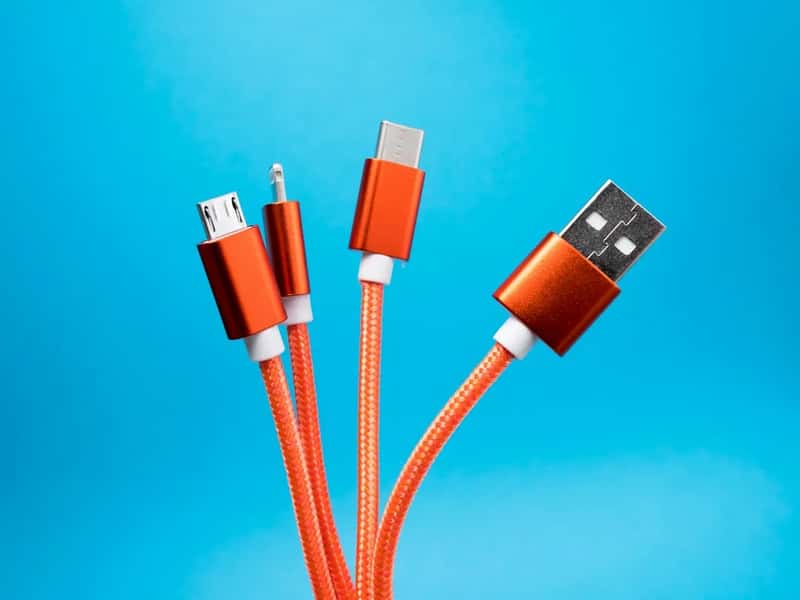
Carrying two or three charging cables “just in case” is common, but most trips do not actually require this level of redundancy. USB-C and Lightning cables have become widely available at airports, hotels, and convenience stores worldwide, meaning a lost or damaged cable is rarely a real emergency anymore. Many hotel front desks also keep spare cables specifically because guests forget theirs so often.
Travel tech reviewers generally recommend packing one reliable cable rather than several backups, since cables rarely fail simultaneously and replacements are easy to find almost anywhere. This is one of the easiest categories to trim without any real risk.
8. Heavy or hardcover books

Physical books remain popular for travelers who prefer reading without screens, but hardcovers and thick paperbacks add noticeable weight to a bag. E-readers like the Kindle weigh only a few ounces and can hold thousands of titles, making them a far more space-efficient option for long flights or extended trips. Even smartphone reading apps offer a no-extra-weight alternative for travelers who don’t want to buy a dedicated device.
For readers who genuinely prefer paper, packing a single lightweight paperback rather than multiple books tends to strike a reasonable balance. Travel gear guides consistently list books among the heaviest, most skippable items in a typical suitcase.
9. A first aid kit with excessive supplies
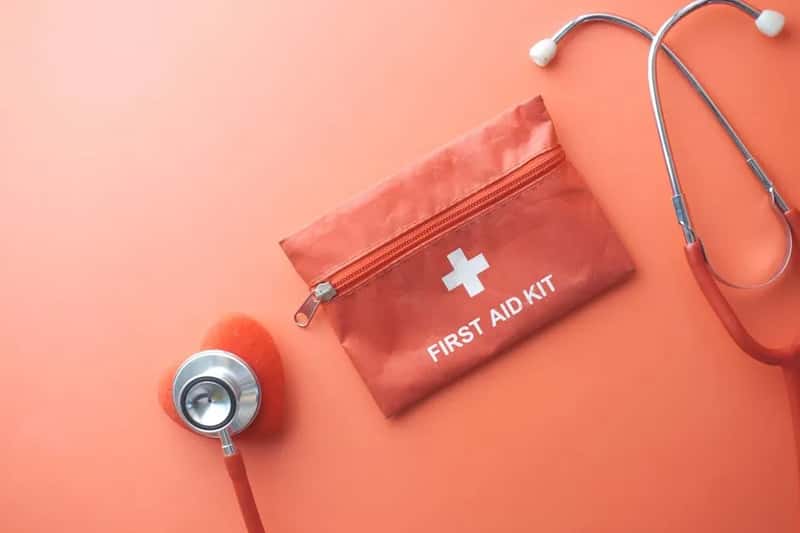
Basic health precautions matter while traveling, but many travelers pack first aid kits sized for a wilderness expedition rather than a standard vacation. Pharmacies are widely available in most travel destinations, including popular international ones, meaning specific medications or supplies can typically be purchased locally if needed. A minimal kit with bandages, pain relievers, and any personal prescription medication usually covers the realistic needs of most trips.
Travel health resources generally recommend tailoring first aid supplies to the specific destination and activity level rather than packing a generic oversized kit by default. Someone headed to a major city with pharmacies on every block needs far less than someone heading into a remote backcountry area.
10. Multiple pairs of shoes for every outfit
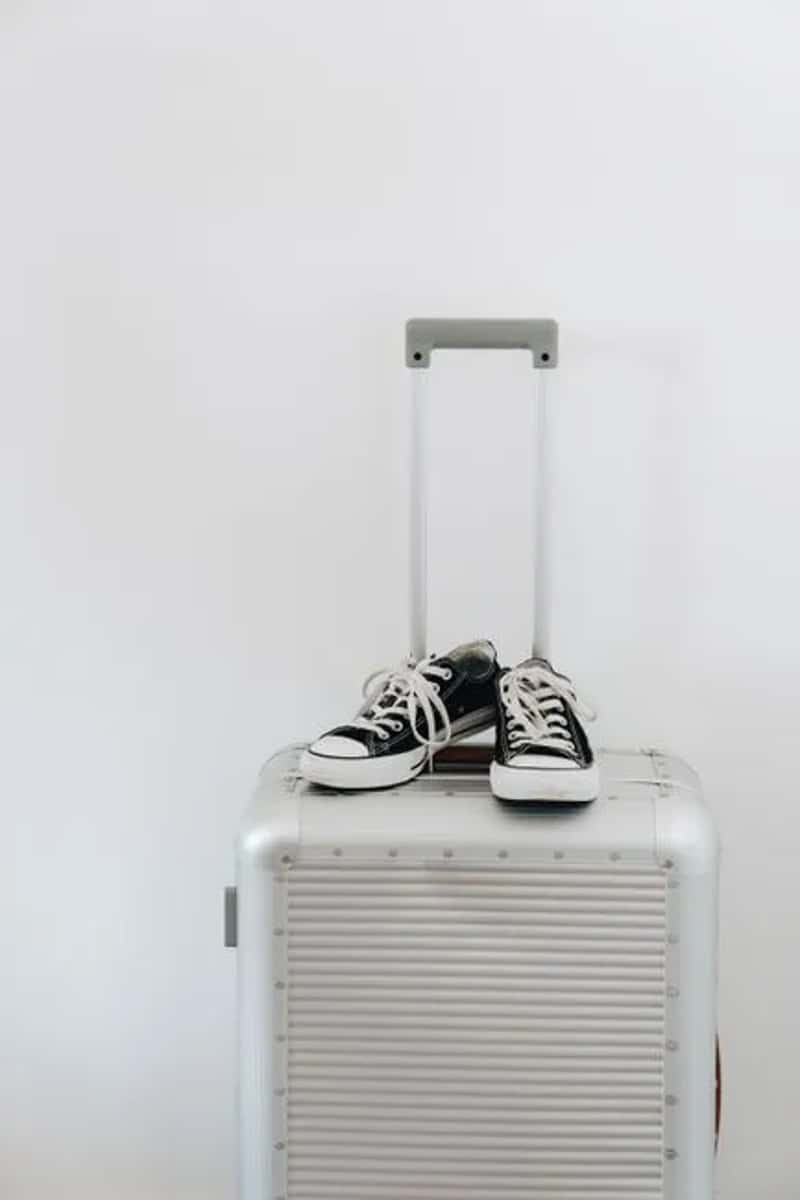
Shoes are among the heaviest and bulkiest items in most suitcases, yet many travelers pack three or four pairs to match different outfits and occasions. Packing specialists commonly suggest limiting footwear to two or three versatile pairs, one comfortable walking shoe, one dressier option, and possibly sandals depending on climate. Matching shoes to outfits item by item usually results in unused pairs that never leave the suitcase.
This is especially true for trips under a week, where the extra weight rarely translates into extra utility. Wearing the bulkiest pair on the plane instead of packing it is also a widely recommended trick to save suitcase space.
11. A separate camera when a smartphone will do
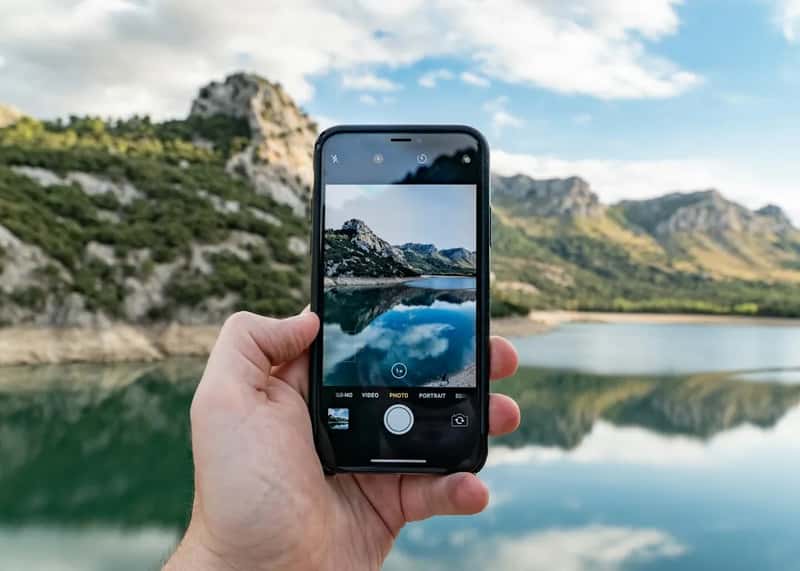
Dedicated cameras still have a place for serious photography enthusiasts, but smartphone camera technology has advanced enough that most casual travelers no longer need a separate device. Modern phones from Apple, Samsung, and Google now include multiple lenses, computational photography features, and video capabilities that rival dedicated point-and-shoot cameras from just a few years ago. This eliminates the need for extra batteries, memory cards, and a camera bag that a separate device requires.
For travelers documenting everyday moments rather than shooting professional-grade content, a smartphone typically covers the need without the added weight and complexity. Photography-focused travelers pursuing specific creative goals remain the exception where a dedicated camera still makes sense.
12. Travel-size laundry detergent and clotheslines

Packing a full laundry kit, including detergent sheets, portable clotheslines, and sink stoppers, has become common advice in travel packing guides, but most travelers overestimate how often they’ll actually do laundry mid-trip. Many hotels and short-term rentals offer on-site laundry services or nearby laundromats, particularly in cities and popular tourist areas. For shorter trips under two weeks, packing enough clothing to avoid laundry altogether is often simpler than carrying dedicated washing supplies.
Longer trips or specific destinations without easy laundry access are the exception where this gear earns its space. For the average one or two week vacation, though, it tends to remain unused in a packing cube.
13. Multiple guidebooks for one destination
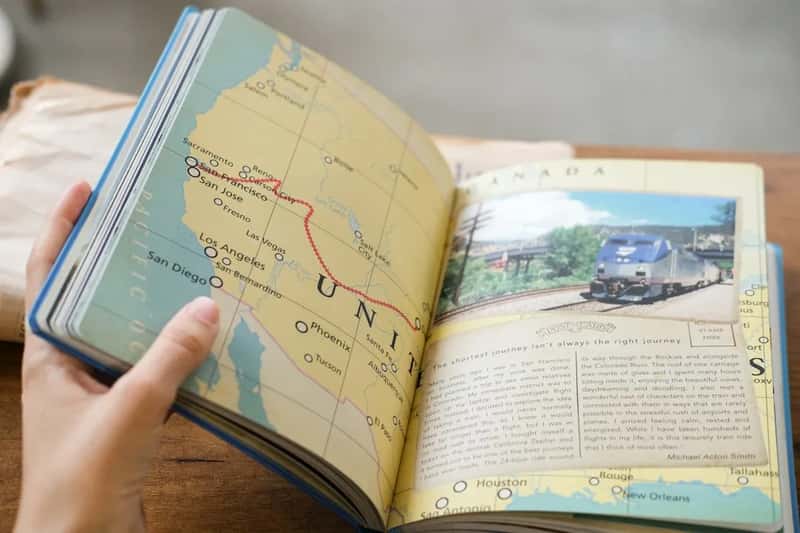
Printed guidebooks were once essential trip-planning tools, but online resources have largely replaced their function for most travelers today. Apps and websites offer real-time restaurant reviews, updated opening hours, and interactive maps that a printed guidebook, often outdated within months of publication, simply cannot match. Carrying two or three guidebooks for a single destination adds unnecessary weight for information that’s often more current and searchable on a phone.
Travelers who enjoy the guidebook format can typically get by with one lightweight option or a digital version loaded onto a tablet or phone instead. This preserves the browsing experience some people prefer while cutting the physical weight that multiple print editions add to a suitcase.
Packing lighter rarely means sacrificing comfort or preparedness. In most cases, it just means matching what actually gets used against what feels reassuring to bring along, and letting hotels, local shops, and modern technology fill in the gaps that used to require an extra item in the suitcase.