Every seasoned traveler has a story about the meal that went wrong. Maybe it was a plate of “fresh” seafood pasta near a canal in Venice, or a steak that cost more than the hotel room. Europe’s most photogenic streets are often lined with restaurants built for turnover, not flavor, and the difference between a memorable dinner and a forgettable one usually shows up in the small details before you even sit down.
The good news is that tourist traps tend to follow a pattern. Once you know what to look for, spotting them becomes almost instinctive, and the payoff is a lot more good meals and a lot fewer overpriced disappointments.
1. Menus printed in five languages with pictures of every dish
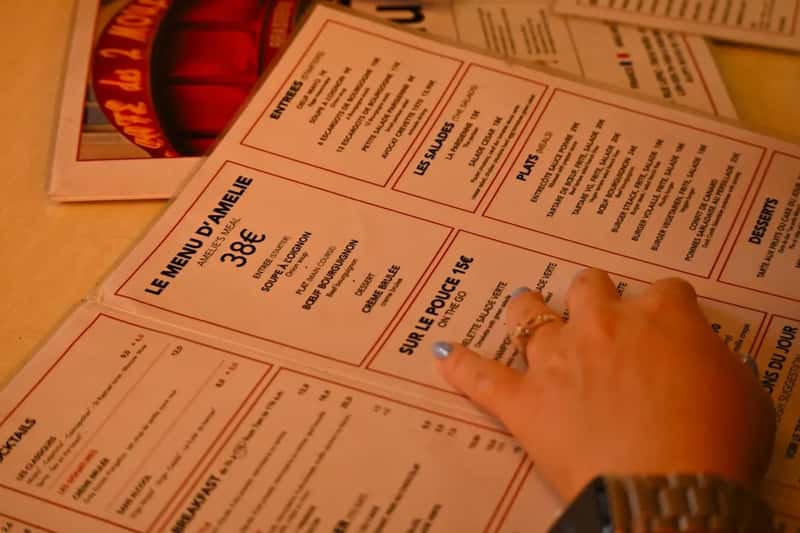
A restaurant that genuinely caters to locals rarely needs a laminated, photo-heavy menu translated into five or six languages. That kind of menu is designed for volume and speed, not for regulars who already know what they want. Locals don’t need pictures of a margherita pizza to understand what it is.
When a menu leans this hard on visuals and multilingual text, it’s usually a sign the kitchen is optimizing for tourists who won’t return, rather than building a reputation with people who live nearby. That’s not always a dealbreaker, but it’s worth noticing as one data point among several.
2. A host stationed outside actively waving people in
Confident restaurants with steady local business don’t typically need someone standing on the sidewalk trying to pull people through the door. This kind of aggressive touting is common in tourist-heavy zones across Rome, Paris, and Barcelona, and it tends to correlate with mediocre, overpriced food. The logic is simple: if the food and reputation spoke for themselves, they wouldn’t need a salesperson on the street.
This is especially true in areas near famous landmarks, where foot traffic is high and repeat business isn’t the priority. A restaurant relying on a person to physically intercept tourists is often betting on a one-time visit, not a lasting impression.
3. It’s directly across from a major landmark
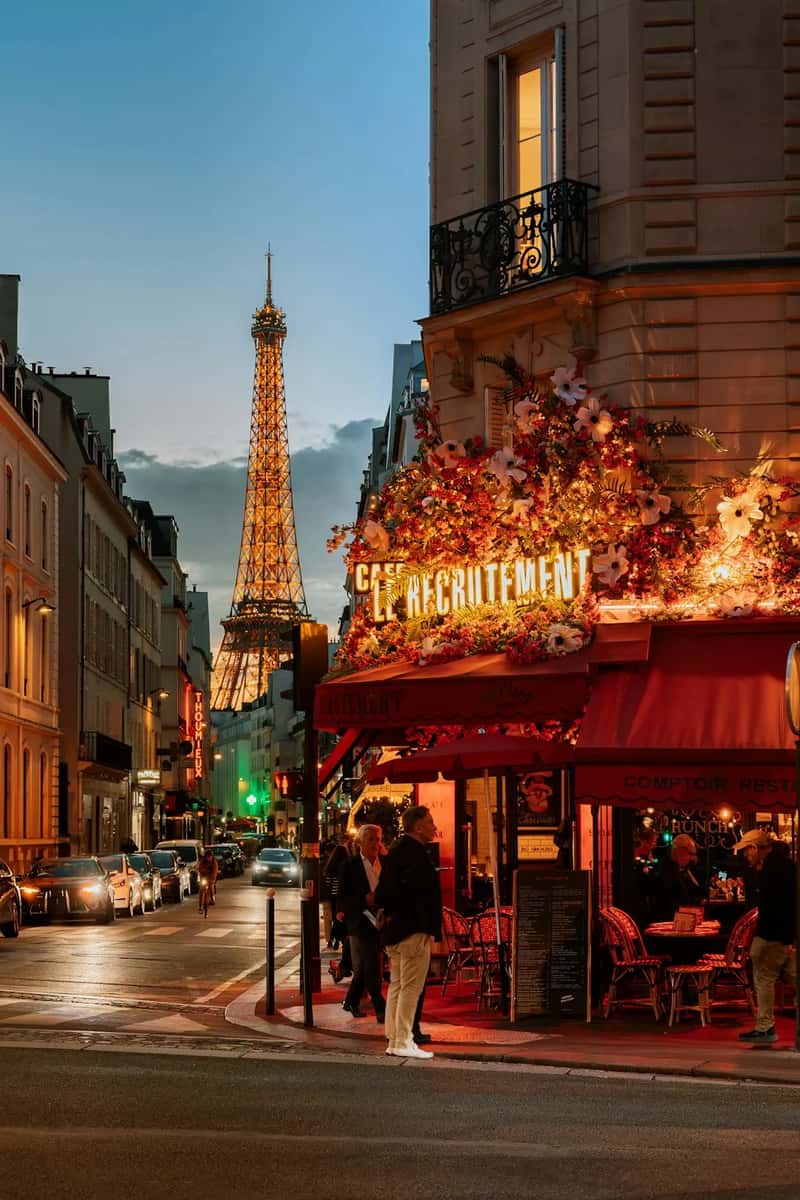
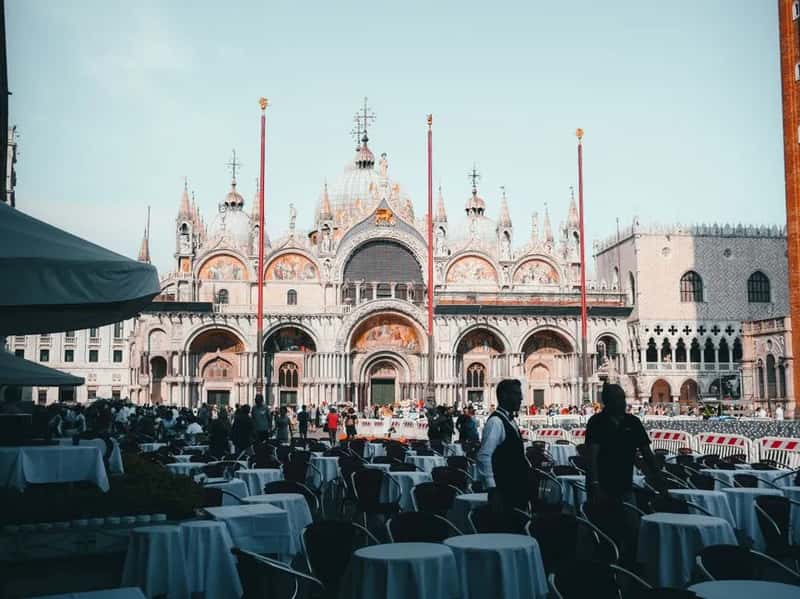
Restaurants with a view of the Eiffel Tower, the Colosseum, or the Trevi Fountain are paying premium rent, and that cost gets passed straight to the customer, often without matching food quality. Proximity to a landmark is one of the most consistent predictors of inflated prices and underwhelming meals in European dining. It’s not a universal rule, but the pattern shows up again and again in cities from Florence to Prague.
A simple habit that tends to pay off is walking two or three streets away from the main attraction before choosing where to eat. Prices often drop noticeably, and the food quality frequently improves once a restaurant isn’t relying on foot traffic alone to survive.
4. The menu offers dishes from six different countries
A trattoria that also serves paella, sushi rolls, and a Greek salad is signaling that it’s built to please anyone walking by, not to specialize in anything. Authentic regional cooking usually comes from kitchens with a narrow, well-executed focus, not a scattershot menu trying to cover every tourist’s comfort food. When a menu tries to be everything to everyone, it’s rarely excellent at any single thing.
This kind of sprawling menu is common in areas with heavy short-term tourist traffic, where owners assume diners want familiar options rather than local specialties. A tighter menu focused on regional dishes is generally a better sign of a kitchen that takes its food seriously.
5. Prices are noticeably higher than nearby competitors for similar dishes
Comparing menu prices at two or three nearby restaurants before committing is one of the simplest ways to catch inflated pricing. If a plate of spaghetti carbonara costs significantly more at one spot than at another just a block away, that’s rarely explained by ingredient quality alone. It’s often just about location and the assumption that tourists won’t check elsewhere.
This is particularly common in cities with dense concentrations of tourist attractions, where price transparency drops the closer you get to a famous site. A quick price comparison across a few doors down can save real money without sacrificing much in terms of experience.
6. Cover charges, bread fees, or service charges that aren’t clearly disclosed
Italy’s “coperto,” a per-person cover charge, is legal and common, but tourist trap restaurants sometimes stack it with additional undisclosed fees for bread, water, or “service” that locals wouldn’t tolerate paying without knowing upfront. Transparent restaurants list these charges clearly on the menu, while traps tend to bury them in fine print or skip disclosure altogether until the bill arrives. Reading the bottom of the menu carefully before ordering is a small habit that avoids an unpleasant surprise later.
In several European countries, consumer protection rules require price transparency, but enforcement varies significantly by region and city. Asking directly about extra charges before sitting down, especially in heavily touristed areas, is a reasonable and increasingly common practice among experienced travelers.
7. The restaurant has an unusually high number of five-star reviews with vague language

A flood of five-star reviews that all say something like “amazing food, great service” without specific details can be a red flag rather than reassurance. Genuine reviews from repeat customers tend to mention specific dishes, specific staff interactions, or specific reasons for returning. Scrolling past the top reviews to read the three-star and two-star ones often reveals more honest, detailed feedback about portion sizes, pricing, or food quality.
Review manipulation, including paid or incentivized reviews, has become a documented issue on major platforms, and tourist-heavy restaurants are frequent targets for this kind of inflation. Looking at the total review count alongside the ratio of detailed versus generic comments gives a more reliable picture than the star rating alone.
8. It’s completely empty at peak dining hours
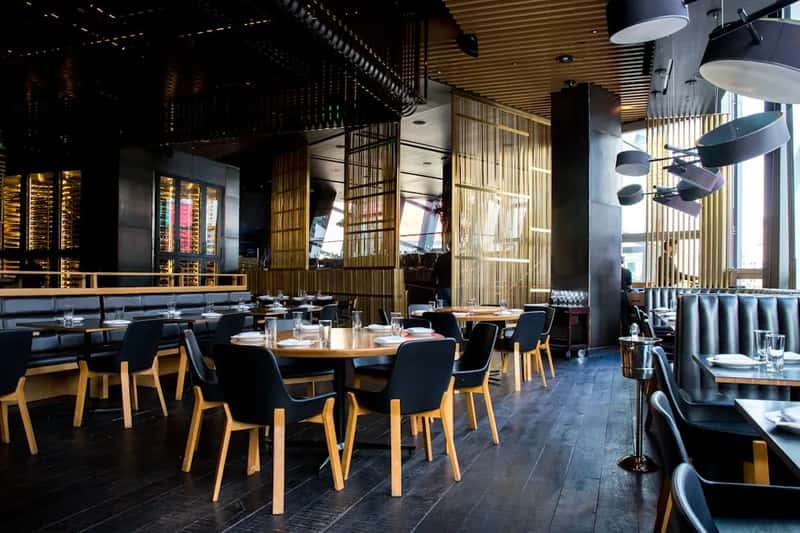
An empty dining room at eight in the evening in a major European city is rarely a coincidence. Locals and regular diners tend to fill restaurants with a strong reputation during standard meal times, and a consistently empty space during peak hours suggests that word of mouth isn’t working in the restaurant’s favor. This is especially telling in cities like Venice or Dubrovnik, where competition for diners is intense and good restaurants fill up fast.
That said, timing matters here too, since many European cities eat later than visitors expect, particularly in Spain and parts of Italy. An empty restaurant at seven in Madrid might just mean it’s too early, not that it’s a trap, so checking local dining customs before drawing conclusions is worth the extra minute.
9. Staff members switch effortlessly between six languages but seem rushed
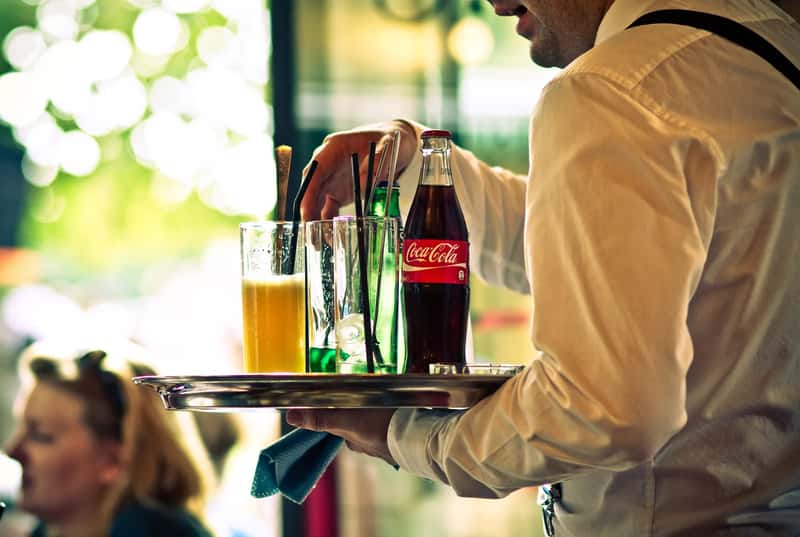
Multilingual staff aren’t inherently a warning sign, since plenty of excellent European restaurants train staff to serve international guests well. The concerning pattern is when that language flexibility comes paired with a rushed, transactional approach that pushes diners toward ordering quickly and turning over the table fast. Watching how staff interact with a table that’s clearly local, if there is one, can offer a useful comparison point.
Restaurants built around tourist volume often prioritize speed over the kind of attentive service that builds repeat business. If the pacing feels more like a factory line than a dining experience, that’s a meaningful signal worth trusting.
10. The restaurant is listed as a “must-visit” on generic viral lists without local backing
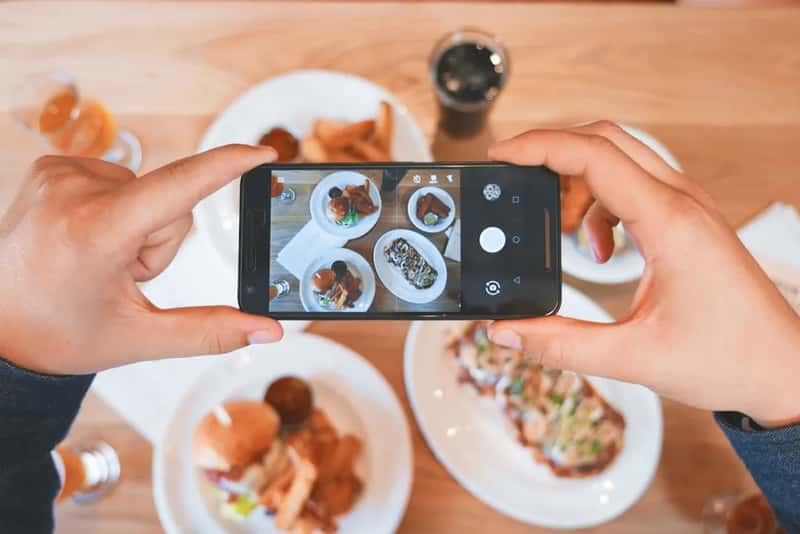
Viral social media lists and clickbait travel articles often feature the same handful of restaurants across dozens of cities, frequently because those restaurants pay for placement or actively court influencer attention. Cross-referencing a recommendation against local food critics, regional publications, or long-standing guides like Michelin or Gambero Rosso tends to reveal a very different, more reliable set of options. A restaurant famous mainly for looking good on camera isn’t necessarily famous for tasting good.
This pattern has become more pronounced since 2023 as short-form video content has driven massive spikes in foot traffic to specific spots, sometimes overwhelming small kitchens that weren’t built for that volume. Checking whether local sources, not just international travel influencers, recommend a place adds a layer of credibility that viral fame doesn’t provide on its own.
11. Portions look suspiciously large and prices suspiciously convenient in round numbers
Menus with oddly convenient pricing, like a flat ten or twenty euros regardless of what’s ordered, often signal a business optimized for quick tourist transactions rather than ingredient cost and quality. Combine that with oversized portions of pasta or seafood that seem designed to fill rather than delight, and the pattern usually points toward a kitchen focused on perceived value over actual craftsmanship. Traditional European portion sizes, particularly in Italy and France, tend to be moderate rather than oversized.
This tactic works because many tourists equate bigger portions with better value, even when the quality doesn’t match. A restaurant confident in its food generally doesn’t need to compensate with sheer volume.
12. The location is inside or immediately adjacent to a major transit hub
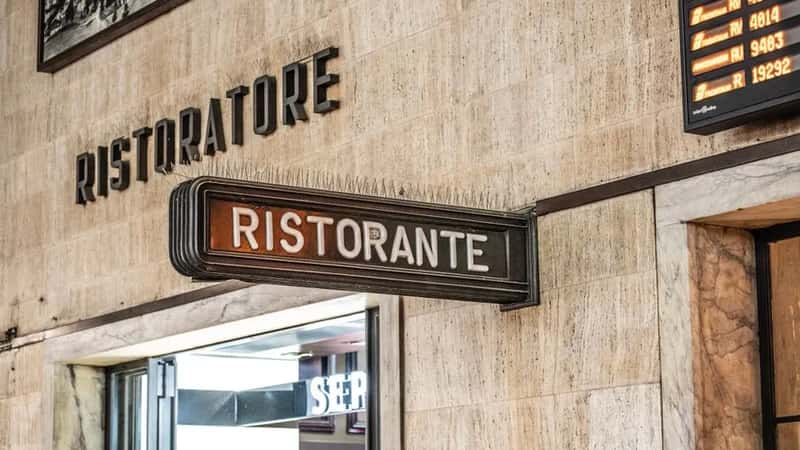
Restaurants situated inside train stations, airports, or directly outside major metro exits are dealing with captive audiences who have limited time and few nearby alternatives. That captivity removes much of the competitive pressure that normally keeps food quality and pricing in check. This is a well-documented pattern across European transit hubs, from Rome Termini to Paris Gare du Nord.
Walking even a short distance away from a transit hub, when time allows, usually opens up better and cheaper dining options within a few minutes. It’s a small inconvenience that tends to pay off significantly in both cost and quality.
13. Table settings include disposable or oddly generic elements despite claiming to be upscale
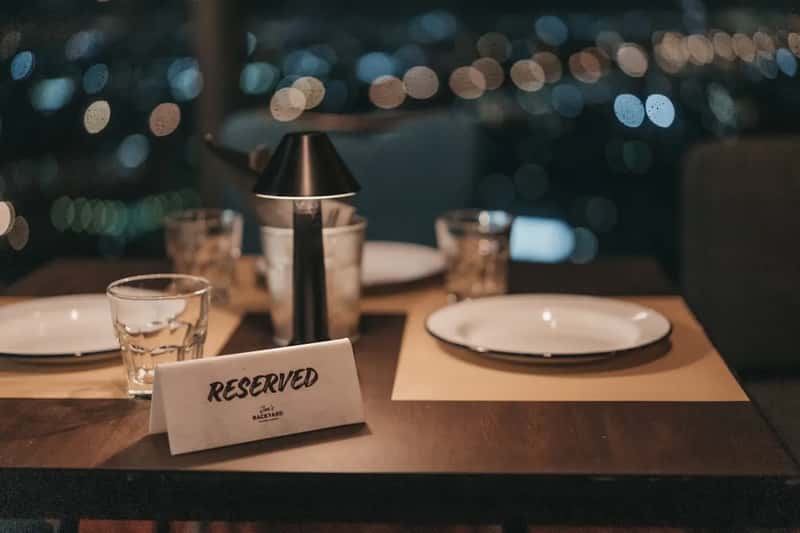
A restaurant advertising itself as authentic or high-end but using paper placemats, plastic-wrapped cutlery, or generic printed napkins is sending a mixed signal worth paying attention to. These small details often reveal more about a restaurant’s actual priorities than its marketing or exterior signage does. Genuine attention to detail in food usually extends to the physical dining experience as well.
This mismatch between presentation and substance is common in restaurants built primarily for quick tourist turnover rather than a lasting dining reputation. Noticing these small inconsistencies before ordering can prevent a mismatch between price and experience later in the meal.
Spotting these patterns takes practice, but the underlying logic stays consistent across cities and countries. Location, pricing transparency, review quality, and small physical details tend to tell the real story long before the first course arrives. A little observation before sitting down usually makes the difference between an average meal and one worth remembering.