Most people assume that after 60, air travel just gets harder – longer lines, more fatigue, more stress. But the seasoned flyers who rack up the most miles in that age group have quietly figured something out: the airport doesn’t get harder with age, it gets smarter. They’ve shed the habits that drain energy and replaced them with a tight system that makes younger travelers look like amateurs at the gate.
These aren’t tips from a generic packing list. Some of them are counterintuitive. A few will make you rethink how you’ve been flying for decades. The ones near the top of this list? They’re the kind of moves that look obvious in hindsight – and cost you every trip you skip them.
#14 – They Always Fly the First Flight Out

Experienced flyers over 60 don’t book the convenient midday flight. They book the first departure of the day – often 6 a.m. or earlier – without hesitation. The reasoning is brutally simple: morning flights almost never get cancelled, and if something does go wrong, you have the entire day to be rebooked. Delays cascade as aircraft and crews pile up out of position, so the earlier you fly, the less exposure you have to the whole system unraveling around you.
For travelers over 60 who may have medications, appointments, or hotel check-ins tied to their arrival time, that buffer isn’t a luxury – it’s a necessity. One missed connection mid-afternoon can strand you overnight; a disrupted 6 a.m. flight almost never does. Younger travelers book for convenience. Experienced ones book for certainty. That one decision separates a smooth trip from a chaotic one before you even leave the house.
Fast Facts
- First flights of the day have the lowest delay rates – aircraft are already on the ground overnight and crews are fresh.
- Delay ripple effects grow throughout the day; by evening, a single mechanical issue can affect dozens of flights across the network.
- Rebooking options are greatest in the morning – more flights, more seats, more routes available.
- Early departures pair naturally with arriving at the airport before the security rush peaks.
#13 – They Book the Aisle Seat Every Single Time
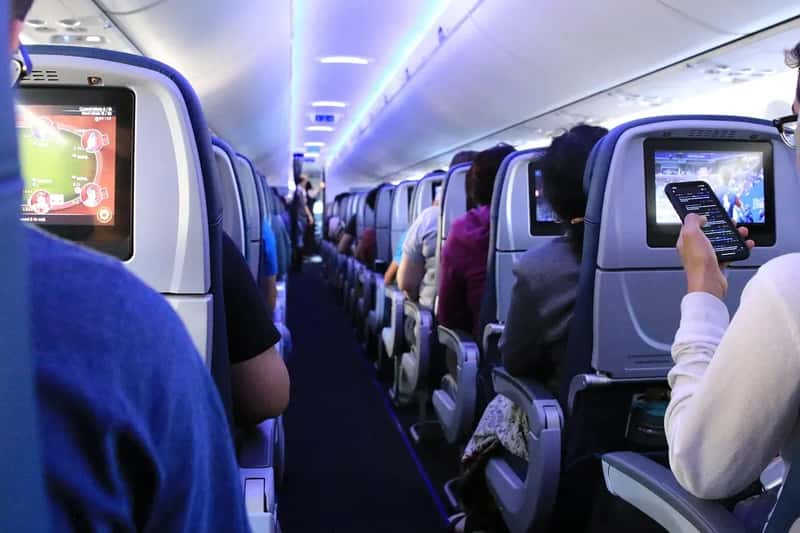
Window seat loyalists will argue the view is worth it. Frequent flyers over 60 largely disagree – and they have a point. Staying properly hydrated means frequent trips to the restroom, and the aisle seat saves you and your seatmates the awkward shuffle every single time. Beyond the bathroom math, the aisle gives you the freedom to stand, stretch, and move your legs without climbing over anyone, which is exactly what doctors recommend to keep circulation going on longer flights.
There’s also a less-discussed benefit: getting off the plane faster. For anyone connecting to another flight or simply ready to reach baggage claim, the aisle seat is worth more than any window upgrade that traps you against the fuselage. Savvy flyers lock this in the moment they book – not at the gate, when the good seats are already gone.
#12 – They Check In Online Exactly 24 Hours Before the Flight

Most casual travelers drift into the airport and check in at the kiosk like it’s still 2005. Frequent flyers over 60 treat the 24-hour online check-in window like a standing appointment. Most airlines open online check-in exactly 24 hours before departure, and the travelers who jump on it first lock in their seat before anyone else has a chance to touch it.
This habit does something subtler too: it protects your seat from being reassigned. Airlines frequently move passengers around in the hours before a flight due to equipment changes or weight-and-balance adjustments – and those who’ve already checked in online tend to be moved last. It takes about 90 seconds and saves anywhere from 15 minutes to an hour of standing in lines. One of those habits that costs nothing and returns everything.
#11 – They Pack a Reusable Water Bottle and Fill It Past Security

Airport hydration is one of the most overlooked health habits in air travel, and frequent flyers over 60 have made it non-negotiable. The cabin environment at cruising altitude maintains humidity between roughly 10 and 20 percent – far drier than most desert climates – which pulls moisture from your skin, sinuses, and airways faster than most people realize. A reusable water bottle filled from a gate fountain costs nothing and solves the problem before it starts.
Most airports now have free water dispensers, so there’s no reason to pay $5 for a plastic bottle you’ll throw away. For travelers over 60, dehydration compounds fast during a travel day: it worsens fatigue, triggers headaches, and amplifies jet lag. Experienced flyers treat a full water bottle the same way they treat a boarding pass – non-negotiable before getting on the plane.
Worth Knowing
- Cabin humidity typically runs 10–20% – far below the 30–50% considered comfortable indoors on the ground.
- Dehydration accelerates at altitude and can intensify the effects of any medications taken during travel.
- A reusable bottle with a wide mouth passes TSA security empty with no issues and fills quickly at gate water stations.
- Aim for at least 8 oz of water per hour of flight time – more on longer hauls.
#10 – They Bring Their Own Snacks Instead of Paying Airport Prices

Anyone who has paid $14 for a sad airport sandwich has learned this lesson the hard way. Frequent flyers over 60 pack their own food as a default. Granola bars, nuts, fruit, even a proper packed meal – all of it travels easily in a small pouch inside a carry-on, and none of it costs $10 for a bag of chips. The savings add up fast, but that’s almost secondary.
The bigger win is health. Airport food tends to run high in sodium, which amplifies the dehydrating effect of the cabin and leaves you landing bloated and sluggish. Travelers over 60 managing blood pressure or medications are especially wise to control what they eat in transit. Packing real food – not just crackers – means arriving at the destination feeling like a person instead of a side effect.
#9 – They Wear Compression Socks on Every Flight Over Four Hours

This one used to be considered a grandparent cliché. The medical evidence has since caught up. A Cochrane review of 12 randomized clinical trials covering nearly 2,918 participants found high-certainty evidence that compression stockings significantly reduced the risk of deep vein thrombosis on flights longer than four hours. Of the participants studied, 47 people who did not wear stockings developed symptomless DVT – compared to just 3 who did. For travelers over 60 – whose baseline risk is already higher – compression socks stop being a precaution and start being a basic defense.
The mechanism is straightforward: compression forces blood in the lower legs back toward the heart, preventing the dangerous pooling that hours of immobility create. If you regularly land with swollen feet and legs, compression socks can eliminate that almost entirely. Talk to a pharmacist to get the right fit, put them on a few hours before the flight, and keep them on until you deplane. Simple, cheap, and backed by real science.
At a Glance: Compression Socks by the Numbers
- 12 clinical trials, nearly 2,918 participants reviewed in the Cochrane meta-analysis
- 47 vs. 3 – DVT cases among non-wearers versus wearers in the core dataset
- High-risk travelers saw DVT risk drop from roughly 30 per 1,000 down to 3 per 1,000 with stockings
- Low-risk travelers saw reduction from about 10 per 1,000 to just 1 per 1,000
- No significant adverse effects were reported across any of the trials
#8 – They Use a Portable Power Bank as Standard Equipment

Running out of battery in an airport is more than inconvenient for a traveler over 60 – it can mean losing a mobile boarding pass, missing a gate change notification, or being unable to reach family at the destination. Experienced travelers treat a portable power bank the same way they treat a passport: always charged, always in the carry-on, never left at home by accident.
There’s also a security angle worth knowing. Plugging directly into public USB charging stations carries a small but real risk – tampered ports can install malware or skim data from your device. A personal power bank eliminates that exposure entirely. Frequent flyers over 60 who carry sensitive travel documents, health records, or financial apps on their phones are especially wise to take that threat seriously and charge on their own terms.
#7 – They Request Preboarding Without Apology
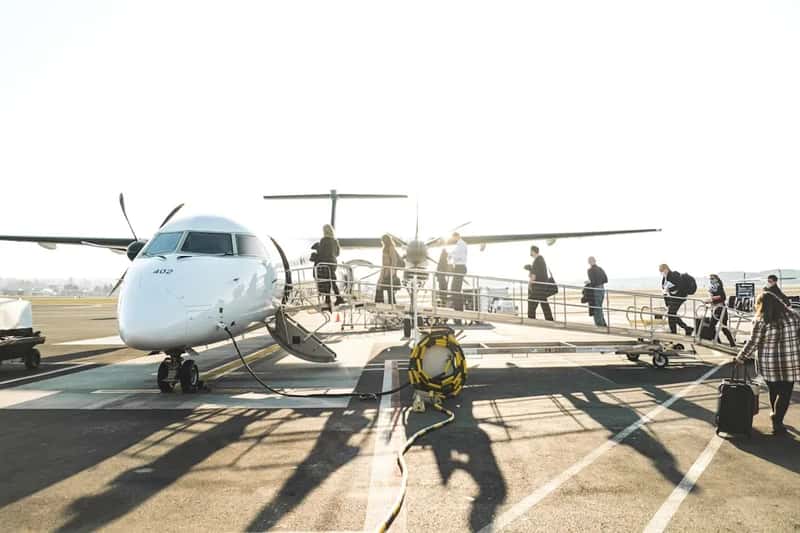
Many travelers feel awkward requesting preboarding, as if they need to be visibly struggling to qualify. Frequent flyers over 60 have shed that hesitation entirely. Airlines actively encourage passengers who need extra time to board early – it keeps the aisle less congested for everyone. All you have to do is approach the gate agent before boarding begins and let them know you need additional time. No doctor’s note, no paperwork, no justification beyond the request itself.
Most airlines allow one travel companion to preboard with you as well. The real advantage isn’t just time – it’s overhead bin space. By the time Group 4 boards, the bins are stuffed and bags get gate-checked, eliminating the entire reason you carried on. Preboarding means your bag goes directly overhead, your medications stay accessible, and you settle in without 200 people filing past you. The gate agent is your best ally. The only mistake is not asking.
#6 – They Monitor Flight Status With Real-Time App Alerts
Showing up at the airport to discover a three-hour delay you could have known about from home is a beginner move. Frequent flyers over 60 have push notifications enabled for their flight before they even leave the driveway – and they check them at every stage of the journey. Most major airline apps will alert you the moment a gate changes, a delay is posted, or a cancellation hits.
Gate changes happen constantly at busy hubs, and a traveler who misses a notification can board the wrong aircraft or sprint to the wrong terminal with two minutes to spare. The app is free, setup takes two minutes, and it gives you the same real-time picture the gate agents are looking at. There’s no longer any excuse to be the last person at the gate to find out what’s happening to your flight.
Quick Compare: Tracking Your Flight
- Airline app alerts – Free, fastest for gate changes and cancellations on your specific carrier
- FlightAware / Flightradar24 – Real-time plane tracking, great for seeing exactly where your aircraft is right now
- MyTSA app – Shows live security wait times at hundreds of U.S. airports before you leave home
- Airport website dashboards – Many major hubs (ATL, DFW, LAX, DEN) publish minute-by-minute checkpoint data
#5 – They Always Use a Luggage Tracker Inside Every Checked Bag
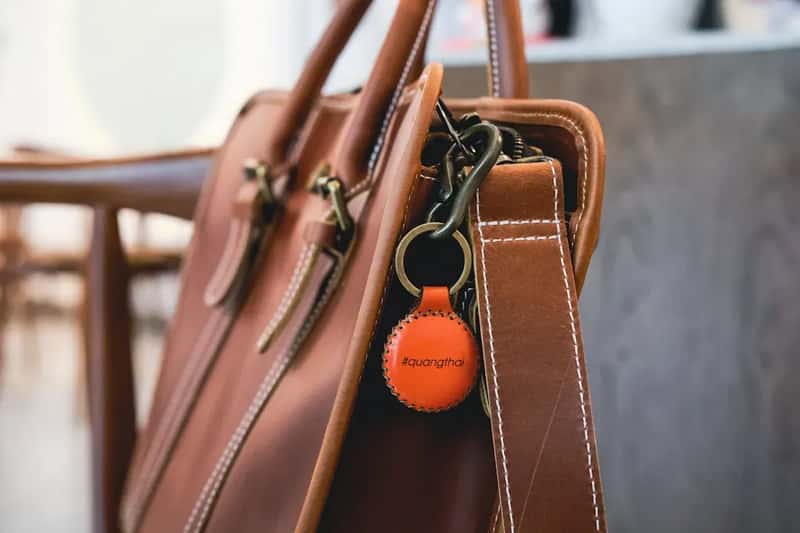
Lost luggage is a frustration at any age. For travelers over 60 who may have medical supplies, medications, or formal attire for a milestone event inside a checked bag, it’s a genuine crisis. A small Bluetooth tracker – like an Apple AirTag – tucked into a side pocket costs under $30 and tells you exactly where your bag is at every point in the journey.
The tracker doesn’t prevent an airline from losing your bag. But it tells you exactly where it is when they claim they don’t know. Experienced travelers have used AirTag location data to prove their bag was sitting in a specific city, cutting retrieval time from days to hours. For anyone who flies more than a few times a year, a luggage tracker has become as standard as the luggage tag itself. Pack one, and you’ll never fly blind about your bag again.
#4 – They Arrive Earlier Than Any App Tells Them To
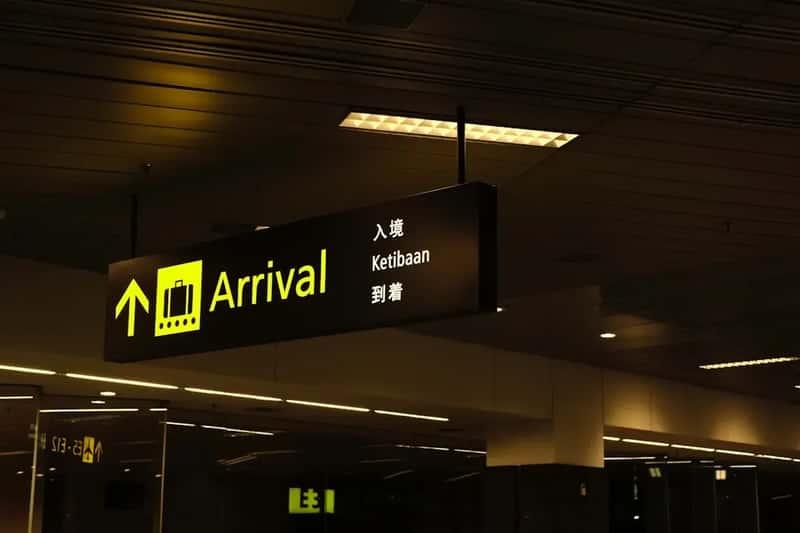
Every travel app says “arrive two hours before domestic flights.” Frequent flyers over 60 arrive two and a half to three hours early, no debate. Most airlines recommend at least two hours for domestic departures and three to four for international – and that baseline doesn’t account for off-site parking, a security surge, an equipment issue at the checkpoint, or a coffee spilled on the terminal floor that’s backed up the whole line.
The extra buffer isn’t just about avoiding a missed flight – it’s about arriving at the gate without a racing heart. The single biggest predictor of a stressful travel day is stepping into the airport with zero margin for error. Experienced flyers over 60 use that extra hour to sit, eat something real, hydrate, and board at their own pace. They’re not running. They’re already there. That difference in arrival energy changes the entire character of the trip.
#3 – They Take Advantage of Airport Courtesy Carts Without Hesitation
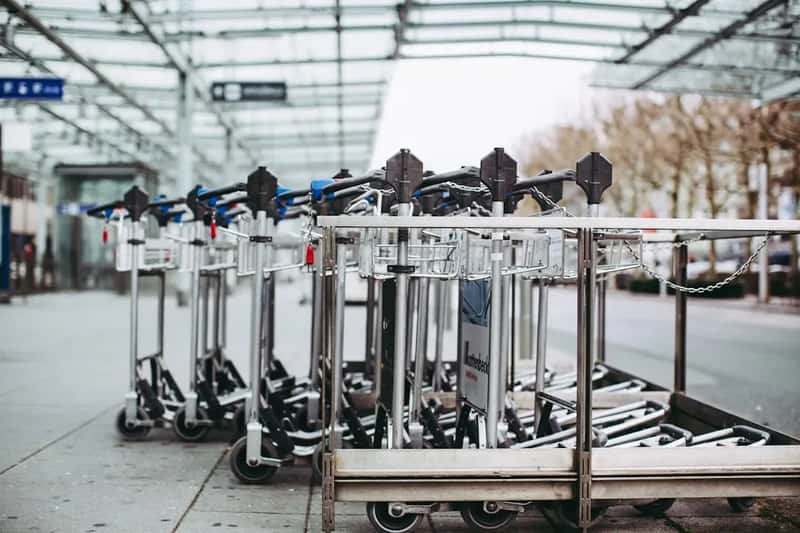
Plenty of travelers over 60 walk a half-mile between terminals at a crowded hub out of pride – and arrive at the gate exhausted before they’ve even boarded. The veterans have stopped doing this. Courtesy carts are available in airports across the country, driven by airport staff to carry passengers who need assistance or have tight connections. At many airports, they’re free. At others, they can be arranged by calling your airline’s customer service line.
The math is simple: arriving at the gate fresh is worth more than the ego cost of the ride. This is especially true at mega-hub airports like Atlanta’s Hartsfield-Jackson – the world’s busiest airport, handling over 108 million passengers a year – Dallas-Fort Worth, or Chicago O’Hare, where gates can genuinely be a mile apart. Spending your energy on a terminal walk before a six-hour flight is a bad trade. The cart exists specifically for this situation, and the only thing required to use it is asking.
#2 – They Know the Lounge Secret Most Travelers Are Still Missing
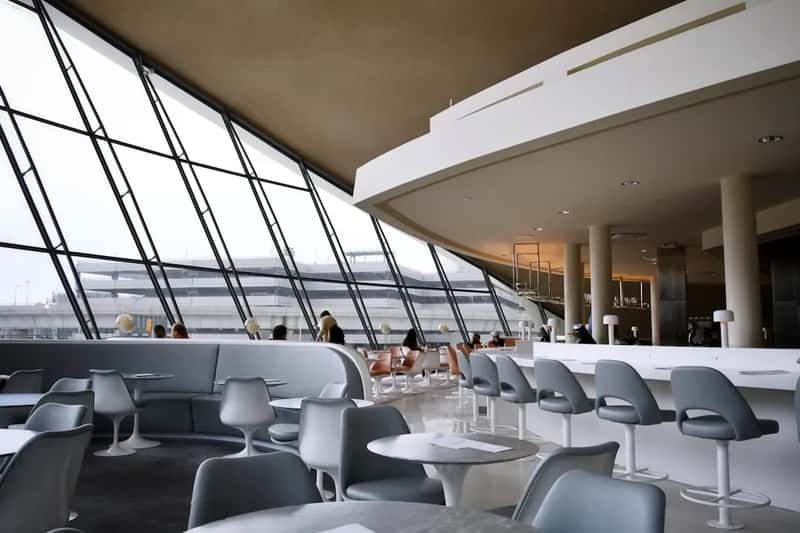
Millions of travelers sit on hard terminal chairs next to $18 beers and crying toddlers without realizing a quiet room with real food, fast Wi-Fi, and actual chairs is steps away. Priority Pass provides access to more than 1,800 airport lounges and travel experiences across 725 airports in 145 countries – including shower facilities, complimentary meals, and reliable charging stations – and you don’t need elite airline status or a first-class ticket to get in.
Several travel credit cards include a Priority Pass membership as a standard benefit, often with an annual fee that’s effectively offset by just three or four lounge visits a year. For travelers over 60 facing a long layover or an early morning departure, the difference between a lounge and a terminal seat isn’t small – it’s the difference between arriving refreshed and arriving depleted. The travelers who still don’t know this are paying more and getting less every single trip.
Why It Stands Out: Airport Lounge Access
- 1,800+ lounges in Priority Pass’s global network, spanning 725 airports and 145 countries
- Typical lounge perks: complimentary food, free Wi-Fi, charging stations, real seating, and often showers
- Cards that commonly include Priority Pass: Chase Sapphire Reserve, Capital One Venture X, Amex Platinum
- No business class ticket or airline status required – just a qualifying card or paid membership
- Pre-booking available at 140+ lounges if you want to guarantee a spot on busy travel days
#1 – They Have TSA PreCheck or Global Entry, and They Never Travel Without It

If there is one single habit that separates experienced flyers over 60 from everyone else at the airport, it’s this one. Standing in a standard TSA security line – shoes off, laptop out, belt in a bin, jacket in a tray – is not just slow. For travelers with knee replacements, hip implants, back issues, or any mobility concern, it is a physically draining ordeal that sets a negative tone for the entire trip before the flight even begins. TSA PreCheck lets you keep your shoes, belt, and light jacket on, leave your laptop in the bag, and walk through a dedicated lane that moves in a fraction of the time.
According to the TSA, 99% of PreCheck passengers wait 10 minutes or less at the checkpoint – compared to standard lanes that average 15 to 30 minutes at most large U.S. airports. TSA PreCheck has surpassed 20 million active members as of August 2024, and renewal starts as low as $68.95 for another five-year term – many travel credit cards reimburse it entirely. For international travelers, Global Entry includes PreCheck and adds expedited U.S. customs processing on return. Frequent flyers over 60 who still don’t have PreCheck are leaving the single biggest quality-of-life upgrade on the table, every single trip, for the cost of a dinner out.
Fast Facts: TSA PreCheck vs. Standard Lane
- PreCheck wait time: Under 10 minutes for 99% of members, per TSA data
- Standard lane average: 15–30 minutes at most major U.S. hubs
- What you keep on: Shoes, belt, light jacket, laptop in bag, 3-1-1 liquids in bag
- Membership: 5 years; renewal from $68.95; many travel cards reimburse the fee
- Global Entry: Includes PreCheck plus expedited customs on international returns
- Active members: 20 million+ as of August 2024 – a program record
Look across all 14 of these habits and the pattern is the same: these travelers stopped improvising and started flying with a system. They arrive with a plan, a charged power bank, proper socks, the right credentials, and enough time to do everything without rushing. The ones who’ve been doing this for years aren’t just more comfortable – they’re visibly calmer from the curb to the gate. If one of these habits is new to you, start there. If you’ve been doing all 14 for years, drop your best one in the comments – there’s always another traveler who needs it.