Watch any terminal for ten minutes and you’ll spot them instantly. While everyone else is sprinting to the gate with a half-eaten bagel and a boarding pass clenched in their teeth, a small percentage of travelers glide through like they’ve got a cheat code. They’re not richer. They’re not luckier. They just know things the rest of us had to learn the hard way, usually after missing a flight or overpaying for a warm bottle of water.
Some of these habits look almost too simple to matter. Others contradict everything your parents taught you about “getting there early” or “just following the announcement.” But once you see the logic behind them, you’ll never board a plane the same way again. Here’s what frequent flyers, gate agents, and flight attendants actually say separates the calm ones from the panicked ones.
#14 – They Never Trust the “Bins Are Full” Announcement
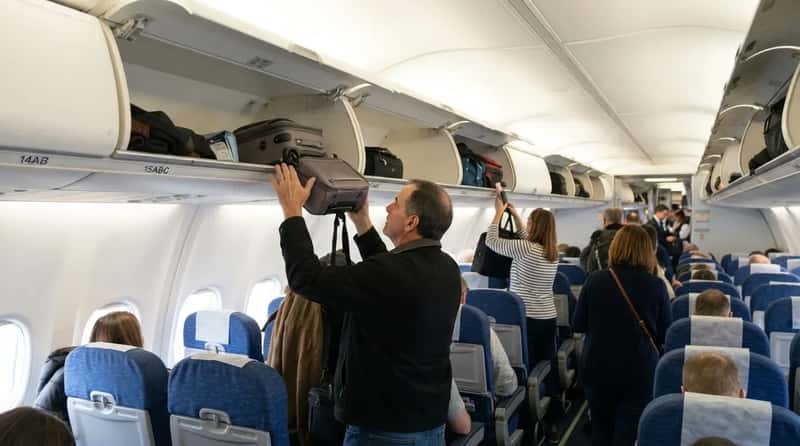
Seasoned travelers know that “the overhead bins are full” is often more strategy than fact. One Delta flight attendant has said gate agents are frequently told to start checking bags when bins hit roughly 70% capacity, not 100%, simply because dozens or hundreds of passengers are still waiting to board. That means the announcement is a preemptive move designed to manage the crowd, not a factual status update.
Why does it matter so much to airlines? The International Air Transport Association estimates that shaving just one minute off boarding time can save the global airline industry more than a billion dollars a year. Experienced flyers still board as early as their group allows anyway, because if the flight really is full, getting on early is the only guaranteed way to keep their bag with them. They’ve learned the announcement is aimed at the crowd behind them, not necessarily at them.
Fast Facts
- Bins often get flagged as “full” around 70% capacity, not 100%.
- IATA estimates one minute saved on boarding could save airlines over a billion dollars a year industry-wide.
- Boarding order exists to manage bin space, not to reward early arrival at the gate.
#13 – They Board Late on Purpose, and It’s Not Laziness
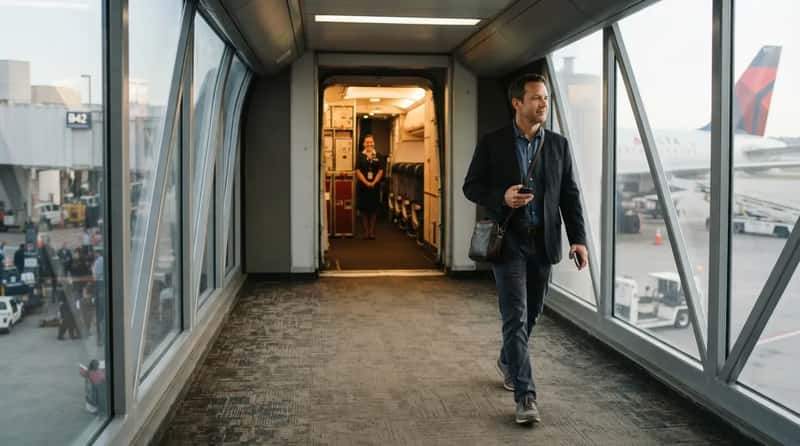
Here’s a controversial one: some of the savviest fliers actually let their boarding group pass by, especially on short flights when they’ve checked a bag or are traveling with only a personal item. Standing in a cramped jet bridge for ten extra minutes with nothing to gain adds nothing but stress and sore feet.
This isn’t laziness, it’s math. Boarding groups exist to manage overhead bin space, not to reward punctuality, and if there’s no bin space you need, there’s no reason to rush into a line. Travelers without bulky carry-ons simply let the aisle-clogging crowd fight it out first, then stroll on almost empty. Frequent flyers insist it’s one of the most underrated tricks in the entire airport playbook, and it only gets more useful the busier the flight is.
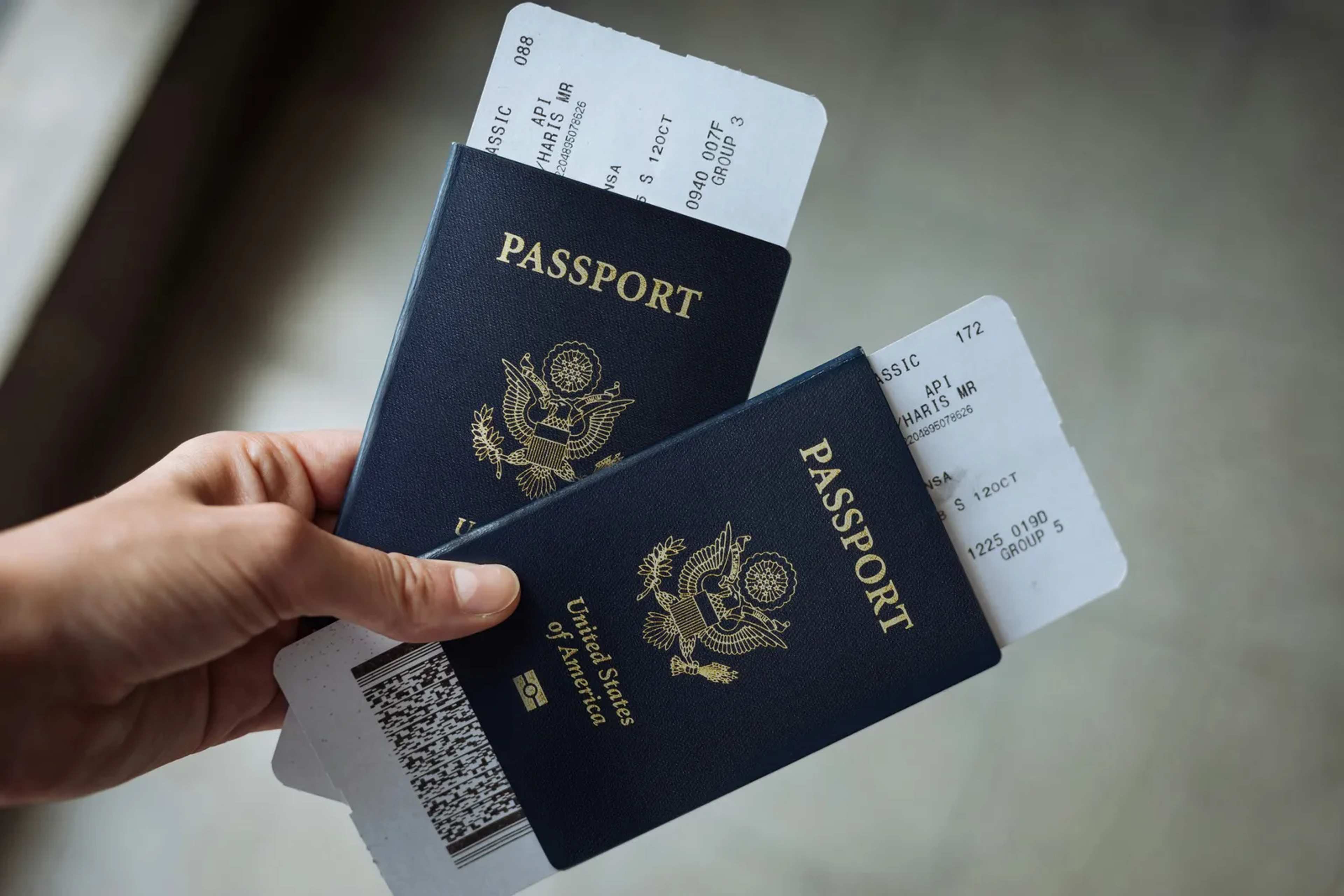
#12 – They Screenshot Their Boarding Pass Before Leaving Wi-Fi
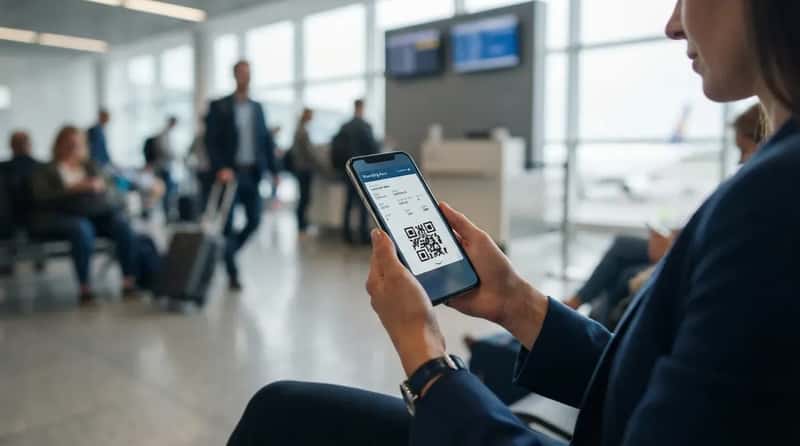
Most people assume their phone will just work at the airport. Insiders know better. Terminal Wi-Fi can be spotty, cell service inside concrete jet bridges is notoriously weak, and a dead app at exactly the wrong moment can turn a routine boarding into a red-faced scramble.
That’s why experienced travelers take a screenshot of their boarding pass the second it’s issued, long before they’re standing at the gate fumbling with a loading spinner while a line forms behind them. It’s a five-second habit that eliminates one of the most common, and most avoidable, sources of airport panic. The people who never seem stressed at the gate usually planned for the exact moment technology decided to fail them.
#11 – They Pack Snacks Like It’s a Hostage Negotiation
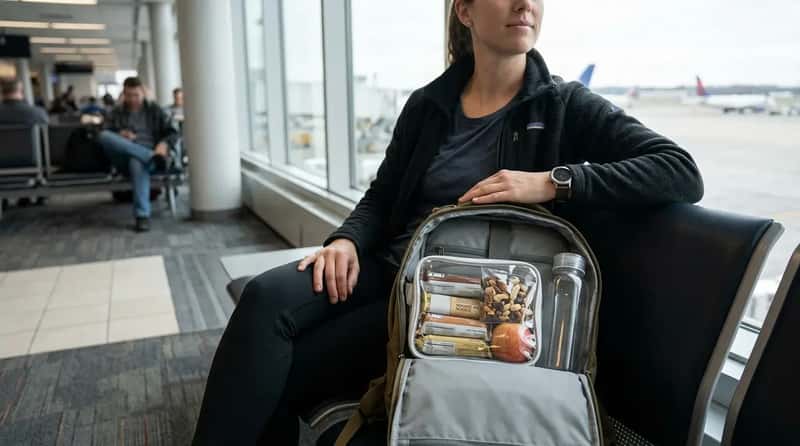
Airport food prices are legendary for a reason, and frequent flyers stopped pretending otherwise years ago. A fourteen-dollar sandwich or a nine-dollar bottle of water isn’t a splurge to them, it’s a mistake they’ve already made once and refuse to repeat.
Instead, they walk in with a stash: protein bars, nuts, an empty water bottle to fill after security. It’s not about being cheap, it’s about controlling one of the few variables inside an experience that otherwise feels completely out of their hands. When a flight gets delayed three hours, the person with snacks in their bag stays calm. Everyone else is hangry and furious at a gate agent who has no control over the weather.
#10 – They Treat TSA PreCheck Like a Non-Negotiable
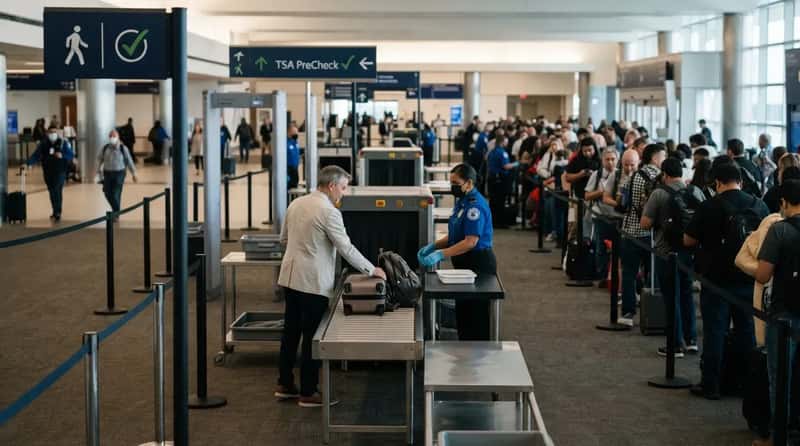
The gap between standard security and expedited lanes has become almost comically wide. Many large U.S. airports average 15 to 30 minutes at standard TSA checkpoints, while PreCheck lanes typically run under 10 minutes when a dedicated lane is open. During normal operations, TSA estimates that roughly 99% of PreCheck passengers wait less than 10 minutes.
That’s not a small edge, that’s a completely different airport experience. Frequent travelers view the enrollment fee as one of the cheapest insurance policies they’ll ever buy, especially since in one recent reporting period, 94% of PreCheck passengers waited less than five minutes total. Standing in a 25-minute regular line becomes almost unthinkable once you’ve felt what the other side is like.
Quick Compare
- Standard security: roughly 15 to 30 minutes at many large U.S. airports.
- PreCheck lane: typically under 10 minutes when a dedicated lane is open.
- Under 10 minutes: about 99% of PreCheck travelers during normal operations.
- Under 5 minutes: 94% of PreCheck travelers in one recent reporting period.
#9 – They Never Sit Right at the Gate
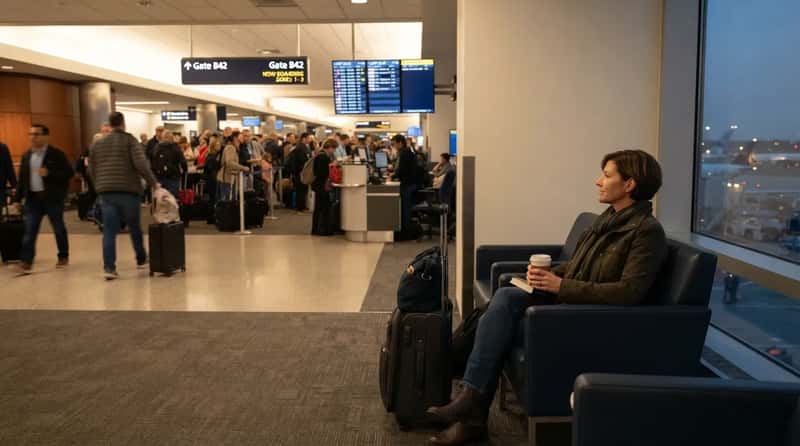
Rookie move: parking yourself directly across from the gate desk the second you arrive. Experienced flyers know that seating area turns into a stress zone the moment boarding starts, loud, packed, and full of people hovering anxiously over their group number like it’s a lottery drawing.
Instead, seasoned travelers find a quieter spot within eyeshot of the monitor, far enough away to actually relax, close enough to walk over calmly when their group gets called. It looks almost too simple to count as a strategy, but it changes the entire pre-flight mood. Sitting in chaos makes you feel like chaos is coming for you specifically. Sitting apart from it keeps you in control until the very last minute.
#8 – They Know Which Terminal Restaurants Are Actually Worth It
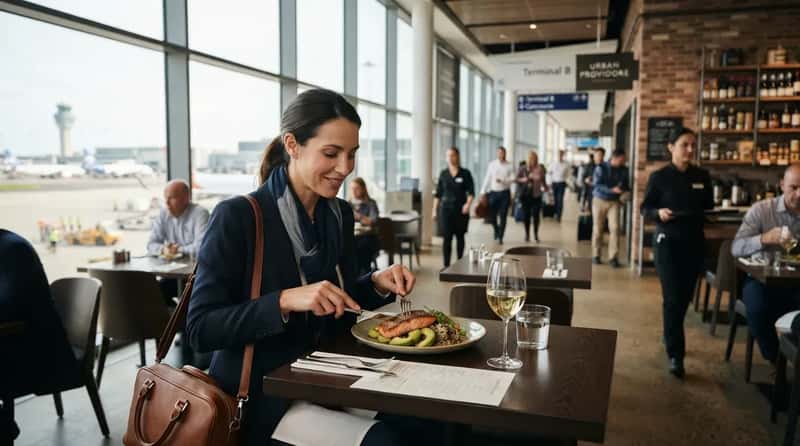
Not all airport food is a scam, and people who fly constantly know exactly which spots in their home airport are worth the walk. They’ve quietly built a mental map over dozens of trips: this terminal has the decent coffee, that one has the same drink for twice the price two gates over.
This sounds trivial until you’re the one paying twenty-two dollars for a mediocre burger because nobody warned you. Frequent flyers treat airport food research the way they’d research a restaurant in a new city, because at some hub airports, they basically live there between connections. That kind of local knowledge is exactly what turns an unbearable layover into something almost pleasant.
#7 – They Never Believe the First Delay Estimate
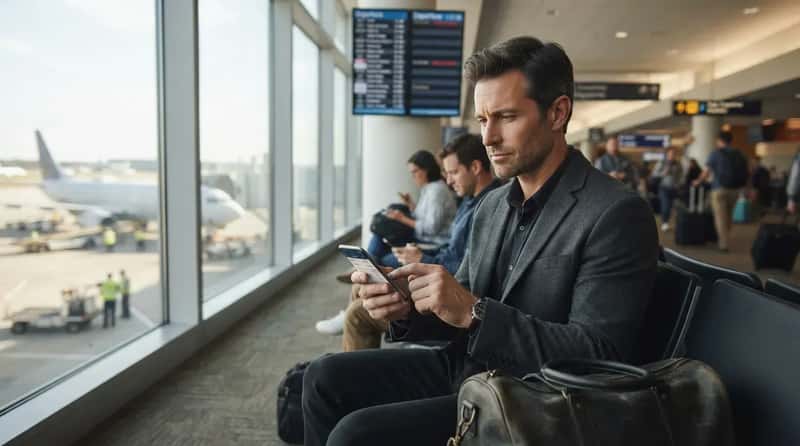
When a flight is announced as delayed 20 minutes, seasoned flyers barely react. They’ve learned that early delay estimates are often just the opening chapter, not the whole story, and that airlines tend to roll out bad news in small, digestible pieces even when a much longer delay is already obvious.
Instead of anchoring to that first number, experienced travelers immediately check their airline’s app for a more realistic picture, and quietly start building a backup plan for tight connections. It’s not pessimism, it’s pattern recognition built from experience. The person who assumes the delay will get worse before it gets better is usually the one who never gets blindsided later.
#6 – They Understand Why “It’s a Full Flight” Isn’t Always True
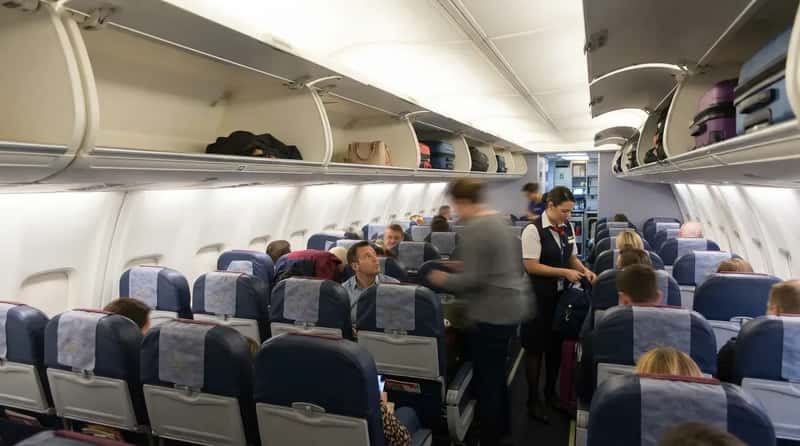
This is one of the most quietly frustrating truths in air travel, and once you know it, you can’t unknow it. Passengers hear a gate agent announce that overhead bin space is full, only to board and spot empty compartments a few rows back. The explanation isn’t a conspiracy, it’s just logistics.
Gate agents don’t have real-time visibility into who will actually show up. On almost every flight, a handful of passengers miss it due to tight connections or last-minute cancellations, and when they don’t board, their reserved bin space simply sits empty. Announcements get based on projected headcounts, not actual boarding numbers. Experienced travelers don’t take it personally, because sometimes bags get gate-checked for reasons that have nothing to do with available space, and everything to do with keeping the line moving.
Worth Knowing
- Gate agents work off projected headcounts, not confirmed boarding numbers.
- No-shows from tight connections or cancellations free up bin space nobody sees.
- Some bags get gate-checked just to keep the boarding line moving, not because space actually ran out.
#5 – They Keep Essentials Out of the Bag That Might Get Gate-Checked
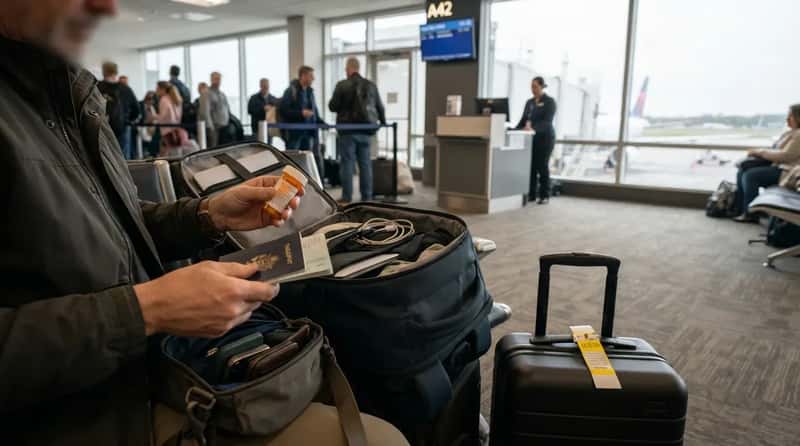
Here’s a habit that separates casual travelers from people who’ve been burned before: never let your passport, medication, or chargers ride in a bag that could get gate-checked at the last second. A passport buried in a checked carry-on becomes a genuine crisis if the connecting flight sits in another terminal or another country entirely.
Frequent flyers treat this like a non-negotiable rule, not a suggestion they might get around to. They know reunions with gate-checked bags typically happen at baggage claim, though occasionally a lucky plane-side pickup happens right at the door as passengers disembark. Losing access to your bag for even twenty minutes can mean the difference between making a tight connection and sprinting through customs completely empty-handed.
#4 – They Arrive Early Enough to Never Feel Rushed, Not Early Enough to Waste a Day
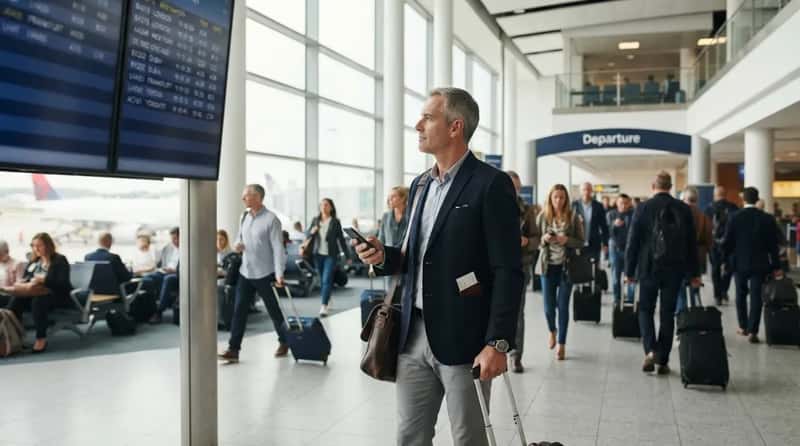
There’s a controversial opinion buried in this one: arriving three hours early for a routine domestic flight isn’t cautious, it’s often just wasted time sitting in an uncomfortable chair. But arriving with barely enough buffer isn’t smart either, it’s gambling with variables you can’t control.
Experienced travelers have found their actual sweet spot through trial and error, not by blindly following generic advice. TSA usually recommends arriving two hours early for domestic flights and three hours before international ones. But seasoned flyers adjust that number based on specific knowledge, which airport, which day of the week, which time of year, instead of treating it as gospel for every single trip they take.
#3 – They Watch the Aircraft, Not the Departure Board
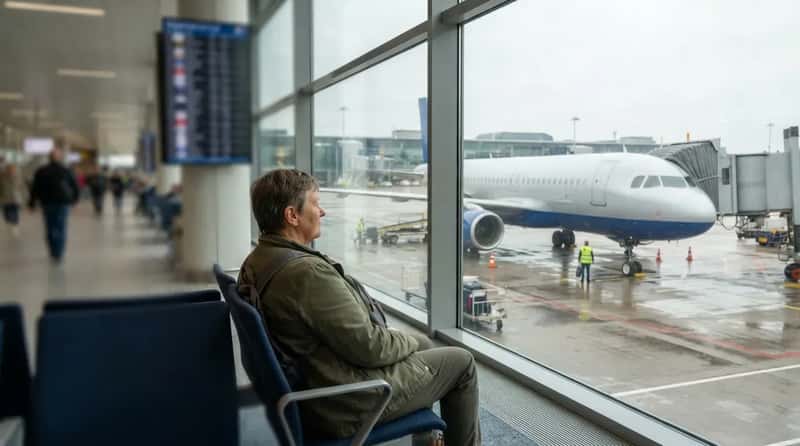
Most travelers stare anxiously at the departure board, refreshing it like it’s a slot machine that might pay out good news. People who fly constantly ignore it almost entirely and instead watch the gate window itself. If the aircraft hasn’t physically arrived yet, no amount of screen-staring changes that reality.
This habit alone eliminates a huge amount of pointless anxiety. Screening congestion and scheduling delays build quickly at high-traffic hubs handling heavy volumes of connecting passengers, and the physical presence of the plane at the gate tells you more, faster, than any app ever will. The calmest person in the terminal is usually the one who stopped needing constant confirmation and started reading the actual situation in front of them.
#2 – They Know Exactly Which Seat Gets Them Off the Plane First
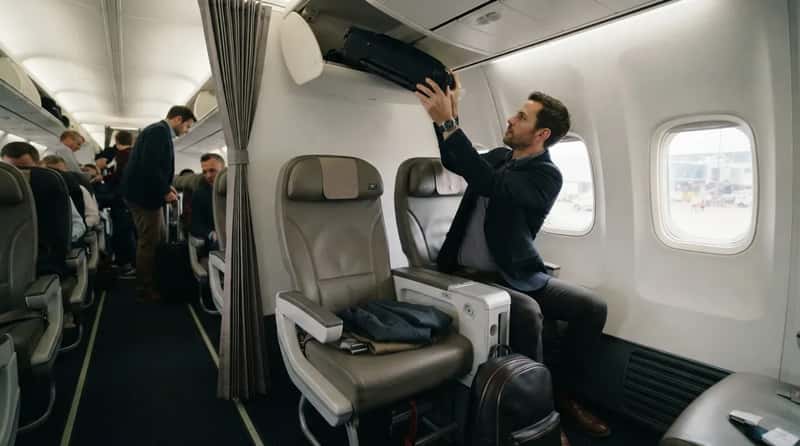
This is where the pros separate themselves completely. People who travel constantly don’t pick seats randomly, they pick based on how fast they need to move the second wheels touch down. An aisle seat near the front isn’t a luxury to them, it’s a calculated decision that can shave ten or fifteen minutes off connection anxiety.
It’s a small detail most casual travelers never even consider, but it compounds over dozens of flights a year into hours of saved time and avoided stress. Here’s the controversial part: many experienced flyers will happily pay extra for that exact seat on a tight-connection day, even though they’d never spend that money on a routine trip with hours to spare. That flexibility, spending strategically instead of consistently, is the real skill nobody talks about.
At a Glance
- Front-of-plane aisle seats mean less time waiting on rows ahead to clear out.
- The seat upgrade fee is treated as situational, only worth it on tight-connection days.
- Rear-cabin seats almost always mean a longer wait to reach the jet bridge.
#1 – They Never Panic When Something Goes Wrong, They Just Pivot
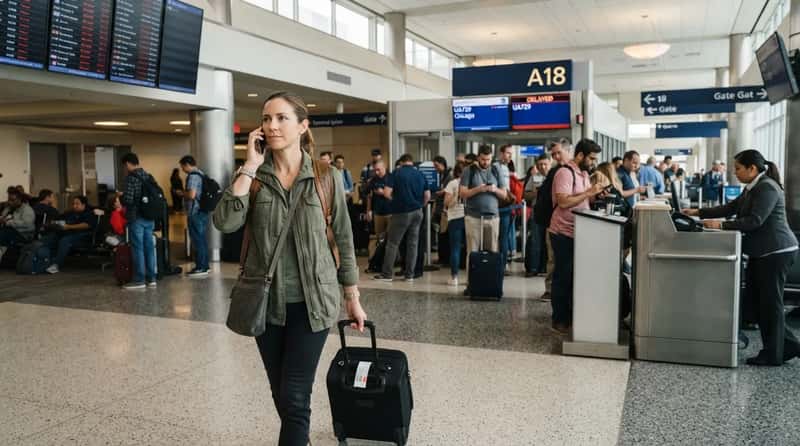
This is the habit that ties everything together. Cancellations happen. Gates change without warning. Bags get checked when you didn’t want them to. The single biggest difference between an anxious traveler and an experienced one isn’t luck, it’s the instinct to immediately start solving instead of spiraling.
While everyone else stands frozen at the gate re-reading the same notification, experienced flyers are already on the phone with the airline, already scanning alternate flights, already walking toward a different counter. Roughly one in four U.S. flights runs at least fifteen minutes late, which means disruption isn’t rare, it’s basically routine. The people who look calm in a chaotic terminal aren’t calmer by nature. They’ve simply been through it enough times to know that panic never gets anyone rebooked any faster.
None of these habits require money, status, or luck. They require noticing patterns most travelers walk right past, the fake-full overhead bins, the inflated first delay estimate, the seat that actually matters when the wheels touch down. Airports reward preparation far more than they reward hope, and the people who look like they’ve got it all figured out usually just stopped assuming the system was working in their favor.
Which one of these do you already do without thinking, and which one are you stealing for your next trip? Drop it in the comments.