Walk into a Parisian café or a small shop in Lyon, and the first words out of your mouth can shape the entire interaction. French service culture runs on a different set of social rules than what many travelers are used to, and a handful of casual phrases can quietly sour the mood before an order is even placed. This is not about rigid etiquette for its own sake. It is about understanding why certain habits, however innocent they seem, land the wrong way in France.
1. “Excuse me!” shouted across the room
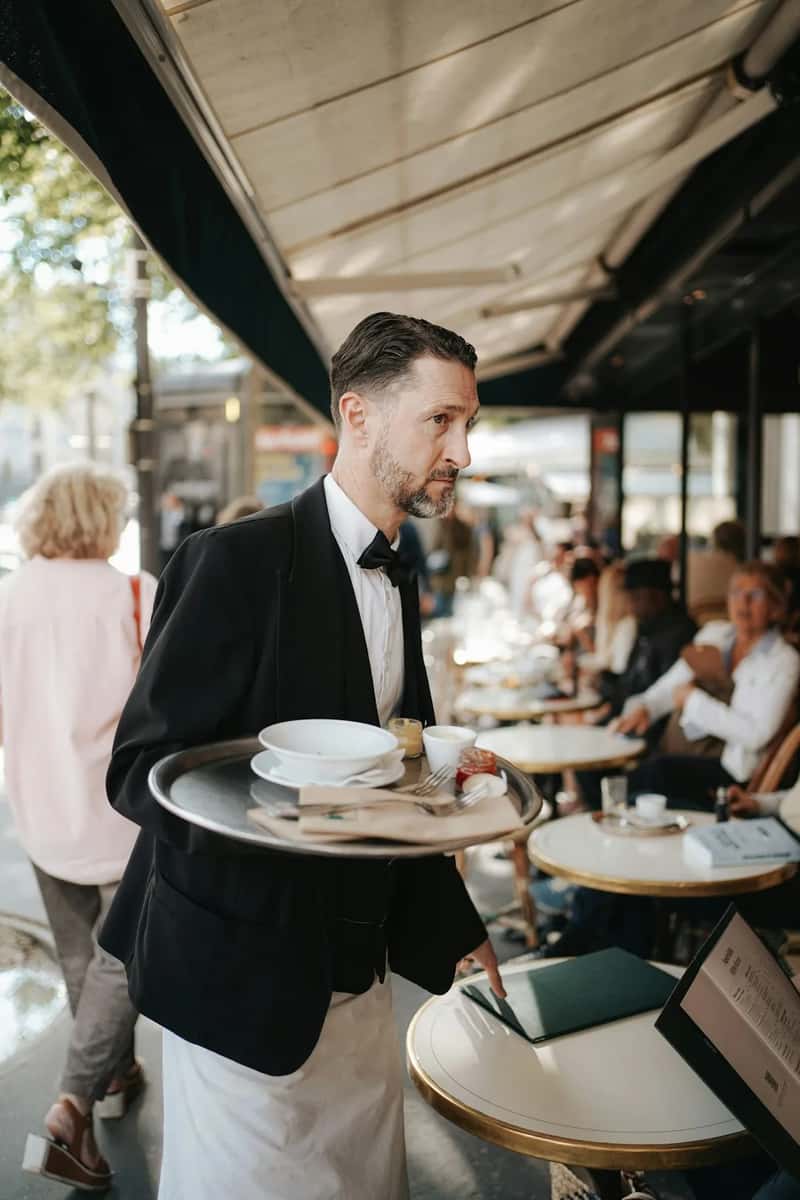
Waving an arm and calling out loudly to get a waiter’s attention is one of the fastest ways to be quietly ignored in a French restaurant. Service in France tends to move at a measured pace, and staff generally prefer to approach a table when they judge the moment right, not when summoned like a signal flare. Raising your voice or snapping fingers reads as impatient at best and disrespectful at worst.
A better approach is simply making eye contact and giving a small nod or a slight raise of the hand. Waiters are trained to scan the room regularly, so patience usually pays off within a minute or two. If you truly need something urgently, a soft “S’il vous plaît” said as they pass by works far better than volume.
2. “I don’t speak French” as an opening line
Leading with this phrase, especially without even attempting a greeting, can come across as assuming the burden is entirely on the other person to accommodate you. Many French service workers do speak some English, but the expectation in daily interactions is that a conversation opens in French, even if it is just a word or two, before switching languages becomes necessary. Skipping straight to an admission of not speaking French, without any preamble, can feel abrupt.
Starting with “Bonjour” and then following with “Parlez-vous anglais?” shows basic effort and respect for the exchange. This small sequence changes the tone of the entire interaction, often resulting in a warmer and more willing response. It signals that you recognize you are a guest navigating their language, not the other way around.
3. Skipping “Bonjour” entirely

This might be the single most important social rule in French daily life, and it applies well beyond just entering a store. Walking up to a counter, a taxi, or even a stranger to ask a question without first saying “Bonjour” is widely considered rude, almost regardless of what follows. It is such a foundational norm that many French people will visibly bristle or respond curtly if it is skipped.
The word itself takes under a second to say, yet it fundamentally frames the interaction as one between two people acknowledging each other, rather than a transaction. This applies in bakeries, pharmacies, hotel lobbies, and even when boarding a bus. Once “Bonjour” is said, the rest of the conversation, including any request or complaint, tends to go far more smoothly.
4. “Give me…” instead of asking politely
Direct commands translated literally from English, like “Give me a coffee” or “I want the menu,” tend to sound blunt and demanding in French, even if that was not the intention. French requests are typically softened with conditional phrasing, which carries an important layer of politeness that direct translation often strips away. The structure matters as much as the words themselves.
Saying “Je voudrais un café, s’il vous plaît” instead of a flat demand shifts the entire tone toward a request rather than an order. This conditional form, roughly meaning “I would like,” is taught early in French language classes precisely because it is so central to polite speech. Skipping it, especially paired with a flat delivery, can make a simple order sound like an ultimatum.
5. “Do you have Wi-Fi?” as the very first question
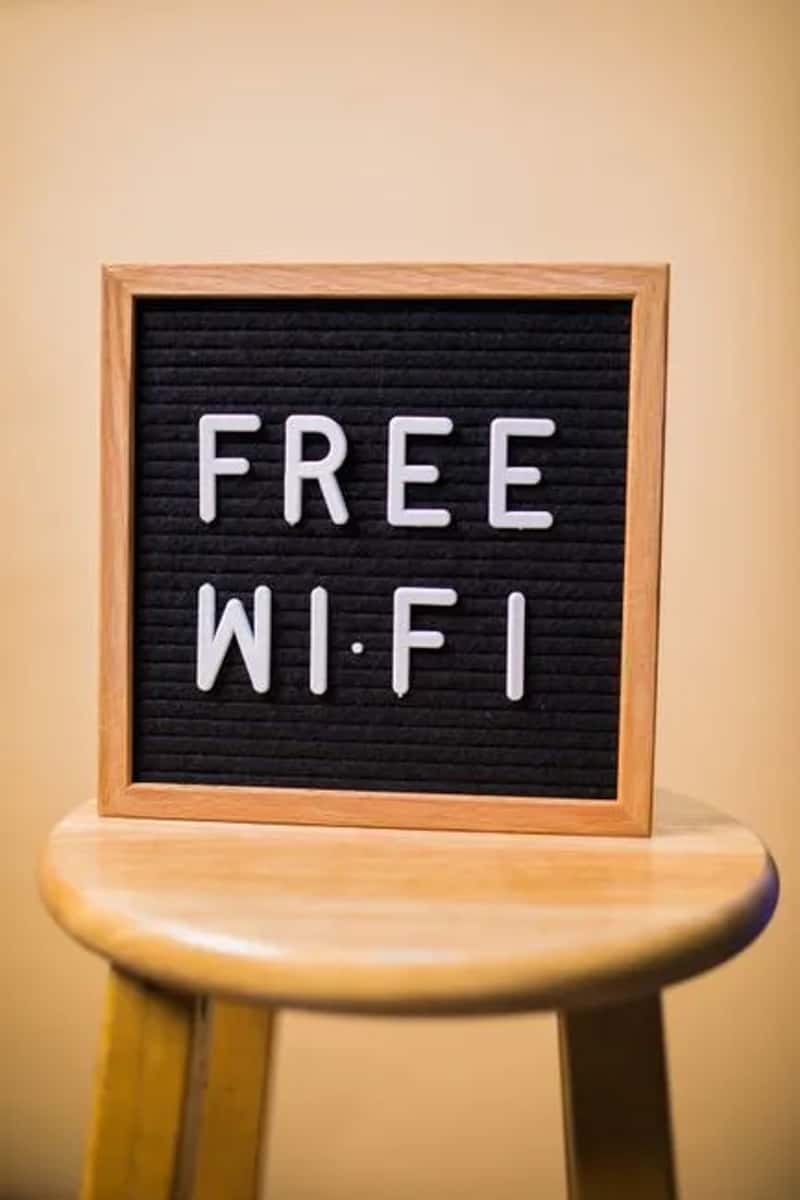
Opening an interaction, especially in a smaller café or family run restaurant, by asking about Wi-Fi before greeting anyone or ordering something can come across as treating the establishment like a mere pit stop rather than a place of hospitality. Many French cafés see themselves as spaces for genuine dining and conversation, not co-working hubs. Leading with a Wi-Fi request, particularly without any other exchange first, tends to be read as transactional and a bit cold.
It helps to order first, settle in, and then ask about the Wi-Fi password once a rapport, however brief, has been established. Framing it as a polite aside rather than the opening line changes how it lands. Many places do offer Wi-Fi freely once asked correctly, so the goal here is sequencing, not avoidance.
6. “This is not what I ordered” without softening

Mistakes happen everywhere, and French restaurants are no exception, but how a correction is phrased matters quite a bit to how quickly and gracefully it gets resolved. A blunt, flat statement of the error, without any softening language, can sound accusatory even when that is not the intent behind it. French dining culture tends to favor a slightly more indirect and courteous way of flagging problems.
Phrasing it as “Excusez-moi, je crois qu’il y a une erreur” gently signals the mistake while leaving room for the staff to correct it without feeling publicly called out. This approach tends to produce faster, friendlier resolutions than a terse correction. Staff generally respond well to complaints framed as shared problem solving rather than blame.
7. “Hurry up, I’m in a rush”
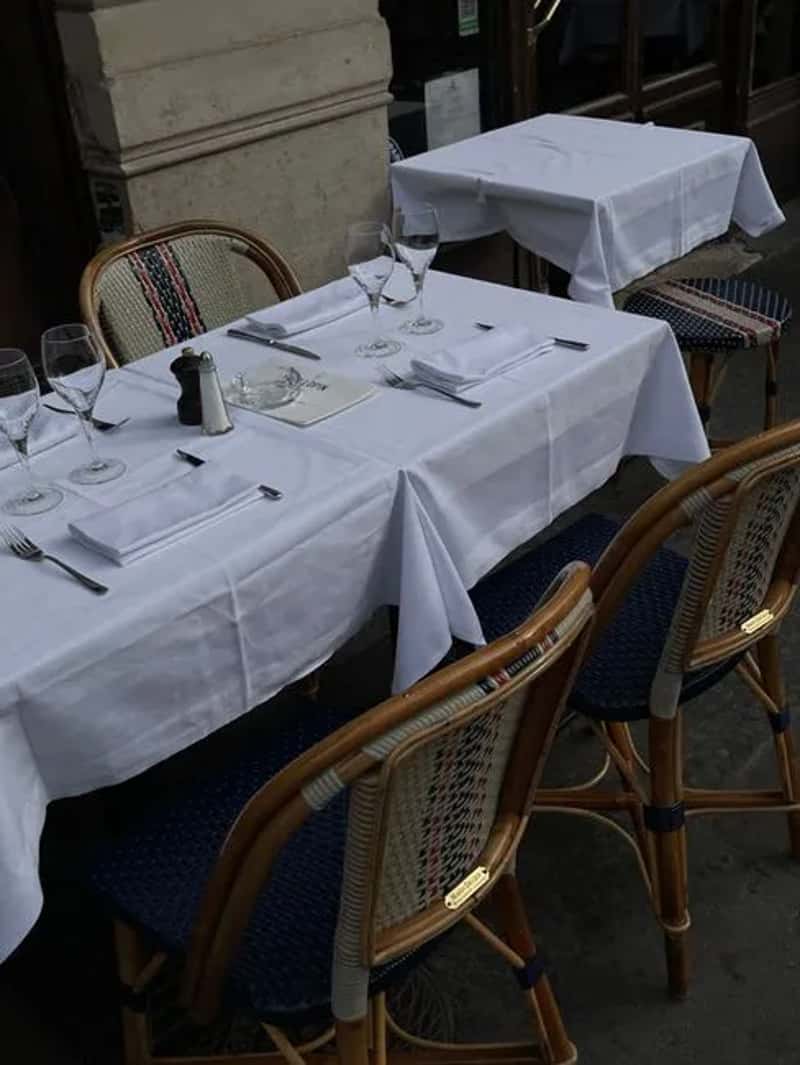
French dining, particularly in sit down restaurants, is built around a slower rhythm than what many visitors from fast paced cultures expect. Announcing a time crunch, especially early in the meal, can create friction because kitchens and service staff are often not structured to rush a full course meal on demand. It can also come across as disregarding the craft and pacing that many restaurants pride themselves on.
If time really is limited, it works better to mention it politely at the very start, before ordering, so the server can suggest faster options or a simpler menu. Something like “Je suis un peu pressé, qu’est-ce que vous recommandez de plus rapide?” gives staff a chance to help rather than feel pressured. Framing it as a request for guidance, rather than a demand for speed, tends to get much better results.
8. “It’s too expensive” said out loud at the counter
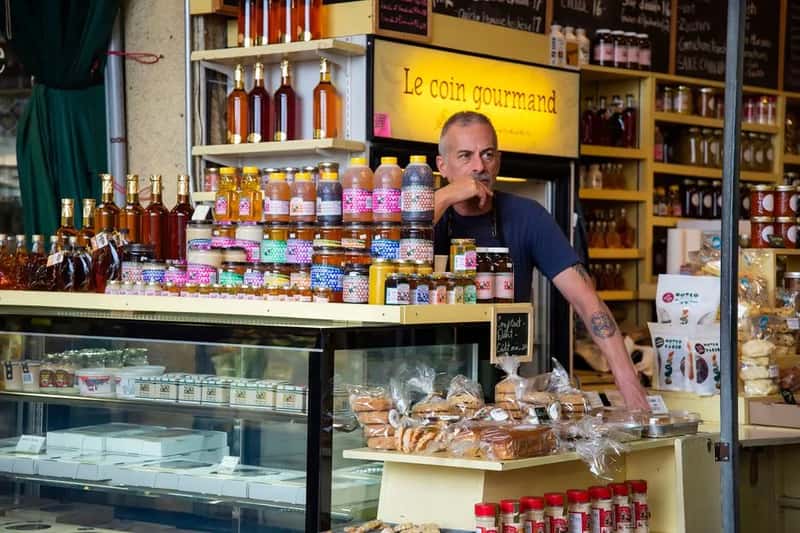
Commenting critically on price directly to a shopkeeper or server, especially in smaller boutiques or family businesses, can feel like a personal insult rather than a simple observation. Pricing in many small French shops reflects the cost of quality ingredients or craftsmanship, and remarking that something costs too much can come across as devaluing that effort. This is different from casually comparing prices between stores in your own head.
If the price genuinely feels out of budget, simply saying “Je vais réfléchir” and stepping away is far more graceful than voicing the complaint aloud. This preserves goodwill and leaves the door open for a return visit later. French retail culture tends to reward customers who browse thoughtfully rather than negotiate or protest openly.
9. “Whatever, it doesn’t matter” when asked for a preference
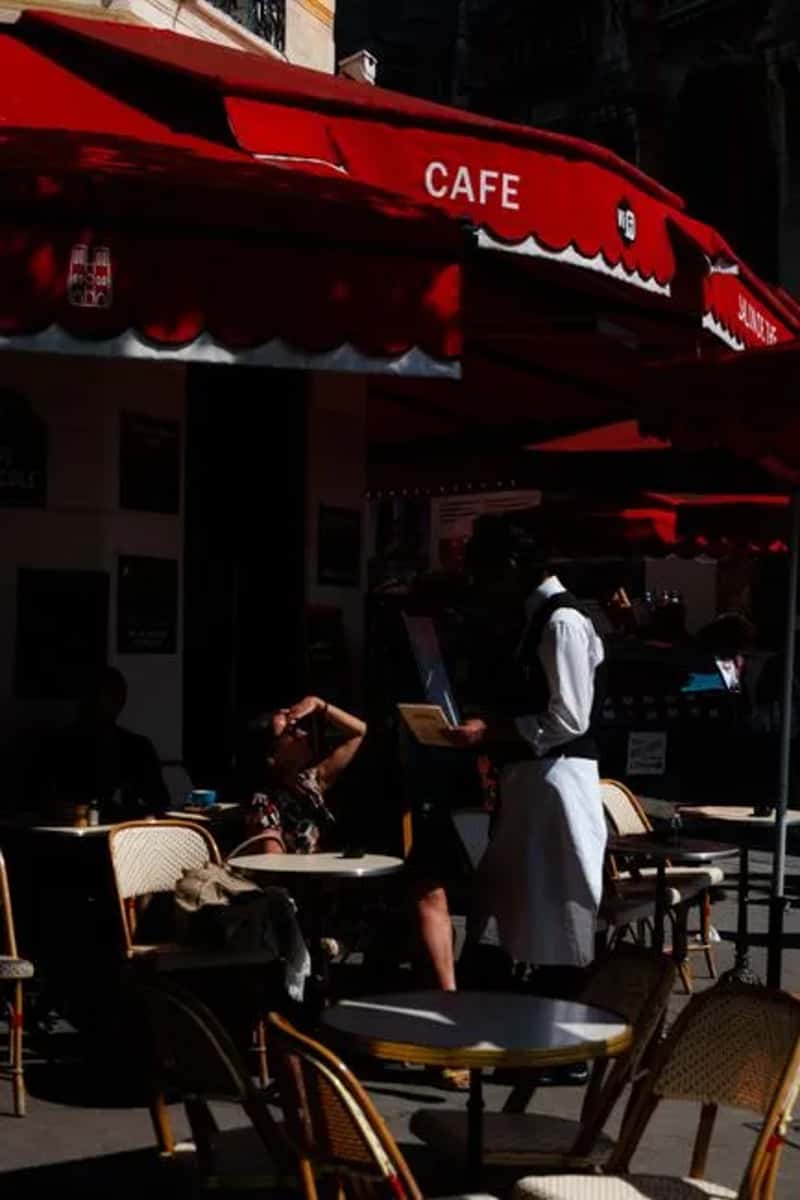
French service, particularly in restaurants, often involves a genuine back and forth where staff ask about preferences, from how you want your steak cooked to which wine pairs best. Responding with total indifference, like a shrug or “whatever,” can be interpreted as disengaged or even disrespectful of the effort being extended. This exchange is often seen as a normal, valued part of the dining experience, not an inconvenience.
Offering a real answer, even a simple one like “à point, s’il vous plaît” for medium doneness, keeps the interaction collaborative. If truly unsure, asking “Qu’est-ce que vous recommandez?” invites the server into the decision rather than shutting the conversation down. Small engagement here tends to translate into noticeably warmer service throughout the meal.
10. “Can I get a doggy bag?” phrased too casually

Asking for leftovers to go has become more accepted in France in recent years, partly due to anti food waste laws requiring many restaurants to provide take away options, but the phrasing still matters. A very casual, overly familiar request can feel out of step in more formal dining settings, even if the underlying request is now fairly normal. Since 2021, French regulations have pushed restaurants toward offering doggy bags more readily, but the social framing around asking has not fully caught up everywhere.
Using the phrase “Pourrais-je avoir un sac pour emporter les restes, s’il vous plaît?” keeps the tone polite and matches the more formal register still expected in many restaurants. Some establishments now even offer branded containers without being asked, a sign of how the norm is shifting. Still, a polite phrasing avoids any awkwardness in restaurants where the practice feels newer.
11. “No, I said…” when correcting an order

Starting a correction with a blunt “No” can sound confrontational in French, even when the correction itself is entirely valid. French conversational patterns often soften disagreement with phrases that acknowledge the other person before pointing out the mix up. Jumping straight to “No” can feel like an accusation of incompetence rather than a simple clarification.
A gentler opener like “Pardon, en fait j’avais demandé…” achieves the same correction without the sharp edge. This phrasing acknowledges the mistake as a mutual misunderstanding rather than someone’s fault. Servers tend to respond with more warmth and speed when corrections are framed this way.
12. “Just give me the bill” without a closing pleasantry
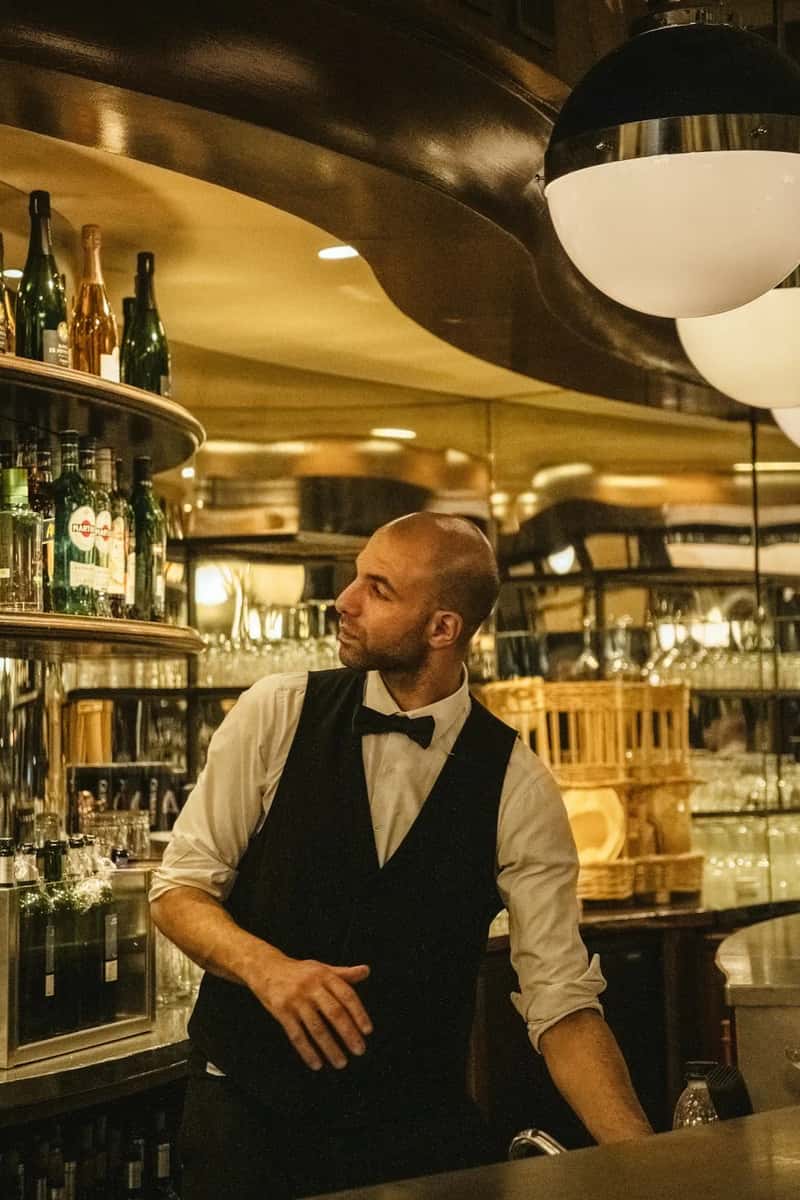
Asking for the check is completely normal, but doing so abruptly, without any polite framing, can make the end of a meal feel rushed and transactional in a culture that treats dining as a full social experience. French meals are rarely hurried along by staff, and diners are generally expected to signal when they are ready to leave rather than being nudged out. A blunt request for the bill can occasionally come across as eager to end the interaction rather than simply finishing a meal.
Saying “L’addition, s’il vous plaît, quand vous pourrez” adds a layer of patience and courtesy that fits the unhurried pace of French dining. This phrase, translating roughly to “whenever you can,” signals there is no rush, which paradoxically often gets the bill delivered faster. Ending on a polite note tends to leave a better final impression with staff.
13. “You people always…” generalizing frustration
When something goes wrong, whether it is a delayed order or a mixed up reservation, framing the complaint as a generalization about French service as a whole rather than the specific situation can escalate tension quickly. Broad statements like this tend to put staff on the defensive rather than opening a path to resolution. It shifts the conversation from a fixable problem to a perceived cultural insult.
Focusing the complaint narrowly, such as “Il semble y avoir un problème avec notre commande,” keeps the issue specific and solvable. This approach respects the individual staff member handling the situation, who is rarely responsible for broader patterns. Narrow, specific complaints are consistently more effective at getting quick, cooperative fixes.
14. “Thanks” without “Au revoir” when leaving

Just as arriving without a greeting can set a poor tone, leaving without a proper farewell can undercut an otherwise pleasant interaction. Saying only “Merci” and walking out, without the closing “Au revoir,” can feel like an abrupt exit in a culture that treats both greetings and farewells as small but meaningful bookends to any exchange. This is especially true in smaller shops and family run establishments where the interaction feels more personal.
Pairing both, as in “Merci, au revoir, bonne journée,” closes the interaction on a warm, complete note. It costs nothing extra and takes only a couple of seconds to say. Staff often remember customers who bother with this small courtesy, which can matter on a return visit.
None of these phrases are unforgivable, and French service workers generally extend patience to visitors making a genuine effort. What tends to matter most is the overall gesture of politeness, starting with a greeting, softening requests, and closing with a proper goodbye. Small adjustments in phrasing, more than perfect grammar, tend to be what shifts an interaction from merely functional to genuinely warm.