Almost every traveler over 60 assumes that upgrades are handed out randomly – a lucky spin of the wheel reserved for the young, the flashy, or whoever happened to dress well that morning. That assumption is costing real people real comfort on real flights, and the agents working the gate know it. The passengers who consistently land better seats aren’t luckier. They know things that the rest of the line doesn’t.
What separates those travelers isn’t status alone, or charm alone, or even how nicely they ask. It’s a specific combination of timing, phrasing, visibility, and flexibility – and frequent flyers over 60 are often in the best position to use every single one of these levers. The question is whether they know the levers exist. Here’s what airline insiders actually say about how it works.
#14 – Gate Agents Can Already See Your Full Loyalty Profile Before You Say a Word
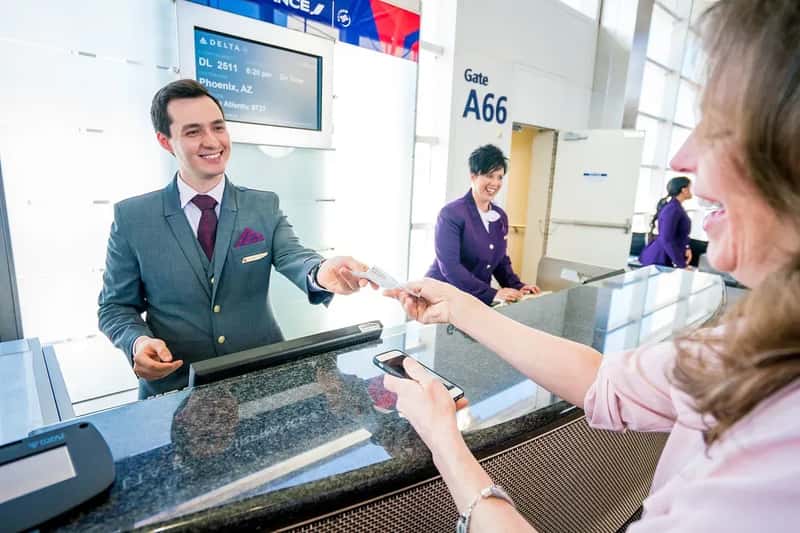
Here’s something most passengers never realize: the moment a gate agent pulls up your reservation, your entire travel history is right in front of them. Walking up to the podium and announcing your status out loud is one of the most common mistakes travelers make. It signals insecurity – and it doesn’t add a single piece of information the agent doesn’t already have. Your quiet history speaks louder than anything you say.
Even at the lowest tier, enrolling in an airline’s frequent flyer program puts you on the upgrade radar. Agents can see your profile and prioritize you above random walk-ins. It also unlocks occasional promotions where economy ticket holders are moved up to fill empty premium space. Loyalty programs are free. Just being in the database is the absolute baseline – everything else on this list builds on top of it.
Fast Facts
- Gate agents see your full flight history the instant your reservation loads – no announcement needed.
- Enrolling in a frequent flyer program is free at every major U.S. carrier and takes under five minutes.
- Even non-elite members appear on upgrade consideration lists when premium seats go unsold close to departure.
- Agents can flag preferred passengers in notes fields – good interactions get remembered across flights.
#13 – Asking “Is There a Better Seat Available?” Works Far Better Than Asking for an Upgrade
The word “upgrade” is loaded in airline culture. It triggers fare-class rules, system checks, and policy conversations that a gate agent sometimes can’t override even if they want to. But a softer, more open-ended question? That’s a different door entirely. Asking whether there’s a better seat available gives the agent room to solve a small problem rather than break a rule – and that distinction matters more than most passengers ever guess.
Agents have the power to assign new seats at no charge, including exit rows, bulkhead seats, or empty rows that weren’t available at booking. It all comes down to how and when you ask. Travelers over 60 who phrase the question calmly and without any trace of entitlement are in a strong position here – a measured, friendly ask from a seasoned traveler consistently lands better than a pushy demand from someone half their age.
#12 – The 60-Minute Window Before Boarding Is the Only Time That Really Matters
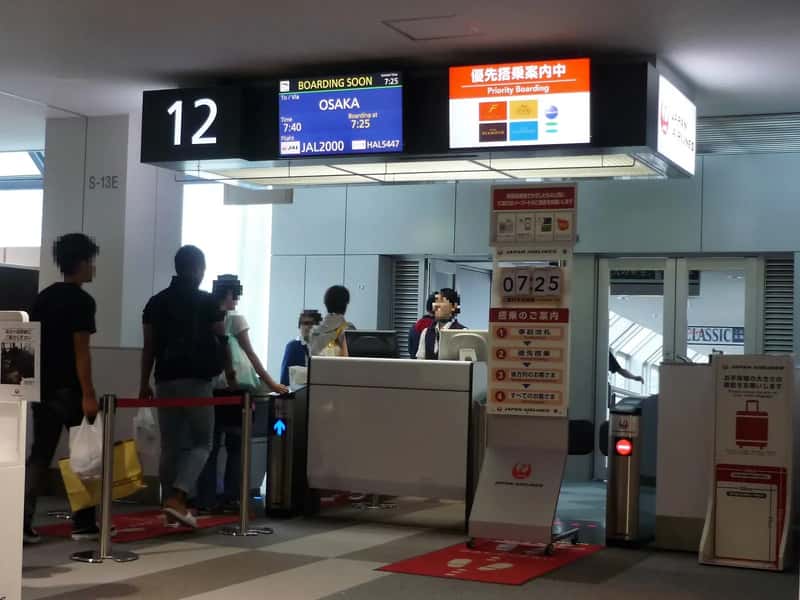
Timing your gate approach is the most underrated skill in upgrade-seeking, and most people get it completely wrong in one of two directions. Show up three hours early and the agent simply won’t be servicing your flight yet. Show up right at boarding, and every decent seat is already gone. The window that actually works is about one hour before departure – when premium seat decisions are actively being made and agents still have real flexibility.
Passengers who reach the gate early tend to make a quiet impression before the rush starts. By the time the flight turns tight, agents already know who is calm, prepared, and physically present – and that matters when standby moves or last-minute premium seats suddenly appear. For travelers over 60 who already move at a deliberate pace, this is a natural advantage. Arriving composed and unhurried an hour out puts you exactly where you need to be, at exactly the right moment.
At a Glance: Gate Timing Sweet Spot
- 3+ hours early: Agent likely not yet assigned to your flight – too soon.
- 60 minutes out: Premium seat decisions are actively being made – ideal window.
- 30 minutes out: Most available upgrades already assigned – shrinking opportunity.
- Boarding call: Seats are locked, agents are heads-down managing the door – too late.
#11 – Flying Solo Gives You a Statistical Edge That Couples Almost Never Have

Traveling with a partner is one of life’s genuine pleasures – but at the gate, it cuts your upgrade odds significantly. One seat is far easier to shuffle around than two. Solo travelers are more likely to be moved into empty first-class seats precisely because they don’t require reconfiguring a row or finding adjacent availability. If there’s only one open premium seat, a solo traveler is a clean fit where a couple is a puzzle.
Airline personnel describe the logic in straightforwardly practical terms: single passengers are a simpler logistical proposition. Gate agents can fill a vacant first-class seat with one move instead of a complicated domino chain. If you’re traveling with a spouse or companion, one approach worth knowing is to present yourself separately at the gate rather than as a unit – each traveler as an individual ask, not a package deal.
#10 – The Bid Upgrade System Is the Biggest Underused Tool in Modern Air Travel
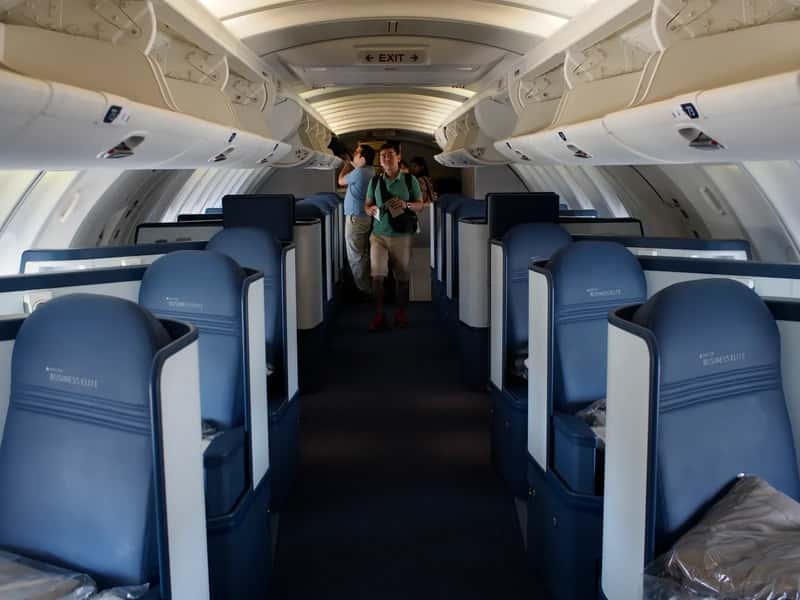
Most travelers over 60 don’t know that many major airlines now let you literally bid cash for an upgrade – and that minimum bids often clear for far less than people expect. More than 50 airlines worldwide now offer some version of this system, typically making the option available in the days before departure. The minimum bid on some long-haul flights can land a business-class seat for a fraction of what the cabin retails for at booking.
Real travelers have documented upgrades to business class clearing for as little as a few hundred dollars on international routes when premium cabin load factors are low. You place a bid, wait for notification – usually within 24 to 48 hours of departure – and either get confirmation or a decline with your money untouched. Most passengers walk right past this option because they don’t know it exists. That’s exactly why it still works.
Quick Compare: Bid Upgrade vs. Paying Full Fare
- Full business-class fare at booking: Often $1,500–$5,000+ on international routes.
- Minimum bid (accepted examples): As low as $300–$400 per person on transatlantic flights, per traveler-documented experiences.
- Risk if bid fails: Zero — you are not charged unless the bid is accepted.
- Best timing to bid: Bid window typically closes 6–24 hours before departure.
- Market size signal: The bid-upgrade industry was valued at $1.2 billion in 2024, growing fast — airlines are actively expanding these programs.
#9 – Early Online Check-In Is Worth More Than Most People Think

The 24-hour check-in window isn’t just about getting a boarding pass – it’s one of the first moments airlines actively reveal or offer upgrade availability, and passengers who jump on it earliest consistently do better. Some carriers release premium seats during online check-in, and being among the first to check in can mean claiming a better seat before anyone else sees it. It also places your name near the top of any informal upgrade consideration list.
If you’ve already booked a flight, go back into your reservation through the airline’s app and look for upgrade offers before departure. Chances are the fare you paid plus the offered upgrade fee will be significantly less than buying a first-class ticket outright at the time of booking. For travelers over 60 who are comfortable planning ahead, this is one of the cleanest paths to a premium seat – no awkward gate conversations required.
#8 – Midweek Flights Run Lighter, and Lighter Flights Mean More Available Premium Inventory
Upgrade availability isn’t random – it tracks directly with how full a given flight is, and some days of the week are structurally better than others. A 2025 Google Flights report noted that Monday through Wednesday flights run roughly 13% cheaper on average than weekend travel, a difference that signals lower overall load factors and more unsold premium inventory. Frequent flyers over 60 with calendar flexibility consistently report better upgrade outcomes on these lighter travel days.
The effect compounds when you combine a midweek departure with a non-peak travel time. A Tuesday evening departure tends to run lighter than a Friday afternoon rush – and lighter flights mean gate agents are working a shorter list of upgrade candidates. Retirement-age travelers who can shift a trip by a day or two have a structural advantage that most working-age passengers simply can’t match. Use it.
#7 – Volunteering to Be Bumped Is the Fastest Legal Path to a First-Class Seat
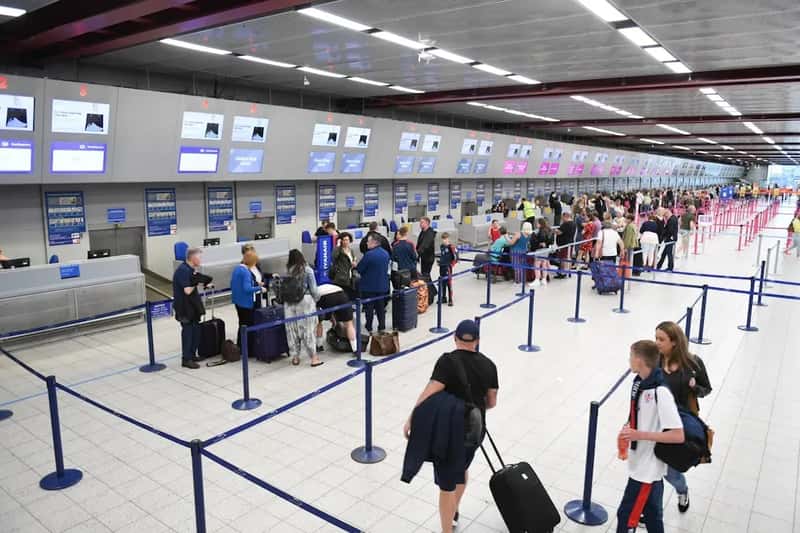
This is the move that most travelers instinctively avoid – but frequent flyers who know the game treat it as a legitimate strategy rather than a hardship. When flights are oversold, airlines look for volunteers to take a later departure. If you’re flexible, you can offer to switch and then ask whether they’d consider a seat upgrade on the next flight as part of the arrangement. Gate agents who are scrambling to resolve an oversell have real authority to say yes in that moment.
The math often works out strikingly well: a flight voucher worth several hundred dollars plus a first-class seat on the next departure is a real outcome for travelers who know how to ask. The request works best when you frame it as a practical negotiation – not an entitlement – and when you’re genuinely, visibly flexible about timing. For a traveler over 60 with an open travel day and no urgent reason to be at the destination by a specific hour, this is arguably the single highest-conversion move available at any airport.
Worth Knowing: Bumping Negotiation Checklist
- Listen for the gate agent’s call for volunteers before approaching – it signals active oversell and real bargaining power.
- Ask specifically for a first-class or premium seat on the next flight, not just any seat.
- Get any voucher or compensation confirmed in writing (email or printed receipt) before you leave the gate area.
- Confirm the next flight’s departure time and that a seat is already confirmed before you give up your original boarding pass.
#6 – Airline Credit Cards Carry Hidden Upgrade Perks That Most Cardholders Never Activate
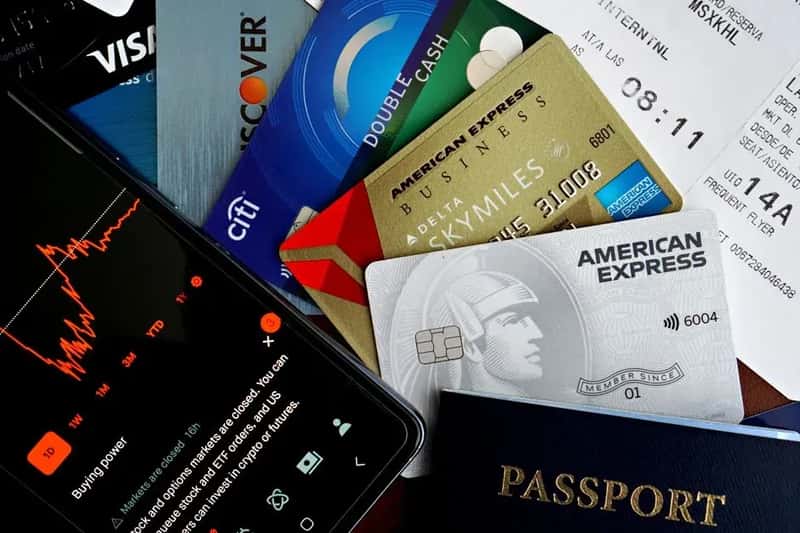
Most people sign up for an airline credit card for the sign-up bonus miles and promptly forget the rest of the benefits. That’s an ongoing and expensive mistake. Airline credit cards frequently come with priority boarding, early access to better seats, and – on some cards – complimentary upgrade certificates that post annually and expire unused because cardholders don’t realize they’re sitting there. The upgrade tools are in your wallet. The problem is most people never open the packaging.
Beyond the certificates, using an airline-affiliated card for everyday purchases builds miles against future upgrade bids and paid upgrades at a faster rate than most travelers expect. Spending on airline-branded cards can also earn elite or tier-qualifying dollars that count directly toward elite status thresholds. Travelers over 60 who route household expenses through a single airline card often find themselves closer to an upgrade threshold than they’ve ever realized, without taking a single extra flight.
#5 – Staying Calm During Disruptions Is One of the Most Powerful Non-Status Upgrade Signals

Gate agents handle a constant stream of stressed, frustrated, and occasionally combative passengers – especially around delays and cancellations. The travelers who stay composed aren’t just being polite. They’re separating themselves from the crowd in a way agents actively notice and remember. Courtesy doesn’t erase upgrade rules, but in borderline moments it absolutely changes the emotional temperature of the interaction, and that shapes who gets extra effort when a premium seat appears and choices have to be made fast.
One of the easiest ways to get free upgrades is to literally just be nice to your gate agent and flight attendant.
Anonymous Flight Attendant, widely reported in airline industry coverage
Travelers over 60 who’ve earned patience through decades of experience have a real, concrete edge here that younger, more reactive passengers simply don’t. Staying visibly calm when a flight goes sideways doesn’t just preserve your dignity – it marks you as the kind of passenger an agent actually wants to reward when the opportunity surfaces.
#4 – A Broken or Defective Seat Is a Legitimate and Often-Overlooked Path to a Move Up
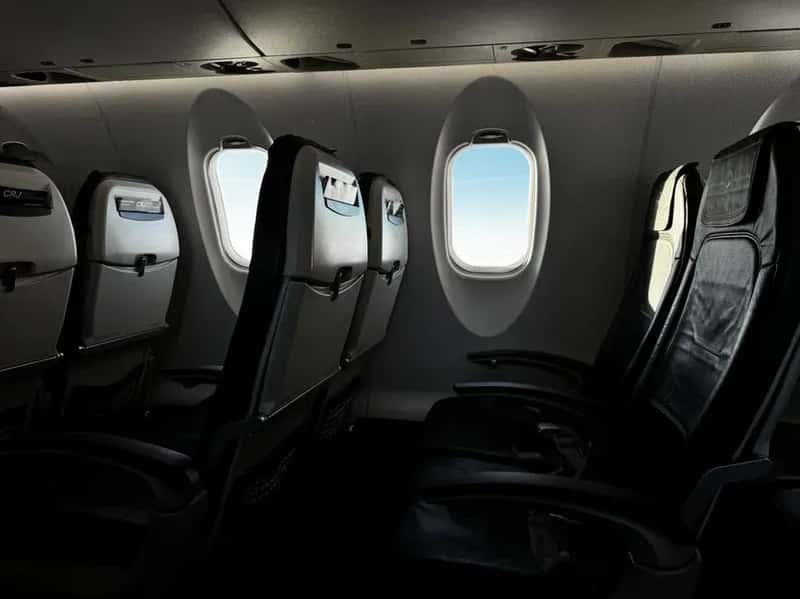
Most passengers sit down, notice that the seatback screen is flickering or the recline is stuck, shrug, and endure it for six hours. That’s the wrong call – especially on a long flight where a broken seat feature is a genuine quality-of-service failure. Calmly letting a crew member know about a defective seat puts a real problem on the record, and on longer flights airlines often find it easier to relocate a passenger than to leave someone dealing with a broken seat for hours. The operative word is “calmly.”
A quiet, factual mention – “I just want to flag that my tray table hinge is completely broken” – is fundamentally different from demanding compensation or making a scene. Flight attendants respond to passengers who hand them a solvable problem, not a confrontation they have to manage. The upgrade, when it comes from this moment, is the crew’s choice – not the passenger’s demand. That distinction is exactly what makes it work.
#3 – Being Decisive and Flexible Puts You at the Front of the Line When Seats Open Last-Minute
Gate agents often have to make upgrade decisions in seconds when a premium seat opens unexpectedly – a no-show, a last-minute aircraft swap, or an oversell resolution. In those moments, the passenger who gets the seat isn’t necessarily the one who asked the loudest. It’s the one the agent can move quickly and cleanly. The traveler who can answer a simple question without digging through apps or texting three people saves everyone critical time – and that makes them unusually useful during a disruption.
Operational upgrades often come from solving a problem, not granting a favor. The passenger who can say a clear yes or no in three seconds fits the fix better than someone still blocking the podium while the boarding line grows. Frequent flyers over 60 who know their itinerary cold, travel light, and can make a fast decision are disproportionately well-positioned for exactly these moments – and most of them don’t even know it.
Why It Stands Out: What “Decisive” Looks Like at the Gate
- Know your connecting flight numbers and layover times by heart – don’t dig through your phone while the agent waits.
- Have your ID and boarding pass in hand before you reach the podium.
- Travel with carry-on only when possible – no checked bags means you can move to a different flight in minutes.
- Be ready with a clear “yes” if the agent offers something – hesitation hands the seat to the next person on the list.
#2 – Mid-Tier Elite Status Pays Back Far More Than Most People Realize, and It’s More Reachable Than It Sounds

The most durable, repeatable path to consistent upgrades isn’t a trick or a one-time tactic – it’s elite status. And the threshold to reach meaningful status is lower than most travelers assume. The problem is most travelers scatter those miles across three or four carriers chasing small price differences, never building enough history with any one airline to matter. Concentrating loyalty changes the math entirely.
Airlines have spent years adding perks like early boarding, free first-class upgrades when available, and waived baggage fees to elite tiers – but they’ve also made top-tier status progressively harder to earn. The practical sweet spot for most travelers over 60 is a solid mid-tier, where upgrade waitlist priority kicks in consistently and the benefits outpace the investment. Every mile flown on a competing carrier to save $30 is a mile that doesn’t count toward the status that pays you back ten times over. Loyalty concentration isn’t just loyalty – it’s the single most effective upgrade investment available.
#1 – The Upgrade Agents Remember Is the One That Was Never Demanded – It Was Simply Invited
The passengers who land upgrades most consistently share one trait that has nothing to do with status, timing, or any specific trick: they make the interaction feel like a conversation rather than a transaction. Gate agents and flight attendants have real discretion, especially for passengers who are friendly, composed, or visibly celebrating something. That discretion is the margin where behavior actually matters. One traveler at LAX, restless before a 13-hour flight, simply walked to the desk and politely asked about upgrade availability. The agent checked, confirmed space, and when the traveler returned at the right moment, offered an upgrade to first class for the entire group – for the equivalent of roughly $65 each. The lesson the traveler took away: be brave enough to ask the question, and ask it politely.
The practical mechanics are simple: arrive at the gate about an hour early, when agents are less frazzled, and tell them quietly that if they’re upgrading passengers, you’d like to be considered. Then wait, even after your row is called, so you’re one of the last to board – agents won’t pull someone off a plane to give them a better seat. The whole approach works because it asks for nothing, demands nothing, and leaves the agent with the power and the pleasure of saying yes. That’s the secret the upgrade desk keeps: the passengers who get moved up are almost never the ones who feel entitled to it. They’re the ones who made it easy, pleasant, and completely optional.
The real pattern across all 14 of these secrets is the same: upgrades flow toward passengers who are visible in the system, present at the right moment, easy to work with, and smart enough to ask in a way that gives an agent room to help. Frequent flyers over 60 who travel deliberately – consolidating their loyalty, timing their arrivals, staying calm under pressure, and asking the right question with the right tone – are already doing most of this naturally. The only missing piece, for most, is knowing these levers exist at all. Now you do.