Most people picture airport arrivals as a controlled chaos – hundreds of passengers pouring off planes, grabbing bags, and fighting for the same taxi. But for travelers over 60, something entirely different is quietly running in the background. Trained arrivals staff are operating a parallel system of support that the average passenger walks right past without ever knowing it existed. It’s not posted on any sign. It’s rarely explained at booking. And yet, for millions of older Americans returning home or landing somewhere new, it’s the difference between a genuinely stressful ordeal and a trip that actually ends well.
Here’s what makes this even more striking: some of these services are written into federal law, and others are judgment calls that experienced airport workers make on the spot – no request, no paperwork, no special status required. The gap between what’s available and what most people know about is wider than almost anyone expects. Whether you’re over 60 yourself, or you have a parent flying solo for the first time in years, what’s actually happening at the arrivals end of that terminal will probably surprise you.
#14 – They Check the Manifest Before the Plane Even Lands
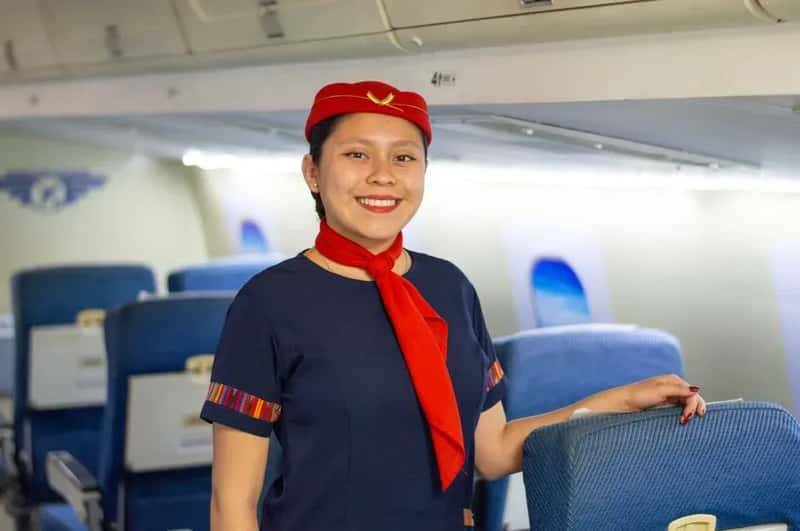
Most passengers assume gate staff are waiting with no idea who’s coming off the plane. That’s not how it works. Flight attendants and arrivals staff coordinating on the ground receive a manifest before boarding ends – and that document includes notes on passengers who requested special assistance. By the time a returning traveler over 60 steps off the jetbridge, the right people already know they’re coming, what they need, and who’s meeting them. The coordination starts well before wheels touch down.
Most airlines ask for at least 48 hours’ notice for wheelchair support or mobility help, and a confirmed request means airport staff and cabin crew are already synced before you arrive. The practical result: a wheelchair attendant or escort isn’t scrambling to respond – they’re already positioned and waiting. This kind of preparation has nothing to do with VIP status or business-class tickets. It’s built into standard procedure for anyone who flags a need in advance. Most people just never flag it because they didn’t know it was an option.
Fast Facts
- Request special assistance at least 48 hours before your flight – that’s the standard window for most U.S. carriers.
- The special assistance note travels with your reservation, not just to the gate agent – it reaches ground staff at the destination airport too.
- Over 1 in 3 senior travelers reports experiencing significant stress navigating busy airports – assisted arrivals exist specifically to address that.
- The service is free of charge at virtually all major U.S. airports regardless of ticket class.
#13 – They Station a Dedicated Escort Right at the Jetbridge
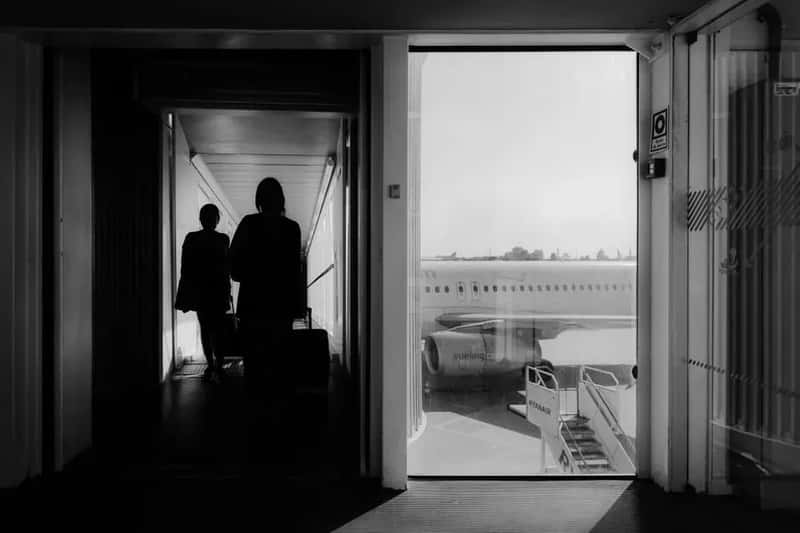
Arrivals assistance doesn’t begin at baggage claim – it begins at the aircraft door. Trained arrivals staff position themselves at the jetbridge so the handoff from flight crew to ground team is seamless the moment the door opens. There’s no hunting for a help desk halfway through the terminal. The escort is already there, already briefed, and already knows the fastest path through what comes next.
For a traveler over 60 stepping off a long international flight into a massive, unfamiliar arrivals hall, the difference between being met at the door and being pointed vaguely toward baggage claim is enormous. The exhaustion of a transatlantic flight combined with a crowded terminal is genuinely disorienting – experienced staff know this and account for it. The jetbridge escort is one of the quietest and most effective tools in their entire kit. The other passengers on that same flight walk right past it without a second glance.
#12 – They Pre-Flag the Itinerary So Every Checkpoint Is Already Warned

When a special assistance request is made, a notation travels through the entire system – not just to the gate agent. Immigration officers, baggage handlers, and ground transportation coordinators all receive the flag before the passenger reaches their station. It’s a relay that most travelers over 60 have no idea is running quietly beside them the whole way through the terminal.
What this looks like in practice is almost invisible: a customs officer who’s already been briefed, a baggage claim attendant watching for a specific name, a transport coordinator who’s already pulled a vehicle around. The traveler experiences it as a smooth, lucky day. It’s actually infrastructure – coordinated, staffed, and funded. The passengers standing in the same lines and watching it happen have absolutely no idea any of it was arranged in advance.
#11 – They Walk Seniors Through Immigration Using Priority Channels
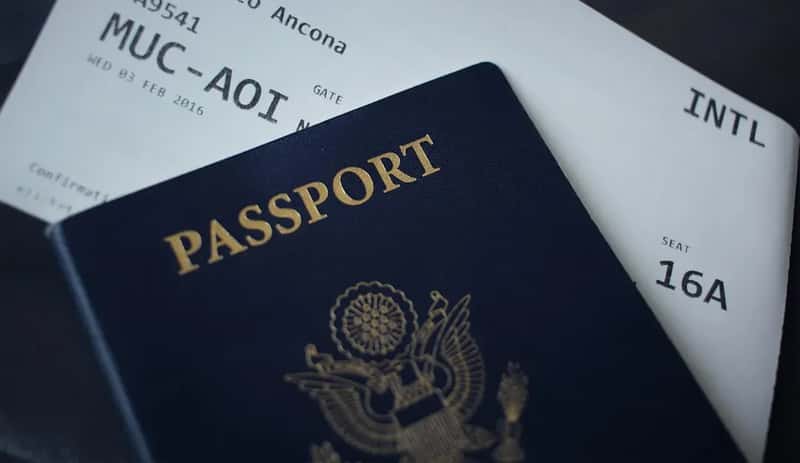
Standard immigration queues at major U.S. international airports can run 30 to 60 minutes on a busy afternoon. For returning travelers over 60 with a pre-booked assistance request, arrivals staff guide them through dedicated priority lanes – handling passport scanning, visa checks, and customs navigation so the traveler doesn’t have to figure it out alone and exhausted. The priority access isn’t a perk. It’s part of the assistance package, and it’s available to anyone who asks.
Long queues at immigration desks are genuinely grueling for passengers with mobility limitations, joint pain, or fatigue from a long-haul flight. Special assistance services exist specifically to route eligible passengers around those lines – and for travelers over 60 who’ve pre-registered, it can cut nearly an hour off the arrivals process. Almost nobody books this in advance, though, because almost nobody knows it’s an option. The lane exists. The staff are trained. Most travelers just quietly suffer through the line instead.
At a Glance: What the Assistance Package Typically Covers
- Priority immigration lanes – bypassing standard queues of 30–60 minutes at busy international terminals
- Jetbridge escort – a named staff member waiting at the aircraft door, not at baggage claim
- Baggage handling – from the belt to the curb, no wrestling required
- Ground transportation handoff – vehicle confirmed and driver notified before you reach the exit
- Cost – $0. Available on request. Requires one phone call at least 48 hours in advance.
#10 – They Handle Every Bag From the Claim Belt to the Curb
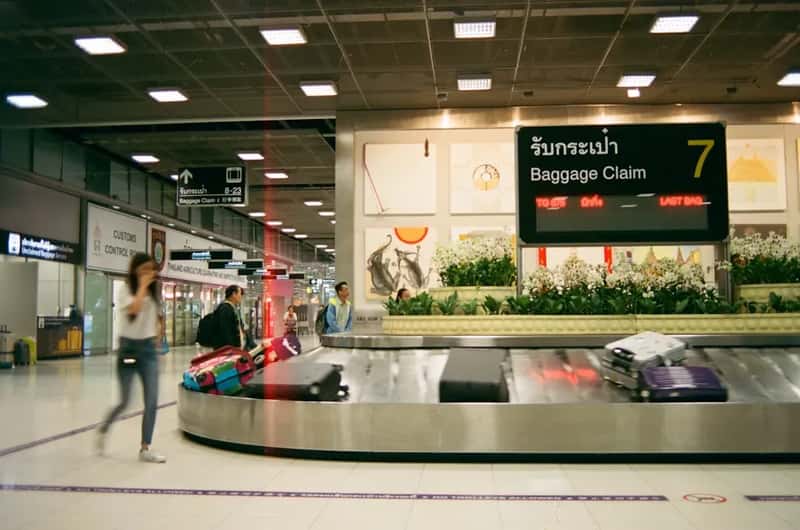
For older passengers who’ve flagged a need in advance, luggage handling is a standard part of the arrivals assistance package at most major U.S. airports – not a courtesy reserved for first-class travelers. A trained porter takes over from baggage claim all the way to the vehicle, so the traveler never has to wrestle a suitcase through a crowd. It’s specifically designed for those with mobility limitations, but it’s available to any older traveler who requests it.
A traveler over 60 returning from a two-week trip, managing fatigue and possibly a medication schedule, is not well-served by hauling a 50-pound bag across a cavernous terminal. The physical toll of that final stretch – from the belt to the curb – is something most airport planners don’t discuss publicly, but experienced arrivals staff see play out dozens of times per shift. They’ve watched passengers who looked fine on the jetbridge collapse that energy entirely by the exit door. The bag service exists because that pattern is real and well-documented.
#9 – They Quietly Steer Exhausted Seniors Toward Rest Lounges Before Ground Transportation

Some larger airports maintain private lounges specifically for passengers needing additional assistance – comfortable seating, often snacks and beverages, electrical outlets for charging mobility devices, and staff on hand if anything comes up. Most returning travelers who qualify for access head straight for a plastic chair near baggage claim, because they have no idea the lounge exists. Arrivals staff who spot a visibly exhausted older passenger will often quietly suggest it before directing them toward the curb.
For a traveler who’s just landed after 10 or more hours in the air, 20 minutes in a calm, staffed room isn’t a luxury – it’s a genuine health precaution, especially for passengers managing blood pressure, circulation issues, or medication timing after a long flight. Arrivals agents who know their airport well steer older passengers there instinctively. It just doesn’t appear on any map the public has access to, which is why most people who would benefit from it never find it.
#8 – They Activate Volunteer Navigator Programs Most Travelers Never Hear About
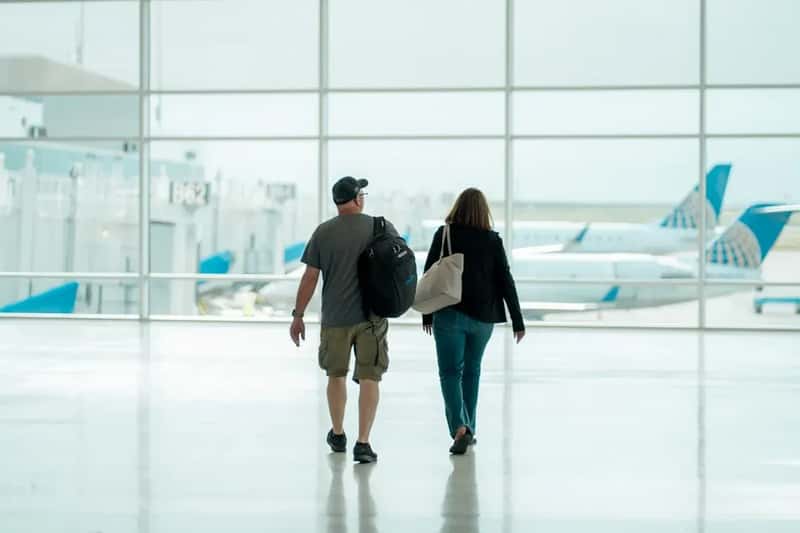
Some airports connect passengers needing assistance with trained volunteers who guide travelers to baggage claim, ground transportation, and exits – including multilingual volunteers for international arrivals. This is a parallel layer of support running alongside official staff, and arrivals agents are often the ones who quietly activate it on a passenger’s behalf. For a returning traveler over 60 who doesn’t speak fluent English and is landing alone after a long international trip, it’s a significant resource.
Navigator programs at airports including Denver International, Dallas/Fort Worth, and Hartsfield-Jackson in Atlanta are well-established – but almost no travelers know to request them at arrivals. A multilingual volunteer who speaks your first language and knows exactly where the pickup zones are is genuinely transformative when you’re jet-lagged, disoriented, and trying to find a car that’s waiting somewhere in a multi-level garage. Experienced arrivals staff route older passengers into these programs without being asked when they spot the need. It’s one of the most invisible services in the whole building.
#7 – They Quietly Monitor for Signs of Medical Distress During Deplaning

Arrivals staff aren’t just logistics coordinators – they’re trained observers. The walk from the gate to baggage claim is genuinely taxing, and experienced staff are specifically trained to notice when a passenger arrives more winded than that short walk should explain. A returning traveler over 60 who’s been sitting in a pressurized cabin for eight-plus hours is physiologically more vulnerable than most people acknowledge – circulation, hydration, and blood pressure are all measurably affected by long-haul flight.
When an older passenger looks unsteady, unusually pale, or breathless, trained arrivals staff don’t wait to be approached. They intervene quietly – offering a seated rest, slowing the pace of the escort, or calling for medical support. Research published in peer-reviewed journals confirms that long-haul flights of 8 hours or longer double the risk for venous thrombosis, and the incidence of deep vein thrombosis in passengers over 60 runs three to five times higher than in younger travelers. Airport arrivals staff are specifically briefed on early indicators. Most passengers walking through the same arrivals hall have no idea that the person beside them is being quietly monitored.
Worth Knowing: DVT Risk on Long-Haul Flights
- Flights of 8 hours or longer are associated with doubled risk for venous thrombosis compared to non-travelers.
- Passengers over 60 face a DVT incidence rate 3–5 times higher than the general flight population.
- About 60% of flight-related DVT cases are asymptomatic – meaning travelers feel nothing until later.
- The risk window stays elevated for up to two weeks after a long-haul flight, not just during travel.
- Arrivals staff watching for distress are a genuine first line of response – not just a courtesy gesture.
#6 – They Issue Sunflower Lanyards for Hidden Disabilities – No Proof Required

Most airports support the Sunflower Lanyard program, which lets every staff member in the building know a passenger has a hidden disability – without requiring the traveler to explain it to anyone. The program uses a recognizable green lanyard adorned with a sunflower pattern, and travelers can pick one up at assisted travel help desks on request. For passengers over 60 managing early cognitive decline, chronic pain, anxiety disorders, or significant hearing loss – conditions that are completely invisible to other passengers – the lanyard is a quiet signal that changes how every interaction in that terminal goes.
What makes it genuinely powerful at arrivals is that it’s system-wide. An immigration officer, a baggage handler, a transport coordinator – anyone in an airport uniform is trained to recognize the lanyard and respond with extra patience, clearer communication, and zero questions asked. There are no eligibility requirements to request or wear one, and participants are never asked to disclose their disability. For a returning traveler managing a condition they haven’t disclosed to anyone at the airport, this is one of the most dignified forms of support in the entire arrivals process. The lanyard is free, takes 30 seconds to request, and now works at over 200 airports around the world – including major U.S. hubs like DFW, O’Hare, Midway, MSP, Las Vegas, and Nashville.
#5 – They Flag Returning Travelers for Chaplain and Emotional Support Services

Some airports maintain interfaith chaplain services available around the clock. Chaplains will come directly to passengers anywhere in the terminal and provide a calm, steady presence when someone is struggling – no religious affiliation required. Travelers can request the service through the airport information line or by asking any airport employee. Experienced arrivals staff – particularly those working international terminals – know that some returning travelers over 60 are landing in genuinely hard circumstances: a family loss, a health crisis, a long journey home after serious illness abroad.
When an older passenger appears distressed or emotionally overwhelmed at arrivals, trained staff will quietly suggest the chaplaincy service or contact it directly on the passenger’s behalf. This is one of the most rarely discussed airport support services in existence – and one of the most impactful for older travelers returning home under difficult conditions. It’s not on the arrivals board. It’s not in any pre-flight email. But the staff working that terminal know it’s there, and they use it more than the public ever realizes.
#4 – They Coordinate Gate Passes So Family Can Meet You at the Arrivals Gate
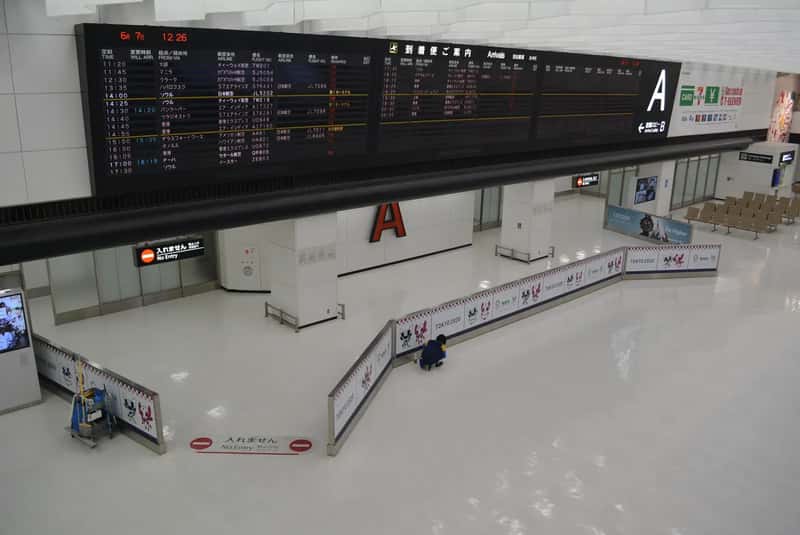
This one surprises almost every family that hears it for the first time. Non-ticketed companions – family members, friends, caregivers – can obtain a gate pass from the ticket counter to meet a returning traveler at the arrival gate itself, past security. They need to show valid ID and explain the situation. The U.S. Department of Transportation’s Air Carrier Access Act requires U.S. airlines to provide these passes for passengers needing disability-related assistance – meaning airlines cannot legally refuse a reasonable request, even if a counter agent claims otherwise.
On the arrivals side, experienced staff can facilitate the gate pass or advise a family member on exactly how to obtain one when an older traveler is landing and needs a familiar face waiting at the door rather than at the curb. The fact that a son or daughter can walk past security and be standing at the gate when their parent’s flight lands is one of the best-kept practical secrets in U.S. commercial aviation. Arrivals staff who regularly work with older travelers know to mention it. Most families never hear about it until years after they could have used it.
Quick Compare: Gate Pass vs. Meeting at Baggage Claim
- Gate pass: Family meets you the moment you step off the jetbridge – before immigration, before baggage, before any confusion
- Baggage claim meetup: Traveler navigates immigration, customs, and crowds alone first – then finds family
- Who qualifies: Seniors, passengers with disabilities, unaccompanied minors, and military members – gate passes are free
- How to get one: Visit the airline’s ticket counter with a valid government-issued photo ID and explain the situation
- Important note: Gate passes are generally available for domestic arrivals; international arrivals involve additional customs restrictions – check with your airline in advance
#3 – They Arrange the Ground Transportation Handoff Before You Even Reach the Curb
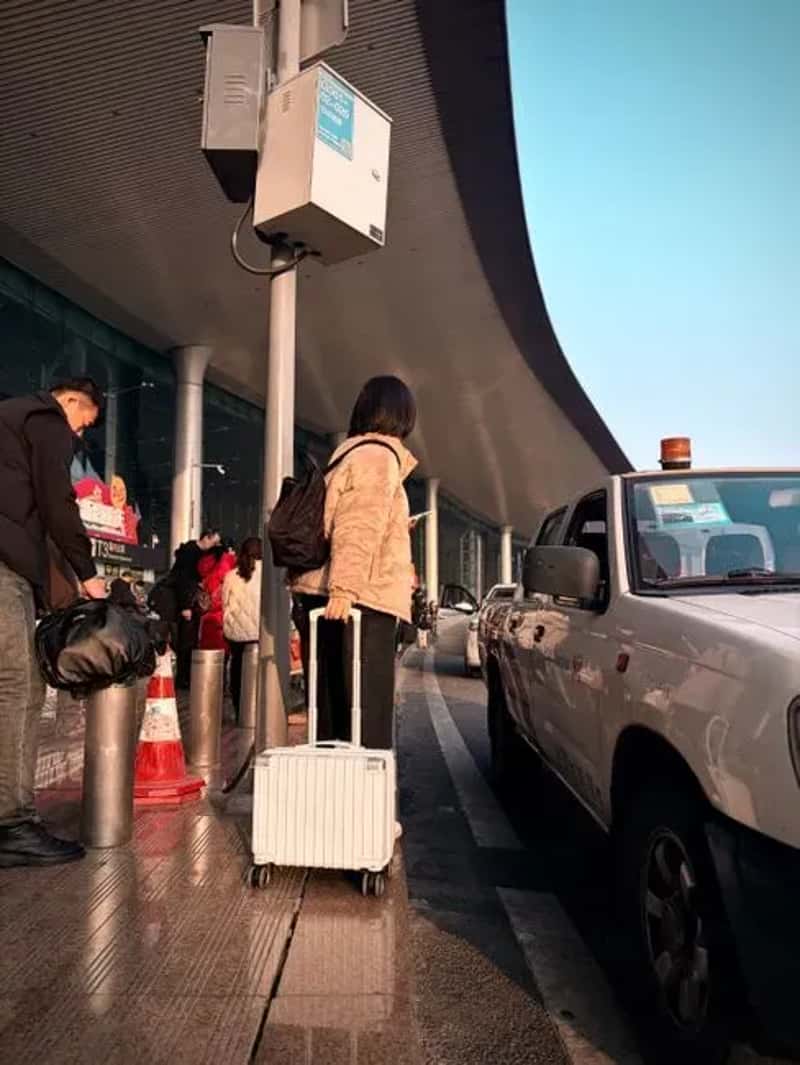
The curbside moment – that chaotic stretch where exhausted passengers try to identify their ride from a wall of waiting cars – is where the arrivals process breaks down for a lot of older travelers. Experienced arrivals staff treat this transition as a coordinated handoff, not an endpoint. Before the passenger reaches the exit, a vehicle is already arranged, the driver has been notified, and a staff member walks the traveler to the door rather than gesturing toward a sign.
Curbside assistance staff can also help passengers locate rental car returns and navigate multi-level pickup zones – things that are genuinely confusing even for frequent travelers. For a returning traveler over 60 who is fatigued, possibly managing medication, and landing at an unfamiliar terminal configuration, the difference between an escorted curb handoff and being left at baggage claim to figure it out alone is not small. The staff who specialize in senior arrivals treat that final step as part of the relay – not the moment their job ends.
#2 – They Quietly Advocate Within the Airline System After a Medical Flag
Something most returning travelers over 60 don’t realize: when a passenger lands with a medical flag – anything from an oxygen notation to a record of recent surgery – arrivals staff can relay that information forward to the next leg of a journey or back to the airline’s customer service team. They quietly calculate whether a passenger needs seat reassignment, extended deplaning time, a longer connection window, or additional support at the other end. The communication runs both ways, and most travelers never see it happening.
What this looks like in practice is nearly invisible: an older passenger is escorted off a connecting flight and immediately placed in a quieter processing lane while a staff member makes a discreet call or sends a message through the airline system. The result – a better seat assignment, a rebooking with a more reasonable connection, a hotel voucher after a significant delay – appears to the traveler as good luck or airline goodwill. It’s actually a trained arrivals staff member using discretion and institutional knowledge on their behalf. There’s a wide range of accommodations buried inside airline policies and federal disability law that most older travelers don’t know exist – and the people who know how to unlock them are standing at the arrivals gate right now.
#1 – They Meet Unaccompanied Seniors at the Aircraft Door, by Name, Without Being Asked

This is the one that stops people when they hear it. For older travelers who’ve pre-booked special assistance – and sometimes for those who clearly need it but didn’t ask – the very best arrivals staff don’t wait at a desk or a baggage carousel. They’re at the aircraft door, name board in hand, before the passenger even steps off the jetbridge. They don’t say hello and point toward a sign. They guide the traveler through the entire arrivals process, start to finish, as a personal escort. For someone returning home after a difficult trip, being greeted by name at the aircraft door is a moment that’s genuinely hard to overstate.
The name-board meet at the aircraft door is the gold standard of arrivals assistance – and it costs nothing to request. Travelers or their family members should call the airline’s special assistance line at least 48 hours before the flight. That’s the entire requirement. Most people over 60 who would benefit from this never request it – not because they’d refuse it, but because they had absolutely no idea it was ever on offer.
The most common thing I hear from older travelers after their first assisted arrival is: ‘I didn’t know I was allowed to ask for that.’
A senior travel accessibility advocate quoted widely in airport accessibility discussions
The arrivals process for travelers over 60 is a completely different experience than what most passengers see – and the gap between those who access it and those who don’t comes down almost entirely to one thing: information. None of these services require wealth or special status. Most require a single phone call made at least 48 hours before the flight. If you’re over 60, traveling alongside someone who is, or helping an aging parent navigate a return journey alone, the most useful thing you can do right now is share this – and then make that call.