You picture a slow, golden glide from coast to coast: coffee in hand, mountains outside the window, nowhere to be. The real thing is stranger, messier and, for a lot of riders, weirdly addictive. No single train makes the whole trip, the schedule behaves more like a forecast, and the best views can roll past while you’re asleep.
The numbers alone are jarring. In early 2025, Amtrak’s long-distance trains arrived on time just 58% of the time, well short of the 80% federal standard. That’s only one of the surprises waiting down the line. Some are frustrating, some are oddly beautiful, and one might make you want to book a ticket before it’s too late.
#14 – There’s No Single Train From Coast to Coast, and Chicago Is the Secret Hinge
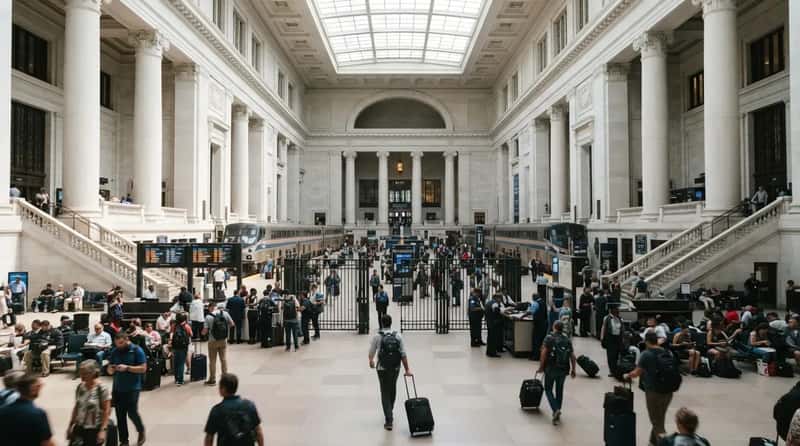
Here’s the first thing most first-timers get wrong: the “cross-country train” is really a relay race. Amtrak doesn’t run one train from New York to California. Its long-distance routes fan out from the Midwest, and Chicago Union Station serves nearly all of them, including the Empire Builder, California Zephyr, Southwest Chief and City of New Orleans. East Coast riders change trains there.
That transfer is where trips quietly unravel. If your first train runs late, the second one still leaves on its own schedule, and it won’t wait for your story. Travel guides advise leaving plenty of cushion between two services so one delay doesn’t wreck the rest of your trip. The busiest hub on the map is also where connections fail. Book a long layover, or better, book a night in the city.
But that’s nothing compared to how long the ride really takes in #13…
#13 – The “Quick” Trip West Is Actually Two Full Nights on Rails
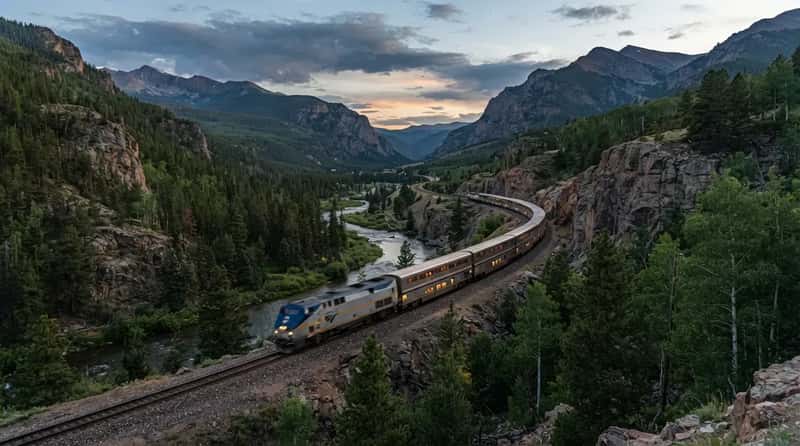
This is not a long day trip. It’s a two-night commitment. The California Zephyr takes about 52 hours and covers more than 2,400 miles through seven states. The Empire Builder is a bit shorter at just over 46 hours, which still means two nights aboard.
Most people don’t realize how much that changes the trip. You’ll eat, sleep, wash up and maybe even work on a moving train. That’s more than two full days of your life spent on one set of rails. One route guide puts the Southwest Chief at about 45 hours between Los Angeles and Chicago.
- California Zephyr: about 52 hours
- Empire Builder: just over 46 hours
- Southwest Chief: about 45 hours
But the name on your ticket hides an even bigger surprise in #12…
#12 – Your Train to “San Francisco” Doesn’t Actually Go to San Francisco
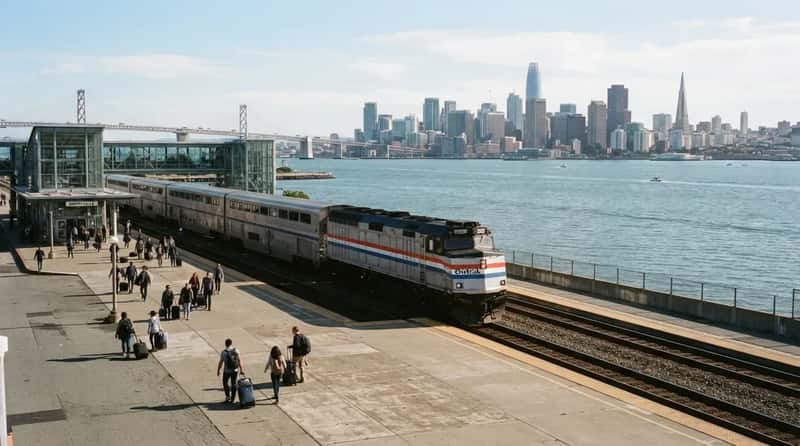
After 52 hours, the last leg can stop you cold. The California Zephyr runs between Chicago and Emeryville, California, which sits near San Francisco but isn’t in it. Emeryville is a small stop on the East Bay side of the water.
To finish the trip, passengers can take an Amtrak Thruway bus into San Francisco. That’s the truth behind those confused first-timer posts about a “typo” on the ticket. The train you rode across the entire continent stops short of the city on the poster. The Southwest Chief plays it differently, since it ends right in Los Angeles.
At a Glance
- Zephyr’s final stop: Emeryville, California
- Location: East Bay side of the water, not in San Francisco
- Last-mile fix: Amtrak Thruway bus into the city
- Southwest Chief: rolls all the way into Los Angeles
Still, the geography surprise is minor next to what happens after sunset in #11…
#11 – The Views You Booked It For May Pass While You Sleep
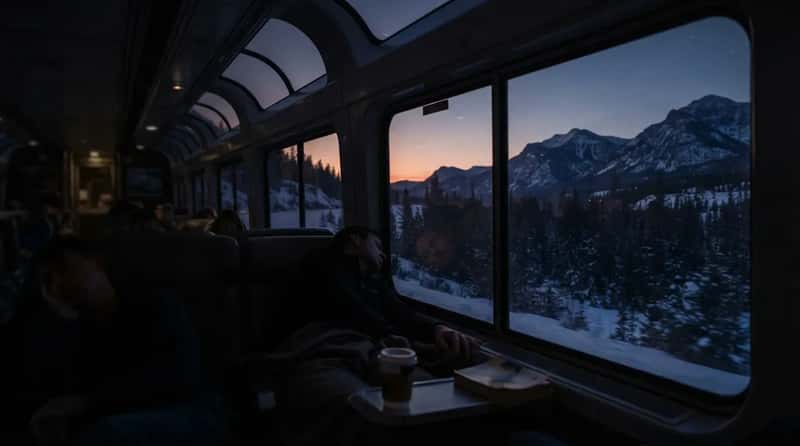
Nobody warns you that the calendar decides what you see. One Empire Builder rider review says some of the most interesting scenery got lost to darkness because of the schedule. That’s one traveler’s take, but the timing problem is real.
The same review notes the train once left Chicago at 2:15pm, and the schedule has since shifted to 3:05pm. In winter, that can leave you with only about 90 minutes of daylight, with the sun going down around Milwaukee. Travel guides say summer is the best season for Empire Builder scenery, especially westbound. The famous Montana mountain stretch can turn into a dark window in the wrong season.
But the real reason schedules slip has a hidden cause, and it’s #10…
#10 – Amtrak Doesn’t Own Most of the Tracks It Runs On
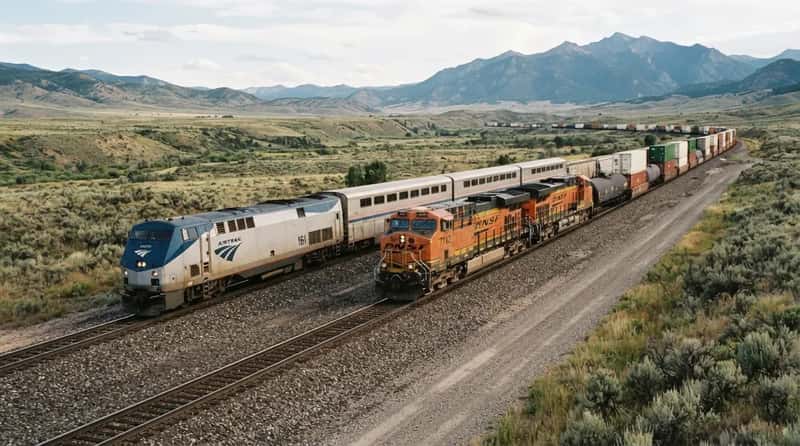
The cross-country train is basically a guest on someone else’s property. Amtrak owns only about 623 miles of track outright, mostly on the Northeast Corridor, while the rest of its roughly 21,400-mile network runs on tracks owned by other railroads. For long-distance riders, that means freight companies own the road you’re on.
The rider review mentioned earlier also notes that freight trains often get priority over passenger trains. Railway Age adds that Amtrak once kept standby locomotives at key points like Spokane, Washington, and calls the Empire Builder a case study for insufficient resources. Your train’s on-time record depends partly on companies that don’t sell you a ticket.
Fast Facts
- Track Amtrak owns: about 623 miles
- Total network: roughly 21,400 miles
- Who owns the rest: other railroads, mostly freight companies
- Where the owned track is: mostly the Northeast Corridor
Wait until you see how those delays add up in #9…
#9 – Late Isn’t the Exception on Long-Distance Routes. It’s Close to the Plan.
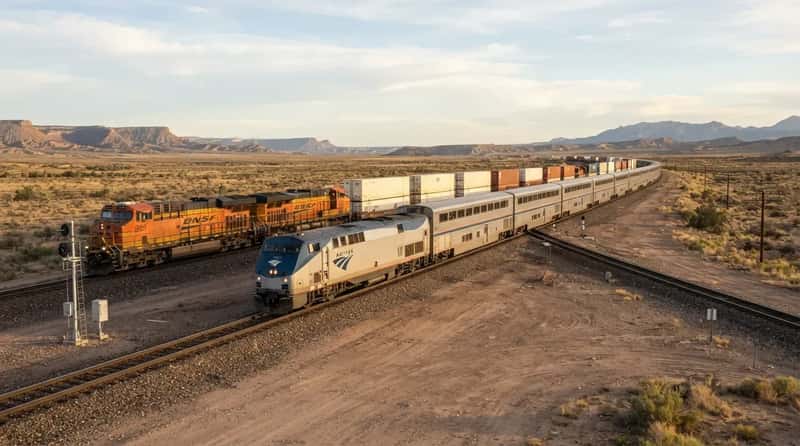
The long-distance numbers are rough. In the first quarter of 2025, none of Amtrak’s three business segments met the FRA’s 80% standard for arriving within 15 minutes of schedule. Long-distance trains came in at 58%. And it got worse from there.
According to a tracker using Amtrak’s host railroad report, customer on-time performance fell from 50.1% in May 2026 to 40.1% in June. The average delay for late passengers rose from 92 to 112 minutes. In June 2026, roughly six of every ten long-distance riders arrived late. Host railroads caused a lot of it, since host-railroad delays accounted for 53% of delay minutes on long-distance trains.
- Q1 2025 long-distance on-time rate: 58%
- June 2026 long-distance on-time rate: 40.1%
But some trains have it far worse, as #8 shows…
#8 – Two Famous Routes Landed at the Bottom of the Federal Rankings
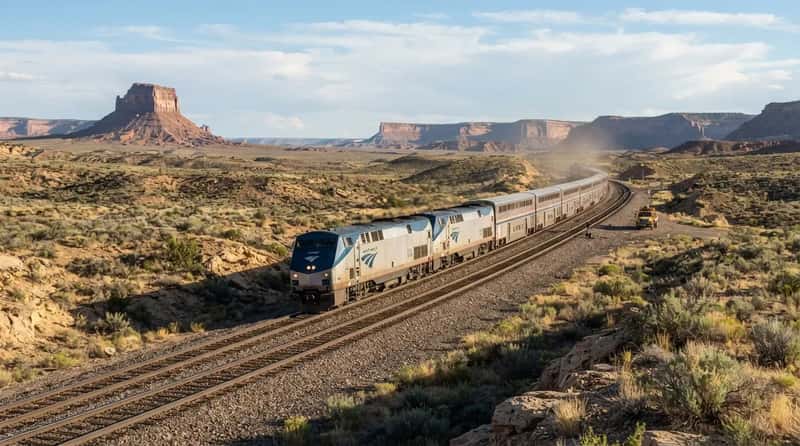
Not every long-distance train fails equally. In the FRA’s first quarter of fiscal 2026, the poorest performing routes included the Southwest Chief at 40% and the Floridian at 44%. The Pennsylvanian, a much shorter route, landed among the best at 86%.
The Sunset Limited tells a different story. Amtrak filed a complaint with the Surface Transportation Board over that route, and Union Pacific, the host for most of its trip, caused the most host-railroad delay minutes. A train can take the blame for delays that actually start on another company’s track. So here’s the uncomfortable question: is a famous desert route worth a coin-flip arrival? Riders split on that one.
Once you’re on board, though, the room itself is the next shock in #7…
#7 – The Roomette Is Smaller Than Most Walk-In Closets, and Fans Still Love It
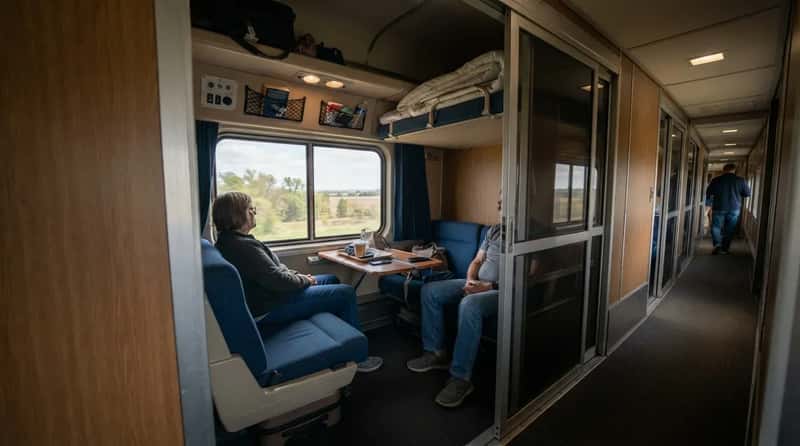
The private room most cross-country dreamers picture is tiny. Amtrak’s own blog lists roomette dimensions of 3 feet 6 inches by 6 feet 6 inches, with room for two adults. Two comfortable seats turn into upper and lower beds at night. Restrooms and showers are shared down the hall.
What you get for the money is more than a bed. Meals, lounge access and priority boarding all come with the room. Coach riders have a way in, too: qualifying Coach customers can bid to upgrade to a Roomette or Bedroom, and Flex Fare Coach bookings can be upgraded up until departure.
- Complimentary lounge access at major stations
- Priority boarding and complimentary onboard meals
Speaking of what’s included, the dining car has a rule you should know about in #6…
#6 – The Dining Car Can Be Off-Limits If You’re Riding Coach
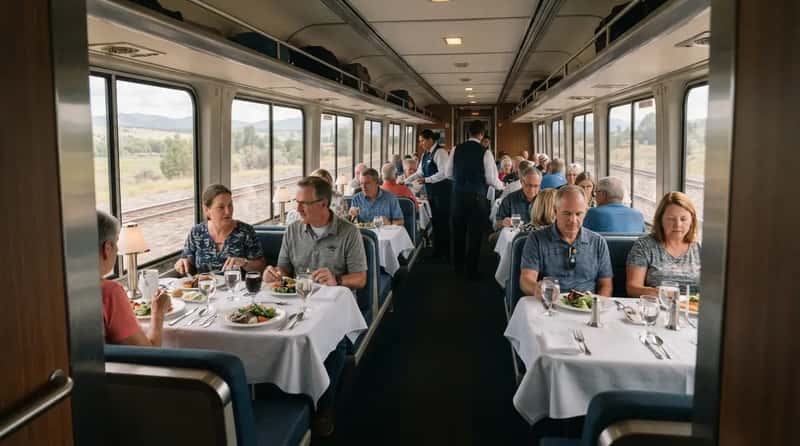
Sit-down train meals sound like part of the romance. They are, if you’re in a private room, because meals are included there. Coach is another story. A 2026 update of an Amtrak dining guide says dining car meals are currently offered only to sleeping car passengers.
That guide adds that coach passengers can still buy items from the café car or bring their own food. A hot dinner served on real plates may be available only to people who booked a room. Rules have shifted by route over the years, so confirm yours before boarding. Groceries from a station stop can save a coach trip.
Quick Compare
- Sleeping car: dining car meals included with the room
- Coach: café car purchases or food you bring yourself
- Best move for coach: confirm the rules for your route before boarding
And if you do get a seat in the dining car, prepare for what happens in #5…
#5 – You Might Share Dinner With Total Strangers, Unless You Ask for Room Delivery
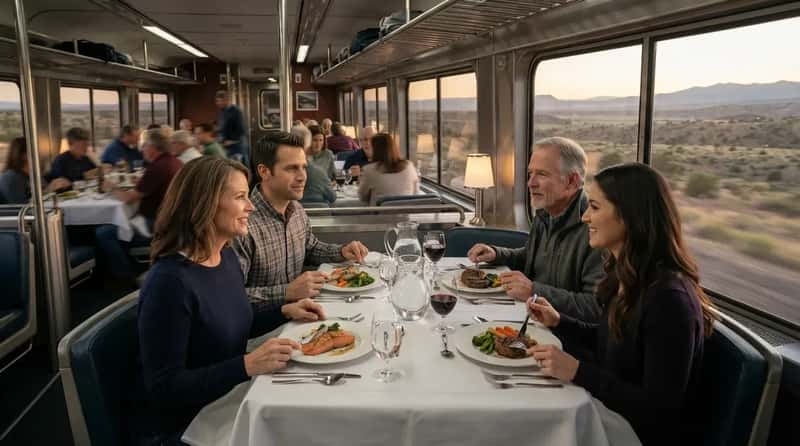
The dining car works like a moving diner with one big rule. Seating is communal, and you’re placed with other travelers to fill a four-person table. Parties of three or four are generally seated together. Most people don’t realize it until the host walks up with a stranger’s name.
There’s an escape hatch. Flex Dining lets guests eat when it suits them, either in the dining car or with a meal delivered to their room. Amtrak says five long-distance trains offer it, and in February 2026 it expanded the Flex Dining menu with new lunch options. You can eat a full dinner without speaking to anyone if you want.
But no route change has caused more confusion than the one in #4…
#4 – Amtrak Quietly Merged Two Famous Trains Into One Marathon
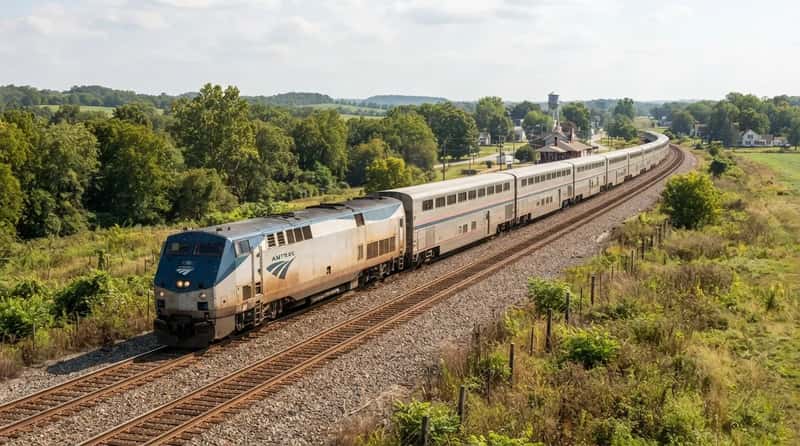
Some routes on the map no longer exist the way you remember them. On November 10, 2024, the Capitol Limited and Silver Star were merged into a Chicago–Washington–Miami service called the Floridian. Plenty of travelers still search for the old names.
The new train is a big one, and the merger was intended to be temporary, to accommodate equipment shortages and planned rehabilitation work in the East River Tunnels. A route that didn’t exist before late 2024 now spans about 2,000 miles. As noted earlier, it also ranked among the weakest on-time performers in the FRA’s latest report.
Worth Knowing
- Route: Chicago–Washington–Miami
- Distance: 2,076 miles with 46 stops
- Average journey time: 47 hours
- Replaced: the Capitol Limited and Silver Star
Now for a pick that may change which train you book first, in #3…
#3 – Some Riders Say the Coast Starlight Beats the Famous Zephyr for a First Trip
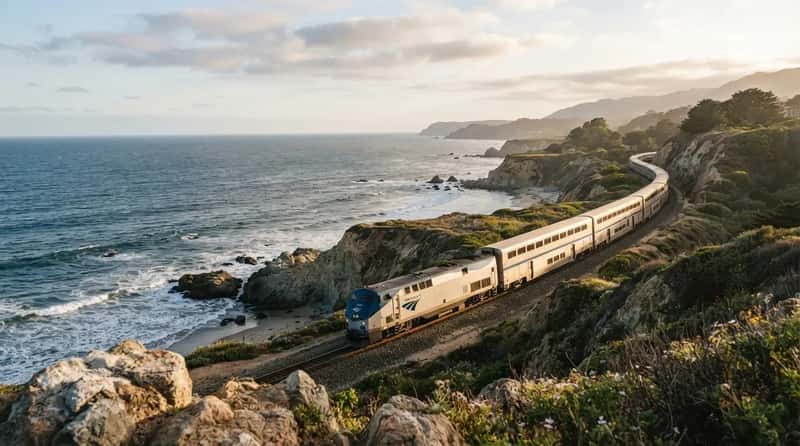
Everyone raves about the Zephyr. Yet a lot of experienced riders say start smaller. The Coast Starlight runs Seattle to Los Angeles in about 35 hours, past the Cascade Range, Mount Shasta, forests, valleys and long stretches of Pacific shoreline.
One rail-travel writer argues it should be a first ride because the density and variety of scenery with only one night onboard is hard to beat. Meanwhile, the Zephyr appears on many lists of the world’s top train rides. Some travelers say the Zephyr’s fame hides a shorter, punchier alternative. If the Zephyr still calls to you, you can always ride just a section of it rather than the whole route.
But the biggest hidden perk of a train ticket is waiting in #2…
#2 – Your Train Ticket Doubles as a Shortcut to National Parks
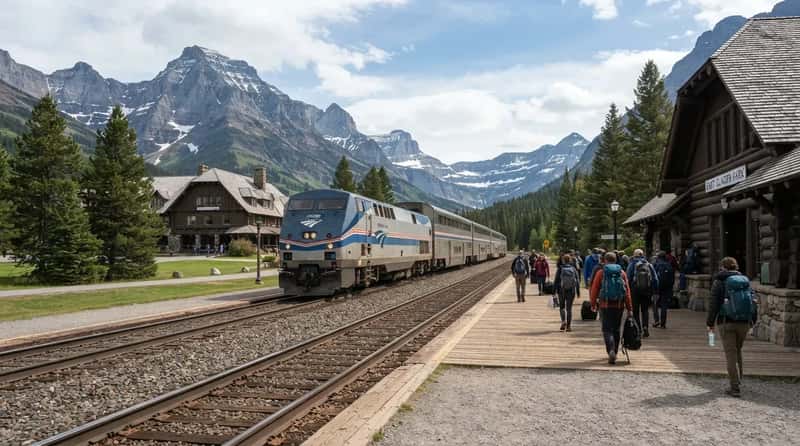
Many riders treat the train as the whole vacation. The smarter move is treating each station as a doorway. The Empire Builder stops right at Glacier National Park. For the Grand Canyon, you can start from the Flagstaff station on the Southwest Chief route, and spring and fall are good times to go.
Skiers get a perk too, since the California Zephyr stops near several ski resorts. But weather matters, and summer heat can make the Southwest Chief’s desert trip less appealing. You can step off a train near one of America’s most famous parks without renting a car for the drive in.
- Empire Builder: Glacier National Park
- Southwest Chief: Flagstaff, gateway for the Grand Canyon
- California Zephyr: near several ski resorts
And the strongest reason to go now may be the one in #1…
#1 – The Classic Double-Decker Trains Are Running on Borrowed Time
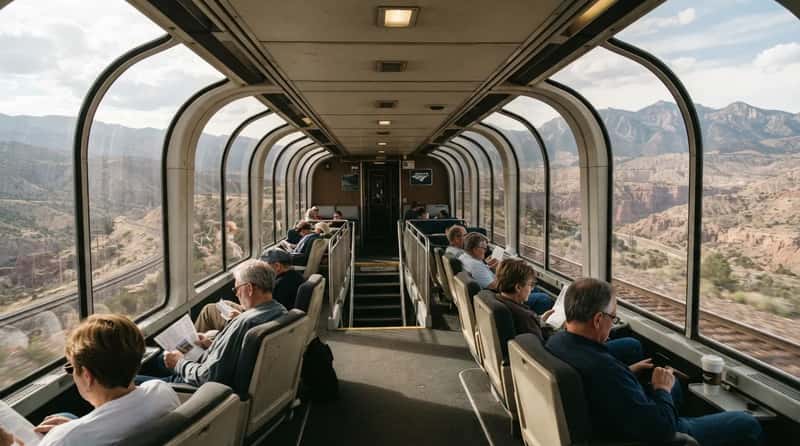
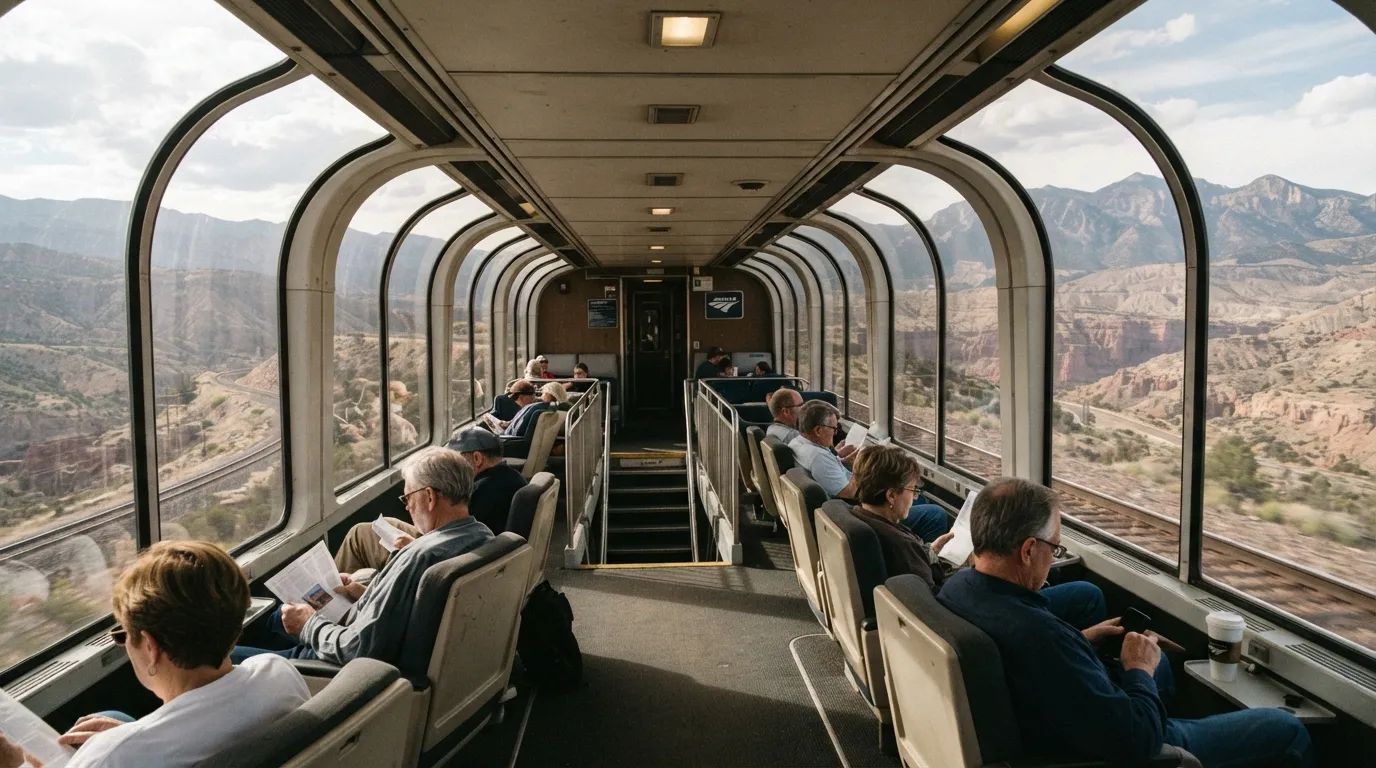
The lounge cars and upper-level windows so many riders love are part of an aging fleet. The Superliner cars entered service in 1979, and 403 were still in service as of October 2025. The design is also why some routes have private rooms on two levels, since a Superliner has two levels of private rooms per car while a Viewliner has just one.
That is about to change. In February 2026, Amtrak announced that all long-distance routes will move to a universal single-level fleet, replacing today’s mix of bi-level and single-level equipment. The plan includes the company’s largest-ever long-distance order, with more than 800 new railcars across 14 routes. The double-decker experience is headed toward retirement. It’s still early, though, since the February 2026 strategy reset was followed by a March 2026 request for proposals.
The cross-country train isn’t one train, one schedule or one simple trip. You change in Chicago, spend two nights aboard, and ride on tracks Amtrak mostly doesn’t own. Long-distance trains hit just 40.1% on-time performance in June 2026, and the old double-decker era is winding down.
And yet riders keep coming back for the mountains, the parks and that first glimpse of the Pacific. Maybe that’s the real secret: the train rarely gives you the trip you planned, but it often gives you one you remember.