You’ve flown dozens of times. You know the drill – shoes off at security, belt loosely fastened, phone on airplane mode. But the pilots up front, the ones with 10,000 hours in the cockpit, quietly know things about what happens to your body at 35,000 feet that nobody announces at the gate. Some of it is fascinating. Some of it is unsettling. A surprising amount of it is specific to passengers over 60 – and it changes how you should think about every flight you take from here on out.
A few of these will confirm what you suspected. Several will genuinely surprise you. And at least one or two will make you rethink something you’ve done on every flight for years. Here’s what the crew up front actually wishes you already knew before you buckled in.
#14 – The Cabin Isn’t Pressurized to Sea Level (And That’s a Bigger Deal Than You Think)
Most passengers assume the air inside the cabin feels the same as air on the ground. It doesn’t – not even close. The cabin is pressurized to the equivalent of roughly 8,000 feet above sea level, which is more like sitting on a modest mountain than sitting in your living room. That standard was largely established using research from the World War II era, when most of the people flying were healthy young male fighter pilots. For most 30-year-olds, it’s a non-issue. For passengers over 60, it’s a different story entirely.
Close to 70% of people over age 60 have some form of cardiovascular disease – and reduced cabin oxygen puts real strain on a heart that’s already working harder than it used to. Researchers studying cardiac responses found that even at simulated altitudes of 7,000 feet, heart rates went up and heart-rate variability went down in older passengers – both measurable signs of cardiac stress. Pilots know this is happening in the cabin behind them. Most of the passengers experiencing it have no idea.
Fast Facts
- Cabin air is pressurized to the equivalent of roughly 6,000–8,000 feet above sea level on most commercial flights.
- Oxygen saturation in the blood can drop noticeably at cruising altitude, even in healthy adults.
- Passengers with heart or lung conditions are most vulnerable – the effect is real even when you feel fine.
- Staying hydrated and avoiding heavy alcohol intake before boarding helps your body adapt faster.
#13 – Turbulence Has Never Brought Down a Modern Commercial Airliner
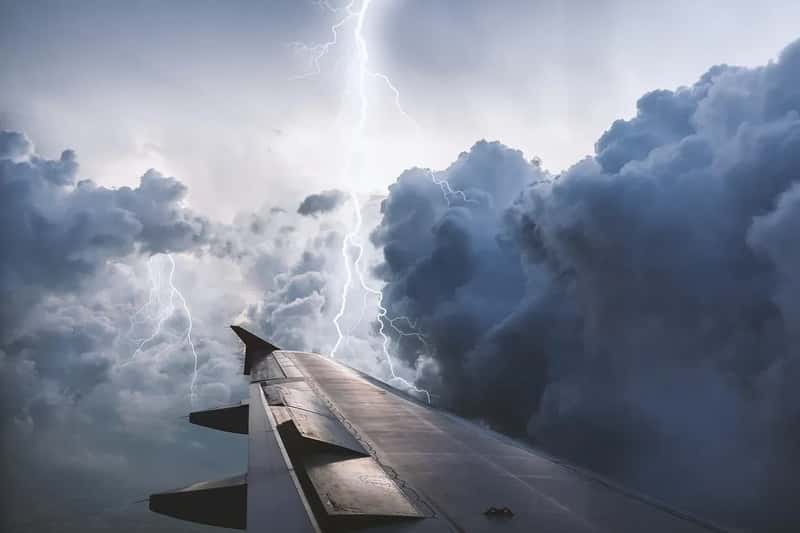
If there’s one thing pilots wish nervous flyers understood, it’s this: the plane is not in danger during turbulence. Modern airliners are certified to handle forces far greater than anything they’ll encounter in normal flight. Wings are deliberately designed to bend, flex, and absorb energy – engineers test them to extreme deflection angles that dwarf anything in real-world flying. As one veteran pilot put it plainly: turbulence has never caused a single loss of aircraft in the modern commercial era.
What does cause injuries is people not being buckled in. According to a 2021 National Transportation Safety Board report, the vast majority of passengers seriously hurt by turbulence weren’t wearing their seat belts – they were in the aisle, in the restroom, or simply unbuckled in their seats when the air went rough. Luggage falls from overhead bins. People get thrown into seats and cabin walls. Food carts slam into ankles. The plane is fine. The unbuckled passenger is the only variable pilots can’t control from the cockpit.
#12 – Clear-Air Turbulence Is Getting Worse – And It’s Completely Invisible on Radar
Here’s something most passengers have never considered: pilots can’t always see rough air coming. Clear-air turbulence – the kind that strikes in what looks like a perfectly calm, blue sky – leaves no radar signature at all. Weather radar detects moisture inside clouds, not atmospheric instability in clear air. No clouds means no warning. That’s why pilots rely heavily on real-time reports from other aircraft that have already flown through the same patch of sky minutes earlier.
And it’s getting worse. Between 1979 and 2020, the frequency of severe clear-air turbulence rose by 55% over the United States and the North Atlantic – one of the world’s busiest flight corridors. Climate change is accelerating instability in the jet streams, making wind shear faster and more unpredictable. By 2050, experts project pilots may be experiencing at least twice as much severe clear-air turbulence as they do today. This is exactly why pilots want every passenger – especially those over 60, who may move more slowly through the cabin – to keep a seatbelt loosely fastened at all times, even when the fasten-sign is off and the sky outside looks completely smooth.
At a Glance: Clear-Air Turbulence by the Numbers
- Severe clear-air turbulence increased 55% over the U.S. and North Atlantic from 1979 to 2020.
- By 2050, experts project at least double today’s severe clear-air turbulence encounters.
- Planes currently encounter clear-air turbulence about 1% of the time in the Northern Hemisphere – but that share is rising.
- Standard weather radar cannot detect it. There is zero visual warning from the window.
#11 – Delays Are Rarely the Crew’s Fault (And Pilots Hate Them Just as Much)
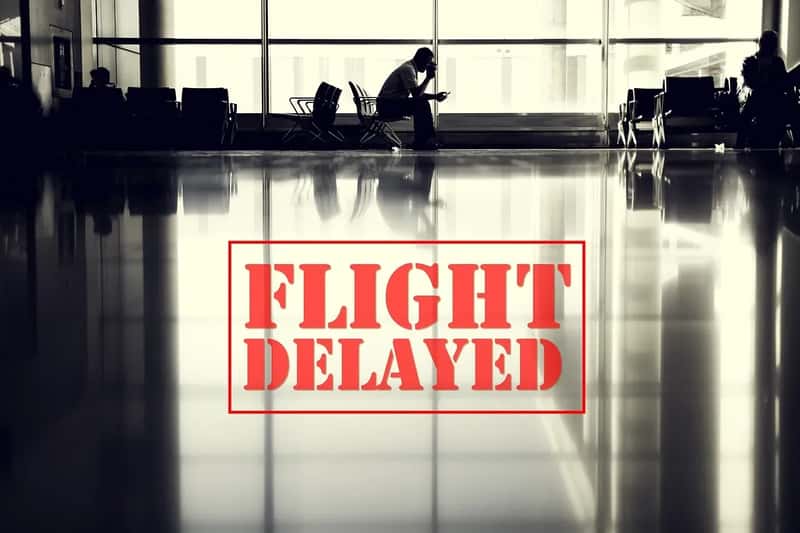
When a delay hits, the instinct is to glare at the gate agent or the crew. But the people in uniform are usually as stuck as you are. Weather is the most misunderstood cause – when a pilot announces a weather delay and you look outside at clear blue sky, you might assume something doesn’t add up. The truth is, they could be waiting for an aircraft arriving through a storm 1,000 miles away, or air traffic control could be managing weather patterns affecting the entire national airspace system at once.
Pilots don’t delay your trip for fun. When mechanical issues or weather hit, they understand the cascade better than anyone – a bad storm at either end of a route can wipe out a crew’s legal flying hours for the day, triggering a full crew swap and adding hours to an already long wait. The FAA strictly limits how many hours a crew can fly, and those limits exist for your safety. Frustration is understandable. But it almost never speeds anything up, and the people absorbing it aren’t the ones who caused the problem.
#10 – Alcohol at Altitude Hits Harder Than You Realize
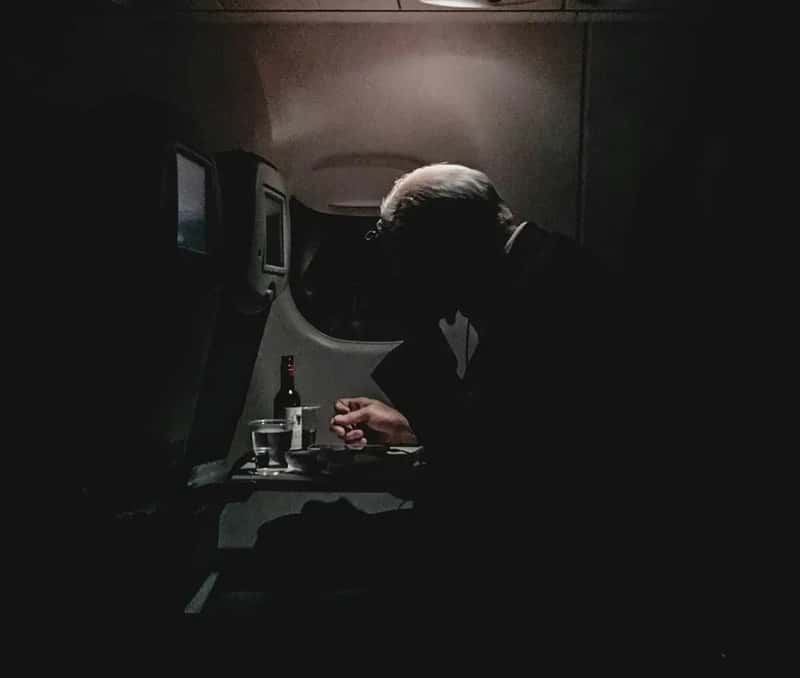
That glass of wine at 35,000 feet isn’t the same as a glass of wine at your kitchen table – the cabin environment changes the equation. At cruising altitude, reduced oxygen levels are already mild enough to affect the body, and alcohol disrupts how efficiently oxygen gets absorbed into the bloodstream. The result: you may feel the effects noticeably faster than you would at ground level. For passengers over 60 managing blood pressure, heart conditions, or blood-thinning medications, that combination deserves some thought.
Alcohol and certain sedating medications also slow breathing rates in an environment that’s already slightly oxygen-depleted. Add sedation to long periods of immobility and you raise the risk of deep vein thrombosis – blood clots forming in the legs during long flights. None of this means you can’t enjoy a drink. It means pairing that drink with a full glass of water, staying aware of how you feel, and making sure you’re getting up to walk the aisle periodically. The cruise is supposed to be relaxing. A DVT three days later is not.
#9 – Your Seatbelt Should Stay On Even When the Sign Goes Off
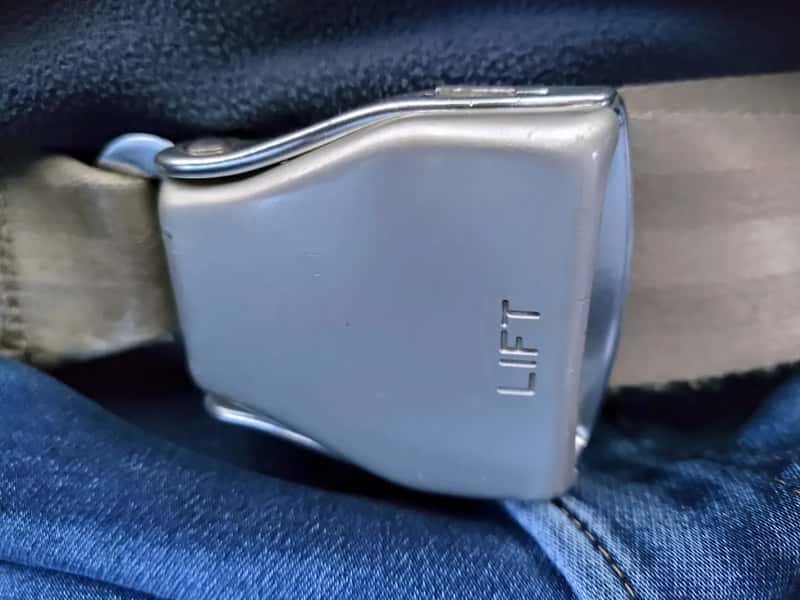
The seatbelt sign switching off does not mean the atmosphere signed a contract. Pilots flip that switch when cruise conditions look stable – but clear-air turbulence doesn’t announce itself, and even a glass-smooth flight can hit an air pocket with zero warning. Most turbulence-related injuries happen to passengers who were unrestrained, not to people buckled into their seats. Being mid-aisle when unexpected rough air hits is exactly the wrong place to be.
The fix is almost embarrassingly simple: keep the belt loosely fastened around your lap whenever you’re seated. You can still shift, stretch, and stay comfortable – it doesn’t have to be snug. What you eliminate is the risk of being airborne inside the cabin when a patch of invisible rough air appears in an instant. Pilots see the incident reports. They know which situations put passengers in the hospital. A loose lap belt is the single easiest thing you can do to stay off that list.
#8 – A Firm Landing Is Sometimes a Safer Landing
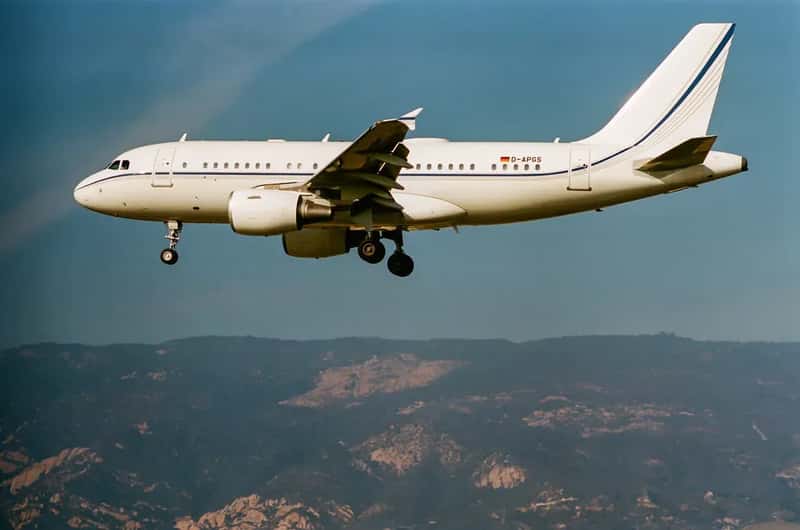
Passengers have been judging pilots by how smooth the touchdown feels for as long as commercial aviation has existed. Turns out, that’s almost exactly the wrong thing to judge. On wet or contaminated runways, pilots sometimes need firm wheel contact to instantly trigger the weight-on-wheels sensors that deploy spoilers and activate braking systems. A buttery-smooth float down the runway sounds wonderful – but on a short or slick runway, floating to nail the smoothest possible touchdown could put everyone in a genuinely dangerous situation.
What pilots actually care about is the approach, not the landing. A stable, well-flown approach – typically established by 1,000 feet in instrument conditions or 500 feet in clear air – is the real measure of a skilled pilot. The last three seconds of a flight tell you far less than the previous thirty minutes. So next time the wheels hit with a firm thud, consider the real possibility that it was exactly the plan – and the pilot behind it has done that particular maneuver thousands of times before.
Quick Compare: What Passengers Judge vs. What Pilots Prioritize
- Passengers notice: How smooth the touchdown feels
- Pilots care about: A stable, on-speed approach established well before the runway
- Passengers assume: Soft landing = skilled pilot
- Pilots know: On wet or short runways, a firm touchdown activates brakes and spoilers faster – by design
- The real scorecard: Precision, fuel management, and crew communication across the full flight
#7 – Blood Clots Are a Real Risk on Long Flights – Especially After 60

Deep vein thrombosis sounds clinical, but the consequences are concrete: blood clots that form in the deep veins of your legs during long periods of immobility can travel to your lungs and become life-threatening. Sitting still in a cramped seat for hours slows circulation, and the longer you stay immobile, the higher the risk. Passengers over 60 are particularly vulnerable because circulation naturally becomes less efficient with age – and that reduced circulation gets pushed further by cabin pressure and low humidity.
The prevention is simple and costs nothing. Get up and walk the aisle every one to two hours, or do ankle circles and foot pumps in your seat when you can’t stand. Drink water consistently throughout the flight – roughly 8 ounces per hour is a good target. Research shows compression stockings significantly reduce blood pooling in the legs on long hauls – one Cochrane review of over 2,800 travelers found those wearing compression stockings had dramatically lower rates of asymptomatic DVT. Symptoms of DVT sometimes don’t appear until days after landing, which is part of what makes it so easy to underestimate. Pilots notice who hasn’t moved in three hours. This is one of the things they most wish older passengers already knew.
Worth Knowing: DVT Risk Reducers for Long Flights
- Walk the aisle at least once every 1–2 hours; ankle circles work when you can’t stand.
- Flights lasting 8+ hours roughly double the risk of calf vein thrombosis compared to staying home.
- About 1 in 4,600 to 1 in 6,000 passengers on flights over 4 hours will develop a blood clot – risk rises steeply with age and other factors.
- Compression stockings (15–20 mmHg) have strong evidence behind them for reducing asymptomatic DVT on long hauls.
- DVT symptoms – leg swelling, redness, or warmth – can appear days after landing. Don’t ignore them.
#6 – The Weather Delay You’re Angry About Is Probably Hundreds of Miles Away
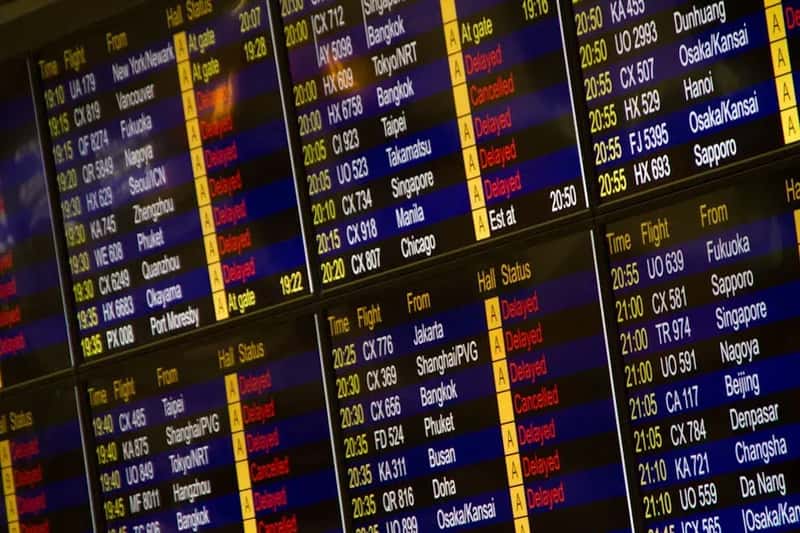
This scenario plays out at gates across the country every single day. A pilot is in Pittsburgh, headed to Philadelphia, sitting through a weather delay. The sky over Pittsburgh is gorgeous. Passengers start pulling up weather apps on their phones and announcing that it’s beautiful in Philly too. And the pilot quietly knows there’s a massive thunderstorm sitting in the airspace directly between the two cities – a storm that neither city’s residents can see from the ground.
The national airspace system is interconnected in ways most passengers never think about. A storm over the Midwest on a Tuesday morning can cascade delays all the way to the East Coast by early afternoon, affecting flights that don’t go anywhere near the storm. Apps like FlightAware can actually show you the bigger picture – where your inbound aircraft is, what weather is affecting the route, and why the departure time keeps shifting. Understanding that ripple effect won’t make the delay shorter, but it makes the wait a lot less maddening and the frustration a lot easier to direct somewhere appropriate.
#5 – The Safety Briefing Is Designed for What Happens in the First 90 Seconds of an Emergency

Most passengers treat the safety briefing like elevator music – technically present, completely ignored. But here’s what pilots know that tuned-out passengers don’t: the scenarios addressed in that briefing are overwhelmingly the survivable ones. Commercial aviation accidents are extraordinarily rare, and when something does go wrong, the margin between outcome A and outcome B often comes down to whether passengers knew where their nearest exit was – which may be two rows behind them, not in front.
For passengers over 60, a few items in that briefing carry real extra weight: brace positions, exit row requirements, and flotation device locations all matter more when mobility is a factor. Statistically, you are roughly 2,000 times more likely to die in a car crash than in a commercial plane accident – your drive to the airport was almost certainly the most dangerous part of your trip. Knowing that, the 90 seconds it takes to actually watch the briefing is a pretty reasonable trade for having the information if you ever actually need it.
#4 – Your Medications Belong in Your Carry-On. Every Single Time.

Pilots and flight attendants have watched this scenario unfold more times than they can count. A checked bag gets rerouted, delayed, or simply doesn’t make the connection – and the passenger’s daily medications were packed inside it. For a younger traveler, that’s an aggravating inconvenience. For a passenger over 60 managing blood pressure, diabetes, blood thinners, or a heart condition, it can escalate into a genuine medical emergency by the second day of the trip. Last-minute gate changes, tight connections, and misrouted luggage happen on otherwise normal flights all the time.
Beyond packing medications in your carry-on, consider keeping a written list of everything you take – drug names, dosages, and the conditions they treat – somewhere accessible on your person. In the event of an in-flight medical emergency, that list allows responders to act quickly and accurately, especially if you’re unable to communicate clearly. A medical alert bracelet can serve the same function. Flight attendants are trained to respond to in-flight emergencies, but they need information to make the right call fast. Give them the tools to help you.
At a Glance: What to Have on Your Person Before You Board
- All prescription medications in your carry-on bag – never checked luggage.
- A written or printed medication list: drug name, dosage, and condition treated.
- Name and phone number of your primary care doctor or cardiologist.
- A medical alert bracelet or card if you have a serious condition or allergy.
#3 – Today’s Airline Pilots Are the Most Qualified in the History of Aviation
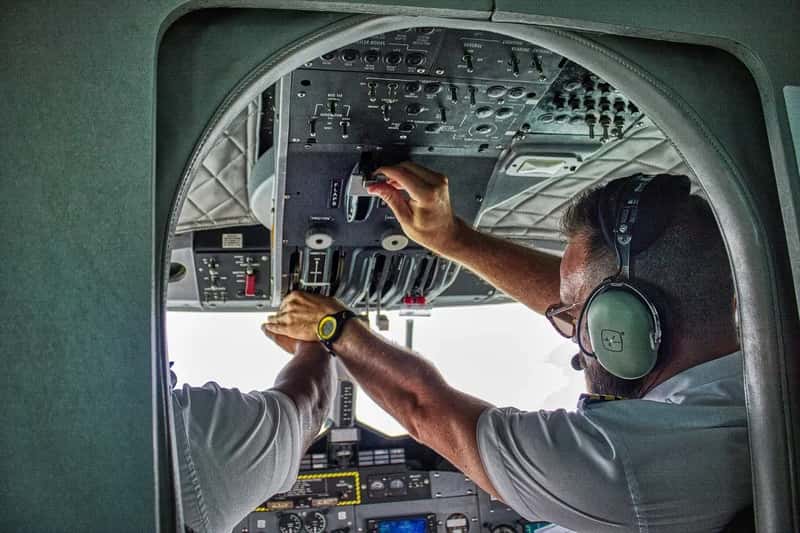
There’s a persistent anxiety among passengers that the person up front might be a little green, a little fresh out of flight school, or otherwise less qualified than pilots from some imagined golden age. The reality runs in the exact opposite direction. Today’s commercial airline pilots go through training requirements, simulator checks, and medical evaluations that pilots from previous generations never faced. Every six months, commercial pilots return to the simulator for rigorous recurrency training. That’s not optional, and it’s not a formality.
For pilots over 60 still in the cockpit, the standards are actually stricter. Though the mandatory retirement age is 65, Class 1 medical certificates – required for airline transport pilots – are valid for only six months once a pilot passes 40. Every pilot over 60 flying a commercial aircraft has passed a comprehensive medical evaluation within the last six months, with no exceptions. The cockpit door hides an extraordinary depth of expertise and a very recent medical sign-off. Whatever anxiety you carry onto the plane about who’s flying it, this is one you can set down.
#2 – Kindness to the Crew Makes a Real, Measurable Difference
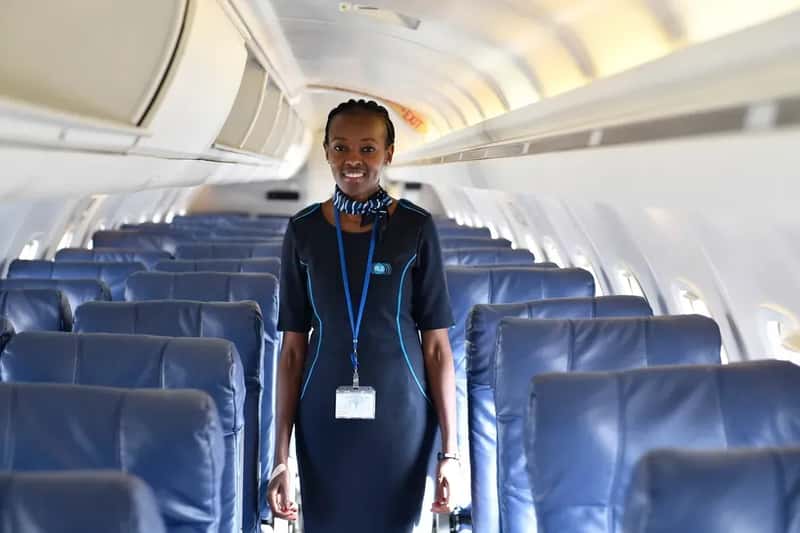
This sounds soft. It isn’t. Pilots and flight attendants absorb a level of interpersonal friction that most jobs never come close to – packed cabins, medical incidents, missed connections, weather delays, and passengers who direct all of it squarely at whoever is wearing a uniform. Flight attendants are highly trained safety professionals first and foremost: they know how to fight fires, handle cardiac events, and evacuate a plane in under 90 seconds. The service part of the job is real, but it’s secondary to that. A little recognition of that goes a long way.
For passengers over 60 who might need a little extra help – getting the overhead bin closed, understanding the entertainment system, asking for an extra pillow – the crew that feels respected is almost always the crew most willing to go out of their way. You’re sharing a pressurized metal tube with that team for hours at a time. A genuine “thank you” as you deplane costs nothing and lands differently than you might think. Pilots notice. Flight attendants remember. Human kindness at 35,000 feet turns out to be as practical as it is decent.
#1 – Your Body Is Under Real Stress the Moment You Step on Board
Most passengers think the flight is the stressful part. Pilots know the stress starts accumulating before the door even closes. By the time passengers settle into their seats, many have already walked significant distances through the terminal, stood in security lines, skipped a real meal, slept poorly the night before, and arrived dehydrated. Heart rates are elevated before the engines even spool up. And then, in roughly 15 minutes of climbing, the aircraft ascends to cruising altitude – a rapid physiological change that the body has to adapt to in real time.
A landmark Duke Health study – the largest of its kind, analyzing over 77,000 in-flight medical events across 84 airlines – found that in-flight medical emergencies occur at a rate of roughly 1 in every 212 flights among U.S. carriers, a figure higher than most passengers would guess. Neurological and cardiac events were the most common drivers of emergency aircraft diversions. Reduced cabin oxygen, prolonged immobility, dehydration, and emotional stress all compound each other in ways that matter most for passengers over 60. The answer isn’t to stop flying – it’s to arrive early, hydrate before you board, skip the heavy airport meal, move your legs during the flight, and treat air travel with the same physical intentionality you’d bring to any health-conscious activity. Pilots see the whole picture from the front of the plane. Now you do too.
Why It Stands Out: Pre-Flight Habits That Actually Help
- Arrive hydrated – cabin air is extremely dry, and most passengers board already short on fluids.
- Skip the heavy terminal meal; a lighter stomach is easier on your cardiovascular system at altitude.
- Get a full night of sleep before travel – fatigue amplifies every physiological stress of flying.
- Walk for at least 10 minutes in the terminal before boarding to prime circulation before you sit for hours.
- If you have a heart or lung condition, talk to your doctor before any flight over 4 hours – it’s a quick conversation with a real payoff.
The crew up front isn’t keeping secrets. They just don’t have time during boarding to explain cabin pressurization and DVT risk while simultaneously running pre-flight checklists. These 14 things represent what experienced pilots genuinely wish more passengers – especially those over 60 – already knew before they buckled in. Which one changed how you’ll think about your next flight?