You land after a long flight and spot a driver holding a sign with your name on it. It looks like the simplest handoff in travel: airport to hotel, done. But the moment that driver sees you, a whole string of small decisions starts running in the background, and almost none of them will ever be said out loud.
These habits aren’t in any brochure or company slogan. Drivers pick them up over thousands of pickups, and the good ones guard them carefully so you never feel handled. The first one happens before you’ve said a single word, and once you know it, you’ll notice it everywhere.
#13 – They Read Your Walk Before You Even Say Hello
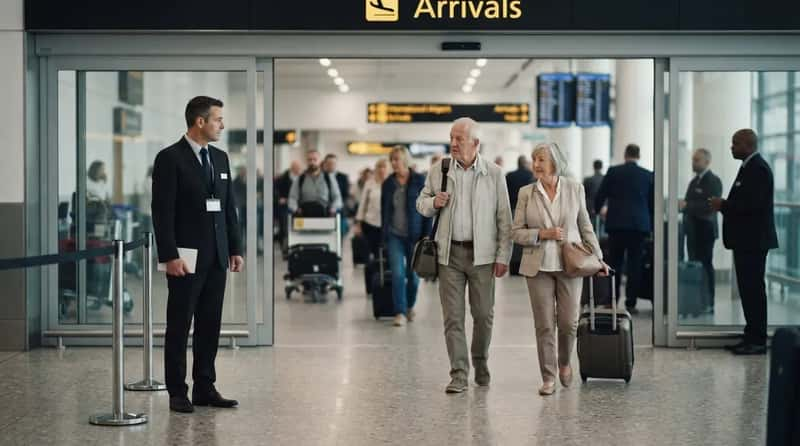
The assessment starts the second you come through the arrivals doors. Plenty of drivers glance at your pace, whether you’re gripping the cart for balance, and how you’re managing your carry-on. It isn’t about your birthday. A 70-year-old striding through arrivals gets a very different ride from a 60-year-old nursing a bad knee, because a driver is reading a person, not a passport.
What happens next is the clever part. Some shorten the walk to the car. Some reach for your luggage but never for your elbow, and others simply fall into step beside you. Nobody wants to feel fragile, so the best ones keep it invisible. And the work started well before you landed.
#12 – They Know Your Plane Is Late Before You Do
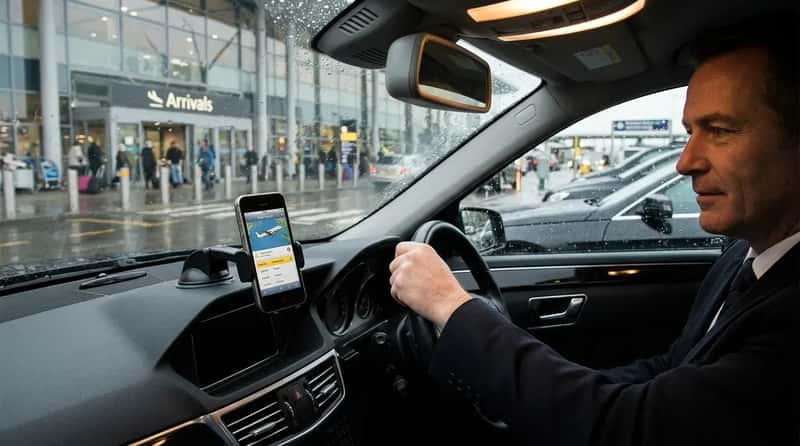
Many transfer companies monitor flight numbers in real time, so a driver often knows about a delay or an early arrival before the airline announces it to the cabin. If your plane touches down 40 minutes late, the pickup has already shifted. You never get a frantic text asking where you are.
Fast Facts
- Give the company your flight number, not just the airline and the day.
- Add a phone number that works abroad, in case a driver needs to reach you.
- Ask what the waiting window is before you book, since it varies by company.
- Note your terminal if you know it, because large airports can have several meeting points.
That matters more than it sounds. After a long trip, the last thing anyone needs is the feeling of a car idling and a clock ticking somewhere in the parking lot. A good driver builds slack into the plan, so you can find a restroom, wait for a slow bag, or just stand still for a minute. Some companies include a set waiting window, so check your confirmation for the details. The real surprise, though, is where that driver chooses to wait.
#11 – They Park Closest to You, Not Closest to Their Exit
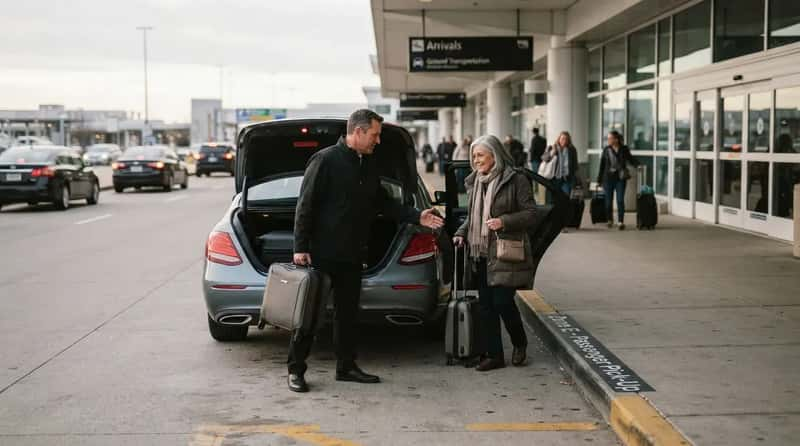
Airport pickups can mean a long, confusing hike from arrivals to the car. Seasoned drivers know which curbs and lots shorten that walk, and when they can, they pick the nearest legal spot. Sometimes that means circling the block one more time. The detour is almost always for you.
Some will text you the exact meeting spot ahead of time so you don’t wander. Not every rider loves it when a driver changes the plan without asking, and that’s a fair gripe. But most drivers would rather explain a detour than watch a tired traveller trek across a terminal with a heavy bag. The next courtesy happens before you even touch the door handle.
#10 – The Car Is Already Set Up for You Before You Step In
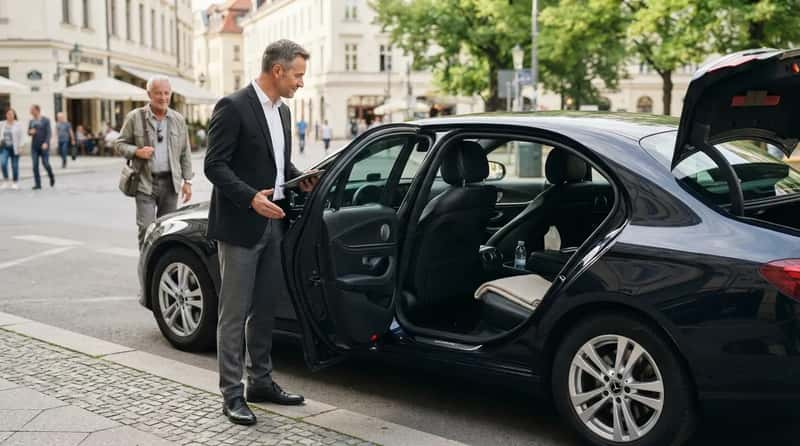
Before you reach the vehicle, a thoughtful driver has often moved the front seat back, cleared the footwell, or brought the cabin to a comfortable temperature. Getting in and out of a car is one of the trickiest moments of any transfer, especially with stiff knees or hips. So they treat it like a moment that deserves preparation.
The better ones also choose your seat without making it a topic. A higher seat or a wider door opening can make a real difference. They won’t announce “this one is easier for you.” They’ll simply gesture toward the door that works. And speaking of things that go unsaid, there’s the matter of your suitcase.
#9 – They Grab the Heavy Bag Before You Can Feel Awkward
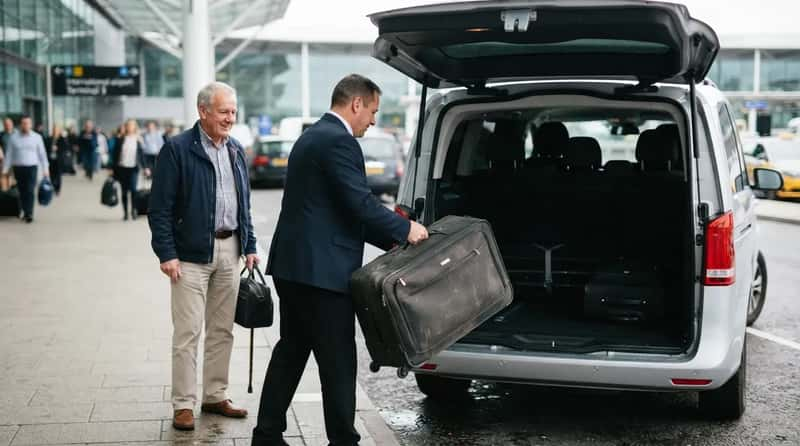
Notice how the driver reaches for your suitcase while you’re still mid-sentence. It’s rarely random. Lifting a heavy bag into a trunk is a classic way to tweak a back, and drivers see it happen. Most won’t ask “Do you need help?” because that question can sting.
Instead, they lift it as routine, and the question never comes up. If you’d rather carry your own, a quick “I’ve got this one” is almost always respected. Many drivers also load the trunk with care, so your bags don’t slide around on the first sharp turn. The next move happens while you’re sitting down.
#8 – They Pick the Smoother Road Over the Faster One
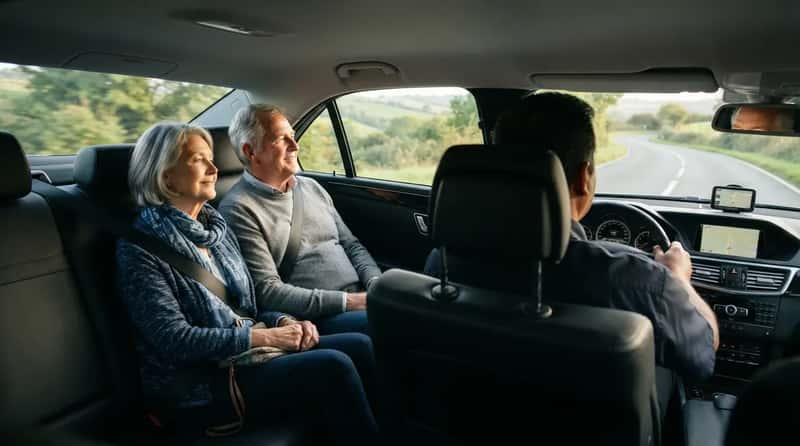
Two routes can look nearly identical on a map and feel completely different in the back seat. Local drivers know which roads have rough patches, sharp curves, or a long run of speed bumps. When time allows, many will take the gentler option. You’ll never see that on the GPS, because the app only counts minutes.
Quick Compare
- The app’s fastest route: Shortest estimated time, but it may include potholes, tight curves, and stop-and-go stretches.
- The driver’s smoother route: Often a few minutes longer, with steadier speeds and fewer jolts.
- What you feel: One gets you there sooner, the other gets you there with your back and neck in better shape.
They also tend to brake earlier and accelerate more gradually when an older passenger is on board. Nobody notices good driving, and that’s the whole point. It only gets noticed when it’s missing. But the driver’s most delicate skill has nothing to do with the road.
#7 – They Decide Whether You Want a Chat or Silence in Under a Minute
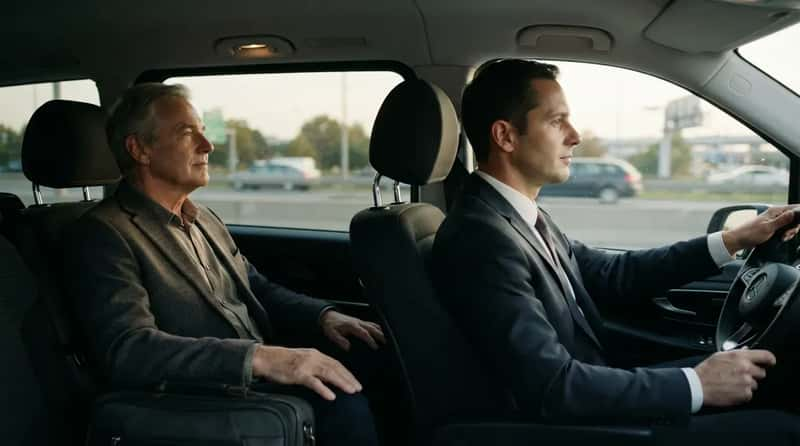
After a red-eye or a long-haul flight, plenty of travellers want quiet. Others are bursting with stories and want to talk the whole way. Good drivers test the water with a short greeting and one easy question. Then they follow your lead.
Here’s where opinions split. Some riders think a quiet driver is cold, while others find a chatty one exhausting. Many drivers would rather err toward silence than push conversation on someone who’s drained. If you do want to talk, say so, and most will gladly oblige. Meanwhile, something else is happening at the dashboard.
#6 – The Air Conditioning Changes Right After You Sit Down
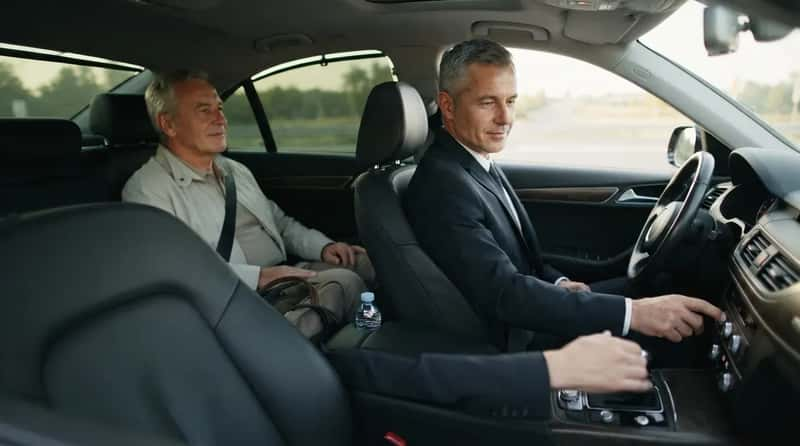
You might have noticed the temperature shift a notch moments after you got in. That’s rarely a coincidence. Drivers learn that some older passengers get chilly fast in a blasting cabin, while others overheat after a stuffy plane. So they nudge the dial and watch how you react.
Some quietly check whether your window is catching direct sun or a draft. Others keep a bottle of water within easy reach. These tiny comforts rarely get mentioned, because naming them would turn a kindness into a transaction. The stakes go up at the next stop, though.
#5 – They Don’t Drive Off Until You’re Safely Through the Door

A great transfer doesn’t end when the car stops. Plenty of drivers wait at the curb until the hotel door has closed behind you. Curbs, steps, and slick lobby floors are exactly where a good trip can go wrong. According to the CDC, more than one in four adults age 65 and older falls each year.
A driver isn’t a medical professional, and nobody is claiming they prevent falls. But steady hands on luggage and a careful drop-off point do help. It’s a small safety habit, and it’s invisible when it works. Then there’s the thing most travellers never think to ask about.
#4 – They Warn You Before the Front Desk Says Your Room Isn’t Ready

Early arrivals are a classic travel trap. You land at 9 a.m., reach the hotel by 10, and discover check-in doesn’t open until mid-afternoon. A seasoned driver has watched that scene play out many times. Many will gently mention the check-in window on the way, so you aren’t blindsided at the desk.
Worth Knowing
- Many hotels start check-in in the afternoon, often around 3 or 4 p.m., though it varies by property.
- Most front desks will store your bags if the room isn’t ready yet. It’s worth asking at the door.
- Emailing the hotel a day or two ahead to request early check-in costs nothing.
- Keep medications, documents, and glasses in your carry-on so you aren’t digging through stored luggage.
They’ll often suggest asking the hotel to hold your bags. They may also point you to a nearby café or a bench where you can rest in the meantime. Nobody asked for that advice, and it can spare you an hour of standing in a lobby with your coat still on. The next unspoken service involves a very human need.
#3 – They Make the Bathroom Question Easy to Say Yes To
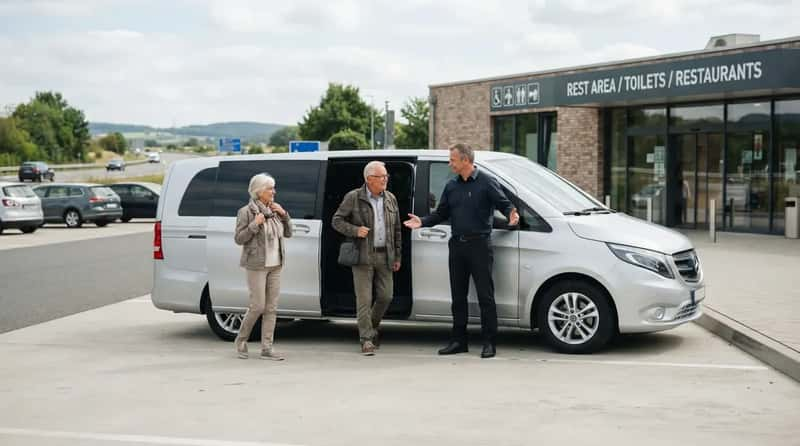
On longer transfers, bathroom needs can get awkward fast. A thoughtful driver brings it up first, in a casual way. They might mention that a rest area is coming up and ask if you’d like to pull in. That framing turns an embarrassing request into an ordinary option.
Plenty of travellers sit uncomfortably for an hour rather than ask. Drivers who’ve done this for years know it, so they make the offer easy to accept. Nobody comments afterward. The next quiet habit may be the one that matters most for your wallet.
#2 – They Keep You Away From the Strangers Offering “Cheap Rides” in Arrivals
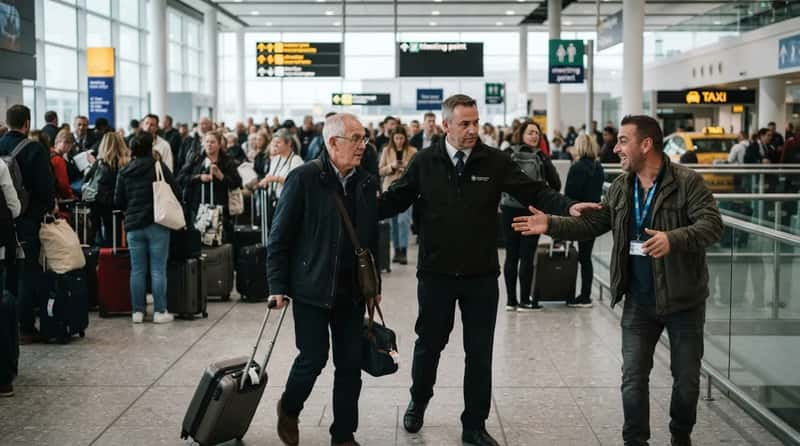
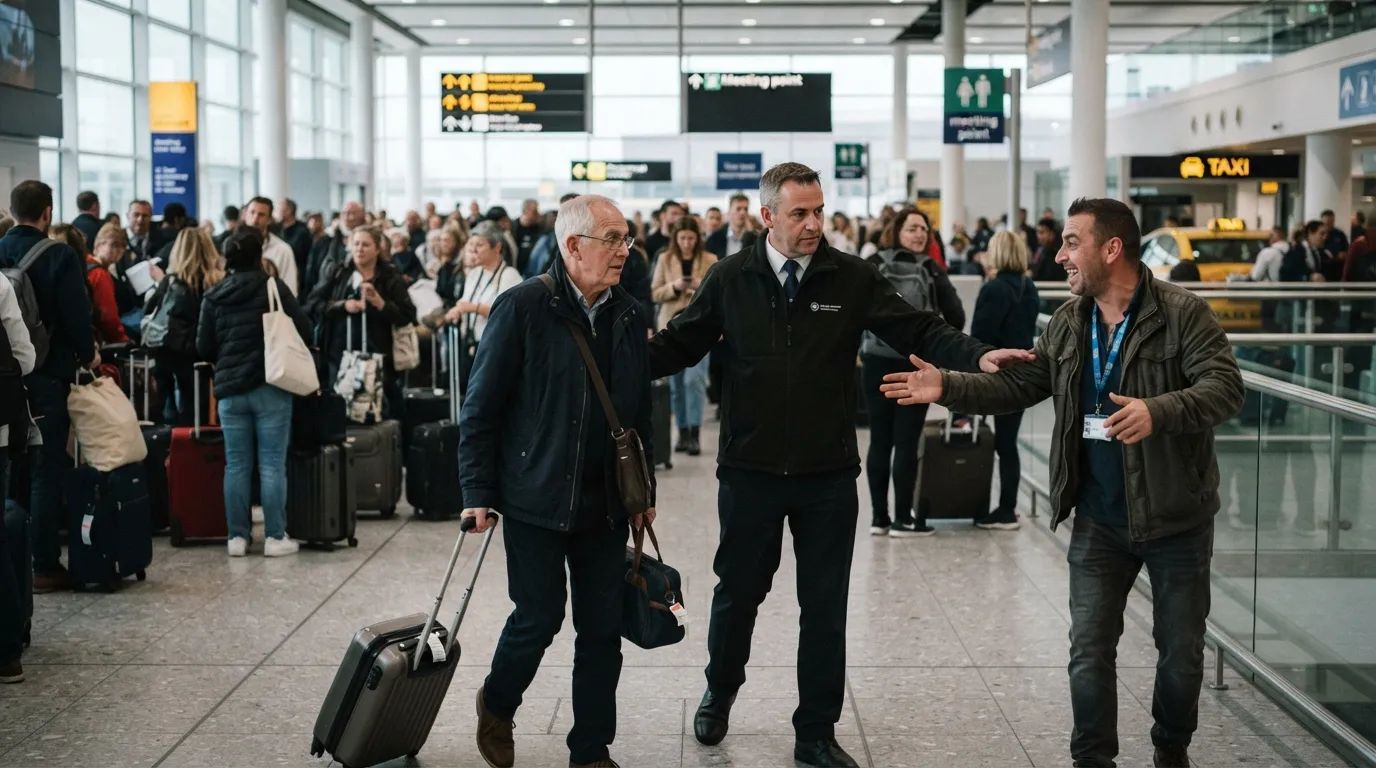
Airport arrival halls can attract unlicensed operators. Many airports and tourism authorities publicly warn travellers about people who approach strangers and offer rides at inflated prices. Pre-booked drivers often stay close to the person they’re collecting, partly so nobody else steps in first. They rarely explain why.
At a Glance
- Pre-booked: Your name on a sign, a confirmation on your phone, and a price agreed in advance.
- Approached in the hall: No paperwork, no set fare, and no one accountable if something goes wrong.
- Safer fallback: Official taxi ranks or the airport’s own ground-transport desk.
Honest drivers will also confirm the fare and your destination upfront, so there are no surprises later. Some argue that pre-booking is a waste when rideshare apps exist, and for some trips that’s true. But a confirmed name, a fixed price, and a person waiting for you take a lot of stress out of the first ten minutes in a new country. The last item is the one drivers talk about least.
#1 – They Let Your Pace Run the Whole Day

This is the quiet habit underneath all the others. A good driver stops treating the schedule as the boss and lets your pace set the rhythm. They don’t sigh at a slow walk or check their watch while you hunt for your reading glasses. They simply wait, and they never make you feel like a burden.
Nobody wrote that into the job description. It’s a learned kindness, and it’s rarely thanked because it’s rarely noticed. The best drivers seem to treat every passenger the way they’d want their own parents treated on a trip like this. That may be why a short ride can feel so different when someone does it well.
Next time you step out of a car and realize you never once felt rushed, that wasn’t luck. A warm thank-you, or a decent tip where it’s customary, goes a long way toward saying you noticed.