Most people walk into airport security convinced the whole game is about what’s in their bag. Empty your pockets, pull out the laptop, hope your shampoo doesn’t get confiscated. Done. Except TSA agents aren’t just scanning your carry-on – they’re scanning you. Your body language, your words, your clothing, the way you’re standing, even what you’re wearing for a flight to Florida in July. It’s called behavior detection, and it starts the moment you join the line.
The list of things they’re trained to catch is longer – and stranger – than most travelers ever realize. Some of it is obvious in hindsight. Some of it will genuinely stop you mid-scroll. Here’s what’s actually on their radar, counting down to the one that matters most.
#14 – Your Level of Visible Nervousness
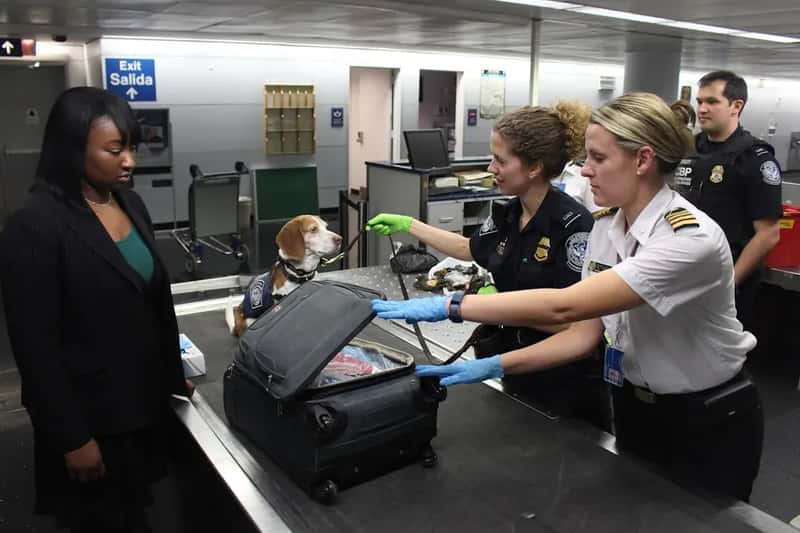
Nervous flyers are everywhere, and TSA agents know that better than anyone. But there’s a gap between standard pre-flight anxiety and the kind of restless agitation that puts a trained officer on alert. Nervousness alone won’t get you pulled aside – agents see jittery passengers all day long. What it does is open a door: once you register as anxious, they start paying closer attention to everything else you do.
TSA screeners are specifically trained to spot behaviors that feel inconsistent with the average tired, routine traveler. The moment you stand out from that baseline – scanning the room repeatedly, unable to hold still, avoiding eye contact for reasons that feel deliberate – you’ve quietly become more interesting to the person behind the checkpoint. Staying outwardly calm, even when the line is moving at the speed of cold syrup, is genuinely your best move.
#13 – Your Body’s Involuntary Stress Signals
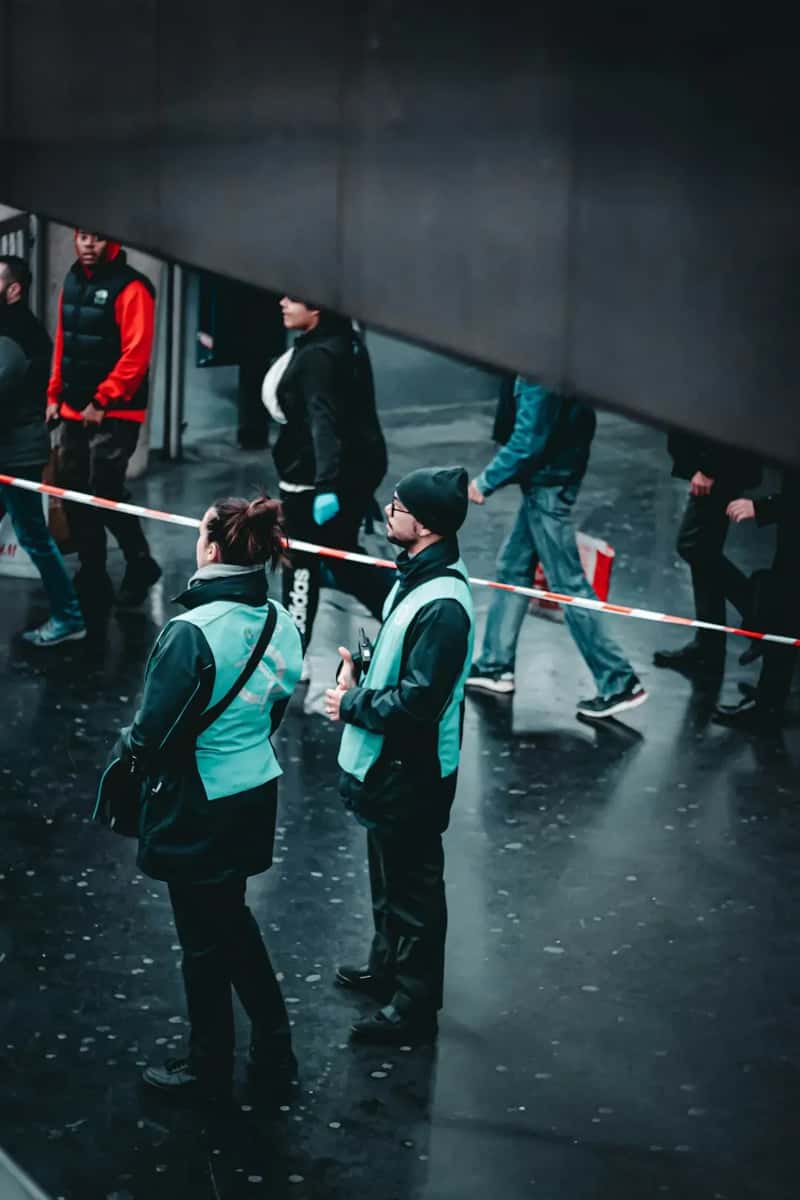
Here’s something most passengers never find out: TSA’s Behavior Detection and Analysis program trains officers to catch physical signals your body sends without your permission. Rapid blinking, gulping, skin flushing, throat clearing, leg shaking – all of it is on the behavioral checklist. The program is built around 94 criteria, every one of them a potential marker of stress, fear, or deception according to research on microexpressions.
Here’s the one that surprises people most: yawning is an actual flag. Not because it signals fatigue, but because researchers have found that nervous people yawn more as a displacement behavior – a way the body tries to regulate itself under stress. The science behind the program has faced serious criticism over the years, but the program is still actively used at major airports. Your face is talking whether you want it to or not.
Fast Facts
- TSA’s behavior detection program – originally called SPOT, renamed Behavior Detection and Analysis (BDA) in 2016 – uses a point-based scoring system built around 94 behavioral criteria.
- Officers compare what they see to an established behavioral baseline, not just a single suspicious action.
- The program has been actively deployed at major U.S. airports since 2007 and has spent over $900 million in its first six years of national rollout.
- Critics including the GAO have questioned whether behavioral indicators reliably identify security threats – 21 of 25 BDOs interviewed in one GAO study said some indicators are subjective.
- Despite controversies, TSA continues to train both dedicated Behavior Detection Officers and standard Transportation Security Officers in the program.
#12 – Whether You’re Being Overly Talkative

You might think striking up a friendly chat with the agent checking your ID is just being polite. TSA sees it differently. Agents process enormous volumes of passengers every single day – they’re not looking for conversation. When someone is unusually eager to chat, it registers less as friendliness and more as a distraction attempt, because that’s a known tactic and they’ve seen it before.
There’s a documented pattern of people using excessive friendliness to redirect an officer’s attention away from what’s actually in the bag or on the boarding pass. Agents are trained to recognize that pattern specifically. Be polite, be cooperative, answer questions directly – but performing likability in a security line is one of the counterintuitive things that actually makes you more noticeable, not less.
#11 – What You’re Saying, Especially About Weapons
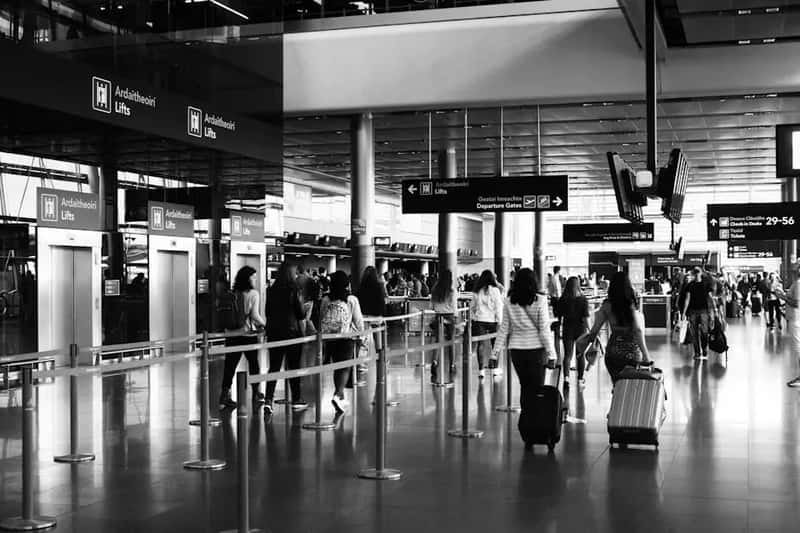
Words carry real weight in a security line, and jokes about bombs or guns are not the tension-breakers people seem to think they are. Even casually asking an agent which weapons are allowed on a plane – not as a threat, just as a curious question – can get you pulled aside for questioning. Actually joking about explosives while in line can get you arrested. This is not a bluff. It happens regularly and it ends badly every time.
There is no context in which “I’ve got a bomb in here, ha ha” resolves without a significant delay, a law enforcement escort, and a missed flight at minimum. TSA takes verbal threats – even sarcastic ones, even obvious ones – completely literally by policy. The humor that kills in the office does not survive contact with a federal checkpoint. Keep it to yourself until you’re at the gate.
#10 – Your Clothing Choices
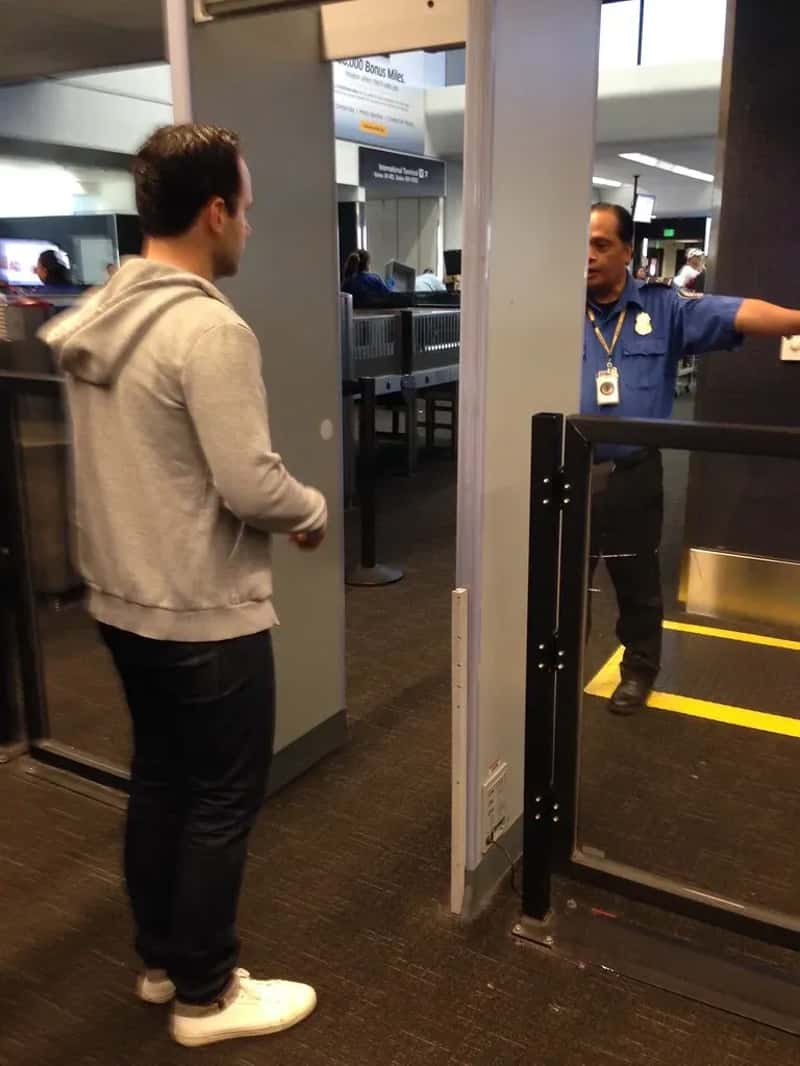
What you wear to the airport isn’t just a comfort call – it’s a data point that agents read before you ever reach the scanner. Bulky or oversized clothing is harder for screening equipment to see through clearly, and agents visually assess passengers for potential concealment before bags even hit the belt. Large belt buckles, chunky metal jewelry, and heavy layering all register as variables worth noting.
Wearing a heavy winter jacket on a flight out of Miami in July is exactly the kind of thing that makes an agent look twice. With checked baggage fees climbing, more travelers are wearing their bulkiest items onto the plane instead of packing them – a completely understandable move that still attracts additional scrutiny. Just know going in that dressing for concealment, even accidentally, changes how you’re read at the checkpoint.
#9 – Signs of Intoxication

TSA agents aren’t just screening for threats – they’re also watching for passengers who shouldn’t be flying at all. If an officer senses you’re intoxicated, you can be flagged as a person of interest or stopped from proceeding entirely. “Oh, I’ve totally had to tell people they were too drunk to fly,” one agent shared. It happens more often than the airline industry tends to advertise, especially on early morning departures and holiday weekends.
And the security line is not your last checkpoint even if you somehow get through it. “The thing is, even if I let you through, the gate agent probably won’t let you board.” Being drunk enough to visibly slur, stumble, or smell of alcohol means you are likely getting stopped before you reach your seat – TSA flags it in real time, and they don’t need a breathalyzer to make that call with confidence.
#8 – Large Amounts of Cash or Foreign Currency
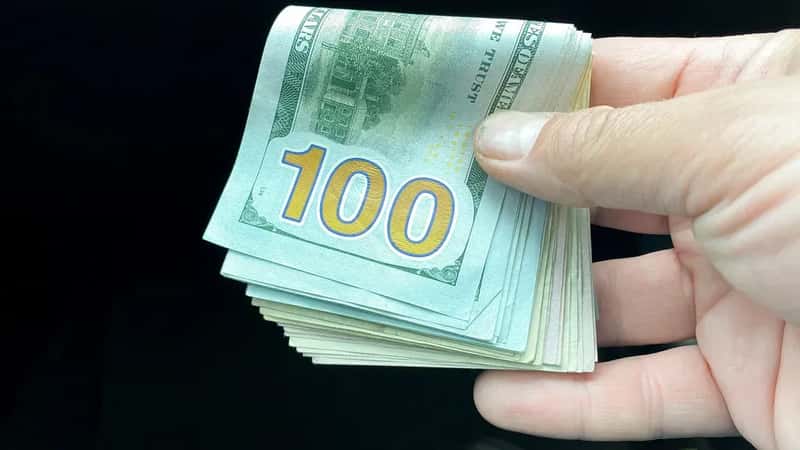
Carrying cash is completely legal. Carrying a lot of it raises eyebrows. Experienced travelers who carry multiple foreign currencies and a thick stack of bills have reported being asked at security checkpoints to explain what they’re doing with it – the more exotic the currency mix, the more questions tend to follow. It reads as unusual against the baseline of a normal passenger’s wallet.
Large amounts of cash can also interact badly with the X-ray scanner, since dense stacks of bills can partially obscure what’s around them in a bag – the same reason dense electronics, thick books, and certain powders get flagged. There is no law against flying with cash, but carrying tens of thousands of dollars without a ready explanation is the kind of thing that turns a routine screening into a lengthy conversation you were not planning to have.
#7 – Aggressive or Rude Behavior Toward Agents
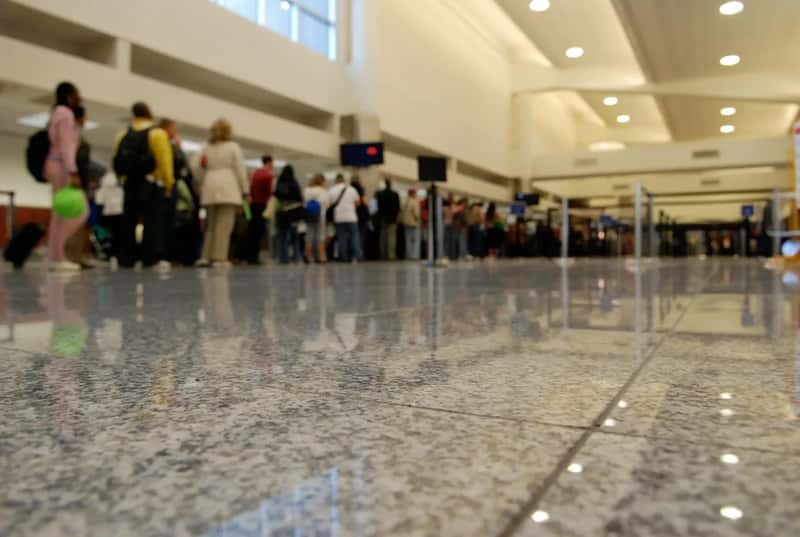
Frustration in a security line is basically universal. Acting on it is a mistake with consequences most people don’t see coming. Long lines, random screenings, the water bottle you forgot about – any of it can push someone from impatient to genuinely rude. But taking that frustration out on a TSA employee doesn’t just make you memorable in the worst way. It carries real financial penalties and, in serious cases, criminal charges.
As of 2026, interference with screening procedures (non-physical) carries a civil fine ranging from $2,570 to $12,900. If an agent is physically injured, that floor jumps to $12,900 and can exceed $17,000. Aggressive passengers stand out to every officer in the area simultaneously – and being rude doesn’t just make you a problem to manage, it makes you a candidate for every additional screening tool available in that building.
Worth Knowing
- TSA can impose civil penalties of up to $17,062 per violation per person for serious infractions.
- Interference with screening is a separate civil matter from any criminal charges, meaning you could face both simultaneously.
- Committing certain violations – including threats, assault, or interference – can also get your TSA PreCheck privileges revoked.
- A civil penalty notice gives you 30 days to respond; ignoring it does not make it go away.
#6 – Your Boarding Pass Details
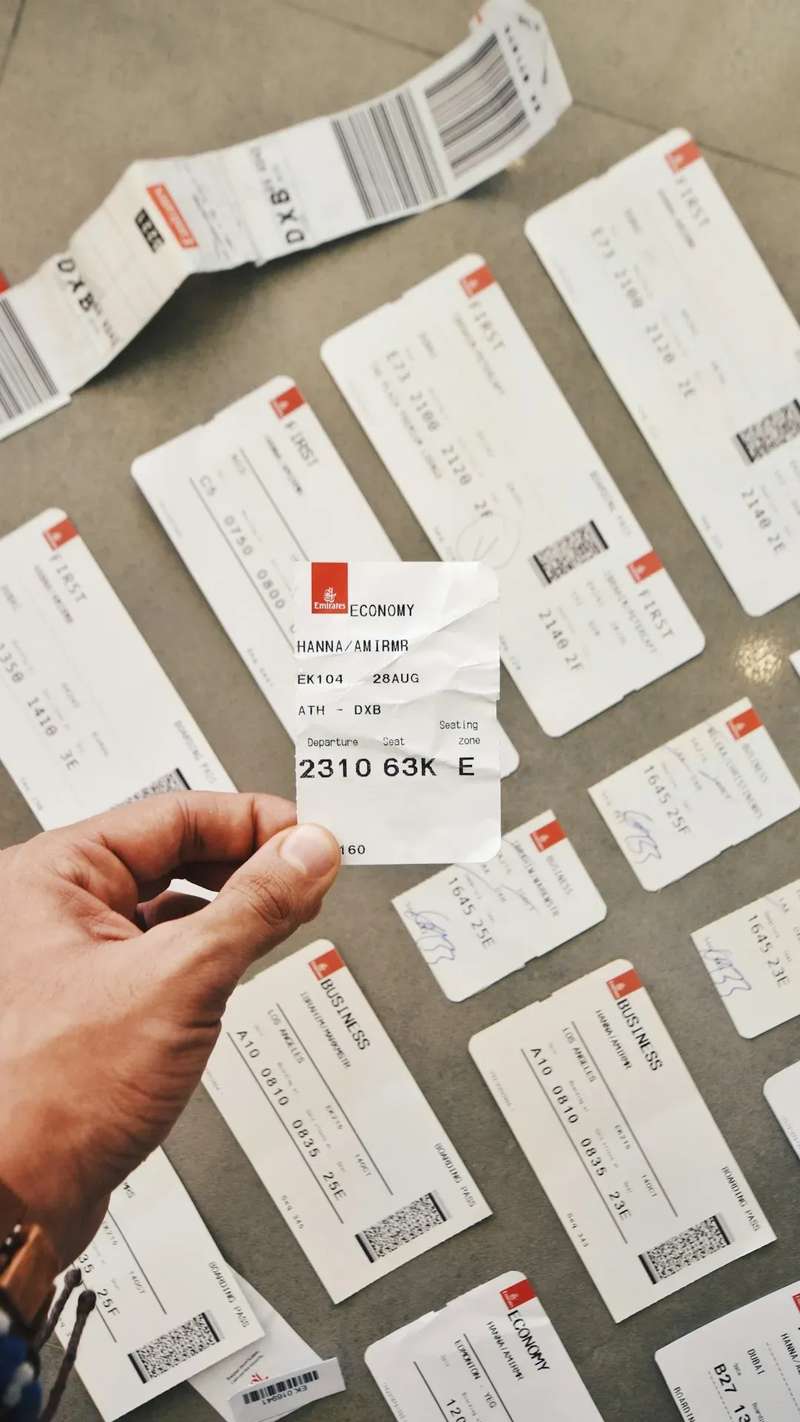
Before you ever reach the scanner, an agent is reading your boarding pass – and not just to confirm your name. If the letters “SSSS” appear anywhere on your ticket, you’re already flagged for enhanced screening before you’ve said a word. Those four S’s stand for Secondary Security Screening Selection, and most passengers don’t know what it means until they’re already being separated from the regular line.
The SSSS designation is essentially a pre-loaded instruction telling agents to treat your entire security experience differently from the start. Expect both a body scanner and a metal detector, an enhanced pat-down, explosive residue swabs on your hands and belongings, and a manual search of your bags. Sometimes it’s random. Sometimes it’s because of something specific – like how or when you bought your ticket.
#5 – Whether You Bought a One-Way Ticket or Paid in Cash
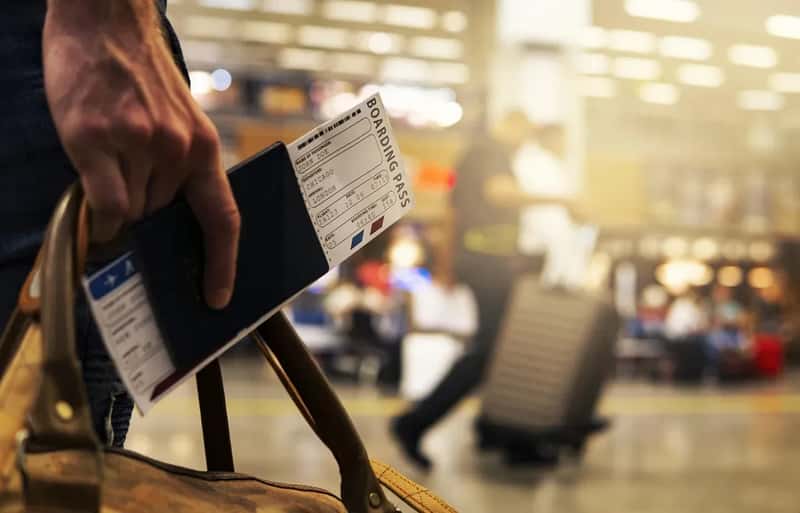
This one surprises people constantly because it happens before you ever leave the house. Your payment method and ticket type are already logged in the system – and they shape how agents read your boarding pass the moment they see it. A one-way ticket alone isn’t damning, but it may be interpreted as a potential flag, particularly on international routes. Combined with other variables, it can be exactly what triggers that SSSS stamp.
Paying cash for a flight isn’t illegal either, but credit card purchases are trackable in ways that cash simply isn’t, and that distinction matters to security systems designed to verify identity and intent. Buying a last-minute, one-way international ticket in cash is practically a checklist of the exact behaviors that trigger the most intensive screening TSA offers – even when every single reason behind it is completely innocent.
At a Glance: What Can Trigger an SSSS Flag
- One-way international ticket – especially to or from high-risk destinations
- Last-minute booking – purchased close to departure time
- Cash payment – untraceable compared to card purchases
- Unusual itinerary – multiple country hops in a short window
- Name match on a watchlist – even an accidental match can trigger the flag
- Random selection – no specific reason required; it happens to any traveler
#4 – How You Handle the Liquid Rules

Everyone knows the 3-1-1 liquids rule. Agents flag violations every single day anyway. The rule – in effect since 2006 – limits carry-on liquids, aerosols, and gels to containers of 3.4 ounces (100 ml) or less, all fitting in one quart-sized clear bag per person. Attempting to sneak an oversized sunscreen or a full-size shampoo through is exactly the kind of detail a trained officer catches in seconds, and it’s not just an inconvenience – it’s a small behavioral flag that can prompt a closer look at everything else in your bag.
What most travelers don’t know is that some everyday cosmetic products can actually trigger explosive detection equipment. Ingredients like glycerin – found in countless lotions, face washes, and hand creams – can resemble chemical compounds that screening machines are calibrated to catch. Your moisturizer can and genuinely does cause agents to flag your bag for a manual search. Packing smart isn’t just about getting through faster. It’s about not becoming the checkpoint conversation nobody wanted.
#3 – Your Posture, Eye Contact, and Facial Expressions
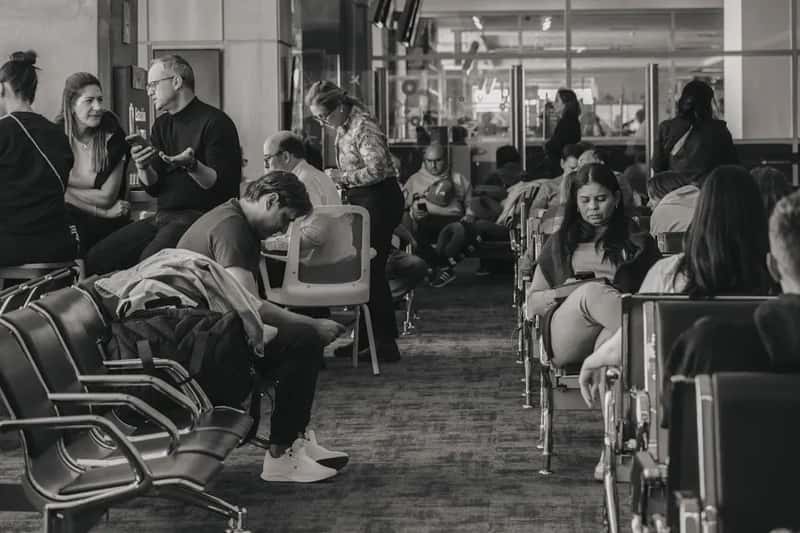
TSA’s behavior detection training goes much deeper into body language than most travelers ever realize. The behavioral checklist ranges from the obvious – “appears to be in disguise” scores three points – to the genuinely unexpected, like a bobbing Adam’s apple or unusually rigid posture. It’s a point-based scoring system applied to real people in real time, which means your face and body are being evaluated even when no one appears to be looking directly at you.
That casual “Where are you headed today?” from an agent isn’t always small talk – it’s frequently a behavioral probe. Behavior detection officers are specifically trained to initiate conversation while watching for facial expressions, micro-reactions, and body language cues that don’t match the verbal answer being given. How your face responds in the half-second before you answer is, in many cases, the actual test.
The body never lies.
Joe Navarro, former FBI agent and body language expert
#2 – Suspicious Items in Your Carry-On Bag
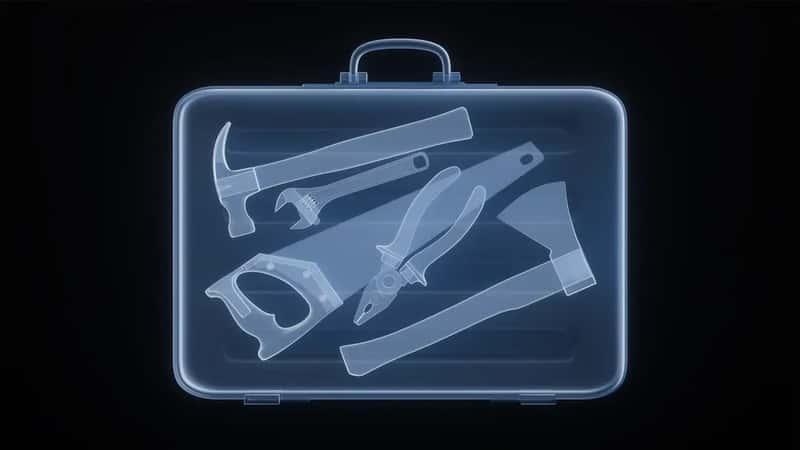
The X-ray machine does the technical work, but agents are reading your bag from the moment it lands on the belt. Unusually heavy suitcases, unconventionally shaped containers, and items that simply don’t belong in typical travel luggage all register as flags worth investigating. Dense items – thick stacks of books, tightly packed food, large metal objects – can create blind spots in the scanner image, which is exactly the kind of obstruction that prompts a manual secondary search.
Multiple prepaid cell phones in a single bag is one of the items specifically named on TSA’s formal behavioral checklist. So is carrying an unusual number of calling cards. Even an innocent haul from an international food market, packed tightly in an overstuffed bag, can produce a scanner image murky enough to justify pulling it off the belt entirely. It’s not about suspicion – it’s about what the machine can’t see clearly, and agents are trained to treat unclear images as invitations to look closer.
Quick Compare: Bag Items That Slow You Down vs. Items That Sail Through
- Dense stacks of cash or books – can obscure surrounding items on X-ray → often flagged
- Multiple prepaid phones – named on TSA’s behavioral checklist → almost always flagged
- Large loose powders – may require separate screening → frequently flagged
- Tightly packed food from international markets – murky scanner image → commonly pulled for inspection
- Electronics packed flat, in layers – clear X-ray image → rarely flagged
- Neatly organized, lightly packed bag – easy for agents to read at a glance → fastest through
#1 – Your Behavior Pattern as a Whole, Not Any Single Thing

Here’s the one that matters most – and the one most people completely misunderstand. TSA agents aren’t waiting for a single smoking-gun signal. They’re building a real-time picture of you from the moment you enter their field of view. No single behavior alone will cause a traveler to be referred to additional screening, according to the agency itself. It’s the accumulation of signals – stacked on top of each other – that changes your status from invisible to interesting.
The most consequential thing you can do at a checkpoint is accidentally combine several minor flags at once: arrive flustered, wear a bulky jacket, avoid eye contact, carry a thick roll of cash, and chat too eagerly with the agent checking your ID. Each thing alone means almost nothing. Together, they form a pattern – and patterns are exactly what behavior detection officers are trained and paid to catch. Most people sail through without a second glance because most people don’t accidentally stack four flags in the same sixty seconds. Now you know precisely which ones to avoid.
The next time you’re standing in that line, remember: the bag scan is almost secondary. The agent watching you walk toward the checkpoint started forming an impression the second you came into view. Walk in calm, pack smart, skip the jokes, and you’re already ahead of most of the people around you.