Most people assume retirement just means traveling more. What nobody warns you about is that you end up traveling completely differently – almost unrecognizably so. That first big post-retirement trip has a way of quietly dismantling every assumption you had about how travel is supposed to work, and replacing it with something better. The change isn’t subtle. It’s the kind of shift that makes former colleagues jealous and younger family members quietly take notes.
Some of what changes is practical. Some of it is surprisingly emotional. And a few of these habits are the kind of thing retirees wish they’d figured out decades earlier. Not all of them are obvious – and at least two of them will genuinely catch you off guard.
#1 – They Stop Traveling in Peak Season for Good

That first big trip teaches most retirees a hard, sweaty, expensive lesson: July in Paris or August in Rome is a crowd-choked, overpriced mess. After standing in a two-hour line for a museum they could’ve walked right into in October, the lesson sticks permanently. Now that the calendar is wide open, planning trips during shoulder season – think April in Europe or October along the Mediterranean – means skipping the wall of summer tourists entirely and paying noticeably less for flights and rooms.
This is one of the biggest advantages retirement quietly hands a traveler, and most don’t fully grasp it until that first trip. Once you’ve stood in a famous square with almost nobody else around, or gotten a last-minute table at a restaurant that would’ve had a three-hour wait in August, there’s simply no going back to fighting the crowds. Peak season starts to feel like something other people do.
Fast Facts
- Airfare to Europe during shoulder season (roughly mid-October to mid-December) runs about 40% lower than peak summer prices, according to Hopper data.
- In Europe, the sweet spots are late April–early June and September–late October – fewer crowds, comfortable temps, and lower hotel rates.
- Three-quarters of luxury travel advisers surveyed by Virtuoso reported that clients are choosing off-season travel more frequently – primarily to avoid crowds.
- Off-season Europe programs average about $1,037 less per person than comparable summer programs, per Road Scholar data.
#2 – They Discover Slow Travel and Never Rush an Itinerary Again

Before retirement, a two-week vacation meant sprinting through five cities because there was never enough time. After one long, unhurried trip, something cracks open. Retirees discover what the working world never allowed: the quiet joy of actually staying somewhere. Instead of cramming multiple countries into a frantic loop, slow travel means renting an apartment in Tuscany for a month, or spending three weeks in a single region of France and learning the names of the people at the corner bakery.
It’s not about seeing less – it’s about finally experiencing what “being somewhere” actually feels like. Shopping at neighborhood markets, befriending café owners, stumbling onto hidden places that only reveal themselves to people who aren’t rushing – these are the moments that end up in the stories retirees tell for years. That first unhurried trip makes the sprint-style vacation feel hollow by comparison, and most never go back to it.
#3 – They Buy Travel Insurance Every Single Time Now

Before the first big trip, travel insurance felt optional – maybe even a little paranoid. One scare abroad changes that permanently. Medicare provides no coverage abroad in the vast majority of situations – medical providers overseas are not part of any U.S. healthcare network and often require payment upfront, sometimes in cash. A single medical emergency without coverage can push costs well past $10,000. After learning that the hard way – or hearing about someone who did – retirees stop debating it entirely.
Beyond medical costs, travel insurance covers trip cancellations, lost luggage, missed connections, and emergency evacuations. These aren’t just conveniences – they’re critical when you’re older, managing health conditions, or simply too far from home to wing it. After that first trip, travel insurance gets added to the budget the same day the flights are booked. Every time, without exception.
Worth Knowing
- Medicare does not cover healthcare abroad in most situations – expect to pay 100% of international medical bills out of pocket.
- Some Medigap plans (C, D, F, G, M, N) offer emergency travel coverage abroad, but it’s typically capped at a $50,000 lifetime maximum and covers only 80% of costs.
- Travel insurance experts recommend seniors carry at least $100,000 in emergency medical and $250,000 in medical evacuation coverage for international trips.
- Annual multi-trip policies are often cost-effective for retirees taking three or more international trips per year.
#4 – They Finally Learn to Pack Light (and Mean It)

Nothing cements the pack-light habit like dragging an overstuffed suitcase up cobblestone streets in a foreign city at midnight. That first big trip is almost always the last time a retiree makes that particular mistake. Checked bag fees on many airlines now run $40 to $60 each way, and that’s before you account for the shoulder strain, the baggage carousel wait, and the sheer indignity of wrestling a giant bag onto a packed train.
Seasoned retirees invest in one good pair of walking shoes, a compact daypack, and quick-dry clothing – and they commit to carry-on only. The reward isn’t just financial. Traveling light means moving faster, stressing less, and arriving at each new place ready to explore instead of recovering from the logistics of getting there. That overpacked first trip becomes the before photo they reference for the rest of their traveling lives.
#5 – They Build a Real Travel Credit Card Strategy

Working people rarely bother optimizing travel rewards – there just aren’t enough trips to make the math matter. That first big retirement trip, with its flights, hotels, and three weeks of dining charges, makes the math suddenly very obvious. The right travel card doesn’t just earn points; it eliminates foreign transaction fees that can quietly add around 3% to every single purchase made outside the U.S. Across a month-long international trip, that adds up fast.
The best travel credit cards in 2026 offer signup bonuses worth hundreds of dollars in travel, airport lounge access, and no foreign transaction fees – perks that make much more sense once travel becomes a regular lifestyle category rather than an occasional event. After that first trip, most retirees come home and immediately apply for a better card before the next adventure is even booked. It’s one of the few financial moves that genuinely pays for itself.
#6 – They Stop Over-Scheduling Every Day
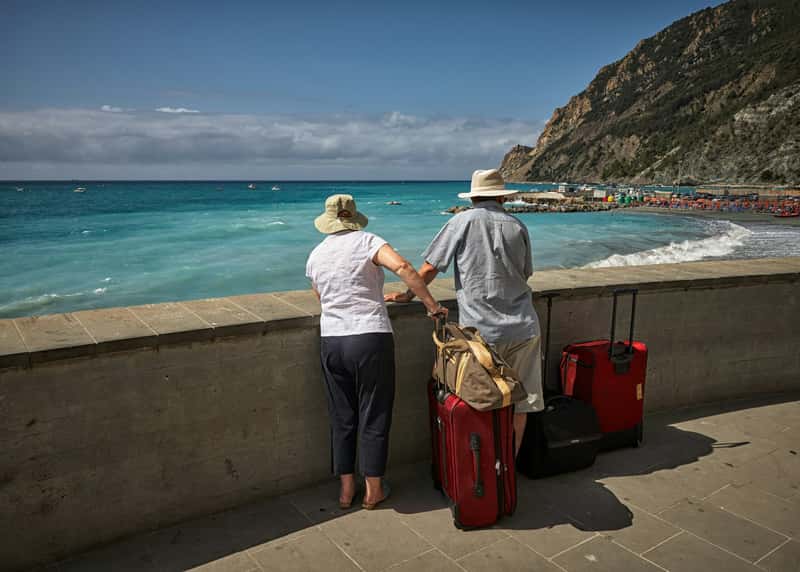
The old vacation approach meant a color-coded spreadsheet of timed entries and back-to-back reservations, because when you only get two weeks a year, every hour has to count. Retirement dismantles that habit fast. With an open calendar and no flight home looming on Friday, retirees discover that the best travel days are often the ones with nothing on them – no must-sees, no timed tickets, just a direction and a willingness to wander.
On those unscheduled days, something almost always happens that wouldn’t have appeared on any itinerary – a conversation with a local that turns into a two-hour coffee, a side street that leads to the best meal of the trip, a small festival nobody mentioned in any guidebook. After tasting that on the first big trip, retirees guard their unplanned hours fiercely. The empty slots on the schedule stop feeling like wasted time and start feeling like the whole point.
#7 – They Start Actively Hunting Senior Discounts

During the working years, most people are too rushed – or too proud – to ask about senior discounts. That changes fast after the first big trip, once retirees realize just how much money they’ve been leaving on the table for years. Many airlines, hotels, tour operators, and attractions offer discounts for travelers 55 and older, and they’re not always advertised. You have to ask. Major hotel chains like Marriott and Choice Hotels frequently offer discounts of up to 15% for seniors, and national parks and museums often have reduced rates as well.
The America the Beautiful Senior Pass is one of the best travel deals most people don’t know about until someone tells them. U.S. citizens and permanent residents ages 62 and older can get a lifetime pass for a one-time fee of $80 – or an annual version for just $20 – covering entrance and day-use fees at more than 2,000 federal recreation sites, including all national parks. A retiree who came home from that first big trip having missed all of this will not make the same mistake twice. The discount conversation becomes part of every booking from that point on.
At a Glance: Senior Pass Options
- Senior Lifetime Pass – $80, valid for life, for U.S. citizens/residents age 62+
- Senior Annual Pass – $20/year, same eligibility
- Both cover entrance and standard day-use fees at 2,000+ federal recreation sites
- Also provides a 50% discount on many amenity fees like camping and boat launch
- Digital version available immediately on Recreation.gov – no waiting for a physical card
#8 – They Build Buffer Days Into Every Future Trip

The first big retirement trip almost always reveals an uncomfortable truth: you can’t actually enjoy a place if you’re already mentally packing to leave it. Whether it’s a perfect coastal afternoon that deserved another day, or a museum that needed twice as long, clock-watching ruins the experience. So retirees start building “buffer days” into every future itinerary – days with absolutely nothing scheduled, parked between the main events like shock absorbers.
Buffer days are where the best memories tend to happen. The unexpected detour, the restaurant with no English menu that turned out to be the meal of the trip, the afternoon that didn’t exist on any itinerary but became the one everyone still talks about. The freedom to add an extra day somewhere beautiful, just because it’s beautiful, is one of retirement’s most underappreciated gifts – and it takes exactly one first trip to understand why that freedom should never be squandered on a packed schedule.
#9 – They Become Meticulous Pre-Trip Researchers
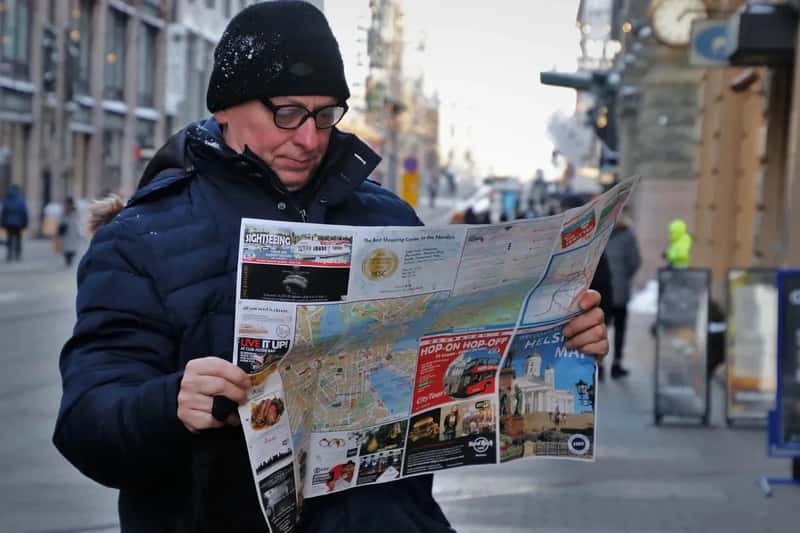
Retirees who come home from their first big trip with a few “I wish I’d known that” moments tend to become impressively thorough planners for every trip after. Roughly 75% of retirees prefer to make their own travel arrangements, booking directly with airlines and hotels rather than using a travel agent – and many treat the research phase as genuinely enjoyable, not just a necessary chore. They learn to use tools like Skyscanner or Hopper, set price-drop alerts, and recognize a good deal when one surfaces.
The habit isn’t really about frugality – it’s about control and confidence. Knowing the neighborhood before you arrive, understanding what’s worth skipping, having a backup plan if the weather turns – all of this comes from the kind of deep-dive research that retirees suddenly have time to do properly. For many, the planning window between trips quietly becomes its own form of travel, a way of mentally living somewhere months before their feet ever touch the ground there.
#10 – They Chase Experiences That Actually Teach Them Something

After that first big trip, a lot of retirees come home realizing the highlight wasn’t the landmark – it was the cooking class, the guided neighborhood walk, or the long afternoon talking with a local shopkeeper. The checklist tourism of the working years gives way to something richer. Seeing a famous building is fine. Understanding why the city around it works the way it does is better. Travel becomes a genuinely ongoing education, and retirees start choosing destinations and activities with that in mind.
Travel is fatal to prejudice, bigotry, and narrow-mindedness, and many of our people need it sorely on these accounts.
Mark Twain
Travel companies are increasingly seeing what they call “victory lap” travelers – retirees who visited places on a shoestring budget or a backpacking trip decades ago, and are now returning at a slower pace, with more comfort, and a completely different lens. The first big trip reveals that seeing and experiencing are not the same thing. Every subsequent trip becomes a deliberate pursuit of the deeper version of both.
#11 – They Start Organizing Group Trips for Friends and Family
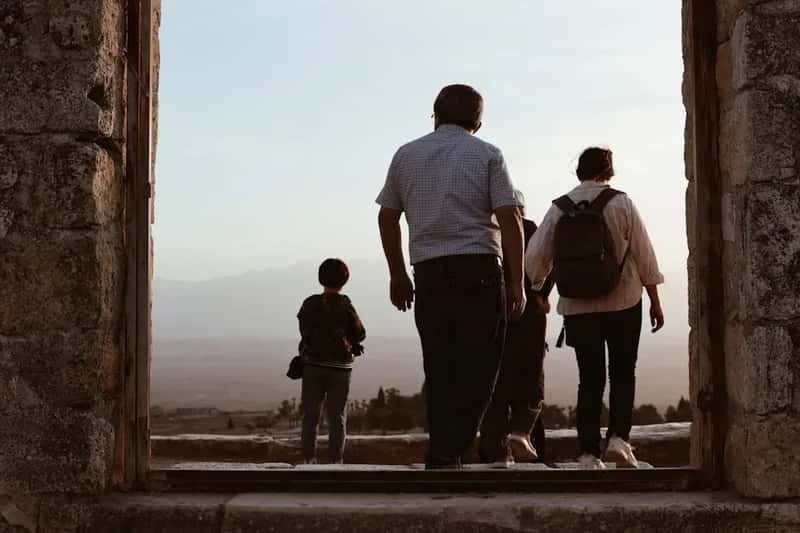
Something interesting happens after a first successful big trip: retirees want to share it. Not just the photos – the actual experience. They start organizing trips for siblings, old friends, adult children, or grandchildren, and many discover they genuinely love the logistics of pulling it together. The travel knowledge they’ve built becomes a gift they can hand to people they love, and the act of organizing those trips becomes one of retirement’s unexpected satisfactions.
The memories that come out of these trips tend to run deep. Taking a grandchild to the local museum is one thing; experiencing Yellowstone together for the first time, or navigating a foreign city as a family, is something else entirely. That first big solo or couple’s trip quietly plants the seed for years of multi-generational adventures. Many retirees say those group trips – the ones they planned and led – end up being the most meaningful travel of their lives.
#12 – They Quietly Drop the Destinations Everyone Else Is Rushing To

The first big trip almost inevitably includes at least one overcrowded, overhyped moment – waiting in line for something that didn’t live up to the advance billing, or walking into a “must-see” spot and immediately wishing you were somewhere quieter. That experience recalibrates a retiree’s destination radar in a lasting way. The world’s most obvious tourist magnets start to look less like opportunities and more like traps.
The alternative isn’t obscurity for its own sake – it’s smarter choices. Instead of Barcelona in July, there’s Girona or Tarragona: medieval, beautiful, and a fraction of the crowd. Instead of the most-photographed overlook in the national park, there’s the trailhead two miles further that most visitors never reach. Retirees who’ve made that switch rarely look back – and they end up with far better stories at dinner parties than the people who waited three hours to see the Mona Lisa through a sea of phone screens.
Quick Compare: Overrated vs. Underrated
- Skip: Venice in August | Try: Bologna or Trieste – half the tourists, all the food
- Skip: Santorini peak season | Try: Naxos or Milos – stunning, far less crowded
- Skip: The Louvre on a Saturday | Try: Musée d’Orsay on a Tuesday morning
- Skip: Yellowstone’s Old Faithful parking lot | Try: Lamar Valley at dawn – wildlife, almost no one else
#13 – They Make Travel a Real Line Item in Their Monthly Budget

Before retirement, travel was something that happened when there was leftover money and available vacation days. After that first big trip, the math gets completely reordered. Travel stops being a treat and becomes a financial priority – planned and funded as deliberately as any other recurring expense. For many retirees, the mindset shift is from “what will I leave behind” to “how do I want to actually live now” – and travel wins that conversation decisively.
A common pattern emerges: early retirement brings more frequent trips, managed carefully to stretch the budget across as many adventures as possible. Later retirement tends to mean fewer trips, but more specialized and deeply planned ones. That first big trip is the inflection point – the moment travel graduates from wishful thinking to a genuine, non-negotiable part of retired life with its own line in the household budget. Once that shift happens, it almost never reverses.
#14 – They Develop a Genuine Appreciation for Coming Home

This one surprises people. After that first big retirement trip, coming home feels genuinely different – not like relief after a hard sprint, but like arriving at a second kind of destination. The absence of a favorite pillow, a familiar neighborhood walk, morning coffee with old friends – travel has a way of making all of it vivid again. Things that had faded into the background of daily life suddenly look like gifts. Retirees come back seeing their own neighborhoods with a tourist’s eye, and it’s disorienting in the best possible way.
The habit that forms isn’t just about loving the trip. It’s about loving what the trip does to the ordinary days that follow it. Every subsequent journey gets booked partly for the adventure, and partly for the way it transforms home into something worth rediscovering. By that measure, the trip never really ends – it just changes location.
What’s striking about all 14 of these habits is that none of them are really about travel. They’re about finally having enough time and perspective to do things right. The first big retirement trip is less a vacation and more a crash course in a completely different way of moving through the world – and the lessons it teaches tend to stick for life. If you recognize yourself in a few of these, drop a comment: which habit changed your trips the most?