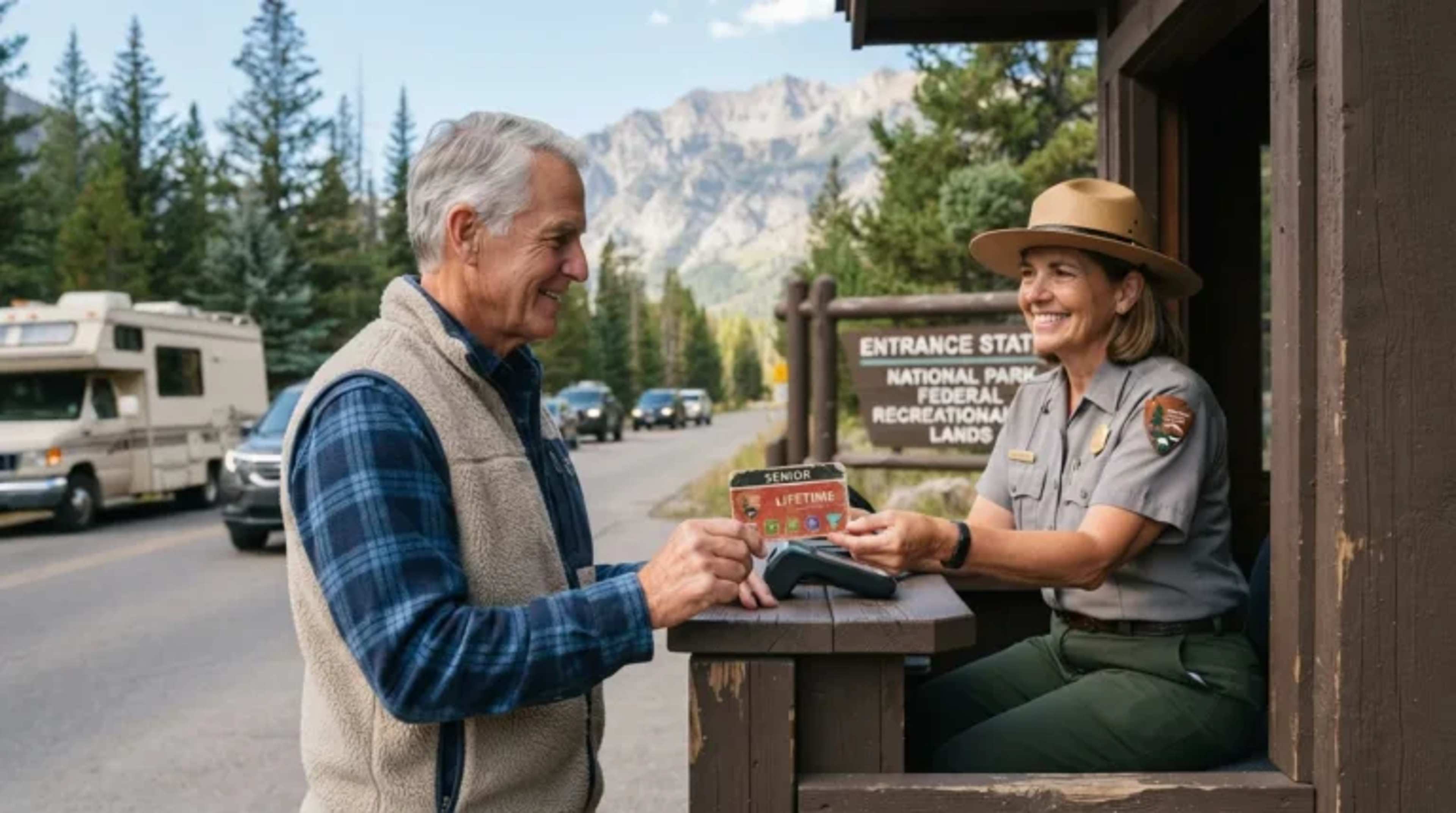
Most people assume the hotel night shift is just an empty desk, a yawning clerk, and a phone that never rings. But guests over 60 know a different truth: the quietest hours are often when the most gets done for them, without a single word of fanfare.
Night managers rarely brag about it, guests rarely notice it happening in real time, and hotel training manuals barely mention it by name. Here’s what veteran overnight staff actually admit happens after the last elevator ride to bed.
#14 – The Room Swap Nobody Announces
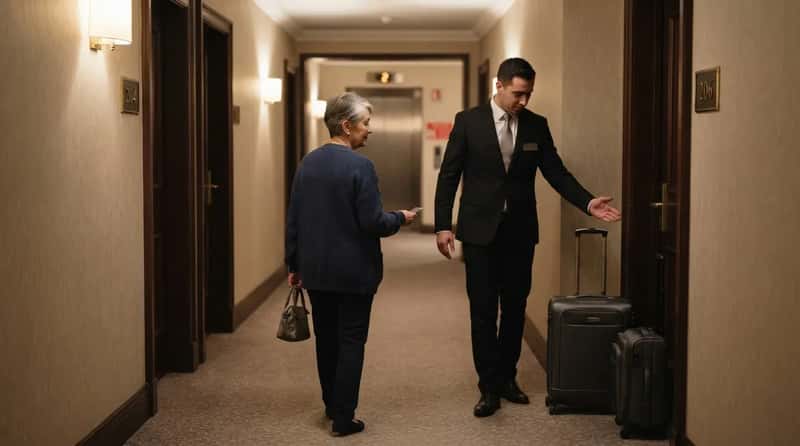
Long before checkout, some night managers quietly move an older guest to a room nearer the elevator. It’s rarely requested. It’s noticed at check-in, on a shuffling walk, or a mention of a bad knee, and handled without a formal note in the file.
The reasoning is simple: fewer steps at 2 a.m. means fewer falls, fewer wrong turns, and fewer 3 a.m. phone calls to the front desk. Most of these swaps never show up on a guest folio at all. It’s an unlogged favor, done because it’s faster than explaining it.
#13 – The Off-the-Record Wellness Check
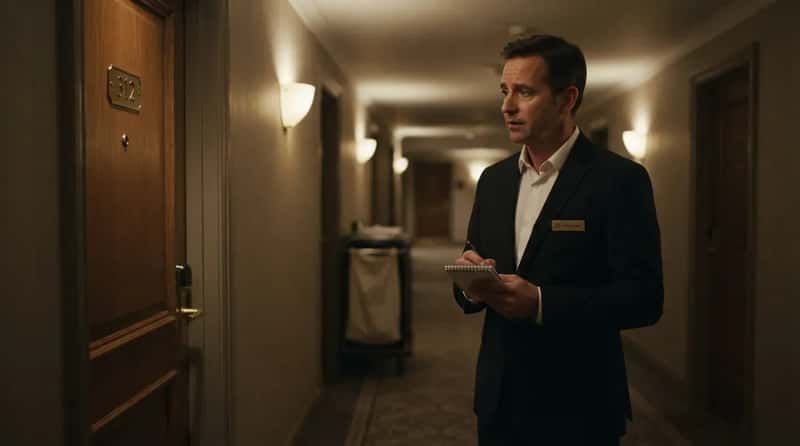
If a guest mentions a heart condition, a recent surgery, or “just got out of the hospital” during check-in, some night managers quietly flag the room for an unofficial check.
That might mean a phone call around midnight, a knock disguised as a housekeeping question, or simply asking the overnight security guard to walk that hallway twice instead of once. Hotels have no legal duty to do this. It happens anyway, because most night managers have seen what happens when nobody checks. It’s built on instinct, not policy.
#12 – The Discount Front-Desk Staff Forget to Mention
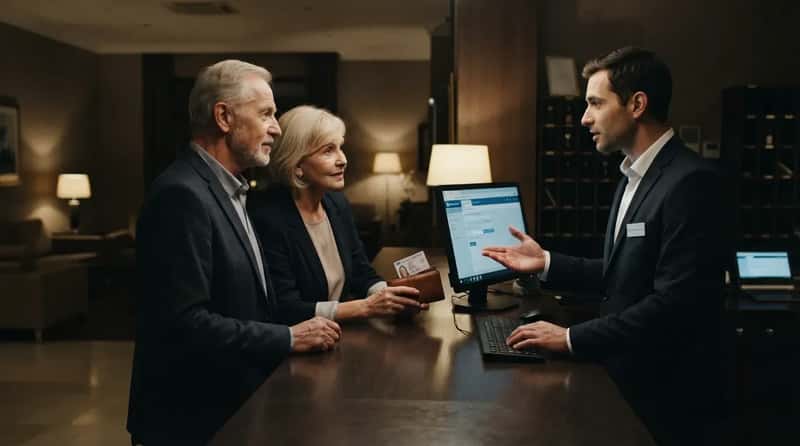
Daytime staff are often buried in checkouts, groups, and upsells. They forget the senior rate exists. Night managers, working the quieter side of the ledger, tend to catch it.
The Marriott Senior Discount Program is available to guests age 62 and older, requiring proof of age at check-in and limiting the special rate to two rooms per night. Participating IHG brands offer senior rates to guests who are at least 62, with the exact discount depending on the property. Even chains like Red Roof, where guests at least 59 get 10% off a room, quietly rely on staff actually applying the code. A surprising number of these discounts simply never get offered unless someone remembers to ask.
Quick Compare
| Chain | Age Requirement | Discount |
|---|---|---|
| Marriott | 62+ | Special senior rate, capped at 2 rooms per night |
| IHG | 62+ | Rate varies by property |
| Red Roof | 59+ | 10% off the room rate |
#11 – The Lockout Nobody Has to Explain
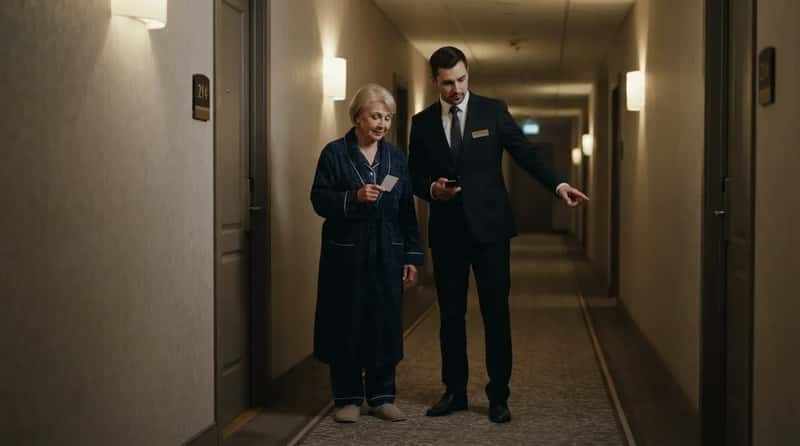
Forgetting a key card at 1 a.m. is embarrassing for anyone, but it hits differently for an older guest standing in a dim hallway in slippers.
Most night managers have a rule: no interrogation, no lecture, just an ID check and a fast re-key. Some go further, walking the guest back personally instead of pointing down the hall. It’s one of the smallest gestures in the building, yet it’s consistently the one older guests mention first in survey comments. No app, no kiosk, replaces that walk.
#10 – The Quiet Medication Reminder
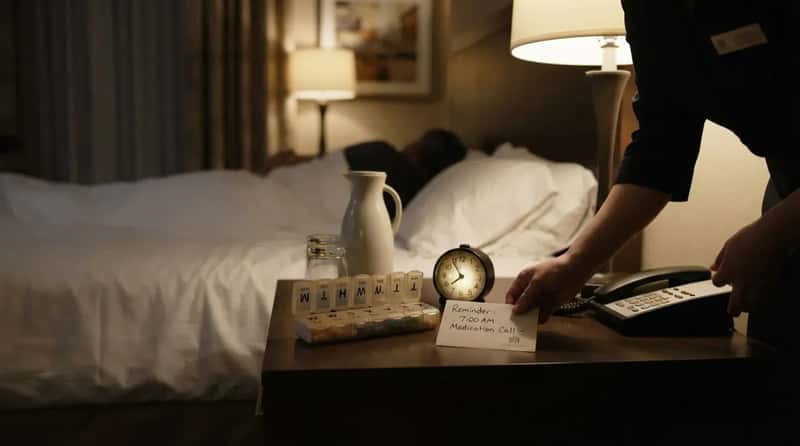
Time zones, jet lag, and irregular sleep confuse medication schedules fast, especially for guests managing multiple prescriptions.
Some night managers, once they learn a guest is on a strict medication window, will quietly offer a wake-up call timed to a dose rather than a flight. It’s never framed as medical advice, because it isn’t. It’s framed as a courtesy. Guests almost never ask for this outright; the offer usually comes from the manager noticing pill organizers on a nightstand during a maintenance visit. Small notice, real consequence.
#9 – The Walk Instead of the Point
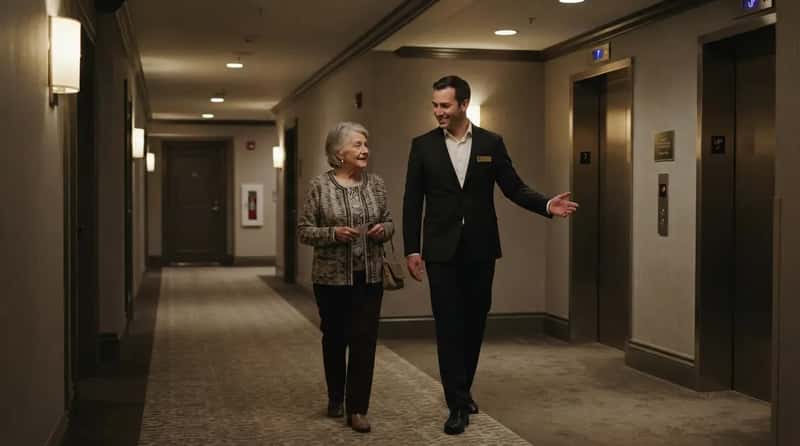
Ask any longtime night auditor and they’ll tell you: pointing toward an elevator bank at midnight is not the same as walking someone there.
Older guests navigating unfamiliar hotels after dark often hesitate near stairwells, service corridors, or poorly marked exits. A five-minute personal escort solves that instantly. Many night managers quietly consider this the single most requested “unofficial” service they provide, even though it’s never listed on any amenities page. It costs nothing and prevents almost everything.
#8 – Catching Confusion Before It Becomes a Crisis
Wandering near midnight isn’t always about being lost in a hallway. Sometimes it’s a guest with early memory changes, unsure which floor, which door, or which name is on the reservation.
Overnight staff are frequently the first to notice repeated confusion, and many hotels now quietly train night managers to recognize it rather than assume rudeness or intoxication. This is one of the more uncomfortable truths in hospitality: the front desk sometimes spots early warning signs before a guest’s own family does. It’s handled gently, and almost never mentioned directly to the guest.
Worth Knowing
- Repeated trips to the desk asking the same question
- Trouble recalling a room number more than once a night
- Uncertainty about which floor or hallway leads back to the room
- Confusion about the name on the reservation
#7 – The Late Checkout Nobody Fought For
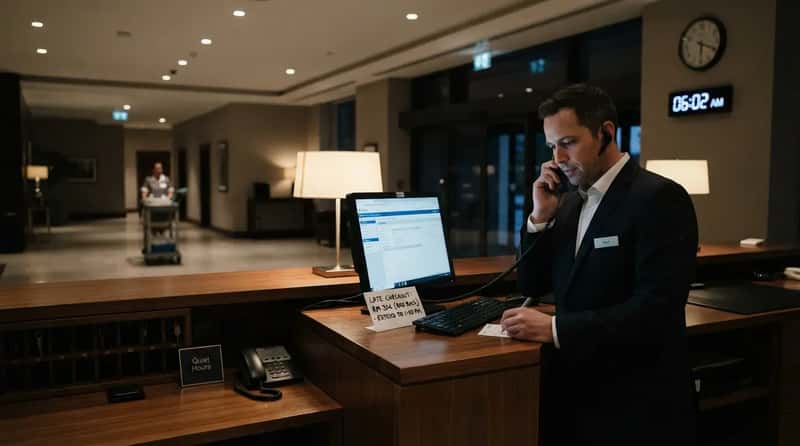
Housekeeping wants rooms turned by eleven. Revenue managers want rooms sold by three. Somewhere between those pressures, a night manager often quietly protects a late checkout for a guest who mentioned a bad back or a slow morning routine.
It’s rarely written into policy. It’s a judgment call, made at 6 a.m. before the day shift even arrives. Many older travelers never realize this “flexibility” was fought for on their behalf hours before they woke up. It’s one of the few advantages that comes from being trusted, not booked.
#6 – The Pharmacy List Kept in a Drawer
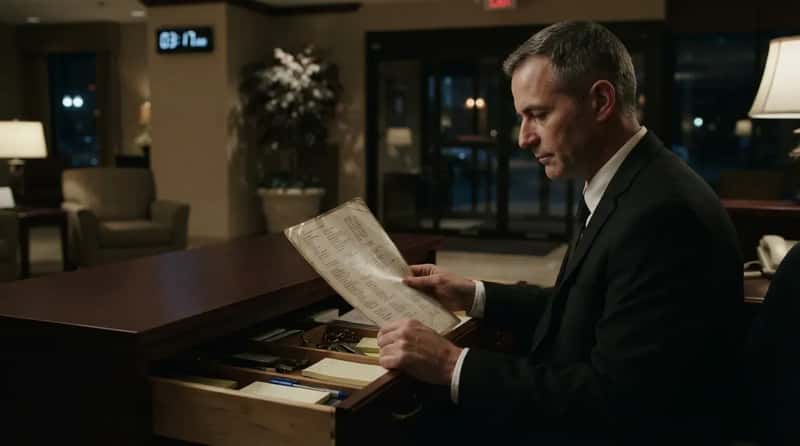
Every experienced night manager has some version of the same laminated sheet: nearest 24-hour pharmacy, nearest urgent care, sometimes a cab number that still answers after midnight.
It’s not glamorous. It’s rarely used more than once a month. But for a guest who suddenly needs a prescription refilled or a blood pressure cuff at 3 a.m., that sheet is the entire difference between panic and a solved problem in fifteen minutes. Most guests never know this list even exists until the one night they need it. Then it becomes unforgettable.
#5 – The Thermostat Fix Nobody Asked For
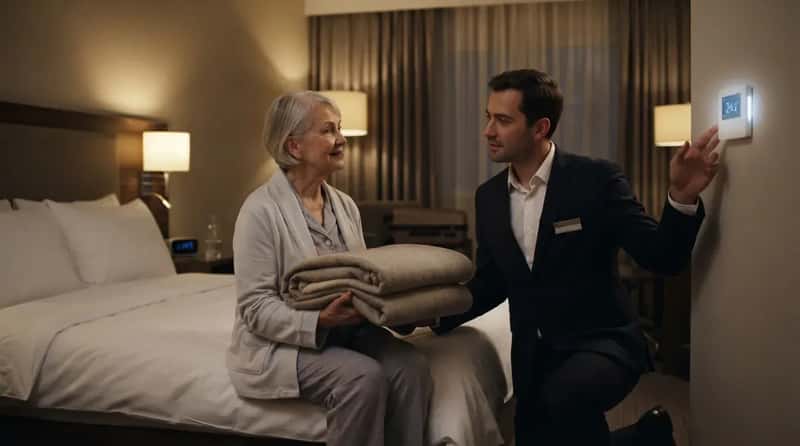
Older guests run cold more often than hotels expect, and thin blankets plus aggressive air conditioning is a common overnight complaint that rarely reaches the front desk directly.
Sharp night managers notice it anyway, often from a maintenance request or a passing comment at check-in, and quietly send extra blankets or adjust a unit before it becomes a 2 a.m. call. It sounds minor, but temperature complaints are one of the most common overnight issues in hotels, and most go unreported until someone can’t sleep at all. A little foresight prevents most of them.
Fast Facts
- Older guests often prefer warmer rooms than standard hotel thermostat settings
- Thin blankets paired with strong air conditioning are a frequent overnight complaint
- Most fixes are as simple as an extra blanket or a quick thermostat adjustment
- Many guests never call the front desk; they just tough out a cold night
#4 – The Calm Voice on the Other End of a Real Emergency
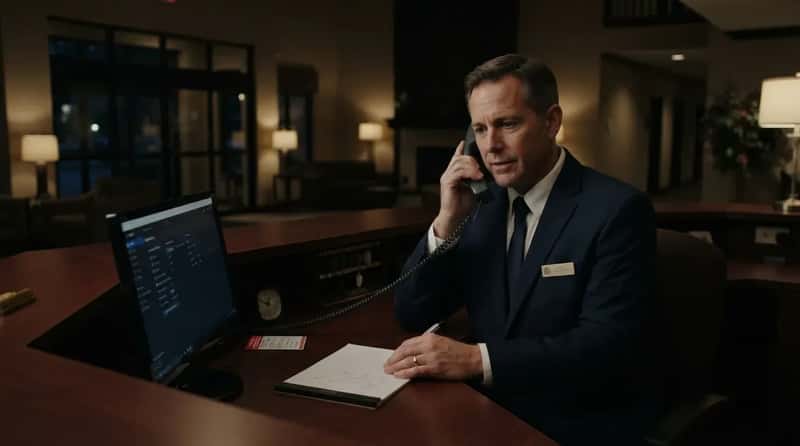
When something serious happens overnight, chest pain, a fall, sudden confusion, the night manager is almost always the first adult on the property to know.
At a hotel, that person carries the senior on-property responsibility during overnight hours, handling staff supervision, guest issues, security, and emergency response. That means calling 911 first, then calmly notifying family, not the reverse. Most guests have no idea that the person answering their emergency call at 3 a.m. may be the only trained decision-maker awake in the entire building. That calm matters more than people realize.
#3 – The Loyalty That Remembers Names, Not Just Room Numbers

Some guests return to the same property year after year, and the best night managers remember them, not from a loyalty database, but from memory.
A returning guest gets asked about a grandchild, a surgery, a trip they mentioned last spring. It sounds small until you realize how rare being remembered actually feels to an older traveler navigating an industry increasingly built around apps and kiosks. Many older guests say this personal recognition, not room upgrades, is the real reason they keep coming back. Loyalty programs can’t replicate memory.
#2 – The Quiet Comp When Something Goes Wrong
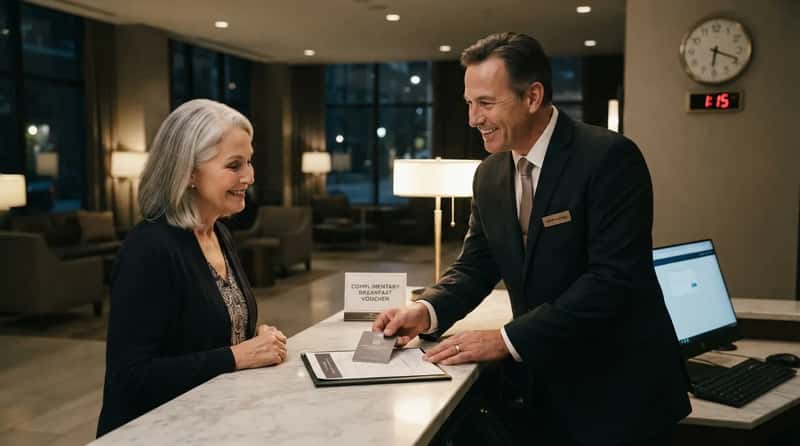
A broken air conditioner, a noisy hallway, a late delivery of extra pillows, these are minor annoyances for most travelers but genuinely disruptive for a guest who needs consistent rest.
Rather than escalate to a formal complaint process, many night managers simply comp a breakfast, a parking fee, or a night’s incidental charge on the spot. No email chain, no supervisor approval, just a fix. It’s one of the few remaining moments in hospitality where a single employee still has real authority to make something right immediately. Guests over 60 notice that authority, and they remember it.
#1 – Being the Last Line of Defense at 3 A.M.
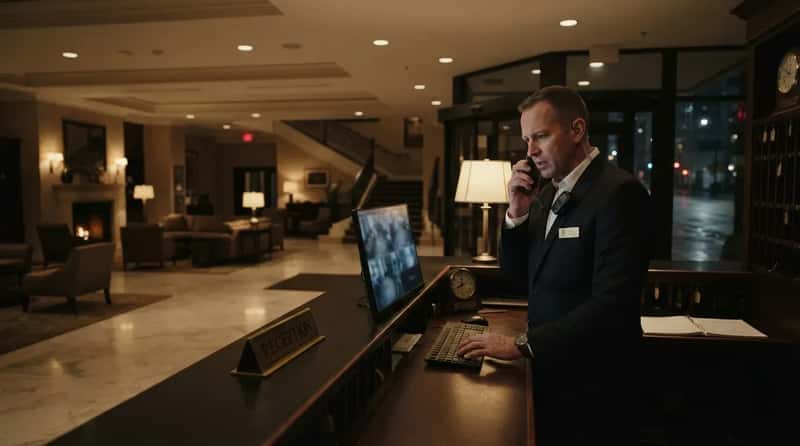
This is the one every veteran night manager quietly understands: when the lobby empties and the day staff goes home, they become the only trained adult standing between a guest and a genuine crisis.
The work runs across the whole property overnight, walking the floors, supporting staff, and fielding the escalations that surface when the rest of leadership has gone home, with the night manager often the senior decision-maker with broad authority to act. For an older guest traveling alone, far from family, that authority is not administrative trivia. It’s the actual safety net nobody puts in the brochure, and the reason so many seasoned travelers over 60 quietly trust one hotel brand over another. It rarely gets tested. When it does, it’s everything.
Why It Stands Out
- Often the only trained decision-maker awake in the building overnight
- Balances security, staff supervision, and guest emergencies at the same time
- Calls 911 first, then notifies family, never the other way around
- Holds real authority to act instantly, without waiting on daytime management
None of this shows up on a website, a loyalty tier, or a five-star review checklist. It’s built from instinct, memory, and a manager willing to notice what a computer never will.
Older travelers keep returning to certain hotels for reasons they can’t always name. Now you know exactly what those reasons are.
Have you ever had a night manager quietly go out of their way for you or a parent on the road? Tell us what happened in the comments.