There’s a quiet game happening at every major airport, and retirees are winning it. While millennials race to the gate with a dead phone and an untouched boarding pass notification, the 68-year-old ahead of them has already eaten a hot meal, cleared security in under ten minutes, and settled into a lounge chair with a cup of coffee. It looks like luck. It isn’t.
The gap between these two travel styles runs deeper than patience or technology. It’s built from decades of missed flights, lost bags, and hard-won lessons – the kind that never show up in a travel app. Some of what retirees do sounds almost embarrassingly old-fashioned. But wait until you see what it actually costs to skip these habits.
#15 – Arriving So Early It Feels Ridiculous (And Never Apologizing for It)

Retirees don’t just arrive early – they arrive with so much runway that younger travelers openly mock them at the check-in counter. And then those same younger travelers sprint to their gates forty minutes later, heart pounding, praying the door hasn’t closed. Most domestic flights ask passengers to arrive at least two hours before departure, and at least three hours before an international flight. Retirees treat those numbers as a floor, not a target.
The math is simple but brutal. Traffic spikes unpredictably. Holiday security lines can add an hour with no warning. Large international airports – think Dallas/Fort Worth with 182 gates – can require a walk of over two miles just to reach your gate. Showing up early doesn’t mean sitting around nervously. It means owning your morning instead of letting the airport own it.
Fast Facts
- TSA recommends arriving 2 hours early for domestic flights, 3 hours for international.
- Holiday security lines can spike by 60+ minutes with no advance warning.
- Dallas/Fort Worth spans 5 terminals and 182 gates – some gate-to-gate walks exceed 2 miles.
- Arriving early is the single most controllable variable in your entire travel day.
#14 – Printing a Paper Boarding Pass Nobody Asked For
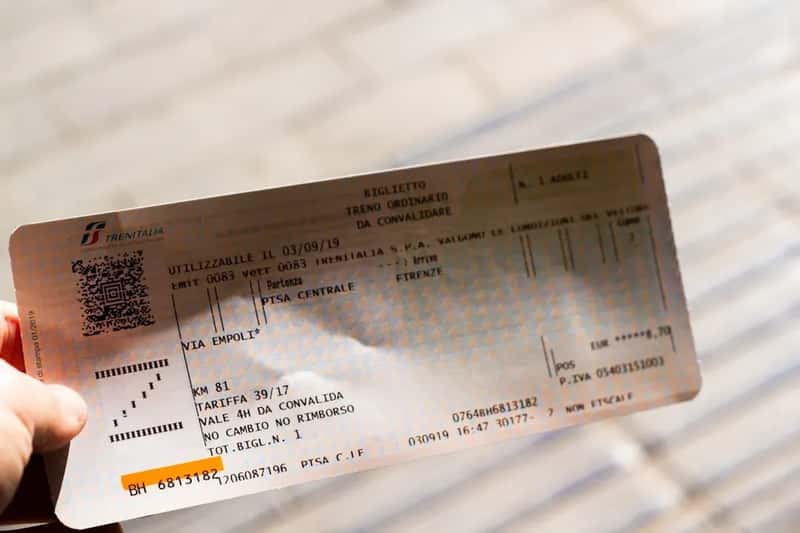
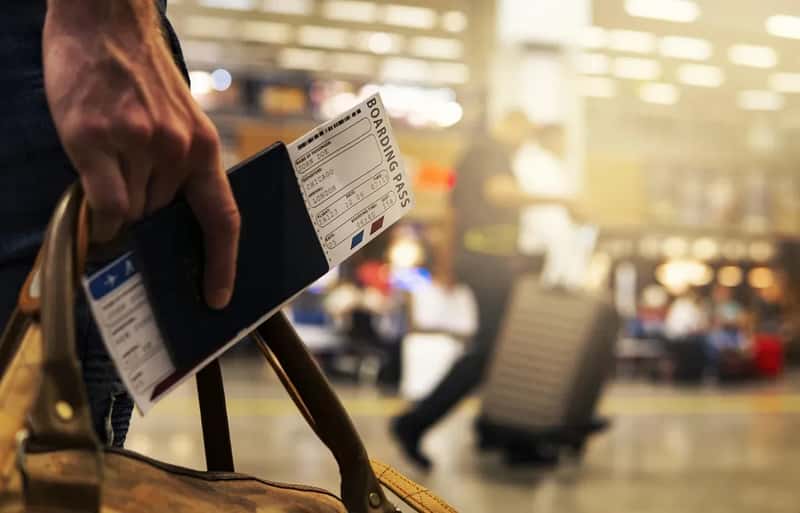
Every millennial has a digital boarding pass glowing on their phone. Every retiree has that too – plus a folded paper copy tucked into their jacket. And every few months, someone’s phone crashes at the security scanner, their screen won’t read under the fluorescent lights, or the app simply refuses to load. The retiree behind them sails through. The paper backup costs nothing and works without Wi-Fi, battery life, or software updates.
On complex multi-connection itineraries, that single sheet of paper earns its weight in sanity. You can organize each leg of your journey without hunting through five emails and two apps under pressure – and if you lose signal between airports, your paper version doesn’t care. It’s not technophobia. It’s the kind of redundancy that experienced people build into everything that actually matters.
#13 – Choosing Nonstop Flights Even When the Price Makes You Wince

Millennials will book a one-stop itinerary to save $40 without blinking. Retirees have been burned by that math enough times to stop doing it. Nonstop flights get you there faster and carry significantly lower delay risk. When your first leg runs late, the connection evaporates – and suddenly your $40 savings has become a six-hour layover in a city you didn’t plan to visit.
The real cost of a connection isn’t just time – it’s energy. Walking half a mile between terminals, rechecking bags, and quietly praying your next gate is nearby adds physical and logistical stress that compounds over a long travel day. Dallas/Fort Worth tops one ranked list of brutal airport walks, with some gate-to-gate distances approaching two miles. Nonstop means none of that math. The extra fare starts to look reasonable fast.
#12 – Keeping Every Medication in the Carry-On, Without Exception

This habit sounds obvious until your checked bag takes an unscheduled trip to Phoenix while you land in Boston. Retirees don’t risk it. Packing all medications in your carry-on means that if your luggage is lost, delayed, or misdirected, you still have what you need. Keeping medications in their original containers also helps at security and avoids any confusion about what you’re carrying and why.
There’s a layer younger travelers rarely consider. Bringing a doctor’s note explaining your medications – especially if syringes or unusual supplies are involved – removes friction from the screening process before it starts. Photographing prescription labels gives you a clear reference if you run out and need a pharmacist abroad to match what you take. That kind of preparation is the difference between a minor inconvenience and a medical emergency in the wrong city.
Worth Knowing
- Always pack meds in original labeled containers – it speeds up security and avoids confusion abroad.
- A doctor’s note is especially helpful if you carry syringes, controlled substances, or unusual medical devices.
- Photograph every prescription label before you leave home – a lifesaver if you run out overseas.
- TSA allows medically necessary liquids over 3.4 oz – just declare them separately at the checkpoint.
#11 – Staying Loyal to One Airline and Quietly Collecting Benefits
Millennials hop between budget carriers chasing the cheapest fare on any given Tuesday. Retirees plant their flag with one or two airlines and let decades of loyalty do the work. Baby Boomers are far more likely to book directly with an airline they’ve been loyal to for years rather than bouncing between five price-comparison platforms. That loyalty accumulates into upgrades, priority boarding, and elite status – perks that quietly cut through airport chaos every single trip.
The scale of these programs is staggering. Top loyalty programs from Delta, American, and United are each valued at over $20 billion – often higher than the airlines themselves – sustained largely through credit card partnerships that purchase miles in bulk. The retiree who has been flying the same carrier for thirty years isn’t paying for upgrades the way a deal-hopper is. They earned a seat that costs everyone else $200 more.
#10 – Asking for Airport Assistance Without a Single Trace of Embarrassment
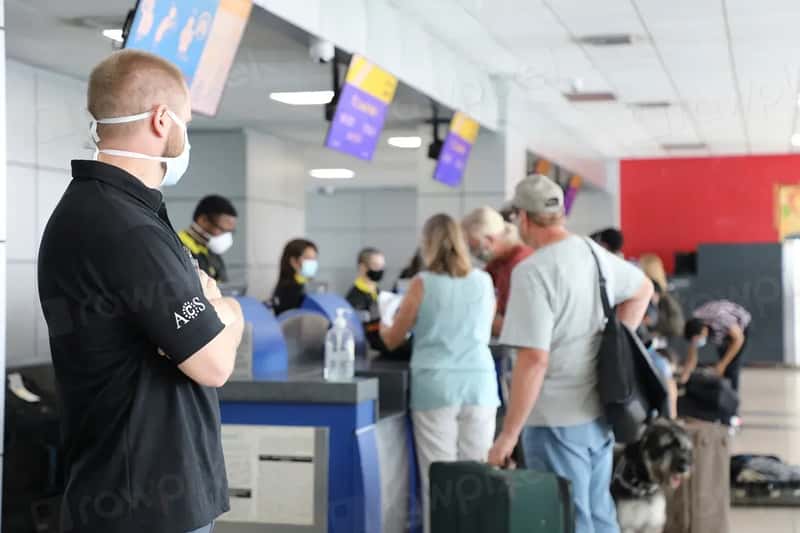
Millennials would sooner drag a heavy bag across three terminals than ask for help. Retirees dropped that particular pride years ago – and the result is a calmer, faster, genuinely easier airport experience. Seniors can preboard an airplane simply by self-identifying to a gate agent before boarding begins and explaining they need additional time. No doctor’s note required. Airlines encourage it because it actually keeps the aisles cleaner during boarding.
The options go well beyond wheelchairs. TSA Cares is a free program designed to help travelers with disabilities, medical conditions, or other special circumstances navigate airport security. Call at least 72 hours before your flight, and a TSA passenger support specialist will meet you at the airport, help with luggage, and stay with you through the entire screening process. Most travelers have never heard of it. Frequent senior travelers use it routinely and wonder why anyone wouldn’t.
#9 – Carrying a Printed Itinerary With Every Detail on One Page
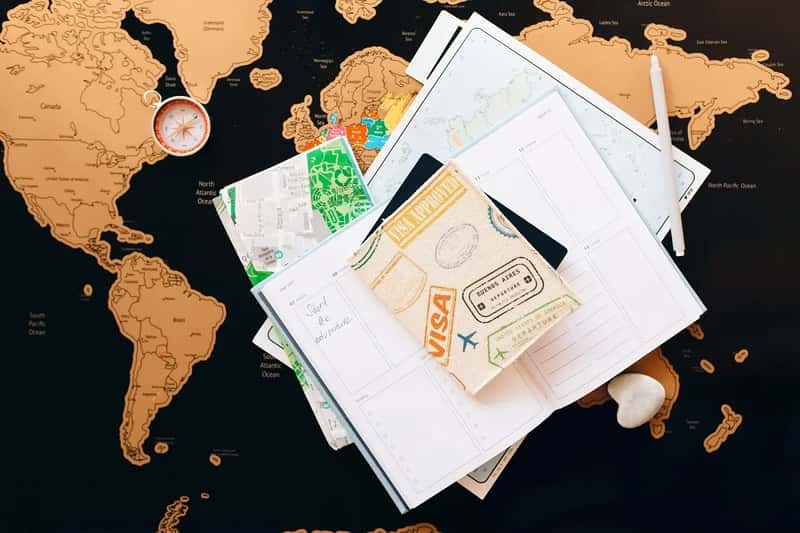
Ask a millennial for their confirmation number and they’ll swipe through three apps, squint at two emails, and eventually apologize. Ask a retiree, and they’ll pull a single folded sheet from their travel wallet in four seconds flat. That page has the confirmation number, hotel address, car rental details, gate times, and emergency contacts. When airport Wi-Fi is slow and phone batteries are low, that piece of paper is worth more than it looks.
For retirees managing multiple medications, connecting flights, or foreign destinations, a detailed checklist isn’t optional – it’s the skeleton of the entire trip. It’s easy to forget essential items when you’re juggling a complex itinerary under pre-travel pressure. A checklist means you prepare systematically rather than frantically the night before. It also removes a layer of anxiety that younger travelers underestimate until they’re standing at a hotel front desk with no booking reference.
#8 – Drinking Water Through the Whole Journey, Not Just Airport Coffee

Airport coffee is practically a millennial food group. Retirees have learned – often the hard way – that dehydration is one of the fastest ways to feel wrecked on arrival. Airplane cabin humidity is extremely low, and that dry recycled air pulls moisture from your body the entire flight. It’s smart to hydrate before departure and bring water on board, especially on flights where beverage service is limited or delayed.
The stakes go beyond grogginess. Long periods of sitting – on planes, trains, or buses – elevate the risk of deep vein thrombosis, a blood clot that typically forms in the legs. Standing up and walking the aisle regularly is one of the most effective ways to reduce that risk. Retirees know this from experience and their doctors. They’re stretching their legs at the two-hour mark while millennials are still locked into the same screen position they started in at the gate.
At a Glance: Why Retirees Hydrate on Purpose
- Airplane cabin humidity often drops below 20% – far drier than most desert air.
- Dehydration accelerates jet lag, headaches, and post-flight fatigue.
- Sitting still for 2+ hours raises deep vein thrombosis (DVT) risk – aisle walks are a real countermeasure.
- A reusable bottle filled after security costs nothing and lasts the whole flight.
#7 – Calling the Airline Directly When Everything Falls Apart

When a flight gets cancelled, millennials refresh the app, tweet at the airline’s support handle, and stare at the departure board hoping something changes. Retirees pick up the phone. That single habit – calling the airline directly – frequently gets them rebooked before anyone else at the gate, because a real agent on the line has more options and more authority than any automated menu. The preference for direct, person-to-person communication isn’t a nostalgia thing. It’s a results thing.
The strategy works because phone queues run parallel to gate chaos. While two hundred stranded passengers mob a single gate agent, the retiree standing quietly off to the side with their phone to their ear may already have a new boarding pass incoming. That calm, methodical problem-solving only comes from knowing how the system actually works – not how the app claims it works. In a crisis, the phone is the fastest lane in the airport.
#6 – Enrolling in TSA PreCheck and Using It Every Single Time

Millennials know what TSA PreCheck is. A surprising number just haven’t gotten around to signing up. Retirees – especially frequent travelers – have turned it into one of their most reliable tools. The benefits are concrete: shorter lines, no removing shoes or belts, no pulling out laptops or liquids, and access at over 200 U.S. airports and more than 90 participating airlines. For older travelers with joint pain or mobility concerns, the reduced physical strain alone is worth the cost.
During normal security operations, roughly 99% of TSA PreCheck passengers wait less than 10 minutes. That’s not a minor convenience – that’s the difference between a calm, collected security experience and a frantic one. The enrollment fee runs $120 for five years, and Global Entry – which includes PreCheck – is the natural upgrade for anyone traveling internationally. Retirees who fly more than twice a year have already done the math. It works out to a few dollars a trip.
Quick Compare: TSA PreCheck vs. Standard Screening
- PreCheck wait: Under 10 minutes for ~99% of members (normal operations)
- Standard wait: Typically 15-30 minutes at major hubs; can spike to 2-3 hours during peak travel
- PreCheck cost: $120 for 5 years (~$24/year, or roughly $2 per round trip for frequent flyers)
- Global Entry: Adds international customs fast-track for $100 for 5 years – and includes PreCheck
- PreCheck perks: No removing shoes, belt, laptop, or liquids at 200+ U.S. airports
#5 – Packing Light With Deliberate Precision, Not Rushed Minimalism
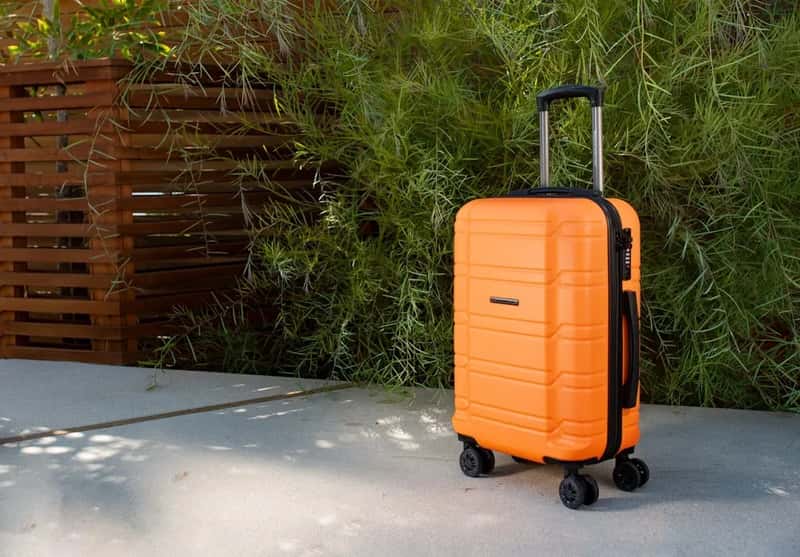
There’s a difference between packing light because you’re running late and packing light because you’ve thought it through carefully for weeks. Retirees do the second kind. The goal isn’t to pack the least – it’s to pack smartly enough that you’re never wrestling an overstuffed bag at a critical moment. Assistance with luggage is available at airports and hotels, but there are always moments when you’re on your own. A bag you can genuinely handle is a quiet form of independence.
Retirees often know exactly what they need for a given trip because they’ve taken similar trips before and refined the list over time. Choosing the right carry-on in advance – lightweight, easy to roll, fits without forcing – is a decision most millennials skip entirely. They show up with whatever bag was closest to the door. That advance thinking, done calmly at home before the trip begins, is the whole difference between arriving relaxed and arriving already exhausted.
#4 – Using the Airport Lounge Without a First-Class Ticket
Here’s what most younger travelers have wrong about airport lounges: they assume you need a first-class ticket or a premium credit card to get in. You don’t. Most major lounges sell day passes to anyone – either purchased in advance online or at the front desk – with prices typically ranging from $30 to $75 per visit depending on the lounge. American Airlines Admirals Club day passes run $79; United Club single-entry passes are $59 at the door; Alaska Lounge passes are $65. The retiree sitting in a comfortable chair with free food, fast Wi-Fi, and a working outlet didn’t necessarily fly business class. They just knew to ask.
Lounges often go far beyond snacks and soft seats. Showers, nap rooms, business centers, wellness areas, and family spaces are all part of the package at major airport lounges. Older travelers are more than twice as likely as younger travelers to spend on amenities that make the journey easier – and lounge access is exactly the kind of purchase that pays off visibly. Millennials dismiss it as an extravagance. Retirees correctly identify it as the best $59 they’ll spend all day.
At a Glance: Airport Lounge Day Pass Options
- American Airlines Admirals Club: $79 one-day pass (online or select locations)
- United Club: $59 single-entry pass, sold at the lounge on travel day
- Alaska Lounge: $65 single-entry pass, valid only at location of purchase
- Third-party lounges (Escape, The Club, Plaza Premium): $30-$75 via LoungeBuddy or at the door
- What you get: Free food, drinks, fast Wi-Fi, outlets, often showers and quiet seating
#3 – Booking Aisle Seats and Actually Planning Around Them
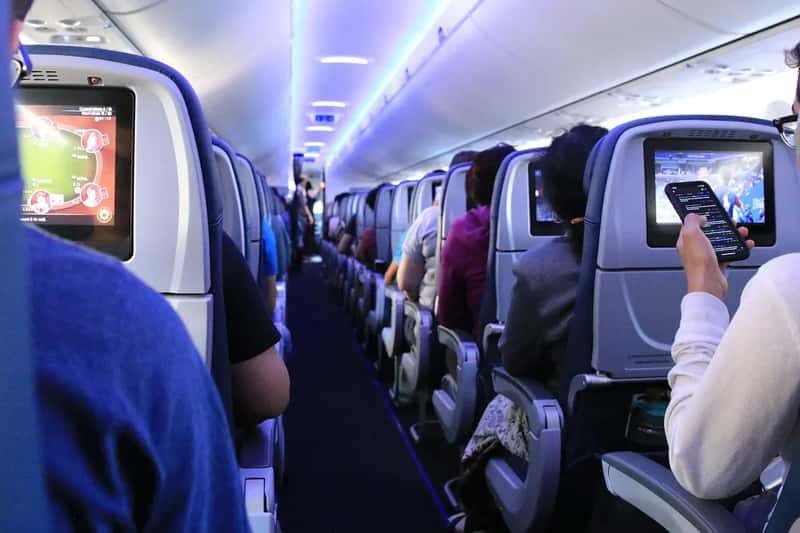
This sounds almost too mundane to matter – until you’ve spent a three-hour flight trapped in a window seat next to a sleeping stranger, physically unable to get up. Retirees book aisle seats the moment reservations open, and they pick seats as close to the bathrooms as the layout allows. It’s not fussiness. It’s biological planning. Some older travelers know they’ll need an easy path to the bathroom at least once on a 90-minute flight, and the aisle seat means they never have to calculate whether it’s worth the disruption.
The timing strategy goes even further. The best moment to use the bathroom is right after the plane reaches cruising altitude – before food and beverage service begins – because that post-service window is when the aisle gets congested with everyone else who had the same idea. Retirees know the rhythm of a flight from sheer repetition. They have a plan before the seatbelt sign even turns off. Millennials are still trying to connect to the in-flight Wi-Fi.
#2 – Buying Comprehensive Travel Insurance Before Every Single Trip

Millennials skip travel insurance constantly because the risk feels abstract – a cost attached to a problem that probably won’t happen to them. Retirees have lived long enough to know it will happen eventually, to someone, possibly on this exact trip. Many retirees traveling abroad purchase travel insurance with medical coverage that handles trip cancellations, emergency treatment abroad, and medical evacuation. The critical detail most people miss: making sure the policy covers preexisting conditions, because that exclusion is where the safety net quietly disappears.
A 2025 AARP national poll found that 45% of seniors cite cost as their biggest travel barrier – which makes the risk calculation even sharper. Travel insurance reduces that exposure dramatically. The retiree who bought coverage and didn’t need it lost a modest fee. The one who skipped it and then needed emergency medical care abroad lost far more than a vacation. That asymmetry is exactly why retirees treat travel insurance the same way they treat their carry-on medications: non-negotiable.
#1 – Leaving a Buffer So Large It Gets Laughed At
This is the habit millennials mock most openly – and the one retirees are most completely right about. The single biggest cause of airport stress, missed flights, and ruined trip beginnings is simply not giving yourself enough time. Retirees have internalized this so thoroughly that they often arrive with what looks like a comically generous margin before their flight. And they arrive calm. Settled. Ready. That’s not a coincidence – it’s the entire point of the buffer.
The extra time isn’t wasted sitting anxiously at a gate. It’s what allows the whole experience to start well instead of start badly. You eat something real. You walk without rushing. You board without that low-grade dread that follows a close call through security. An AARP survey shows 65% of Americans 50-plus plan to travel regularly – and the ones who actually enjoy the journey share one quiet trait: they gave themselves time. The hour spent reading near your gate is not lost. For retirees, it’s the beginning of the trip.
These habits weren’t assembled from a travel blog. They were earned – through missed connections, lost medications, frantic gate sprints, and the slow accumulation of knowing what actually matters. Millennials aren’t wrong to use apps or chase deals. But writing off this list as overcautious or old-fashioned is a mistake that shows up at exactly the wrong moment. The retiree sitting peacefully in the lounge didn’t get lucky. They planned for this.