Let’s be real here. Everyone’s tired of fighting for elbow room at the Eiffel Tower or squeezing through Venice’s crowded alleyways. Mass tourism has turned some of the world’s most beautiful places into theme parks. There’s something genuinely thrilling about discovering a place before the crowds show up, before Instagram turns it into another overcrowded checklist stop. These countries exist in that sweet spot right now. They’re stunning, authentic, affordable, and somehow still flying under the radar. The catch? That window is closing fast.
1. Albania: Europe’s Fastest Rising Star
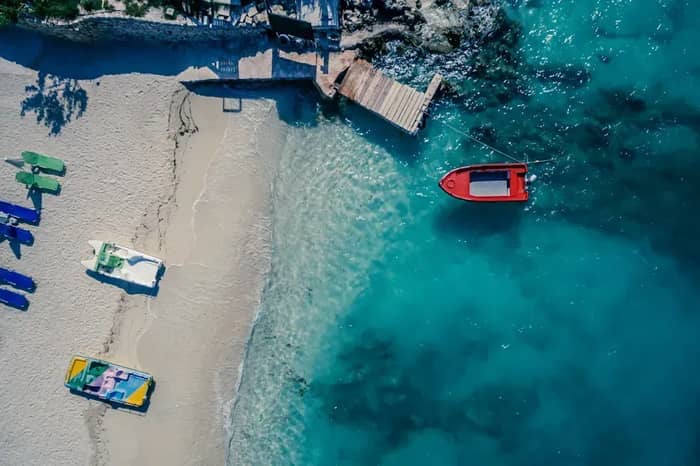
Albania was actually the world’s fastest-growing tourism destination between 2019 and 2024, with visitor numbers rising by over 100%. Think about that for a second. The country attracted 11.7 million foreign visitors in 2024 – a 15.2% increase compared to 2023, and international arrivals skyrocketed from over five million in 2019 to over ten million in 2024. Here’s what makes this even more shocking: despite these explosive numbers, Albania still feels relatively undiscovered compared to neighboring Greece or Croatia.
The Albanian Riviera offers crystalline waters that rival anything you’d find in the Greek islands, except you’ll pay a fraction of the price. Albania reported outstanding growth in international tourism receipts during the first nine to eleven months of 2024, with a 136% increase. Honestly, it’s hard to say whether the beaches near Ksamil or the rugged mountains of the Albanian Alps are more impressive.
The capital Tirana has a whirling creative energy, and travelers are increasingly drawn to hiking through Albania’s Alps and exploring old towns from the Ottoman Era, including the Vjosa Wild River National Park, a new protected area. The country’s communist past left behind a distinct architectural oddness that somehow works. Yet the secret won’t last much longer.
2. Oman: The Arabian Peninsula’s Tranquil Gem
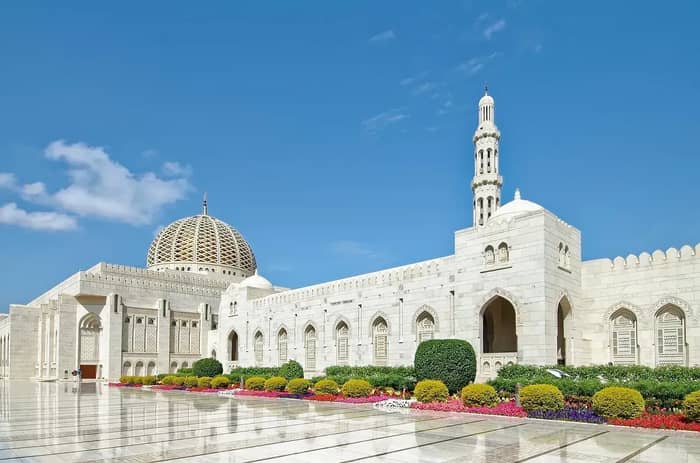
While Dubai glitters with excess and Saudi Arabia pours billions into tourism infrastructure, Oman quietly offers something more genuine. In 2024, Oman welcomed approximately 3.8 to 3.9 million visitors, a level slightly below the record 4 million arrivals in 2023. The numbers might seem modest compared to tourism giants, which is precisely the point.
Oman welcomed approximately 3.8 million visitors in 2024, with 68.2 percent staying overnight and 31.8 percent visiting for the same day. In 2024, Oman launched 360 tourism projects, supported by a planned $31 billion investment by 2040. The infrastructure is coming, which means the character of this place is about to change dramatically.
The Sultanate offers dramatic desert landscapes, ancient forts, pristine beaches, and the spectacular Musandam Peninsula where fjords meet the Middle East. Leisure was the primary reason for visiting Oman, accounting for 70.2 percent of trips. Frankly, Oman feels like the Middle East before oil money turned everything into shopping malls. Go now.
3. Georgia: Where Wine Was Born
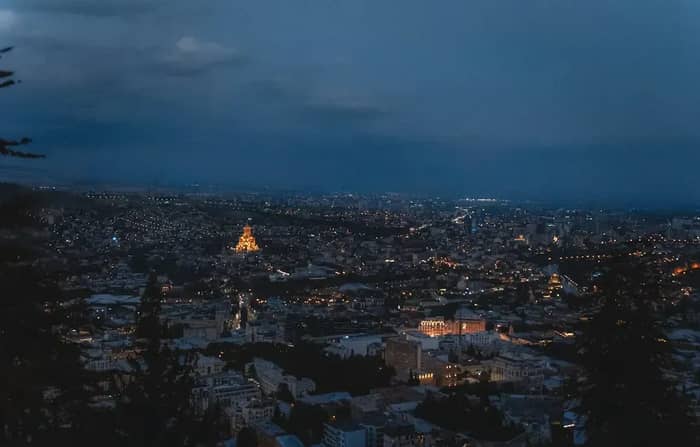
Not the American state, obviously. The country wedged between Europe and Asia that most people couldn’t find on a map five years ago. In 2024, a total of 6.5 million international visits to Georgia were recorded, a 4.6% increase year-over-year. In 2024, 5.09 million international visitors arrived, up 9% from 2023 and essentially on par with 2019.
Georgia invented wine roughly eight thousand years ago, and the tradition of fermenting grapes in massive clay vessels called qvevri continues today. The capital Tbilisi is a beautiful mess of crumbling balconies, sulfur baths, and surprisingly cutting-edge nightlife. Tourism revenues exceeded $4.4 billion in 2024, representing a 7.3% increase from the previous year.
In the first quarter of 2025, there was a significant increase in visits from Israel, where 80,896 visits were recorded, showing a +72.9% growth compared to the first quarter of 2024. The Caucasus Mountains provide epic hiking, ancient cave cities hide in cliffsides, and the food is criminally underrated. Georgia won’t stay cheap or uncrowded forever.
4. Bolivia: South America’s Underestimated Adventure Playground
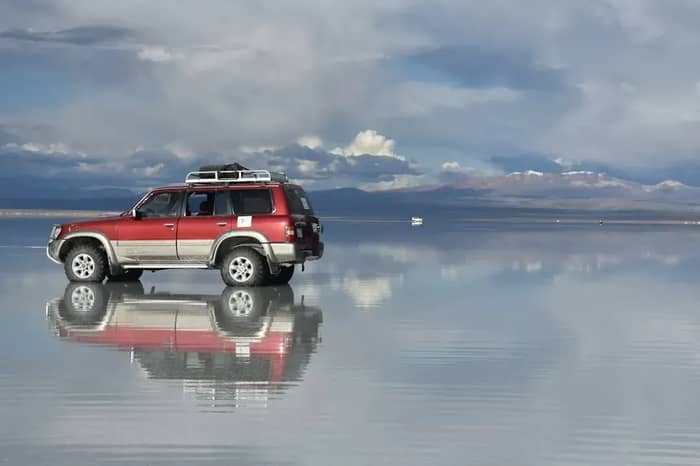
Bolivia suffers from unfortunate geography, wedged between Peru’s Machu Picchu fame and Argentina’s wine country appeal. Bolivia is teeming with culture and natural wonders, yet it’s much more affordable than most other countries in Latin America and feels very off the beaten path, as it’s the cheapest country to see the Amazon rainforest, and then it also has the stunning Uyuni Salt Flats, Lake Titicaca, hiking in the Andes mountains.
The Uyuni Salt Flats alone justify the trip. Imagine standing on an endless white expanse that reflects the sky so perfectly you can’t tell where earth ends and heaven begins. Bolivia is the ultimate destination for adventure junkies, with bucket list experiences like cycling the infamous Death Road, off-roading on the Uyuni Salt Flats, exploring the Witches’ Market in La Paz. La Paz sits at an elevation that’ll leave you gasping, literally.
The Amazon portion of Bolivia costs a fraction of what you’d pay in Brazil or Ecuador. Indigenous cultures remain vibrant and visible throughout the country. Bolivia rewards travelers who embrace a bit of chaos and unpredictability. It’s rough around the edges, which is exactly what makes it fascinating.
5. Montenegro: The Adriatic’s Hidden Jewel
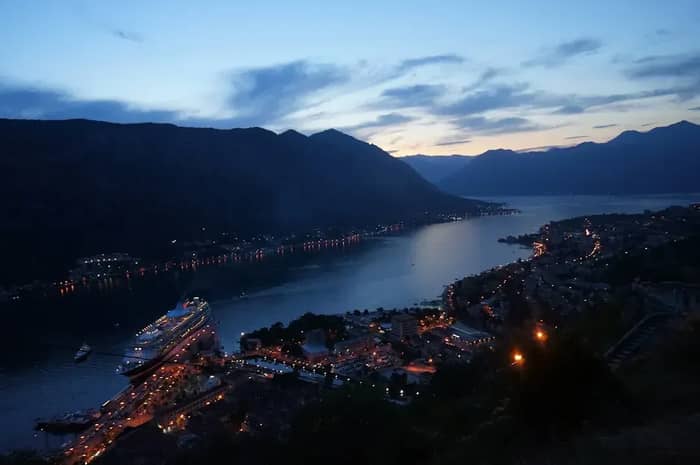
Croatia stole all the Adriatic glory, leaving tiny Montenegro mostly ignored. That’s changing fast. Montenegro has incredible nature, with mystical fjords, crystal clear beaches, mountains just next to the sea, and charming historic towns, though it isn’t as cheap as Albania but still less than Croatia.
The Bay of Kotor rivals Norway’s fjords for dramatic beauty, except you can actually swim in these waters without hypothermia. Montenegro is starting to become not as off the beaten path as before, so go soon before it gets off the hidden travel gem list. Medieval towns like Kotor and Budva offer UNESCO-listed old towns crammed with Venetian architecture.
Durmitor National Park delivers serious mountain landscapes, glacial lakes, and Europe’s deepest canyon. The country measures roughly the size of Connecticut yet packs in beaches, mountains, medieval history, and surprisingly good wine. Montenegro is affordable now but won’t stay that way once everyone figures it out. The crowds are already growing.
6. Tunisia: North Africa’s Accessible Wonder
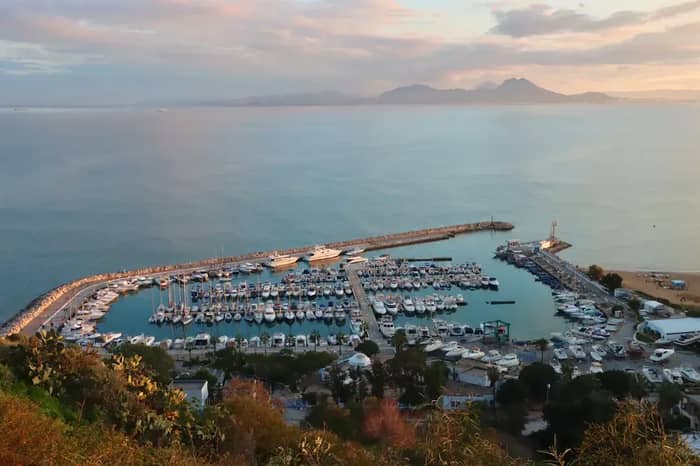
Tunisia fell off many travelers’ radars after security concerns in the mid-2010s. Recovery is now well underway. Tunisia is often overshadowed by its much more popular North African counterparts: Egypt and Morocco, though many of the top places to visit in Tunisia are virtually empty, and travelers spent an entire month there in 2024.
Morocco led North Africa with an impressive 35% increase, welcoming 17.4 million visitors in 2024, while Tunisia achieved a solid 9% bump. The country sits right across the Mediterranean from Sicily, making it ridiculously accessible from Europe. Roman ruins at Carthage and El Djem rival anything in Italy minus the selfie sticks.
The medina in Tunis feels genuinely authentic, the Sahara Desert is right there, and the Mediterranean beaches stay refreshingly uncrowded. Star Wars fans will recognize filming locations scattered across the south. Tunisia offers African adventure with European conveniences at prices that’ll make you check your math twice.
7. Slovenia: The Alps Nobody Knows About
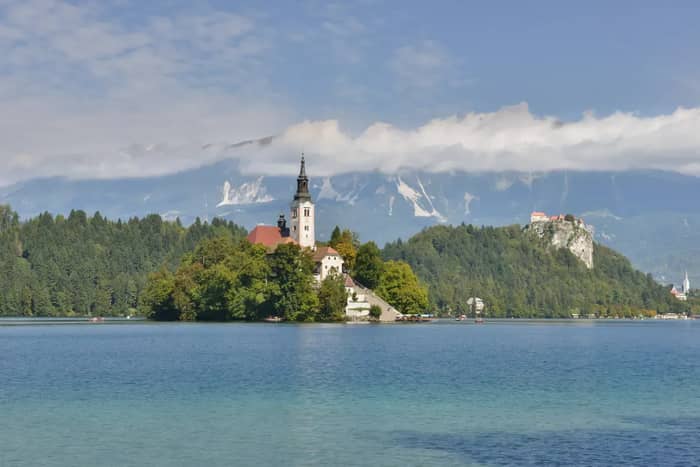
Slovenia is that kid in class who does everything right but nobody notices. Lake Bled photographs like a fairy tale with its island church and clifftop castle. The Julian Alps rival Switzerland for mountain drama at a fraction of the cost. Ljubljana might be Europe’s most underrated capital, with a charming old town, riverside cafes, and a castle overlooking everything.
The Škocjan Caves are UNESCO-listed underground river canyons that’ll blow your mind. Slovenian wine regions produce excellent bottles that never make it past European borders. The country is tiny, you can cross it in a few hours, making it perfect for travelers who want maximum variety in minimal time.
Slovenia checks every box: mountains, caves, beaches on the tiny Adriatic coast, thermal spas, medieval castles, and one of Europe’s greenest capitals. Yet somehow Italy and Austria steal all the attention while Slovenia sits there being perfect and affordable. That’s shifting, especially as sustainable tourism grows, because Slovenia takes environmental protection seriously.
8. Laos: Southeast Asia’s Peaceful Escape
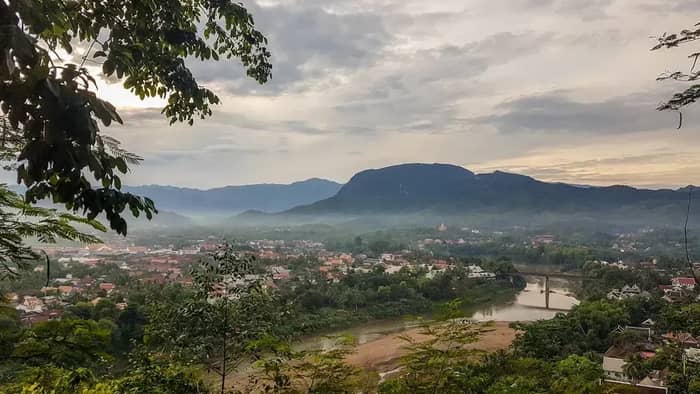
Thailand and Vietnam suck up all the Southeast Asian tourism oxygen, leaving Laos wonderfully overlooked. The landlocked Asian country of Laos is often overlooked in favor of tropical beach destinations like Thailand or Malaysia, but it’s home to great cuisine, unspoiled rainforests, ancient temples, and many sleepy rural villages.
Older backpackers say that Laos today is much like what Thailand was 20 or 30 years ago, and Laos may lack the buzzing metropolises of Thailand or Vietnam and it may not be as developed as its neighbors, but that is exactly its charm. Luang Prabang combines French colonial architecture with Buddhist temples along the Mekong River. The countryside moves at a pace that’ll frustrate type-A personalities and delight everyone else.
Vang Vieng transformed from a backpacker party scene into an outdoor adventure hub with kayaking, rock climbing, and hot air ballooning. The Plain of Jars remains one of archaeology’s genuine mysteries. Laos offers the Southeast Asian experience without the hard sell or the crowds. It’s genuinely relaxing, which is increasingly rare.
9. Bulgaria: Eastern Europe’s Best Value
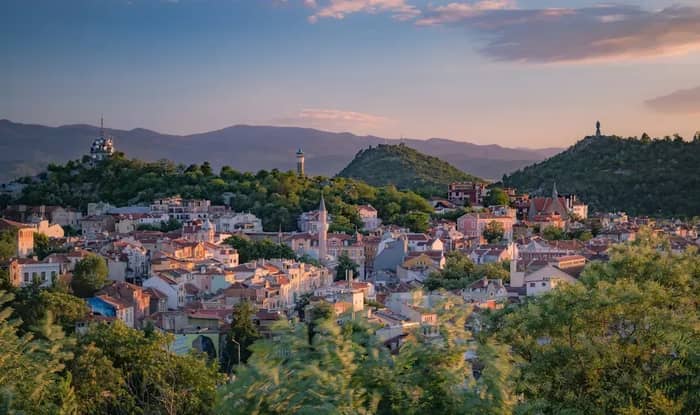
Bulgaria in 2024 was found delightfully charming and underexplored, with little evidence of high season outside of the Black Sea coast, often having epic sights almost all to oneself despite visiting in July. The country offers Black Sea beaches, mountain ranges for skiing and hiking, and centuries of history spanning Thracian, Roman, and Ottoman empires.
Bulgaria has numerous fascinating remnants of the Roman, Ottoman, and Bulgarian empires to see, including some of the most impressive ancient forts in Eastern Europe. Sofia surprises visitors with its mix of communist architecture, Orthodox churches, and Roman ruins all within walking distance. The food is hearty and delicious, heavily influenced by Turkish and Greek cuisine.
There’s plenty of gorgeous nature to enjoy, with some fantastic mountain hiking trails and mindblowing caves to explore, and Bulgaria felt like a diamond-in-the-rough that’s sure to reward the curious traveller. Rila Monastery looks like it fell out of a fantasy novel. Bulgaria consistently ranks as one of Europe’s cheapest destinations yet somehow stays overlooked. The value here is absolutely ridiculous.
10. Colombia: Beyond the Stereotypes
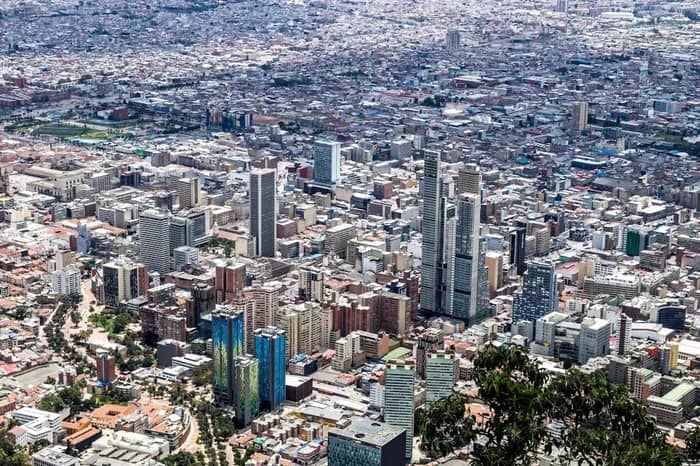
Colombia spent decades dealing with a terrible reputation. That’s ancient history now, and travelers are finally catching on. Areas with a high tourist factor include the old town of Cartagena and the hip district of Poblado in Medellin, but as a whole Colombia remains a highly underrated destination. Cartagena’s colonial old town is postcard perfect, Medellin transformed from dangerous to innovative, and Bogotá pulses with art, nightlife, and incredible food.
The coffee region offers plantation tours through some of the world’s best beans. Caribbean beaches, Amazon rainforest, Andean peaks, and colonial towns all exist within one country’s borders. Colombian warmth and hospitality are legendary. Salsa dancing is basically mandatory.
The country has invested heavily in tourism infrastructure while keeping prices remarkably reasonable. Internal flights are cheap, making it easy to cover ground. Colombia offers extraordinary diversity without the crowds you’d find in Peru or Costa Rica. The secret is spreading fast though. Social media is doing its work.
11. Uzbekistan: Silk Road Cities That Time Forgot
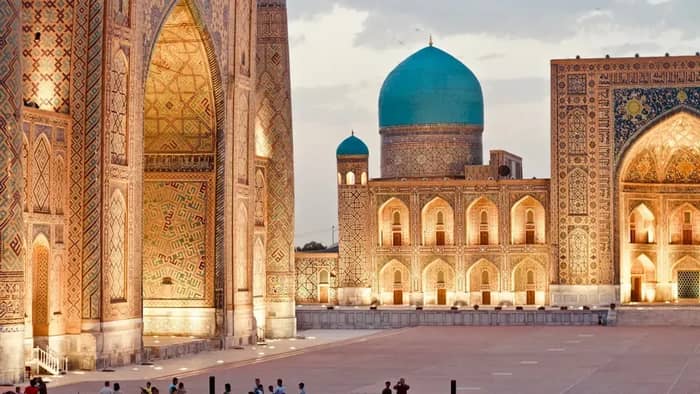
Most people can’t even point to Uzbekistan on a map, which is exactly why it’s so special right now. This Central Asian country is home to some of the most jaw-dropping Islamic architecture on the planet – we’re talking turquoise-tiled mosques and madrasas that make you question if you’re still on Earth. Samarkand’s Registan Square alone is worth the flight, with three massive madrasas covered in intricate mosaics that glow golden at sunset. Bukhara feels like stepping into a medieval time capsule, where traders once haggled over silk and spices along the ancient Silk Road. The best part? You’ll have these UNESCO sites practically to yourself, unlike the mob scenes at Europe’s famous landmarks. Uzbek hospitality is overwhelming in the best way – locals will literally drag you into their homes for plov (the national rice dish) and endless cups of green tea. Since 2018, the government simplified visa requirements dramatically, making it easier than ever to visit. Tourism numbers are climbing fast, but for now, Uzbekistan remains blissfully uncrowded and ridiculously affordable.
12. Madagascar: A Wildlife Paradise Like Nowhere Else on Earth
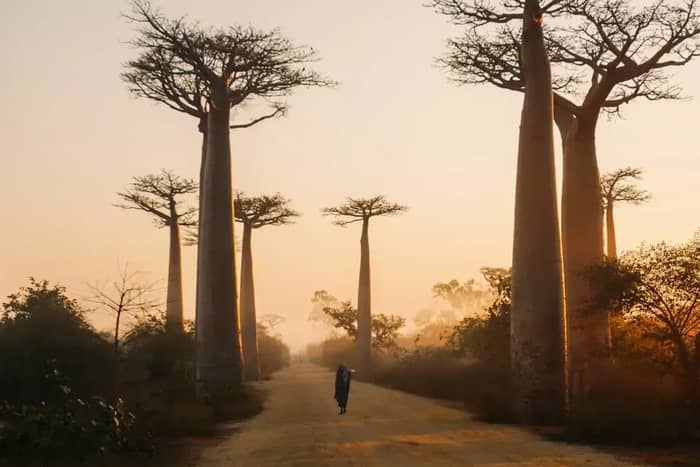
Here’s something wild – about 90% of Madagascar’s wildlife exists nowhere else on the planet, making it basically a real-life Jurassic Park without the dinosaurs. This island nation off Africa’s east coast split from the mainland millions of years ago, allowing evolution to go absolutely bonkers and create lemurs, chameleons, and bizarre baobab trees that look like they’re growing upside down. You can watch ring-tailed lemurs leap through spiny forests, spot tiny mouse lemurs the size of your thumb, or snorkel alongside whale sharks off Nosy Be island. The Avenue of the Baobabs near Morondava is straight-up surreal – these ancient trees tower over dirt roads like nature’s own cathedral. Tourism infrastructure is still pretty basic here, which keeps the crowds away but also means you need a sense of adventure and patience. Most visitors stick to the capital Antananarivo and miss the insane biodiversity hiding in rainforests and coastal areas. Madagascar won’t stay secret much longer though – conservation efforts are finally getting international attention, and savvy travelers are catching on that this place is legitimately one of the most unique destinations on Earth.
13. Kyrgyzstan: Central Asia’s Mountain Wonderland
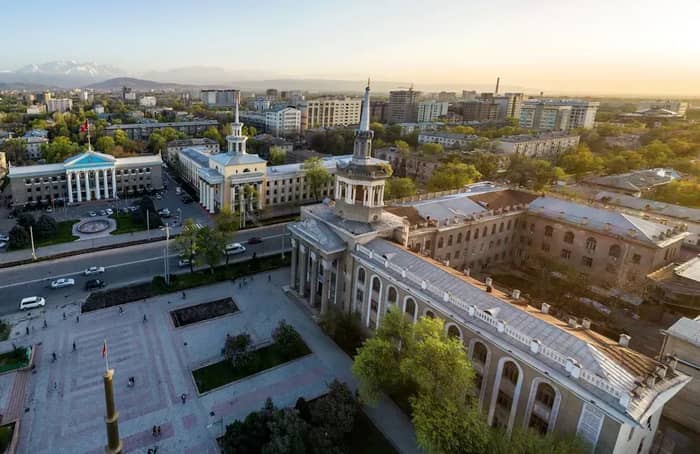
If you’re into dramatic mountain scenery and nomadic culture without the tourist hordes, Kyrgyzstan is basically heaven on earth – and ridiculously cheap to boot. This landlocked Central Asian nation is over 90% mountains, with the stunning Tian Shan range creating landscapes so epic they’ll make your Instagram followers think you’ve edited the photos. You can stay in traditional yurt camps beside alpine lakes like Issyk-Kul (the world’s second-largest alpine lake that never freezes), go horseback riding with actual nomadic herders, or trek through valleys where you won’t see another soul for days. The country has this amazing community-based tourism network where local families open their homes to travelers, giving you authentic experiences you just can’t buy at fancy resorts. What’s crazy is how accessible it all is – Bishkek, the capital, has a surprisingly cool café scene and Soviet-era charm, but within a couple hours you’re literally in the middle of nowhere surrounded by snow-capped peaks. With visa-free entry for most nationalities and accommodation costing as little as $10 a night, Kyrgyzstan offers adventure travel that won’t destroy your bank account, though word is definitely spreading among the backpacker community.
14. Rwanda: Africa’s Comeback Story That’ll Change Everything You Thought You Knew
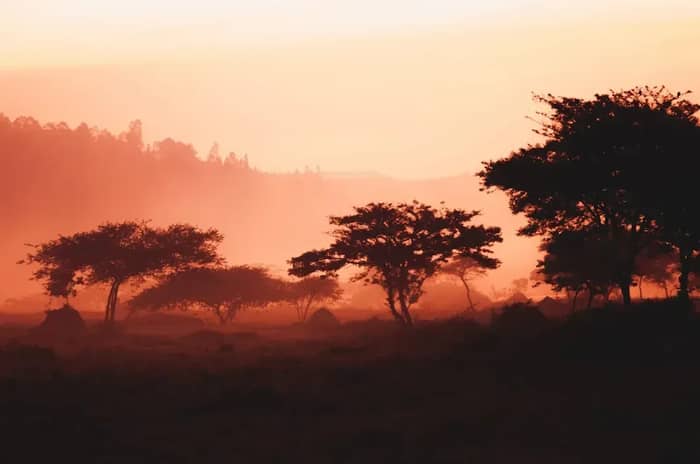
Rwanda has pulled off what might be the most impressive national transformation in modern history, going from unthinkable tragedy to one of Africa’s safest, cleanest, and most progressive countries in just three decades. Seriously, Kigali is so spotless it makes Singapore look messy – plastic bags are banned, and there’s a mandatory community cleanup day once a month where even the president picks up trash. But here’s what really blows people’s minds: you can track endangered mountain gorillas in Volcanoes National Park, an experience so profound that grown adults regularly cry when a 400-pound silverback locks eyes with them from just a few feet away. Beyond the gorillas, Lake Kivu offers pristine beaches without the crowds, Nyungwe Forest has chimpanzees and canopy walks through ancient rainforest, and Akagera National Park recently reintroduced lions and rhinos for proper Big Five safari action. The country has invested heavily in tourism infrastructure while keeping things authentically Rwandan, and the warmth of locals who’ve chosen reconciliation and hope over bitterness will restore your faith in humanity. Rwanda isn’t just recovering – it’s showing the world what’s possible when a nation commits to a better future, and travelers are finally catching on to what insiders have known for years.
15. Jordan: Ancient Wonders Without the Tourist Madness (For Now)
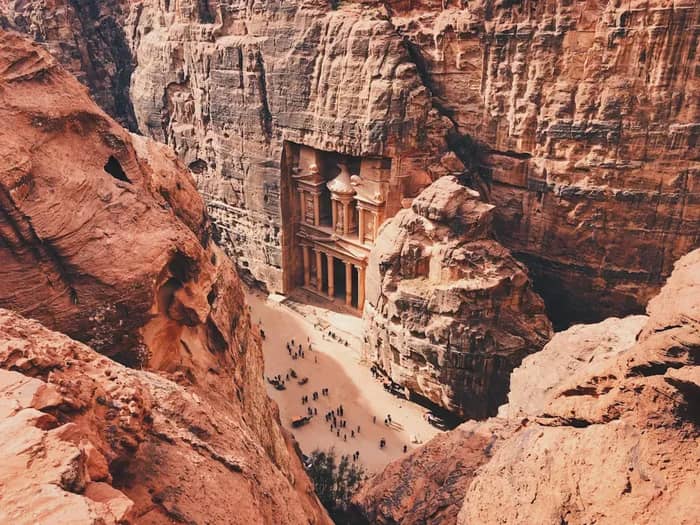
Jordan somehow manages to pack world-class archaeological sites, dramatic desert landscapes, and the actual Dead Sea into a country smaller than Indiana, yet it remains shockingly under-visited compared to its chaotic neighbors. Petra alone – that rose-red city carved into cliffs by the Nabataeans 2,000 years ago – should have lines around the block, but you can still wander through the Treasury and Monastery without battling selfie stick armies like you would at Machu Picchu or the Taj Mahal. The thing is, Jordan keeps getting overshadowed by misconceptions about Middle Eastern travel, even though it’s one of the safest, most welcoming countries you’ll ever visit, with Bedouin hospitality that’ll have strangers inviting you for tea within minutes. Wadi Rum’s otherworldly desert (yes, where they filmed The Martian and Dune) lets you sleep under literally a billion stars in luxury camps, while Aqaba offers Red Sea diving that rivals Egypt without the hassle. Float effortlessly in the Dead Sea, explore Roman ruins at Jerash that put some Italian sites to shame, and eat your weight in mansaf and knafeh while locals treat you like family. Jordan’s tourism infrastructure is excellent but not overbuilt, meaning you get all the comfort without feeling like you’re in a theme park version of the Middle East.