

Visa rules have a way of quietly shifting while nobody’s looking, and 2026 has turned out to be one of those years where several long-standing arrangements are being rewritten at once. Some countries are tightening entry after years of loose enforcement, while others are still holding onto generous stay limits that make trip planning refreshingly simple. This roundup focuses on destinations that currently allow visa-free entry for travelers holding passports from countries like the United States, United Kingdom, Canada, Australia, or the European Union, though the exact terms always depend on your specific nationality, so a quick check before booking is never wasted time.
1. Japan
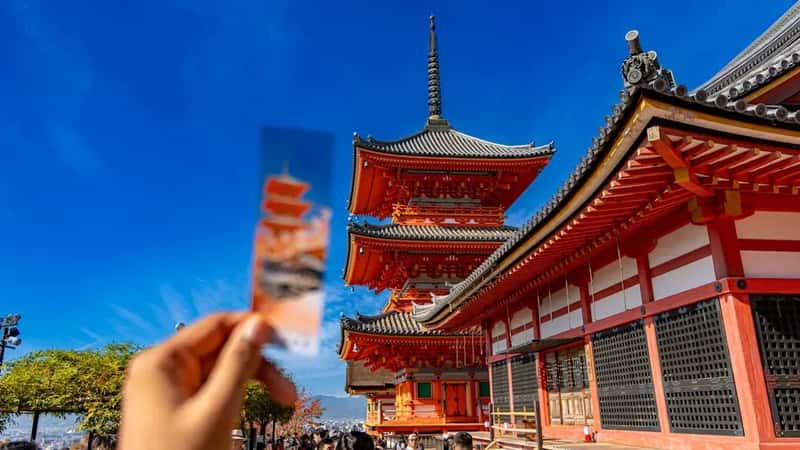
Japan remains one of the more dependable visa-free destinations, extending short-stay exemptions to travelers from dozens of countries around the world. The typical arrangement allows tourism visits of up to 90 days, a policy that has stayed remarkably stable even as other countries reshuffle their rules. Citizens of Serbia holding a biometric passport can enter Japan visa-free for short-term stays of up to 90 days, including tourism, which gives a sense of how broadly this exemption reaches beyond the usual list of wealthy Western nations.
There is no indication that Japan plans to roll back this openness anytime soon, even as immigration authorities elsewhere grow more cautious. If anything, the country has leaned further into welcoming long-stay visitors through digital nomad style permits introduced in recent years. For a straightforward tourist trip, though, a passport and a return ticket are usually all that is required at the border.
2. Thailand

Thailand has been one of the most talked about visa stories of the past two years, and the situation is still evolving. Thailand extended its standard visa exemption from 30 to 60 days for most eligible nationalities, effective in late 2024 and carried into 2026, covering citizens from 93 nationalities including most of Europe, North America, and parts of Asia. Every arriving traveler also has to complete the Thailand Digital Arrival Card, which replaced the old paper TM6 form and is mandatory at all major airports and most land crossings.
That said, this is a moving target right now. Thailand’s Cabinet approved a revised framework on May 19, 2026 that plans to end the blanket 60-day exemption, with the change expected to take effect roughly 15 days after publication in the Royal Gazette. Under the proposed system, a new 30-day tourist visa exemption would apply to 54 countries and territories, covering many of Thailand’s traditional tourism markets, while a handful of others would see even shorter allowances. Anyone planning a Thailand trip later this year should check the current status close to departure rather than relying on older information.
3. South Korea

South Korea has run one of Asia’s more consistent visa waiver programs for years, granting tourism entry without a traditional visa to citizens of dozens of countries, generally for stays of up to 90 days. Travelers from visa-exempt nations do need to register through the K-ETA electronic authorization system before arrival, a step that takes a few minutes online but is not the same as applying for a full visa. The country has kept this policy fairly stable even as neighboring Thailand reworks its own rules, which makes South Korea a comparatively low-hassle option for a Northeast Asia itinerary.
Seoul’s tourism board has also been actively courting longer stays from digital workers and repeat visitors, so the underlying policy environment seems oriented toward keeping entry simple rather than restricting it. Passport validity requirements are standard, generally six months beyond the planned stay. For most short trips, this remains one of the more predictable entries on this list.
4. Mexico

Mexico continues to welcome a long list of nationalities without requiring a visa in advance. Travelers do not need a visa to enter Mexico if they hold a valid passport from countries including the United States, Canada, and most of the European Union, and US and Canadian citizens specifically do not need a visa for tourism or business purposes. The stay permit for tourists is generally up to 180 days, though the exact duration is decided by the immigration officer at the time of entry.
Arrival paperwork has also gone digital in many airports. Mexican immigration officers now record entry digitally, which has replaced the old paper FMM card at most airports. That six-month window makes Mexico one of the longest visa-free allowances available anywhere in North America, and it explains why the country has become such a popular base for remote workers who do not want to deal with a formal residency process.
5. Costa Rica

Costa Rica groups visiting nationalities into tiers, and travelers from many Western countries land in the most generous category. A visa is not required for stays less than 180 days, and this applies broadly to citizens of the United States, Canada, the UK, and the EU. A return ticket is required at entry, so travelers should have that documentation ready.
Immigration officers retain some discretion here, and authorities may allow visitors to stay for up to 180 days without a visa, though this is not guaranteed, so travelers should make sure to leave by their required departure date. Overstaying can lead to fines or future entry problems, so it pays to note the exact stamp date on arrival. For most tourists planning a few weeks in the rainforest or on the coast, though, this policy leaves plenty of room to spare.
6. Panama

Panama offers one of the longer visa-free windows in Central America for a specific set of nationalities. Citizens of the United States and Canada may stay up to 180 days as tourists in Panama, a generous allowance that puts it alongside Costa Rica as one of the region’s most accommodating destinations. Citizens of many other countries, from most of the European Union to Japan, Australia, and South Korea, are also included on Panama’s visa-exempt list, though stay lengths can vary by nationality.
Panama has also built in flexibility for travelers who hold valid visas from certain other countries. Anyone with a valid multiple entry visa or residence permit from Canada, the United States, Australia, South Korea, Japan, the United Kingdom, Singapore, or an EU member state may also enter the country, provided that document meets specific validity requirements. This layered system means Panama is often accessible even to travelers whose home country would otherwise require a visa.
7. Colombia
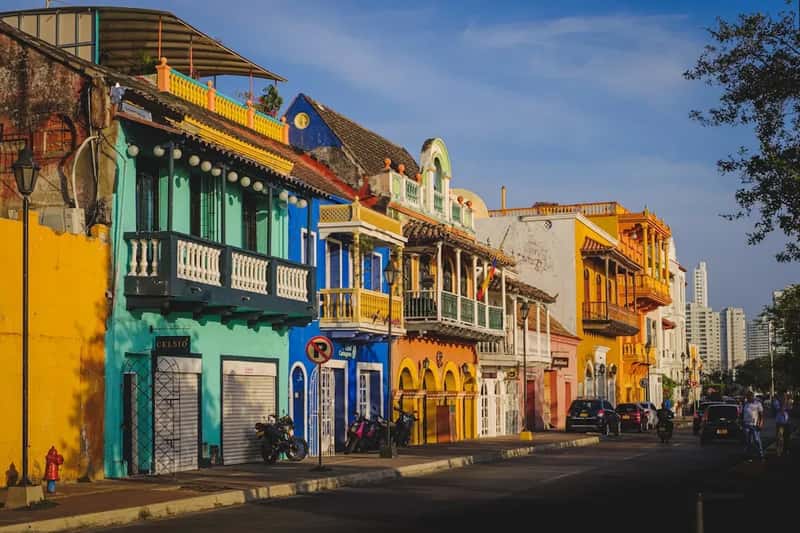
Colombia has kept its short-stay tourist policy stable even as it tightens rules for longer-term visa categories. Citizens of the United States, Canada, the UK, and the EU are still eligible for 90 days of visa-free travel within a 180-day period, which covers most vacation and business trip lengths comfortably. This access has not been affected by the recent changes to Colombia’s digital nomad and retirement visa income thresholds.
Those separate changes are worth knowing about if your plans extend beyond simple tourism. The required monthly income for longer-term visas rose sharply at the start of 2026, tied to a jump in the national minimum wage, but this hike does not affect tourist visa policies for the vast majority of short-term travelers. For anyone coming to see Cartagena’s old town or hike near Medellín for a few weeks, the entry process remains as simple as it has been for years.
8. Georgia

Georgia has built a reputation as one of the most open countries in the world when it comes to visa policy, and it has held onto that reputation into 2026. Citizens of 98 countries can enter Georgia without a visa and stay for up to 365 days per visit, a list that includes all EU and EEA countries, the UK, USA, Canada, Australia, Japan, and most developed nations. That single-year allowance is extraordinary by global standards, since most countries cap visa-free stays at 90 days or less.
The main requirement is straightforward. Travelers need a passport valid for at least six months beyond their planned stay, along with the usual proof of accommodation and return travel. Georgia has recently added one new wrinkle worth knowing about, though: since January 1, 2026, foreign nationals entering the country are required to hold travel medical insurance valid for the duration of their stay, a small but easy to overlook detail for anyone packing at the last minute.
9. Serbia

Serbia sits at an interesting crossroads for visa-free travel, since it maintains open borders with an unusually wide mix of countries. Citizens of many countries, including the US, UK, and EU member states, can enter Serbia for up to 90 days without a visa if they hold a valid travel document. This arrangement has been in place for over a decade and shows no sign of changing.
What makes Serbia distinctive is how it treats travelers who already hold visas elsewhere. Holders of a valid visa or residence permit from Ireland, the Schengen Area, the United Kingdom, or the United States may enter Serbia without a visa for a maximum stay of 90 days within any 180-day period. That rule effectively opens the door to travelers from countries that would otherwise need a Serbian visa, as long as they already hold documentation from one of those recognized regions.
10. Albania

Albania has quietly become one of the most attractive long-stay options in Europe for American travelers specifically. US citizens have exceptionally generous entry terms, able to enter visa-free and stay for up to one year, a full 365 days, far longer than almost any other European country offers. Citizens of the EU, UK, Canada, and most of Latin America are also welcome without a visa, though their allowance typically runs closer to 90 days for tourism, business, or transit.
Because Albania sits outside the Schengen Area, time spent there does not count against a traveler’s Schengen day limit, which has made it popular for people stitching together longer European trips. Long-term travelers alternate between Schengen countries and non-Schengen Western Balkan destinations, using Albania’s one-year allowance for Americans as a home base while their Schengen days refill. It is a strategy that has turned a relatively under-the-radar country into a serious option for slow travel.
11. United Kingdom

The UK remains one of the easiest entries for American travelers despite its departure from the EU. US citizens can travel to the UK visa free for up to six months, which is considerably longer than the standard 90-day allowance most travelers get elsewhere in Europe. Citizens of Canada, Australia, and most EU countries enjoy similar visa-free access, though the exact permitted stay can vary by nationality.
Requirements at the border are fairly conventional: a valid passport, proof of onward travel in some cases, and enough funds to cover the stay. The UK has also introduced its own Electronic Travel Authorisation for many visa-exempt nationalities, a simple online step rather than a traditional visa application. For anyone planning a UK stopover or an extended visit to family, this remains one of the more generous arrangements on this list.
12. Ireland

Ireland sits outside the Schengen Area, which means its entry rules run independently from the rest of continental Europe. Non-Schengen European countries like the UK, Ireland, Croatia, and the Balkans allow visa-free entry for travelers from the US, Canada, Australia, and most of the EU, typically for tourism stays of up to 90 days. Because Ireland does not participate in the Schengen 90/180-day rule, time spent there does not eat into a traveler’s Schengen day count elsewhere in Europe.
This makes Ireland a convenient add-on for longer European trips, since it functions almost as a separate pool of allowable days. The entry process itself is standard: a valid passport, evidence of return travel, and sufficient funds for the stay. Dublin and the west coast draw a steady stream of American and Canadian visitors precisely because the paperwork stays this simple.
13. Malaysia

Malaysia has long positioned itself as one of Southeast Asia’s more accessible destinations, granting visa-free entry to citizens of the United States, the United Kingdom, most of the European Union, and Australia for tourism purposes. Stay lengths have traditionally run up to 90 days for many of these nationalities, though the exact figure depends on bilateral agreements that occasionally shift. Kuala Lumpur’s mix of modern infrastructure and lower costs compared to Singapore has kept it a steady draw for travelers passing through the region.
Immigration officers typically ask for a passport valid well beyond the stay, along with proof of onward travel. Malaysia has not signaled any major overhaul to its tourist entry policy the way Thailand has, which makes it a comparatively low-drama choice for a Southeast Asia itinerary. For travelers building a multi-country trip through the region, Malaysia often serves as the easy leg by comparison.
14. United Arab Emirates

The UAE has opened up considerably over the past decade, moving away from its older reputation for tighter entry rules. US passport holders can enter the United Arab Emirates and stay visa free for up to 30 days, a policy that also extends to many other nationalities including much of the EU, the UK, Canada, and Australia. That window is shorter than some of the other countries on this list, but it comfortably covers most Dubai or Abu Dhabi vacations.
Extensions are available for travelers who want to stay longer, though they involve a separate application process rather than simply overstaying. The UAE’s push to grow tourism and its digital nomad visa programs has generally moved the country toward more openness rather than less. For a short trip built around a stopover or a week exploring the Gulf, the 30-day allowance rarely poses a problem.
15. New Zealand

New Zealand allows citizens of dozens of countries to enter without a traditional visa, though there is a step travelers should not skip. Anyone from a visa-waiver country, including the US, UK, most of the EU, and Canada, needs to apply for a New Zealand Electronic Travel Authority before departure, a quick online process rather than a formal visa application. Once approved, tourists are typically granted stays of up to 90 days.
This system has been in place for several years now and has become routine for most travelers rather than a source of confusion. The authority is tied electronically to the traveler’s passport, similar in spirit to the American ESTA or the UK’s newer travel authorization. Combined with Australia’s comparable ETA system just across the Tasman Sea, this pairing makes a New Zealand and Australia itinerary relatively painless to plan from a paperwork standpoint.
Visa policy rarely stays still for long, and 2026 has made that clearer than most years, with Thailand overhauling a rule that barely settled in 2024 and countries like Georgia and Albania quietly holding onto some of the most generous stay allowances anywhere. The details above reflect where things stand right now, but immigration rules are the kind of thing worth double checking close to your departure date rather than trusting a screenshot from six months ago. A little verification before booking flights is a small price for arriving somewhere without a paperwork headache waiting at the border.