Most people walk onto their first cruise thinking the hard work is done the moment they hand over the boarding pass. They figure it out as they go – and they spend the whole week paying for it. They wait in the wrong lines, sit in the noisiest cabin on the ship, get soaked on shore excursions that cost three times what they needed to, and wonder at the end why veterans seem to be having a fundamentally different – better – vacation on the exact same ship.
The gap isn’t about spending more money. It’s about a handful of quiet, specific habits that experienced cruisers have picked up over dozens of sailings. None of them are obvious. Almost none of them are in the brochure. A few of them will genuinely shock you – especially the ones closest to number one.
#15 – They Book Their Cabin Location Like It’s the Most Important Decision on the Whole Trip
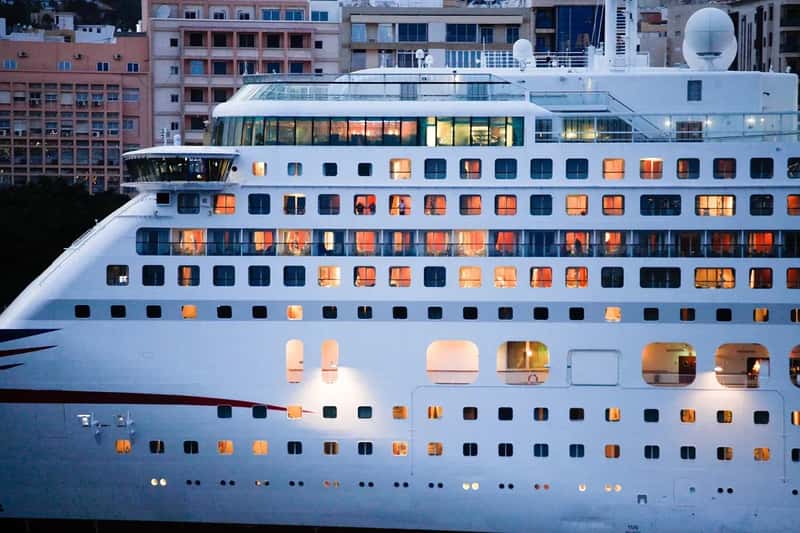
First-timers let the cruise line assign them a cabin, or they pick based purely on price. Veterans know the ship’s deck plan before they ever book – and they avoid the trouble spots on purpose. Cabins below the pool deck get dragged furniture noise at 6 a.m. Cabins near the elevators get foot traffic and door-slamming at midnight. Cabins above the theater get thumping bass until the late show ends. None of this is disclosed at booking unless you know to ask.
Experienced cruisers also pay attention to the ship’s midpoint. If you’re prone to seasickness, a cabin in the middle of the ship – both fore-to-aft and low on the deck stack – gives you the smoothest ride. Veterans treat cabin selection as the very first decision, not an afterthought made after the flight is booked. First-timers find out why the hard way, usually somewhere around night two.
#14 – They Arrive at the Port City the Night Before Departure

This is the single habit that separates people who’ve never missed a ship from people who have. Most cruises depart in the afternoon, so flying in the morning of departure looks fine on paper – until there’s a two-hour tarmac delay, a missed connection, or a highway accident that turns a 45-minute drive into three hours. The ship will not wait. It has a port schedule, a fuel plan, and several thousand other passengers who showed up on time.
Veterans book a hotel near the port the night before, enjoy a relaxed morning, and board early without stress. If you’re sailing from an overseas port, experienced cruisers often arrive two or three days ahead. One night in a decent airport hotel near the port costs a fraction of what a last-minute flight to the ship’s next port will run you – and the math gets even uglier when you factor in emergency hotels and lost excursion deposits. It’s the cheapest insurance policy most first-timers never think to buy.
#13 – They Use the Cruise App to Pre-Read Every Dinner Menu Before the Ship Even Sails
This sounds like a minor convenience. It’s actually one of the best scheduling moves you can make before a sailing. Most major cruise line apps display the full main dining room menu for the entire voyage – every night, every course – and veterans scroll through it before they ever pack a bag. That five-minute preview tells them exactly which nights are worth showing up for and which nights call for a specialty restaurant or a quiet meal at the buffet instead.
The payoff isn’t just culinary. Knowing that lobster and surf-and-turf night falls on day four means veterans have already planned their specialty restaurant booking for day three, when the main dining room menu is less exciting. First-timers wander in every evening without context, occasionally missing the best nights entirely because they booked a specialty restaurant on the wrong day. The app is free. The information is all there. It just never occurs to most people to look before they board.
At a Glance: What Cruise Apps Let You Do Before You Even Pack
- Browse the full main dining room menu for every night of the voyage
- Reserve specialty restaurants, shore excursions, and spa appointments
- Check in online and download your boarding pass to skip terminal lines
- Review your real-time onboard account balance from your phone
- Message fellow travelers in your group without using ship Wi-Fi credits
#12 – They Pack a Hanging Shoe Organizer and Turn the Cabin Door Into a Storage Wall

Cruise cabin bathrooms are notoriously small – counter space for two people is essentially nonexistent. First-timers spend the trip with toiletries scattered across the sink ledge, sunscreen falling off shelves, and flip-flops kicked under the bed. Veterans pack a simple over-the-door hanging shoe organizer – the kind with a dozen clear pockets – and hang it on the bathroom door the moment they board. Instantly, there’s organized storage for sunscreen, shampoo, razors, sunglasses, and flip-flops where there was nothing before.
It weighs almost nothing in a suitcase. On the ship, it transforms the feel of the cabin in a way that no upgrade would. A 185-square-foot inside stateroom shared by two people is tight. A 185-square-foot inside stateroom with a fully functional bathroom door organizer suddenly feels manageable. Veterans mention this habit almost every time they’re asked about packing. First-timers almost never think of it until they’re standing over a tiny counter on day two wondering where everything is supposed to go.
#11 – They Skip the Embarkation Day Buffet Entirely

On the first afternoon of any cruise, there’s a completely predictable traffic jam at one location: the main buffet. Every first-timer heads there immediately after boarding. The result is a chaotic, overcrowded, hard-to-navigate scene that sets a surprisingly bad tone for what should be the most exciting afternoon of the trip. Veterans don’t go near it. They already know the embarkation buffet is the worst version of a buffet the ship will offer all week – crowded, loud, and slow.
Instead, they look for the alternatives that nobody is fighting over. Many ships open the main dining room for a quiet sit-down embarkation lunch, or have a poolside grill, café, or pizzeria that’s far less congested. After a light lunch, savvy cruisers change into swim gear and head straight to the pool deck – which is often nearly empty those first two hours because everyone else is still in the buffet line. The first two hours on a ship are the best two hours of the week, if you know where not to go.
#10 – They Pack a Carry-On with Everything They Need for Day One
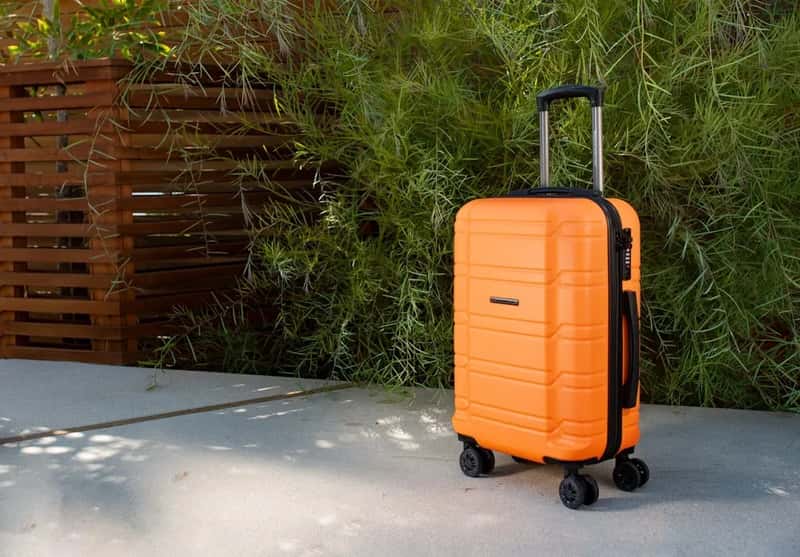
This mistake is so common it’s practically a first-timer rite of passage. You board the ship, hand off your checked luggage at the terminal, and then spend the first four hours in jeans watching the pool from a distance because your swimsuit is somewhere in the cargo system with 3,000 other bags. Checked luggage on large ships can take until mid-afternoon or even early evening to reach your cabin. Veterans know this going in and pack accordingly.
The carry-on strategy is simple: swimsuit, flip-flops, a change of clothes, any medications you’ll need during the day, phone charger, and sunscreen go in a bag that never leaves your hand at the terminal. Everything else can wait until the checked bag arrives. Veterans treat that carry-on like a first-day survival kit – not just a convenience, but the thing standing between them and spending the first afternoon of their vacation sitting in a cabin hallway waiting for luggage instead of floating in a hot tub with a drink.
#9 – They Tip the Bar Staff on Night One

This is a habit most first-timers would never think to do – and the difference in service it produces is genuinely striking. Handing a few dollars to a bartender at your favorite onboard bar on the very first evening signals something important in a place where one bartender serves hundreds of faces a day: you’re not just another face. Veteran cruisers who do this consistently report being spotted in a crowd, having their usual drink started before they reach the bar, and receiving the kind of attentive service that makes a cruise feel like a luxury experience rather than a floating cafeteria.
This isn’t about gaming the system. Cruise bar staff work grueling hours, serve enormous numbers of guests, and receive a small gratuity split from the daily service charge. A small, direct gesture on the first night tells them you see their effort and you appreciate it. First-timers save tips for the last day – by which point the relationship has already been defined all week. Veterans establish it on night one, and the entire sailing feels different because of it.
Worth Knowing: How the Onboard Tipping System Actually Works
- Most cruise lines charge an automatic daily gratuity of roughly $16–$20 per person, split among cabin stewards, dining staff, and other crew
- Bar tabs typically already include an 18% service charge added automatically at the point of sale
- A direct cash tip to your specific bartender goes to that person – it’s separate from the pooled daily charge
- Spa treatments usually carry an automatic 18% gratuity added to the final bill
- Night-one tipping works because bartenders remember early – not because of the dollar amount, but because almost nobody else does it
#8 – They Book Independent Shore Excursions Instead of Cruise Line Tours

The cruise line’s excursion desk is convenient. It’s also, in many cases, the most expensive and least personal way to experience a port. Independent tour operators – found through platforms like Viator or ToursByLocals, or booked directly at the pier – frequently offer the same sites at significantly lower prices, and they do it in groups of six to ten people instead of forty on a motorcoach. The difference in experience between a shared van with eight travelers and a bus with a PA system isn’t subtle.
Veterans do make one strategic exception: in ports where the timing is tight or where traffic delays could put you at risk of the ship leaving without you, they book through the cruise line for the guaranteed protection. If a ship’s excursion is late returning, the ship holds. If your independent tour runs long, the ship leaves. Knowing which ports carry that risk – and booking accordingly – is exactly the kind of judgment that only comes from experience. For everything else, smaller group and lower price wins almost every time.
#7 – They Check Their Onboard Account Every Day, Not Just at the End
One of the most reliably stressful moments in cruising happens on the final night: standing in a long, slow line at guest services to dispute a charge that’s been sitting on your account for six days and that you only noticed when the final bill arrived under your door at midnight. Veterans never let it get that far. Modern cruise apps display your full itemized onboard account in real time, and experienced cruisers scan it every day or two – a habit that takes about thirty seconds.
The practical advantage is enormous. Billing errors, duplicate charges, and mini-bar mysteries are far easier to resolve mid-voyage when crew have the flexibility to simply correct them. By the final night, guest services is overwhelmed and your options narrow. Veterans also note that catching a charge early means you actually remember the transaction in question – or know for certain you didn’t make it. The final-night guest services line is one of the most predictably unpleasant parts of any cruise, and it’s almost entirely avoidable.
#6 – They Order Multiple Dishes at the Main Dining Room Without a Second Thought

First-timers sit down at the main dining room and order exactly the way they would at a land restaurant – one appetizer, one entrée, one dessert. They leave half-satisfied and vaguely underwhelmed, completely unaware that they had total freedom to order otherwise. The main dining room on virtually every major cruise line is all-inclusive. Two appetizers catch your eye? Order both. Can’t decide between the steak and the pasta? Get both. The waiter won’t blink. This is expected, routine, and built into the experience.
Veterans treat the main dining room like the unlimited food experience it actually is. They try the dishes they’re curious about, order a second entrée when the first one disappoints, and occasionally build an entire meal out of appetizers if nothing on the entrée menu calls to them. First-timers usually find out what they’ve been missing on the last night – often when a veteran at the neighboring table is halfway through their second entrée and the server is already taking their dessert order. It’s one of those moments where a week of dining room meals suddenly looks a little different in hindsight.
#5 – They Stay Onboard During at Least One Port Day – on Purpose
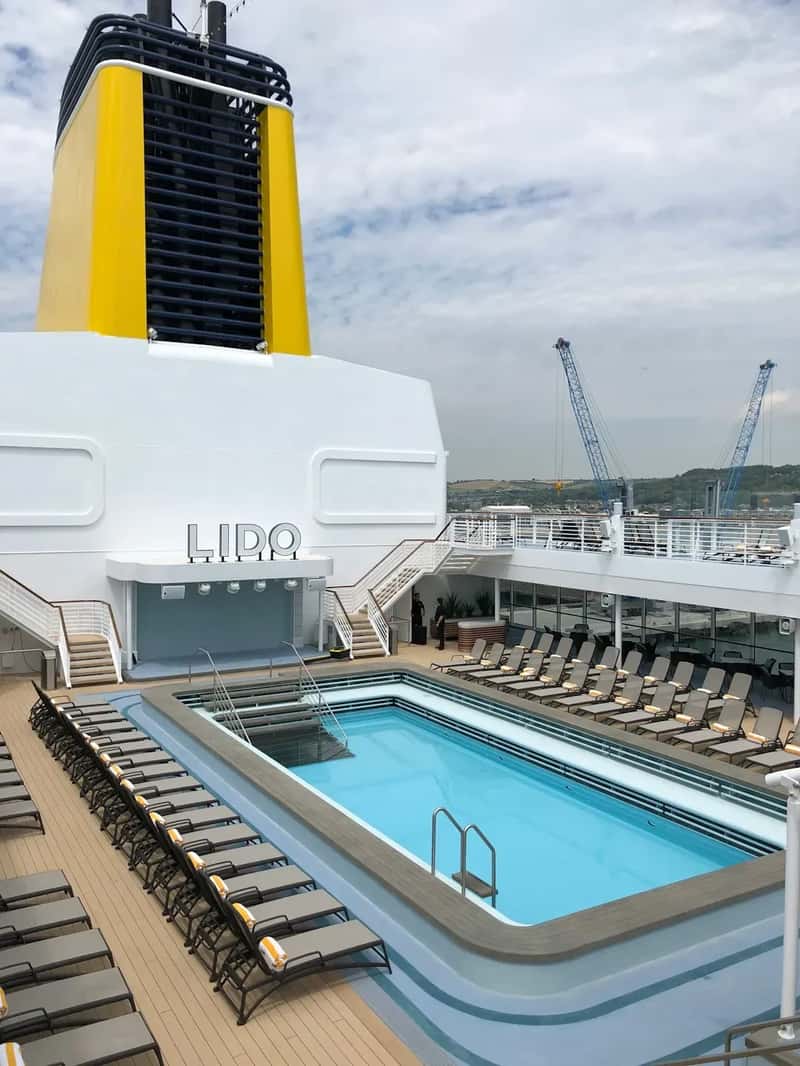
The idea of voluntarily skipping a port sounds almost irresponsible to a first-timer. You paid for this trip. The ship is docked. Get out there. Veterans know better – and a deliberate ship day in port is one of the most quietly luxurious experiences in all of cruising. When a ship docks and 3,000 passengers pour off to explore, what’s left behind is extraordinary: an open pool deck, empty hot tubs, lounge chairs as far as you can see, and bar service without a wait.
The spa becomes even more compelling on port days. Ships routinely offer significant discounts on treatments when the ship is in port – sometimes up to 40 percent off – as an incentive to keep some guests onboard. Veterans identify the port they’re least excited about early in the itinerary and deliberately plan a ship day around it, stacking it with a spa appointment, a long pool session, and a quiet lunch at the buffet when there’s nobody there. The same ship that felt crowded at sea suddenly feels like a private resort. First-timers don’t discover this until their second or third sailing – if then.
Fast Facts: What Actually Happens When the Ship Empties at Port
- Spa treatments can be discounted up to 40% on port days, when demand drops sharply
- Pool decks and hot tubs that seat dozens feel like private amenities with 90%+ of passengers ashore
- The buffet runs with full selection and almost no lines – the rare time both are true at once
- Some ships offer port-day spa bundles: a 50-minute massage plus facial for the price of one sea-day treatment
- The gym, steam rooms, and jogging track are essentially deserted – a sea-day experience for free
#4 – They Use the Gym Showers on Busy Port Return Evenings
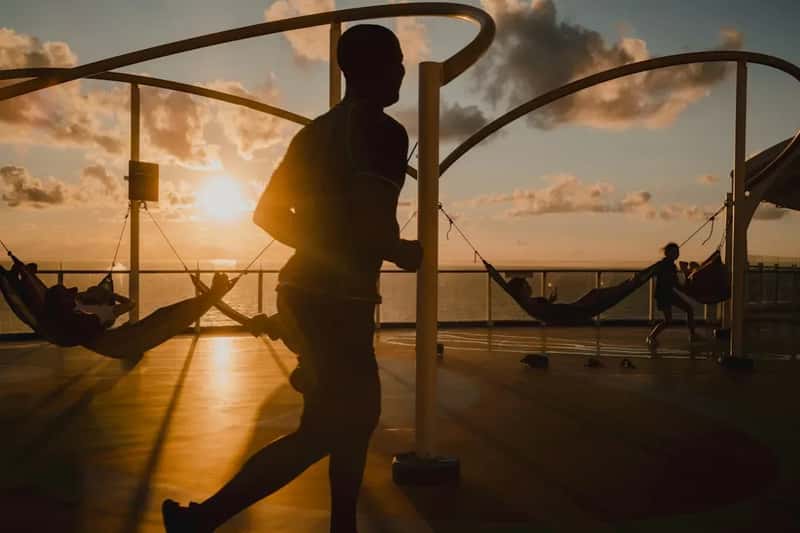
Four people sharing one small cruise cabin shower after a long, sandy, sweaty port day is a logistical mess. Someone’s always waiting. Someone’s always late to dinner. Someone ends up washing off sunscreen in the sink. Veterans discovered the workaround years ago: the fitness center locker rooms. The ship’s gym showers are typically large, clean, well-supplied, and – on port return evenings when everyone on the ship is trying to clean up at the same time – almost completely empty.
Anyone can use them. There’s no extra charge. The gym area often includes a sauna or steam room accessible for free as well. Nobody announces this at the welcome-aboard show. There’s no sign pointing you there from the cabin deck. First-timers wait in the cabin shower queue every single port evening, occasionally missing dinner reservations while doing it. Veterans have already showered, changed, and put in their dining room order. On a seven-night cruise with four port days, this single habit saves hours of collective frustration – and it costs absolutely nothing.
#3 – They Book Their Next Cruise While Still Onboard the Current One
This is the habit that separates occasional cruisers from the ones who sail multiple times a year at a fraction of what everyone else pays. Buried somewhere on every major cruise ship is a future cruise desk – a small office with a surprisingly compelling offer that exists nowhere else. Booking your next sailing while still onboard – even as a flexible open booking with no destination chosen yet – typically comes with meaningful onboard credit toward the new cruise and a reduced deposit.
Veterans don’t even need to know where they’re going. Most lines let you lock in the deposit and the credit while leaving the itinerary open to decide later. You keep the benefits either way. It’s the closest thing to a legal money glitch that exists in cruising – you’re combining advance-booking pricing with exclusive in-voyage incentives in a single transaction. First-timers disembark planning to “look into another cruise sometime.” Veterans walk off with a deposit already down, onboard credit already locked in, and a reason to start planning again before they’ve even unpacked.
Quick Compare: Onboard Booking Perks by Major Cruise Line
- Norwegian Cruise Line: Purchase CruiseNext Credits onboard and earn up to $500 in onboard credit for your current sailing – no need to choose a destination yet
- Princess Cruises: $100-per-person Future Cruise Deposit locks in up to $150 onboard credit; you have up to a year to pick your itinerary
- Holland America: Future Cruise Consultant desk offers up to $400 per person in onboard credit; open deposit valid for up to four years
- Disney Cruise Line: Placeholder reservation earns a 10% discount off quoted rates with only $250 down, valid for sailings within 24 months
- Celebrity Cruises: Book Later deposit of $100 per person with up to $500 in onboard credit; up to six months to choose the sailing
#2 – They Attend the Free Port Talk – Even When They Think They Know the Destination
The port talk happens in the ship’s theater or main lounge the evening before arrival, and first-timers almost universally skip it – assuming it’s just a packaged sales pitch for the ship’s own excursions. Veterans go every single time, even to ports they’ve visited before. The shore excursion team does cover the official options, but they also share practical details: local transportation, currency tips, which beaches require a taxi versus which are walkable, where to eat near the pier without getting tourist-trapped.
The real value arrives after the presentation ends. When the lights come up and passengers start asking questions, crew members drop the promotional script and start answering honestly. Veterans have discovered local restaurants, hidden beach access points, and transport hacks this way that would never appear in a brochure – or on TripAdvisor, for that matter. Some of the best port experiences veteran cruisers have ever had started with a question someone else asked at the end of a port talk. It’s one hour. It’s completely free. And first-timers almost always skip it.
#1 – They Keep Their Watch Set to Ship’s Time – Always

This is the habit that sounds the most trivial. It is, according to veteran cruisers who’ve seen it go wrong, the one with the single most painful and irreversible consequence when ignored. The ship operates on its own declared time zone regardless of what port it’s docked in – and that time zone does not always match the local time ashore. When a first-timer turns off airplane mode to take photos at a port, their phone silently adjusts to local time. They believe they have another hour. They don’t. The ship leaves on ship’s time, every time, without exception.
Missing the ship is not a dramatic movie moment. It’s a real, trip-wrecking emergency that requires costly one-way flights, emergency hotel stays, and replacement transportation just to rejoin the vessel – and cruise lines typically offer no refunds or credits in these situations. The passengers left behind own every dollar of that bill. Veterans wear a dedicated wristwatch set to ship’s time before they even leave the cabin, and they never use their phone to check the hour while in port. It is the cheapest, simplest, most ignored piece of advice in all of cruising. And it’s number one on this list for exactly that reason.
None of these 15 habits came from a brochure. They came from missed ships, noisy cabins, crowded embarkation buffets, and full-price spa treatments booked on a sea day. The veterans who live by them learned through experience – which is the long, expensive way. You just got all of it at once. The only question now is which one you’ll actually remember to use.