Most people think the hotel concierge is there to hand out restaurant menus and call taxis. If you’re over 60, that assumption is quietly costing you real comfort on every single trip. The best concierges don’t wait for guests to ask for help – they’ve already moved the pieces before you touch your room key. And for older travelers, those moves happen on a completely different level than anything printed in the welcome folder.
The guests who benefit most from these gestures almost never notice they’re happening. They just know the stay felt smoother, warmer, and less draining than usual – and they can’t quite put their finger on why. Here’s exactly what experienced hotel staff are doing quietly on your behalf, counted down to the one that matters most of all.
#15 – They Flag Your Profile Before You Even Arrive
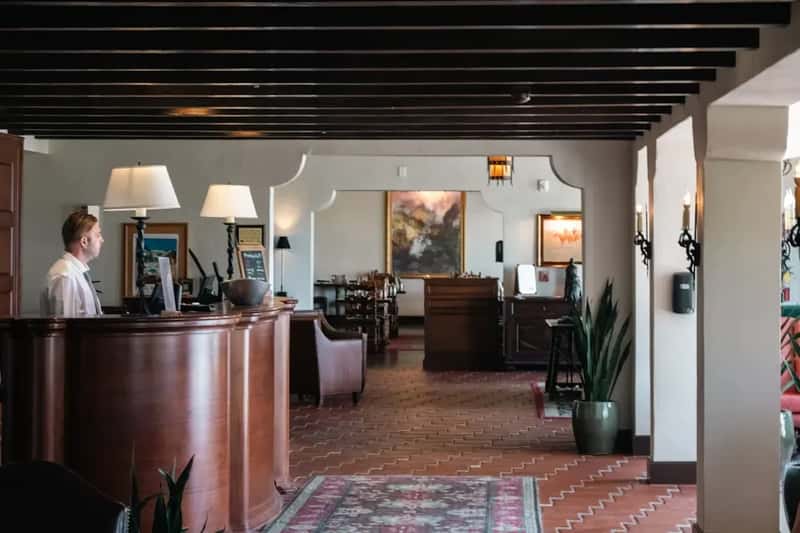
The moment a reservation is confirmed, a good concierge isn’t sitting back waiting for check-in day. They’re scanning notes from previous stays, flagging mobility or dietary considerations, and coordinating with housekeeping before you’ve packed a single bag. Whether you prefer a quiet corner room, a firmer mattress, or early check-in, a seasoned concierge notes all of it – and gives the team enough lead time to actually deliver.
This pre-arrival work is completely invisible to the guest, but it changes everything about the experience. It’s not luck when your room is already arranged the way you’d want it. It’s a concierge who did their homework the night before your trip even began – and for guests over 60, that kind of advance preparation is the difference between a stay that feels effortless and one that requires constant negotiation.
Fast Facts
- 70% of adults 50+ plan to travel in 2025 – up from 65% in 2024, according to AARP’s latest Travel Trends survey.
- In 2024, travelers 50+ took an average of 3.9 trips, surpassing their own expectations for the first time in AARP’s tracking history.
- More than 1 in 10 travelers 50 and older need accommodations for a disability – with mobility being the top concern at 78%.
- A well-run concierge team is one of the primary drivers of repeat loyalty at full-service hotels.
#14 – They Quietly Reroute You Away From Noisy Floors

Here’s something almost no one mentions at check-in: where your room sits in the building matters enormously for sleep quality, and experienced staff know the floor plan better than anyone. Ice machines, elevator banks, stairwells, and the floors where louder groups tend to get booked – a sharp concierge keeps a mental map of all of it and quietly steers older guests away from every one of those noise traps without being asked.
Most guests never realize their room assignment was switched on their behalf. They just notice they slept well. The best concierges don’t wait for a noise complaint to act – they eliminate the problem before check-in. Higher floors away from the street, corner rooms buffered by hallways, positions far from the service elevator: none of this shows up on the booking confirmation, but a good concierge has already thought it through.
#13 – They Pre-Stock the Room With Comfort Items Before You Walk In

Extra pillows. A non-slip bath mat. A bed board for firmer support. An electric kettle instead of a drip coffeemaker with instructions no one can read. These items don’t appear on any room service menu, and requesting them after arrival is awkward for guests who don’t want to seem demanding. So a concierge who’s paying attention doesn’t wait to be asked. They arrange it before you arrive.
The pre-stocked room is one of the most powerful gestures a concierge makes – and almost no one recognizes it as intentional. Most hotels will rearrange furniture and add accessibility items when contacted in advance, but the window to request that closes fast. The concierge doing their job right has already made that call before you thought to. You walk into a room that feels tailored, and you assume you got lucky.
Worth Knowing
- Non-slip bath mats, grab bar placement, and bed height can all be adjusted before arrival – but only if someone flags the need in advance.
- Many hotels stock foam mattress toppers, extra firm pillows, and bed boards in a dedicated accessibility closet – rarely advertised.
- An electric kettle request takes under 60 seconds to arrange pre-arrival and is one of the most common quiet upgrades for older guests.
- Guests who don’t know to ask almost never receive these items – they only appear when a concierge proactively arranges them.
#12 – They Slip You the Direct Line, Not the Main Switchboard
A hotel concierge at their best is like having a well-connected friend in an unfamiliar city – someone who knows the right people, picks up immediately, and doesn’t make you repeat yourself. One concrete way this plays out for older guests: a concierge worth their jacket quietly hands you a direct extension or a personal contact number, bypassing the general switchboard entirely. No hold music. No three transfers. No explaining the situation from scratch each time.
This matters more than it sounds. When a guest over 60 has a late-night question about medication storage, needs an extra blanket, or can’t get the room’s thermostat to cooperate, a direct line to one specific person who already knows your name changes the entire emotional temperature of the stay. That kind of access isn’t listed in the amenities brochure. It’s extended quietly, person to person, to guests the concierge has decided to actually take care of.
#11 – They Intercept Luggage Before You Have to Ask
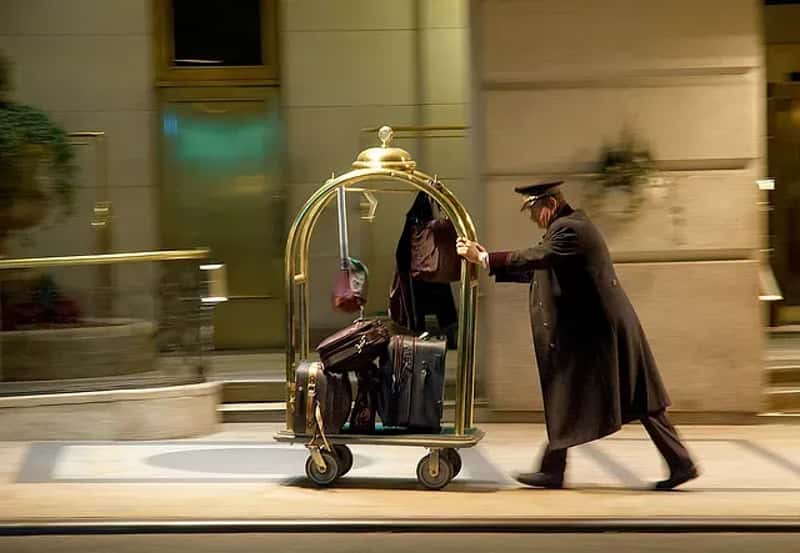
Dragging heavy bags across a lobby, down a long corridor, or up a ramp is one of the most avoidable friction points in any hotel stay – and for many travelers over 60, it’s also the moment that sets the tone for everything that follows. A trained concierge doesn’t wait for a guest to flag down a bellhop. When an older guest’s arrival is expected, they’ve already positioned someone near the entrance before the car pulls up.
The best journeys answer questions that, in the beginning, you didn’t even think to ask.
Jeff Johnson
They’ve read the reservation notes. They know your flight lands mid-afternoon. They know you’re traveling with two checked bags. The difference between a guest who arrives exhausted and one who arrives relaxed often comes down to whether one person was watching the door – and made sure someone was standing there before they needed to be.
#10 – They Translate the Confusing Tech So You Never Have to Feel Lost
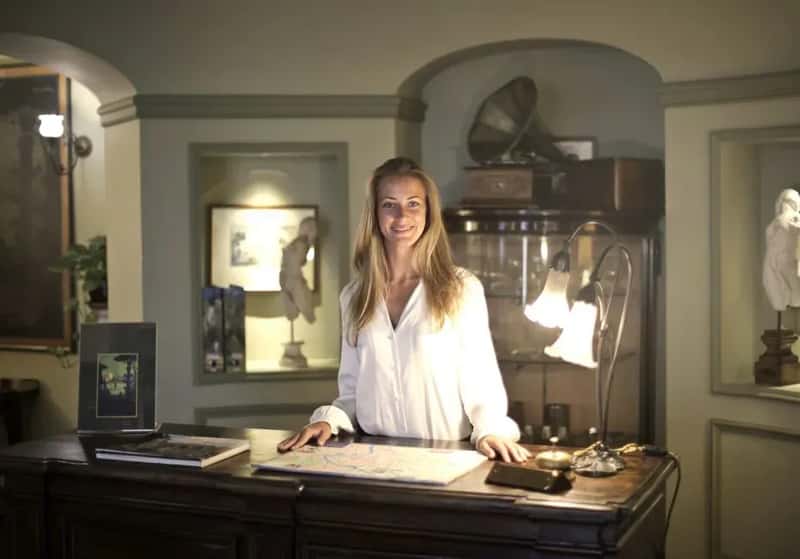
Hotel technology has gotten genuinely complicated. Digital room keys, app-controlled thermostats, QR-code menus, keypad safes, TV systems that require navigating four remotes – none of this is intuitive, and very few guests over 60 want to call the front desk and admit they can’t figure out the television. Some hotels now have elevator systems that require you to enter your floor on a touchscreen lobby panel before you even know which elevator to board.
A quietly attentive concierge doesn’t wait for that call. They walk guests over 60 through the room setup personally during check-in – demonstrating the safe, the thermostat, the shower controls – and leave a handwritten card with plain instructions. That small act of patience prevents the low-grade anxiety that otherwise trails a guest for their entire stay. It’s not in the job description. It’s in the instinct of someone who’s seen exactly what trips people up – and decided to fix it before it becomes a problem.
At a Glance: What the Tech Walk-Through Usually Covers
- Digital door lock and backup key card procedure
- Thermostat controls – especially systems that require app pairing or preset modes
- TV remote sequence and how to reach on-demand hotel services
- In-room safe setup and the override code if the battery dies
- Shower valve direction and temperature preset (a surprising source of frustration and scalding risk)
#9 – They Book Your Restaurant at an Hour That Actually Makes Sense

When a younger guest asks for a dinner reservation, they often get booked at 8:30 PM without a second thought. When an experienced concierge is working with a guest over 60, they quietly default to earlier seatings – 5:30 or 6:00 PM – because they know the kitchen is freshest, the dining room least crowded, and the noise level genuinely manageable. They don’t announce this reasoning. They just book it that way.
The preferred seating goes beyond just the time. A sharp concierge calls the restaurant directly and requests a corner table or a booth away from the kitchen pass and the server station – which is where most of the clatter happens. Rather than sending over a list and leaving you to sort it out, a good concierge explains what each spot is actually like and matches the recommendation to the guest’s specific pace and preferences. That’s the difference between a referral and a service.
#8 – They Add a Printed Itinerary With Large, Readable Text

Most concierges send a text link or hand over a business card. The best ones, when working with guests over 60, quietly produce a printed sheet – large font, clean layout, no clutter – with every confirmed reservation, address, phone number, and estimated travel time laid out in sequence. It sounds minor. It isn’t. When you’re in an unfamiliar city and your phone battery is at 4%, that single sheet is worth more than any app.
This is the printed version of a philosophy: remove every possible moment of confusion or panic before it can happen. It costs the concierge about four minutes to produce. It can save a guest an hour of stress and a ruined evening. Most guests don’t know to ask for it. The good concierges make it anyway – because they’ve seen what happens when no one does.
#7 – They Quietly Scout the Accessible Route Before You Need It

Knowing what accessibility features a hotel offers and knowing how to actually navigate the building in real time are two completely different things. An experienced concierge personally walks the route between your room, the restaurant, the pool, and the nearest exit – and identifies every obstacle before you encounter it. That means knowing which elevator is temporarily out of service, which corridor has an uneven transition strip, and which “accessible” bathroom is technically compliant but practically useless.
This scouting happens before your arrival, not after a complaint. Seasoned travelers know that a room listed as accessible on a booking site can still hide a dozen friction points that only reveal themselves in person – a too-narrow doorway, a shower threshold that isn’t flush, a path to the dining room that routes through a service corridor. The concierge who has physically walked that route can warn you quietly and steer you around it before you discover it the hard way.
Quick Compare: What’s Listed vs. What a Concierge Actually Checks
| What the Booking Site Says | What a Good Concierge Verifies in Person |
|---|---|
| Accessible room available | Doorway width, shower threshold height, grab bar placement |
| Elevator access to all floors | Which elevator is out of service this week |
| Accessible path to restaurant | Whether the route avoids service corridors and uneven flooring |
| Pool access available | Whether the lift is functioning and staffed |
#6 – They Alert Dining Staff to Pace the Meal Appropriately

This one happens entirely out of the guest’s sight, and almost no traveler over 60 realizes it’s a real practice. When a concierge books a dinner reservation for an older guest – especially one traveling alone or at a relaxed pace – they’ll often call the restaurant directly and ask the host to pace the meal generously. That means more time between courses, no rushed check presentations, and a server who checks in without hovering. It takes two minutes and changes the entire texture of the evening.
A rushed dinner is one of the most common disappointments older travelers never actually voice – they just don’t go back, and they don’t return to the hotel that sent them there. The concierge who prevents that with a quiet phone call earns the hotel a loyal guest for years. That’s the kind of move that never shows up in a Yelp review but shows up every time that guest books their next trip.
#5 – They Flag Loyalty Points and Apply Unpublicized Senior Rates
Here’s something that costs hotels almost nothing but is almost never volunteered at the desk: unpublicized senior discounts that still exist in the system but haven’t been loudly marketed in years. Long-stay guests over 60 are reliable, low-hassle, and in many cases eligible for rates that never appear on the booking page. An experienced concierge who genuinely advocates for their guest will quietly check whether any of those rates apply before the bill is finalized.
The same goes for loyalty points guests accumulated years ago and forgot about entirely. A good concierge will pull up a returning guest’s profile, spot the unused balance, and apply it without fanfare – often producing a room upgrade or a complimentary meal the guest had no idea was coming. Most guests assume someone would have mentioned it if it existed. The best concierges know that assumption is almost always wrong – and they check anyway.
Worth Knowing: What Older Guests Often Leave on the Table
- Senior rate programs (like AARP member hotel discounts) are often in the system but not displayed on public booking pages.
- Loyalty points from stays made years apart can sometimes be combined for a free night or dining credit.
- Complimentary room upgrades are frequently available at check-in but only offered when a staff member actively advocates for the guest.
- Travel spend among adults 50+ averages roughly $6,847 per year – making this group among the highest-value repeat guests a hotel can cultivate.
#4 – They Arrange a Familiar Face for Every Morning

One of the quietest moves a concierge makes for a solo older traveler is ensuring that at least one staff member – usually in the breakfast area or at the front desk – knows the guest by name and greets them personally each morning. It sounds small. For a traveler over 60 who is far from home, perhaps traveling alone for the first time in years, it is genuinely one of the most meaningful parts of the entire stay.
That morning greeting from a familiar face is not accidental. A concierge who cares about their older guests quietly arranges it the night before – every night of the stay. The guest who is known by name in that building is inhabiting a fundamentally different hotel than the person in the room next door. One is a transaction. The other is, for a few days, something closer to belonging somewhere.
#3 – They Coordinate With Housekeeping to Set a Preferred Service Time

Standard housekeeping operates on whatever schedule works for the staff rotation – which often means an 8:30 AM knock on the door of a guest who takes morning medication that delays their start to the day. An experienced concierge intervenes quietly by coordinating with the housekeeping supervisor to set a service window that actually fits the guest’s rhythm. For most travelers over 60, that means a mid-morning or early afternoon slot. No alarm-clock knock. No scrambling to answer the door.
This coordination almost never happens unless a concierge specifically requests it – and the guest rarely knows it was arranged at all. They just notice that housekeeping somehow always arrives at a reasonable hour. It costs nothing but a few minutes of genuine effort and one brief conversation with the right person. It’s invisible. It’s completely intentional. And it’s the kind of detail that separates a trip a guest forgets from one they keep talking about.
#2 – They Create a Quiet Emergency Plan and Never Mention It

According to AARP’s 2025 Travel Trends report, 70% of Americans 50 and older plan to travel this year – and health remains the second-biggest barrier to travel for this group, cited by 29% of respondents. What that statistic doesn’t capture is the quiet anxiety many older travelers carry about what happens if something goes wrong far from home. A concierge who truly understands older guests does something almost no one talks about: they identify the nearest urgent care clinic, the closest late-night pharmacy, and the fastest route to the nearest hospital – and keep it ready without ever raising the subject with the guest.
They note whether the guest mentioned any health considerations during check-in. They confirm the room phone dials the front desk in one button. They quietly brief the night shift about the guest in room 412 who mentioned they’re on blood thinners. Nobody announces this protocol. Nobody posts about it. It’s the most behind-the-scenes move on this entire list – and for many guests over 60 traveling alone, it may also be the most important one anyone could make on their behalf.
#1 – They Remember You the Next Time Without Being Asked
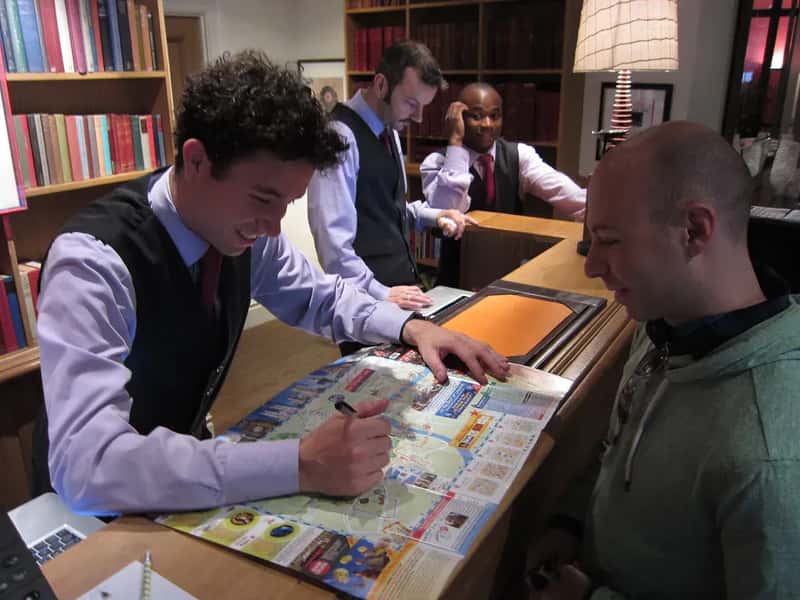
Every other move on this list matters on a single trip. This one compounds across years. The truly elite hotel concierge – the career professional who has worked the same property for a decade – keeps real, detailed notes. The room temperature you prefer. The newspaper you read at breakfast. Whether you take your coffee black. The name of the grandchild you mentioned in passing on your second stay. None of this is prompted by a survey or a loyalty app. It’s remembered because someone chose to pay attention.
When you walk back through that door a year later, the best concierge in the building already knows who you are before you say your name – and the room is set up the way you like it before you reach the front desk. For guests over 60, that recognition isn’t just a hospitality nicety. It’s the difference between a hotel stay and feeling, for a few days, genuinely at home somewhere in the world. That’s not a service. That’s a relationship. And the concierges who build it are the ones guests fly back to see.
Most of these moves cost a concierge nothing but attention and intention – yet the majority of hotel guests never experience a single one of them. The difference isn’t the hotel’s star rating or the price of the room. It’s whether the person behind that desk sees you as a transaction or as a guest worth taking care of. For travelers over 60, knowing these moves exist is already half the equation. The other half is often as simple as one real conversation at check-in – and letting someone who’s good at their job do what they were trained to do.