Wealth on a national scale looks a lot different than it does in everyday life. When economists rank the richest countries, they usually turn to GDP per capita, a measure that divides a nation’s total economic output by its population. This approach tends to favor small, highly specialized economies over massive ones, which is why you will not find China or India near the top of this list despite their enormous total output.
The rankings below draw on the latest available IMF-based estimates for 2026, reflecting nominal GDP per capita in current U.S. dollars. Some of these countries are financial hubs, others sit on oil and gas reserves, and a few simply have tiny populations paired with outsized economic activity. Either way, each one tells a different story about how wealth gets generated in the modern world.
1. Liechtenstein

Liechtenstein sits comfortably at the very top of the global wealth rankings. With a GDP per capita of $226,881, Liechtenstein is the richest country in the world in 2026, according to the International Monetary Fund’s April 2026 World Economic Outlook.[1] That figure represents a meaningful jump from the previous year, since the figure marks an increase from $217,928 in 2025.[1]
This tiny alpine microstate, wedged between Switzerland and Austria, owes its wealth to a concentrated mix of banking and specialized industry. It has fewer than 40,000 residents, which naturally inflates the per-person figure when the economy generates significant output. Liechtenstein has held onto the top spot for years now, and there is little sign of that changing anytime soon.
2. Luxembourg

Luxembourg has long been synonymous with per-capita wealth, and 2026 is no exception. Luxembourg follows second, with a GDP per capita of $158,733 in 2026.[1] That places it well ahead of most large advanced economies despite having a population of under 700,000 people.
The country’s wealth is driven almost entirely by its role as a global financial center, with banking and investment funds forming the backbone of its economy. Its GDP per capita is roughly $154,100, driven by its status as a global financial center for banking and investment funds.[2] Luxembourg also benefits from a highly educated workforce and a business-friendly tax environment that continues to attract multinational financial institutions.
3. Ireland

Ireland’s rise up the wealth rankings over the past two decades has been dramatic. Ireland rose from 14th to 2nd place since 2000, with GDP per capita climbing above $140,000.[3] In the 2026 rankings it sits at third place with a GDP per capita of $140,186.
Much of this growth traces back to the country’s ability to attract technology and pharmaceutical multinationals through favorable corporate tax policy. Ireland’s wealth is driven by tech and pharma multinationals through FDI-driven growth.[2] It is worth noting that Ireland’s headline GDP figures are somewhat inflated by the accounting practices of these multinational firms, which book significant profits there even when the underlying economic activity happens elsewhere.
4. Switzerland

Switzerland remains one of the most consistently wealthy nations on earth, and its 2026 GDP per capita stands at $126,177. The country has built its reputation on financial stability, precision manufacturing, and a currency widely viewed as a safe haven during global uncertainty.
Switzerland’s wealth is driven by banking, investment, and high-value industries.[2] Beyond finance, Swiss pharmaceutical and machinery companies contribute heavily to national output, and the country’s political neutrality has historically made it an attractive base for international organizations and corporate headquarters alike.
5. Iceland

Iceland punches well above its weight given a population of under 400,000 people. Its 2026 GDP per capita reached $110,048, placing it fifth on the global list and ahead of much larger economies like the United States.
Iceland’s wealth is driven by its small population combined with renewable energy resources and tourism.[2] Geothermal and hydroelectric power give the country cheap, abundant energy, which supports industries ranging from aluminum smelting to data centers, while a steady stream of visitors keeps the tourism sector thriving.
6. Singapore

Singapore has transformed itself from a small trading port into one of the wealthiest nations in Asia. Its 2026 GDP per capita sits at $107,758, and depending on the measure used, it occasionally edges past several European economies entirely.
Singapore’s wealth is driven by its role as a finance and trade hub for global commerce.[2] The city-state’s strategic location, efficient port infrastructure, and business-friendly regulatory environment have made it a magnet for multinational corporations setting up regional headquarters across Southeast Asia.
7. Norway
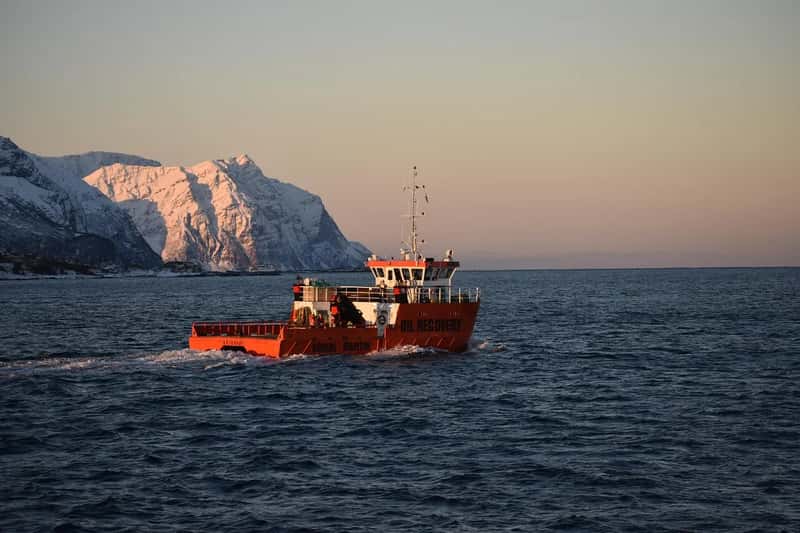
Norway’s wealth has traditionally been tied to its natural resources, and that remains true in 2026 with a GDP per capita of $105,877. The country has managed its oil wealth carefully, channeling revenue into one of the world’s largest sovereign wealth funds.
Norway’s wealth is driven by oil and gas resources.[2] Even as global energy markets shift toward renewables, Norway has used its resource income to diversify into shipping, seafood exports, and clean energy technology, helping it avoid the volatility that plagues some other oil-dependent economies.
8. United States
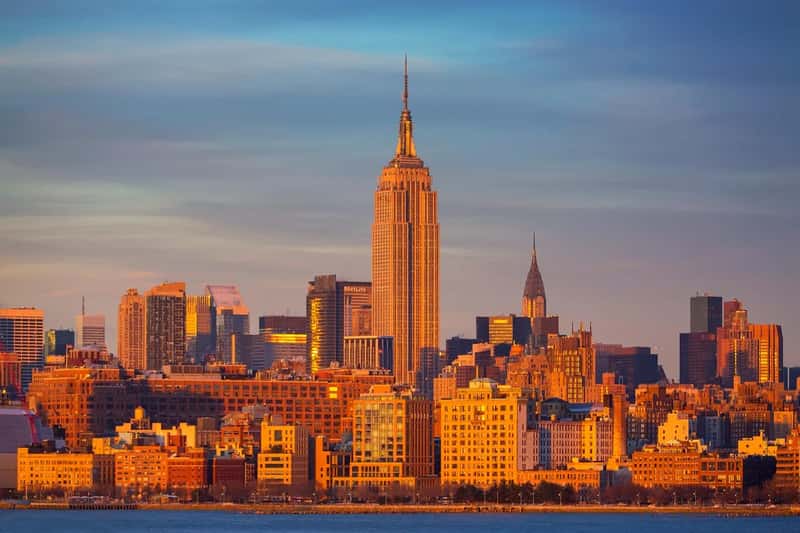
The United States remains the largest economy in the world by total output, and it also ranks highly on a per-person basis. The United States remains the world’s largest economy, with a GDP of more than $32 trillion.[1] Its 2026 GDP per capita comes in at roughly $94,430, placing it eighth on this list.
The country’s wealth is driven by a diversified, high-productivity economy spanning technology, finance, and other sectors.[2] Unlike many countries higher on this list, the United States achieves its wealth through sheer scale and sectoral diversity rather than a single dominant industry, supported by a population of over 330 million people.
9. Denmark
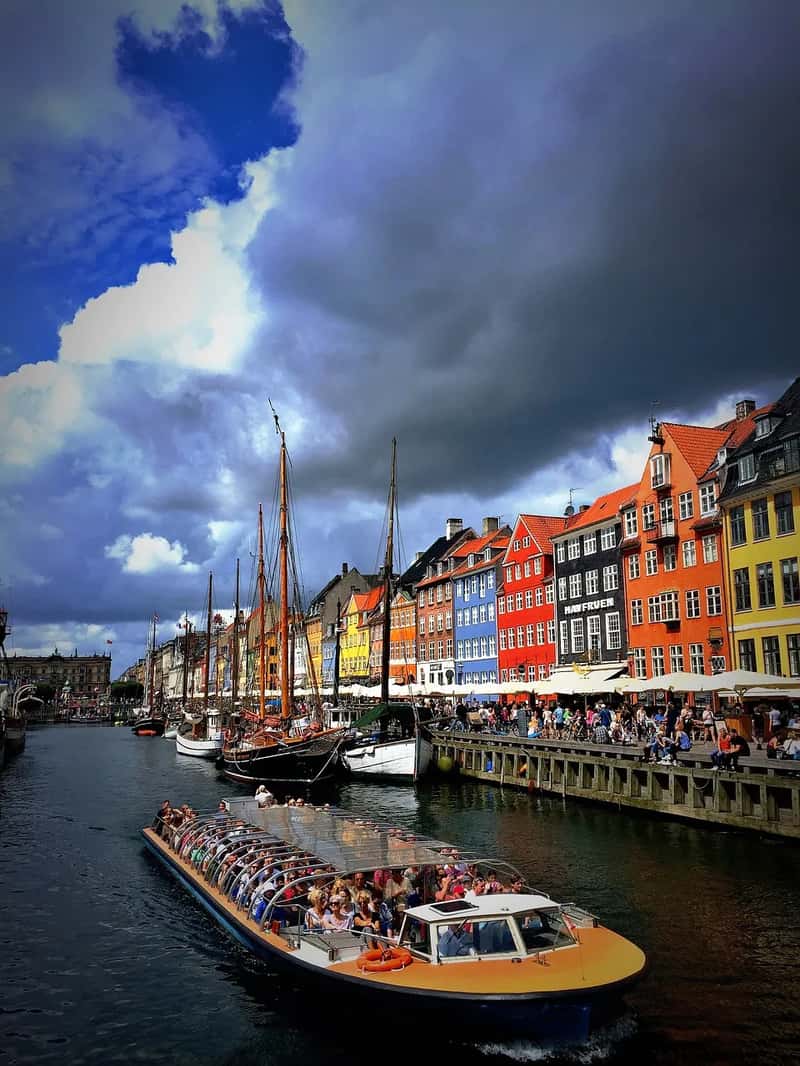
Denmark consistently ranks among the wealthiest and most equitable economies in the world. Its 2026 GDP per capita reached $83,445, reflecting steady growth built on high-value exports and a strong social safety net.
Denmark’s wealth is driven by high-tech industries and services within a broadly equitable economy.[2] Danish companies have found particular success in pharmaceuticals, renewable energy technology, and shipping, industries that generate substantial revenue relative to the country’s population of under six million.
10. Netherlands
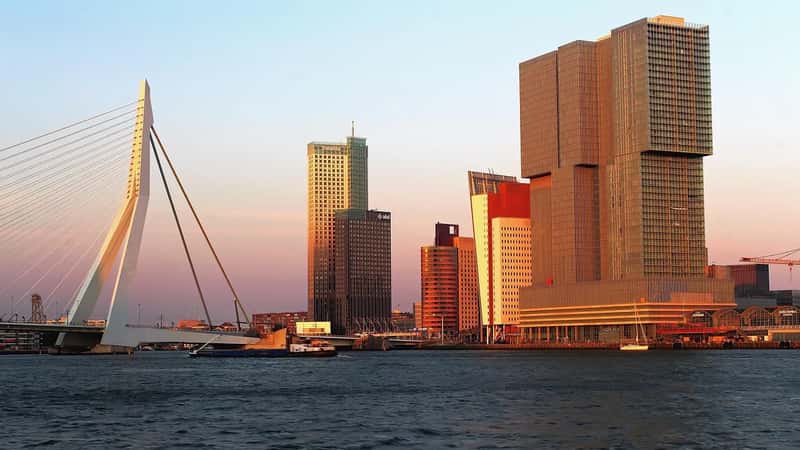
The Netherlands has long served as a gateway for trade into the rest of Europe, and that role continues to pay economic dividends. Its GDP per capita for 2026 stands at $79,918, ranking it tenth globally.
The Netherlands’ wealth is driven by trade and finance, functioning as a major logistics and commerce hub.[2] The port of Rotterdam remains one of the busiest in Europe, and Dutch multinational corporations in agriculture, chemicals, and finance continue to punch above their weight on the global stage.
11. Macao SAR
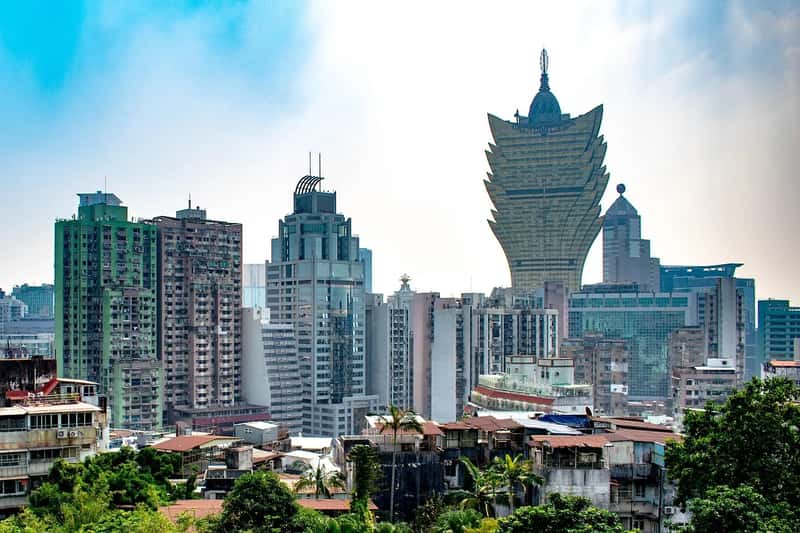
Macao occupies an unusual place on this list as a special administrative region of China rather than a fully independent country, yet it is routinely included in global wealth rankings. Its GDP per capita for 2026 comes in around $76,446, reflecting a heavy dependence on a single industry.
Gaming and tourism dominate Macao’s economy almost entirely, with casinos drawing visitors from mainland China and across Asia. This concentration makes Macao’s economy notably volatile, as seen in the sharp swings the territory experienced during pandemic-related travel restrictions in recent years, though its recovery since then has been substantial.
12. Australia

Australia continues to rank among the wealthier nations globally, with a 2026 GDP per capita of $75,648. The country benefits from vast natural resources alongside a stable, well-diversified services sector.
Mining exports, particularly iron ore and coal shipped largely to Asian markets, have historically underpinned much of Australia’s national income. At the same time, strong performance in education, finance, and healthcare services has helped the country maintain broad-based prosperity rather than relying on resources alone.
13. Sweden

Sweden rounds out the upper tier of European wealth with a GDP per capita of $70,676 in 2026. The country has built a reputation for combining a generous welfare state with a highly competitive private sector.
Swedish companies in telecommunications, automotive engineering, and industrial machinery continue to generate substantial export revenue. The country’s emphasis on innovation and research and development has also helped it maintain a technological edge that supports sustained income growth even amid broader European economic headwinds.
14. San Marino

San Marino, one of the smallest countries in the world by both size and population, posted a GDP per capita of $70,187 in 2026. Its economy defies easy categorization given how few people live within its borders, fewer than 34,000 in total.
Banking, tourism, and light manufacturing form the core of San Marino’s economic activity. Its close economic integration with Italy, which surrounds it entirely, means its fortunes are closely tied to broader trends in the Italian and wider European economy, even as it maintains its own fiscal independence.
15. Israel

Israel closes out this list with a 2026 GDP per capita of $69,804, a figure that reflects the country’s transformation into a global technology powerhouse. Despite regional instability and geopolitical tension, Israel’s economy has proven remarkably resilient over the past several years.
The country’s tech sector, often referred to as the “Startup Nation,” drives a disproportionate share of national output relative to its population of roughly nine million. Cybersecurity, semiconductor design, and biotechnology firms have attracted significant foreign investment, helping Israel maintain steady economic growth even during periods of conflict.
Looking across this list, a clear pattern emerges. Small, specialized economies with concentrated industries, whether in finance, energy, or technology, tend to dominate the per-capita wealth rankings far more than sheer economic size would suggest. Countries like the United States prove that scale and diversification can still produce enormous wealth, but the ceiling for per-person prosperity often belongs to nations that have found a narrow, highly profitable niche and built their entire economy around it.
It’s also worth remembering that these rankings shift from year to year as currencies fluctuate, commodity prices move, and multinational accounting practices evolve. What stays consistent is the underlying lesson: national wealth, measured this way, says more about economic structure and population size than it does about everyday living standards for ordinary citizens.