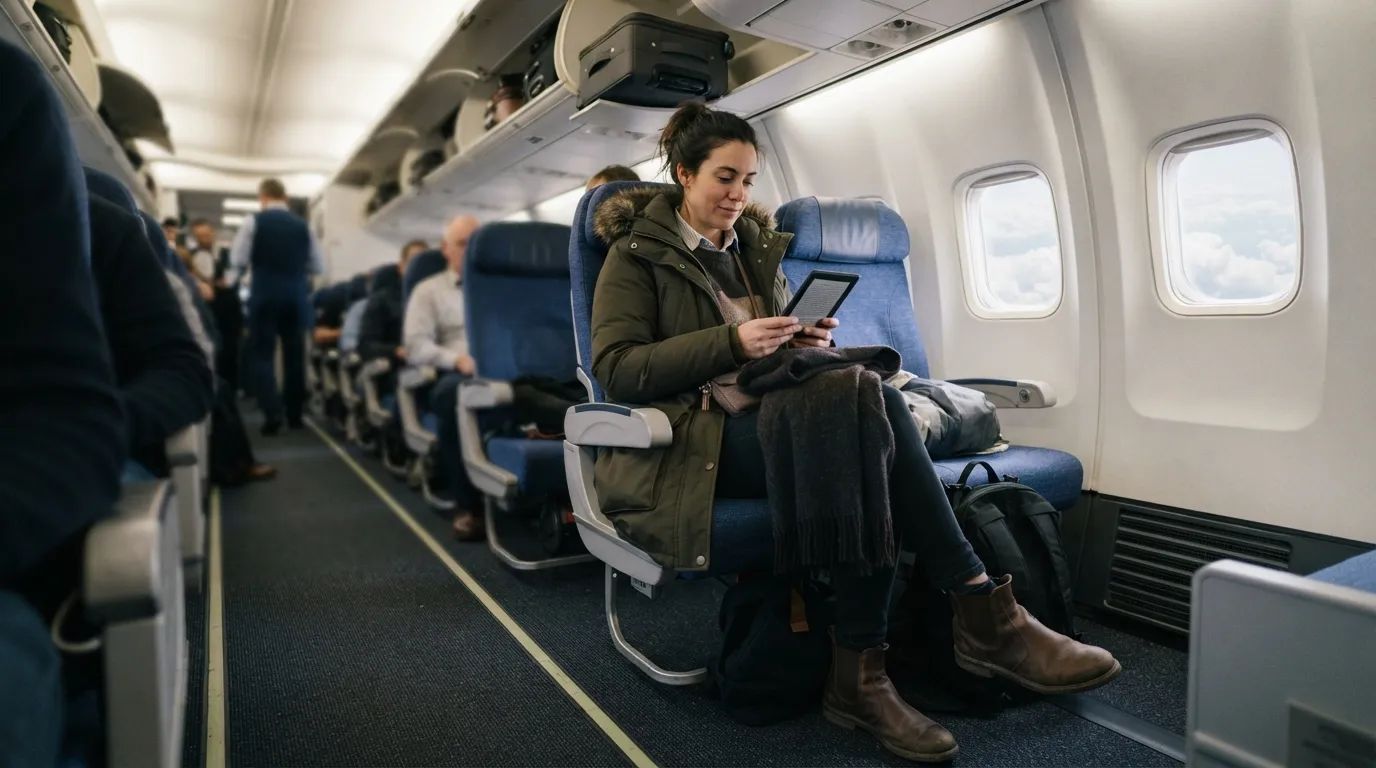
Most travellers lose nearly an hour every trip wrestling their suitcase shut, then repacking half of it at the airport. Seasoned flyers do the exact same job in a fraction of that time, with zero panic.
The gap isn’t talent – it’s a stack of small, specific habits nobody ever bothers to teach you. Some of these are almost embarrassingly simple, and a few are genuine trade secrets frequent flyers rarely share.
15. They Always Pack to a List (and Reuse It Every Time)
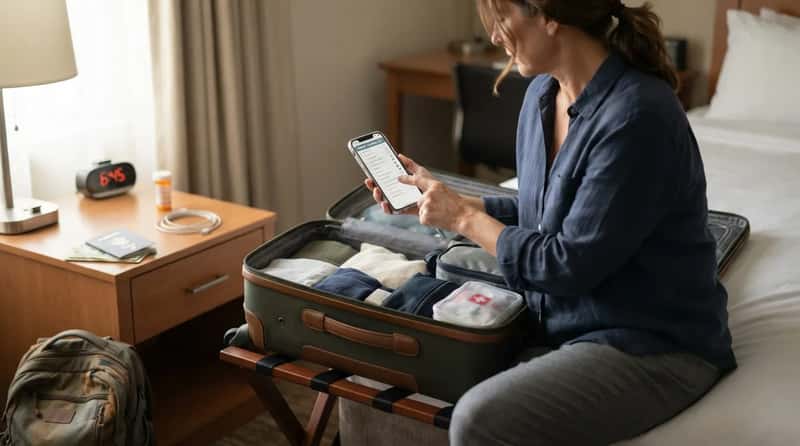
Experienced travellers never wing it. They pack from a master checklist, every single time.
That list catches the things panic always misses – chargers, passports, medication. Nothing gets left on a nightstand at 5 a.m.
If you’re still scribbling a new list before every trip, stop. Build one master list, save it on your phone, and just tweak it per trip.
The real time-saver isn’t the list itself – it’s reusing the same base list instead of starting from scratch under pressure.
But that’s nothing compared to what we found about #14…
14. They Plan the Trip Before They Touch the Suitcase
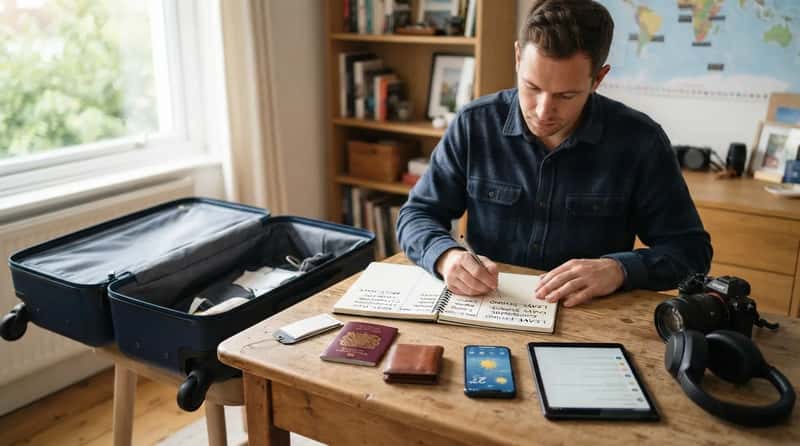
Opening your suitcase first is backwards. Smart packers think before they fold a single shirt.
Check the weather, the trip length, and the most demanding activity on your schedule first. That single step tells you what actually deserves space in your bag.
Then write three columns: must-have, nice-to-have, and leave-behind. Documents, chargers, and medication go in the first column before anything else touches the bag.
The “leave-behind” column is where most people’s extra hour disappears – because they never make one, and end up packing the same items twice.
But that’s nothing compared to what we found about #13…
13. They Use a Capsule Colour Palette
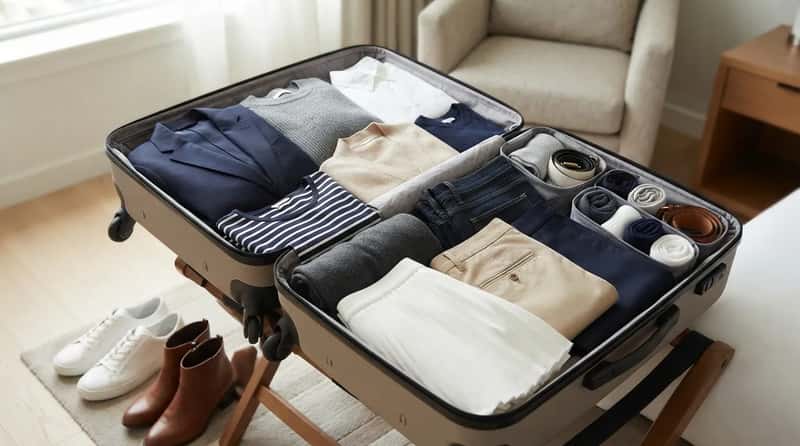
This one habit kills the biggest cause of overpacking: outfit indecision.
Seasoned travellers pack clothing in complementary colours and prints, so nothing needs to be planned as a full outfit. Every piece just works with every other piece.
Six tops and four bottoms in one palette can produce 24 different outfits. Add two or three jackets for layering, and the combinations multiply again.
A tight colour palette is the closest thing to a real packing cheat code. Most travellers skip it and end up hauling half a wardrobe home unworn.
But that’s nothing compared to what we found about #12…
12. They Keep a Pre-Stocked Toiletry Bag Year-Round
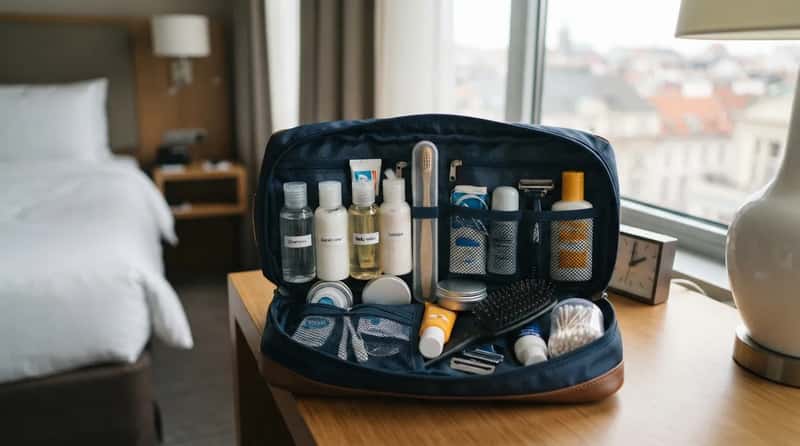
This habit alone can shave twenty minutes off packing day.
Frequent flyers keep a toiletry bag stocked and ready between trips. It stays filled with travel-size essentials that already meet the carry-on liquids rule.
Refill it right after you land, and it’s ready before you even think about the next trip. Set a monthly reminder to top it up so it’s never half-empty when you need it.
It sounds almost too simple – which is exactly why most people never bother setting it up. Now you know better.
But that’s nothing compared to what we found about #11…
11. They Pack a Compact First-Aid Kit
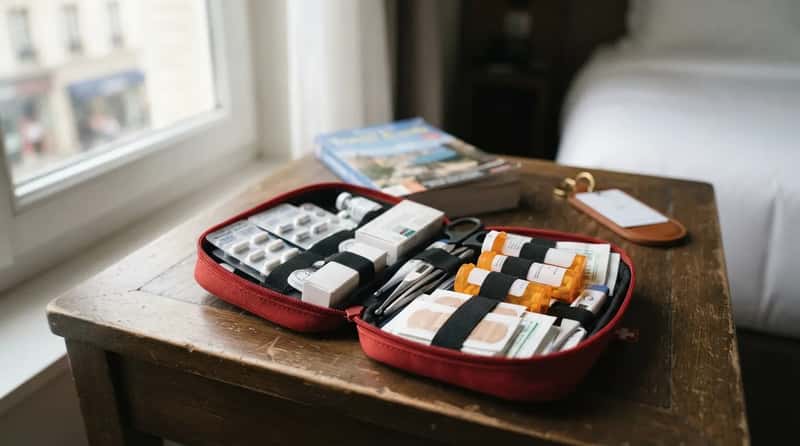
Veteran travellers don’t leave this to chance – and it’s not really about illness.
A simple mini pharmacy – pain relief, blister care, allergy medicine, a few bandages – can save an entire afternoon. Losing hours hunting for a pharmacy in an unfamiliar city costs far more time than packing these ever would.
The CDC’s travel health guidance recommends a small kit with the basics, plus prescription medicine kept in its original, labelled container. Bring enough for the whole trip, plus a little extra in case of delays.
Fast Facts
- Pack enough prescription and over-the-counter medicine to last the whole trip, plus extra in case of travel delays.
- Carry all medicine in its original container with a clear label showing your name and dosing schedule.
- Cover the basics: pain relievers, motion-sickness tablets, bandages, and allergy medicine.
Pack for the most likely inconvenience, not the worst-case scenario. A small zip pouch handles almost every travel health moment that actually happens.
But that’s nothing compared to what we found about #10…
10. They Roll Casual Clothes, Fold Formal Ones
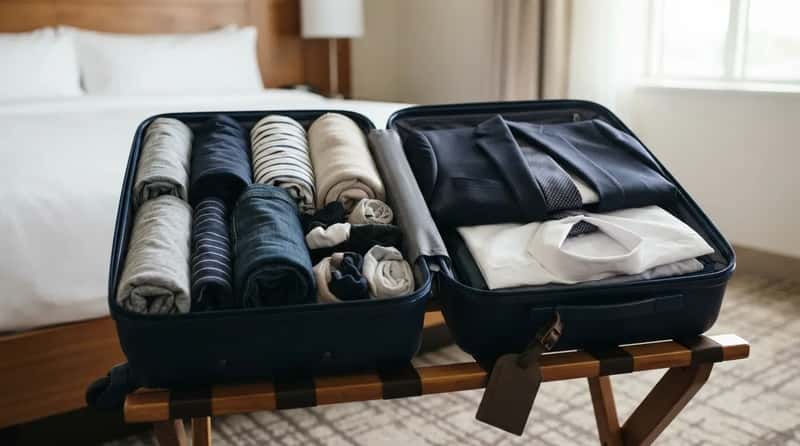
The rolling-versus-folding debate has a real answer: both, strategically.
Rolling compresses casual, lightweight pieces – t-shirts, jeans, socks – into a fraction of their normal space. Folding protects bulkier fabrics and dressier pieces that crease the moment you look at them.
Seasoned travellers fold blazers and dress shirts flat over a thin layer of tissue paper, and they come out noticeably smoother than anything rolled.
Use whichever method suits the garment, not just whatever’s become habit. That distinction alone prevents most wrinkle disasters.
But that’s nothing compared to what we found about #9…
9. They Use Packing Cubes as a System, Not Just Organisers
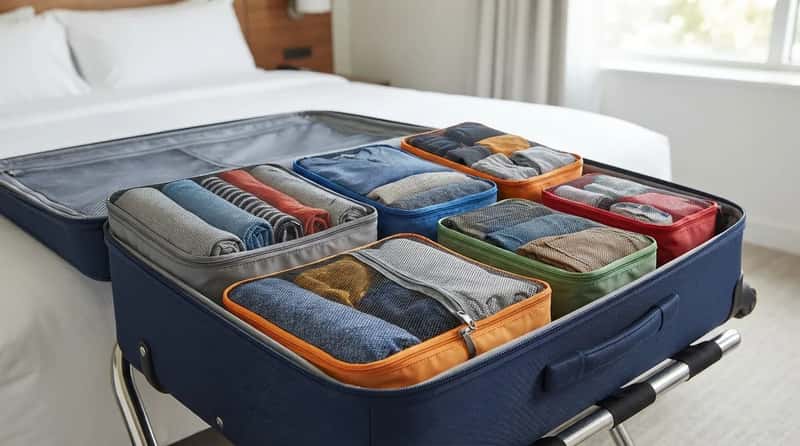
Most people who own packing cubes still use them wrong. Pros treat them like a filing cabinet.
Separate items by category, and you only ever open one cube to find what you need. No more rummaging through the entire suitcase for a single shirt.
Why It Stands Out
- One cube, one category – no digging through the whole bag for a single sock.
- Compression cubes shrink bulky layers enough to free up room for souvenirs.
- Colour-coding cubes by person makes family packing painless.
- Swapping cubes between bags takes seconds, not a full repack.
The real unlock is consistency – the same cube holds the same category on every single trip. Unpacking at a hotel then takes under three minutes.
Less rummaging, less repacking chaos, less mental clutter every time you switch locations. It sounds small until you’re living out of a bag for two weeks.
But that’s nothing compared to what we found about #8…
8. They Wear Their Bulkiest Items on the Plane
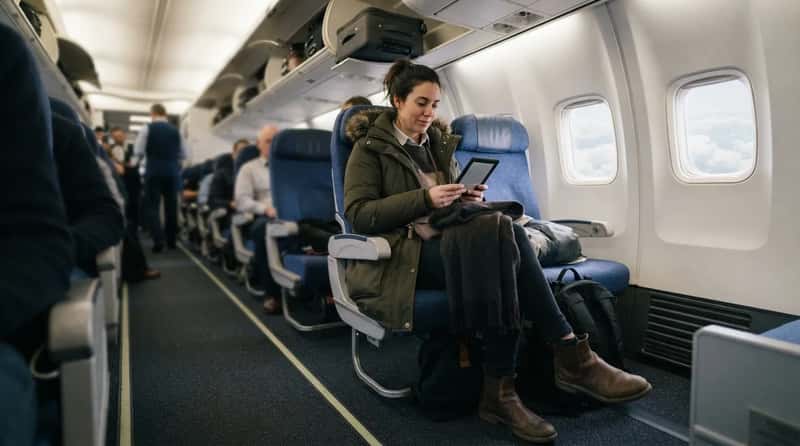
This tip is so obvious it sounds like a joke – until you notice how few people actually do it.
Wearing your heaviest jacket, sweater, or boots onto the plane frees up real suitcase space. Layer a tank top under a sweater, and carry a jacket you can stow overhead instead of folding it inside your bag.
Skip packing a travel blanket entirely – your bulky winter coat does double duty and keeps you warm in a chilly cabin. Wearing your biggest shoes onto the plane saves even more room.
Frequent flyers treat what I wear to the airport as part of the packing plan, not an afterthought. That one decision can free up a full shoe’s worth of space in a carry-on.
But that’s nothing compared to what we found about #7…
7. They Downsize the Bag Itself
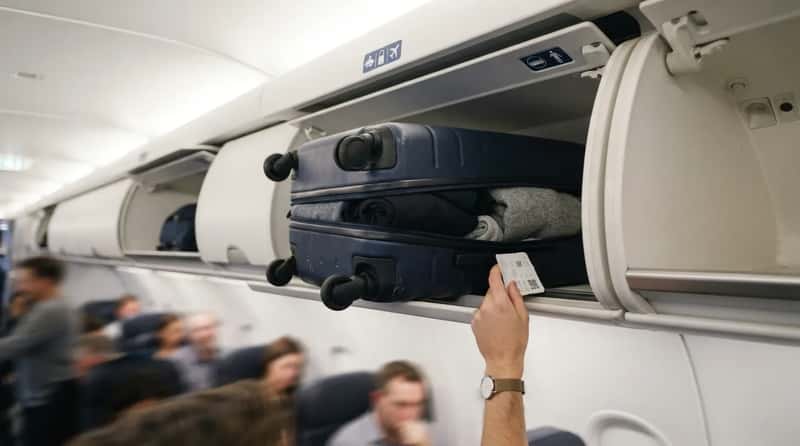
Here’s a contrarian one that actually works: make overpacking physically impossible.
It’s easy to toss in an extra T-shirt or book just because there’s room left in the bag. The fix isn’t more discipline – it’s a smaller bag that removes the option entirely.
For short trips, aim for carry-on only. For longer ones, check airline baggage policies before you pack, not after you’ve already overfilled the bag.
A smaller bag forces fast, decisive packing – no second-guessing, no just-in-case pile. Most experienced travellers have quietly decided that checking luggage is basically a tax on indecision.
But that’s nothing compared to what we found about #6…
6. They Pack Solid Toiletries to Skip Liquid Rules

One of the most underrated time-savers at security sits right in your toiletry bag.
Solid shampoo bars and solid perfumes take up almost no space and can’t spill on your clothes. That alone removes one of packing’s most annoying variables.
Fast Facts
- The TSA’s 3-1-1 rule limits carry-on liquids to 3.4 ounces (100 milliliters) or less per item, one quart-sized bag, and one bag per passenger.
- Medications are exempt from the 3-1-1 rule, but should still travel in labelled containers.
- Solid toiletries skip the rule entirely, freeing your one quart bag for anything you still need in liquid form.
Switching just your shampoo and conditioner to bar form frees up an entire slot in your quart-sized bag. No 100ml limit, no fumbling with a clear bag at the checkpoint.
Transfer anything liquid you still need into small containers and seal them in a bag to catch leaks. Multipurpose products cut the number of items you’re carrying even further.
But that’s nothing compared to what we found about #5…
5. They Pack Layering Pieces, Not Individual Outfits
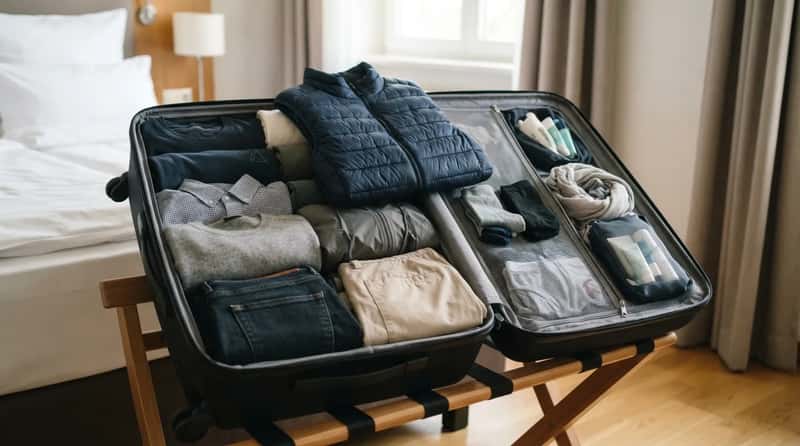
Packing outfits is an amateur move. Experienced travellers pack components instead.
Lightweight layers adapt to unpredictable weather and shifting climates without adding bulk. Add or remove a layer, and you’re dressed for almost anything.
Three thin layers beat one bulky jacket every time – for warmth and for suitcase space. It’s the habit that separates the traveller checking a bag for a four-day trip from the one who doesn’t.
But that’s nothing compared to what we found about #4…
4. They Choose Wrinkle-Resistant Fabrics Deliberately
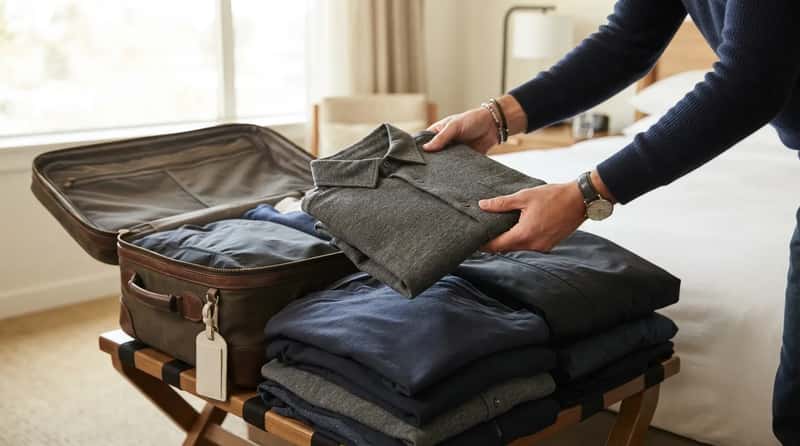
This isn’t fashion advice. It’s a time strategy in disguise.
Most travellers pack whatever’s clean, then lose ten minutes steaming shirts in a hotel bathroom. Seasoned packers avoid that entirely by choosing fabric on purpose.
Merino wool, jersey, and synthetic travel blends are the insider picks – they survive hours crushed in a suitcase and still look presentable. Wool’s natural odour resistance also means you can rewear pieces before they need a wash.
Fewer washes, fewer re-packing sessions, fewer decisions. Fabric choice quietly becomes a time-management decision.
But that’s nothing compared to what we found about #3…
3. They Pack Shoes Last and Strategically
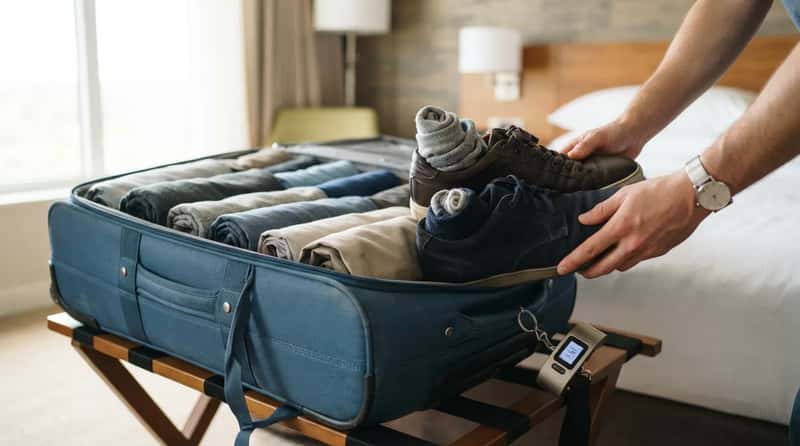
Shoes are the most space-inefficient item in any suitcase, and most people handle them with zero strategy.
Limit yourself to two pairs – one casual, one for everything else. Then stuff socks and small items inside them to turn dead space into free storage.
A small luggage scale lets you check bag weight at home instead of discovering the problem at check-in. It’s a five-minute habit that prevents a stressful, expensive surprise at the airport.
Shoes are usually what pushes a bag over the weight limit – and over the time budget. Two pairs, tucked along the bag’s frame, changes everything.
But that’s nothing compared to what we found about #2…
2. They Label Their Luggage to Spot It Instantly
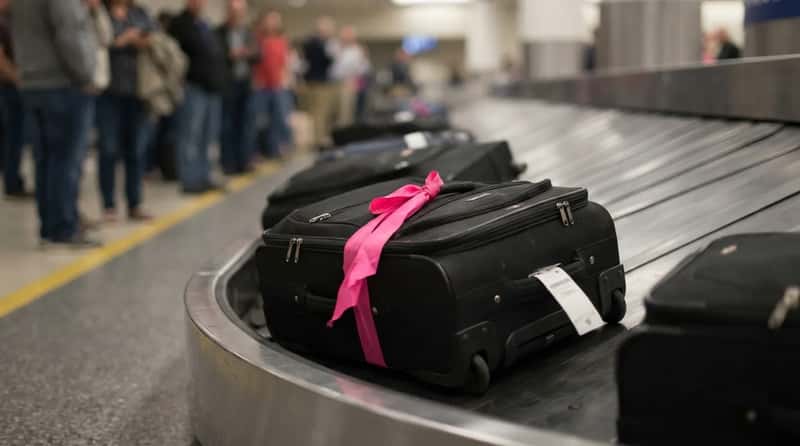
This sounds mundane – until you’ve stood at baggage claim watching identical black suitcases roll past for seven straight minutes.
A bright ribbon tied around the handle, usually pink or red, makes a bag identifiable from across the carousel. It also prevents the awkward moment of grabbing a stranger’s identical suitcase by mistake.
At a Glance
- A bright ribbon or strap makes a bag identifiable in seconds, not minutes.
- Matching tags on carry-on and checked bags prevent mix-ups at security and reclaim.
- A printed name and phone number inside the bag helps it find its way back if the outer tag tears off.
Baggage reclaim waits already run long – don’t stretch it further playing “is that mine?” with every bag that rolls by. A distinctive tag or ribbon means eyes-on identification in under five seconds.
Frequent flyers travelling with carry-ons only sidestep this problem completely. That’s not a coincidence.
But the single biggest time-saving habit? It’s #1 – and it happens before you pack a single thing.
1. They Pack Progressively, Days Before Departure
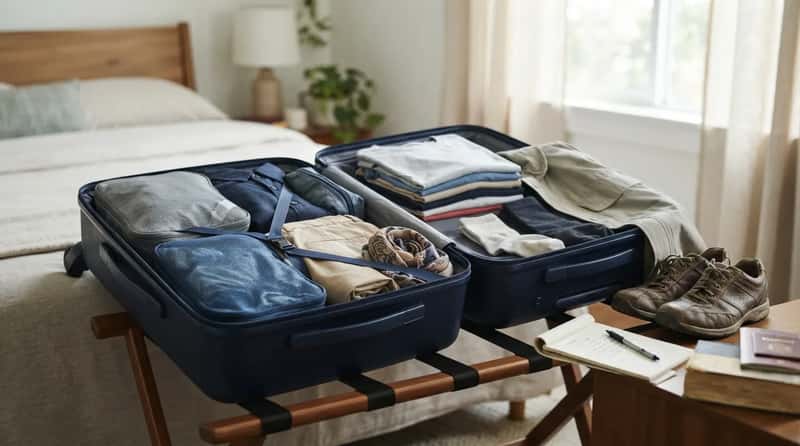
This is the habit that ties every other one together – and almost nobody uses it consistently.
Packing in stages over several days is brutal if you’re a natural procrastinator. It’s also the single most transformative habit on this list.
When you pack gradually, you naturally remember the things a rushed pack always forgets. You skip the throw-everything-in panic and make sharper calls about what actually earns a spot in the bag.
Staged packing is what separates the traveller who arrives frazzled from the one who arrives calm – because every other shortcut on this list needs a clear head to actually work. Start two to three weeks out, even if all you do in week one is set the bag out and add one item.
Saving an hour on packing was never about one magic trick. It’s fourteen small habits stacked on top of one big one: starting early instead of starting in a panic.
Keep a pre-stocked toiletry bag and reuse the same list every trip. Choose your bag size on purpose, roll what’s casual, fold what’s formal, and let packing cubes do the sorting.
Most travellers won’t do any of this consistently. The ones who do walk into the airport calmer, lighter, and an hour ahead of everyone else in the check-in line.