Most people think booking a sleeper berth is as simple as picking a seat on a bus. It’s not, and the gap between what you assume and what actually happens at the booking desk is where real money and real sleep quietly disappear.
Industry veterans and obsessive frequent riders have been exploiting that gap for years, snagging cheaper fares, better bunks, and upgrades most passengers never even know exist. Here are the 15 things the desk will never volunteer – unless you already know exactly what to ask.
#15 – Prices Are Dynamic, and the Desk Knows When They’ll Drop
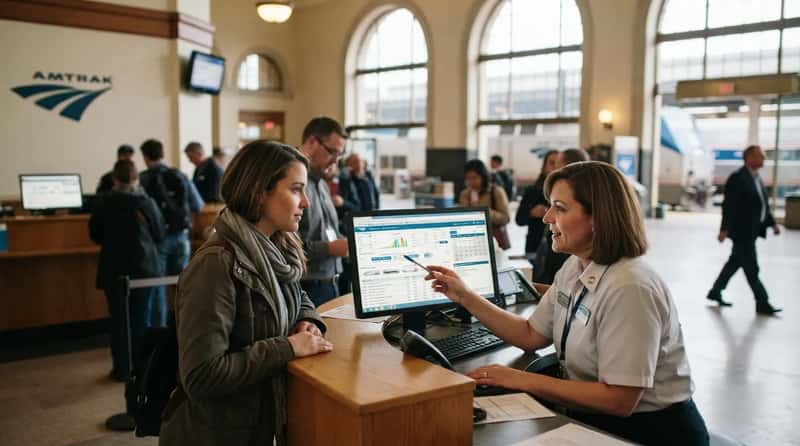
Night-train pricing moves constantly. The same berth can swing wildly in price depending on how early you book and how full the train already is – and the desk rarely volunteers that timing detail.
Amtrak bases sleeper prices on availability, so the more beds left, the cheaper the fare. Booking 11 months out isn’t always the smart move; watching the inventory closely usually beats booking blind.
One of the most reliable tricks is booking as early as possible, then checking back often for fare drops. The price you see on day one is almost never the floor.
Stick around, though – #14 is where this gets genuinely frustrating.
#14 – Third-Party Sites Can’t Always Sell You Sleepers
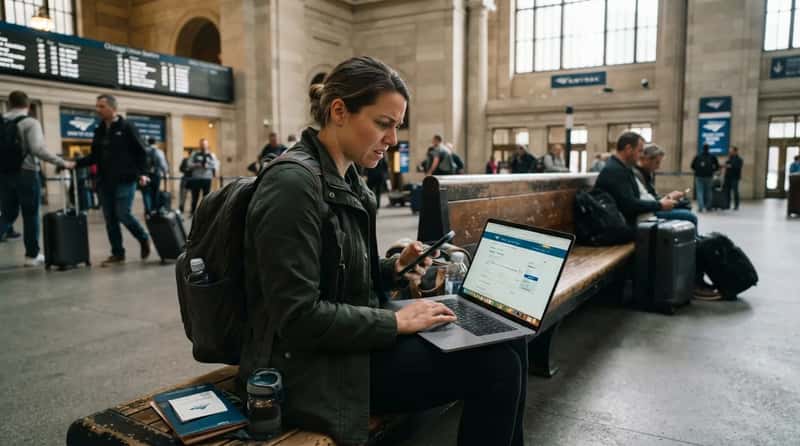
Most travelers assume that if a route shows up on a comparison site, they can finish the booking right there. That assumption is often dead wrong.
Omio displays the same rates you’d find on Amtrak.com, but it doesn’t let passengers actually purchase sleeper cabins. You can see the train, price and all – you just can’t buy the bed, and nothing warns you until you’re deep in checkout.
Overnight routes are now scattered across more than 30 different booking sites, many of which skip entire countries or run trains only a few days a week. The safe move is booking sleepers direct with the operator, every time.
#13 is the one that quietly wastes the most time.
#13 – An “Empty” Search Result Doesn’t Mean “Sold Out”
Here’s something booking desks almost never clarify: when a search comes back empty, it usually doesn’t mean the train is full.
It usually means the inventory hasn’t been released yet. Rail operators drip out sleeper availability in waves, and the agent on the phone knows exactly when the next wave drops – they just won’t say so unless asked.
Booking the moment the reservation window opens, often 120 days out, is your best shot. On some routes that window opens at midnight sharp, and the best berths vanish within hours.
Fast Facts
- You can book up to 8 passengers per reservation and reserve your tickets up to 11 months in advance.
- Amtrak uses a dynamic pricing model, meaning prices go up as the train fills.
- Sometime between 4-7 months prior to departure, Amtrak yield managers appear to review actual sales and projections and MAY reallocate some inventory into lower buckets.
- Rechecking your route after booking can occasionally surface a lower fare bucket the desk never flags.
#12 is a discount most travelers never even know exists.
#12 – Promo Codes Exist and They’re Rarely Advertised
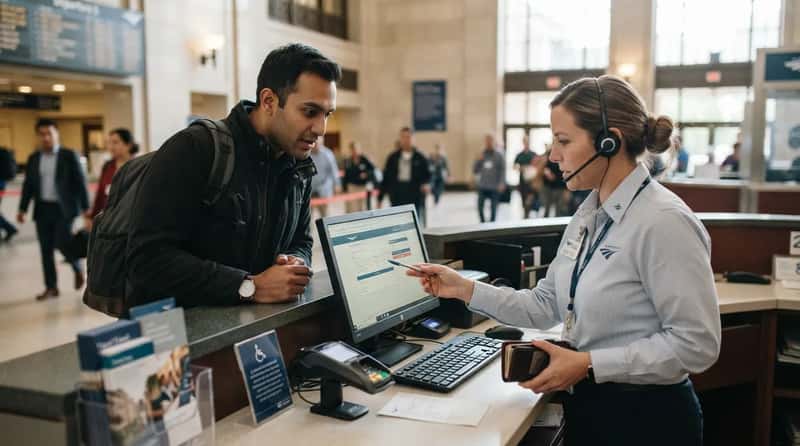
Rail operators push discount codes to third-party sites almost every month. Most travelers never see them, because the homepage they’re booking from looks perfectly full-price.
Amtrak releases monthly promo and coupon codes that rarely surface on Amtrak’s own website. These four-digit codes typically knock off 10% to 50% – not pocket change on a long overnight trip.
Amtrak also runs limited-time deals, like a recent “companion rides free in a roomette” sale. The desk knows about these. They just don’t mention them unless you specifically ask.
#11 might be the single most underused trick on this whole list.
#11 – Calling the Agent Directly Unlocks Fares the Website Buries

The website isn’t the whole picture. Agents have access to tools the self-service portal simply doesn’t show.
For split-accommodation trips, booking through an Amtrak reservation agent means paying a single through rail fare – always lower than booking two separate segments online. That one phone call can meaningfully cut the cost of a multi-leg journey.
Agents can also see hidden availability the online tools never surface. It’s not a conspiracy, just legacy inventory systems – the public interface is a simplified front end sitting on top of something far more complex.
#10 is the one seasoned overnight riders warn newcomers about first.
#10 – The Top Bunk Is the Worst Berth on Any Train
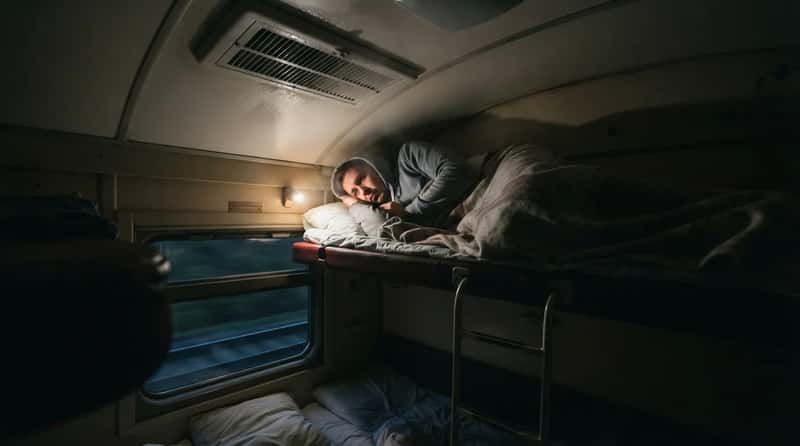
Everyone assumes bunk assignment is a coin flip. Frequent riders know better – the top bunk is almost always the worst deal in the cabin.
Veteran overnight travelers openly warn that the top bunk sits closest to the air vent, which means you’re bracing to freeze all night long.
Asking for a lower berth at booking time is worth the extra effort, and it’s often available – especially if you book early or mention a mobility concern. Don’t wait until you’re standing on the platform to find out.
#9 is the detail that changes how the whole ticket price should be read.
#9 – Meals Are Included in Sleeper Fares – and Worth Real Money
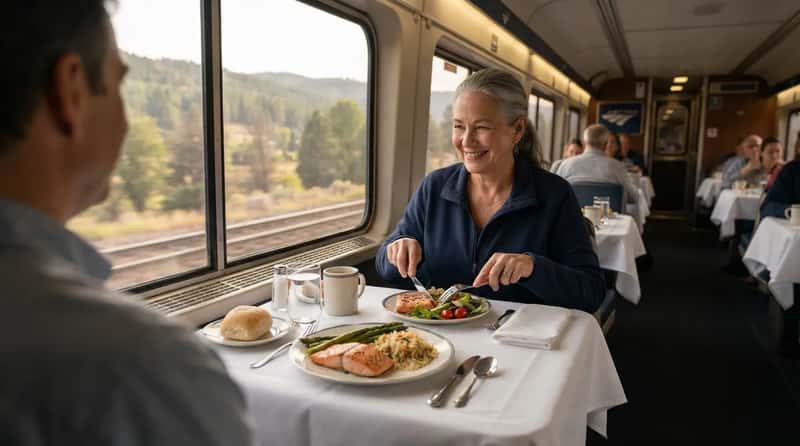
This one shocks first-timers every time. The listed ticket price looks steep until you realize everything actually bundled inside it.
On Amtrak’s long-distance sleepers, your roomette price covers the ticket, the bed, and three meals plus non-alcoholic drinks – no small thing on a 20-plus-hour trip with exactly zero restaurant options.
Those dining-car meals would cost a fortune at menu prices if you paid separately. In Europe, Nightjet even includes breakfast in most couchette and sleeper fares – factor that into the value math, because the desk never does it for you.
At a Glance: What’s Actually Bundled In
- Onboard meals are included when traveling in a private room.
- All Amtrak sleeper accommodations include complimentary meals in the dining car, including breakfast, lunch, and dinner, plus non-alcoholic beverages.
- Your dedicated First Class attendant will greet you during boarding and provide turndown service, assist with meals, help with luggage.
- All sleeper accommodations include meals, dedicated attendant service, and access to showers.
#8 turns solo-traveler math completely upside down.
#8 – Booking Two Passengers Together Is Way Cheaper Per Person
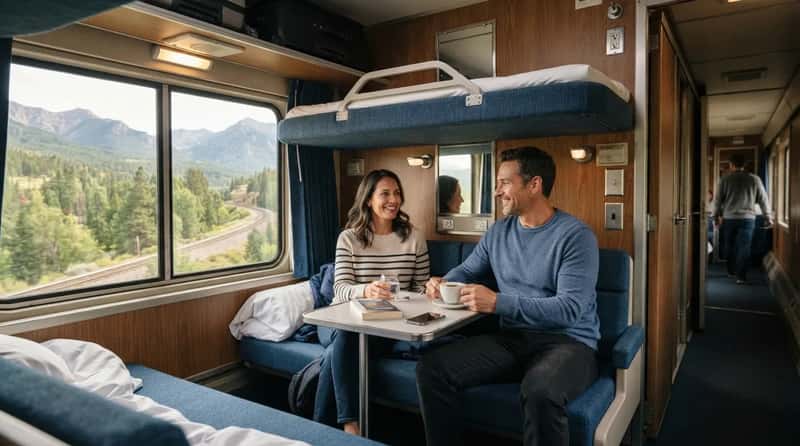
Solo travelers get quietly penalized by sleeper pricing. The desk won’t reframe the math for you, but the numbers are striking once you actually see them.
Traveling with someone else makes booking a sleeper far more cost-effective, since the cabin cost splits between two people while the cabin itself doesn’t double in price.
The incremental cost of a second person in a roomette is often modest compared to booking two separate accommodations. You’re essentially splitting a moving hotel room, dinner included – and most booking screens never show you that breakdown unless you do the division yourself.
#7 is the mistake that ruins entire trips before they even start.
#7 – Popular Sleepers Sell Out Months in Advance, Not Weeks
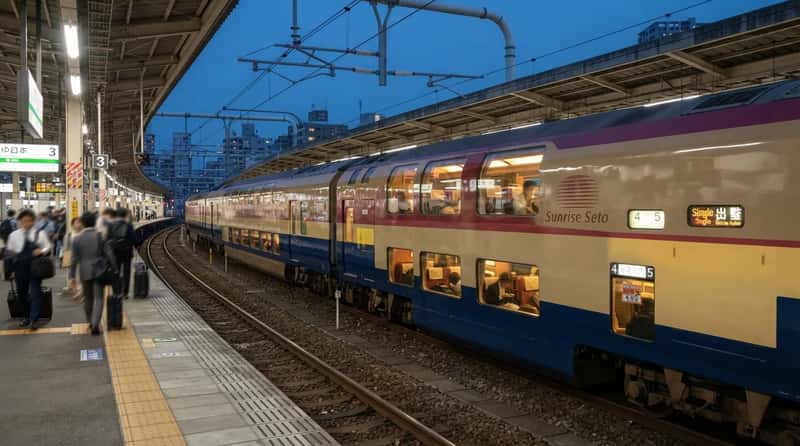
Booking desks consistently underplay how early inventory actually disappears. Anyone who says “a week or two ahead is fine” is talking about a quiet, off-peak route on a slow night.
Waiting too long is one of the surest ways to wreck a sleeper trip. In the worst case, you don’t make the train at all, because popular sleepers routinely sell out well before departure.
Travelers who’ve tried and failed to book Japan’s Sunrise Izumo-Seto – the country’s only remaining sleeper service – know this the hard way. Even when you do snag a berth, the pricier, less numerous cabins go first. Book the sleeper before you book anything else on the trip.
#6 is a lesson most people only learn once, at the worst possible moment.
#6 – Soft-Sided Luggage Is Non-Negotiable in a Berth
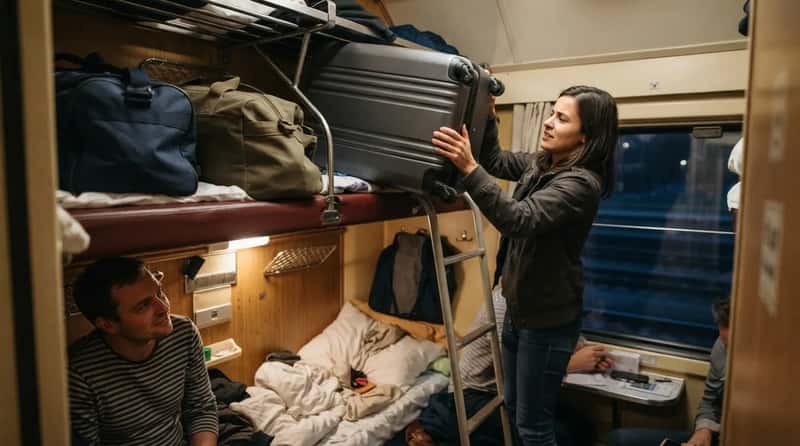
This isn’t a preference – it’s a hard lesson first-timers learn in real time, usually while everyone else in the cabin watches.
Anyone who’s tried wedging a rigid suitcase into a couchette luggage rack learns fast that it doesn’t fit. Experienced riders switch to soft-sided bags before they ever board, since a duffel flexes into tight spaces a hard-shell case simply won’t.
One oversized rigid suitcase can quietly eat up the storage space meant for three other passengers, and nobody in a six-berth couchette lets that slide quietly. The booking desk confirms your seat – they never warn you about your bag.
#5 is the rule almost nobody with a confirmed booking realizes applies to them.
#5 – Unclaimed Berths Can Be Resold – to Anyone on the Train
This one surprises even regular rail travelers. Once a berth sits unclaimed past a certain point before departure, it re-enters circulation.
Any berth booked but not claimed within 15 minutes of departure becomes fair game for resale to whoever wants to buy it. That’s a razor-thin window if you’re running late with a confirmed ticket in hand.
The flip side: travelers without a reservation sometimes score a last-minute berth this way, priced dynamically like everything else. The desk knows the rules. Most passengers never do.
#4 changes how you should think about cabin class entirely.
#4 – Superliner vs. Viewliner Matters More Than Your Cabin Class
Most travelers obsess over class – roomette versus bedroom – without realizing the type of car changes the entire physical experience.
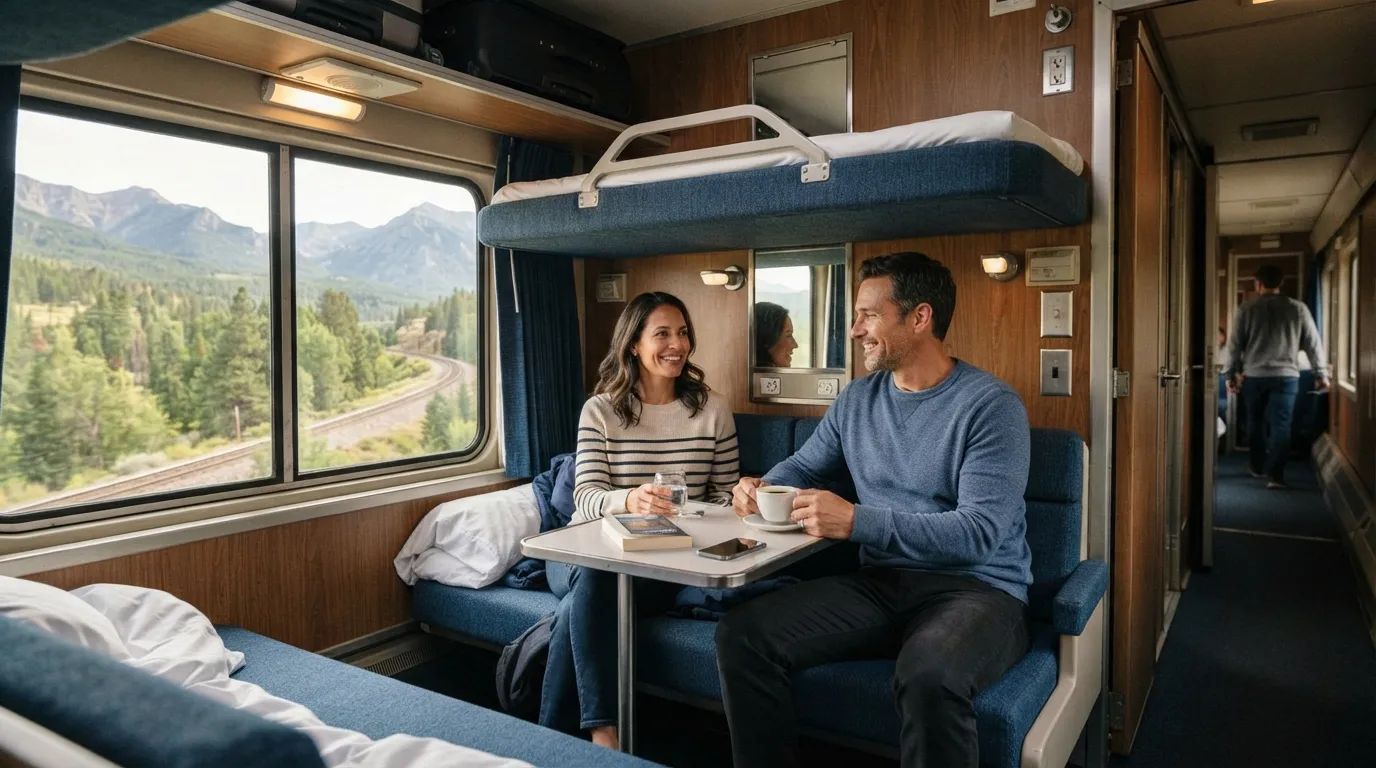
The Amtrak Sleeping Car fleet consists of two types of cars: Superliner and Viewliner. Superliner runs bi-level, Viewliner runs single-level, and the difference shapes everything from window views to family space.
Superliner trains may also offer a Family Bedroom on the lower level, built for two adults and two children. Many families squeeze into a cramped roomette all night without ever knowing the Family Bedroom existed – the desk won’t mention it unless you ask directly.
Quick Compare
- Superliner: two levels of private rooms per car, bi-level windows, optional Family Bedroom downstairs.
- Viewliner: single level of accommodations, common on Eastern long-distance routes.
- Both car types bundle in meals, an attendant, and shower access regardless of which one your train uses.
#3 is the modern annoyance nobody warns you about until it’s 2 a.m. and your phone is dead.
#3 – Power Outlets Are Scarce and Nobody Warns You
Modern travel assumes unlimited charging. Sleeper train design hasn’t caught up, and you will fight for an outlet if you don’t plan ahead.
Some older rolling stock on popular overnight routes has just one shared outlet per compartment – for a phone, a tablet, and a laptop that all need power at once.
Wi-Fi is unreliable or nonexistent on many long-distance routes, and cell service vanishes in remote stretches. Bring a multi-port charging block and download everything before you board.
#2 is a move most coach passengers don’t realize is even on the table.
#2 – Coach Passengers Can Bid to Upgrade Into Sleeper Berths
Here’s a secret the booking desk almost never publicizes upfront: if you’re already sitting in coach, you may not be stuck there.
Passengers who booked a Flex Fare in Coach can modify their reservation right up until departure through Amtrak.com or the app. Qualifying Coach customers can also place a bid to upgrade to a Roomette or Bedroom.
Amtrak occasionally releases sleeper promos, flash sales, or upgraded fare buckets that make this bid especially lucrative right before a train leaves. The traveler who knows this sleeps flat for a fraction of the walk-up price. The one who doesn’t sits upright all night.
Worth Knowing
- If you booked a Flex Fare in Coach and would like to upgrade to a private room, you can change your reservation up until the moment of departure by modifying your trip on Amtrak.com or the Amtrak app.
- All qualifying Coach customers can place a bid to upgrade from Coach to a Roomette or Bedroom.
- A cleared bid still comes with the full sleeper package – meals, attendant service, and shower access included.
And the biggest secret of all was saved for last.
#1 – The True Cost of a Sleeper Berth Is Almost Always Lower Than It Looks
Rail booking desks present the headline price and stop right there. They never tell you to do the math – because when you do, the sleeper almost always wins.
A roomette costs more upfront than a coach seat, but it quietly bundles meals, checked baggage privileges, comfort, and privacy. Tally what you’d pay separately for meals, a hotel room, or extra baggage, and the “expensive” option often isn’t.
The route matters most. On a short daytime hop, a sleeper is just an expensive door and a slightly wider seat – but on a 12-plus-hour overnight, you’re replacing a hotel night and paying for transport at the same time. Most people never see it that way, because the booking desk never frames it that way.
The Bottom Line
Rail booking desks aren’t actively hiding these secrets – they’re just not incentivized to hand them to you for free. Sleeper pricing is dynamic, inventory windows are tight, top bunks are genuinely inferior, and the all-in cost of a roomette frequently beats a hotel-plus-coach combo once meals and baggage enter the math.
Third-party sites can’t always finish your booking, agents can see fares the website hides, and a well-timed upgrade bid can put you in a real bed for less than you’d expect. The gap between a great overnight trip and a miserable one was never about money. It was always about who knew to ask the right question at the desk.