Most travelers over 60 shuffle through the same exhausting airport routine as everyone else – long security lines, rushed boarding, cramped seats – completely unaware that a single polite conversation at the gate podium could change the entire experience. There’s a wide range of accommodations buried inside airline policies and federal law that can transform senior travel from an ordeal into something genuinely manageable. None of them are marketed. None of them are announced. They’re quiet policies, legal requirements, and staff-discretionary benefits that most seniors walk right past, every single trip.
The gate agent standing at that podium has far more power to help you than you’d ever guess – but airlines won’t volunteer any of this. You have to ask. The 15 things below are real, documented, and available right now at most U.S. airports. Most passengers over 60 leave every single one of them on the table, every single time they fly. Here’s what the insiders actually know.
#15 – Pre-Boarding Without Any Paperwork or Doctor’s Note
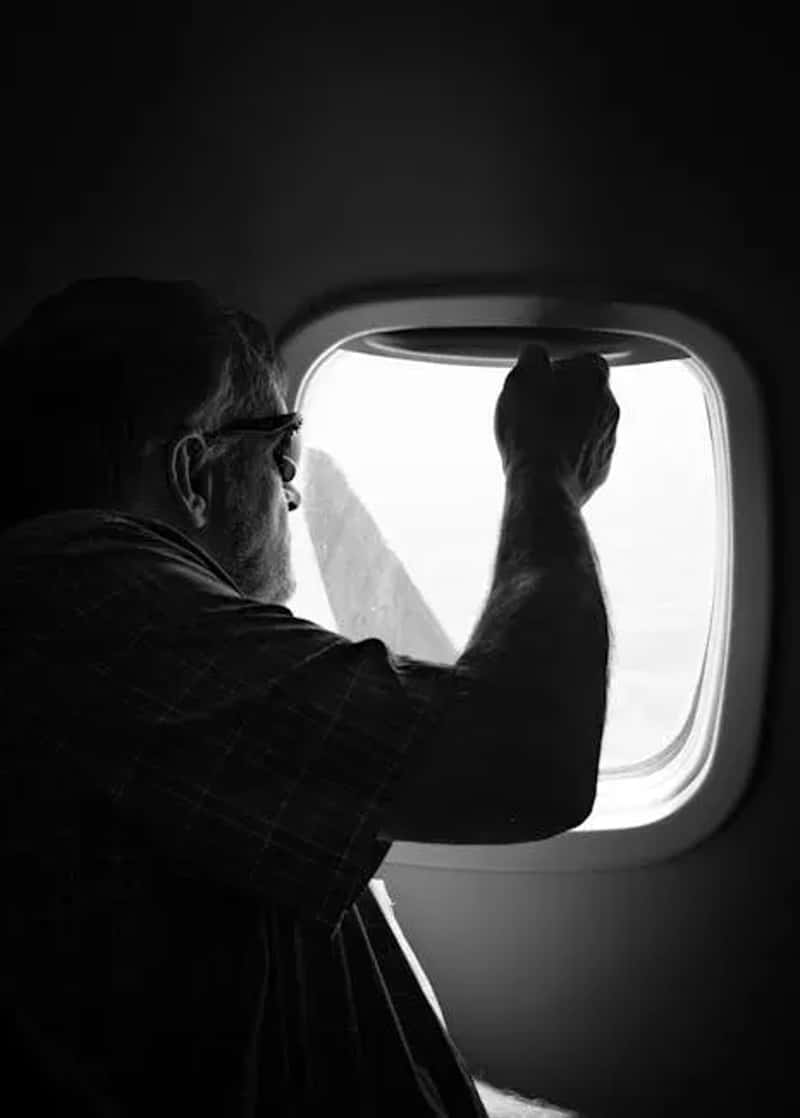
Seniors can board an airplane early if they need extra time or assistance getting to their seats – and airlines actively encourage it because it keeps the aisles less congested. Whether you’re traveling with a mobility aid or simply move at a slower pace, early boarding is available the moment you self-identify to a gate agent before boarding begins. No doctor’s note. No form to fill out. No need to prove anything to anyone.
United’s courtesy boarding automatically includes senior travelers upon request, and Delta and Southwest follow similar policies. Most airlines also allow one travel companion to pre-board alongside you at no charge – your spouse, adult child, or travel partner boards early just because you asked. The single phrase “I’d like to request pre-boarding due to mobility needs” is all it takes. Once you’re on the plane early with overhead bin space secured and no crowd jostling around you, you’ll wonder why you ever waited in line at all.
Fast Facts
- Pre-boarding is available at every major U.S. airline – no documentation required
- One travel companion typically boards early with you at no extra charge
- Boarding early also gives you priority access to overhead bin space near your seat
- You must request it before the boarding process starts – not after your zone is called
#14 – A Quiet Seat Reassignment Framed as a “Comfort Request”

Most passengers assume seat upgrades only happen for elite frequent flyers or people willing to pay extra. That’s not the whole story. Under sensitive traveler policies, gate agents at Delta, United, and Alaska Air can quietly move senior passengers to exit rows, aisle seats, or even premium economy at no charge – if it’s framed as a comfort or mobility need rather than an upgrade demand. The framing matters enormously. Those two approaches get completely different responses.
Gate agents deal with demanding passengers all day. A warm, direct ask from a senior traveler cuts through that noise immediately. One sentence, delivered kindly, often unlocks a seat that would otherwise cost $40 or more. Try: “I have some difficulty with mobility – is there any chance of a seat closer to the front or with a little more room?” You’re not begging for an upgrade; you’re describing a genuine need. The key detail most people miss? You have to ask at the gate, not through the app – that’s where agent discretion actually lives.
#13 – Free Wheelchair Assistance From Curb All the Way to the Gate
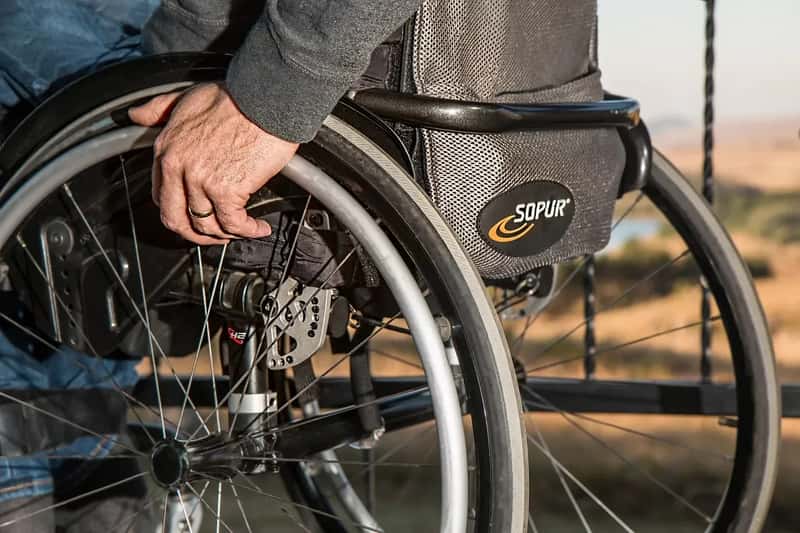
Here’s what most people over 60 don’t realize: you don’t need to be visibly disabled or use a wheelchair at home to request airport wheelchair service. The Air Carrier Access Act entitles seniors to free wheelchair or ambulatory assistance throughout their entire airport journey – escort through security, help with carry-ons, expedited processing, and priority boarding. That’s federal law, not an airline favor, and it applies regardless of visible disability.
To request this service, contact your airline at least 48 hours before the flight. Your reservation gets marked with a special assistance note so staff know to meet you at curbside or check-in. What’s rarely mentioned: requesting a wheelchair also automatically puts you at the very front of the boarding line – ahead of first class, ahead of elite status holders. Think about that the next time you’re watching business class passengers board while you wait in a crowd. And the companion perk tied to this makes it even better.
#12 – A Free Escort Pass for a Non-Traveling Family Member
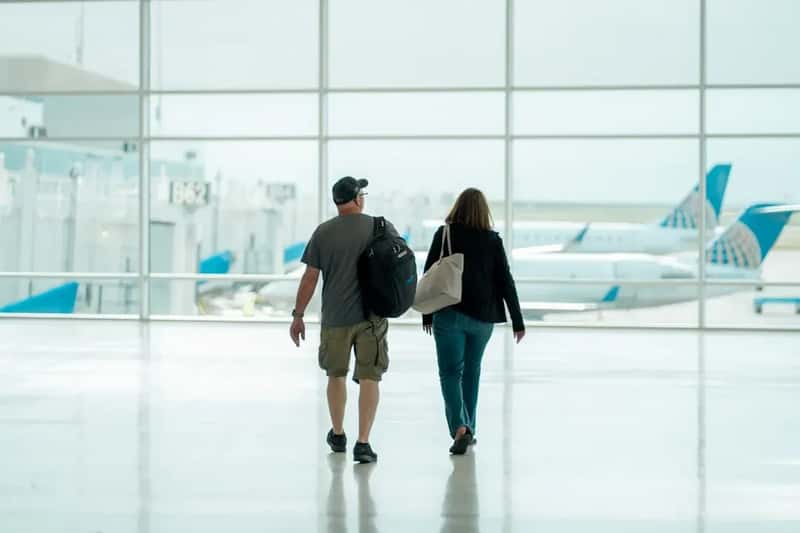
Most people assume that once you pass through security, your family waves goodbye at the checkpoint. That’s been the general understanding since 9/11. But it’s not actually the rule. Airlines can issue a companion security pass that lets a non-traveling guest walk through security, reach the gate, and stay until boarding is complete. For travelers over 60 who want a family member nearby until the last possible moment, this is one of the most quietly generous policies in commercial aviation.
Major U.S. airlines – including Alaska, American, Delta, JetBlue, Southwest, Spirit, and United – offer these passes to non-passengers assisting seniors, passengers with disabilities, or military members. The pass is obtained at the ticket counter, not the gate, so ask early when you arrive. The helper just needs to show a valid ID. This one alone is worth a phone call before your next trip – and most people have never heard it exists.
At a Glance: What to Ask For at the Ticket Counter
- Companion escort pass – lets a non-traveling family member go through security with you
- Special assistance notation – flags your entire itinerary for support at every checkpoint
- Wheelchair request confirmation – ensures staff are ready at curbside on arrival
- Bring a valid government-issued ID for both you and your companion
#11 – A TSA Cares Passenger Support Specialist at Security
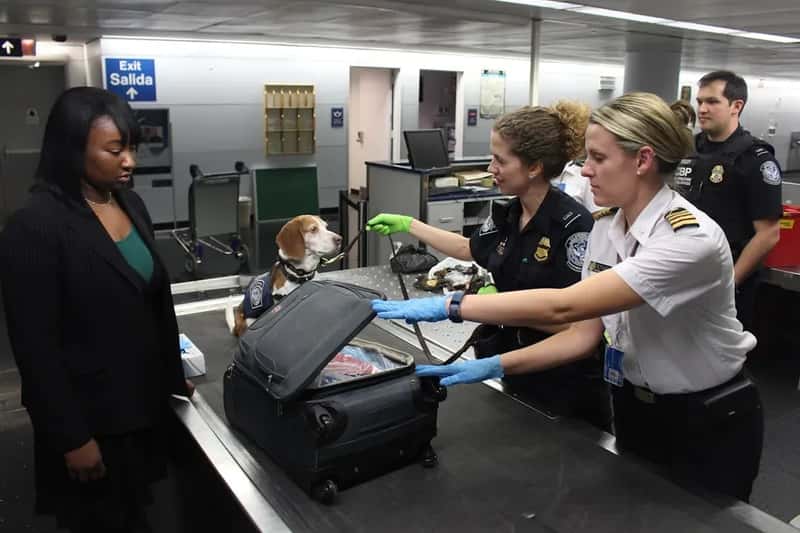
TSA security is where airport anxiety peaks for most travelers over 60 – the bins, the lines, the rushing, the shoes. What almost nobody knows is that TSA has a dedicated program specifically designed to take all of that stress away. The TSA Cares program provides assistance to travelers with disabilities, medical conditions, and other special circumstances to ensure a smooth screening experience. It’s not a rumor or a workaround – it’s an official federal program that most seniors have simply never heard of.
Requesting TSA Cares assigns you a personal Passenger Support Specialist who guides you through the entire screening process – you skip the main line, get help organizing your items, and move through with far less stress. Call TSA Cares at (855) 787-2227 or submit the online request form at least 72 hours before your flight. This service is completely free, and the specialist stays with you from the security entrance all the way through to the other side. Nobody advertises it because TSA doesn’t want to overwhelm the system – but it’s yours for the asking.
#10 – Modified Security Screening Rules for Passengers 75 and Older
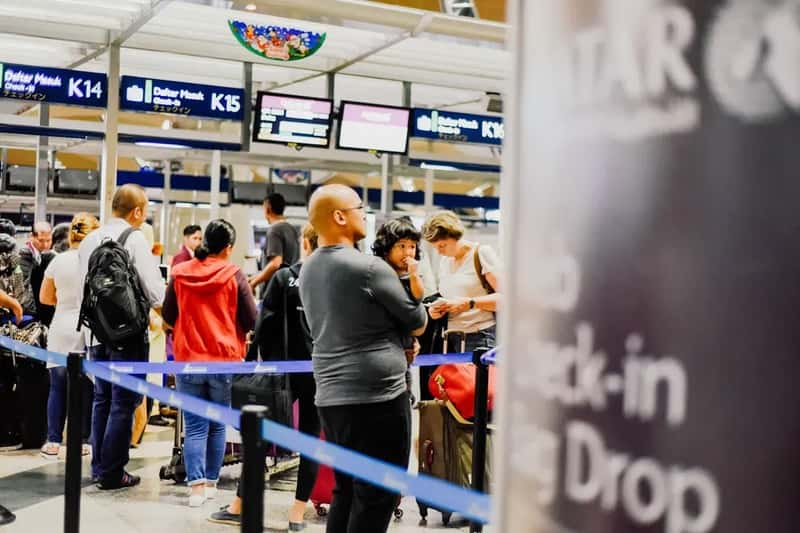
If you’re 75 or older and still removing your shoes, belt, and jacket at the TSA checkpoint, you’re doing extra work you’re not legally required to do. Federal policy automatically provides modified screening for travelers 75 and older – shoes can stay on, and the process is streamlined so you can move through faster. If the system doesn’t flag your age automatically, you can self-identify to TSA agents and request the expedited screening. This applies at every U.S. airport, with no enrollment fee and no exceptions.
The catch is that you may need to speak up, because the automated system doesn’t always catch it. Say your age clearly and calmly at the checkpoint. TSA introduced this policy because seniors are considered lower-risk and often move slower through checkpoints – it speeds up lines for everyone. But most seniors still silently comply with the full routine because nobody ever told them they didn’t have to. One sentence changes that entirely.
Worth Knowing: TSA Screening for Travelers 75+
- Shoes may stay on – this is official TSA policy, not a rumor
- You can request to be seated during any part of the screening process
- Use the TSA Notification Card to communicate medical conditions or devices without speaking
- TSA PreCheck members 75+ also keep shoes, laptops, and light jackets in their bag
- If the alarm sounds, you may still need additional screening – but you can ask to be seated
#9 – Free Personal Mobility Device Check at the Gate
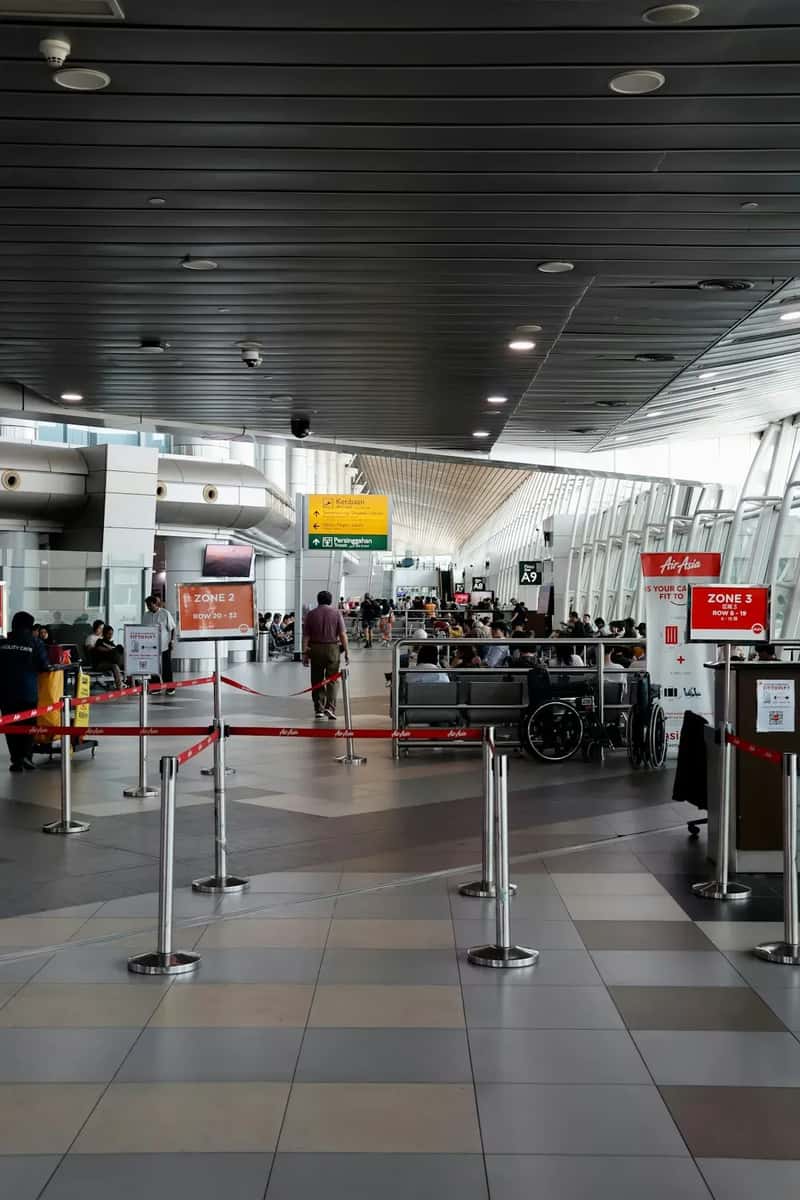
Travelers who use walkers, canes, personal wheelchairs, or mobility scooters often worry about what happens to those items in the cargo hold. There’s a federal protection built specifically for this, and gate agents are the ones who activate it. Under the Air Carrier Access Act, all U.S. airlines must permit passengers to check their wheelchairs, scooters, walkers, or other medical devices at the gate for free – and it does not count as one of your checked bags.
This means you can use your own familiar equipment from airport drop-off all the way to your boarding gate. Collapsible wheelchairs and other assistive devices have priority for in-cabin storage space over other passengers’ items when the passenger chooses to pre-board. Gate-checking your personal mobility device is a completely separate allowance from your baggage – always free, always. Many seniors are either paying for extra bags unnecessarily or leaving their own equipment at home out of fear. Both are entirely avoidable.
#8 – Priority Rebooking Assistance During Delays and Cancellations
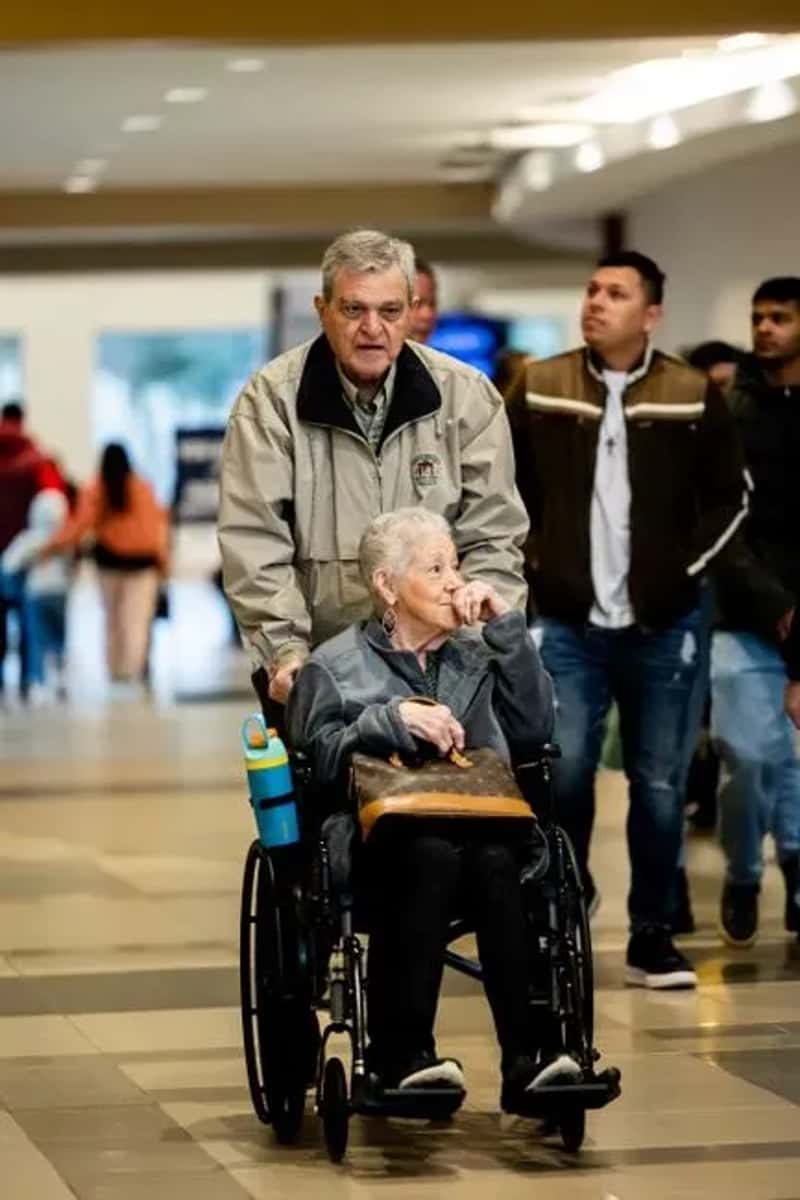
When a flight gets canceled, a mob forms at the gate podium instantly. Most people stand in that crowd for 45 minutes. Experienced travelers over 60 know a better move. When your flight is delayed or canceled and everyone rushes the desk, walk up calmly and say: “I’m a senior traveler – can you help me rebook quickly?” You’ll often get bumped to the front of the line and receive faster, more personal attention. The self-identification shifts how the agent categorizes your request.
Airlines often have unpublished policies that allow senior travelers to rebook or cancel flights without penalty due to health concerns or emergencies. The phrase “I’m a senior traveler with a health concern” triggers a different internal workflow at most major carriers. If you’re over 60 and genuinely can’t travel due to illness, airlines may refund or credit non-refundable tickets for medical reasons – typically with a doctor’s note and a polite call to customer service. Most people never ask and assume the rules are absolute. They’re often not. Your fellow passengers still standing in that 45-minute line almost certainly don’t know this.
#7 – Help Carrying Carry-On Luggage to Your Seat
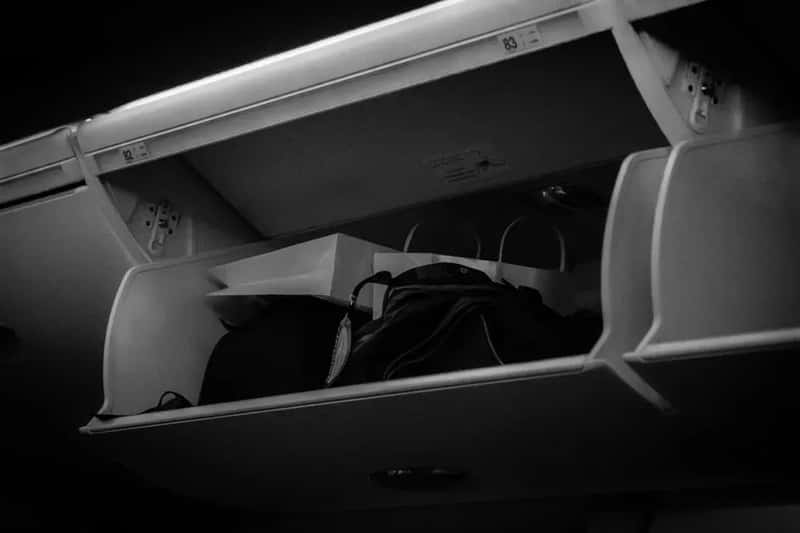
Lifting a carry-on bag into an overhead bin is one of the most injury-prone moments of any flight – especially for travelers over 60 with shoulder, back, or joint issues. What most people don’t know is that airlines are legally required to help. Federal access rules state that airlines must assist passengers in carrying their carry-on or gate-checked luggage when passengers are unable to do so themselves due to a disability or physical limitation. This is a legal obligation, not a courtesy call.
Flight attendants are trained to prioritize passengers who need assistance – but only if they know in advance. Tell the gate agent before you board: “I sometimes need help with my overhead bag.” That one sentence puts a note on your record that follows you onto the plane. Flight attendants will proactively check in on you rather than waiting to be flagged down in the middle of boarding chaos. It transforms the boarding experience without requiring any special status or any extra money.
Quick Compare: Asking at the Gate vs. Waiting Until You’re Onboard
- At the gate: Agent adds a note to your record – crew is already briefed before you board
- Onboard mid-boarding: Flight attendants are juggling dozens of passengers – easy to get overlooked
- At the gate: Companion pre-board perk can be activated at the same time
- Onboard after doors close: Almost impossible to rearrange seating or assistance at that stage
#6 – A Companion Riding Along on the Airport Electric Cart
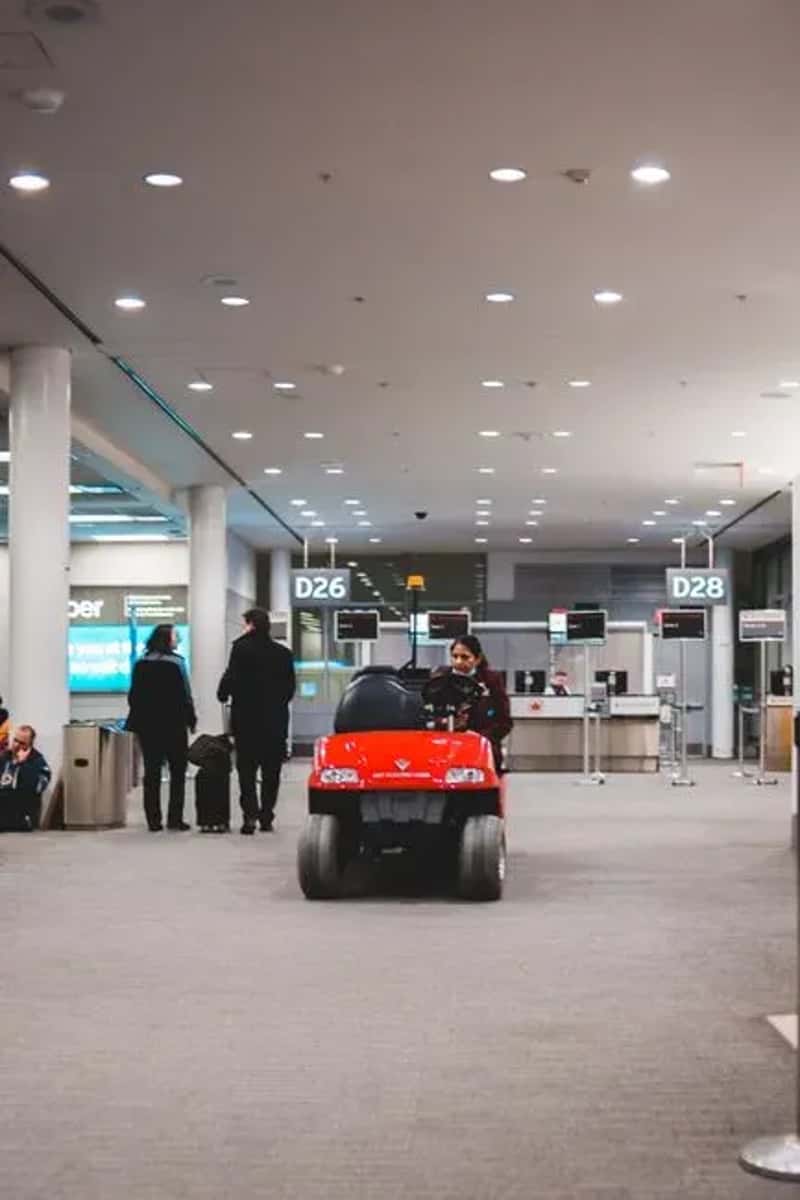
Those golf cart-style electric vehicles cruising through airport terminals? Most travelers assume they’re reserved for passengers in wheelchairs or with serious mobility problems. That assumption costs a lot of senior travelers a lot of unnecessary walking. Courtesy carts run through airports nationwide, picking up passengers who need extra help or have tight connections – and the key is simply asking, at the gate, at the service desk, or right at the terminal entrance when you arrive.
A senior’s companion gets to ride along on the electric cart even if they aren’t the one requesting assistance – and both get early boarding too. That means you and your travel partner arrive at the gate together, rested, without having sprinted through the terminal. If your loved one would rather not use a wheelchair, the cart is a natural alternative – but it’s best to reserve a ride when booking or upon arrival. Most people watch these carts roll by wishing they were on one. All it takes is a single request.
#5 – Lounge Access or a Quiet Rest Area During Long Layovers

Airport lounges look like an exclusive club most people can’t touch without a premium credit card or a business class ticket. For senior travelers with health or comfort concerns, that wall is softer than it looks. During delays or long layovers, airlines like Delta, United, and Alaska occasionally grant seniors complimentary lounge entry or meal vouchers – especially when you mention health or comfort concerns. The key word is “mention.” They will not offer it. You have to bring it up first.
Gate agents may also provide access to quiet rest areas, medication refrigeration, or other comfort accommodations for senior travelers who ask directly. The phrase that actually works: “I’m a senior traveler with some medical considerations – are there any quieter rest areas or accommodation options during my layover?” Tone matters. Don’t demand – ask calmly and kindly. Agents have real flexibility to approve accommodations, but only when the traveler asks directly. Sitting in a quiet lounge instead of a hard plastic gate chair for three hours is a genuinely different trip.
#4 – Specialty Meal Requests That Gate Agents Can Flag for the Crew

Most travelers assume that if you didn’t pre-order a special meal online before your flight, you’re stuck with whatever the standard service cart rolls out. Gate agents can actually change that. On longer flights, many airlines give senior passengers the option to request specialty meals – low-sodium, diabetic-friendly, low-fat, and soft-food options are all possibilities, but only if someone flags the request before the aircraft door closes. That window is shorter than most people realize.
The gate agent can add a meal annotation to your passenger record that the flight crew will see before service begins. This is especially valuable for seniors managing heart conditions, diabetes, or post-surgery dietary restrictions. Federal rules require that passengers who identify as needing specific accommodations receive prompt access to the same services and information as other passengers – including dietary needs on flights where meals are served. Mention your dietary need at the gate before boarding, not mid-flight when the crew is already deep into service. The earlier you say it, the smoother it goes.
Fast Facts: Specialty Meal Options to Ask About
- Low-sodium – commonly available on domestic flights of 3+ hours
- Diabetic-friendly – lower sugar, complex carbs, available on most international carriers
- Soft food / bland – useful post-surgery or for digestive sensitivities
- Low-fat / heart-healthy – available on many long-haul routes
- Always flag your need at the gate – mid-flight requests are rarely fulfilled in time
#3 – A “Special Assistance Requested” Flag That Covers Your Entire Trip

Here’s the one that frequent senior travelers swear by and almost nobody outside that circle knows about. When you self-identify at check-in or the gate as a passenger who needs any form of assistance, your reservation gets marked with a special assistance note – and that flag doesn’t just affect one moment. It travels with your booking through every single leg of your journey, activating support at each airport you touch without you having to re-explain yourself from scratch.
When a passenger with a disability requests assistance, the airline is required to provide help from the terminal entrance to the gate, through security, onto the aircraft, and from the arrival gate to any connecting flight. One conversation at check-in activates a chain of care across your entire itinerary. Most senior travelers re-explain their situation at every gate, every connection – an exhausting, unnecessary process that a single flag eliminates entirely. The system already knows you’re coming. That’s a different way to travel.
#2 – A Complaints Resolution Official When Something Goes Wrong
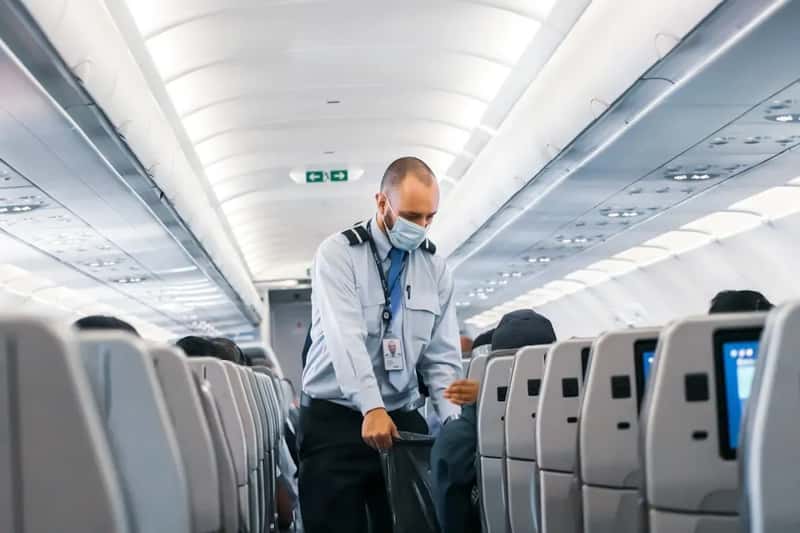
Most passengers, when something goes wrong at the airport, either stand at the counter getting increasingly frustrated or walk away feeling powerless. There’s a third option almost nobody uses – and it has real teeth. If you believe your rights under the Air Carrier Access Act are being violated, ask to speak with a Complaints Resolution Official, or CRO. Airlines are required to make one available to you, at no cost, in person at the airport or by phone during operating hours. This is not a rumor – it’s a federal requirement.
Airline passengers with disabilities have the right to be treated with dignity and respect, and to receive the accommodations they need to travel safely.
U.S. Department of Transportation
A CRO isn’t a customer service supervisor – it’s a designated federal compliance officer. Simply saying “I’d like to speak with your Complaints Resolution Official” immediately changes the dynamic of any difficult gate interaction. Most gate staff know exactly what that request means. In October 2024, the DOT issued a landmark $50 million penalty against American Airlines for serious violations of disability protection laws – a clear signal of just how seriously these rights are now being enforced. You don’t have to accept poor treatment. You have a legal mechanism to push back, right there at the gate.
Worth Knowing: Your CRO Rights at a Glance
- Every U.S. airline must have a CRO available in person or by phone at all operating hours
- The CRO has authority to resolve violations on the spot – more power than a gate supervisor
- You can also file a complaint directly with the DOT after your trip at no cost
- Airlines are required by federal law to report all disability-related complaints annually to DOT
#1 – Priority Terminal Assistance That Activates Everything, All at Once

Every item on this list – the cart ride, the pre-boarding, the seat reassignment, the security escort, the companion pass – can be activated through a single coordinated request made when you arrive at the terminal. Most major U.S. airports have a dedicated special assistance counter, and walking up to it is the single most powerful move most travelers over 60 never make. One conversation there sets off a chain reaction: customized accommodations waiting at every checkpoint, every connection, every gate on your itinerary.
Seniors are legally entitled to free wheelchair or ambulatory assistance throughout their airport journey under the Air Carrier Access Act – escort through security, help with carry-ons, expedited processing, and priority boarding – regardless of visible disability. This is not a favor. It is a federally protected right. The passengers who know to ask arrive at their gates rested, settled, and ready. The ones who don’t are still standing in line wondering why nobody offered to help. The entire system is built to support travelers over 60. It just doesn’t announce itself.
The help is already there. It has been for years. Federal law, airline policy, and trained staff are all aligned to make your experience smoother – but almost none of it gets proactively offered. Every single item on this list requires one thing: the confidence to open your mouth and ask. A polite, specific, calm request at the right moment unlocks perks that other passengers are quietly paying for or going without entirely. Share this with someone who flies and deserves to know.