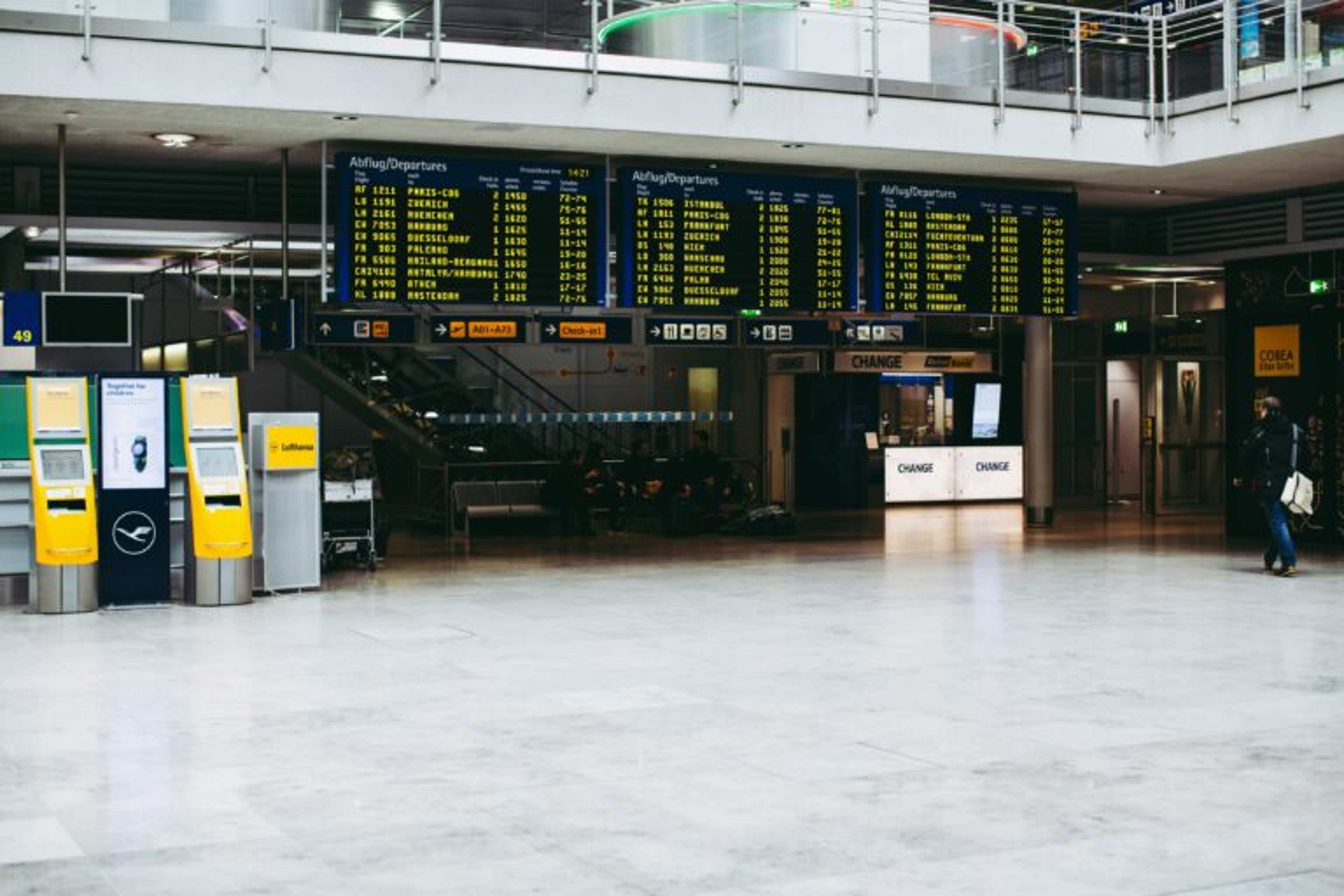
Most travelers over 60 assume airport lounges are locked behind a business-class boarding pass or a $550-a-year credit card fee. That assumption is only half true, and the other half is where things get interesting. Behind the velvet rope, lounge staff routinely make small, unadvertised exceptions for older travelers that never show up in any airline brochure.
None of it gets announced over the intercom. None of it is posted on a sign. But ask the right question, in the right tone, and a surprising number of doors quietly open, and what’s waiting on the other side of those doors is better than most people expect.
#15 – The Corner Seat Nobody Points You Toward
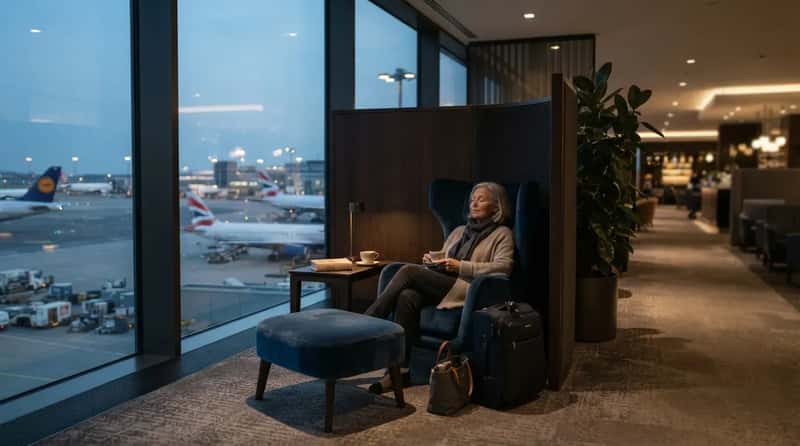
Lounges are designed with a loud zone near the bar and TVs, and a quiet zone tucked toward the back or by the windows. Staff rarely advertise the second one, but they’ll walk an older passenger straight to it if asked. For someone who finds long travel days more tiring than they used to, that quiet corner can matter more than the free food.
The difference is bigger than it sounds. A hard bench near a busy gate means standing luggage watch through constant foot traffic, while a lounge’s back corner means actually resting. Airports are loud and crowded by design, so staff who steer a tired traveler away from the noise are doing more than being polite – they’re protecting the rest of someone’s whole day.
#14 – Free Entry That’s Never Posted on a Price List
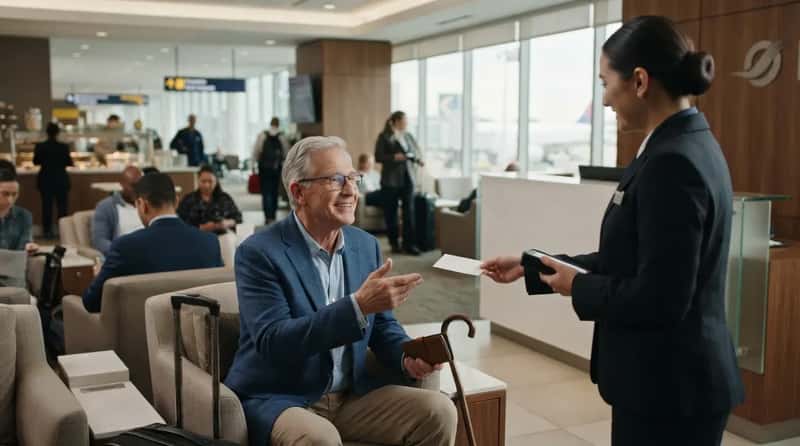
Lounge access isn’t always a locked transaction. During delays or long layovers, airlines like Delta, United, and Alaska occasionally grant seniors complimentary lounge entry or meal vouchers, especially when health or comfort concerns are mentioned – but the key word is “mention,” because staff will not offer it first.
This isn’t official policy printed anywhere; it’s staff discretion during irregular operations. Gate agents and lounge managers have real flexibility when a flight is delayed for hours and an older traveler is visibly struggling. Silence gets you nothing, but a calm, specific ask can get you through that door for free.
Fast Facts
- A Priority Pass Standard membership costs $99 annually, but you’ll still pay $35 every time you visit a Priority Pass location unless you upgrade tiers.
- Day passes typically run $25 to $80 per person, though some carriers like Alaska charge $65.
- United raised its individual club membership to $750 in 2025, with a $1,400 All Access tier.
- None of those prices apply to the quiet, no-charge exceptions staff sometimes make for older travelers during irregular operations.
#13 – A Discreet Escort Instead of a Long Solo Walk
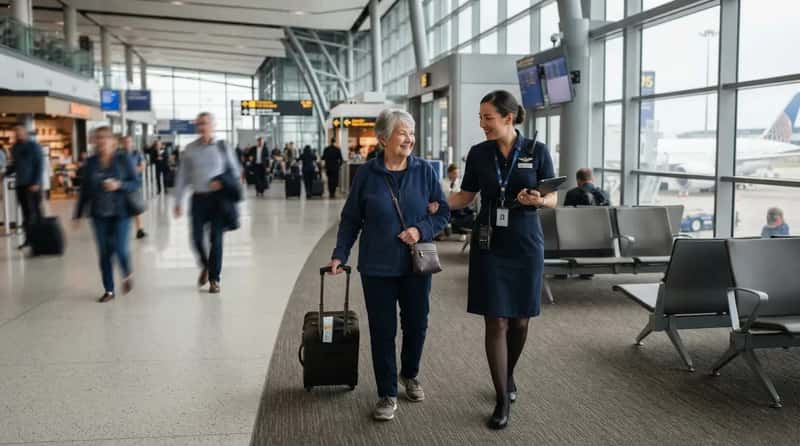
Getting from check-in to the lounge, and later from the lounge to the gate, is where a lot of the hidden help lives. Lounge access is especially useful for older passengers with long layovers or early flights, and some assistance representatives will escort travelers to the lounge and return when it’s time to move, so there’s no need to watch the clock.
Airport staff won’t always volunteer this, but when someone mentions a mobility concern, an escort request tends to move fast. It removes the single biggest stress point of an older traveler’s day: navigating a strange terminal alone under a ticking clock.
#12 – Medication Kept Cold Without Making a Scene
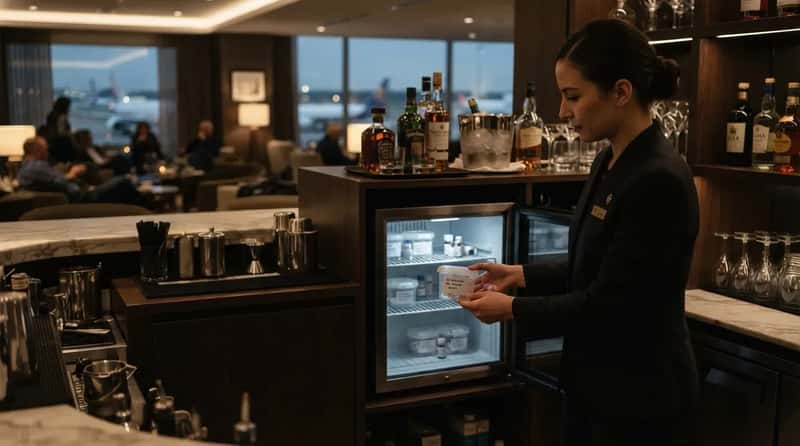
Insulin, biologics, and other temperature-sensitive medications create quiet panic in travelers who don’t know where to turn. Gate agents may also offer access to quiet rest areas, medication refrigeration, or other comfort accommodations for senior travelers who ask directly.
Lounges often keep a small refrigerator behind the bar for exactly this purpose – no prescription paperwork required, no fuss made. It’s the kind of favor that never gets advertised publicly, because airlines don’t want a flood of requests they can’t guarantee for everyone. But it happens quietly, again and again, for the travelers who simply ask.
#11 – A Charging Spot That Isn’t First-Come, First-Served
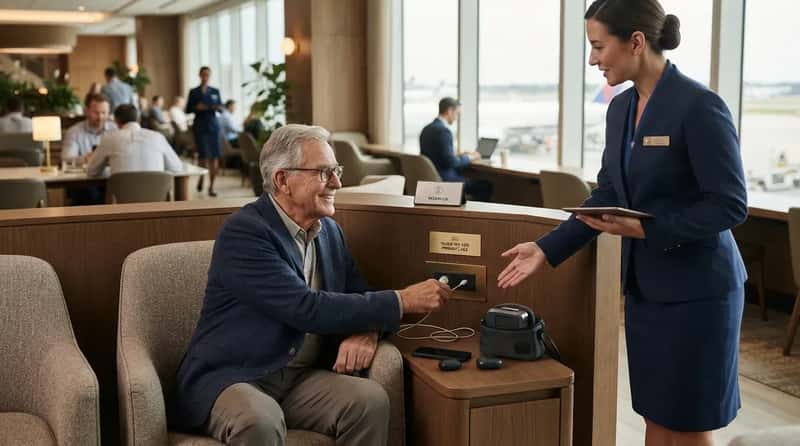
Outlets in a crowded lounge disappear fast, and older travelers carrying phones, hearing aid chargers, and CPAP batteries often lose that race. Anyone who has hunted for a working outlet in a packed terminal knows how real that panic feels.
Staff who notice a passenger struggling with medical equipment will frequently point them to a reserved outlet near the desk rather than let them search the room. It’s one of the smallest gestures with the biggest daily impact, since a dead phone or a depleted mobility-device battery can turn a routine layover into a genuine problem.
#10 – A Cleaner, Closer Restroom Nobody Announces
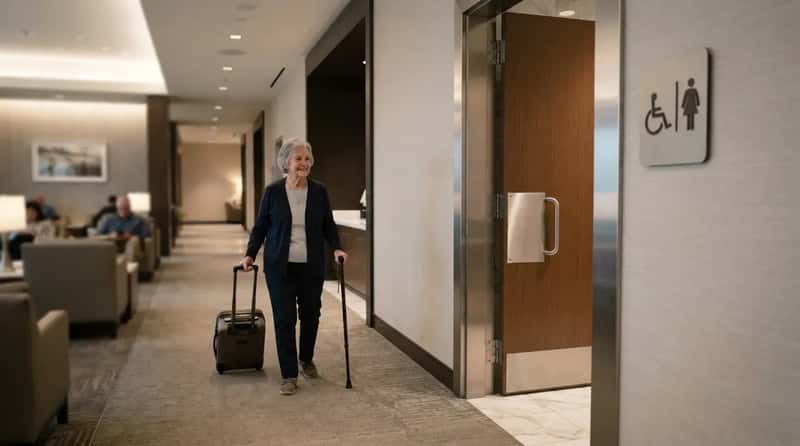
Lounges typically keep their restrooms in better condition than the general terminal, and staff know exactly which stall is easiest to reach without a long walk. For a passenger managing joint pain or balance issues, that fifteen-foot difference matters more than most people realize.
It’s rarely mentioned unless someone brings up a mobility concern, but lounge staff have been known to seat older guests specifically near the accessible restroom rather than at the first open chair. It’s a small act of foresight that saves an awkward, tiring walk later in the visit.
#9 – Priority for the Shower, If There Is One
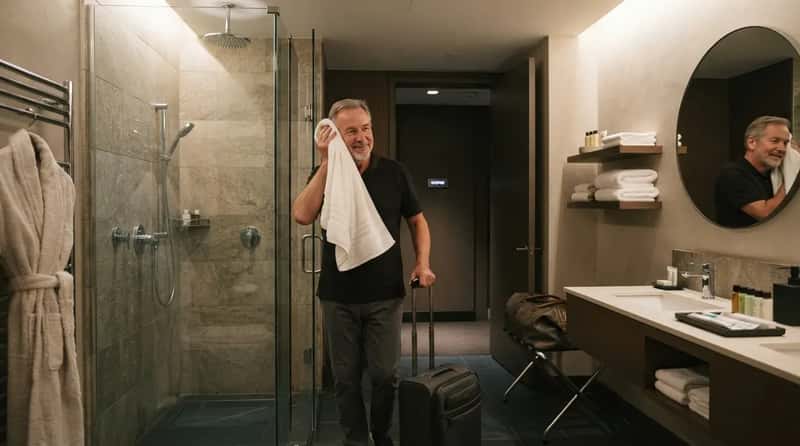
Some larger hub lounges include private shower suites, usually reserved on a first-come basis for elite-status flyers. Staff have quietly bent that order for older travelers coming off overnight flights who clearly need it more than the next business commuter checking email.
This isn’t written policy anywhere, and it won’t happen every time. But lounge attendants have real discretion over the shower queue, and a tired 68-year-old off a redeye tends to get moved up the list before someone just looking for a quick refresh between meetings.
#8 – Simpler, Softer Food Options Set Aside on Request
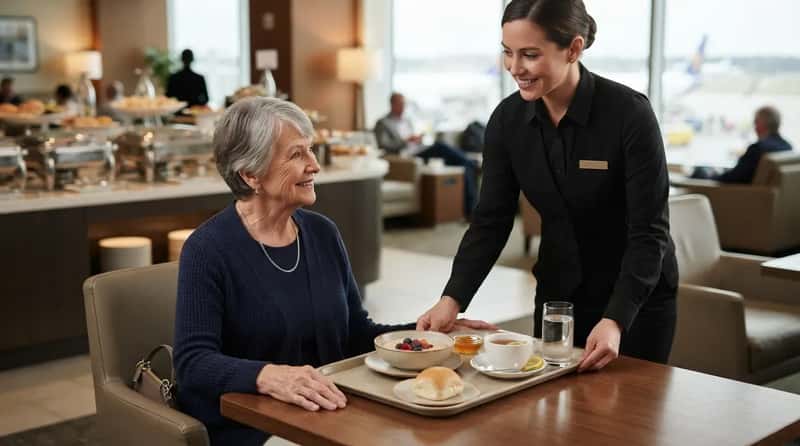
Lounge buffets skew toward small bites that aren’t always kind to sensitive stomachs or the dietary restrictions common among older travelers. Ask, and many lounge staff will point out, or even prepare, something gentler than what’s sitting out on the main spread.
This overlaps with airline-side accommodations, since airlines also customize in-flight meals for seniors with needs like low-sodium or diabetic-friendly options, and that same instinct carries over to lounge staff working the buffet line. It’s never a formal menu item – just a staff member quietly steering a tray toward something easier to digest.
#7 – A Reminder When the Gate Changes, Without Asking Twice
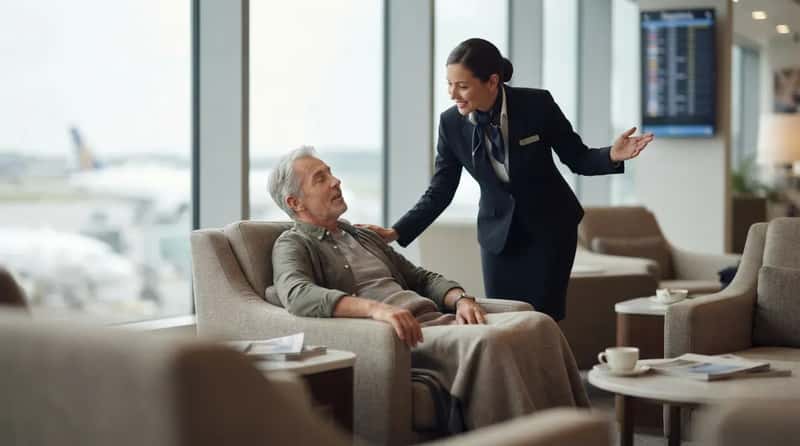
Anyone who has dozed off in a lounge chair knows the small jolt of fear that comes with waking up unsure if boarding already started. Staff who notice an older guest resting will sometimes flag the reservation and personally check on them as departure time approaches, rather than trusting the passenger to track a screen.
It’s a small courtesy that doesn’t exist in any service manual, but it happens constantly in lounges with attentive teams. The staff member walking the room refilling coffee isn’t just doing rounds – they’re quietly keeping a mental list of who needs a nudge before boarding starts.
#6 – Wheelchair Coordination Handled Behind the Scenes
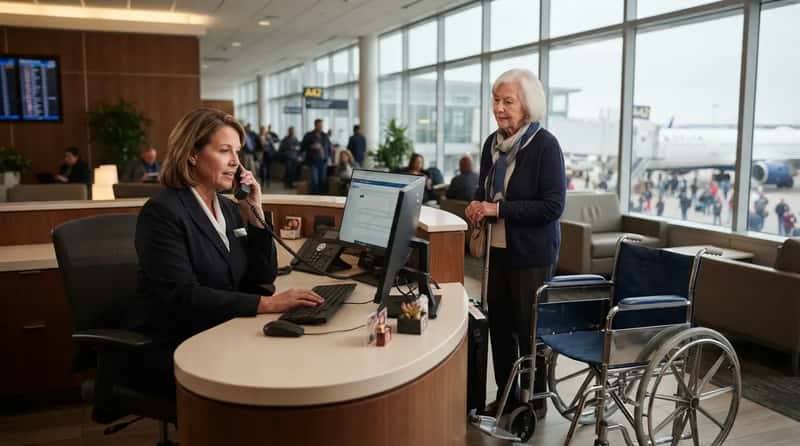
Wheelchair assistance is legally required under the Air Carrier Access Act and must be free of charge regardless of ticket class, on both domestic and international flights. Lounge staff often become the quiet middlemen who make that promise actually work, calling ahead so a chair is waiting exactly when it’s needed.
The request usually sits in the reservation, but on arrival, staff still have to physically call for the wheelchair, and the traveler needs to ask the lounge agents to call again when they’re ready to leave. That coordination is invisible to most people, but for a passenger who can’t stand through a long gate line, it’s the difference between making the flight comfortably and not making it at all.
Worth Knowing
- Wheelchair assistance must be free of charge, regardless of ticket class, and is offered on both domestic and international flights.
- Under the 2024 Wheelchair Rule, the terms “safe” and “dignified” are formally codified for airline assistance, and carriers must provide it in that manner.
- Airlines are required to provide you with prompt assistance after you self-identify to airport personnel as an individual who needs assistance – it doesn’t happen automatically.
- Delayed or denied assistance can be reported directly to the airline or the U.S. Department of Transportation.
#5 – Blankets and Pillows That Never Make the Amenity List
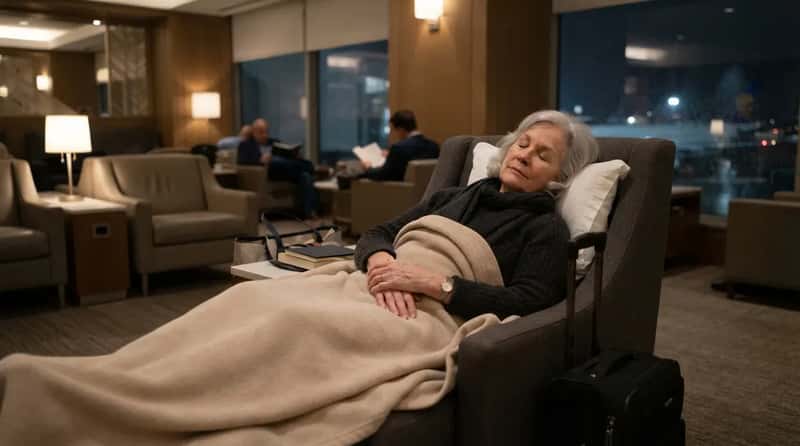
Lounges don’t typically advertise bedding, but many keep a small stash behind the desk for exactly the situations older travelers run into: a chilly terminal, a long delay, a body that gets sore sitting upright for hours at a time.
Staff will offer these without much fanfare to guests who look like they need to actually rest rather than just sit. It’s not a luxury amenity – it’s a practical fix that quietly separates a miserable four-hour wait from a tolerable one. Some frequent senior flyers say this modest gesture does more for their comfort than any of the free cocktails everyone talks about online.
#4 – A Direct Line to Rebooking Instead of the General Line
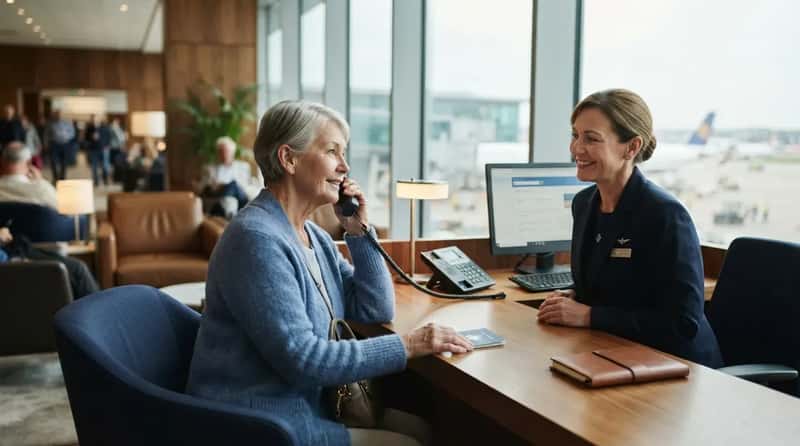
When a flight cancels, the general terminal turns into chaos within minutes. Lounge staff often have a separate phone line or direct contact with rebooking agents, and they’ll quietly use it for an older guest rather than send them into that scrum.
This single favor can save hours of standing in a line that wasn’t built with anyone’s knees in mind. It’s one of the least glamorous perks on this list, and arguably the most valuable one, since a missed connection hits older travelers harder than almost anyone else moving through the terminal that day.
#3 – Extra Time Before the Rush, Without Being Asked
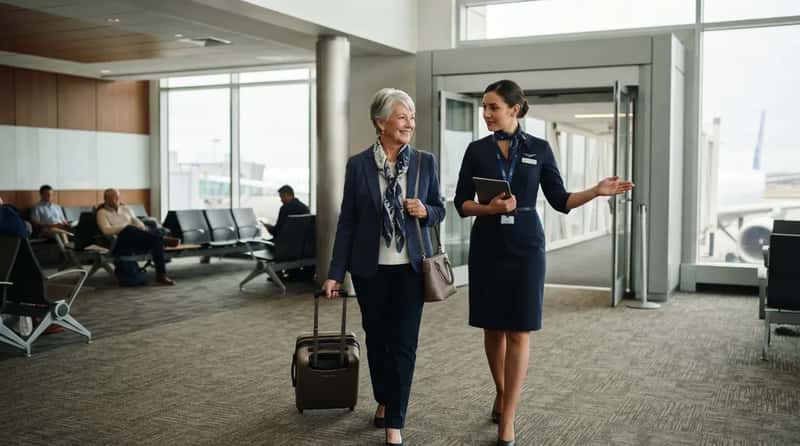
Formal pre-boarding exists on the aircraft side, but lounges run their own quiet version of it. Boarding assistance policies give seniors extra time to find their seats, stow luggage, and settle in before the general rush of passengers begins.
Lounge staff who track that a boarding group is about to be called will often walk an older guest toward the gate a few minutes early, avoiding the crush that hits the second group one gets announced. It’s a courtesy built entirely on staff noticing, not on anything guaranteed by the ticket itself.
#2 – A Quiet Word to the Gate Agent Before You Even Arrive
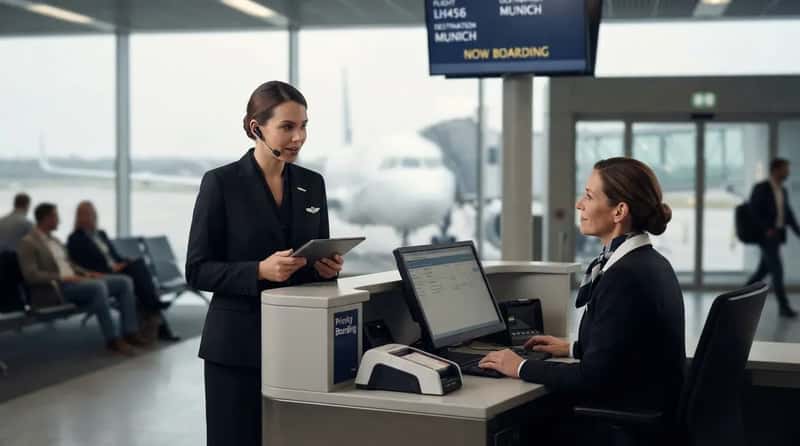
Some lounges will call ahead to the departure gate when an older guest with mobility concerns is about to leave, giving the gate team a heads-up before the passenger even shows up. It’s the kind of quiet handoff most travelers never know exists.
This matters because passengers who need boarding assistance should make that request to a gate agent as soon as they arrive, and airlines are required to make pre-boarding available. A lounge team that flags the request in advance means less scrambling and fewer awkward moments once the passenger reaches the podium.
#1 – Staff Who Simply Remember You, and Act Accordingly
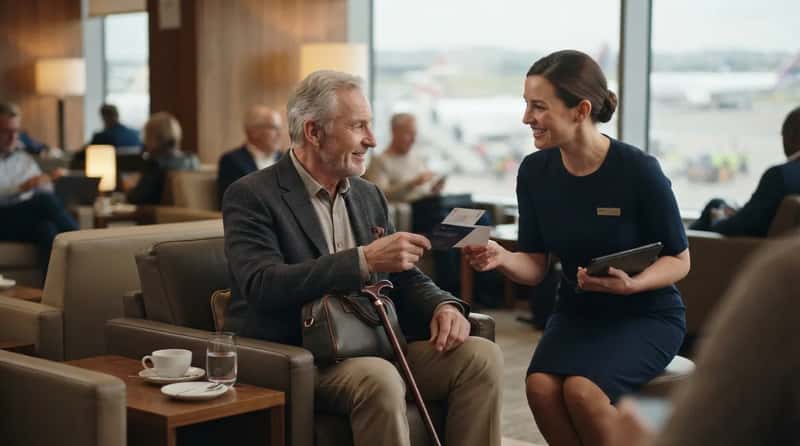
The single biggest thing lounge teams quietly set aside for older travelers isn’t a service at all – it’s attention. Staff at busier lounges genuinely remember regulars, and that memory translates into faster help, a reserved seat, or a heads-up about a schedule change before it’s even announced.
It’s the opposite of how most people picture a lounge experience: cold, transactional, status-based. In reality, the travelers who get treated best are often the ones who’ve simply been polite and specific about their needs on a previous trip, and that personal recognition does more for someone who needs it than any free drink or comfortable chair ever could.
Why It Stands Out
- It costs nothing extra, yet frequent senior flyers often mention it before any free food or drink.
- It runs entirely on staff memory, not on ticket class or which credit card is in your wallet.
- It rewards a calm, specific request, not high status or a bigger spend.
- It usually starts with one small, considerate conversation on an earlier trip.
None of these fifteen things are secrets in the conspiratorial sense. They’re simply accommodations that exist quietly, inside policy and staff discretion, waiting for someone to ask a direct, calm question instead of assuming the answer is no. Most travelers over 60 walk past every one of them without ever realizing the door was never actually locked.