Most people assume hotel staff treat every guest exactly the same. They don’t. Behind the pressed uniforms and polished smiles, managers run pre-shift briefings where certain guest groups get very specific attention – and travelers over 60 come up more than almost any other demographic. Not because they’re difficult. Because they’re valuable. Guests over 60 tend to stay longer, spend more, and leave detailed reviews that directly affect a property’s revenue. That makes them worth talking about – constantly.
What actually gets said in those back-office conversations would surprise most people. Some of it is genuinely flattering. Some of it is quietly frustrating. And a few of these insider details could change the way you travel if you knew them before you ever walked through the lobby doors. Here’s what hotel staff are told when the guests aren’t listening.
#15 – Your Arrival Walk Tells Staff Everything Before You Say a Word
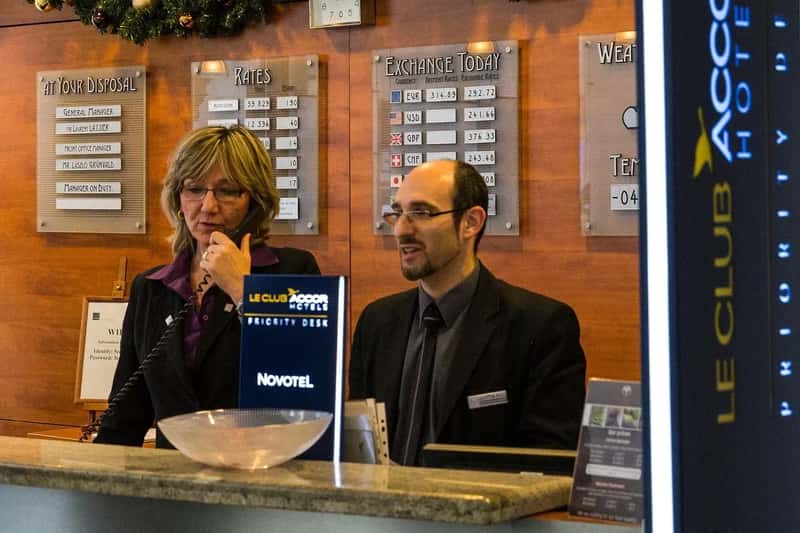
The walk from the front door to the check-in desk is a full story, and front desk staff finish reading it before you open your mouth. Guests who stride in directly – shoulders relaxed, eyes forward – broadcast confidence and travel experience. Guests who pause near the entrance, scan for signage, or glance around trying to locate the desk signal that the whole check-in process feels slightly unfamiliar. Staff clock this in about three seconds.
Managers coach staff to calibrate their entire service approach based on that first impression. A confident guest gets a faster, peer-level interaction. An uncertain guest gets more volunteered information, a slightly slower pace, and proactive offers of help before they think to ask. Younger travelers increasingly skip the lobby entirely via app check-in or keyless entry – guests over 60 almost always walk straight to the front desk, and most staff genuinely respect that. But the manner of approach is the very first data point staff log, and it quietly sets the tone for everything that follows.
#14 – How You Handle Your ID and Card Signals Your Experience Level Instantly

Having both your ID and credit card ready before you reach the counter is a small thing that registers loudly. Seasoned travelers do it automatically. Guests who dig through an overstuffed wallet or rummage in a purse signal they may need a slower, more patient rhythm – and trained staff shift gears immediately. They slow their speech, repeat key details, and volunteer information rather than waiting to be asked.
What managers specifically tell staff, though, is that this adjustment should never feel like condescension. The real danger in the check-in process isn’t the fumble itself – it’s when a guest feels embarrassed by the pace difference and rushes to catch up. That’s exactly when room preferences get skipped, special requests go unmentioned, and the check-in ends feeling incomplete. Managers want staff to hold the pace steady, for everyone’s benefit, without making anyone feel like they’re being managed.
At a Glance
- ID + credit card ready before you reach the counter = instant “seasoned traveler” signal
- Staff slow their speech and volunteer info when they sense hesitation
- Rushed check-ins are where room preferences and special requests get lost
- Managers specifically train staff never to let the pace shift feel condescending
#13 – Announcing Your Last Name Like a Command Marks You as Transactional Before You’ve Said Anything Else
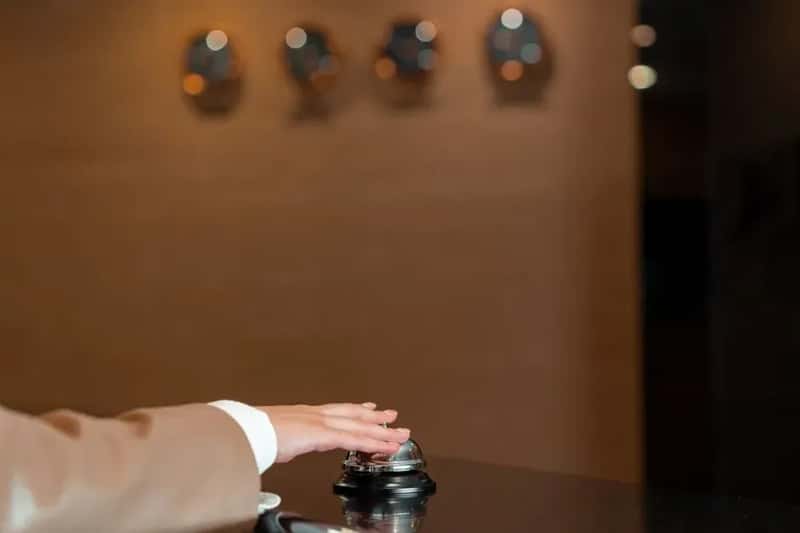
A good portion of travelers over 40 walk up to a hotel desk and lead with their surname – sharp, clipped, ready to be processed. It’s a reflex from an older era of travel when check-ins moved fast and warmth wasn’t the point. Front desk agents notice it immediately, not as a cardinal sin, but as a signal that this interaction is going to be purely transactional rather than warm.
Managers flag this in training because it changes what staff are willing to quietly offer. The guests who receive unprompted upgrades and free late checkouts are almost never the ones who bark a last name at the counter. They’re the ones who make brief eye contact, say hello, and treat the next two minutes like a conversation between two people – not a customer processing a service ticket. That distinction is razor thin, but the downstream difference in what staff choose to offer is not.
#12 – Dismissing Young Staff Is One of the Fastest Ways to Lose Their Extra Effort

This comes up in manager briefings more often than guests would guess. Some older travelers visibly dismiss recommendations from younger staff members and ask to speak with someone more senior – before the conversation has had a chance to go anywhere. It’s a reflex from an era when seniority correlated more reliably with knowledge. But a 24-year-old concierge who grew up in the city may know the local restaurant scene better than anyone else on that property, including the GM.
Managers coach staff to stay professional when this happens – but they’re honest about what it costs the guest. The agent you bypassed was often the most motivated person in the building to make your stay genuinely exceptional. Asking for a manager before giving the agent a real chance signals something that gets quietly noticed, and occasionally discussed in the break room. The irony is that the people who treat younger staff as peers are the ones who end up getting the most from them.
#11 – Noise Complaints Cut Both Ways – and Staff Are Told Not to Assume

It’s widely assumed that noise complaints in hotels trace back to younger guests. Managers specifically train staff not to default to that assumption. Groups of older guests celebrating a milestone trip, catching up with travel companions after years apart, or simply carrying a conversation through a corridor at midnight can be every bit as disruptive as any college group two floors below. Staff are equally likely to log a noise complaint whether the guest is 25 or 68.
What most guests don’t know is the real consequence sitting behind that complaint: a documented noise incident on your guest profile can follow you across future stays at properties in the same chain. Internal systems flag repeat patterns, not just isolated incidents. A single note can affect how a room is assigned on your next visit, what floor you land on, and how proactively staff engage with you before a problem surfaces. Most guests have no idea that record exists.
#10 – Your Tipping Habits Are Noticed, Tracked, and Talked About in Housekeeping
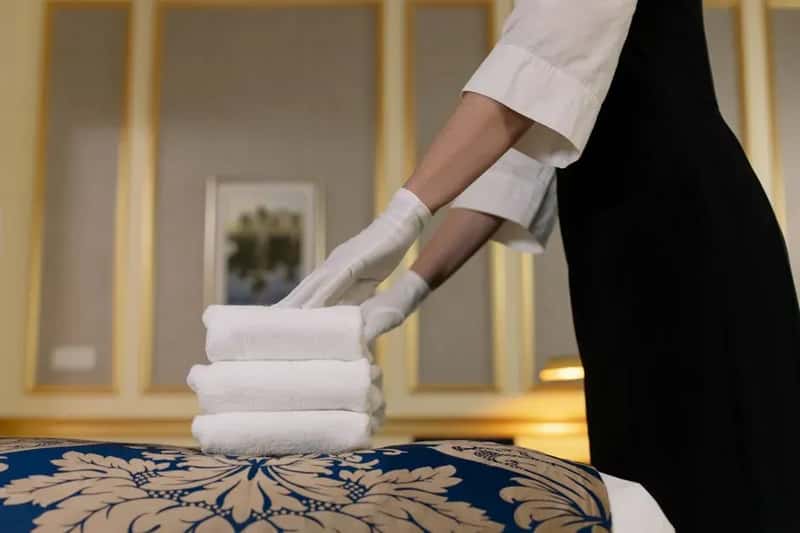
Managers don’t officially endorse this – but they know it happens. Only about 39% of Americans say they usually tip hotel housekeeping, according to survey data from The Vacationer, and a separate Bankrate survey found that the share who always tip has dropped to just 23%. That means the overwhelming majority of guests check out without leaving a single dollar for the person who cleaned their toilet, made their bed, and quietly hauled away their mess every day. Housekeeping staff notice. And they talk.
Here’s the detail that surprises most people about the over-60 demographic specifically: over 50% of American adults over age 60 say they normally tip hotel housekeepers – more than double the rate of guests aged 18 to 29, where that number sits at barely 26%. Guests over 60 who leave a tip are actively remembered as generous, which translates into extra care on room turnovers, faster responses to requests, and the kind of small discretionary gestures housekeeping can offer that management never officially sanctions and guests never fully understand how they earned.
Worth Knowing
- The American Hotel & Lodging Association recommends $1–$5 per night for mid-range hotels, $2–$20 at luxury properties
- Leave tips daily – the housekeeper on day 3 may not be the same person from day 1
- A note with the tip – or handing it directly to the housekeeper – ensures it actually reaches them
- Over 60s tip at more than twice the rate of guests under 30, and housekeeping notices
#9 – Older Guests Who Ask Politely for Late Checkout Get It Far More Often Than Those Who Demand It

This is one of the clearest patterns managers train staff to recognize. Guests over 60 sometimes arrive with a firm conviction that their long travel history earns them special latitude on timing – and they may well be right, especially as loyalty members. The friction doesn’t come from wanting the late checkout. It comes from the assumption that it’s simply owed.
Managers tell staff they have genuine discretion on late checkouts – typically a free hour or two when the property isn’t running at full capacity. But that discretion quietly evaporates the moment a guest frames a request as an entitlement. The guests who ask once, clearly and graciously, almost always get something. The guests who treat the request like a grievance already in progress rarely do. That gap isn’t policy – it’s human nature, and every manager knows it.
#8 – Housekeeping Staff Are Specifically Told to Watch for Invisible Mistreatment

Staying on your phone through a service interaction, speaking through staff as though they aren’t fully present, or simply forgetting to acknowledge the person who just made your bed – each one is more annoying than it sounds, and each one gets logged somewhere in how staff remember a guest. Housekeeping in particular, working quietly in the background of someone’s stay, notices when they’re treated as part of the furniture rather than as a person doing a real job.
Managers increasingly make this a formal part of staff training. The flip side of that instruction is just as important: guests who actively acknowledge housekeeping staff – by name, with genuine eye contact, or even a simple unprompted thank you – get quietly flagged as gracious. Those are the guests staff go out of their way to reward in small, invisible ways throughout the stay. Most of them never know why their room seemed to get just a little more attention than usual.
#7 – Your Technology Struggles Trigger a Specific Internal Protocol – and It’s Not Condescending
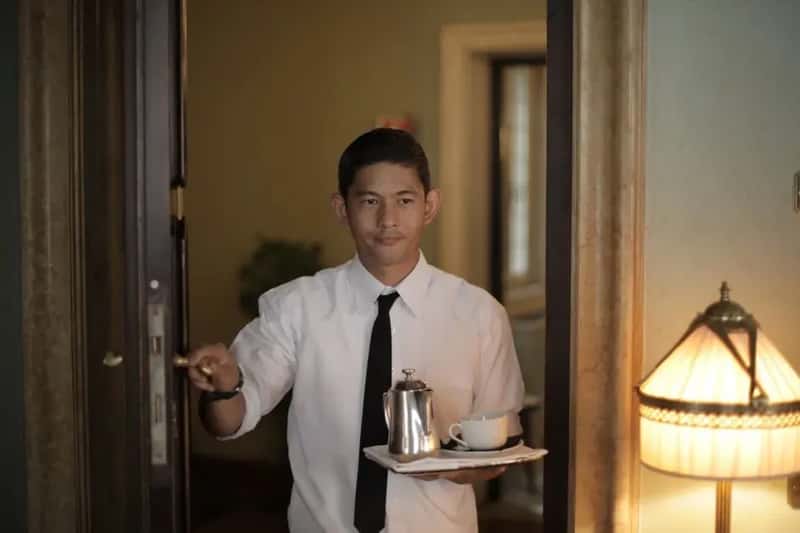
Most guests over 60 don’t realize there’s an actual staff protocol that fires when someone is visibly struggling with in-room technology. Smart TVs with vague remote instructions, thermostat panels that require three steps to change the temperature, USB ports in non-obvious locations, keyless entry pads that don’t respond the way you expect – these create a cascade of front desk calls and after-hours frustration that managers have specifically trained staff to prevent.
At well-run properties, staff are instructed to do a brief, natural verbal walkthrough of in-room tech at check-in – before the guest ever has a chance to get confused. The properties that do this consistently report far fewer late-night callback calls. Managers also quietly tell staff to know the location of the nearest urgent care clinic. Not because they expect anything to go wrong – but because older guests traveling alone sometimes need that answer fast, and fumbling for it in the moment is the last thing anyone wants.
Fast Facts
- Well-run properties build a tech walkthrough into the check-in process – ask for it if it’s skipped
- Common friction points: smart TV remotes, multi-step thermostats, hidden USB ports, keyless entry pads
- Late-night tech calls to the front desk are among the most common service complaints at full-service hotels
- Staff at quality properties keep the nearest urgent care address on hand for solo older travelers
#6 – Guests Over 60 Who Leave Detailed Reviews Are Tracked Differently Than Other Reviewers

This happens entirely behind the scenes. Hotel review scores on platforms like TripAdvisor and Google are directly tied to occupancy rates, pricing power, and guest return rates – and managers know exactly which guest segments generate the most detailed, consequential feedback. Older guests consistently rank among the most thorough reviewers. Their posts tend to be longer, more specific, and more trusted by other travelers making booking decisions.
Because of this, managers quietly instruct staff to pay particular attention during departure conversations with guests over 60. A concern raised casually at checkout is treated as a potential review in progress. At well-run properties, a post-stay follow-up within 24 hours of checkout is standard protocol for any flagged issue involving this demographic. Guests who feel genuinely heard after something goes slightly wrong are, counterintuitively, among the most loyal repeat visitors a property has.
#5 – The Senior Discount Is Real – But Most Guests Never Think to Ask for It

Managers quietly tell staff not to proactively announce senior discounts – but staff are absolutely trained to apply them the moment a guest asks. The range is wider than most travelers realize. Guests 62 or over can access savings of up to 50% at Hyatt properties or 10-15% off at Marriott. IHG offers up to 20% at participating locations for guests 62 and older. AARP members can unlock up to 25% off at Hilton, Wyndham, and Best Western – but those discounts are applied against rack rates, not the lowest available price, so it’s always worth comparing before assuming the AARP rate wins.
The quiet reality here is stark: the guests who never ask for these discounts are essentially subsidizing the guests who do. Managers know this. Staff know this. But there’s no obligation to mention it, and at most properties, no one will. With the average U.S. hotel room costing around $206 per night, a 10-15% discount off a four-night stay at a city-center property adds up fast. Asking takes about four seconds. Not asking costs real money.
Quick Compare
| Chain | Min. Age | Max. Discount |
|---|---|---|
| Hyatt | 62 | Up to 50% |
| Marriott | 62 | 10–15% |
| IHG | 62 | Up to 20% |
| Best Western | 55 | Up to 15% |
| Wyndham | 60 | Up to 10% |
| AARP partners | 50+ | Up to 25% |
#4 – Loyalty Members Over 60 Are Quietly Prioritized During Overbooking Situations
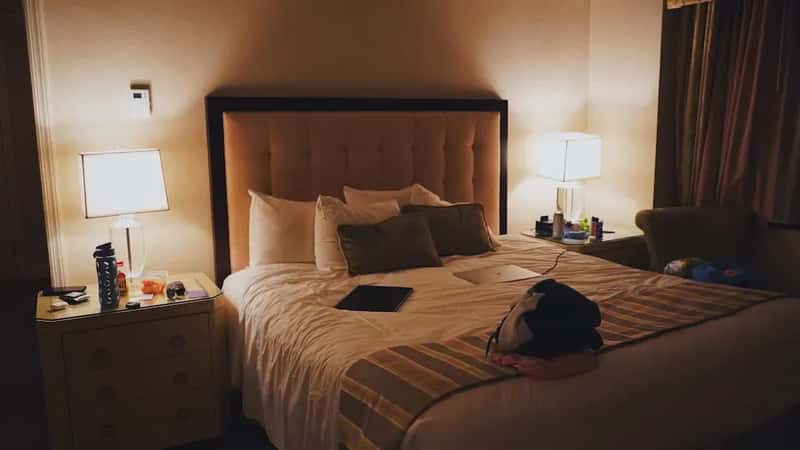
Hotels get overbooked more often than they publicly admit, and when a manager has to decide which guest gets walked to a nearby property, the decision happens fast and it isn’t random. Long-tenured loyalty members – especially those in upper tiers – are among the last guests to get bumped, full stop. The guest management system surfaces that history immediately, and managers lean on it hard when rooms run short.
The system also flags returning guests, VIPs, and special occasions like anniversaries, allowing staff to add personal touches that head off complaints before they start. The blind spot in all of this is significant: guests over 60 who have stayed with the same brand for years but never formally joined the loyalty program are essentially invisible to that system. When a room shortage forces a hard choice, invisibility has real consequences – and most guests in that position never understand why they were the ones who got walked.
#3 – Room Assignments Are Not Random – and Older Guests Have More Sway Than They Realize
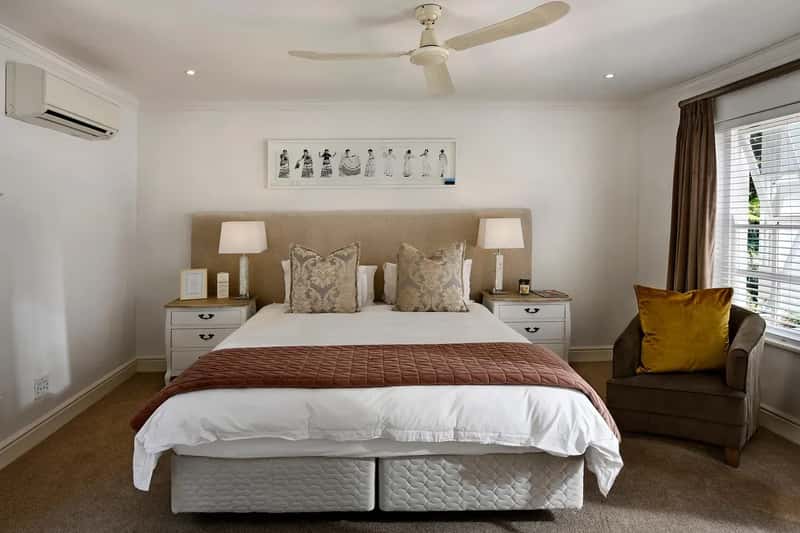
Managers will never announce this in the lobby, but room assignments follow an internal logic most guests never see. Requests made at booking – specific floor, distance from the elevator, away from street noise or ice machines – carry genuine weight in the system. And casual comments made at check-in carry almost as much. A guest who mentions a bad knee, a sensitivity to noise, or difficulty with stairs while making small talk is, at a well-run property, getting that note attached to their profile within minutes of walking away from the desk.
Managers specifically train staff to treat accessibility-adjacent requests from older guests as a service priority, not a compliance checkbox. Proactively offering a ground-floor room or one closer to the elevator – without being asked – is considered one of the highest-impact gestures in a whole stay. Most guests over 60 don’t know they can ask for these things. The staff who offer them unprompted are the ones who end up mentioned by name in reviews, sometimes months later.
#2 – The Complaint That Gets Resolved Fastest Is Always the One Delivered Calmly

Every hotel manager drills this into staff, and it matters most for the guests who actually have legitimate concerns – which experienced, detail-oriented older travelers frequently do. The internal instruction is nearly universal across well-run properties: listen, empathize, apologize, take action, follow up. What guests don’t see is the second half of that training, which is just as important – staff are told that a calm, clearly framed complaint gets resolved faster and more generously than one that arrives with heat.
The guests who keep their composure tend to walk away with more – a room upgrade, a free night credit, a personal apology from the general manager – than the guests who escalate immediately. Anger signals a guest who wants to be right. Calm clarity signals a guest who wants a solution. Staff have the discretion to offer real remedies, but that discretion is far more likely to be exercised when the conversation feels like two people solving a problem together rather than one person winning an argument.
Why It Stands Out
- Staff are trained to escalate resolutions faster for guests who stay composed
- Real remedies – upgrades, free night credits, GM apologies – require staff discretion to unlock
- Heat-filled complaints trigger defensive posture; calm ones trigger problem-solving mode
- Guests who feel heard after a minor issue are among the most loyal repeat visitors a property has
#1 – The Guests Over 60 Who Get Treated Like Quiet VIPs All Share One Specific Trait

This is what managers say again and again, and it has nothing to do with how much money you spend or how high your loyalty tier sits. There’s a clear, observable difference between a guest who is over 60 with decades of real travel behind them, and a guest who is over 60 and simply hasn’t moved through the world that much. The seasoned traveler doesn’t demand. They ask once, clearly, at the right moment. They don’t linger at the desk unnecessarily, don’t create a queue, and don’t need hand-holding through a standard check-in. Staff identify that particular kind of confident ease within the first thirty seconds.
The guests who receive quiet room upgrades, unprompted amenities, and staff going subtly out of their way are the ones who treat every hotel interaction as a two-way exchange between human beings – not a transaction to be completed. Experienced older travelers are genuinely regarded by staff as the best demographic to serve: polite, appreciative, loyal, and honest in their feedback. The ones who get treated like quiet VIPs aren’t performing anything. They’ve simply learned, somewhere along the road, that being genuinely gracious inside a hotel gets you more than any discount code, loyalty status, or well-timed complaint ever will.
The hotel industry runs on information guests never see – internal profiles, housekeeping notes, loyalty flags, complaint histories. Travelers over 60 sit at the center of more of those conversations than almost any other group, and largely for positive reasons. They stay longer, spend more, review more honestly, and return more loyally than younger demographics on average. The managers who brief staff on this group aren’t doing it to take advantage – they’re doing it because these guests represent some of the most valuable long-term relationships a property has. Knowing what’s being said gives you a real edge: ask for the discount, join the loyalty program, stay composed when something goes sideways, and treat the 24-year-old at the front desk like the knowledgeable insider they actually are.