Amtrak carried a record 34.5 million customer trips in fiscal 2025, which means conductors, station agents and onboard crews have now watched an enormous number of people board a train. After enough of those boardings, they can pick out the confident travelers fast. It usually isn’t the person with the nicest luggage or the priciest ticket.
The tells are smaller, stranger and a lot more human. They involve a posted track number, a freight train nobody can see, and a yellow line that never stops mattering. Some of them will make you rethink the last train trip you took, and the best ones are saved for the end.
#15 – They Watch the Board, Not the Clock
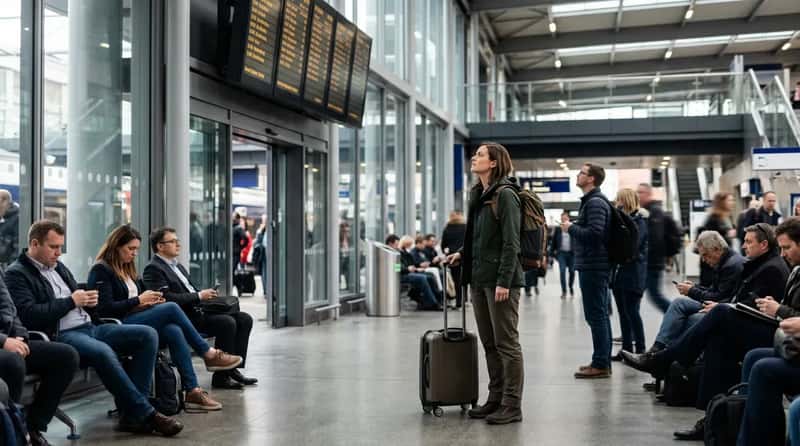
The departure time on your ticket is only half the story. At big stations, the track number often isn’t posted until shortly before boarding, and that’s the moment a calm waiting area turns into a stampede. Confident travelers are already standing where they can see the board when the number drops.
They listen, too. Announcements and screen updates change fast, and a platform swap can happen with little warning. Newcomers stare at their phones and miss it, while veterans glance up every few seconds and move early. That keeps them out of the crush at the stairs and first in line for the easiest walk to the train.
#14 – Their Ticket Is Open Before They Reach the Line
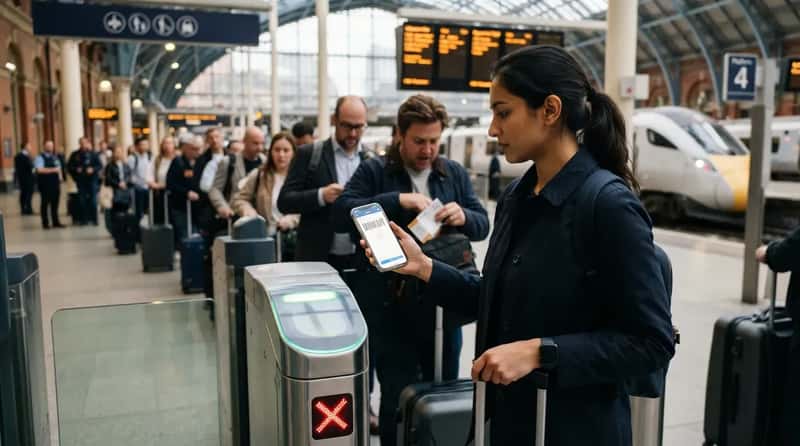
Here’s a small habit with a big payoff. Confident riders pull up their e-ticket before they reach the scanner or the conductor. Everyone else digs through email while a line of impatient people builds behind them. It’s a tiny delay, but it plays out thousands of times a day.
They also double-check that the name, date and train number match their plan. A ticket for the wrong day is one of the most avoidable travel headaches there is, and staff can’t wave a wand at the door to fix it. Many veterans also bump up their screen brightness and save the ticket to their phone ahead of time, so a weak signal in a crowded station doesn’t leave them stranded.
Worth Knowing
- Open the ticket in the app while you’re still in the waiting area.
- Check the name, date and train number once, then leave it alone.
- Turn the screen brightness up so it scans on the first try.
- Keep a photo ID within reach in case staff ask for it.
#13 – They Pack Like They’ll Be Lifting It Alone
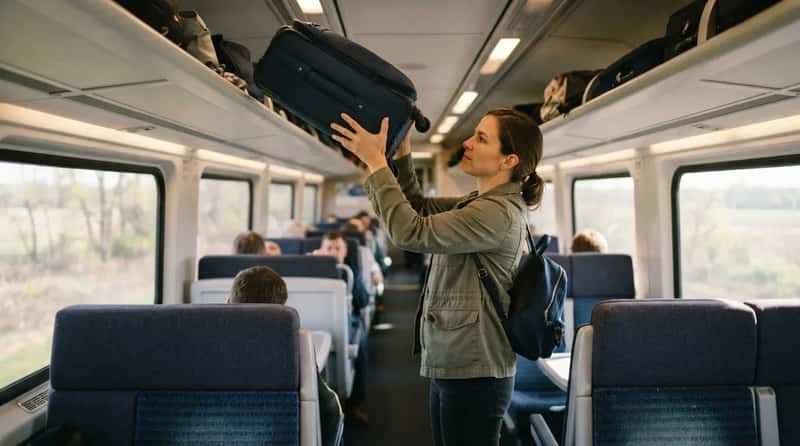
Rail travel is more forgiving than flying, but it isn’t a free-for-all. Amtrak’s policy has allowed generous free carry-on space, and the key rule is simple: you have to be able to lift your own bag onto the rack. Staff aren’t there to hoist a suitcase that weighs as much as a toddler.
Confident travelers bring one main bag and one small personal item. They know the aisles are narrow and the luggage racks fill up fast. Overpackers block the aisle, hold up boarding and often end up wedged beside their own suitcase for the whole ride. Check Amtrak’s current baggage rules before you go, since limits can change.
#12 – They Treat the Quiet Car Like a Sacred Space
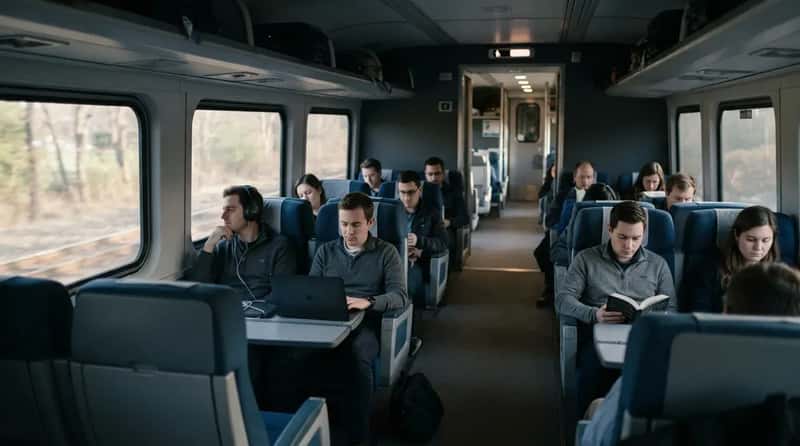
On Amtrak’s Northeast Regional and Acela trains, the Quiet Car has a simple rule: no cellphone calls, and everything else stays low-volume. Headphones are expected, and conversations are kept short and whispered. To regulars, it’s the most valuable car on the train.
Here’s the controversial part. Many frequent riders say it’s the only place worth sitting, and that casual travelers should respect it or stay out. Others argue it’s become too policed and that nobody should have to shush a stranger. Confident travelers skip the argument entirely and read the signs before they sit.
- Take calls in the vestibule or café area, not at your seat.
- Keep your headphone volume low enough that nobody else can hear it.
#11 – They Know Who Really Picks the Seat
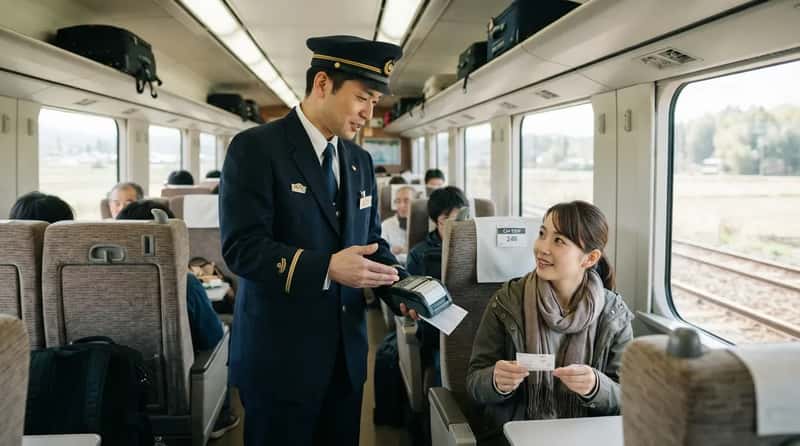
Not every train works like a movie theater. On many long-distance routes, staff assign coach seats on board or at boarding to balance the car and keep passengers grouped by destination. Showing up and sitting wherever you like can quickly turn into a chat with the conductor.
Confident travelers follow the crew’s lead without fuss. They also speak up politely when they have a real need, like a bad knee or a child who has to sit nearby. Staff handle requests like that every day, and it goes much better when you ask early and kindly.
#10 – They Actually Enjoy Sitting With Strangers at Dinner
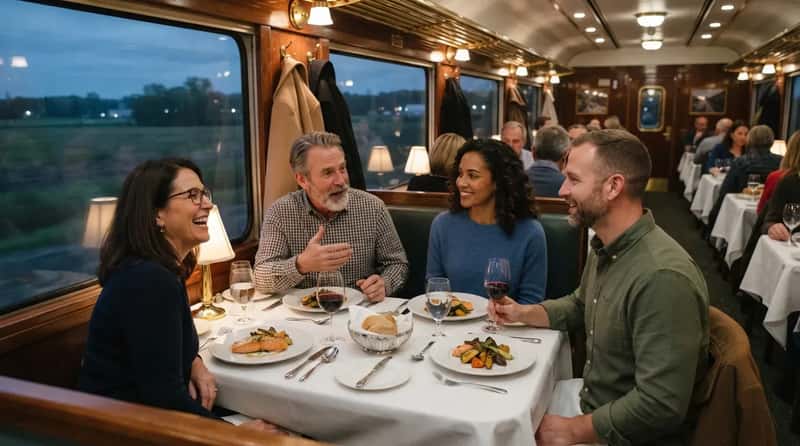
On many long-distance trains, the dining car seats you with whoever else needs a table. Newcomers dread it. Regulars often call it the best part of the trip. Sleeping-car fares on many routes include meals, which is part of why these journeys feel so different from a flight.
Here’s an opinion that gets people talking. Plenty of veterans say a dinner with strangers is worth more than a better seat. Others find it awkward and would rather eat in their room. Confident travelers go in with an open mind and a polite hello, and they usually walk out with a story they can’t get at 35,000 feet.
Quick Compare
- Dining car: shared tables, real conversation and a good chance of a travel story.
- Your room or seat: total privacy, but you miss the one place the whole train mingles.
#9 – They Never Wander Off at a “Fresh Air” Stop
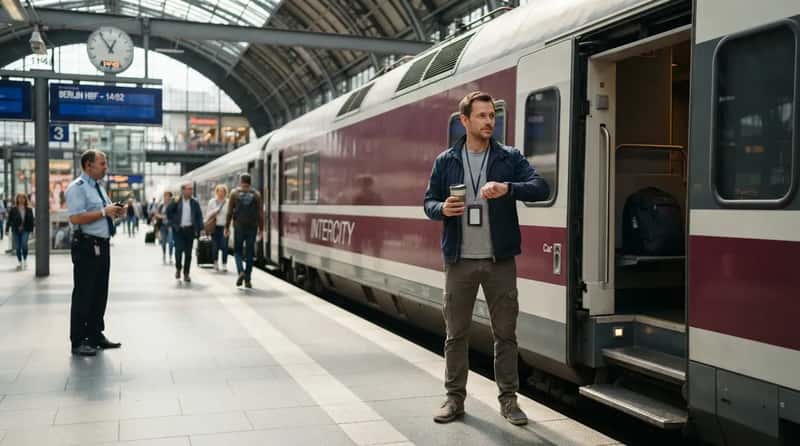
Long-distance trains sometimes pause at stations long enough for passengers to step out. Crews announce these stops, often with a time limit. The train can leave on schedule whether you’re back or not. Your luggage stays on board while you stand on the platform holding a coffee.
Confident travelers stay within sight of their car door. They listen to the crew’s timing and carry their phone, wallet and ID. Getting left behind is rare, but it’s a real story, and it usually starts with a quick trip to a station shop.
#8 – They Blame the Right Culprit When Trains Run Late
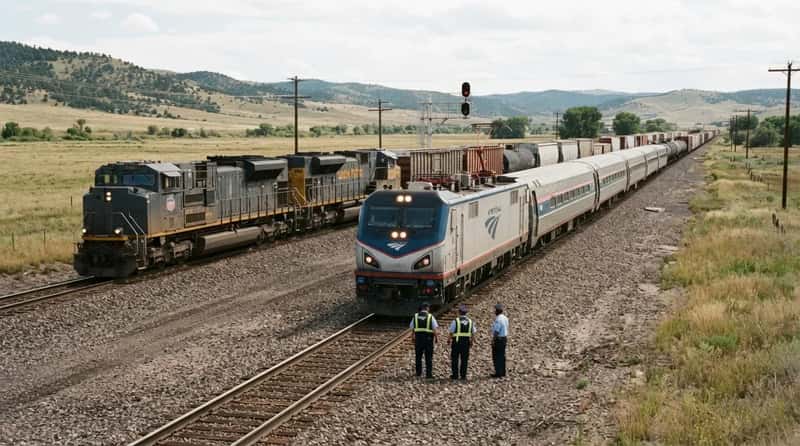
Outside the Northeast Corridor, most Amtrak trains run on tracks owned by freight railroads, not by Amtrak. That means a long freight train, a track repair or a signal problem can hold up your trip, and the crew on your train has no say in it. Yelling at the conductor won’t move a mile-long freight.
Confident riders know this and keep their cool. Amtrak did report that Northeast Regional trains reached their “highest on-time performance in recent years” in September 2025. That’s good news for corridor commuters, but long-distance riders still plan for surprises.
#7 – They Pack for Delays, Not Just the Destination
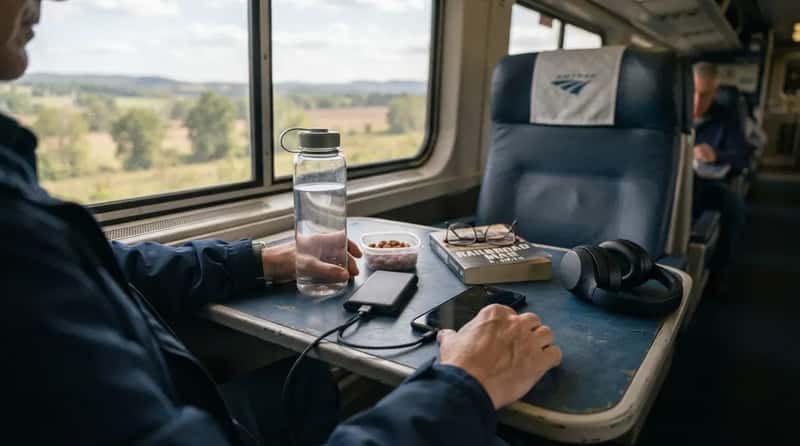
Seasoned riders bring supplies. Water, snacks, a phone charger and a battery pack are the basics. A train can sit still for much longer than any announcement suggests, and the nearest food might be closed or a long walk away. Confident travelers assume the trip will run long and plan for comfort.
They also bring something to do that doesn’t need Wi-Fi. Shows, books and offline maps get downloaded before departure. Amtrak reported record Wi-Fi scores in fiscal 2025, but signal still drops in rural stretches and tunnels. Veterans never bet the whole trip on it.
- Pack a charging cable and a small power bank.
- Bring snacks that don’t need refrigeration.
#6 – They Know the Fast Train Isn’t Always the Smart Train
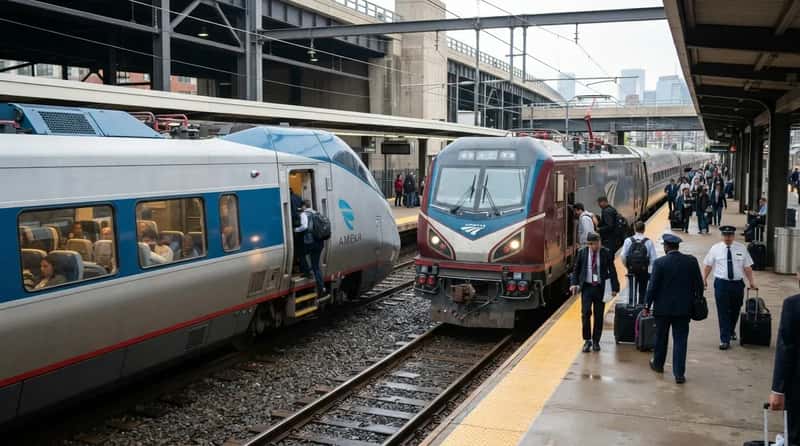
Acela is Amtrak’s premium Northeast service, and it’s the only high-speed intercity rail in the country, with speeds up to 160 mph. In fiscal 2025, customers took nearly 3.2 million Acela trips and generated almost $570 million in ticket revenue. Plenty of riders love it, and for good reason.
Here’s the opinion that starts arguments. Many seasoned commuters say the Northeast Regional gets you there only a little later for much less money. Others insist Acela’s comfort is worth every dollar. Confident travelers check both fares and times, then choose based on their schedule, not the name on the train.
#5 – They Book Early and Watch the Calendar
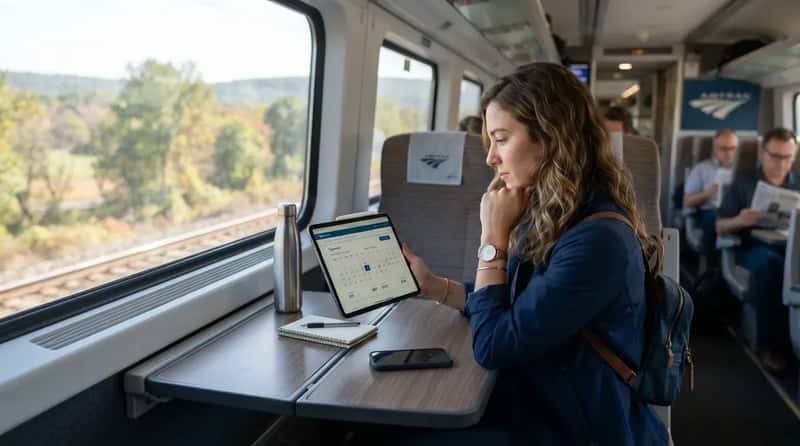
Amtrak sells fares in tiers, and the cheapest seats go first. Waiting until the week of travel can mean paying far more for the same seat on the same train. Confident travelers buy early, especially for holidays, summer weekends and popular routes.
They also stay flexible about the day. A Tuesday train can cost much less than the same train on Friday, so they scan the whole week instead of fixating on one date. Amtrak’s ticket window opens well ahead of travel, so there’s no reason to wait and hope.
#4 – They Expect a Crowd, Because the Crowds Are Real
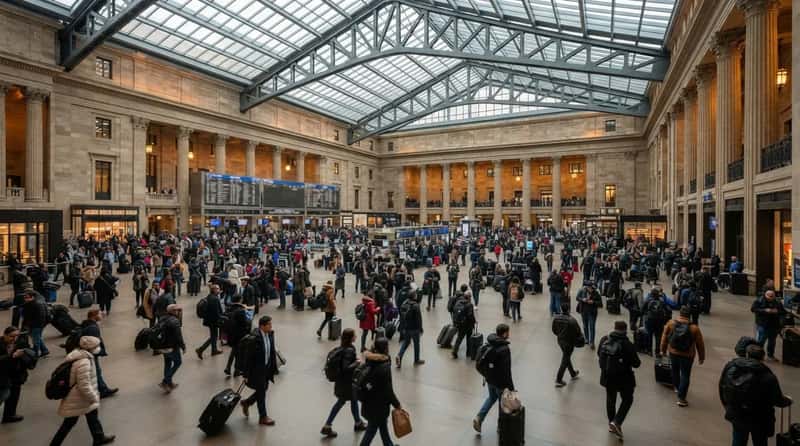
Trains are busier than ever. Amtrak reports that on an average day in fiscal 2025, customers made more than 94,400 trips, and its 6.9 billion passenger-miles that year were an all-time high. If your station feels packed, it’s not your imagination.
Confident travelers plan around it. They arrive a little earlier on holidays and avoid last-minute dashes through jammed concourses. They also learn the station layout before they get there, because a crowded hall is a terrible place to start hunting for signs.
#3 – They Try the Newer, Quieter Routes Everyone Else Overlooks
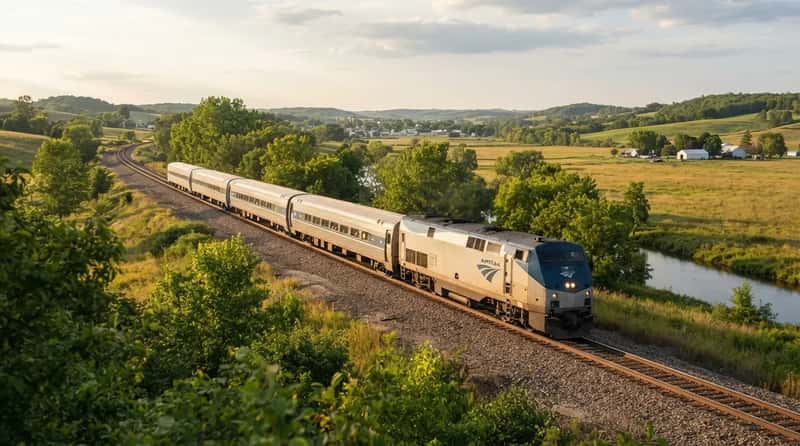
Not every great ride is on a famous line. The Twin Cities–Chicago Borealis carried more than 213,000 riders in its first full year, and Amtrak says ridership on that route has grown 227% since its fiscal 2024 launch. That’s a lot of people discovering something they didn’t know was there.
The New Orleans–Mobile Mardi Gras Service carried more than 18,000 passengers in its first month. Confident travelers keep an eye on new and state-supported routes. They’re often less crowded, shorter and easier to plan, which makes them a great low-stress way to try the train.
At a Glance
- Borealis: links the Twin Cities and Chicago, and launched in 2024.
- Mardi Gras Service: runs along the Gulf Coast between New Orleans and Mobile.
- Why try them: shorter trips, smaller crowds and simpler planning than the big-name corridors.
#2 – They Respect the Platform Edge Like a Hard Rule
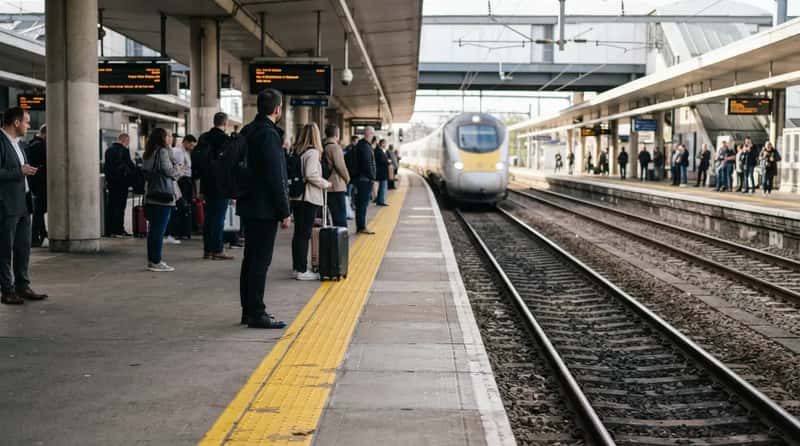
Here’s what experienced riders never do. They don’t cross the tracks, they don’t lean over the edge, and they stay behind the yellow line, even when no train is in sight. Crews and station staff repeat this message constantly because the consequences are severe.
Confident travelers also keep kids and luggage carts well back. When staff ask them to move, they move without arguing. It isn’t about being timid. It’s about knowing that fast trains behave in ways your eyes can’t predict.
#1 – They Ask for Help Early and Keep Connections on One Ticket
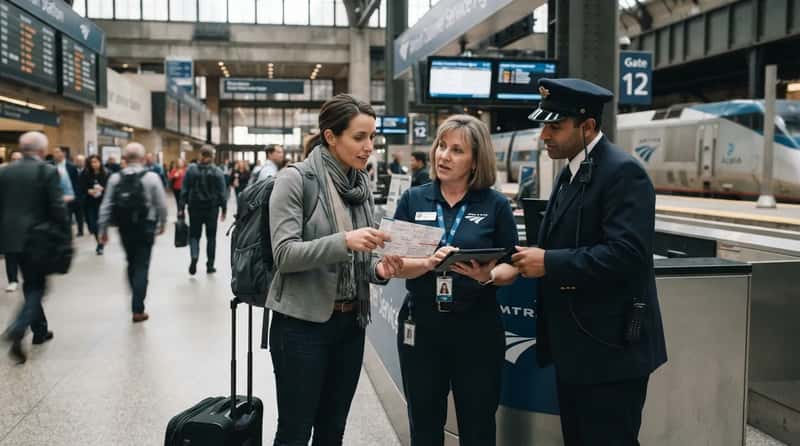
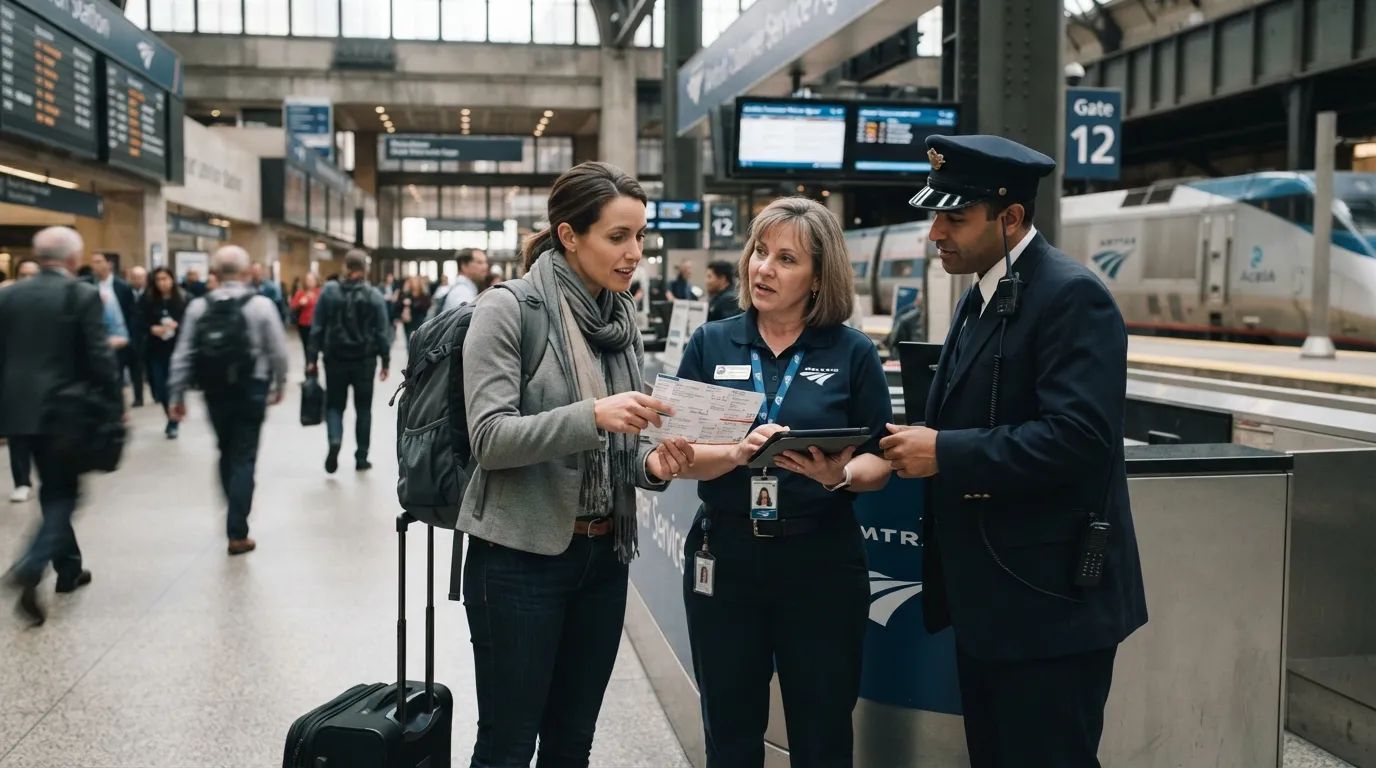
When a delay hits, the travelers who get the best outcomes speak up first. They find a conductor or station agent early, ask what the options are and listen carefully. Wait until the connection is already gone, and staff have far fewer ways to rescue your night.
They also book connections on a single itinerary whenever they can. Tickets bought together are generally treated differently from separate tickets if something goes wrong, so they ask Amtrak about the current rules before booking. A cheap split ticket can turn into an expensive night in the wrong city.
Look back over the list and a pattern shows up. None of these habits cost money, and none of them take special knowledge. They’re small, early moves made by people who assume the trip will have a few surprises in it.
With ridership at record highs, more of us are about to find out how true that is. The confident traveler isn’t the one whose trip goes perfectly. It’s the one who already knew where to stand when it didn’t.