
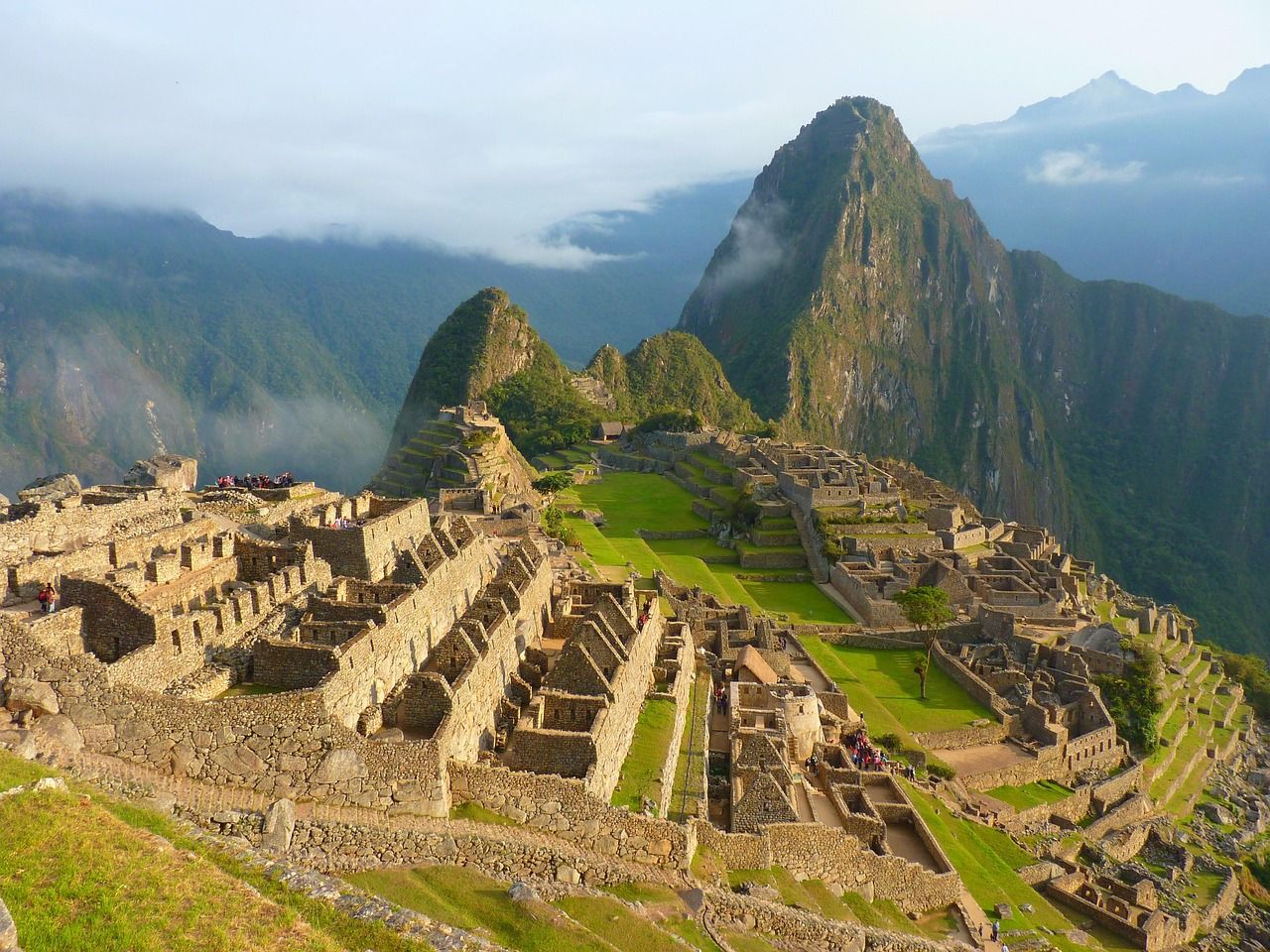
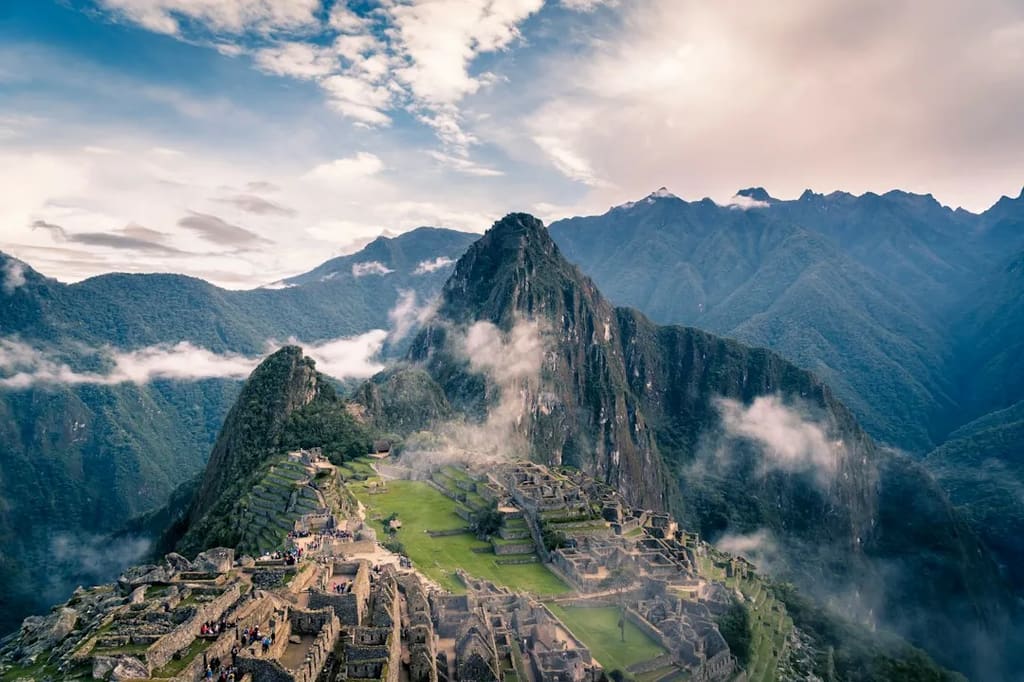
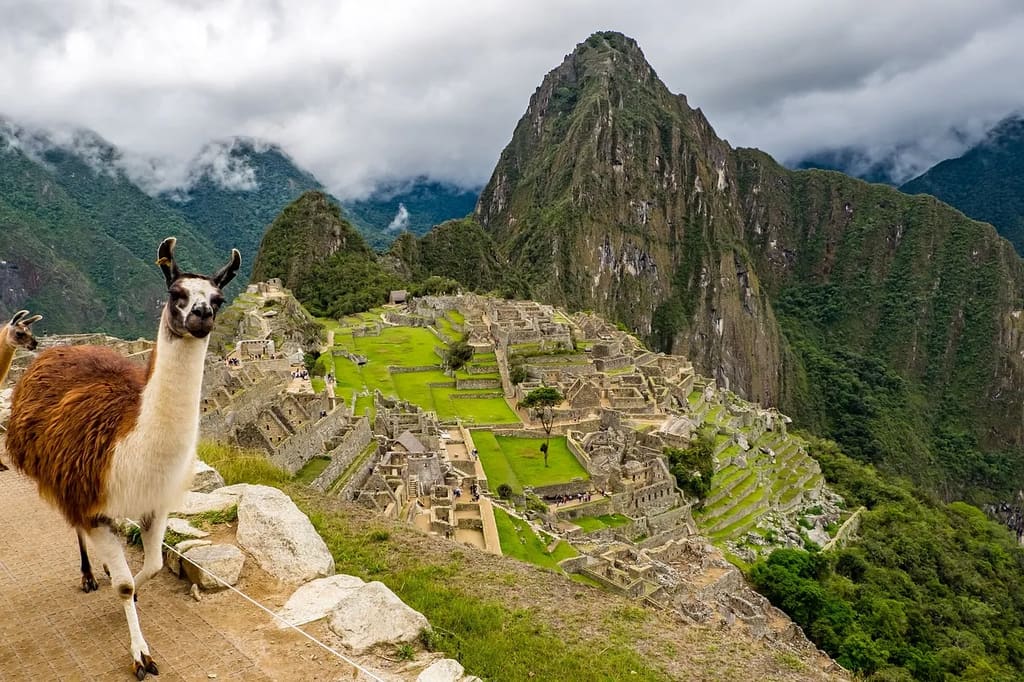
Most people picture Machu Picchu as a place you simply turn up to. In 2026, it works more like a timed event, with a daily cap, fixed walking routes and tickets that have to be secured well in advance. That can take some of the spontaneity out of a trip that’s supposed to feel like an adventure.
Peru is a big country with a lot of road, though, and plenty of it leads to ruins, waterfalls and mountain scenery that don’t need a timed slot. Planning a drive instead of a single bucket list stop means thinking about regions, rental rules and road conditions. Here’s how the pieces fit together.
Why Machu Picchu Feels So Rationed Right Now
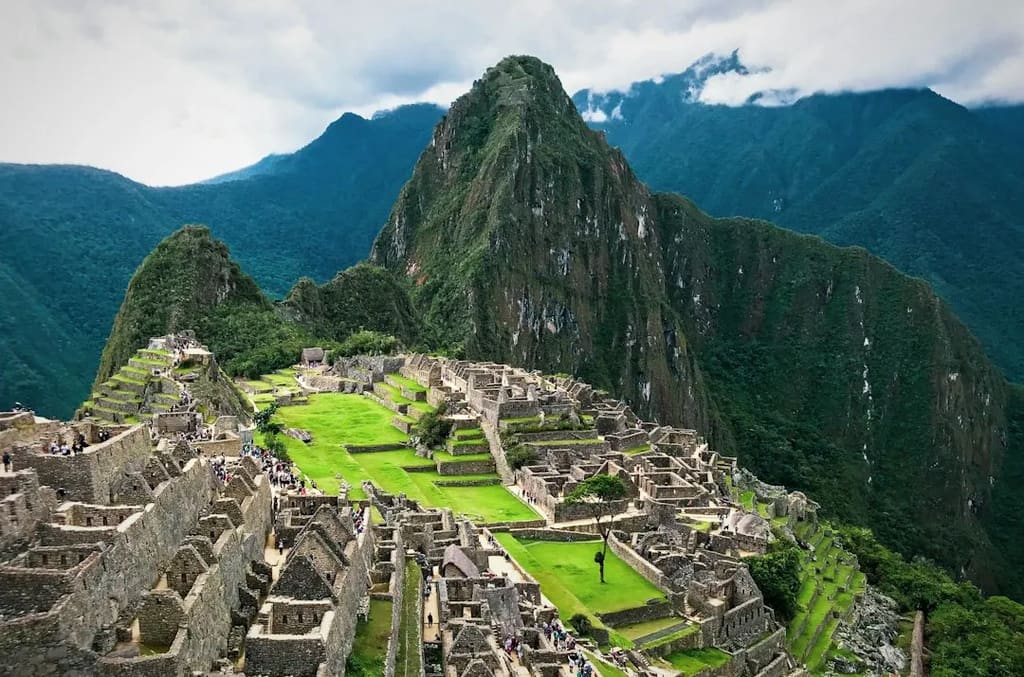
For 2026, entry is capped at up to 5,600 visitors on peak season and holiday dates, while the limit for the rest of the year stays at 4,500.[1] The higher limit applies on January 1, April 2 to 5, June 19 to November 2, and December 30 to 31.[1] In other words, the busiest stretch covers most of the dry season.
Visits are organized by fixed circuits and timed entry slots,[2] and tickets are sold exclusively through the official site, tuboleto.culture.pe.[2] Peru’s own auditors found the booking system was struggling too. A review of 209,051 reservation transactions found that nearly two thirds were cancelled and only about a third were completed with payment.[3]
What Makes Northern Peru a Real Alternative
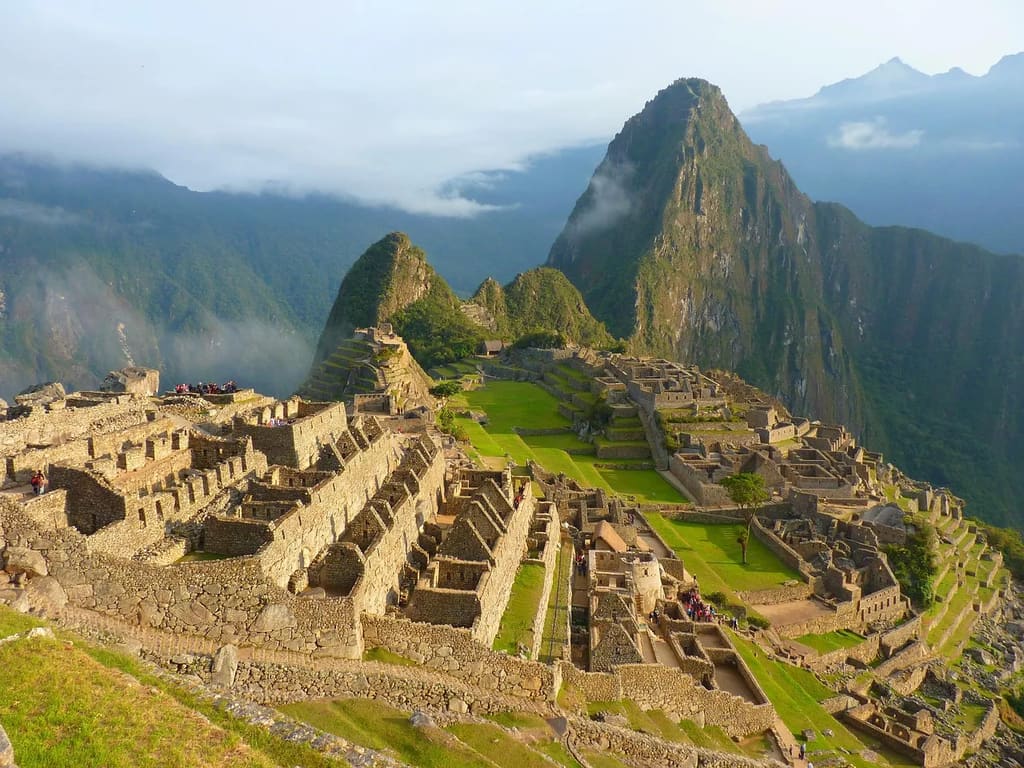
Machu Picchu is reached by train from Cusco or Ollantaytambo, or on the Inca Trail over several days. Kuelap can be reached by plane to Chachapoyas and then by road and cable car, without a trekking trip first.[4] That difference matters when you’re building a route around your own schedule.
The Amazonas region around Chachapoyas has a quieter reputation. One travel guide calls Chachapoyas one of Peru’s most overlooked cultural and natural destinations.[5] It’s the regional capital and is seeing growing tourism,[6] so the quiet won’t last forever.
Kuélap, the Cloud Warriors’ Fortress
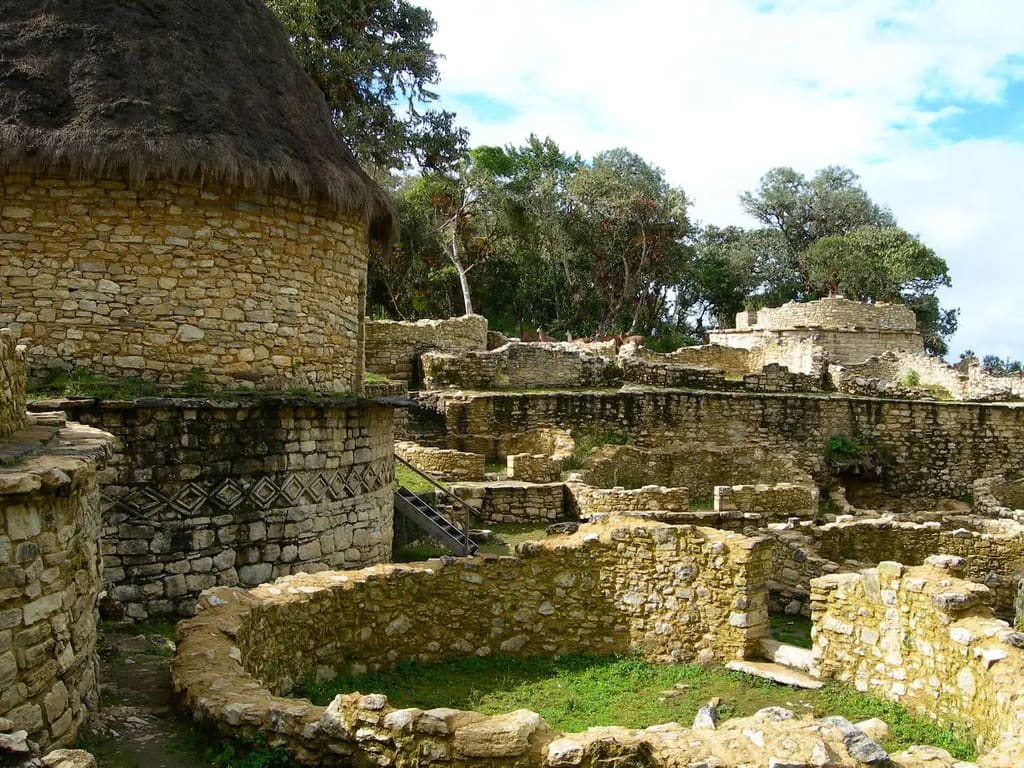
The Chachapoya people, who lived here between roughly 800 and 1476 AD, built Kuélap along a ridge. The limestone settlement sits about 3,000 metres above sea level.[7] Its backfilled walls rise 20 metres and make the site look like a fortress.[7]
Getting up there is part of the fun. A 20-minute cable car ride crosses a forested gully with sweeping mountain views.[7] The cable car system covers a four kilometre trip over the Tingo river valley.[4]
Gocta Waterfall and the Cloud Forest
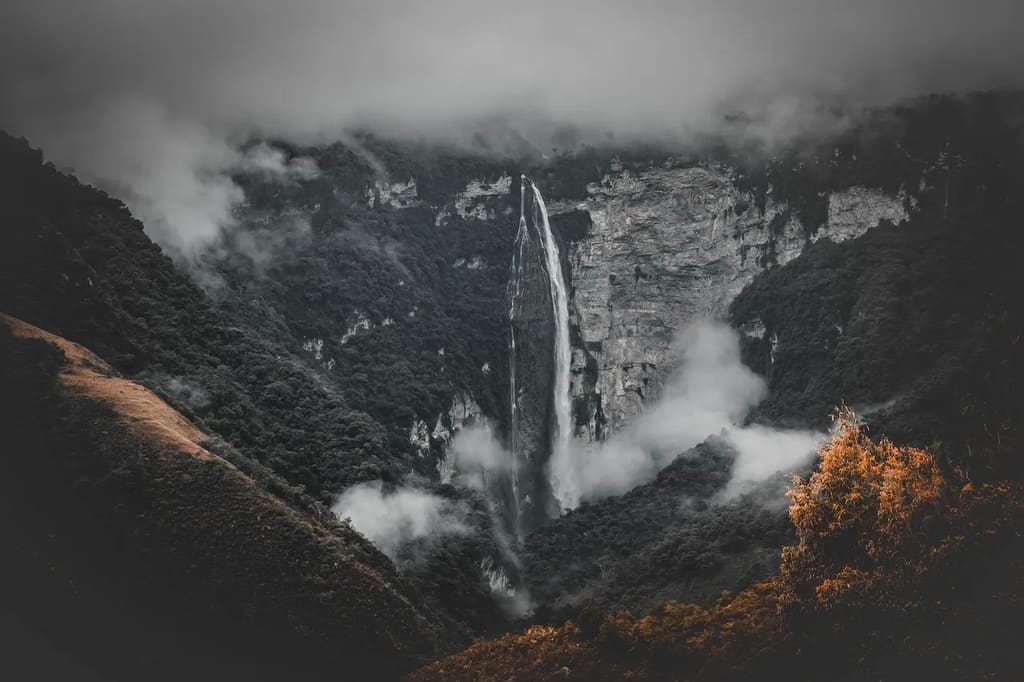
Gocta needs a bit more legwork. The trailhead at Cocachimba is about 44 kilometres, or roughly an hour by car, from Chachapoyas, followed by a walk of two to two and a half hours each way.[4] Depending on the route, the round trip on foot runs from 12 to 21 kilometres.[5]
Budget a little cash for the village. Admission is a community contribution of about 10 to 15 soles per person, according to a guide that last verified it in July 2026.[6] Pick a dry day if you can, because the jungle trail is slippery after rain.[8]
Getting to the Start of the Route
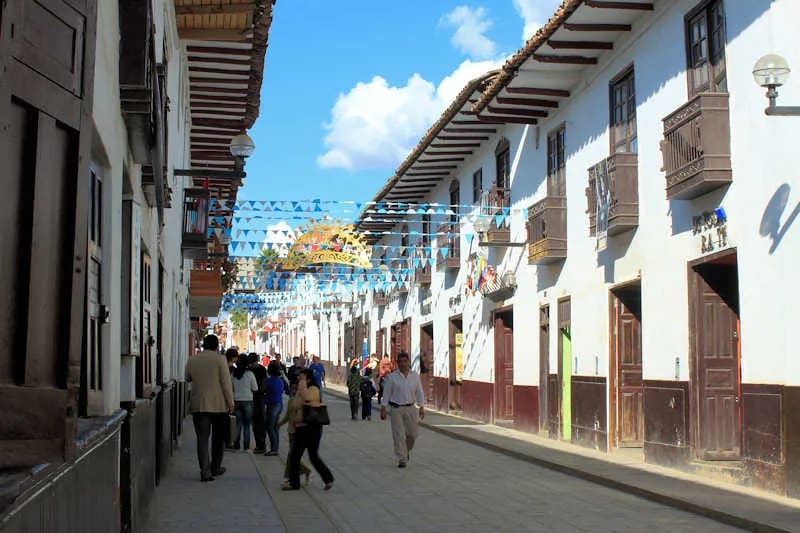
Driving all the way from Lima isn’t practical for most people. By bus or car it takes about 22 hours, while flying from Lima to Jaén takes about an hour and a quarter.[9] The same source puts the Jaén to Chachapoyas drive at around three hours.
Estimates vary a little. Another guide says the road leg from Jaén takes four to five hours.[6] Plan for the longer figure, since mountain traffic and weather can stretch any of these times.
Renting a Car: Licences, Permits and Costs
Start with your documents. Car rental companies in Peru require a valid physical driving licence issued at least one year earlier.[10] Most companies set the minimum age at 23 and may add a surcharge for drivers under 25.[11]
The International Driving Permit question gets mixed answers. Peru technically accepts foreign licences from most countries for stays up to 183 days, yet an International Driving Permit is strongly recommended.[12] One guide notes that police at checkpoints expect a Spanish translation of your credentials.[13] On price, one 2026 guide says agencies typically include 280 kilometres of daily driving, with economy cars running 24 to 32 US dollars a day.[14] Also remember that cross border travel with a rental is generally not permitted.[10]
What the Roads Are Really Like
Expect mountain driving rather than motorway. The highways around Chachapoyas are winding and single lane.[5] The road to Kuelap includes a steep, narrow dirt stretch, and one guide suggests tackling it with a local driver.[8]
A few habits help. Carry a physical map because GPS may fail in remote areas, fill up in larger towns since fuel stations are rare in rural zones, and keep cash for tolls and emergencies.[15] The same guide advises renting a 4×4 for mountain or jungle routes.[15] It’s also worth leaving early, since fog can hang over the highlands.[16]
Adding Choquequirao to a Southern Leg
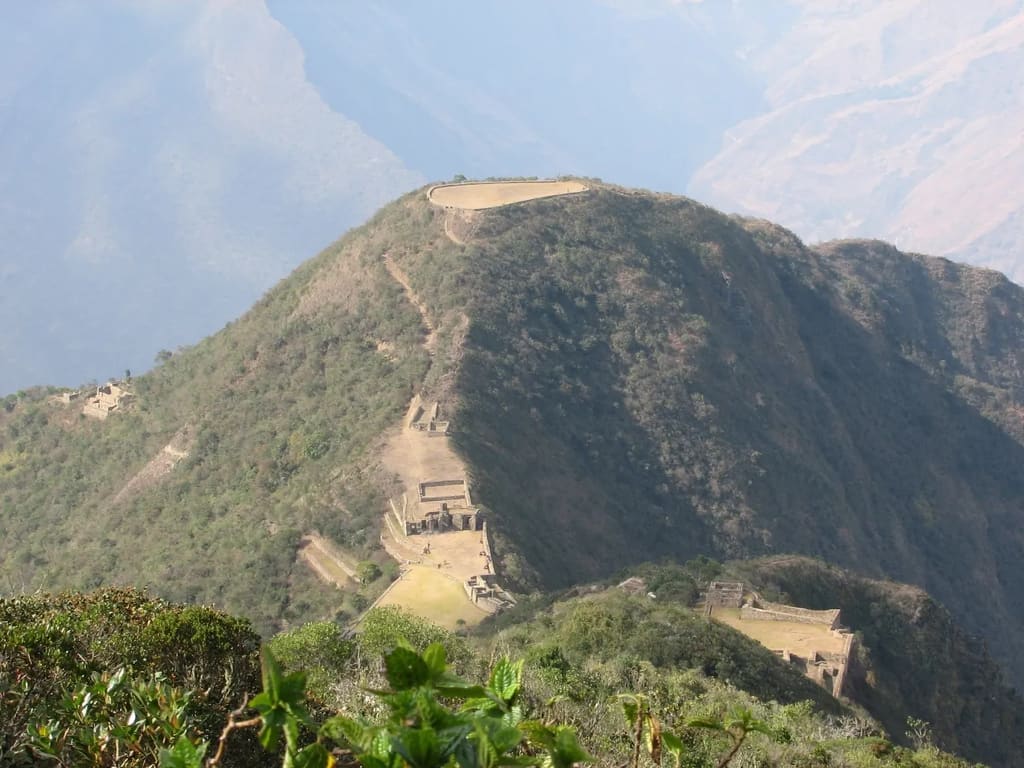
If your route passes through Cusco, Choquequirao is the better known quiet option. The standard route is a demanding four day, three night out and back trek starting from the village of Cachora, which is reachable by road from Cusco.[17] The five day version gives better pacing and more time at the site.[18]
Related Stories From Travelbinger

Numbers explain the appeal. Peruvian press reports put Choquequirao at around 8,000 visitors a year, which is less than Machu Picchu admits in two days under its 2026 peak cap.[19] Don’t plan around a cable car. As of October 8, 2026, the planned line from Kiuñalla was still in tender.[19]
Timing the Trip and Checking Access
The dry season matters, especially for treks. One guide calls April to October the only sensible window for Choquequirao.[17] In 2026, access was suspended from February 1 because of rainy season conditions, and the Capuliyoc and Cachora route reopened on April 15.[20]
If you have time to spare, the route can stretch south toward the mountains near Huaraz. That connects Huayhuash to classic Cordillera Blanca hikes, a sharp shift from cloud forest to alpine peaks.[8] Check road and trail status shortly before you set off, because conditions change with the weather.
If You Still Want a Ticket to Machu Picchu
Some travelers will want both, and that’s workable with early planning. The Ministry of Culture’s Cusco office sells 1,000 tickets a day at its office in Machu Picchu Pueblo, normally for the following day, but those count within the daily cap rather than on top of it.[1] Don’t count on them as a backup plan in peak months.
Mountain climbs are tighter still. Huayna Picchu has 400 places a day split across two time slots, and Machu Picchu Mountain is limited to 800 people a day.[1] From January 1, 2027, entry to those climbs closes at 10:00 a.m.[21] Since caps, circuits and time windows are revised periodically, figures should be checked against the official portal before booking.[22]