There’s a specific kind of calm that frequent flyers have at the airport. They’re not the ones yanking things out of their bag at the security bin, frantically fishing for a liquids pouch, or watching their gate-checked bag disappear down the jetway with their laptop still inside. That calm isn’t a personality trait. It’s a system – a set of rules they follow so consistently that traveling stopped feeling stressful a long time ago.
The frustrating part? Most of these rules take under two minutes to implement. But nobody tells you about them until you’ve already paid the fee, missed the flight, or lost the item. A few of these will feel obvious in hindsight. A couple will genuinely surprise you. And at least one might explain a security delay you’ve been blaming on bad luck for years.
#16 – Never Pack a Bag You Haven’t Emptied First
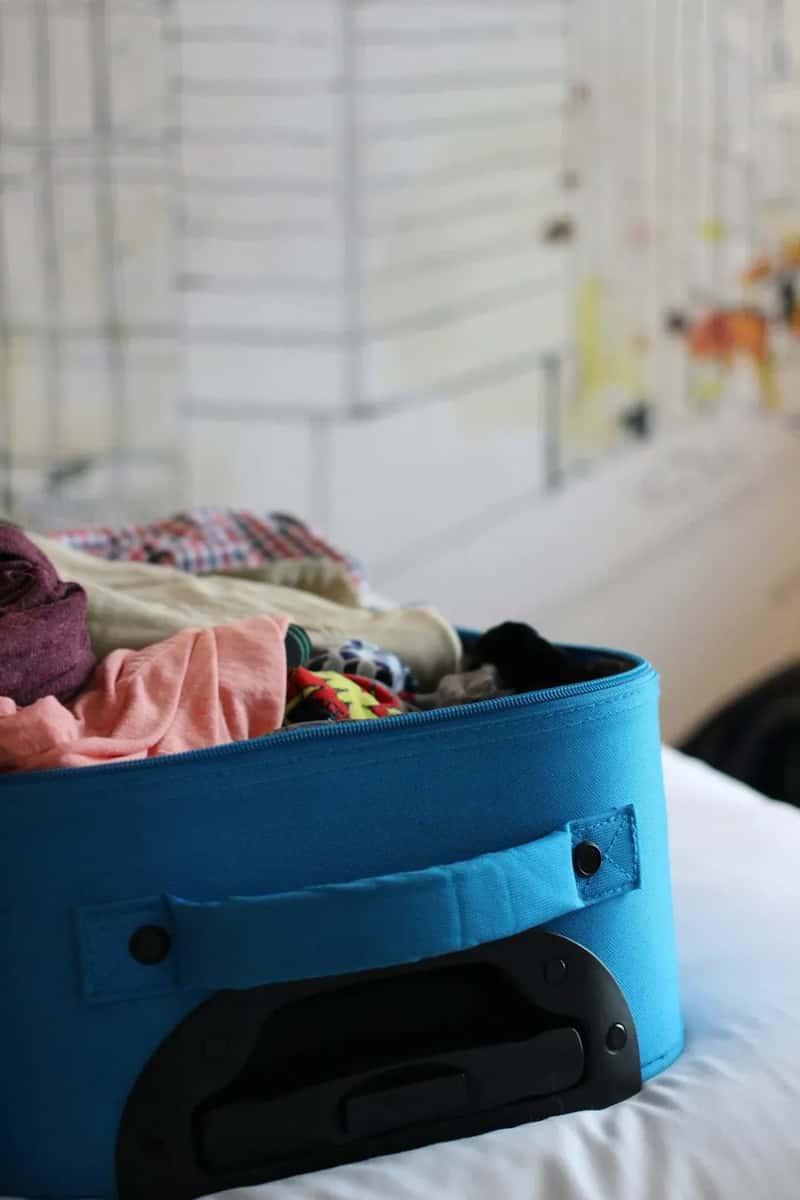
This one sounds too basic to matter – until it’s the reason you miss your flight. That old granola bar wrapper, the forgotten pocket knife from a camping trip, the spare lighter buried in a side pocket since spring – these are exactly the things that trigger secondary screening and blow up your timeline. TSA recommends starting every trip with a fully empty bag, checking every pocket and compartment before you put a single item in.
Frequent flyers start fresh every single trip. They don’t pile new items on top of last trip’s leftovers. Even a permitted item can trigger a hand inspection if it appears tampered with, sets off an alarm, or raises any concern on the X-ray. An empty bag means zero surprises at the checkpoint. That alone is worth two extra minutes at home.
Fast Facts
- TSA’s official travel checklist opens with one instruction: start with an empty bag and check every pocket and compartment first.
- Forgotten lighters, multi-tools, and pocket knives are among the most commonly confiscated carry-on items at U.S. checkpoints.
- A single flagged item can add 10–20 minutes to your security time – enough to miss a tight connection.
- Re-packing from scratch takes about 2 minutes and eliminates the single most preventable cause of secondary screening.
#15 – Never Assume Your Bag Fits Without Checking the Airline’s Exact Dimensions
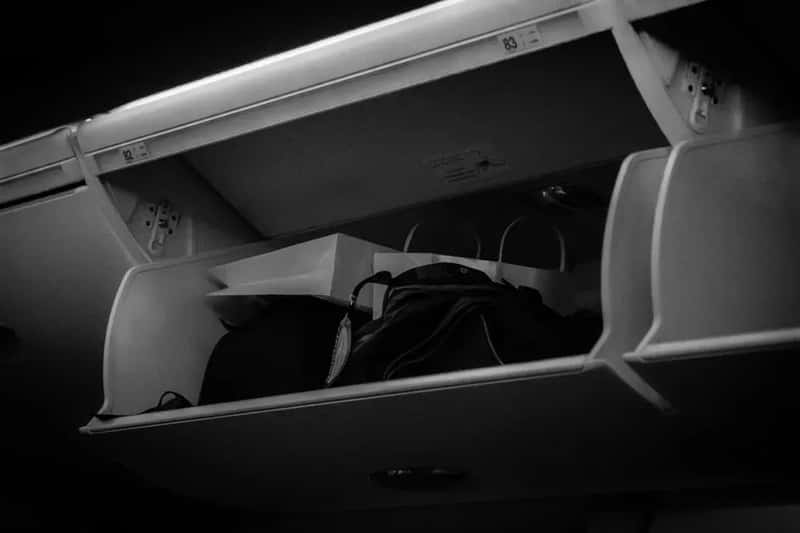
Here’s the part most people don’t realize: TSA doesn’t control carry-on size – the airlines do. Most major U.S. carriers accept bags up to 22 x 14 x 9 inches including wheels and handles, but individual airlines set their own rules, and they vary more than you’d think. A soft-sided bag that slides right into the overhead on Delta might get flagged immediately on Spirit or Frontier. Different aircraft have different overhead bin depths, and budget carriers are especially aggressive about enforcement.
Seasoned flyers know their primary airline’s exact measurements by heart – and they buy bags specifically designed to fit them. In 2026, airlines are enforcing size limits at the gate with automated bag sizers, and gate-check fees can range from $60 to $100 on the spot. That’s a completely avoidable cost. But the next rule isn’t about fees – it’s about federal safety law, and it catches travelers off guard every single day.
Quick Compare
- American, Delta, United, Alaska, JetBlue: 22 x 14 x 9 in. (no published weight limit on domestic routes)
- Southwest: 24 x 16 x 10 in. – the most generous of the major U.S. carriers
- Spirit: 22 x 18 x 10 in., but you pay extra for overhead bin access beyond a personal item
- Budget carriers (Frontier, Allegiant): Free item restricted to personal-item size only – roughly 18 x 14 x 8 in.
- International carriers: Often impose weight limits of 15–22 lbs. that U.S. domestic airlines do not enforce
#14 – Never Put a Power Bank in Your Checked Bag
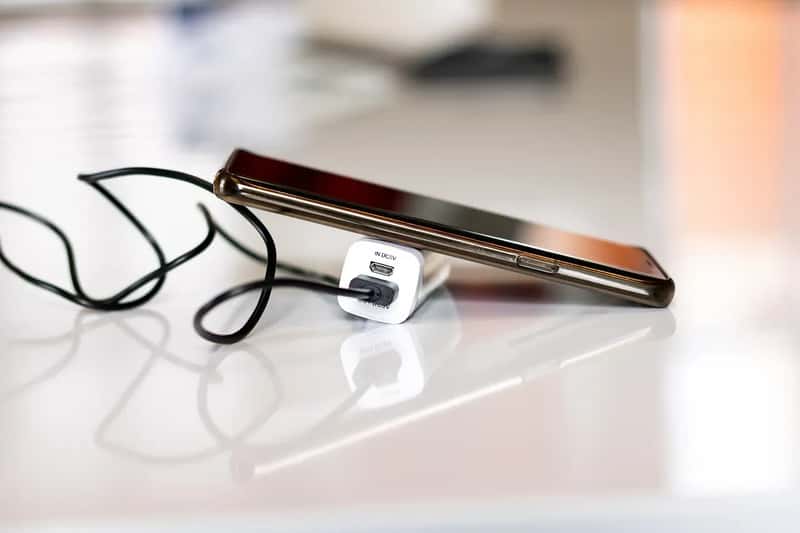
This one has a hard federal rule behind it, and the consequences are real. Lithium-powered portable chargers – power banks – are prohibited from checked luggage under FAA safety regulations. It’s not a suggestion buried in fine print. Bags with power banks get flagged, pulled, and delayed. The reason is fire: lithium batteries can ignite in cargo holds where no one can respond in time.
Spare lithium batteries must stay in the cabin with you. Batteries between 100Wh and 160Wh require airline approval; anything exceeding 160Wh is banned from the aircraft entirely. If you’re asked to gate-check your carry-on at the last minute, remove your power bank and any spare batteries before handing the bag over – every time, no exceptions. This rule trips up even experienced travelers who know about it but forget in the gate-area rush. The next one is a rule people think they know, but often get wrong when it actually counts.
#13 – Never Assume the Liquids Rule Has Changed at Your Airport

Yes, TSA has started rolling out CT scanners at select major airports – Atlanta, JFK, LAX – that allow exemptions to the 3-1-1 liquids rule. Frequent flyers who pass through those airports regularly know about it. The dangerous mistake is assuming the exemption applies everywhere. Most U.S. airports, especially mid-size regional ones, are still fully enforcing the original rule: liquids in containers no larger than 3.4 ounces, everything fitting into one quart-size bag, one bag per passenger.
The 3-1-1 rule was designed specifically to prevent liquid explosives from being carried onto aircraft – it’s not going away universally anytime soon. If you show up at a smaller airport with a full-size shampoo bottle expecting a pass, you will lose it at the bin. Smart flyers pack 3-1-1 compliant toiletries on every trip until they know with certainty that their specific airport has upgraded. The mistake in the next section, though, is one most people make without even realizing they’re doing it.
#12 – Never Bury Your Laptop Under Everything Else
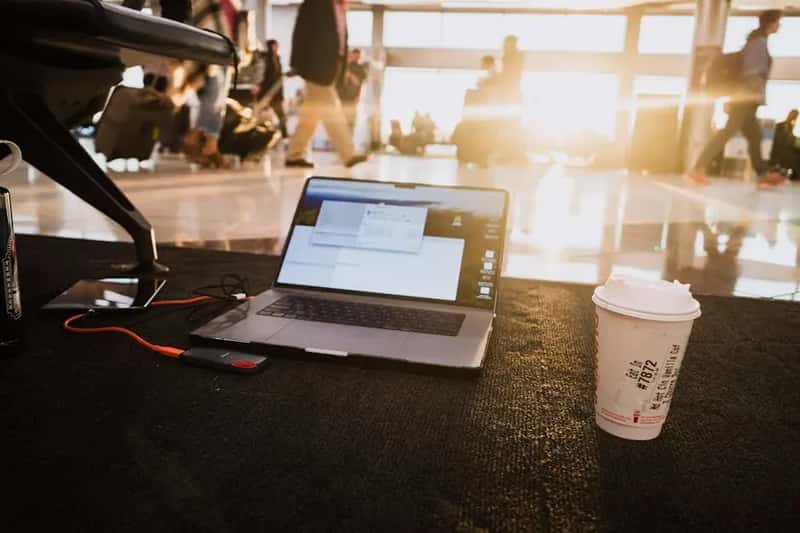
Electronics are the single biggest cause of slow, frustrating security lines – both for you and everyone stuck behind you. TSA requires that devices larger than a cell phone be removed from your bag and placed flat in a bin by themselves for X-ray screening. Laptops, tablets, e-readers, handheld game consoles – all of it has to come out. If your laptop is sandwiched between a hoodie, a pair of shoes, and a tangled charging cable, the entire line waits while you excavate it.
TSA specifically recommends packing large electronics on the top layer of your carry-on for easy removal. That means your laptop goes in last so it comes out first. Experienced flyers use a flat, dedicated sleeve or top-access pocket just for this – no digging, no unpacking, no apologies to the line behind them. This single habit can cut five minutes off your security time on every trip. But what you do with the layer underneath your electronics matters just as much.
#11 – Never Pack in Random Layers When a Smart System Takes 30 Seconds
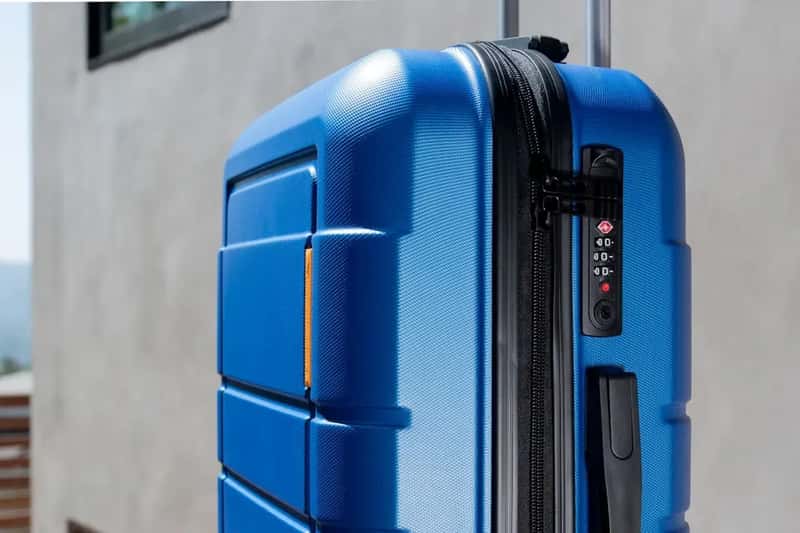
Frequent flyers don’t throw items into their bag and zip it shut. They build it in deliberate layers – and TSA actually recommends this approach. Shoes go in one layer, clothes in another, electronics on top. This isn’t just about staying organized. It’s about making your bag legible on the X-ray screen, so a TSA officer can visually identify every zone in seconds and wave you through without a hand inspection.
The system is simple: heaviest items on the bottom – shoes, toiletry bag, anything dense. Clothes in the middle. Electronics and quick-access items sitting right on top. A bag with clean, distinct layers reads clearly through the scanner. A crammed, jumbled bag reads as a blob and gets pulled for manual review. TSA is explicit that jam-packed, cluttered bags take significantly longer to clear. The difference between those two outcomes is three minutes of intentional packing at home. The next rule is where a lot of even careful packers leave real space on the table.
At a Glance: The 3-Layer Packing System
- Bottom layer: Shoes, toiletry bag, dense or heavy items
- Middle layer: Rolled clothes, packing cubes, soft items
- Top layer: Laptop, tablet, liquids bag – everything that needs to come out at security
- Outer pockets: Boarding pass, ID, earbuds, snacks – anything needed before or during the flight
#10 – Never Fold Everything When Rolling Frees Up This Much Space
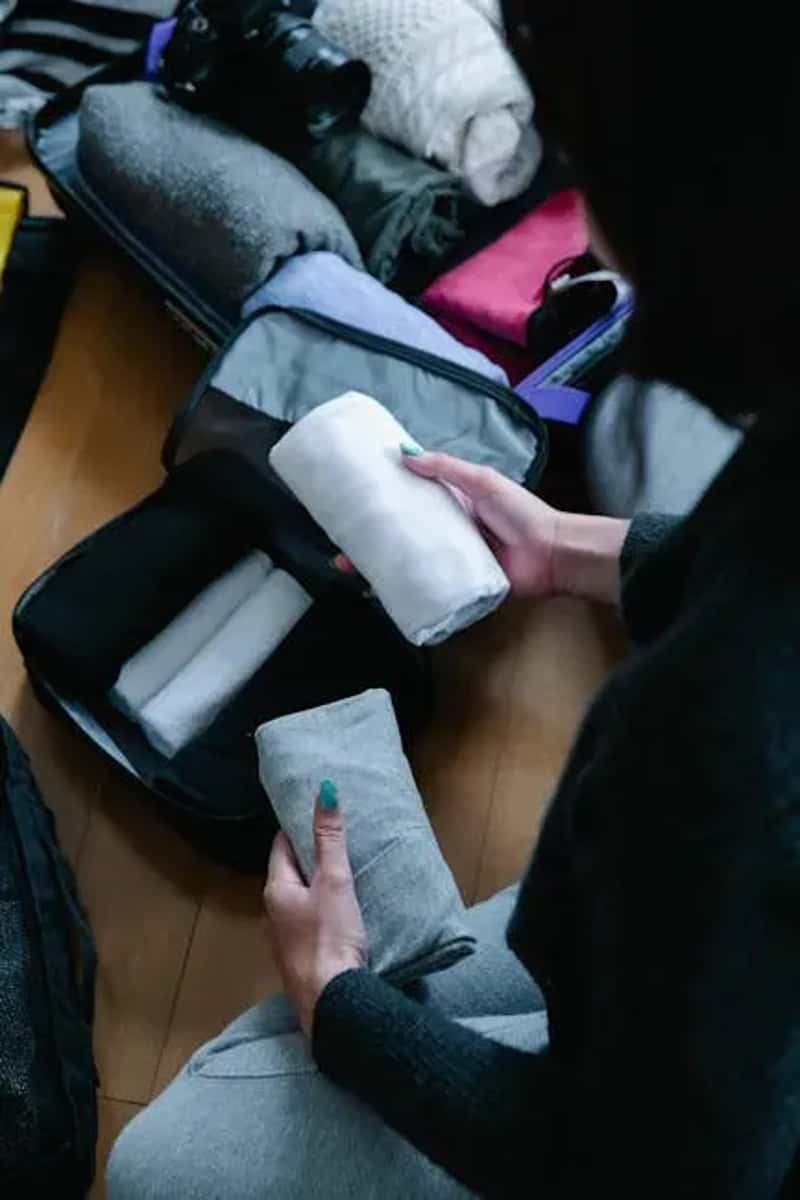
The fold-versus-roll debate has been largely settled among experienced packers. For casual items – T-shirts, leggings, shorts, underwear – rolling creates tight, uniform cylinders that nest together efficiently and almost eliminate wrinkles. Folded versions of the same items stack flat, trap air, and take up noticeably more room. The difference becomes obvious fast when you’re trying to fit a week’s worth of clothes into a single carry-on.
The real answer isn’t all-rolling – it’s a hybrid. Roll your basics, flat-fold your dress shirts, blazers, and structured pieces that wrinkle badly when rolled. Then add compression packing cubes, which can shrink a puffy fleece or thick sweater to roughly half its original size. That one system change – hybrid packing plus compression cubes – does more for your carry-on capacity than any bag upgrade ever will. But even a perfectly packed bag wastes one of its best storage spots if you ignore the next rule.
#9 – Never Treat Your Shoes as Just Shoes

Shoes are carry-on killers. They’re rigid, bulky, and if you just drop them in loose, they consume space that could hold two extra outfits. Frequent flyers treat shoes as storage containers – because they are. A rolled-up belt, a pair of balled socks, a charging cable, a set of earbuds – all of it fits cleanly inside a sneaker and stops the shoe from wasting a single cubic inch of bag space.
Packing socks inside shoes also helps shoes hold their shape during transit, which matters when you’ve got dress shoes in a stuffed bag. Slip shoes into a small reusable pouch or dedicated shoe bag before placing them in the bottom layer so they don’t transfer dirt or scuffs to your clothes. This trick alone frees up a surprising pocket of room. But don’t let the space savings tempt you into the mistake in the next section – overpacking has a consequence most travelers never see coming.
#8 – Never Pack So Tight That the Bag Flags on the X-Ray
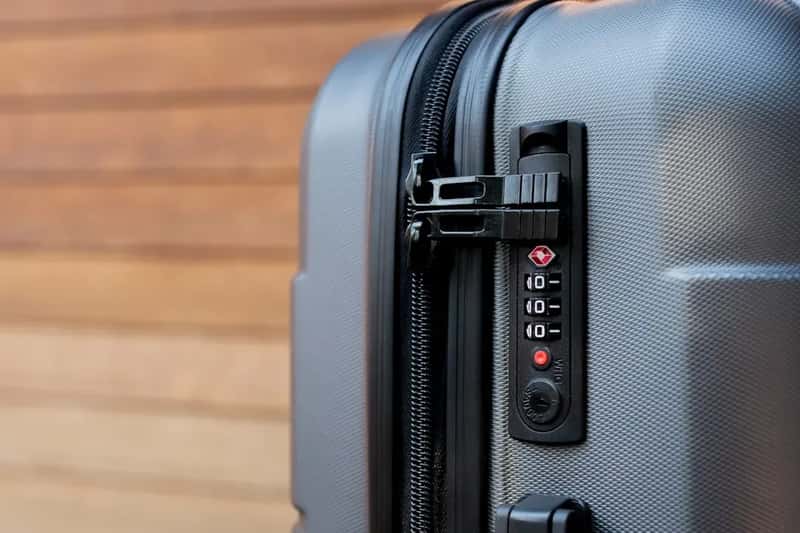
There’s a real line between maximizing space and overstuffing – and the overstuffed bag is a magnet for secondary screening. TSA officers can ask travelers to remove foods, powders, and any materials that clutter the bag and obstruct clear imaging. A crammed bag creates a dense, ambiguous image on the screen. Ambiguous images mean a hand inspection. Hand inspections mean you’re standing at the side table while your flight boards.
Experienced flyers leave a small, intentional buffer of space – not just for souvenirs on the return trip, but because a bag that lays flat and closes without force projects cleanly through the scanner. An overstuffed bag doesn’t just slow you down once. Travelers who repeatedly trigger secondary screening can get flagged more often over time in TSA’s screening patterns. That’s a consequence almost nobody thinks about when they’re trying to fit one more pair of shoes. The next rule is one frequent flyers treat as completely non-negotiable.
#7 – Never Let Your Most Valuable Items Anywhere Near Checked Luggage
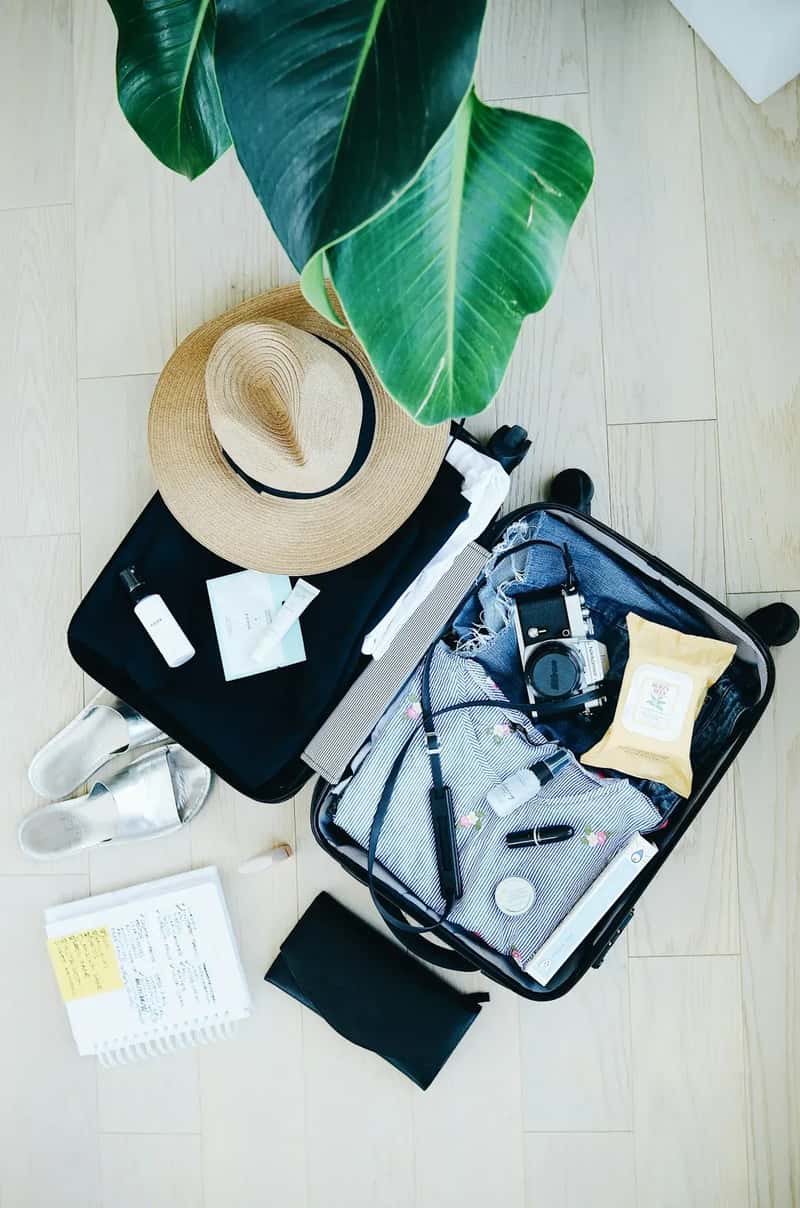
Airlines lose, delay, and damage checked bags more than most travelers want to admit – and the items that hurt the most to lose are always the ones that got checked. The rule every experienced flyer lives by: if it’s irreplaceable, essential, or expensive, it goes in the carry-on, full stop. Laptops, cameras, passports, medications, irreplaceable documents – none of it gets delegated to the cargo hold.
This is especially critical for medications. TSA and travel health experts consistently recommend keeping all medications in your carry-on so you have immediate access if needed – not buried in a checked bag that might not arrive when you do. Losing a checked bag is an inconvenience. Landing in a foreign city without your medication, your insulin, or your passport is a genuine emergency. The carry-on is your safety net. Never outsource that job to baggage claim. The next rule has a surprisingly costly consequence that most travelers discover the hard way.
Worth Knowing
- TSA explicitly recommends carrying medications in your carry-on for immediate access – not in checked luggage.
- Liquid medications in excess of 3.4 oz. are permitted in carry-ons when medically necessary – declare them at the checkpoint.
- Irreplaceable items to always carry on: passport, laptop, camera, prescription meds, insulin, legal documents, house or car keys.
- If a gate agent asks you to check your carry-on, you can remove valuables first – always do it, every time.
#6 – Never Bury Your Liquids Bag Where You Can’t Reach It Instantly
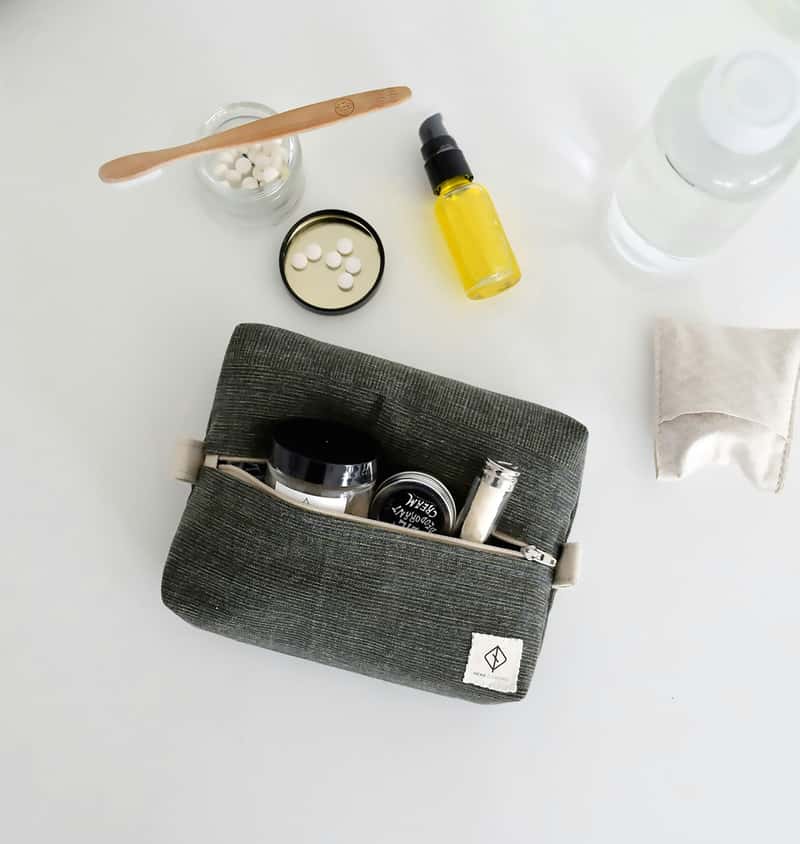
Most travelers know about the 3-1-1 rule. Far fewer have the quart-sized bag ready and accessible before they reach the front of the security line. That’s the actual mistake – knowing the rule but not building the habit around it. Your liquids bag needs to come out of your carry-on and go into its own bin. If it’s wedged between a pair of jeans and a hoodie somewhere in the middle of your bag, you become the person everybody else is glaring at.
Smart flyers keep the liquids bag in the same outer pocket on every single trip – never buried, always reachable in five seconds. The people holding up security lines are almost always the ones digging for a toiletry bag they packed in a hurry the night before. Pick one designated outer pocket, put the liquids bag there every time, and you’ll never be that person. But here’s the rule even experienced flyers sometimes forget – and it can cost you an entire tub of protein powder without warning.
#5 – Never Pack Large Amounts of Powder Without Knowing This Rule

Protein powder, dry shampoo, baby powder, powdered drink mix, coffee grounds – all of these fall under TSA’s powder guidelines, and most travelers have no idea the rule even exists. TSA encourages placing powder-like substances over 12 ounces (350 mL) in checked bags rather than carry-ons. Anything above that threshold in your carry-on triggers secondary screening. If officers can’t resolve it, the powder gets confiscated at the checkpoint – no appeals, no exceptions.
A standard tub of pre-workout powder – a staple in countless gym bags – blows well past the 350 mL limit and will cost you at minimum a lengthy secondary screening, and potentially the entire container. Frequent flyers either check their powder-heavy items, transfer them into smaller travel containers, or just skip them on short trips entirely. Knowing this rule before you reach the bin is the difference between boarding on time and watching your gate close. The next two rules are where truly elite packers separate themselves from everyone else.
#4 – Never Waste the Free Bag You’re Already Allowed
Most travelers obsess over their carry-on while completely ignoring the second bag they’re entitled to at no extra cost. Almost every major airline allows one personal item – a backpack, tote, or small bag – in addition to your carry-on. That personal item slides under the seat in front of you and is essentially free bonus space that millions of people treat as an afterthought. Frequent flyers treat it as a tactical extension of their main bag.
Electronics, noise-canceling headphones, snacks, a change of clothes for a long delay, your book – all of it can live in a well-organized backpack without touching your overhead bin space. The FAA recommends stowing heavier items under the seat rather than in the overhead bin, which keeps weight low, protects fragile items, and frees up overhead room for your main carry-on. Using your personal item intelligently can effectively give you the packing capacity of a medium checked bag – for free, every time. But the rule below isn’t about space. It’s about a security consequence most casual travelers have never heard of.
#3 – Never Board With a Device That Can’t Power On
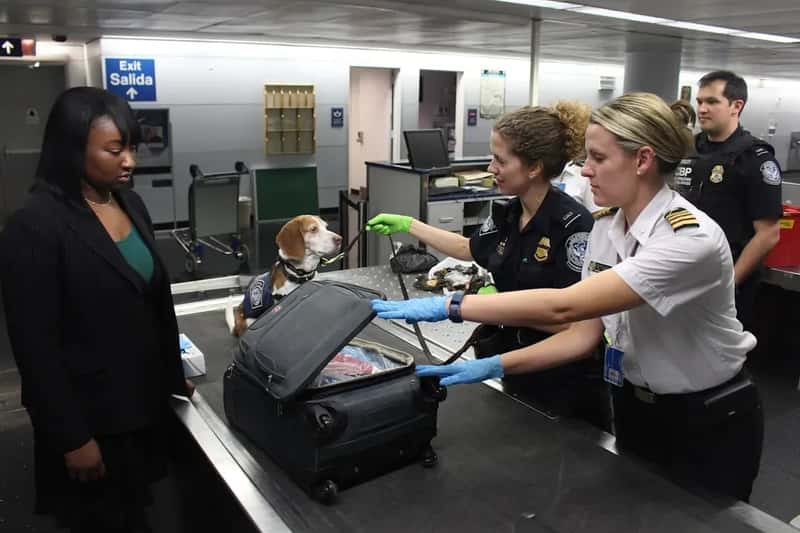
This rule has a real, immediate security consequence that casual travelers almost never know about. TSA officers have the authority to ask you to power on any electronic device for inspection – and a device that can’t power on will not be permitted on the aircraft. If your phone is dead, your tablet won’t boot, or your laptop ran dry and your charger is checked – that device can be confiscated at the checkpoint. No boarding with it, and no guarantee you’ll get it back easily.
Frequent flyers charge every device to at least 50% before leaving for the airport – without exception. It’s not about comfort on the flight. It’s about being able to demonstrate to a security officer in ten seconds that your device is exactly what you say it is. A power bank in your personal item can top off your phone while you wait at the gate and keep you one step ahead through every checkpoint. The final two rules are the ones seasoned flyers consider the most important on this entire list – and one of them explains a money loss most people chalk up to bad luck.
Why It Stands Out
- TSA officers can – and do – ask passengers to power on phones, tablets, and laptops at any checkpoint.
- A device that won’t turn on will not be allowed on the plane, per official TSA policy.
- Aim for at least 50% battery on every device before leaving for the airport.
- Keep a compact power bank in your personal item – it solves both the dead-device risk and the long-gate-wait problem at once.
#2 – Never Carry Loose Change and Cash Through the Scanner

This one feels trivial until it costs you real money or forces you through a secondary pat-down. Loose coins in your pocket trigger the metal detector. That means stepping aside, emptying pockets into a bin tray, waiting for the pat-down, and then scrambling to collect everything while your laptop and shoes are sliding off the other end of the belt. Coins, cash, and cards genuinely slip through bin trays and disappear in the chaos – it happens constantly, and it’s almost entirely preventable.
The fix is a single small zippered pouch inside your carry-on where all pocket items live from the moment you leave home. Keys, wallet, coins, everything. Before you even approach security, your pockets are already empty and your items are already contained. You walk through the scanner clean, sail past the checkpoint, and land with exactly as much money as you left with. It takes thirty seconds to build this habit and pays off on every single flight for the rest of your life. But the rule below is the one that makes all the others make sense.
#1 – Never Pack Without a Clear Mental Map of What Goes Where – and Why
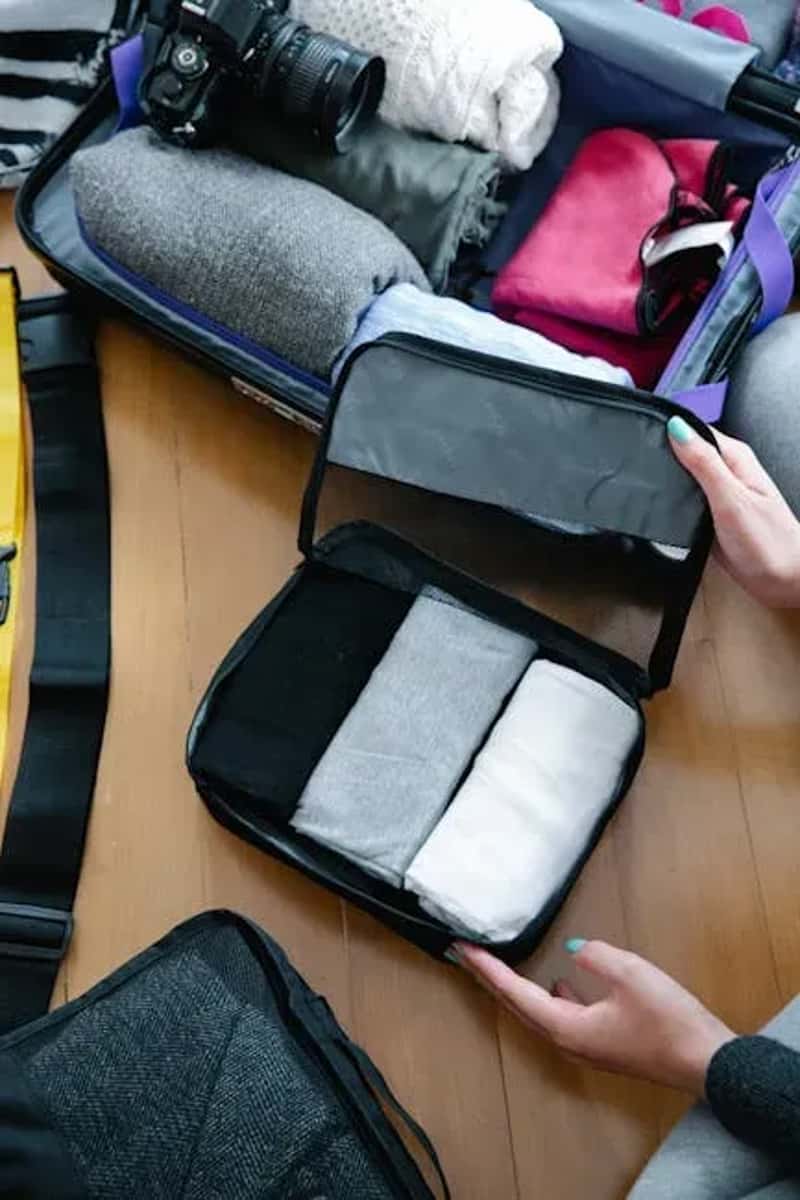
This is the master rule. Every other rule on this list is really just a branch of this one. Frequent flyers know, at a detailed level, which items belong in the cabin, which go below, and exactly why – because the consequences of getting it wrong range from annoying fees to confiscated gear to federal civil penalties. Prohibited items don’t just get taken away. Depending on the item, you may face legal consequences that follow you well beyond the airport.
The framework experienced flyers use is simple: cell phones, laptops, spare lithium batteries, wireless headphones, power banks, and tablets belong in the carry-on – always. Checked bags are for clothing, shoes, full-size toiletries, and anything heavy you won’t need mid-flight. And if you’re flying carry-on only, you skip baggage claim entirely – arriving later, leaving faster, and bypassing one of the most stressful parts of the whole experience. The gap between a chaotic airport day and a smooth one almost always traces back to this one decision: knowing your bag before you ever start packing it.
Most of these rules take two minutes to implement. None of them require expensive gear or special access. But built into a consistent routine, they add up to something the average traveler rarely experiences – an airport that genuinely doesn’t stress you out. Start with whichever rules surprised you most, make them automatic, and by your next trip you’ll already feel the difference. Got a carry-on rule of your own that didn’t make the list? Drop it in the comments – the best ones usually come from people who learned them the hard way.