The cheapest room on many ships is the one without a window. That is one of the first points a frequent cruiser makes when explaining where travelers lose money at sea, and it is not the only surprise. Cruises can be affordable vacations, but costs build quickly through booking choices, onboard purchases and spending in port. The writer, who has logged more than 80 sailings, shares tips that aim to help travelers avoid money mistakes and stretch their budgets ([1]).
Where the Biggest Savings Start: Booking
Booking decisions tend to have the largest effect on the final bill. Choosing an inside cabin is the most direct example. Passengers in these rooms get access to the same pools, restaurants, shows and activities as those in balcony cabins. The trade-off is a lack of window and some floor space, which some travelers consider a fair price for better sleep in total darkness or for spending most of the day elsewhere on the ship.
Timing matters as well. Shoulder season sailings in spring and fall are priced to reflect lower demand, and voyages that leave after Thanksgiving but before Christmas are also less popular. Flexibility with dates can help too, since the same itinerary can carry different prices from one week to the next. Older ships are another option. Cruise lines often refresh older vessels with new restaurants and top deck attractions, while the fares tend to be lower than those on newer ships.
Price drops can work in a traveler’s favor after a booking is made. Passengers who notice a lower fare before the final payment deadline can often request a price adjustment through their cruise line or travel agent. Sale alerts from cruise lines or large online travel agencies can also flag promotions sooner. Solo travelers should look for sales that waive the single supplement, which the writer notes can save up to 50% of the normal single cabin price.
| Common assumption | What the experienced cruiser suggests |
|---|---|
| Booking early always brings the lowest fare | Big ship sailings with plenty of open cabins may drop prices about 90 days out |
| A balcony is worth the extra cost | An inside cabin offers the same ship facilities for less |
| Cruise line tours are the simplest choice | Booking directly with a local provider can cost less than a shore excursion |
Small Decisions Onboard Add Up Quickly
Spending on board can erode a budget faster than the fare itself. Drink packages are a good example. A casual drinker who orders only a few beverages a day, including coffee and soda, may spend less by paying for each drink. The math changes for heavier drinkers. The writer also points to Norwegian’s Unlimited Open Bar, offered as part of its Free at Sea promotion, which costs $28.50 to $32 per person per day and is not complimentary despite its name.
Specialty dining can be trimmed at lunch rather than dinner. Many extra-charge restaurants open midday with smaller menus and lower prices. Spa treatments are often discounted on port days, when most passengers are ashore and the spa is quieter. Daily schedules and cruise line apps often list drink specials, happy hours and midcruise discounts on attractions, so checking them each morning can reveal savings that are easy to miss.
Laundry and souvenirs deserve attention too. Sending a bag of laundry to be cleaned on board can cost less than paying to check a suitcase, particularly during a midcruise laundry special. Self-serve laundry rooms and hand washing small items in a cabin sink can reduce costs further. Souvenir glasses, meanwhile, add to the price of a drink without adding much value. Boutique sales on T-shirts and sunglasses are worth watching if shopping is part of the plan.
Spending Ashore Offers Room to Cut Costs
Port days offer some of the clearest ways to save. Cruise lines typically mark up shore excursions to cover what they pay providers and to earn a profit. Booking a tour directly with the provider can reduce the cost, and a small-group tour can offer more value than a standard option. Travelers who want to save more can skip the organized tour altogether and explore on foot, by bus or by taxi, using a guidebook or app.
Several smaller habits help as well. Cruise ship internet is expensive, so the writer suggests finding free Wi-Fi at port terminals or in cafes and shops that offer it to customers. Beach visits can also be less costly when travelers bring their own snorkel gear, umbrellas or inflatable toys rather than renting them on site. Local transportation is typically cheaper than taxis, and bargaining is expected at open-air markets, provided the haggling stays polite.
Eating is another area where budgets can shift. The writer recommends trying local food, but travelers on a tight budget may prefer eating on board between port stops. Filling up at breakfast can help. Waterside restaurants aimed at tourists often charge more for less authentic food, so asking where locals eat is a practical alternative.
Related Stories From Travelbinger


Loyalty Perks and Shareholder Credits
Repeat passengers have their own advantages. Sailing once with a cruise line typically makes a traveler eligible for its loyalty program. Members may receive select past-passenger fare discounts, and the most loyal guests can access free upgrades or even free cruises. Those who regularly gamble on board may also be invited to casino cruise offers and discounts.
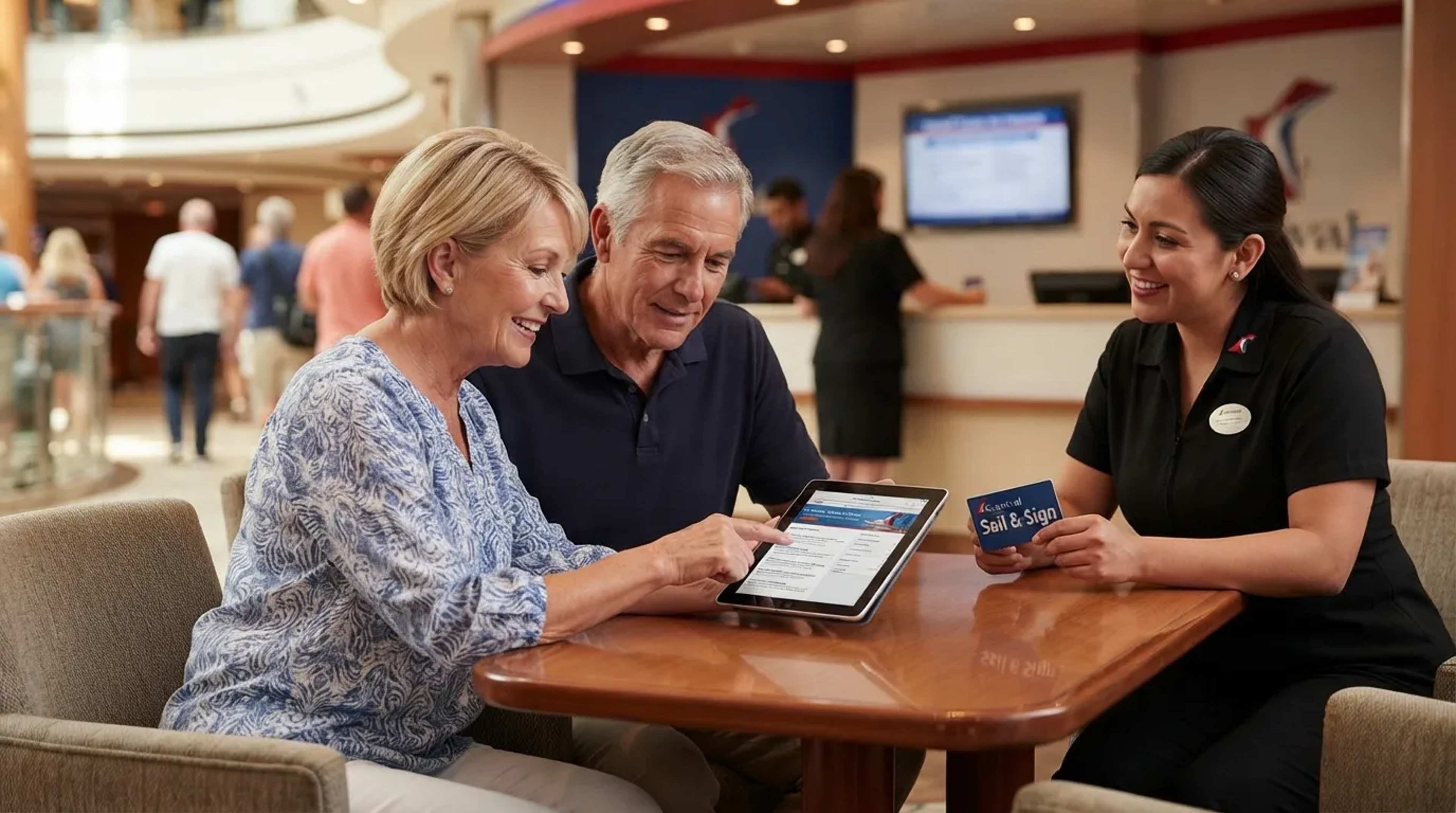
Investors have another route. Shareholders who own 100 shares or more in Carnival Corp., Norwegian Cruise Line Holdings or Royal Caribbean Group can request onboard credit through an online form on each company’s website. The amount depends on the type of cruise booked, and the credit applies only to full-fare voyages, with one shareholder credit allowed per stateroom. Some lines also let guests bid for an upgraded cabin at a discount, so a lower bid can improve a room without a full upgrade price.
Cruises reward planning more than luck. Few travelers will use every tip, and the writer’s own message is that some splurges are worth it. The useful goal is to spend deliberately, so that the money goes toward experiences that matter most on the voyage.