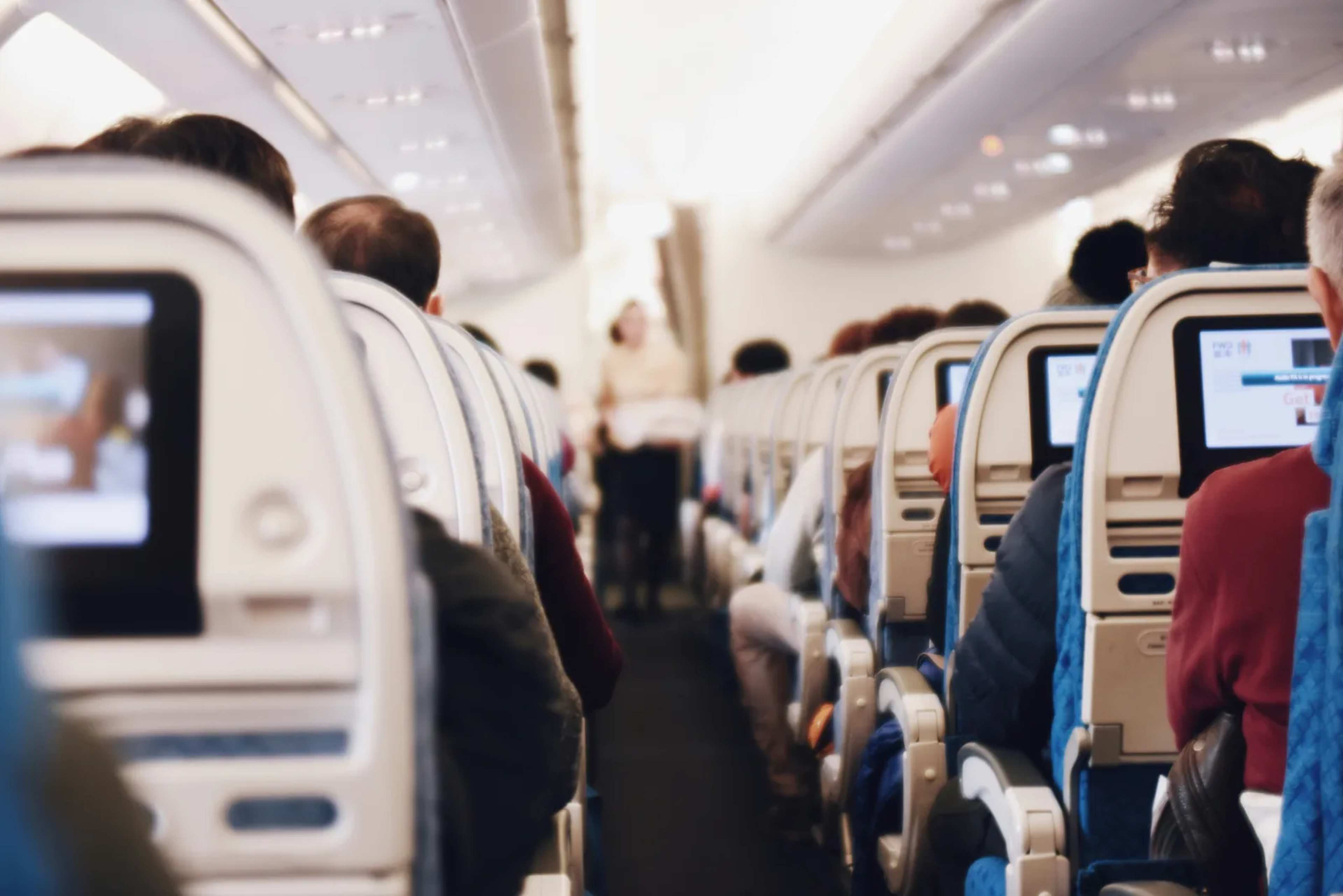
Most people think packing is just about fitting stuff into a bag. Experienced travelers know it’s a system – and the gap between those two mindsets shows up at baggage claim, at the overweight-bag counter, and on cobblestone streets where nobody warned you the wheels would get stuck. The travelers who breeze through airports aren’t lucky. They just figured out a few things everyone else keeps learning the hard way.
Some of the rules below will feel obvious. A few will feel wrong. At least two will make you rethink the last trip you took. They’re listed in countdown order – and the ones at the top are the ones most people skip, which is exactly why they matter most.
#16 – Never Pack Your Suitcase to 100%

This sounds obvious until you’re standing at check-in deciding which shoes to sacrifice. Aim for 80% full, max. Whether it’s souvenirs, a bottle of olive oil from the Italian market, or a jacket you didn’t expect to buy, you will want that space. That buffer isn’t wasted – it’s emergency room, and every experienced traveler knows the difference between the two.
The extra 20% also changes how you move through the trip itself. You can grab things spontaneously instead of doing mental math about weight limits every time you see something worth buying. Heavy luggage creates a kind of low-grade stress that follows you everywhere – through terminals, up hotel stairs, across cobblestones. Packing less doesn’t mean less comfort. It means more freedom to move like you actually own the place.
Fast Facts
- Most major U.S. airlines cap checked bags at 50 lbs – overweight fees typically start at $100 or more per bag.
- An 80%-full bag gives you roughly 10 lbs of breathing room on a standard 50-lb allowance.
- Souvenirs are the #1 reason travelers get hit with overweight fees on the return flight.
- A lighter bag also reduces strain on your back – especially on trips with lots of walking or transit changes.
#15 – Lay Everything Out First, Then Cut It in Half
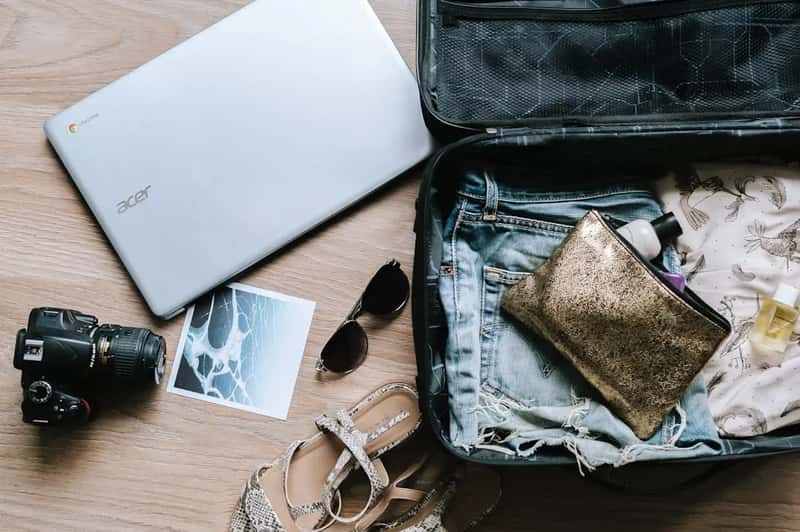
This is the rule most people hear, nod at, and completely ignore. Then they show up with four pairs of pants for a five-day trip and wonder why the bag is so heavy. Lay everything out on the bed before a single item goes in the suitcase – then remove half of it. It feels brutal. It feels like freedom the second you’re sprinting to catch a connection with only a carry-on.
The psychology behind overpacking is real. Most people pack for the worst-case scenario – the unexpected formal dinner, the sudden cold snap, the mystery event that never actually happens. When you force yourself to edit before you leave, you stop packing for anxiety and start packing for the actual trip. The clothes that make the cut are the ones you’ll actually reach for. Everything else is just weight you’re paying to carry.
#14 – Use the “One-in-Five” Edit Rule
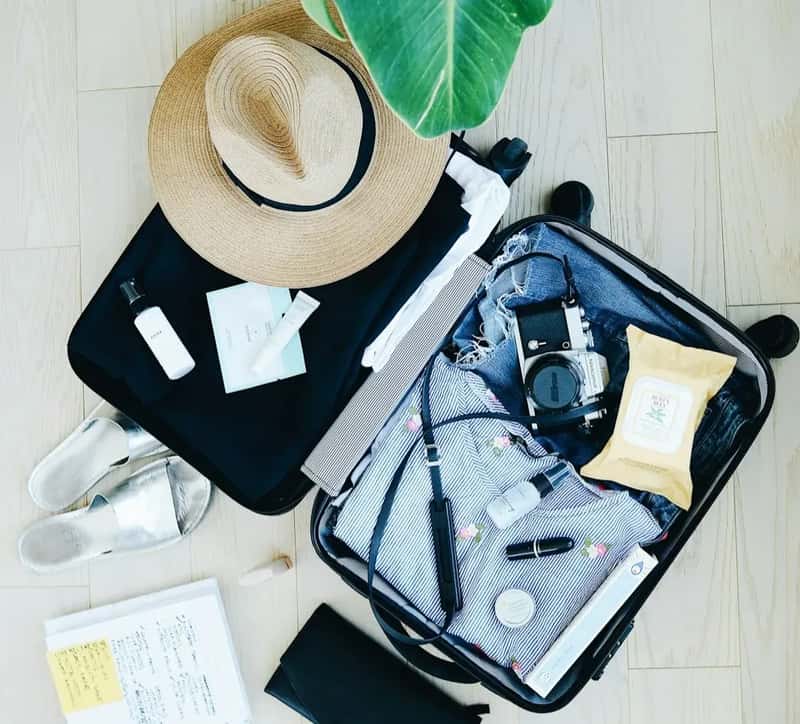
You’ve laid everything out. Now comes the hard part. Scan the full lineup and remove one item for every five in the stack – no exceptions, no “but just in case” negotiations. Yes, even the backup sweatshirt. Yes, even the shoes you’ve been telling yourself you’ll finally wear. This rule forces real decision-making without turning the whole process into a spiral of what-ifs.
What makes this rule work is that it’s mechanical. You’re not judging every individual item – you’re just enforcing a ratio. And that ratio, applied consistently, keeps most packers under airline weight limits without them even trying. The items that survive the cut tend to be the ones you actually use. Everything you left behind? You probably won’t remember it by day two.
#13 – Roll Your Clothes, Don’t Fold Them

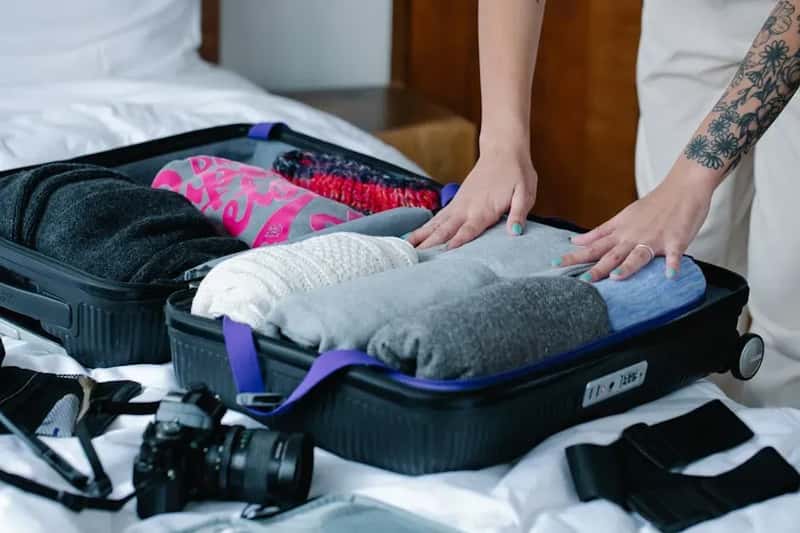
The folding debate is basically settled among people who travel regularly. Rolling creates tight cylinders that stack and nest perfectly, using every available inch of suitcase space. Wrinkles become less of a problem because rolled fabric flexes instead of creasing at sharp fold lines – that last point alone converts most skeptics who try it once.
Rolling also pairs naturally with packing cubes, which takes the method to a different level entirely. Rolled clothes slide into cubes cleanly, stay compressed, and let you see everything at a glance without unpacking the whole bag. Outfit changes get faster. Security runs smoother. And your favorite shirt stops playing hide-and-seek at the bottom of the bag.
#12 – Use Packing Cubes – But Assign Them by Outfit, Not Category
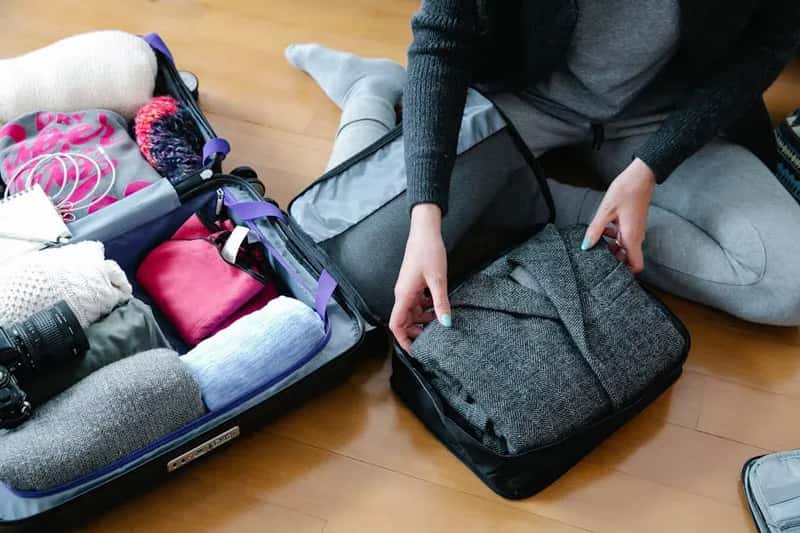
Most people who own packing cubes still use them wrong. Stuffing all your shirts in one cube and all your pants in another just creates a neater version of the same problem – you still have to dig. The better move is organizing cubes by outfit or day. When you land Thursday night and need to be somewhere by Friday morning, you grab one cube and go.
Frequent this approach. Gym gear stays in its lane. Beach layers stay accessible. Dinner looks stay uncrushed. And when the inevitable spill or rain happens, separating clean from “needs a wash” takes one zip instead of a full unpack. This single shift in how you use the cubes can cut your morning routine to under five minutes on the road – which matters more than it sounds after a red-eye.
Quick Compare
- By category (shirts/pants/etc.): Neater bag, still requires digging for a full outfit
- By outfit or day: Grab one cube and walk out the door – zero unpacking required
- By activity (gym, beach, dinner): Best for trips with clearly different contexts or dress codes
- No cubes at all: Cheaper upfront, but costs time and patience at every hotel stop
#11 – Wear Your Bulkiest Items on the Plane
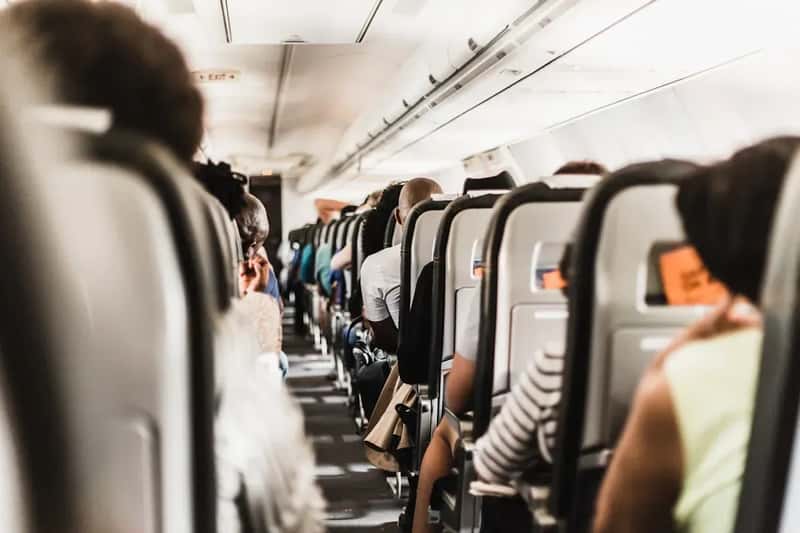
This rule looks a little ridiculous at the airport and saves you from a $75 overweight bag fee at the counter. Airlines charge for every pound in your bag, but they never weigh what’s on your body. Smart travelers load up for the flight – boots, heavy jacket, thick sweater – all on their person instead of eating into their luggage allowance.
It’s also practical mid-flight. Planes run cold, and a jacket you can peel off and stuff overhead beats hunting for a blanket that’s already gone. Layer a tank under a sweater, bring the jacket as carry-on, and you’ve effectively smuggled two to four pounds out of your bag entirely. The travelers who board looking slightly overdressed for the airport? They’re the ones who never pay overage fees.
#10 – Master the Shoe Limit: Three Pairs Maximum

Shoes are one of the top reasons suitcases hit the weight limit before toiletries are even packed. The rule seasoned travelers enforce on themselves: one pair for walking, one for style, one optional for a specific activity like hiking or the beach. Three pairs. That’s the ceiling – and most experienced travelers will quietly admit two is usually enough.
The key is choosing shoes that do double or triple duty. A clean, simple sneaker can walk a city all day and sit at a casual dinner without embarrassing you. A low-heeled sandal can handle a beach town and a nice restaurant. When shoes earn their space by being versatile, three pairs becomes generous rather than restrictive – and your bag stays under the limit without a fight at the scale.
#9 – Stuff Socks and Small Items Inside Your Shoes
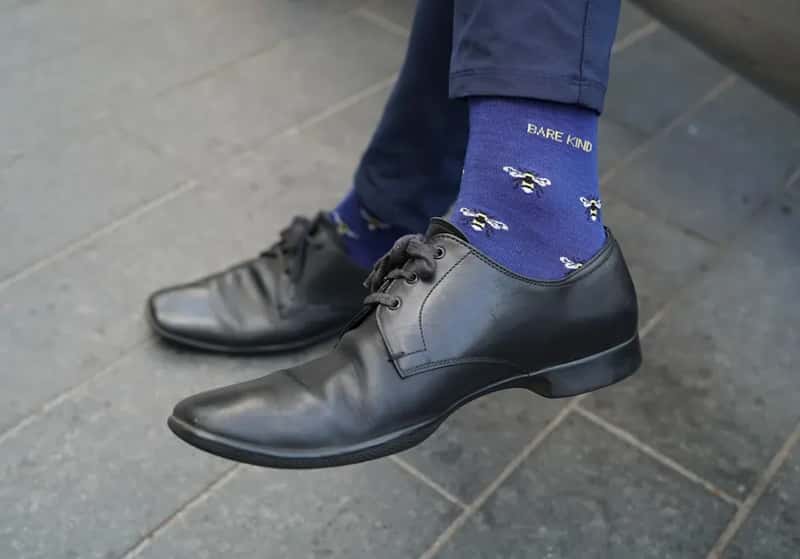
Every hollow space in a suitcase is an opportunity most packers ignore. The interior of your shoes is dead space – until it isn’t. Socks, underwear, chargers, and small cables all nest inside shoes perfectly, using volume that would otherwise just carry air across the country. Roll belts around the inside perimeter of the suitcase. Stuff small electronics into jacket pockets before folding them.
This Tetris-style approach can increase your effective packing capacity by around twenty percent without touching a bigger bag or paying overweight fees. That’s a meaningful gain for something that takes thirty extra seconds. Experienced travelers think of empty shoe interiors the same way they think of empty pockets – wasted potential that costs the same whether you use it or not.
#8 – Use Hotel Shower Caps to Wrap Your Shoes

This one sounds like a travel blogger gimmick. It’s not. Dedicated shoe bags work well, but free hotel shower caps do the same job at zero cost. Slip each shoe into a cap before it goes in the bag, and the waterproof material traps dirt and grime so it never touches your clothes. No rewashing shirts that picked up sole residue during transit.
The real appeal is the cost – which is nothing. You’re already staying at the hotel. The caps are sitting on the bathroom counter. Grabbing two before checkout is the kind of low-effort, high-return habit that separates genuinely smart packers from people who just own expensive luggage. It’s lighter than a shoe bag, costs nothing, and works better than most products you’d actually pay for.
Worth Knowing
- Hotel shower caps are made from waterproof polyethylene – the same basic material as many purpose-built shoe bags.
- Most hotels replace them daily, so taking the used one at checkout creates no waste issue.
- They stretch to fit most shoe sizes, including bulky sneakers and ankle boots.
- A dedicated travel shoe bag typically runs $8–$20 – the shower cap version costs exactly $0.
#7 – Pack a Full Emergency Outfit in Your Carry-On
Checked bags have their own travel agenda, and it doesn’t always match yours. According to the U.S. Department of Transportation, U.S. airlines reported a mishandled baggage rate of 0.55% in 2024 – which sounds small until it’s your bag that’s delayed, damaged, or temporarily lost. Pack a complete outfit change, your medications, your phone charger, and anything genuinely irreplaceable in your carry-on. This turns a potential catastrophe into a minor inconvenience.
Prescription medications in particular must travel in the cabin, ideally in original packaging with a copy of the prescription. A small pouch with a pain reliever, antacids, and blister bandages belongs there too. Your health and your first day shouldn’t be held hostage by an airline’s logistics. The carry-on emergency kit isn’t pessimism – it’s the insurance policy that costs nothing extra and pays out exactly when you need it most.
#6 – Switch to Solid Toiletries and Blow Past TSA Without Slowing Down

The TSA liquid rule has been the same since 2006, and yet millions of travelers still arrive at security juggling a quart-size bag that’s one bottle over. The rule is simple: 3.4 ounces or less, all in a single quart-sized bag. But the real move isn’t managing the rule better – it’s eliminating the problem entirely by switching to solid toiletries.
Shampoo bars, conditioner bars, solid perfume, and toothpaste tablets are lighter, more concentrated, and last significantly longer than their liquid versions. They don’t leak into your bag. They don’t get confiscated at the checkpoint. And they take up a fraction of the space. Travelers who make the switch almost never go back – not because it’s ideologically pure, but because it’s genuinely easier in every measurable way.
#5 – Always Pack a Large, Lightweight Packable Tote

This is the most underrated item on any experienced traveler’s packing list, and most people never think to include it. A quality packable tote folds to the size of a fist, weighs almost nothing, and earns its space on every single trip. Use it as a day bag, a beach bag, a farmers market bag, or the emergency overflow bag when you’ve bought more than you packed for.
That last use case is where it really proves itself. Almost every trip ends with more stuff than it started with – a bottle of local wine, a scarf, a gift you didn’t plan on buying. Instead of sitting on your suitcase trying to force it shut, you move the overflow into the tote and carry it on. No extra fee. No drama. The tote costs almost nothing to bring and solves a problem that catches most travelers completely off guard at the end of a trip.
#4 – Keep a Printed Copy of Your Passport in Every Bag
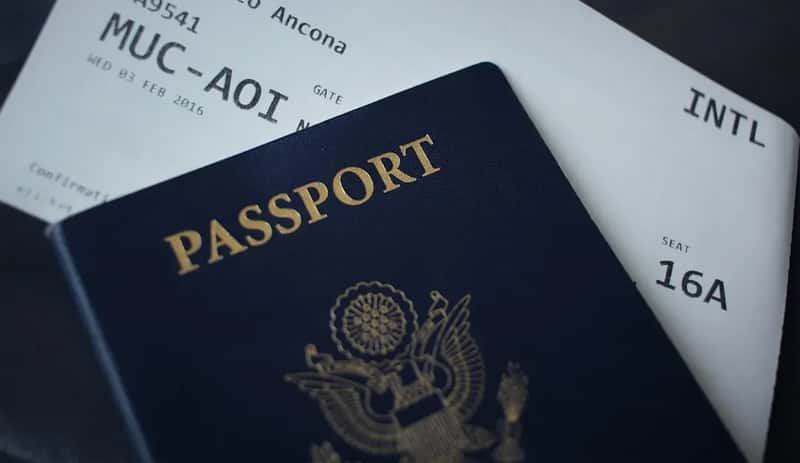
Digital backups are great – until your phone is dead, stolen, or locked into a foreign carrier network you can’t access. A printed copy of your passport tucked into every major bag takes three minutes to prepare and can save an entire trip. If your wallet disappears or your bag is stolen, you’ll still have something that proves who you are and gives officials something to work with immediately.
For international travel, this rule is close to non-negotiable. Getting a replacement passport without any documentation is a multi-day ordeal that runs through your nearest embassy and eats the trip alive. The copy doesn’t replace the passport – but it proves your identity, speeds up the process, and keeps you out of the worst-case bureaucratic spiral. Travelers who’ve lost a passport abroad without a backup copy describe the recovery process as the defining low point of their travel life. Three minutes of printing prevents all of it.
#3 – Build Your Wardrobe Around a Single Color Scheme

Random packing is the enemy. Grabbing clothes that don’t work together is how you end up with twelve items and nothing to actually wear. The fix is simple but requires a little discipline before you start: pick a neutral color base – black, navy, beige, or olive – and build everything around it. Every item should be able to pair with at least two other things in the bag.
Five versatile pieces in a coherent palette can create fifteen different outfits with the right planning. A blazer transforms a casual outfit into something you can wear to dinner. Jeans pair with everything. One scarf adds three variations to any look. The travelers who pack the lightest aren’t minimalists by nature – they’re strategic. They leave feeling put-together every day of a two-week trip without ever opening a second suitcase.
At a Glance: The Neutral Base Strategy
- Black: Hides stains, works for day and night, pairs with virtually any accent color
- Navy: Slightly more casual than black, great for warm and cool climates alike
- Beige/tan: Ideal for beach or warm-weather trips – feels fresh without clashing
- Olive/khaki: Earthy tones that work for outdoor adventures and city exploration equally well
- One bold accent piece (a scarf, a belt, a statement top) is all you need to vary the look daily
#2 – Plan to Do Laundry Mid-Trip and Pack Accordingly

This is the rule that unlocks carry-on-only travel for trips longer than a week, and most people resist it until they try it once. The trade-off is direct: one afternoon of laundry mid-trip in exchange for checking zero bags the entire time. Many hotels and Airbnbs have washers. Laundromats exist everywhere. And in much of the world, especially internationally, drop-off laundry services are remarkably cheap and return clothes clean and pressed by dinnertime.
The mindset shift is the hard part. “I will do laundry” instead of “I must pack for every possible day” is what separates one-bag travelers from everyone else. Pack quick-dry fabrics that can be washed in a sink and dry overnight. Add detergent sheets or a solid laundry bar – they weigh almost nothing. Once you travel this way, paying checked bag fees for a two-week trip starts to feel like an avoidable tax you were paying for years without realizing it.
#1 – Always Keep Your Power Bank in Your Personal Item
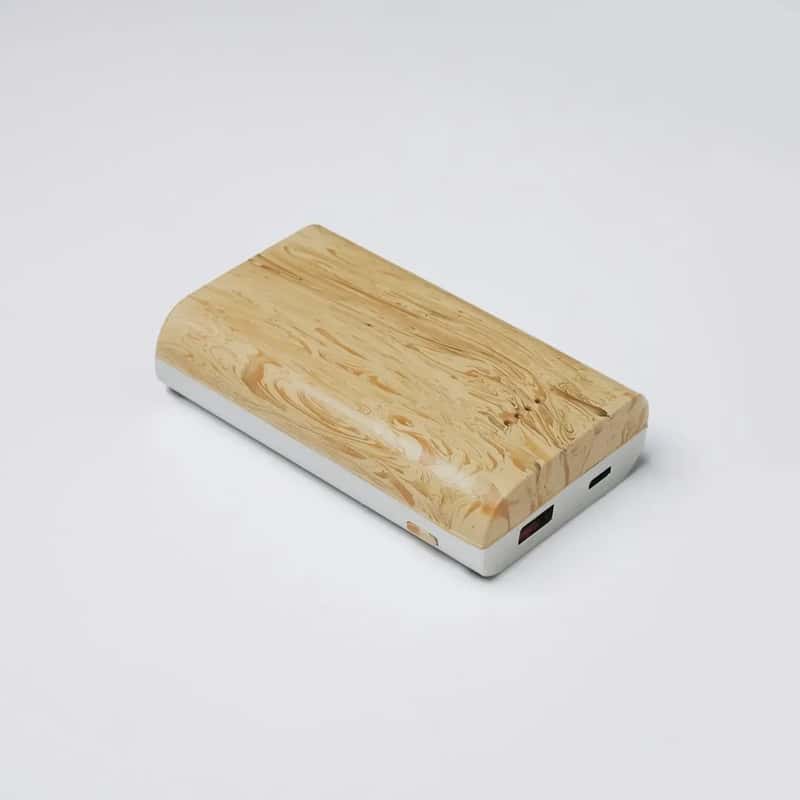
Every other rule on this list becomes a problem the moment your phone dies at the wrong time – lost boarding pass, offline maps, dead translation app, missed ride-share. A high-capacity power bank is the most important piece of modern travel gear most people still treat as optional. It frees you from the desperate scramble for an airport outlet and keeps you navigable, reachable, and functional when the trip demands it most.
There’s also a regulation most travelers don’t know until it’s too late: the FAA explicitly prohibits power banks from checked luggage – they must travel with you in the cabin, period. Per TSA rules, portable chargers or power banks containing a lithium-ion battery must be packed in carry-on bags, and spare lithium batteries are prohibited in checked luggage. Keep it charged, keep it in your personal item, and treat it with the same priority as your passport. A slim model with at least 10,000mAh capacity handles most phones through a full day without a wall outlet. Everything else on this list assumes you can still use your phone when it matters. This is the rule that makes all the others work.
Fast Facts: Power Bank Rules
- Power banks are banned from checked luggage by the FAA and TSA – no exceptions.
- Carry-on power banks must be 100Wh or under; 101–160Wh requires airline approval.
- If your carry-on is gate-checked, remove the power bank and keep it with you in the cabin.
- 10,000mAh is the widely recommended minimum capacity for a full travel day.
- Some international airlines have stricter Wh limits – always check before you fly abroad.
The best packers aren’t the ones who bring the least – they’re the ones who bring exactly what works and nothing that doesn’t. These 16 rules aren’t about deprivation. They’re about moving through a trip the way it was meant to feel: light, flexible, and completely in control. Try even half of them on your next trip and notice how different the airport feels on the way home.