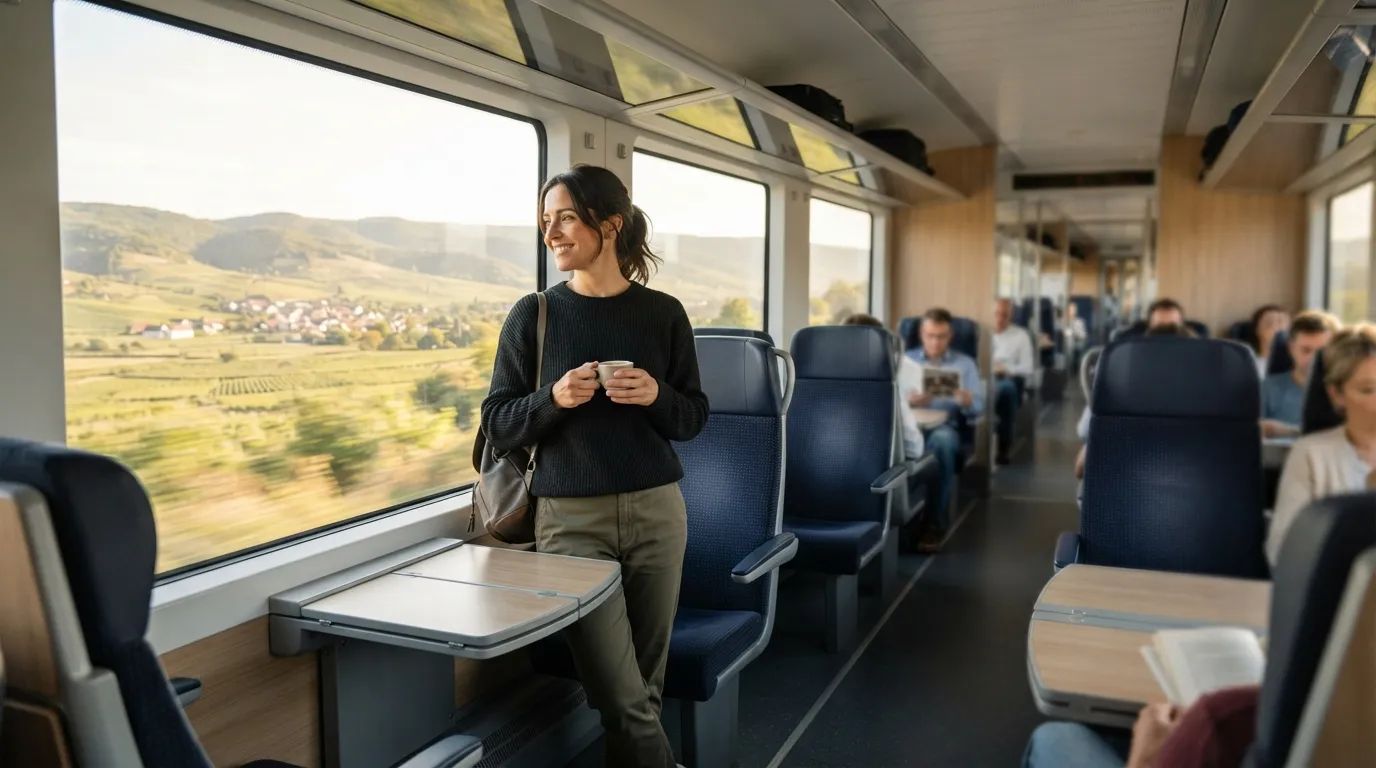
On paper, it’s no contest: a one-hour flight against a three-hour train. Yet plenty of people who travel constantly pick the train anyway, and they’re not doing it for the nostalgia. Here are 16 reasons they keep coming out ahead on the rails.
The flight itself is the smallest part of the story. The real difference shows up before takeoff and after landing, and some of these reasons are stranger than you’d expect. Stick around, because the one at #1 has nothing to do with time or money.
#16 – The Station Is Already Downtown, and the Airport Never Is
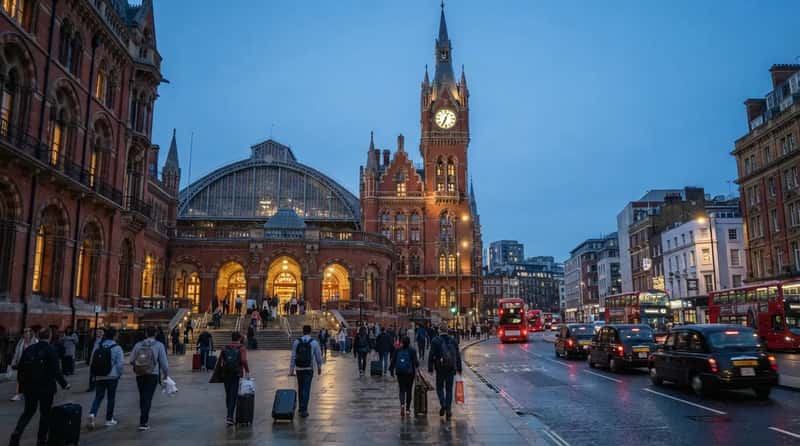
The smartest time saver on this list happens before you even leave town. Many big-city airports sit well outside the center, so the cab, rideshare, or airport train adds real time and cost on both ends. Stations tend to sit in the middle of the city, so you step off the train and you’re basically there. On a route like London to Paris, the train runs from one city center to the other in a little over two hours.
A flight’s “one hour” quietly leaves out the trip to the airport and the trip from it. Experienced travelers count the whole journey, not the number printed on the ticket. Once you start counting that way, it’s hard to stop.
And that’s before you even reach the security line at #15…
#15 – No Airport-Style Gauntlet Before You Board
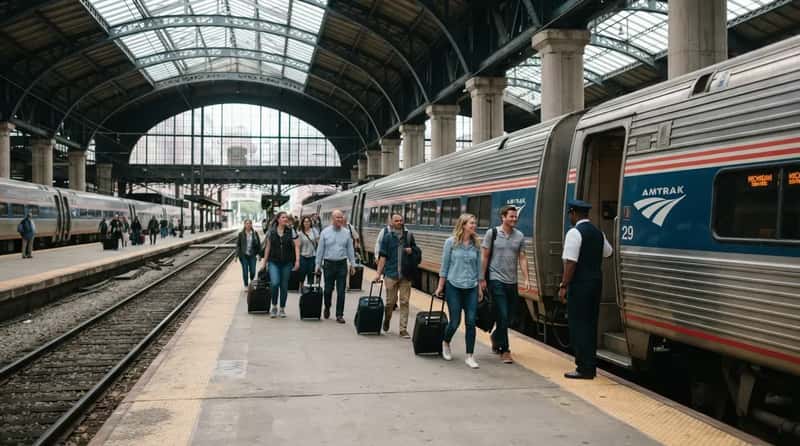
Ask a frequent flyer what they dread most and the answer is rarely the flight. It’s the shoes-off, laptop-out, bin-shuffling checkpoint. Most Amtrak stations don’t run anything like it, though some do random baggage screening. For many train trips, you can show up shortly before departure instead of planning around a long cushion.
That sounds small until you’ve watched a checkpoint line double during a holiday rush. On a train, a surprise crowd is a platform inconvenience, not a threat to your whole trip. Seasoned travelers say losing that dread is half the appeal.
Next up is something airlines have made surprisingly expensive: your luggage…
#14 – The Bag Fee Problem That Trains Mostly Skip
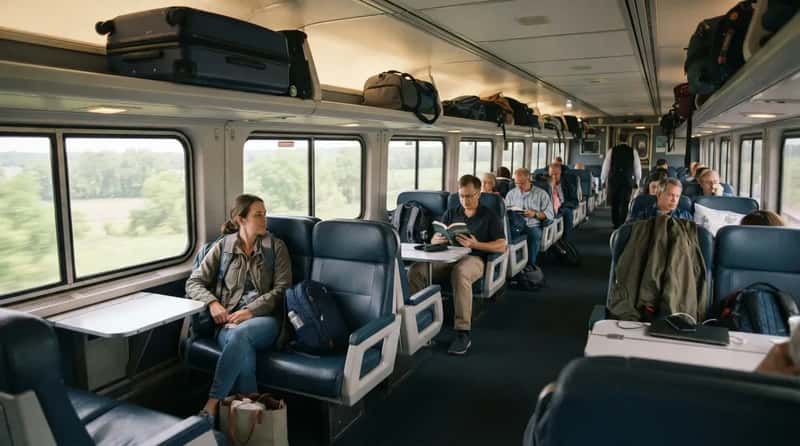
Short flights can cost far more than the fare suggests once the bag fees show up. Amtrak, by contrast, has typically allowed passengers two personal items and two carry-on bags on standard tickets, with weight limits per bag. Rules change, so check before you go. Many riders bring a full-size suitcase onboard and never pay a luggage fee.
There’s no gate agent sizing up your bag, either. Racks and overhead space handle most luggage, and your things stay within sight. For a weekend trip, that beats the basic-fare squeeze at the gate.
Now for the door-to-door math at #13, where the winner quietly flips…
#13 – The Door-to-Door Math That Flips the Winner
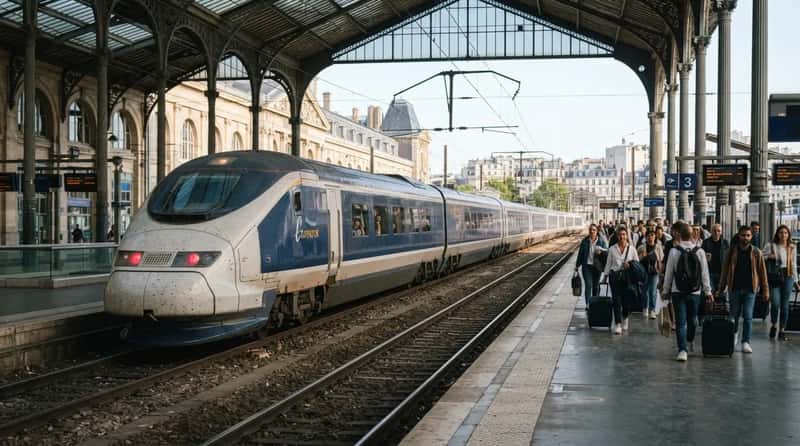
On paper, flying wins almost every short route. Add up the whole trip and the gap shrinks fast. You travel to the airport, allow time for security, wait to board, taxi, fly, wait for bags, then travel into town. The train’s slower speed gets cancelled out by everything the plane adds around it.
Eurostar’s London to Paris run is the classic example, at roughly two hours and change between city centers. Frequent travelers say that on routes of about three hours or less by train, the rails often win outright. It’s not a universal rule, but it’s a comparison worth running every single time.
Quick Compare
- Flight: Trip out to the airport, security cushion, boarding, taxiing, baggage claim, then a ride into town.
- Train: Downtown station, short check-in window, board, ride, and walk out into the city.
- The catch: The plane wins the in-air clock, but the train often wins the full-trip clock.
The weather question at #12 splits seasoned travelers right down the middle…
#12 – Bad Weather Plays by Different Rules on the Rails
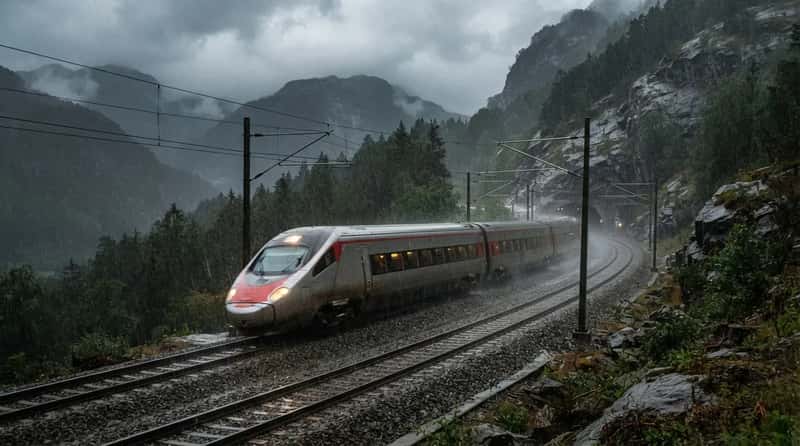
Thunderstorms can wreck a flight schedule hundreds of miles from where you’re standing. One storm over a hub airport can ripple into cancellations across the country. Trains aren’t immune, since snow, extreme heat, and track problems cause real delays. But a rail line isn’t tied to a runway slot or a national air-traffic puzzle.
Many frequent travelers say delays feel different on a train. You’re often still moving, still seated, and not parked on a tarmac. A late train usually still gets you there, while a cancelled flight can strand you. Honest riders admit rail has bad days too, but they say the bad days feel more manageable.
The price tag at #11 might be the most debated item on this list…
#11 – The “Cheap Flight” That Often Isn’t Cheap
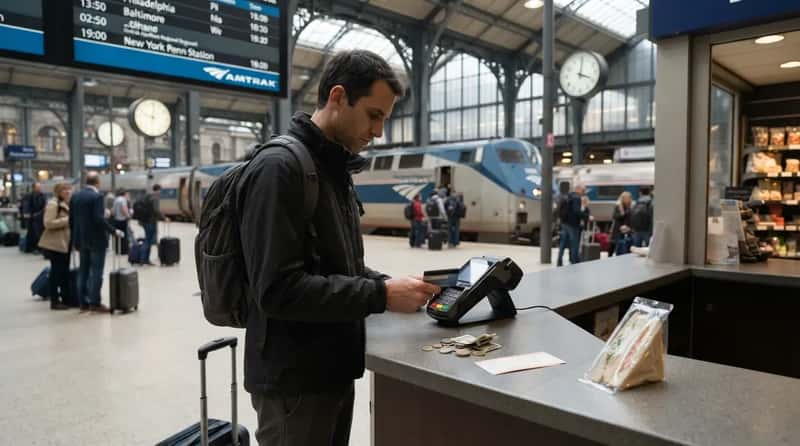
Here’s the part that sparks arguments. In Europe, the sticker price often favors planes, and studies comparing fares across dozens of routes have pointed to tax rules that tilt the field toward flying. So no, trains don’t always win on price. Critics say that gap is partly a policy choice, not a law of nature.
But the sticker isn’t the full cost. Add the airport transfer, a checked bag, and a pricey airport sandwich, and the gap narrows. In the U.S., Amtrak’s Northeast Regional often costs less than the premium Acela, and off-peak departures can be cheaper still. Many seasoned travelers argue that the cheapest fare is rarely the cheapest trip.
The comfort edge at #10 might change how you book your next seat…
#10 – Legroom You Can Actually Stretch Into
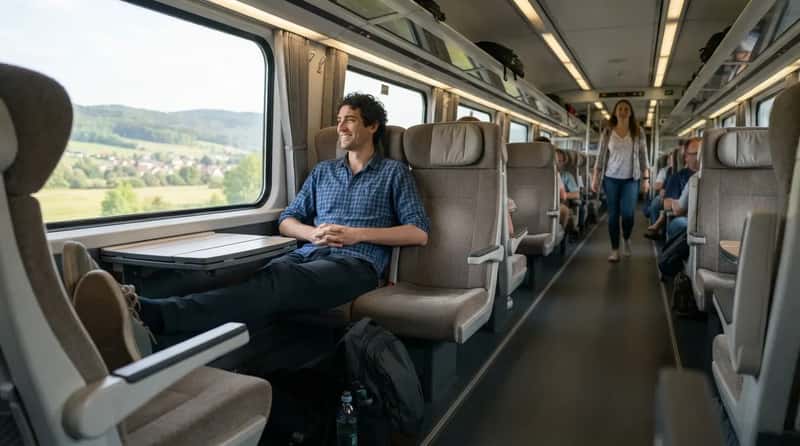
Ask any tall traveler which seat they’d pick and the answer is rarely the airline one. Train coach seats generally offer noticeably more legroom than typical airline economy, and the aisle is wide enough to walk without turning sideways. There’s no seatbelt sign pinning you in place for the whole trip. You can stand, stretch, or wander to the café car whenever you feel like it.
Restrooms are bigger, too, and you don’t wait for a drinks cart to clear the aisle. For anyone with a bad back, long legs, or a restless kid, that freedom matters more than any in-flight snack. Seasoned travelers say it’s the first thing they notice and the last thing they’d give up.
What people actually do with all that space at #9 might surprise you…
#9 – The Mobile Office That Airlines Can’t Match
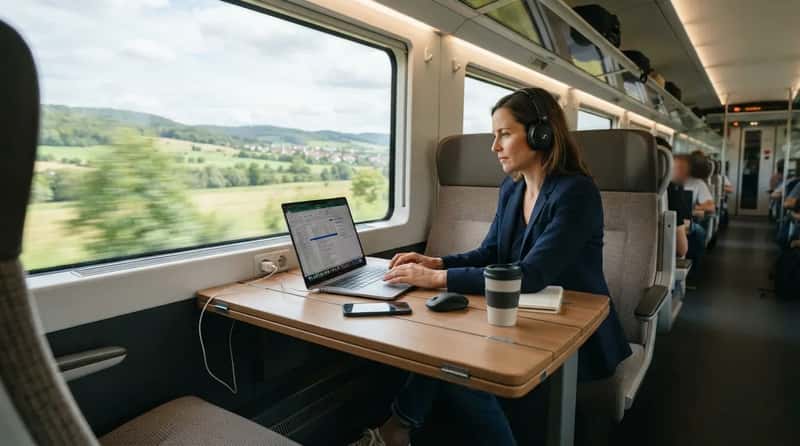
Frequent business travelers have quietly figured out something about trains. You can open a laptop on a real table, plug in at many seats, and work the whole trip. On a plane, the usable window between takeoff and landing is often much shorter than the flight itself. On a train, your workday starts the moment you sit down.
Wi-Fi is offered on many routes, though speeds can be spotty, so seasoned riders download files before they go. Calls are easier in a seat that isn’t packed shoulder to shoulder. Many say they’d happily take a longer ride if it meant arriving with their inbox cleared.
The environmental story at #8 is where the comparison gets truly lopsided…
#8 – The Emissions Gap That Surprises Almost Everyone
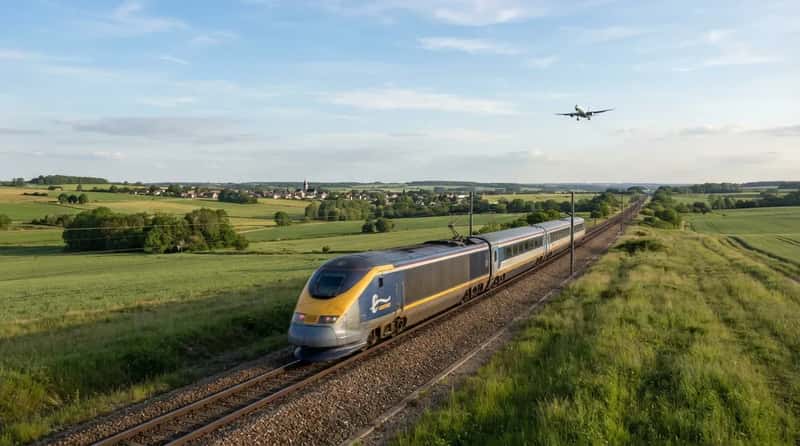
This is where the comparison gets lopsided. Figures from the European Environment Agency show that rail emits only a small fraction of the CO2 per passenger-kilometer that flying does. Short flights tend to look even worse per mile, because takeoff and climb burn a big share of the fuel on a trip that barely lasts an hour.
Specific routes show it even more starkly. A study commissioned by Eurostar found that London to Paris produces dramatically less CO2 per passenger by train than by plane. Since the train operator paid for it, treat the exact figures with some caution. The direction of the gap is widely supported, even if the precise size varies by route and by how it’s measured.
What one country did about it at #7 has divided travelers ever since…
#7 – The Country That Made Some Short Flights Illegal
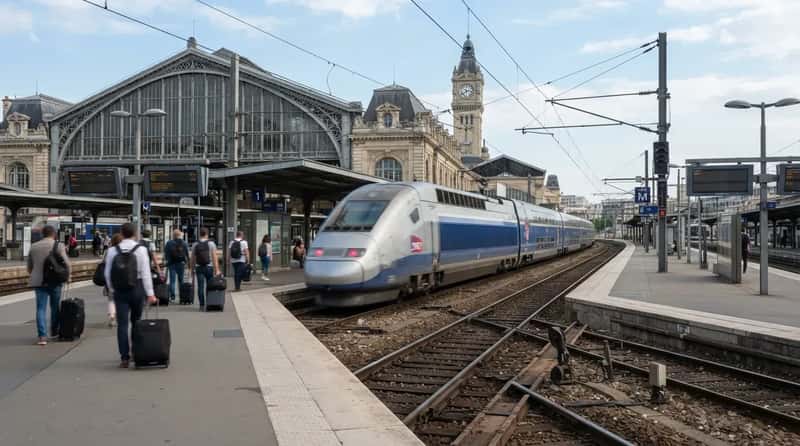
France actually wrote the idea into law. A decree prohibits public domestic flights when a train journey of under two hours and thirty minutes is available. As of 2023, it covers three routes from Paris Orly: to Bordeaux, Nantes, and Lyon. Connecting flights are not affected.
Here’s the controversial part. The ban touches only a sliver of French domestic air traffic, and analysts have argued it does less to cut aviation emissions than headlines suggested. Critics call it mostly symbolic, while supporters say it sets a precedent. Either way, it shows how far some governments will go to push travelers toward rail.
Fast Facts
- The cutoff: A rail alternative of under 2 hours 30 minutes.
- The routes: Paris Orly to Bordeaux, Nantes, and Lyon, as of 2023.
- The loophole: Connecting flights are exempt.
- The debate: Symbolic gesture or real precedent?
The fastest train in America isn’t always the smartest pick, as #6 reveals…
#6 – The “Premium” Train That Isn’t Always Worth It
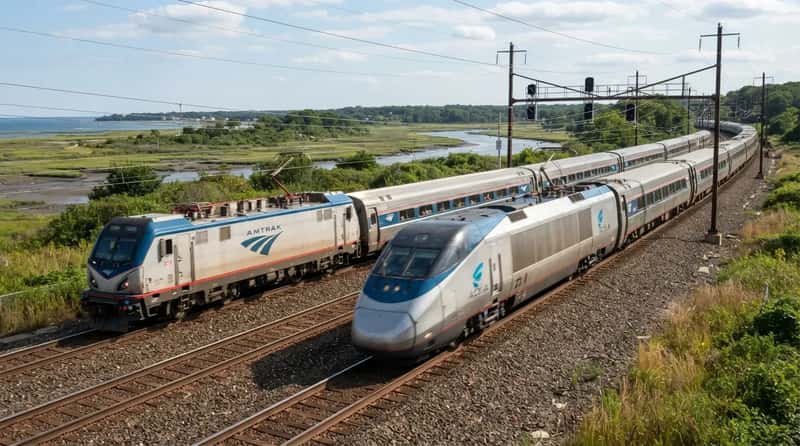
Many first-timers book the fastest option and assume they’ve made the smart choice. Experienced riders know better. Acela’s top speed is 160 mph, but it can only reach that on short stretches of its 457-mile route. The slowest sections of track hold back the rest of the run.
Meanwhile, the cheaper option is carrying the crowds. The slower Northeast Regional moves far more passengers than Acela every year. Many veterans argue the regular train is the better value for most trips. The extra fare mostly buys a quieter cabin, not a dramatic time saving.
The views at #5 are the part flyers never get to see…
#5 – The Window Seat Where the View Doesn’t Disappear Into Clouds
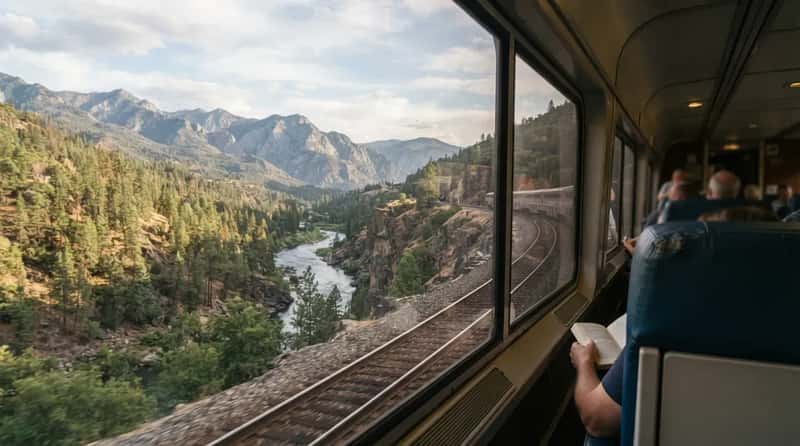
A plane window mostly shows you clouds and the top of a wing. A train window shows you everything in between. Long-distance routes like the California Zephyr, which runs from Chicago to the San Francisco Bay Area, turn the route itself into the attraction. You roll past farmland, small towns, and rivers that never show up on a flight map.
Even shorter runs reward you. The New York to Albany line, for instance, hugs the Hudson River for long stretches, with water on one side and cliffs on the other. Most flyers cross entire regions without ever seeing them. Rail riders get to watch the country change.
Why It Stands Out
- The California Zephyr covers roughly 2,400 miles, and the ride takes about two days.
- On that route, the Rocky Mountains and the Sierra Nevada are part of the scenery.
- The New York to Albany run follows the Hudson River for long stretches.
- A train window gives you a changing landscape instead of a cloud deck.
The comeback story at #4 is one most people haven’t heard yet…
#4 – New Routes Are Quietly Bringing Passenger Trains Back
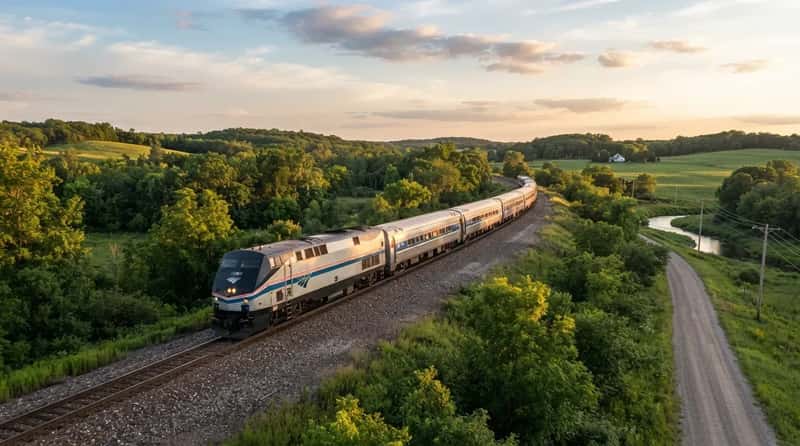
The rail comeback isn’t just about older lines. Amtrak’s Mardi Gras Service between Mobile and New Orleans restored passenger rail along the Gulf Coast for the first time in nearly two decades. That’s real demand for something many people assumed was gone for good.
Another example comes from the Midwest. The Borealis service between Chicago and the Twin Cities recorded nearly a quarter million riders in its first full year, a 227 percent increase in corridor ridership. One route nearly tripled its numbers by adding a second daily train. Travelers say more choices make rail a realistic option in more places.
The biggest sign of the shift is the record at #3…
#3 – Record Crowds Say This Isn’t Just a Hobby Anymore
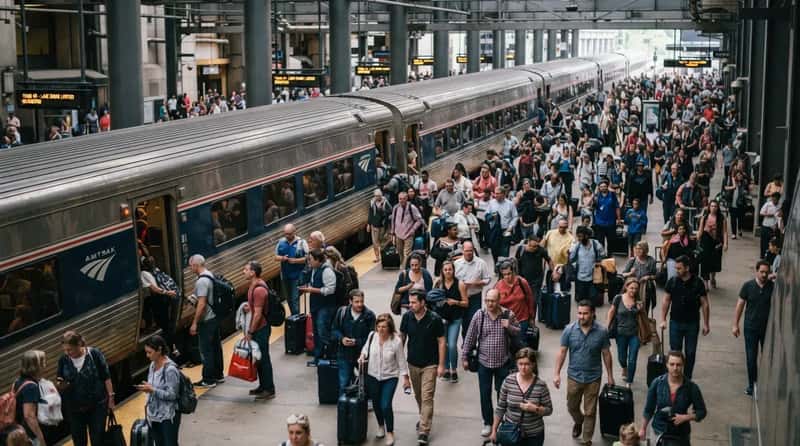
If you think rail is a niche choice, the numbers disagree. Amtrak provided 34.5 million customer trips in fiscal 2025, setting all-time records for both ridership and revenue for the second year in a row. That’s widespread demand, not just nostalgia.
That’s a huge number of people deciding the train is worth their time. Experienced travelers point to it as proof they aren’t the only ones who’ve done the math. The crowds aren’t a fad. They’re a pattern.
The real advantage at #2 is something airlines can’t copy easily…
#2 – Miss One Train, Catch the Next One
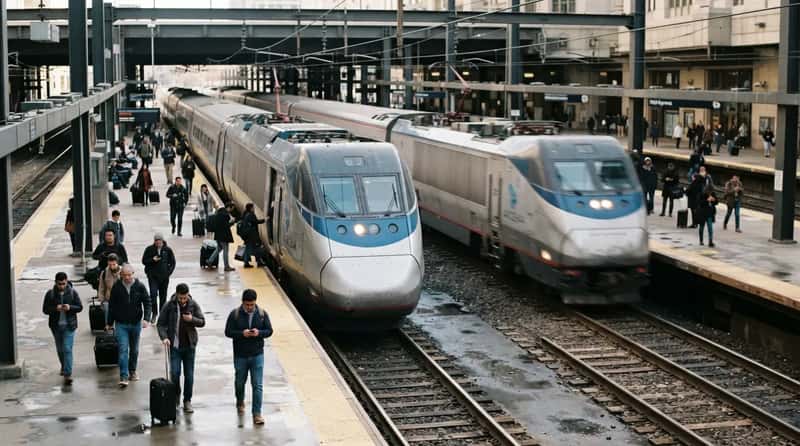
Missing a flight can feel like a small disaster. Missing a train on a busy corridor is often just a delay. Where trains run frequently, as on parts of the Northeast Corridor, a missed departure usually means a short wait for the next one.
More departures mean more chances to still make your plan. Frequent travelers say frequency is the hidden feature that turns a trip into a routine. You stop planning around one fragile departure and start planning around your day.
Worth Knowing
- Busy corridors give you backup departures. Many long-distance routes run only once a day.
- Ticket change rules vary by fare type, so check yours before you count on a later train.
- The more frequent the service, the less any single delay matters.
And the number one reason has nothing to do with time or money…
#1 – You Arrive Feeling Like a Person, Not Cargo
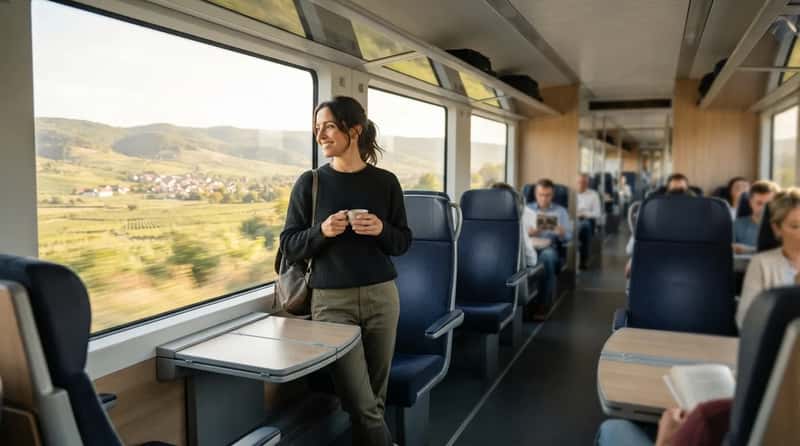
This is the reason experienced travelers bring up last, and the one they mean most. A train ride lets you walk around, watch the window, or chat with the person next to you. You step off without the glazed, squeezed-in feeling that follows a short flight.
Many say the trip itself becomes part of the experience instead of something to endure. The slower option sometimes feels like the faster one because the stress is gone. No fare comparison or arrival-time estimate will ever capture that.
Experienced travelers aren’t giving up speed for nostalgia. They’re counting the whole trip, and on the right routes the train comes out ahead.
Which short route would you swap from a flight to a train tomorrow, and which one would you never give up the plane for?