The gate agent already knows who’s flown 100,000 miles this year before you say a word. It’s not the luggage, and it’s not the outfit. It’s a dozen tiny habits that happen in the sixty seconds between walking up to the counter and getting a boarding pass – habits so automatic that frequent flyers don’t even realize they’re doing them anymore.
Most people assume it’s the expensive carry-on or the airline status tag that gives it away. Turns out the real tells are almost embarrassingly small, and once you know what to look for, you’ll spot a road warrior from across the terminal every single time.
#16 – They Already Have Their ID Out Before They Reach the Counter
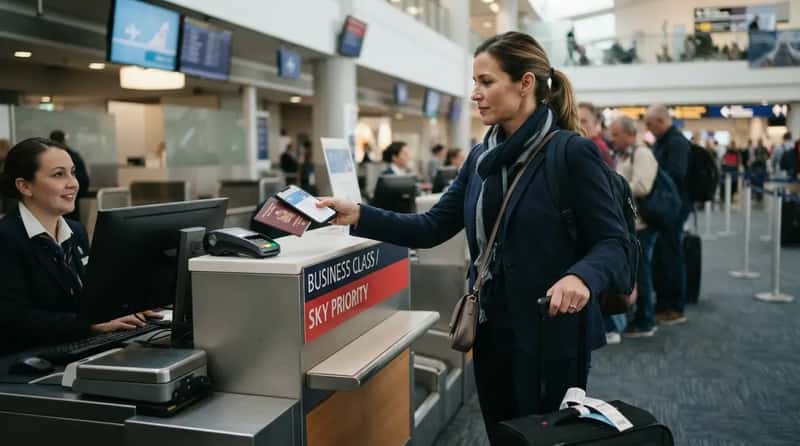
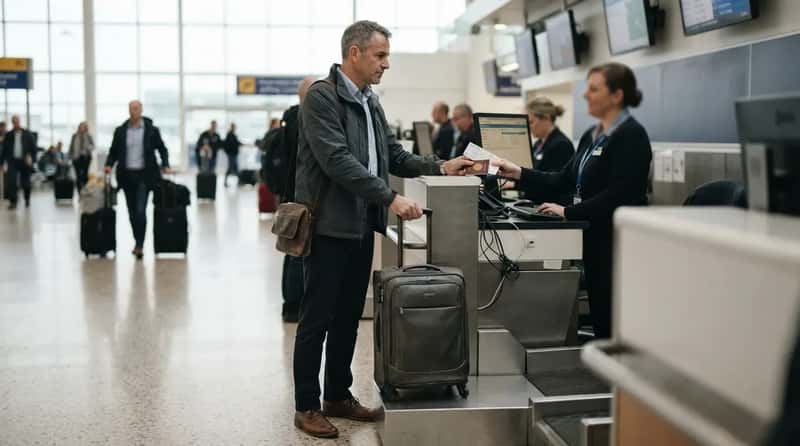
Casual travelers dig through purses and backpacks once they’re standing in front of the agent, holding up the line while everyone behind them sighs. Frequent flyers have their driver’s license or passport in hand the second they step into the queue, usually tucked into the same jacket pocket every single trip.
It’s not about being polite, though it helps. It’s muscle memory built from hundreds of check-ins where fumbling for an ID cost precious minutes before a tight connection. The habit is so ingrained that many road warriors will hand over the ID before the agent even asks for it.
#15 – Their Bag Is Already Weighed in Their Head
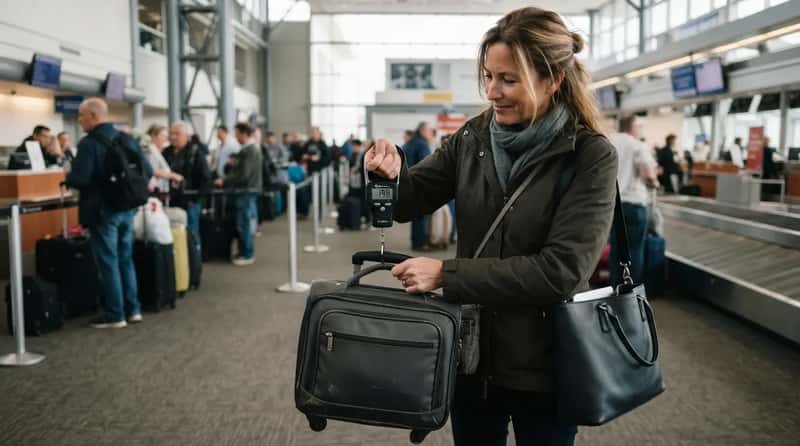
Constant travelers rarely get surprised by an overweight bag fee because they’ve done the mental math before leaving the house. They know their carry-on’s empty weight, their laptop’s weight, and roughly how much three days of clothes adds – down to the pound.
This isn’t obsessive behavior; it’s scar tissue from at least one humiliating repacking session in front of a full line. Many frequent flyers openly admit they’ve stood in an airport and worn an extra jacket just to avoid a $75 fee. That memory sticks for years.
Fast Facts
- Most major U.S. airlines charge approximately $45-50 for the first checked bag as of 2026.
- Overweight baggage fees generally range from $100 to $200 depending on the airline and bag weight.
- A third checked bag often costs around $200.
- Paying online in advance secures the lowest rate; paying at the airport counter adds $10-$20 per bag.
#14 – They Know Exactly Which Line Moves Faster
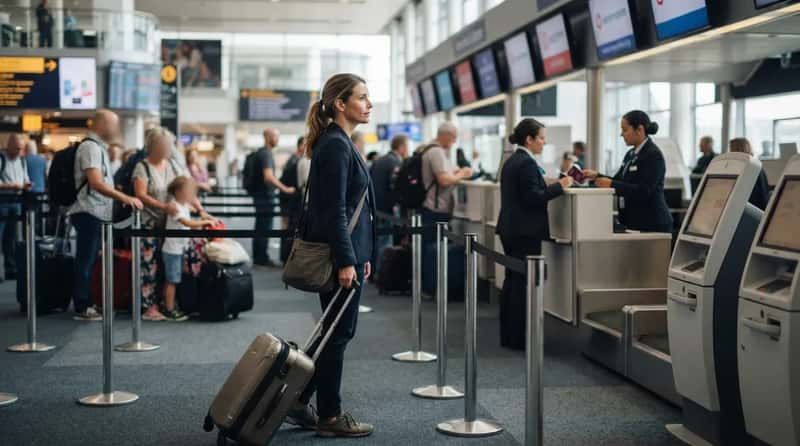
While everyone else joins whichever line looks shortest, seasoned travelers are scanning for something else entirely: which agent is working, how many people ahead have obvious problems, and which kiosk group tends to move fastest at that specific airport.
They’ve learned patterns most travelers never notice, like which terminal’s self-service kiosks jam constantly or which agent group handles complicated international documents fastest. Frequent flyers treat line selection like a small logic puzzle they’ve been solving for years without thinking twice about it.
#13 – Their Phone Is Already Open to the Boarding Pass
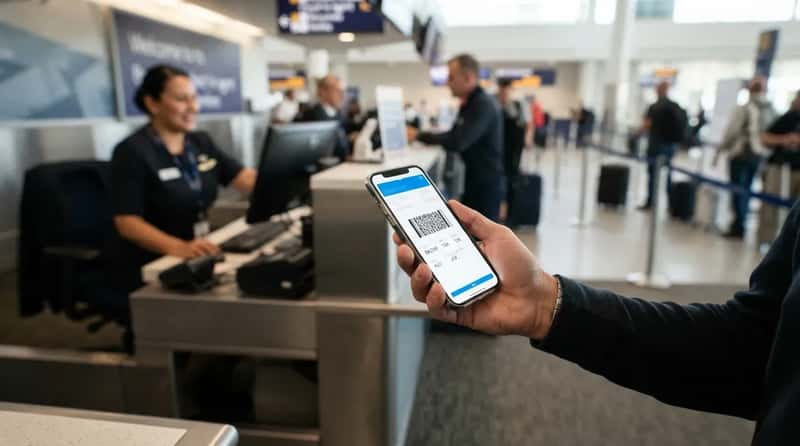
Casual travelers often open their airline app for the first time at the counter, waiting for it to load while the agent watches. Constant flyers have the boarding pass pulled up and screen brightness cranked before they’re even ten feet from the desk.
Many keep it saved to their phone’s wallet app as a backup in case service drops, because they’ve been burned by a dead Wi-Fi signal before. This tiny bit of preparation shaves real seconds off, and seconds matter when a connection is only 35 minutes long.
#12 – They Travel With Almost Suspiciously Few Bags
People assume frequent flyers must have elaborate luggage systems, but the opposite is usually true. Veteran travelers tend to whittle their kit down to one bag, sometimes two at most, because they’ve learned that more luggage means more things that can go wrong.
Every extra bag is another item that can get lost, delayed, or searched. Many road warriors haven’t checked a bag in years, not because they’re minimalists by nature, but because checked luggage has burned them too many times before.
#11 – They Never Ask “Which Gate?” Out Loud
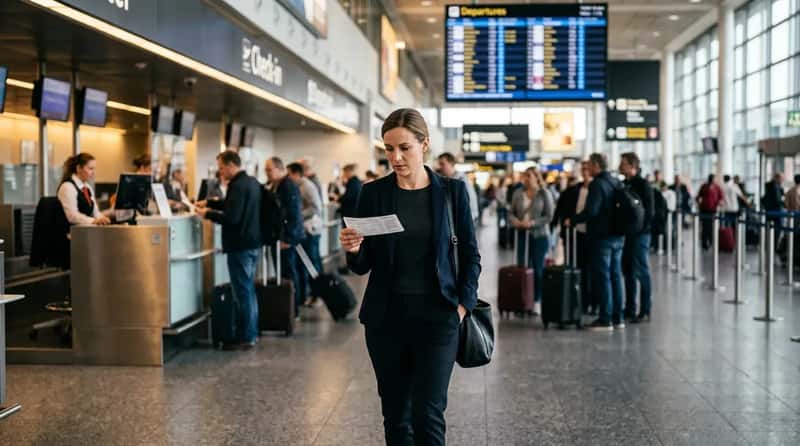
It’s a small thing, but constant travelers rarely ask the check-in agent for their gate number. They already glanced at the boarding pass, they already know the terminal layout, and they’re mentally three steps ahead planning their route to security.
Asking questions that are already answered on the ticket is one of the fastest ways to slow a line down, and frequent flyers know it firsthand from being stuck behind someone else doing it. They’ve simply internalized the airport’s rhythm after enough repetition.
#10 – Their Small Talk Has a Purpose
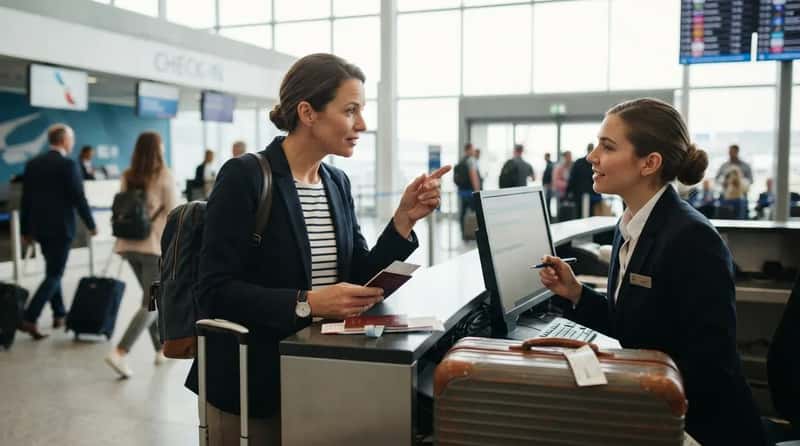
Casual travelers might chat about the weather. Frequent flyers ask specific questions: is the flight full, is there room to move seats, has the gate changed recently. It sounds like idle conversation, but it’s strategic information-gathering disguised as friendliness.
This habit comes from experience – knowing that agents often have information that isn’t yet visible in the app. A well-placed, polite question at check-in has saved plenty of frequent flyers from being blindsided by a gate change later. It’s efficiency wearing a friendly mask.
#9 – They Barely Glance at Their Boarding Pass
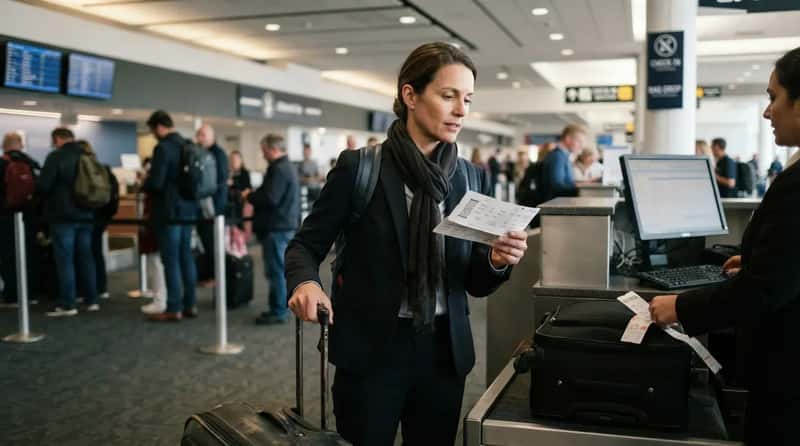
New travelers study every detail on a fresh boarding pass like it’s a treasure map. People who fly constantly barely look at it besides confirming the gate and boarding time, because the rest of the information rarely matters to them anymore.
They’ve seen thousands of boarding passes, and the format is so familiar it barely registers. Some frequent flyers can recite their seat number back before even checking, simply from habit and pattern recognition built over years of near-identical routines.
#8 – They Have a “Go Bag” Mentality With Documents
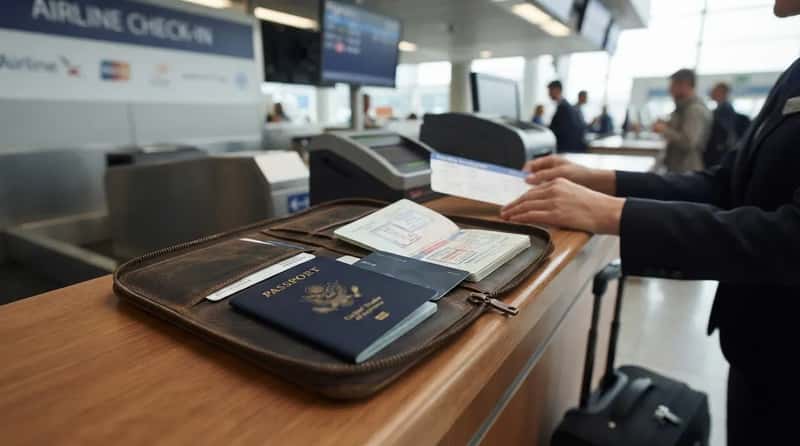
Passports, loyalty cards, and any required travel documents live in one dedicated spot, every single trip, without exception. It’s not about tidiness. It’s about never having to think twice at a counter when an agent asks for something specific.
This habit becomes especially obvious with international travel, where visa or entry documents can trip up occasional flyers completely. Frequent international travelers often have a slim folder or pouch that never leaves their bag, refilled and checked before every departure like a ritual.
Worth Knowing
- TSA PreCheck means no need to remove shoes, belts, 3-1-1 liquids, laptops, or light jackets at the checkpoint.
- Global Entry costs $120 for five years of membership and folds in PreCheck screening automatically.
- If you travel internationally four or more times a year, Global Entry beats enrolling in TSA PreCheck alone.
- Most Global Entry background checks are reviewed within two weeks, though some take up to 12 months or longer.
#7 – They Don’t Panic When Something Goes Wrong
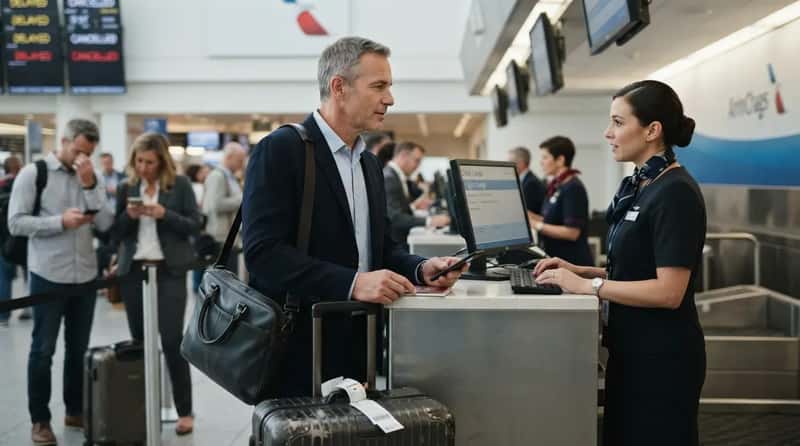
Flight delays, gate changes, sudden aircraft swaps – these rattle casual travelers but barely register with people who fly constantly. Their body language at the counter stays the same whether everything is smooth or falling apart behind the scenes.
This calm isn’t natural confidence; it’s earned from experiencing enough disruptions to know most problems get solved eventually. Many frequent flyers have a rebooking plan half-formed in their head before the agent even finishes explaining the issue. Regret from panicking once tends to teach that lesson fast.
#6 – They Know the Agent’s Name (and Use It)
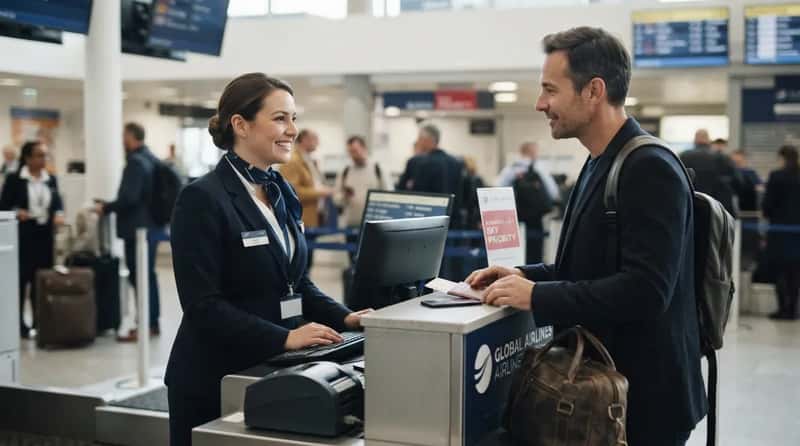
It sounds minor, but reading a name tag and using it during check-in is a quiet habit among people who travel often. It’s partly courtesy, and partly a learned trick: agents tend to be more flexible and forthcoming with travelers who treat them like people instead of machines.
This small gesture has, anecdotally, opened doors to seat changes or extra help that a rushed, impersonal traveler never gets offered. Frequent flyers have learned that friendliness at the counter is a form of currency, not just good manners.
#5 – Their Clothing Has a Job to Do
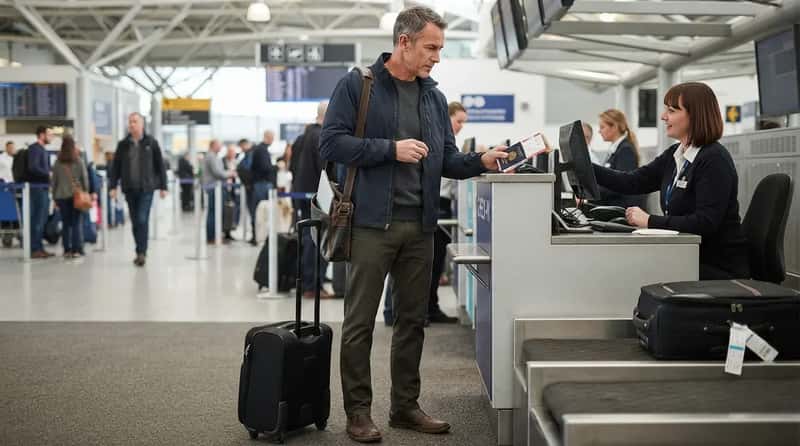
Most travelers dress for comfort or style. People who fly constantly dress for function – layers that come off easily, shoes that slip on and off fast, and pockets specifically for the ID and boarding pass they’ll need seconds later at security.
This isn’t a coincidence; it’s a system refined trip after trip after learning the hard way what slows you down. Many frequent flyers wear almost the exact same outfit structure every time they fly, regardless of season or destination, simply because it works.
#4 – They Already Know the Overhead Bin Strategy
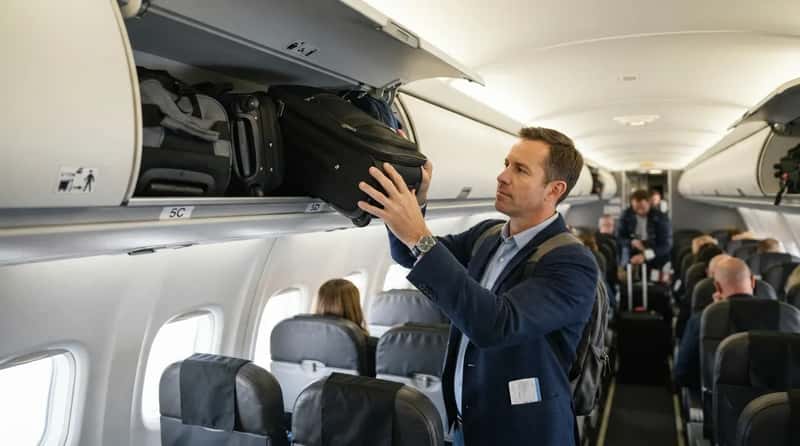
Where you stand in line and how you board affects whether your bag gets gate-checked, and frequent flyers know this cold. They position themselves near the front of boarding groups deliberately, not out of impatience but out of experience watching bins fill up fast on smaller aircraft.
This is especially true on regional jets, where overhead space is famously tight and gate-checking is common. Seasoned travelers often check the aircraft type before the flight specifically to gauge bin space risk, a step most casual flyers never even consider.
Quick Compare
- Regional jets: smaller bins, higher odds of a gate-check even for early boarding groups.
- Mainline aircraft: more overhead space, but bins still vanish fast on a full flight.
- Priority boarding: the most reliable way to guarantee bin space no matter the plane.
- Checking aircraft type ahead of time: a two-second habit that prevents a stressful surprise at the gate.
#3 – They Treat Loyalty Status Like a Toolkit, Not a Trophy
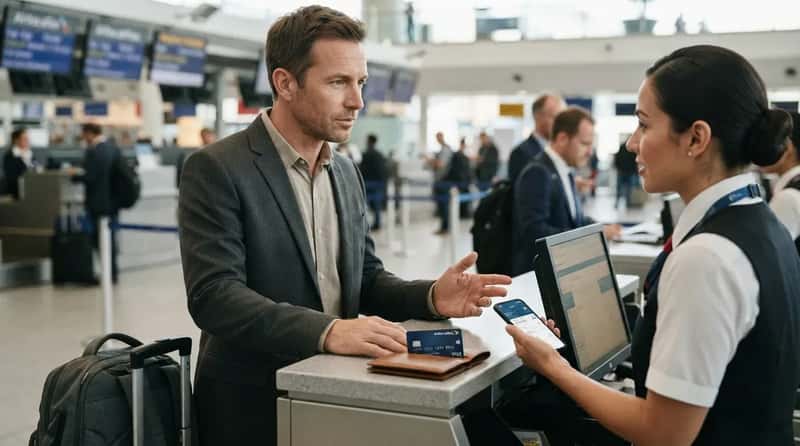
Casual flyers might flash a status card for bragging rights. Frequent flyers use it like a tool – mentioning it only when it actually matters, like requesting a same-day change or asking about standby options.
They understand exactly what their tier does and doesn’t get them, because they’ve read the fine print after being disappointed once. Many admit their loyalty status feels less like a reward and more like insurance against the inevitable travel disruption.
#2 – They Have a Backup Plan Before Anything Goes Wrong
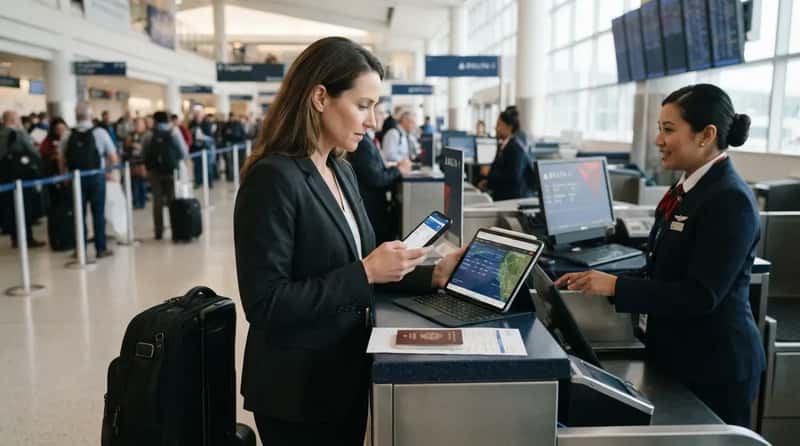
This is one of the biggest tells, and it happens silently. While checking in, frequent flyers are quietly cross-referencing alternate flights, later connections, or nearby airports in the back of their mind – just in case.
It’s not paranoia; it’s pattern recognition from being burned by cancellations before. Many admit they book refundable or flexible fares specifically because of past disasters, even if it costs slightly more upfront. The peace of mind is worth the price difference every time.
At a Glance
- Legacy carriers like Delta, American, and United waived change fees on Main Cabin fares and above.
- Basic economy remains the exception, staying restricted even under the newer policies.
- Waiving the change fee doesn’t erase costs – you still owe the difference in fare if your new flight costs more.
- Southwest is the only major carrier with no change fees across every fare type it sells.
#1 – They Never Look Excited, Even When They Secretly Are
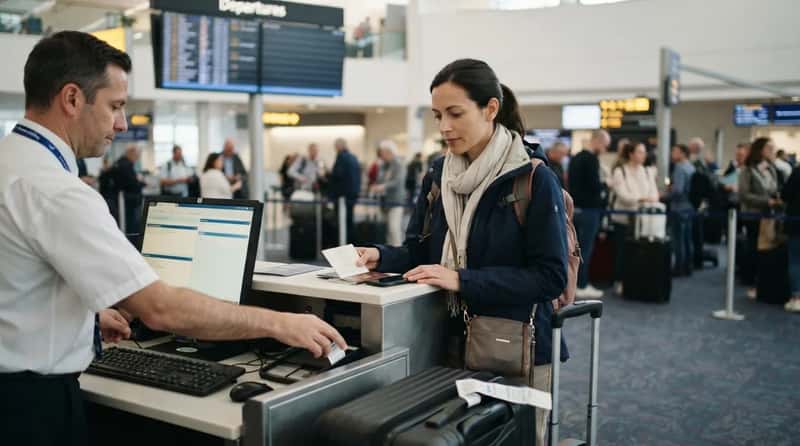
Here’s the most telling sign of all: constant travelers rarely show enthusiasm at check-in, even for trips they’re genuinely thrilled about. Flying has become so routine that the emotional response gets buried under logistics and habit.
This flat affect isn’t boredom with travel itself – many still love the destinations, the food, the people. It’s simply that the check-in process has become so automatic that excitement gets saved for after landing, not before boarding. The wonder hasn’t disappeared; it’s just been rescheduled.
None of these habits are dramatic on their own. But stacked together, they paint a clear picture of someone who has done this hundreds of times, learned from every mistake, and quietly built a system that looks like nothing special from the outside.
Which one of these did you catch yourself doing without even realizing it? Drop it in the comments – we’re curious how many of these habits sneak up on people.