Here’s the myth: a long weekend is supposed to be the easy trip. No flights to catch across time zones, no elaborate packing list, just three days of throwing a bag in the car and winging it. Reality check – the travelers who actually come home relaxed instead of exhausted did almost none of it by winging anything.
They made a short stack of boring, unglamorous phone calls and clicks days before anyone even packed a sock. None of it looks impressive on Instagram, but it’s the entire reason their weekend felt effortless while everyone else’s felt like damage control. Here’s exactly what they lock in first.
#16 – They Confirm Check-In Time Instead Of Just Showing Up

Frequent travelers never assume a room will be ready the second they pull into the lot. Standard check-in at most hotels doesn’t start until 3pm, and rolling up early with zero confirmation just means camping in a lobby with luggage piled around your feet.
Seasoned guests call ahead or check the app before they even leave the driveway. If they know they’ll arrive early, they ask about bag storage or an early room swap instead of gambling on it at the front desk.
#15 – They Lock In Late Checkout Days Before Departure, Not The Morning Of

Waiting until checkout morning to beg for extra time is the single most common rookie mistake on a short trip. By then, the answer is already decided, and it’s usually decided against you.
The earlier you ask, the better your odds – hotel staff routinely suggest requesting late checkout at check-in and giving an approximate departure time up front. A fully booked hotel juggling same-day arrivals often can’t offer any flexibility at all, so that one early ask can be worth two or three extra hours of vacation.
#14 – They Check Their Loyalty Status Before Assuming Anything

Loyalty tiers aren’t just about free breakfast and a nicer key card. They can quietly rewrite your entire checkout schedule without you lifting a finger.
Hyatt guests with Discoverist and Explorist status get a 2pm checkout, while Globalist members can stay until 4pm, and other major chains run similar tiered perks. Most casual travelers never realize a mid-tier loyalty status alone can buy an extra two to four hours of relaxation before the drive home even starts.
Quick Compare
- Hyatt: Discoverist and Explorist get 2pm, Globalist gets 4pm
- Marriott Bonvoy: Platinum Elite and above have until 4 p.m., requestable at booking, check-in, or through the app
- IHG One Rewards: members from Club Member up through Diamond can request a 2 p.m. late checkout, though it’s subject to availability
- Hilton Honors: late checkout is offered but subject to availability and not guaranteed, and Hilton doesn’t specify exactly how late it can run
#13 – They Book Dinner Reservations Before They Ever Leave Home
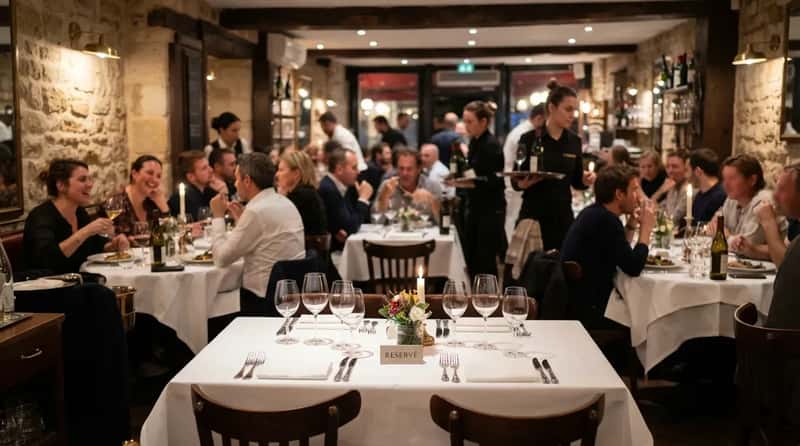
Nothing kills a three-day trip faster than standing outside a packed restaurant on a Friday night with a hungry group and no backup plan. It happens constantly, and it’s completely avoidable.
Experienced travelers reserve tables for at least the first night, sometimes the whole weekend, before they’ve even packed a bag. Popular spots near tourist-heavy destinations fill up fast precisely because everyone else waits until they’ve already arrived to think about it.
#12 – They Pick Hotels With Real Amenities On-Site, Not Just A Nice Lobby

A weekend is too short to burn shuttling back and forth between the hotel and everything you actually came to do. That travel time adds up fast when you only have three days.
Experienced travelers weigh walkability, transportation, and on-site perks before booking, since a full-service hotel puts everything in one place. A rooftop bar, a pool, or bike rentals steps from the lobby means less time waiting on rideshares and more time actually on vacation.
#11 – They Line Up Airport Or Hotel Transportation In Advance

Nobody wants to spend the first hour of a three-day trip arguing with a rideshare app in a crowded terminal. That’s a rough way to start any getaway.
Hotels offering free airport pickup save travelers real money, since plenty of others quietly charge for the same service. Seasoned guests check this detail before booking, not after landing, because a five-minute email beforehand can erase an entire logistics headache on arrival day.
#10 – They Arrange Pet Care Weeks, Not Days, Before The Trip

Long weekends are exactly when everyone else in the neighborhood is scrambling to book the same dog sitter or boarding kennel. The good ones vanish off the calendar fast.
Experienced pet owners lock in a sitter the moment travel dates are set, sometimes months ahead for holiday weekends. Waiting until the week of the trip is often the difference between a trusted sitter and a total stranger with your house key.
#9 – They Set Mail And Package Holds Before Leaving The House

An overflowing mailbox is basically a neon sign advertising an empty house for three days straight. It’s one of the easiest things for a passerby to notice.
Frequent travelers pause mail delivery or ask a neighbor to grab packages daily, especially with online orders piling up around long weekends. It’s a two-minute task online, and most people skip it entirely without realizing what it’s quietly signaling to anyone watching.
#8 – They Research Attractions And Buy Tickets Before Arrival

Showing up to a popular museum or attraction without a ticket on a busy weekend often means burning half the afternoon standing in line. That’s a huge chunk of a short trip gone before lunch.
Checking hours, buying admission ahead of time, and knowing which apps help navigate a new city goes a long way toward protecting the day. Experienced guests treat this research as essential prep, not a nice-to-have, because it’s often the single biggest time-saver of the whole weekend.
#7 – They Ask About Resort Fees And Taxes Before Booking

A shockingly low nightly rate can turn into a very different number by the time the bill actually arrives. It’s one of the oldest tricks in the hospitality book.
Seasoned travelers check the fine print for resort fees, parking charges, and local taxes before confirming anything, since these extras rarely show up in the advertised price. That one habit avoids the unpleasant surprise of a bill that’s 20-30% higher than expected, usually discovered at the front desk when it’s too late to shop around.
Fast Facts
- The average resort fee across U.S. hotels was $35 a night in 2024, based on an analysis of hundreds of properties
- Resort fees have gone from roughly 2% of properties charging them in 2010 to an estimated 28% of U.S. hotels today
- In Las Vegas, fees have jumped 11% year-over-year, pushing some top-tier hotels to $50-55 a night in extra charges
- A December 2024 FTC rule now requires hotels to disclose the full price, fees included, up front
#6 – They Request Specific Room Locations Instead Of Leaving It To Chance

Not all rooms on the same floor are created equal, and the difference can quietly ruin an otherwise great stay. A gorgeous hotel means nothing if you’re next to the ice machine.
Experienced guests specifically request rooms away from elevators, ice machines, and connecting doors, since those spots stay noisy no matter how nice the property is. They make the request when booking, not by hoping the front desk somehow reads their mind at check-in.
#5 – They Time Their Booking Around Weekday Overlap

The smartest long-weekend trips often start a day earlier or end a day later than everyone else’s. It sounds small, but it changes the whole math of the trip.
Hotels are frequently cheaper on weekdays than weekends, so travelers with flexible dates lean toward booking Sunday through Thursday whenever they can. Shifting a stay by even one day can mean lower rates and better odds at an upgrade, simply because fewer guests are competing for the same rooms.
#4 – They Build Slack Into The Itinerary Instead Of Scheduling Every Minute

The most experienced travelers plan less than beginners assume, not more. It’s a surprising reversal, but it holds up trip after trip.
Being prepared doesn’t mean a schedule broken out by the minute – that approach usually just adds stress instead of removing it. Instead, they sketch a loose guide grouped by location for each day, leaving room to wander, because overplanning is one of the most common mistakes on short trips, not underplanning.
#3 – They Confirm Amenity Hours Before Building Plans Around Them

A hotel pool that closes at 6pm can quietly wreck an entire evening plan if nobody bothered to check. It’s a small detail with an outsized effect on the day.
Experienced guests confirm pool, gym, and spa hours directly with the property instead of assuming they’ll be open whenever wanted. This matters even more on holiday weekends, when hours sometimes shift without much notice and ruin an evening nobody saw coming.
#2 – They Choose Upscale Or Boutique Properties When Late Checkout Matters

Not every hotel treats a late checkout request the same way, and the type of property makes a bigger difference than most guests realize. This one detail can quietly decide the whole vibe of a final morning.
Guests at upscale or boutique hotels have noticeably better odds of a courtesy late checkout, while major chains, convention-center hotels, and airport properties are more likely to charge fees due to high turnover. Experienced travelers factor this into where they book whenever a slow, unhurried final morning is actually part of the point.
#1 – They Protect The Home Before They Ever Lock The Front Door

Of everything on this list, this is the step that matters most and gets skipped most often. It’s the one nobody remembers until something goes wrong.
Before any long weekend, experienced travelers put lights on timers, adjust the thermostat, and make sure at least one trusted person knows they’re away. It’s not paranoia – it’s refusing to leave three full days of vulnerability to chance over something as small as a forgotten porch light.
Worth Knowing
- Put lights on timers so the house looks lived-in after dark
- Adjust the thermostat instead of running it for an empty house all weekend
- Ask a neighbor or trusted friend to check in and grab any deliveries
- Hold off on posting real-time location updates until you’re back home
None of these sixteen habits are complicated, expensive, or hard to copy. What they all have in common is timing – every single one happens before the trip starts, not during it.
The guests who travel the most simply stopped leaving these details to chance, and their long weekends run smoother because of it. Which one are you stealing for your next trip?