Most travelers over 60 walk up to the security checkpoint the same way they have for twenty years – shoes half off, belt already loosened, quietly hoping the line moves fast. What almost none of them realize is that there’s an entire layer of official accommodations, federal exemptions, and quietly offered assistance built specifically for older travelers that almost nobody announces out loud. These aren’t marketed perks or airline loyalty rewards. They’re quiet policies, legal requirements, and staff-discretionary benefits that most seniors walk right past, every single trip.
The catch – and experienced TSA officers will tell you this themselves – is that you have to know what to ask for, and how to ask. The travelers who know move through the airport in a completely different way than those who don’t. Some of what’s on this list will surprise you. A few of it might even make you a little frustrated about what you’ve been doing wrong for years. Here’s what experienced TSA officers actually say when you ask.
#16 – “You Can Request a Passenger Support Specialist Right Now, for Free”
Most travelers over 60 have never heard of a TSA Passenger Support Specialist – let alone asked for one. A PSS is a TSA officer who has received specialized training in assisting passengers with disabilities, medical conditions, or anyone who needs extra help through the screening process. The program exists at every U.S. airport, it costs nothing, and it is almost universally unknown to the people it was designed to help.
There’s no membership, no sign-up, no long-term commitment. If you didn’t call ahead, you can still request one on the spot: simply walk up to any TSA officer or supervisor at the checkpoint and ask for a Passenger Support Specialist by name. Most people who could use this walk right past it every single trip – not because they don’t need it, but because nobody ever told them it existed.
Fast Facts
- TSA Passenger Support Specialists are available at every U.S. commercial airport – no advance booking required
- A PSS is trained to effectively communicate with travelers who have disabilities, medical conditions, or language barriers
- Requesting PSS assistance does not exempt you from screening – it makes the process work better for you
- You can request a PSS on the spot or arrange one in advance through TSA Cares
#15 – “Call Us 72 Hours Before You Fly and We’ll Have Someone Waiting for You”
Here’s one that almost nobody uses, and experienced officers genuinely wish more travelers knew. TSA runs a dedicated helpline – TSA Cares, reachable at (855) 787-2227 – specifically for passengers with disabilities, medical conditions, or anyone who wants guidance before they ever reach the airport. Call at least 72 hours before your departure, and a trained specialist will be waiting for you at the checkpoint when you arrive.
That single phone call can completely change your airport experience. TSA Cares provides detailed information on screening procedures so you know exactly what to expect, and the specialist who meets you will walk you through the entire process step by step. Most travelers who could benefit from this never call – because they don’t know the number exists. Now you do.
#14 – “If You Alarm the Scanner, You’re Entitled to a Second Pass Before Any Pat-Down”
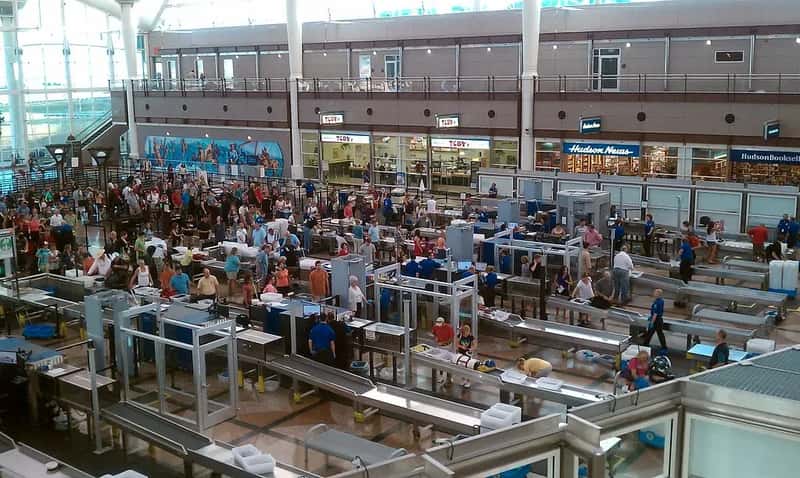
Setting off the scanner does not automatically mean a hands-on pat-down is next – and experienced officers say this is one of the things that confuses older travelers the most. For passengers 75 and older, TSA policy allows an extra pass through the scanner before a pat-down is required. If you’re in that age group and nobody tells you this, you may end up in a far more stressful process than the policy actually requires.
That extra pass exists precisely because many alarms on older travelers are triggered by joint replacements, pacemakers, or other medical hardware – not any genuine security concern. Knowing to say “I’d like a second pass” before accepting a pat-down is a quiet piece of leverage most seniors never get to use. It can save real time and real discomfort, and it’s entirely within your rights to ask for it.
#13 – “Your Liquid Medications Are Completely Exempt from the 3-1-1 Rule – But You Have to Declare Them”
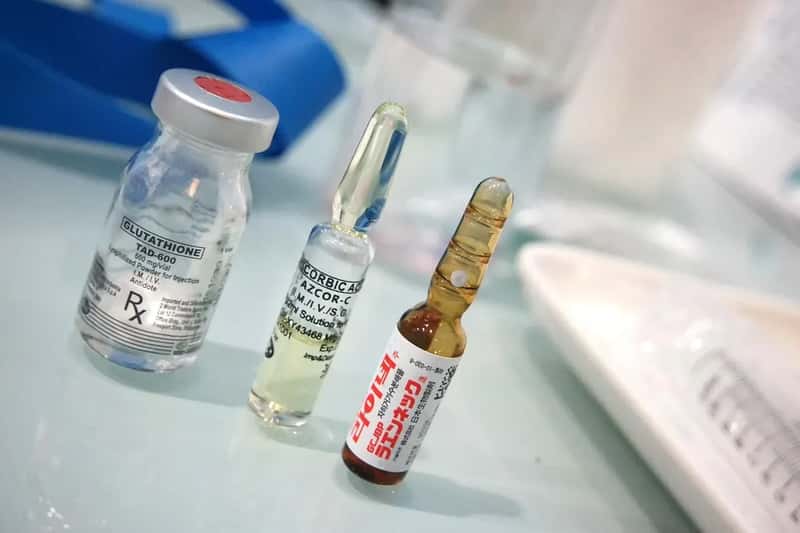
This is the one that causes the most unnecessary hassle at the checkpoint for travelers over 60. TSA exempts medically necessary liquids from the standard 3-1-1 rule, which otherwise restricts carry-on liquids to 3.4-ounce containers in a single quart-sized bag. Insulin, liquid blood pressure medication, saline solution – all of it can travel in quantities larger than 3.4 ounces, and none of it needs to go in that little clear bag.
The catch is declaration: you must tell the TSA officer about your liquid medications before you reach the machine, not after something gets flagged. Ice packs, gel packs, syringes, and pumps used to administer medically necessary liquids are also allowed through. The declaration itself takes about five seconds and bypasses the entire problem. Most of the delays and secondary screenings that seniors experience around medications happen for one reason – they didn’t say anything first.
#12 – “Tell Us About Your Pacemaker Before You Reach the Machine, Not After It Alarms”

Experienced TSA officers say this is one of the most consequential things older travelers consistently handle wrong. If you have a pacemaker, defibrillator, or other implanted cardiac device, you need to disclose it before you reach the screening machine – not after it alarms. That upfront disclosure triggers the correct alternative screening pathway and avoids the most stressful, drawn-out version of the checkpoint experience.
If a traveler says nothing and the detector alarms, agents are required to conduct a manual pat-down – a longer, more involved process that a simple two-sentence disclosure would have bypassed entirely. Research published in Heart, Lung, and Circulation has confirmed that people with cardiac implantable electronic devices can undergo airport screening without harm to their devices, so there’s no danger involved. Two words upfront saves ten minutes at the checkpoint. Experienced officers see this play out the hard way, every single day.
Quick Compare
- Say nothing upfront: Scanner alarms → mandatory pat-down → 10+ minutes of secondary screening
- Disclose your device first: Officer routes you to alternative screening → typically resolved in under 60 seconds
- Bring a doctor’s card too: Two-step disclosure plus documentation is the fastest path through, every time
#11 – “Your Hearing Aid Stays On – Just Tell Us Before You Go Through”
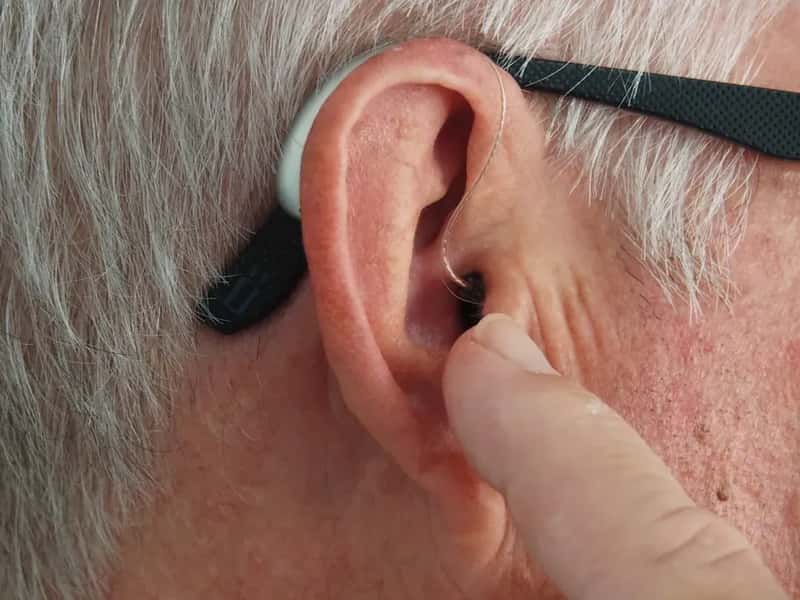
Travelers over 60 frequently remove hearing aids before entering the scanner because they assume the device will cause a problem or get damaged. Experienced officers say that’s the wrong move every time – it creates delays instead of preventing them. According to TSA, passengers do not have to remove hearing aids or the exterior component of a cochlear implant at the security checkpoint, though an officer may inspect the device if it alarms the equipment.
The practical advice agents share most often with hard-of-hearing travelers is simple: mention it upfront. Not because it changes the formal procedure, but because it changes how the officer communicates with you through the entire process – facing you directly, speaking clearly, not calling instructions from across the lane. That adjustment alone can be the difference between a smooth checkpoint and a genuinely confusing one. Keep the hearing aid in. Just say something first.
#10 – “You Can Request to Be Seated During the Entire Screening Process”
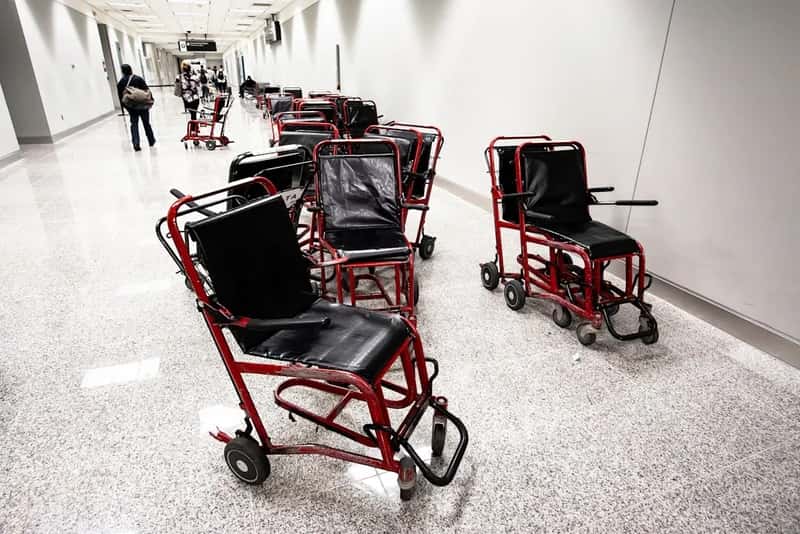
Standing in line, removing items from bags, shifting from foot to foot – the checkpoint is physically demanding in ways that aren’t obvious until you’re dealing with joint pain, balance issues, or fatigue. What most travelers over 60 don’t realize is that they don’t have to stand through any of it. You can request a chair at any point during the screening process, and TSA agents are trained to accommodate that request at every U.S. airport, in every screening lane, without exception.
If you are unable to stand for the screening itself, you will be cleared through manual inspection instead. Experienced officers say this option is used far less than it should be because travelers assume they’d have to prove a medical need or get a doctor’s note. You don’t. The ask is enough. Simply saying “I need to sit down during this process” is all it takes – and the accommodation follows immediately.
#9 – “You’re Entitled to Free Escort from the Curb to Your Gate – Just Ask the Airline”
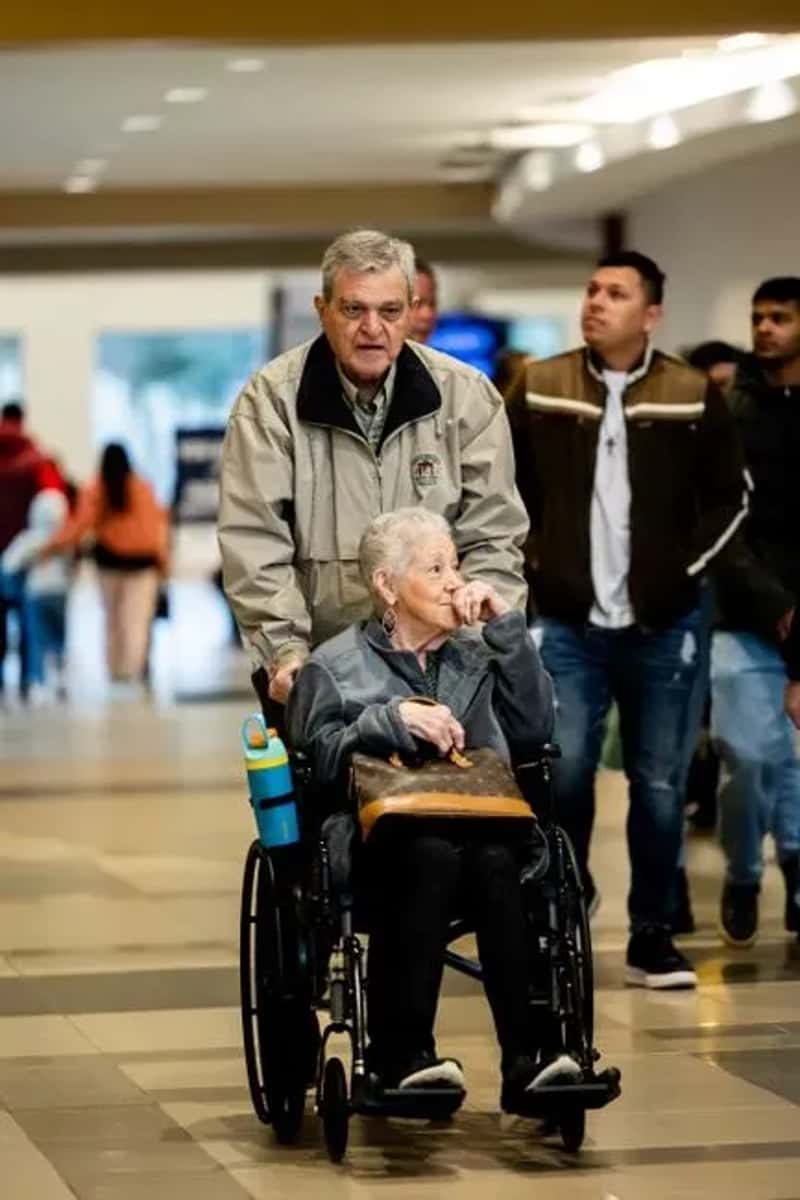
This one surprises even frequent flyers. The assistance doesn’t start at the TSA checkpoint – it starts before you ever get there, and it’s completely free. Under the Air Carrier Access Act, airlines are required to provide wheelchair or ambulatory assistance to passengers who need it, regardless of visible disability – and no doctor’s note or proof of condition is required to make the request. The entitlement is needs-based, and the ask is all it takes.
That guarantee covers escort through security, help with carry-on bags, expedited processing, and priority boarding onto the aircraft. Experienced TSA officers quietly steer older travelers toward this program because it eliminates nearly every stressful element of the airport experience in one request. The ask takes thirty seconds at the airline check-in counter – and the difference in experience, from curb to seat, is not small.
#8 – “Use Your TSA Notification Card – It Changes How We Screen You”
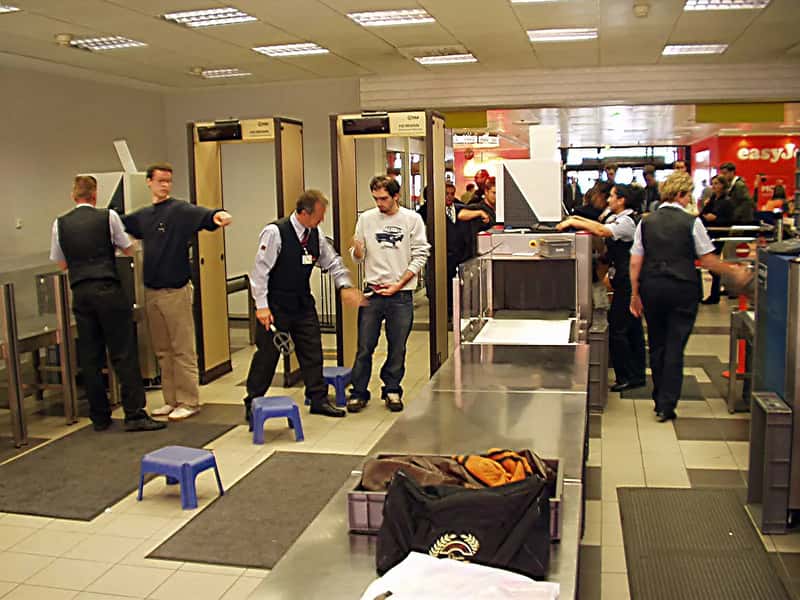
Most travelers with medical conditions or implanted devices try to explain everything verbally at the checkpoint while a line builds behind them. There’s a far better way, and experienced officers recommend it every time they get the chance. TSA offers a free Notification Card – downloadable from TSA.gov – that specifies your health conditions, disabilities, or medical devices that may affect screening. Hand it to the officer when you arrive at the checkpoint, and it does all the explaining for you before any confusion begins.
The card fits in your wallet. It’s free to print. And it covers everything from implanted devices to respiratory equipment to medications requiring special handling. Airport security personnel who receive the card can opt for an alternative screening method rather than running you through the standard metal detector. That small piece of paper – prepared the night before your trip – can turn a ten-minute secondary screening into a sixty-second alternative check.
At a Glance
- Download and print the TSA Notification Card free at TSA.gov – no account needed
- Covers pacemakers, joint implants, insulin pumps, respiratory devices, and more
- Card fits in a wallet – slip it in with your ID so it’s ready before you reach the lane
- Presenting the card at the checkpoint can qualify you for an alternative screening method on the spot
- Works alongside a verbal disclosure – using both together is the most effective combination
#7 – “If You Didn’t Get Flagged for the 75+ Benefit, Say Your Age Out Loud – It Triggers a Different Process”
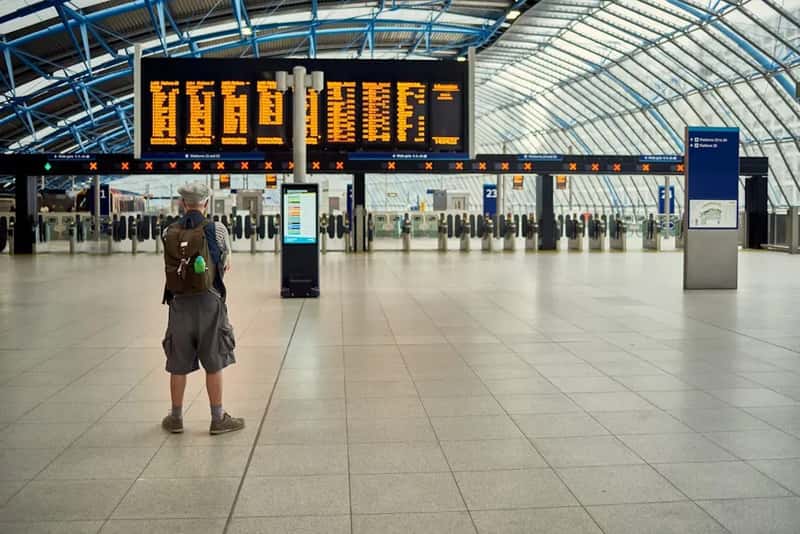
Here’s one of the most underused accommodations at every U.S. airport, and it applies to millions of travelers who walk right past it without knowing. Federal policy automatically provides modified screening for travelers 75 and older – including allowing shoes, belts, and light jackets to stay on during security checks. The problem is that the system doesn’t always flag your age automatically, especially if you’re not in a dedicated lane or the ticketing data doesn’t populate correctly.
The fix is simple: just say your age clearly when you approach the checkpoint. Experienced officers say a verbal self-identification immediately triggers the correct modified process, even when the automated system missed it. Some airports also experiment with dedicated senior screening lanes during peak travel times, though those aren’t available nationwide. The 75-plus accommodation, however, is. Every airport. Every lane. You just have to say the number out loud.
#6 – “You Can Ask to Speak with a Supervisor at Any Point – No Reason Required”
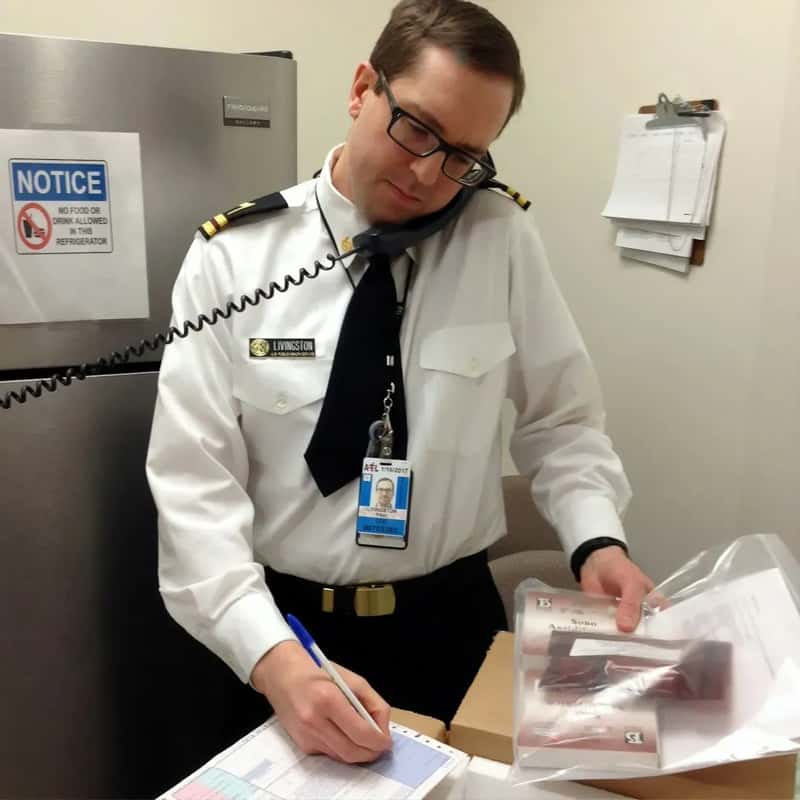
Most travelers assume that asking for a supervisor mid-screening will slow everything down or make things more adversarial. Experienced officers say the opposite tends to be true. At any point during the screening process, you have the right to request a supervisor or passenger support specialist – no incident has to have occurred, no threshold has to be crossed, and no explanation is required. The request is always available to you.
This matters most when something feels inconsistent, when communication has broken down, or when you simply don’t understand what’s happening and why. Travelers over 60 who know this tend to use it not in frustration, but proactively – and the tone of the entire interaction shifts when a supervisor steps in. If you want to follow up afterward, concerns can also be submitted to the TSA Contact Center. Knowing the option exists is half the power of having it.
#5 – “Freeze Your Water Bottle the Night Before – It Passes Through Security as a Solid”

Airport water costs a small fortune, and staying hydrated matters more than most people account for on travel days – especially for travelers over 60 managing blood pressure, taking medications that cause fluid loss, or facing a long connection. Most passengers assume all liquids are banned past the checkpoint. They’re not – and there’s a fully TSA-sanctioned workaround that almost nobody uses. A water bottle frozen completely solid is classified differently than a liquid and passes through security without issue.
TSA supervisors mention this one almost casually, as though everyone already knows it. Almost nobody does. Pack your water bottle in the freezer the night before your flight, and by the time you’ve cleared security and reached your gate, it’ll be thawing into cold drinking water – free, waiting for you, requiring exactly thirty seconds of planning the night before. It’s one of the smallest tips on this list and one of the most immediately usable.
#4 – “TSA PreCheck Is Still Worth It Even After the Shoe Rule Changed – Here’s the Real Reason”

In July 2025, DHS Secretary Kristi Noem announced that TSA would no longer require travelers to remove their shoes at security checkpoints – extending to all passengers what was previously a PreCheck-exclusive benefit. Keeping your shoes on was one of PreCheck’s most-cited benefits for years, and now that it’s universal, some seniors are wondering whether enrollment still makes sense. Experienced officers say yes – but for different reasons than most people think.
TSA PreCheck still provides a dedicated shorter lane, eliminates belt and light jacket removal, and lets you keep your laptop and liquids inside your bag throughout the entire process. Enrollment runs between $77.95 and $85 for a five-year membership depending on the provider – roughly $15 to $17 per year. According to TSA, 99% of PreCheck passengers wait less than 10 minutes at the security checkpoint. For travelers over 60 who fly more than once a year, the physical relief of not unpacking and repacking a bag at the checkpoint alone makes the math easy.
Worth Knowing
- The shoe-removal rule ended July 8, 2025 for all travelers with REAL ID-compliant identification
- PreCheck still delivers: dedicated lane, belts and jackets on, laptop and liquids stay in your bag
- 99% of PreCheck members wait under 10 minutes; enrollment costs as little as $77.95 for 5 years
- Some travel credit cards reimburse the TSA PreCheck enrollment fee entirely
- PreCheck is available at over 200 U.S. airports – not just major hubs
#3 – “Your Companion Can Come Through Security With You – Just Say the Word”
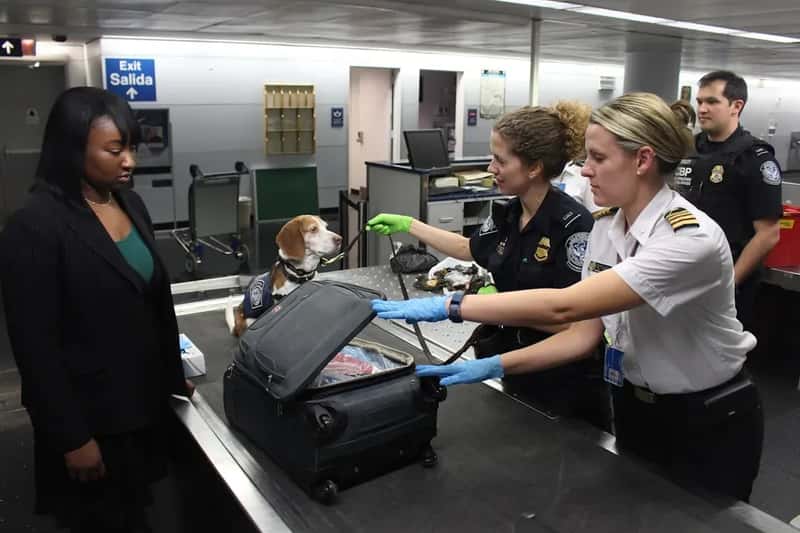
Travelers over 60 flying with a spouse, adult child, or caregiver often don’t realize that the companion doesn’t have to split off at the checkpoint. Instead of one person going ahead while the other waits on the other side, both of you can move through together – and the companion can actively help with bags, communicate with officers about medical conditions, and provide physical support throughout the process. Experienced officers say this is one of the most easily fixable situations they see repeated every single day.
Travel companions can inform TSA officers of disabilities, medical devices, or medications that may affect the screening – and that communication often goes more smoothly when it comes from someone who isn’t also trying to manage their own bags and remove their own shoes. The key is to say it before the line splits, not after. Walk up together, tell the agent upfront that your companion needs assistance through screening, and the checkpoint adjusts to accommodate both of you from the start.
#2 – “Tell Us About Your Joint Replacement Before the Scan – We Already Know What to Expect”
Hip replacements, knee replacements, shoulder hardware – these are extraordinarily common in travelers over 60, and they almost always alarm the metal detector. What experienced officers quietly wish more of these travelers understood is that disclosing the implant before the scan changes the entire sequence. TSA recommends that passengers with surgically implanted devices inform security officers of the location of the device before screening begins – and that disclosure opens the door to an alternative screening method that bypasses the metal detector entirely.
If your doctor has provided a medical card documenting the implant, bring it and present it at the checkpoint alongside the verbal disclosure. Experienced officers say this two-step – disclosure plus a doctor’s card – routinely turns what becomes a ten-minute secondary screening into a sixty-second alternative check. The information was always going to come out. Saying it first simply puts you in control of how the process unfolds, rather than reacting to it.
#1 – “You Are a Lower Security Risk – and That Changes Everything About How We Screen You”
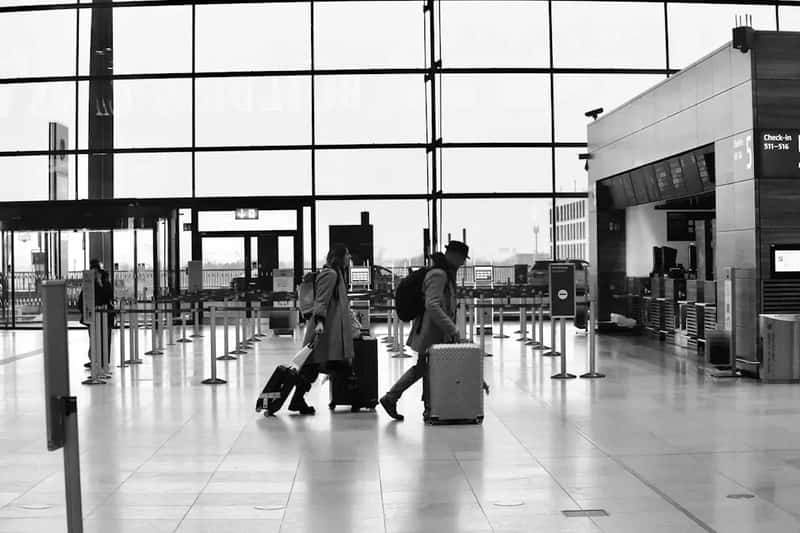
This is the one experienced TSA officers say matters most – and almost nobody over 60 ever hears it stated plainly. The entire framework of modified screening for older travelers isn’t charity or customer service. It’s official federal risk-based security policy. Passengers 75 and older receive expedited screening under a risk-based, intelligence-driven framework that allows TSA to focus resources on passengers who more likely represent a security concern. Older travelers, by that framework, are formally classified as lower risk. That classification has real, tangible consequences for how you’re screened – if you know to invoke it.
Understanding this changes the dynamic at the checkpoint completely. Most travelers over 60 walk up to security the same way they have for twenty years – shoes off, belt in the bin, hoping the line moves fast – because nobody ever told them the system was already set up to work differently for them. Every item on this list costs nothing. All of it is real policy. None of it gets announced over the loudspeaker. The only thing standing between most travelers over 60 and a dramatically easier airport experience is knowing it exists – and knowing to ask.