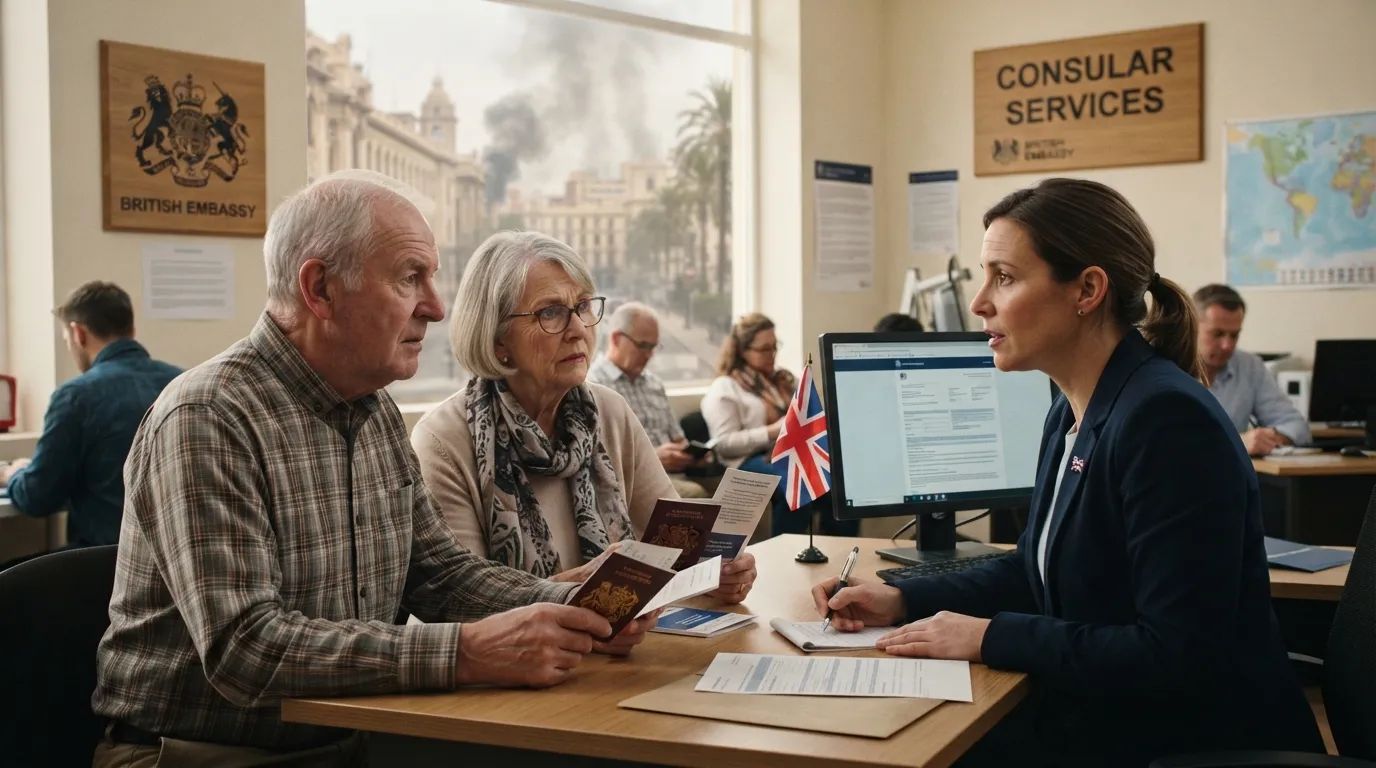
Seventy percent of Americans aged 50 and older are booking trips this year – the highest number since before the pandemic. Yet most of them are about to make the exact same mistakes their friends made last summer.
Travel after 60 really is better in almost every way: more time, more money, more patience. But the rulebook quietly changed, and almost nobody finds out until a trip goes sideways – here are the 16 things seasoned travelers wish they’d known before their first hard lesson.
16. You Have a Scheduling Superpower You’re Not Using

Most travelers think a deal means hunting for a “senior discount” sticker. That’s actually the last place to look.
Without school schedules to work around, older travelers can chase shoulder season, midweek departures, and senior rates on trains and museums whenever they want. Loyalty status and a wider search window beat a discount code almost every time.
The travelers who consistently score the best prices simply shift their dates two or three days either way. That single habit can shave hundreds off a trip, and shoulder season comes with thinner crowds as a bonus.
Knowing when to go is only half the equation. Number 15 is about knowing where not to stay.
15. Accessibility at Hotels Is a Lottery You Can Lose

Booking a hotel that looks perfect online – then arriving to find three flights of stairs and no elevator – is one of the most common, and most preventable, disasters in senior travel.
Older, off-the-beaten-path, or historic properties often haven’t been updated. That can mean fall hazards on uneven floors or steps you never saw in the photos.
Call the property directly before booking. Ask if the lift always works, how far the accessible room is from the entrance, and whether there are steps between the lobby and the restaurant.
The “accessible” label on a booking site isn’t a legal guarantee in most countries. Verify everything yourself before handing over a deposit – because number 14 will catch most people completely off guard.
14. Medicare Stops Working the Moment You Leave the Country

This is the single most dangerous assumption older American travelers make, and it can cost tens of thousands of dollars.
Medicare generally does not cover care received outside the United States. Coverage is limited to the 50 states, Washington, D.C., and a handful of U.S. territories – nothing more.
Fast Facts
- (cite index=”4-2″>The 50 states, the District of Columbia, Puerto Rico, the U.S. Virgin Islands, Guam, the Northern Mariana Islands, and American Samoa are considered part of the U.S. – everywhere else is on your own dime.
- (cite index=”2-9″>You are traveling between Alaska and the lower 48 states, and you are taking a direct route through Canada, without unnecessary delay is one of the only narrow exceptions where coverage kicks in.
- (cite index=”4-12″>Medicare drug plans don’t cover prescription drugs you buy outside the U.S.
- (cite index=”10-8″>About two-thirds of medical flights for people with private insurance are still out-of-network, meaning even back home, an air ambulance bill rarely gets fully absorbed.
A hospital stay in Europe can run $10,000 to $50,000. An emergency medical evacuation home can cost $25,000 to $250,000 – and Medicare pays $0 of it.
Buy travel insurance with real medical coverage: look for at least $250,000 in medical expenses and $500,000 in evacuation coverage. It sounds excessive until you see an actual evacuation invoice, so sort this before you pack a single thing.
13. Your Medication Could Be Illegal at Your Destination
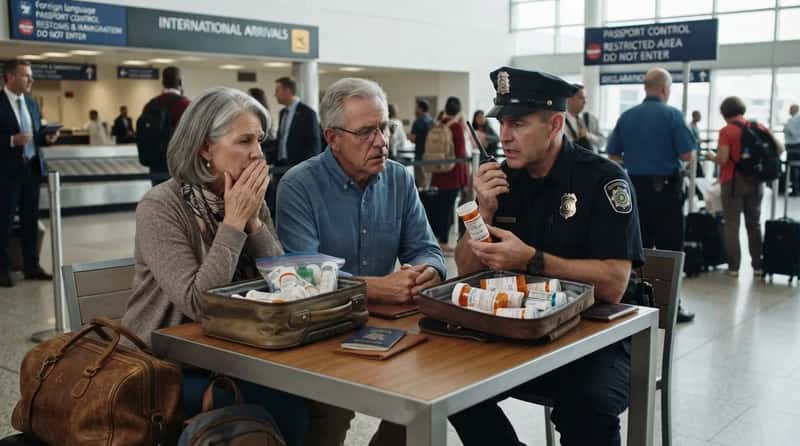
Almost nobody checks this, and it can end a trip right at the border.
Medicines that are perfectly legal at home – especially anything with stimulants or codeine – can be banned elsewhere. When in doubt, check with the destination’s embassy before you fly.
Checked bags get lost, delayed, or rerouted more often than travelers expect, and losing daily medication for even one day can spiral fast. Packing pills in checked luggage remains one of the most common mistakes older travelers make.
Always carry medication in your hand luggage – always. Keep it in original, labeled containers, pack a few extra days’ supply, and remember Medicare Part D won’t cover anything purchased outside the U.S.
12. Overplanning Is Just as Dangerous as Under-Planning

Everyone warns travelers not to under-plan. Almost nobody warns them about the opposite problem, which is actually far more common.
Trying to hit too many cities in too little time is the single most common itinerary error. The travelers who report the best trips almost always stayed longer in fewer places.
Experienced advisors consistently recommend one “big” activity per day, not three. Build in a buffer afternoon after any long flight.
The people who ignore this advice are usually the ones who come home saying they need a vacation to recover from their vacation – which leads directly to number 11.
11. Jet Lag Hits Harder After 60 – and Most People Don’t Plan for It
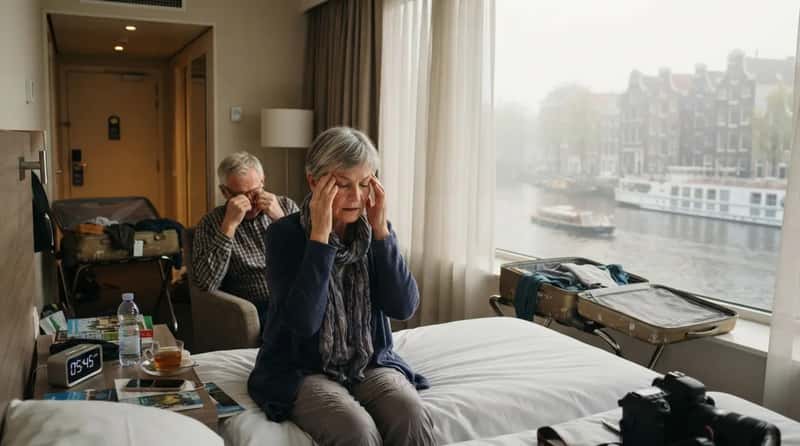
Jet lag is annoying at 35. After 60, it can wipe out the first three days of an expensive trip if you ignore it.
If you’re joining a cruise, riverboat, or guided tour, build in time to rest before the trip officially starts. Never schedule transportation too close to a departure time in a foreign country – full stop.
Arriving one day early before a cruise or tour departure isn’t a luxury – it’s risk management. A delayed flight or a rough night’s sleep can cascade into missing the entire departure if your schedule has zero slack.
The extra night’s hotel is always cheaper than a missed departure. Now for number 10 – the money mistake almost everyone makes.
10. You’re Spending Money on the Wrong Things

More than half of travelers 50 and up rank travel as their top priority for discretionary spending. But many pour that budget into flights and hotels, then skimp on what actually makes a trip enjoyable.
The smart money goes toward direct flights instead of connections, ground-floor or elevator-accessible rooms, and pre-booked airport transport. The wasted money goes toward trying to replicate a 40-year-old’s pace with a packed itinerary.
Quick Compare
- Worth the extra spend: direct flights, ground-floor or elevator rooms, pre-booked airport transfers.
- Skip or cut back on: packed three-activity days, connections to save $40, cramming six countries into two weeks.
The travelers who report the highest satisfaction almost always did less and spent more per experience. One slower, deeper trip beats three rushed ones – two weeks in one region beats two weeks across six countries.
Next, number 9 is a comfort issue that’s routinely underestimated.
9. Your Body’s Temperature Regulation Changes – and Travel Exposes It
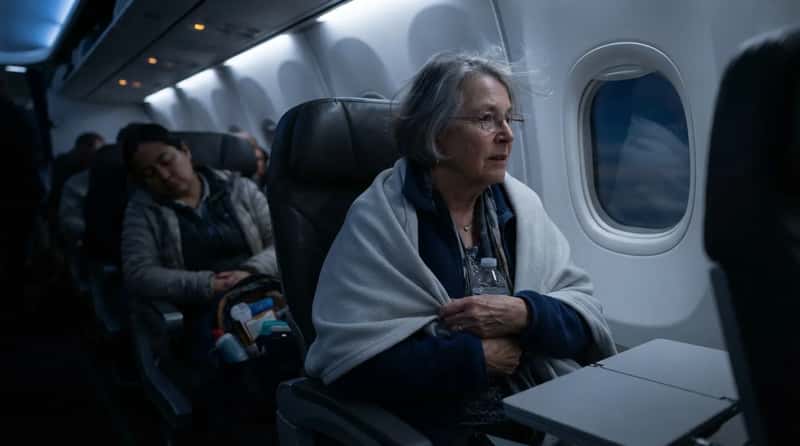
This one sounds minor. It isn’t.
Older bodies produce, retain, and circulate heat less efficiently. That affects everything from cold overnight flights to heavily air-conditioned restaurants to early mornings sightseeing in the mountains.
Many travelers pack for the destination’s average daytime temperature and end up cold for large parts of the trip. Airline blankets aren’t always available, and cabin temperatures run colder than people expect.
Pack one lightweight layer that folds down to nothing, and drink water deliberately rather than only when thirsty – dehydration hits older adults harder. Number 8 is the mistake that makes everything else harder than it needs to be.
8. Carrying Too Much Luggage Is Quietly Ruining Trips
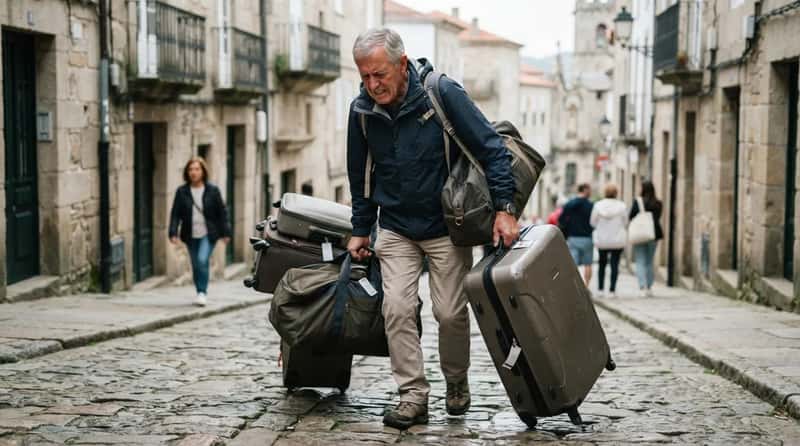
Nobody admits to overpacking. Almost everyone does it, and after 60 it carries a real physical cost.
Cobblestones, station stairs, long terminal walks, and shuttle buses are exhausting – and dangerous – when you’re also hauling heavy bags. The most consistent advice from frequent older travelers: halve what you think you need, then halve it again.
Lighter luggage means flying carry-on only, which erases the wait at baggage carousels and removes the risk of losing checked bags – including the medication from number 13, if you ignored that warning.
Start the habit on a short trip and it changes how you travel permanently. Number 7 is a mistake that costs money and dignity in equal measure.
7. You’re Ignoring Free Airport Assistance
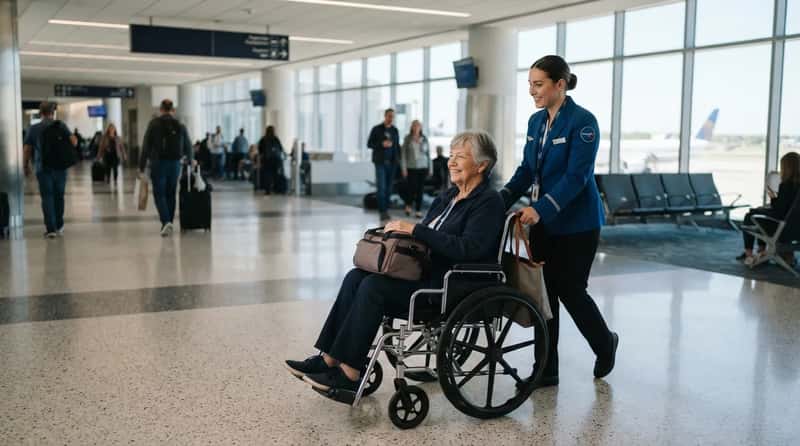
Many older travelers believe requesting airport assistance means “giving up.” That’s exactly backwards.
Airlines are required to provide wheelchair assistance and airport escorts at no charge to anyone who asks – regardless of whether they use one at home. Pre-booking it takes the rush entirely out of the equation.
Worth Knowing
- (cite index=”23-2″>Wheelchair assistance must be free of charge, regardless of ticket class, and is offered on both domestic and international flights.
- (cite index=”21-1″>Airlines must assist you from the terminal entrance or vehicle drop-off point to the gate, including the security checkpoint, and onto the aircraft to your seat.
- (cite index=”21-2″>Airlines are required to provide you with prompt assistance after you self-identify to airport personnel as an individual who needs assistance. No advance paperwork required.
- (cite index=”23-14″>If you experience a denial of service or poor treatment, complaints can be lodged directly with the airline or submitted through the U.S. Department of Transportation complaint process.
Using this service on a long-haul itinerary isn’t a concession – it’s a strategic decision that saves energy for the actual trip. Experienced travelers use every advantage available; proud ones sometimes don’t, and they arrive exhausted.
Number 6 is a money trap hiding in plain sight.
6. Foreign ATM and Card Fees Are Bleeding Your Budget
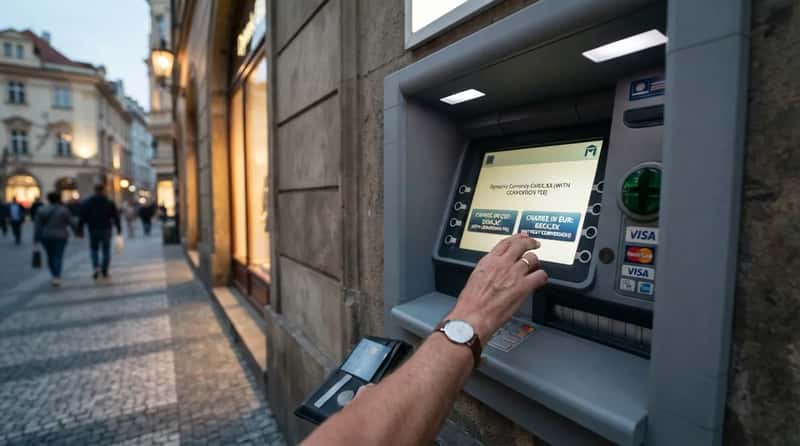
Currency mistakes quietly drain travel budgets, and most people only notice when they check their bank statement back home.
Dynamic Currency Conversion – where a foreign ATM or merchant offers to charge you in dollars “for convenience” – always uses a worse exchange rate. Always choose to be charged in the local currency.
Many travelers are also still paying foreign transaction fees of 1 to 3 percent on every purchase abroad, simply because they never switched to a no-fee travel card. Over a multi-week trip, that adds up fast.
It takes fifteen minutes to fix before you leave. Number 5 is the safety blind spot most people don’t see until it’s too late.
5. You’re a Higher-Value Target for Scams Than You Realize
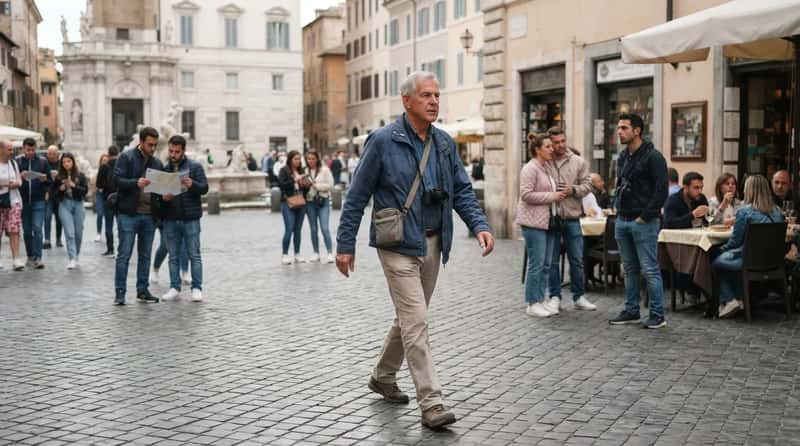
This one is uncomfortable, but the pattern is real.
Older travelers tend to be more cautious about scams in theory, yet they’re still frequently targeted – especially by unfamiliar operators and brands. Pickpocket and distraction techniques in tourist-heavy areas are specifically calibrated to spot someone who looks unhurried, well-dressed, and unfamiliar with the area.
The most effective protection isn’t a money belt – it’s not looking like someone who needs to check a map. Download offline maps before you land, and know your route from the airport well enough to walk it with purpose.
Confidence is the cheapest security system available. Number 4 goes somewhere most people genuinely don’t expect.
4. Solo Senior Travel Is Booming – and Most People Don’t Know It

The idea that solo travel after 60 is lonely or unsafe is one of the most outdated assumptions in travel.
At a Glance
- Roughly 20-30% of participants in certain senior educational and experience programs travel solo.
- 42% of seniors plan a multigenerational trip within the next year.
- Group tours built specifically for solo seniors now routinely sell out in shoulder season.
Roughly 20 to 30 percent of participants in certain senior educational and experience programs travel solo, and the sector has grown to match. Group tours built specifically for solo seniors now offer company without forcing anyone to match someone else’s pace.
Multigenerational trips are surging too – 42 percent of seniors plan one within the next year. But for solo travelers, river cruises and small-group tours offer built-in connection with zero compromise.
The loneliest trip is often the one where you stayed home waiting for someone else to be ready. Number 3 is the mindset shift that changes everything.
3. Honest Self-Assessment Is Not Pessimism – It’s the Key to a Better Trip

Ask experienced travelers what went wrong on their worst trips, and one answer keeps coming up: the plan didn’t match their physical condition at the time.
The most important lesson seasoned senior travelers report is learning to neither overestimate nor underestimate their own abilities. That means being honest about physical, mental, and medical limits – especially chronic conditions.
Know how far you can realistically walk or climb stairs, and whether uneven surfaces are a real problem. When seniors fall abroad, the injury is too often a broken hip.
This isn’t about lowering expectations – it’s about choosing the right trip for right now. Which brings us to number 2, the thing almost nobody thinks to do before departure.
2. Not Registering With Your Embassy Can Turn a Crisis Into a Catastrophe
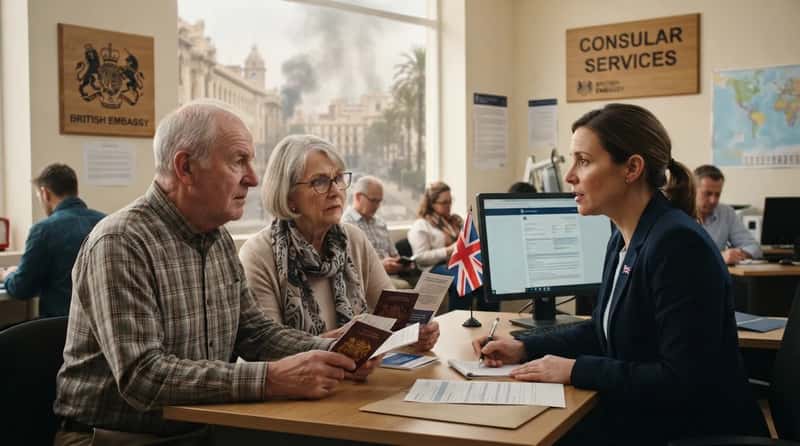
Most travelers have never heard of travel registration services. The ones who have usually learned about them after something went wrong.
Many governments let citizens register their travel plans – destination, dates, emergency contacts – with their embassy before departure, free of charge. If a natural disaster, civil unrest, or a personal emergency hits, consular staff can find you and contact your family far faster if you’re already in the system.
It takes under ten minutes and costs nothing. Americans can use the State Department’s STEP program, UK travelers the FCDO, and Australians Smartraveller.
Most people skip it entirely. The ones who’ve needed it are universally grateful they didn’t.
1. Travel Is One of the Best Things You Can Do for Your Health – But You’re Waiting Too Long to Start

Here’s what almost every older traveler eventually says when asked what they wish they’d known: I wish I had started traveling more seriously, sooner.
Traveling, going to new places, and meeting up with family and old and new friends is really vital for our mental health.
Dorothea Vafiadis, NCOA Senior Strategist for Healthy Aging
People stay active and traveling well into their 80s and 90s, and the logic holds up: a body in motion stays in motion. The more you keep pushing yourself as you age, the less likely you are to become sedentary.
The instinct to wait – for better health, lower prices, or the right companion – is the single greatest travel mistake older adults make. Longer trips are becoming the norm among active retirees, with month-long programs gaining real popularity.
The destination will still be there next year. Your window of peak health and mobility is not guaranteed – book the trip.
The Bottom Line

Seventy percent of Americans 50 and older are traveling this year, spending more and staying longer than ever before. But the mistakes are consistent: ignored insurance gaps, overpacked itineraries, medication left in checked bags, and accessibility assumptions that don’t survive contact with reality.
The real shift isn’t a destination or a discount code – it’s moving from “can I still do this?” to “how do I do this smarter?” Earlier planning, lighter luggage, and honest self-assessment answer that question almost every time.
Which one caught you off guard?
Bonus: The One Phone Call Almost No Older Traveler Makes
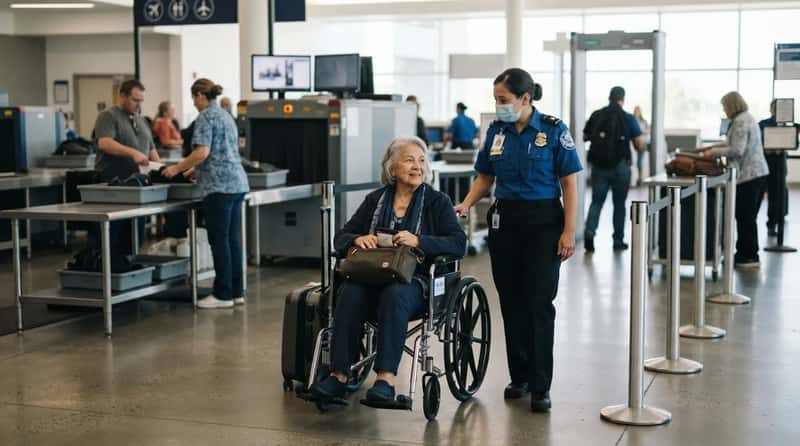
Airport wheelchair assistance (covered above) is booked through your airline. But there’s a separate, free federal helpline that almost nobody calls, and it’s specifically built for anyone with a disability, medical condition, or an internal device like a pacemaker: TSA Cares, at 855-787-2227.
This is not the same as airline wheelchair service – TSA Cares is about the security checkpoint itself, where rushed, confusing moments cause the most stress for older travelers.
- Call at least 72 hours before you fly, weekdays 8am-11pm ET or weekends/holidays 9am-8pm ET.
- Ask for a Passenger Support Specialist to meet you at the checkpoint and walk you through screening at your pace.
- Mention any pacemaker, artificial joint, ostomy bag, or mobility device in advance so officers know exactly how to screen you without extra pat-downs or delays.
- You can also request a private screening area with a travel companion present, simply by asking.
It costs nothing, takes about five minutes on the phone, and turns the most stressful ten minutes of any trip – the security line – into a non-event. Most travelers only discover this hotline exists after a bad experience; now you know before you ever need it.