You walk up to the counter, say a quick “hi,” and hand over your ID like the conversation is just getting started. It isn’t. By the time you’ve said your name, a property management system has already scored you, assigned you, flagged you, and priced you – all before the front desk agent even looks up from the screen.
Most guests assume check-in is a simple human exchange: you show up, someone smiles, you get a key. The truth is messier and far more automated than that, and once you see how much gets settled in total silence, you’ll never look at a hotel counter the same way again. Here’s what actually happens in the sixty seconds before anyone says a word.
1. Your Exact Room Number Was Chosen Before You Crossed the Lobby
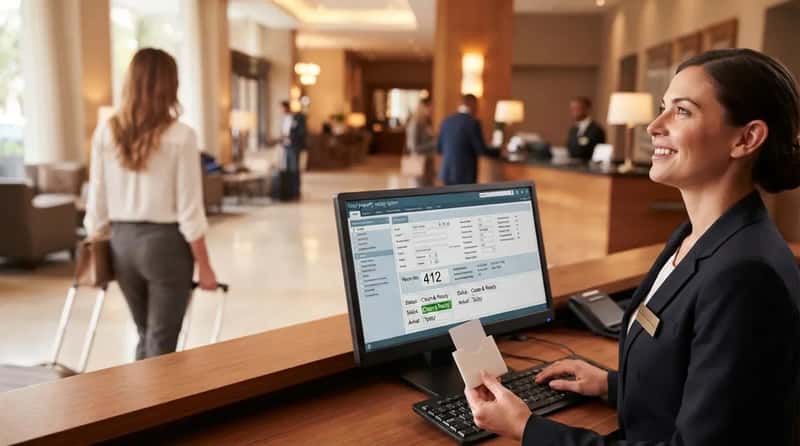
Room assignment usually isn’t a live decision made while you’re standing there. Front desk software opens the check-in module and locates the guest by confirmation number, last name, or ID, then reviews length of stay, room type, rate code, and any special requests – all of which typically happens before or right as you approach the desk. The agent smiling at you already has an answer loaded on the screen.
Housekeeping status codes decide the rest. The system verifies the requested room type is available, clean, and ready, checking condition codes like ready, dirty, maintenance, or blocked. Your specific room, in other words, was picked by inventory logic long before your handshake, filtered down from dozens of possibilities to the one door you’ll actually open tonight.
2. Whether You Get Upgraded Was Already Decided By An Algorithm, Not A Smile
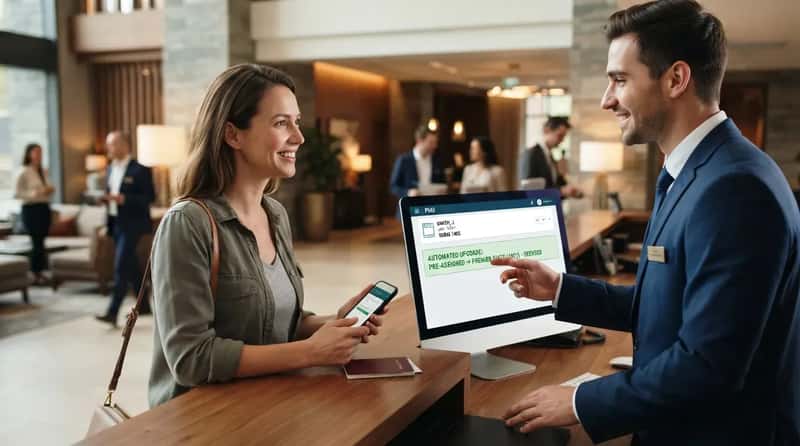
Charm has surprisingly little to do with it anymore. Personalized upselling automation shows relevant deals during booking and before arrival, proposing upgrades and extra services based on the guest’s profile and booking details. That flattering little offer for a better view or a corner suite was quietly generated days before you ever put on real pants for the trip.
Modern hotel systems deliver personalized, data-driven upgrades across mobile, kiosk, and front desk, so guests receive relevant offers while properties unlock incremental revenue. The friendly upgrade you think you charmed your way into was likely pre-scored by software days earlier, ranked against your spending history and stay pattern like a credit score for hospitality.
3. The Size Of Your Card Hold Was Locked In Before You Said Your Name
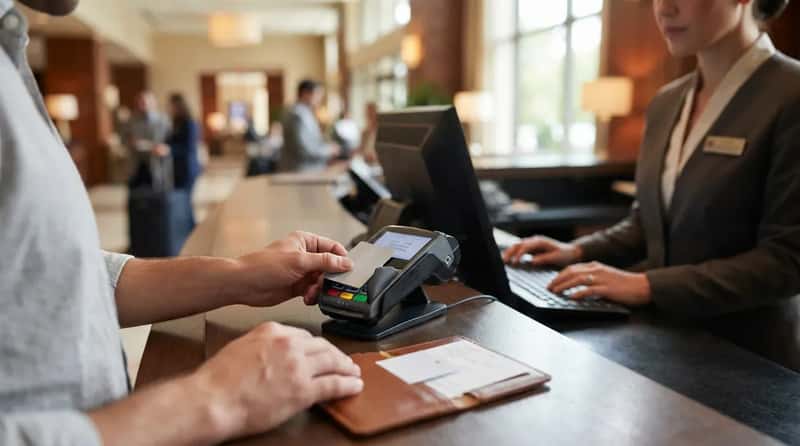
That “just a formality” credit card swipe is more calculated than it looks. Marriott typically holds the room rate plus $50 per night, with resorts holding more; Hilton holds range from $50 to $100 per night; and Hyatt is property-specific, generally $50 to $200 a day, with luxury properties toward the higher end. None of that number is negotiated at the desk – it’s a formula.
Airport hotels and resort properties almost always hold more than a standard city hotel, since incidentals like room service and minibar charges run higher there. The number frozen on your card was determined by brand policy and property category, not by anything you said at the counter, and it can sit on your account for days after you’ve already checked out.
Quick Compare
- Marriott: room rate plus $50 per night (more at resorts)
- Hilton: $50 to $100 per night
- Hyatt: $50 to $200 per night, varies by property
- Airport and resort hotels: usually hold more than standard city hotels
4. Your Loyalty Tier Flashes On Screen Like A Scoreboard
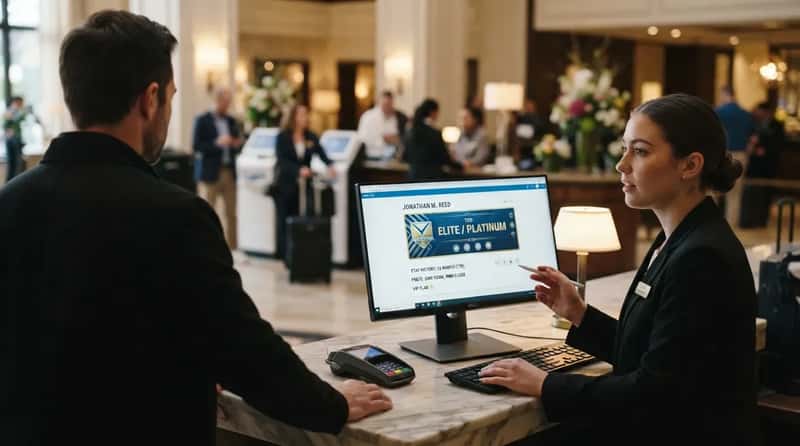
Before pleasantries even start, your status is already visible to the agent. Systems note any loyalty status, complaints history, or VIP flags that may affect assignment, meaning your tier is read like a scoreboard the instant your name populates on the reservation list. That half-second pause before someone greets you warmly? That’s the scoreboard loading.
Full guest profiles include preferences like room type and pillow choice, stay history, and loyalty status, letting staff know what guests need and give personalized experiences. Some guests get treated like regulars from the first glance – not because of chemistry, but because the software told the agent exactly who was walking through the door.
5. Your ID Already Got Run Against A List You Didn’t Know Existed
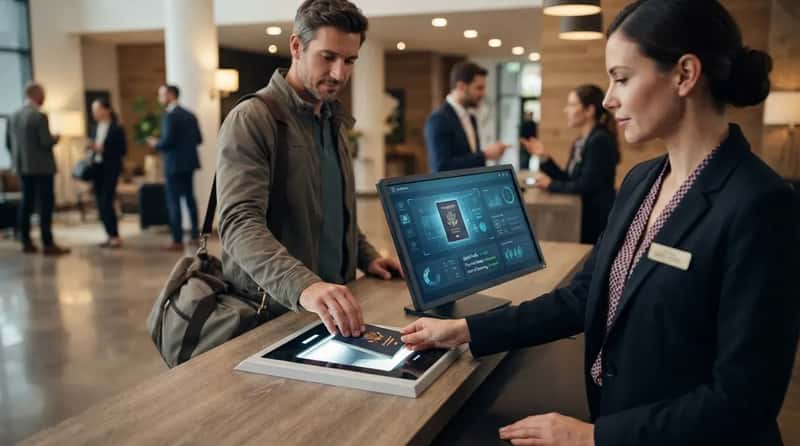
ID verification isn’t just about matching a face to a name. Automated pre-arrival workflows collect digital registration, payment authorization, and ID verification before the guest even reaches the lobby, feeding a guest profile record that includes payment token and loyalty status. That quiet screening runs in the background while you’re still stuck in airport traffic.
This isn’t a courtesy check – it’s a security screening baked into the process, cross-referencing your details against internal flags long before it looks like anything is happening. Most travelers have no idea their identity was already validated against internal records before check-in officially “began,” and the front desk exchange is often just the visible tail end of a process that started hours earlier.
6. Housekeeping Decided Your Specific Room Hours Before You Rang The Bell
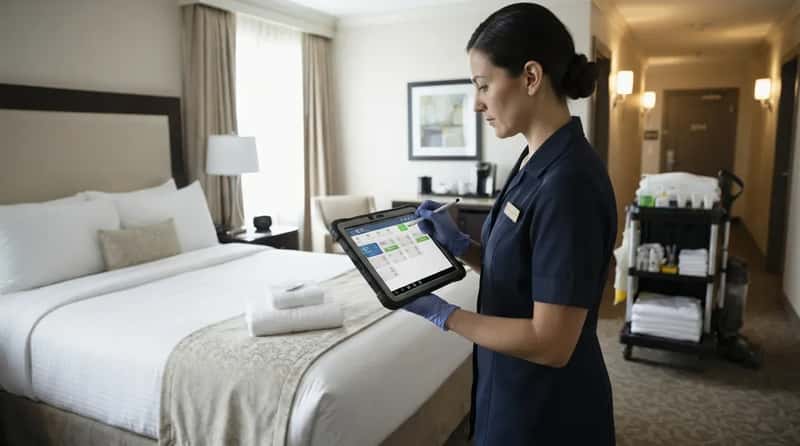
The room you get isn’t a mystery solved at the counter; it was solved earlier by a cleaning crew working a floor you’ll never see. Real-time room-status updates happen throughout the day as housekeeping staff update room status directly from the room itself, using a tablet or phone instead of paper.
The front desk sees a room become available the moment it is inspected, with no radio calls and no paper lists, because a connected system enables front desk teams to see updated status from housekeeping instantly. Your room was “chosen” the second a housekeeper marked it clean – not when you walked in with your suitcase and asked for a key.
7. Your Whole Stay History Pops Up Before The Agent Even Looks At You
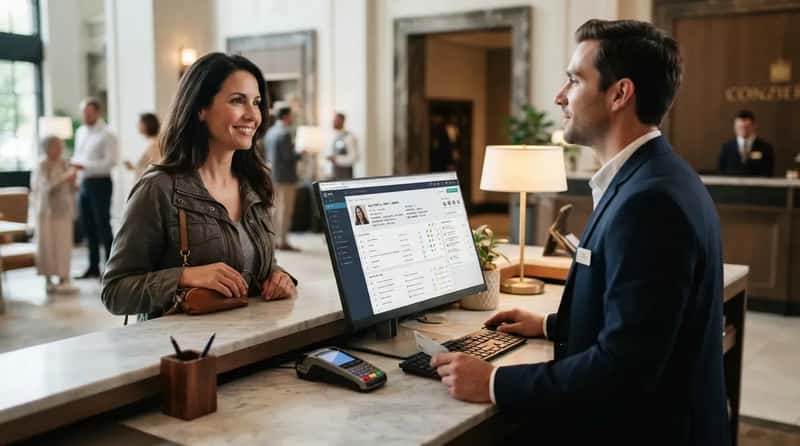
That pause before an agent greets you? That’s your history loading in real time. A PMS maintains detailed guest profiles – contact information, past stay history, room preferences, VIP status, and loyalty tier – and when a repeat guest books, the system flags their preferences automatically for the front desk to act on.
A unified profile lets staff greet a returning guest by name and pre-load the room they always ask for, right down to the floor and the extra pillow. The “wow, they remembered me” moment is often a database doing the remembering, not a person – though it still feels good to hear your name said first.
8. The Odds You’d Even Show Up Were Calculated Weeks Ago
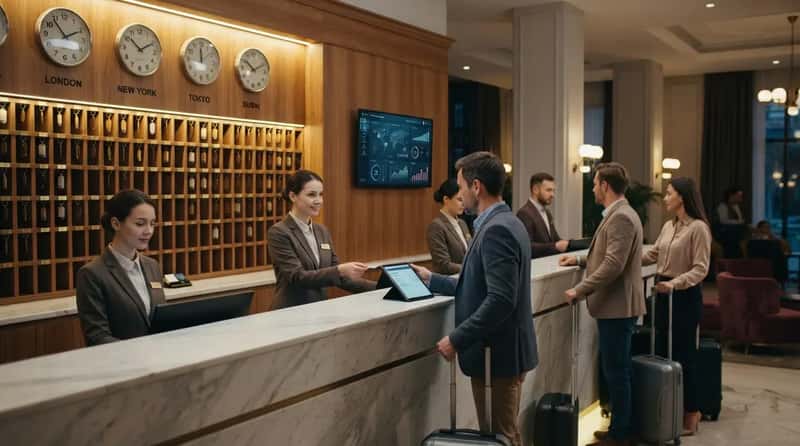
Overbooking isn’t a mistake – it’s math, and it’s aimed at you specifically, whether you realize it or not. Overbooking represents an intentional revenue management strategy used by approximately 90% of major hotel chains worldwide, built directly into how many reservations a property is allowed to accept.
The math is property-specific and surprisingly aggressive. Typical overbooking percentages vary significantly by property type, with business hotels running 10-15% overbooking on weekdays, leisure properties 5-10% during peak seasons, and airport hotels 15-20% due to higher no-show risk. Your reservation, in a very real sense, was gambled on before you left home, based on how often people just like you have canceled in the past.
Fast Facts
- Roughly 90% of major hotel chains build overbooking into their strategy
- Business hotels: 10-15% overbooking on weekdays
- Leisure properties: 5-10% during peak season
- Airport hotels: 15-20%, the highest of any category
9. Your Face Gets Judged Before Your Name Does

This one isn’t hotel-specific – it’s human wiring, and it applies at every counter you’ve ever stood at in your life. In controlled experiments, each face appeared for 100, 500, or 1,000 milliseconds before participants judged traits, and even at 100 milliseconds the pattern of ratings was already highly correlated with judgments made without time limits.
First impressions form so quickly that giving someone more time to look doesn’t change the verdict – it just makes them surer of it.
Princeton psychology research on snap judgments
Giving people a full second instead of a tenth of one barely changed their verdicts – it mostly made them more confident in whatever snap judgment they’d already made. Extra time doesn’t correct a shaky first impression, it cements it, which means the verdict on you was already formed before your mouth opened.
10. Your Room’s Location Wasn’t As Random As You Think
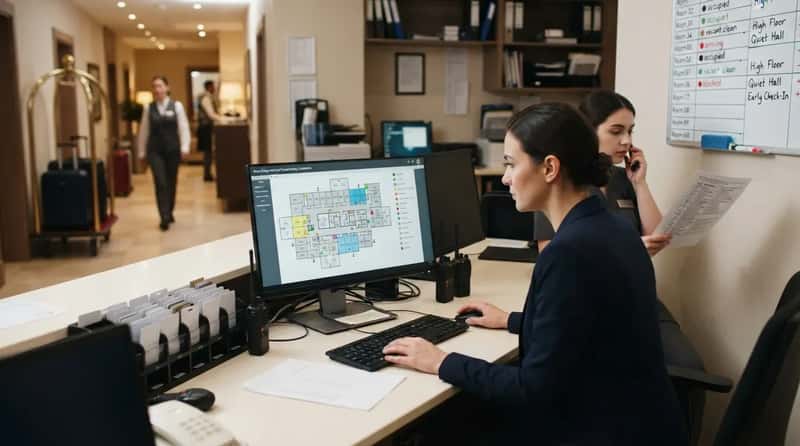
Whether you land near the elevator, the ice machine, or the quiet end of the hall connects to operational logic, not luck or a coin flip at the desk. Rush requests get routed to the next free attendant, with arrival time used as the priority signal across housekeeping systems all day long.
Special requests like high floor, quiet location, or accessible room get checked against availability during assignment, sometimes hours before you land. Guests who book earlier or communicate preferences ahead of time often get quietly slotted into better real estate – before the person at the desk ever types your name into the system.
11. Late Checkout Was Already A Yes Or No Before You Thought To Ask
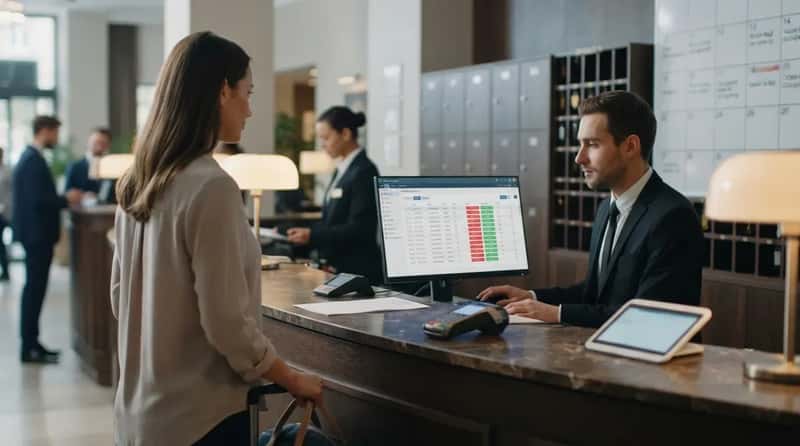
That “let me check” pause when you ask for a late checkout is often theater, a courtesy pause more than a genuine lookup. Occupancy forecasts for the following day are locked in well before your arrival, because revenue teams need to know how many rooms turn over and exactly when housekeeping needs to start.
If the hotel is projected to be near capacity the next morning, the system effectively pre-denies most late-checkout requests regardless of who asks or how nicely they ask. Loyalty status can override this, but for most guests, the answer was decided by tomorrow’s forecast, not today’s charm at the counter.
12. Your Welcome Amenity Was Decided By Status Tier, Not Charm

The bottle of water, the cookie, the small upgrade note – these aren’t spontaneous gestures dreamed up because you seemed nice. Integrated loyalty tools allow staff to view status, apply offers, and process earnings or redemptions directly in the system, boosting recognition and encouraging repeat stays automatically.
Recognition perks are triggered by tier thresholds embedded in the loyalty program, not by how pleasant you were at the counter or how tired you looked after your flight. It can feel deeply personal in the moment, but it’s closer to a rules engine executing a script tied to your membership number.
13. The Mood Of The Person Greeting You Was Set Hours Earlier

Front desk software is famously clunky, and that friction shapes the person standing across from you before you ever arrive at the counter. Front desk agents often navigate six-deep menu trees to make a simple rate override, clicking through screens that haven’t been redesigned in years.
Business logic like rate rules, folio splits, loyalty tier exceptions, and housekeeping status transitions gets written directly into the forms and menus an agent clicks through all shift long. A frustrating software queue before your check-in can quietly shape the tone you get – not because of anything you did, but because of the ten guests before you who hit the same glitchy screen.
14. Your Wifi Password And Key Were Pre-Loaded Before You Arrived
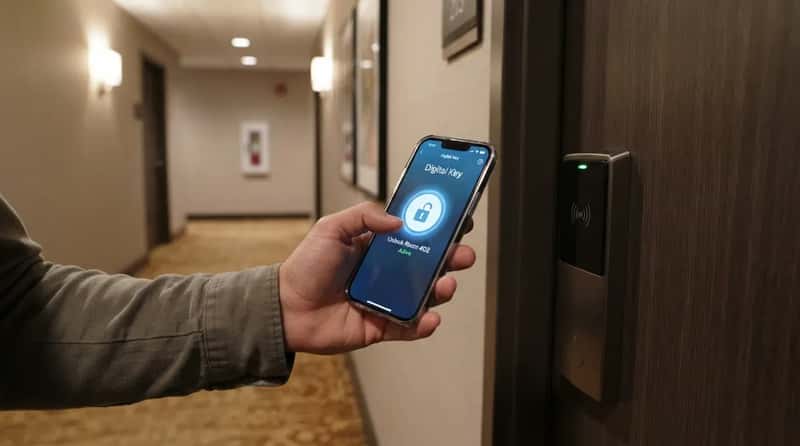
Digital convenience has moved most of check-in earlier than guests realize, sometimes finishing before your plane has even landed. A three-way arrival window lets hotels offer every guest their preferred path – fully mobile in 30 seconds, hybrid pre-check-in where staff handle keys and payment, or staff-assisted service anywhere on property via tablet.
Mobile check-in and digital key features give guests self-service alternatives, and properties using contactless technology report wait times dropping by as much as 50% during busy periods. The key in your pocket may have been “cut” digitally before you even parked the car, sitting quietly in an app waiting for you to open a door.
At a Glance
- Fully mobile check-in: as fast as 30 seconds
- Hybrid check-in: staff still handle keys and payment
- Staff-assisted: full service anywhere on property via tablet
- Contactless tech can cut peak-period wait times by up to 50%
15. Whether You’d Get “Walked” To A Different Hotel Was Gambled On In Advance
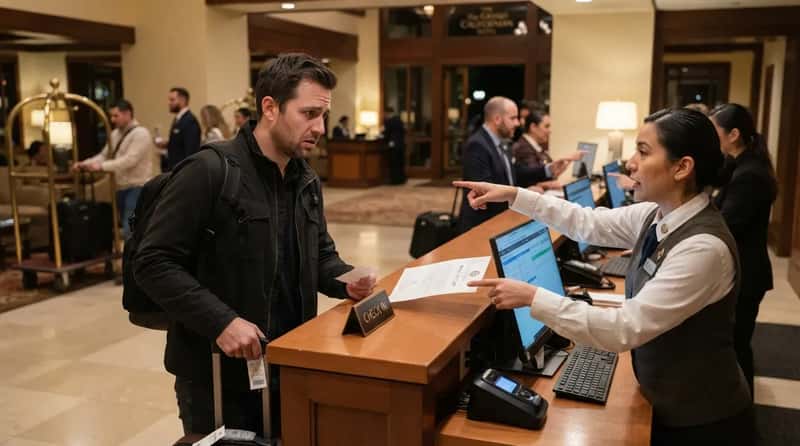
Nobody wants to hear their room doesn’t exist anymore, but the possibility was priced in from the start, long before you packed your bag. When a hotel is overbooked and a guest cannot be accommodated, the guest is “walked” to a different hotel – a term the industry uses so casually because it happens often enough to need its own name.
If a property overbooks by four rooms and nobody cancels or no-shows, the front desk must relocate, or walk, four guests to comparable hotels nearby. That risk was calculated using historical cancellation data long before you booked your room, meaning your relocation odds existed the moment your reservation was confirmed, not the moment you arrived exhausted at 11 p.m.
16. Your Loyalty Number Quietly Decided How Much You Actually Matter Tonight
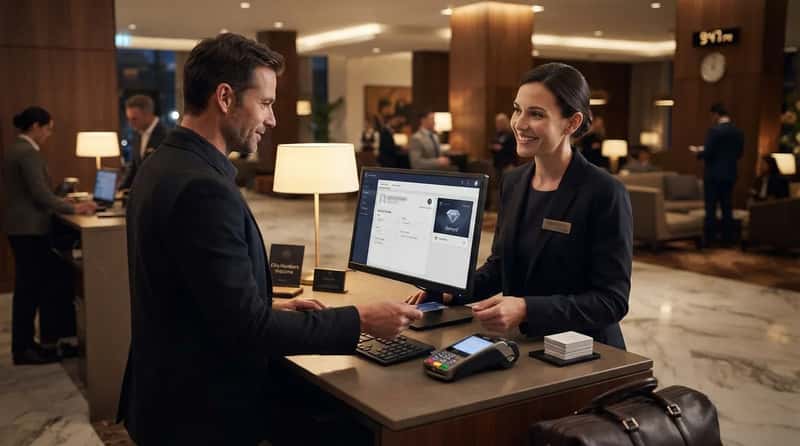
This is the uncomfortable one nobody says out loud at the counter, but it shapes almost everything else on this list. Research shows repeat guests spend 67% more than first-time visitors, making guest recognition a revenue driver – which is exactly why the system prioritizes certain profiles over others before any conversation even starts.
Your membership number, more than your personality, often determines whether you get remembered, upgraded, forgiven for a late arrival, or quietly deprioritized behind someone else. It’s not personal – it’s a calculation the property ran the moment your name hit the screen. Everything from the room you get to the warmth of the greeting can trace back to a number, not a relationship.
None of this makes hotel staff dishonest – most of it is baked into systems long before a human ever gets involved. But it does mean the “personal touch” travelers love to praise is often personalization software doing exactly what it was built to do. The next time check-in feels unusually smooth or unusually cold, remember: the real decision-making happened long before anyone said hello.
Which one of these surprised you the most? Tell us in the comments – and if you’ve ever been “walked” to another hotel, we want to hear that story too.