TSA agents process millions of passengers a year, and within seconds of watching you walk up to the checkpoint, they’ve already formed a read on your experience level. It has nothing to do with suspicion. It’s pattern recognition – the kind that comes from watching the same mistakes play out thousands of times a day, every single day. Most travelers assume they can blend in by mimicking whoever’s ahead of them. They can’t.
Some of the biggest tells have nothing to do with what’s in your bag. A few will genuinely surprise you. And at least one of them has quietly been costing unprepared travelers 20 minutes of their morning without them ever knowing why.
#16 – Fumbling for Your ID at the Very Last Second
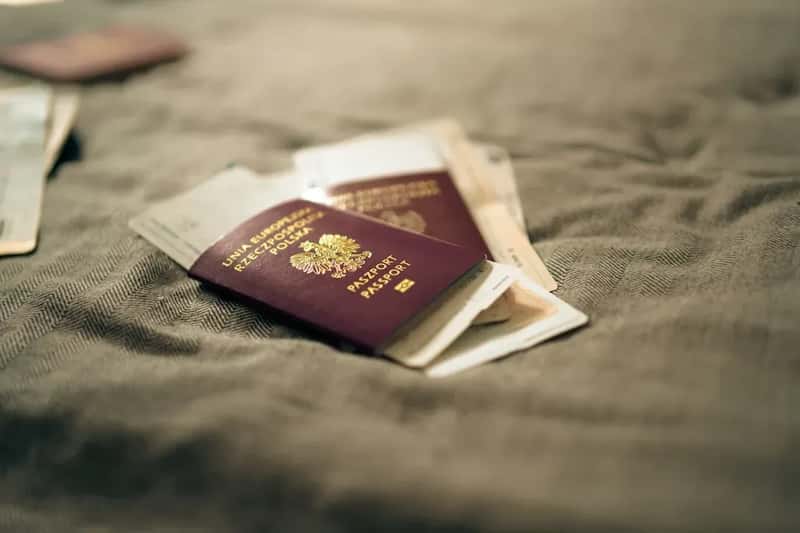
The document checker at the podium is watching you the entire time you’re standing in line. Experienced travelers have their ID and boarding pass out and ready well before they reach the front. Rookies are still digging through a purse, patting down jacket pockets, or scrolling desperately through their phone when they’re already face-to-face with the officer. That ten-second scramble is one of the clearest signals there is.
No U.S. airport accepts a boarding pass without a valid photo ID, and agents say it’s the document passengers are most likely to be unprepared with. The fix takes zero effort: pull everything out while you’re still in line, not when you’re already holding up the people behind you. The travelers who breeze through the podium had their ID in hand before they even reached the dividers.
#15 – Wearing Shoes That Take Forever to Remove
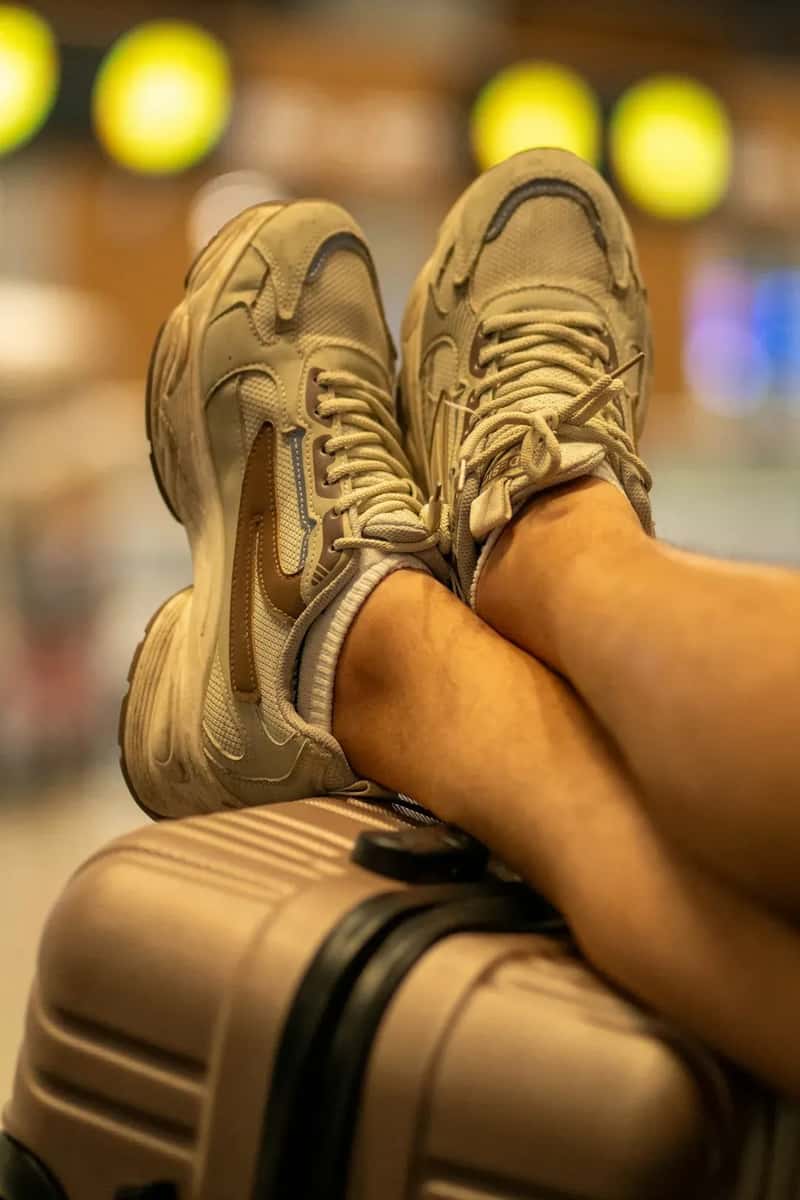
TSA officers notice your footwear before you reach the bin area. Knee-high boots, elaborate lace-up sneakers, and shoes with a buckle system for every strap create an instant bottleneck – and they mark you immediately as someone who didn’t think the airport through when they were getting dressed. The line behind you feels every second of it.
Experienced travelers either wear slip-ons or loosen their shoes while still waiting in line. Agents also flag barefoot passengers as a slowdown – not just for hygiene reasons, but because it adds hesitation at the mat. The travelers who clear the shoe step fastest are the ones who made a decision about their footwear before they left the house.
#14 – Wearing Clothing That’s Guaranteed to Alarm the Scanner
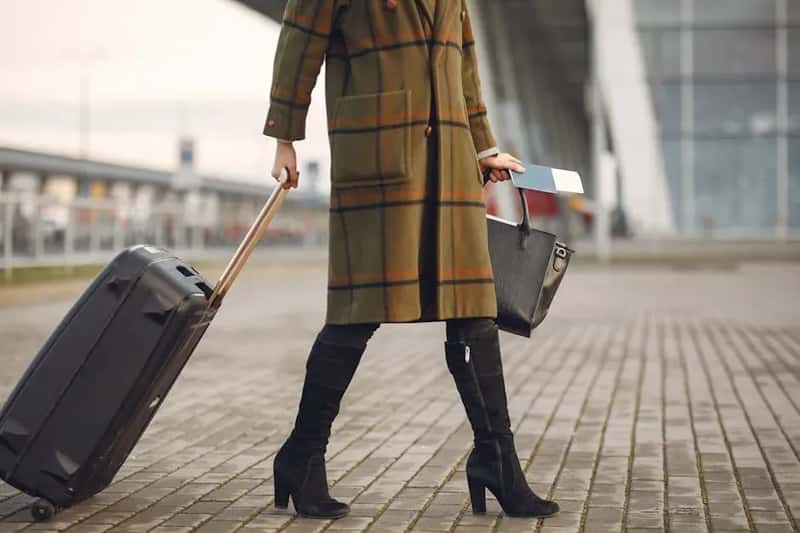
Here’s something most people genuinely don’t know until it’s too late: your outfit can trigger additional screening before you’ve done a single thing wrong. Sequined tops, rhinestone-studded jeans, and heavily embellished jackets typically alarm the body scanner and require a pat-down. Metal-heavy belt buckles and large statement jewelry do the same. It’s not a security flag – it’s just an avoidable time sink.
Seasoned travelers wear simple, metal-minimal clothing to the airport on purpose. When an agent sees someone approach the scanner in a bedazzled top or a belt that could anchor a fishing boat, they already know a secondary screening moment is coming. The passenger rarely does.
#13 – Dropping Loose Items Directly onto the X-Ray Belt
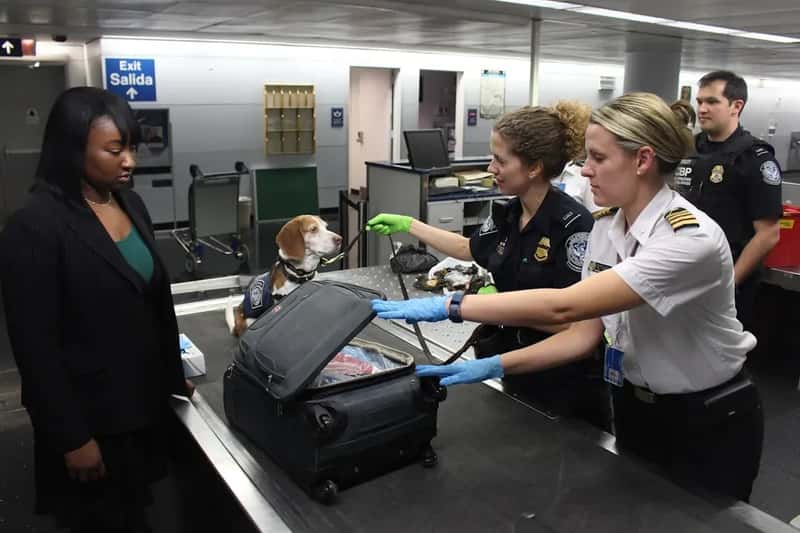
Phones, keys, coins, and loose boarding passes dumped straight onto the conveyor belt is one of the most consistent rookie moves at any checkpoint. TSA officers advise against it specifically because small items can fall between the belt’s rollers and become impossible to retrieve. The bin exists for a reason – use it, or tuck everything small into your carry-on before you ever reach the belt.
Experienced travelers empty their pockets into their carry-on bag while they’re still waiting in line, not when they’re standing at the conveyor with people stacking up behind them. Watching someone frantically dump loose change, lip balm, and tangled earbuds onto the belt is an immediate, reliable tell. Agents see it dozens of times before lunch.
#12 – Bringing a Full Water Bottle Through the Checkpoint

It sounds like the most basic rule in air travel, and yet it still happens hundreds of times a day at every major airport. A full water bottle gets flagged or confiscated, and the passenger stares at the bin with genuine surprise – then has to decide whether to chug it, toss it, or make an embarrassing run back through security. The confusion plays out identically every single time.
The workaround has always been simple: bring an empty bottle and fill it on the secure side. If you want cold water for the line itself, a frozen bottle is technically permitted since frozen liquids clear the rules. Frequent flyers never make it to the confiscation moment because they’ve already solved this problem. Watching someone discover it for the first time is one of the most recognizable checkpoint scenes there is.
#11 – Overstuffing and Disorganizing the Carry-On Bag
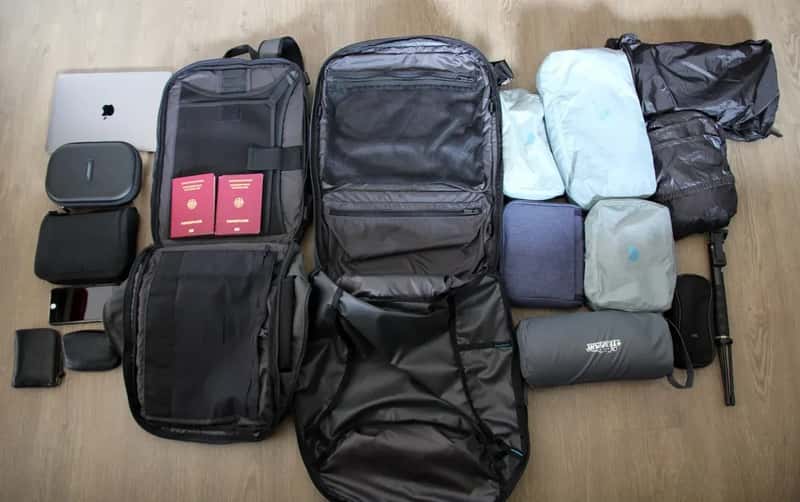
A jam-packed, chaotic carry-on is one of the clearest X-ray tells at the checkpoint. When the image is cluttered and unreadable – food, cables, powders, and random items all compressed together – the bag gets pulled for a manual search almost every time. TSA officers say it takes significantly longer to assess a disorganized bag, and that time adds up fast when the line is long.
An overstuffed bag can get flagged for checked baggage if it causes repeated screening issues, which is the last outcome any carry-on traveler wants. Experienced travelers pack in layers, know exactly where everything is, and keep categories separated. Rookies shove things in and hope it works out – and agents can see that approach before the bag even clears the belt.
#10 – Not Knowing What Actually Counts as a Liquid

The 3-1-1 rule has been in place since 2006, and agents still catch passengers every day who are genuinely baffled by what qualifies. Shampoo, lotion, sunscreen, aerosol dry shampoo – those are expected. But peanut butter? Because it spreads and smears, it falls under the liquid rule too, and it’s one of the most common confiscations that leaves passengers visibly stunned at the checkpoint.
Many first-timers pack a full-size shampoo because it’ll last the trip, not realizing the issue isn’t what the product is – it’s the amount. Everything liquid, gel, cream, or aerosol must be 3.4 ounces or less and fit into one quart-sized bag. Solid food is fine. Spreadable food is not. Knowing that line separates people who’ve done their homework from people discovering the rules in real time.
#9 – Ignoring Instructions Being Given Right in Front of Them
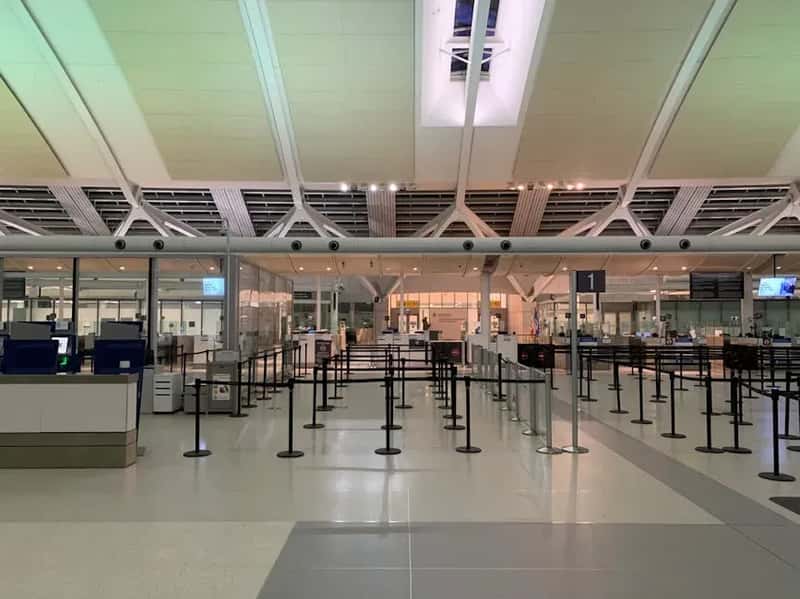
This one visibly frustrates agents more than almost anything else on this list. Officers are actively directing the line – calling out bin procedures, pointing to lanes, giving specific instructions – and a portion of passengers are on their phones, managing luggage drama, or simply tuned out. By the time an agent has to repeat themselves specifically for one person, that traveler has already made their experience level obvious to everyone in earshot.
As one TSA officer put it bluntly: people not paying attention is the top pet peeve at the checkpoint, because it creates a chain reaction – the traveler misses a step, the agent explains it again, the line backs up. It’s okay to be new to flying. It’s not okay to be new to flying while also staring at Instagram. Agents notice the difference immediately.
#8 – Leaving Laptops and Large Electronics in the Bag
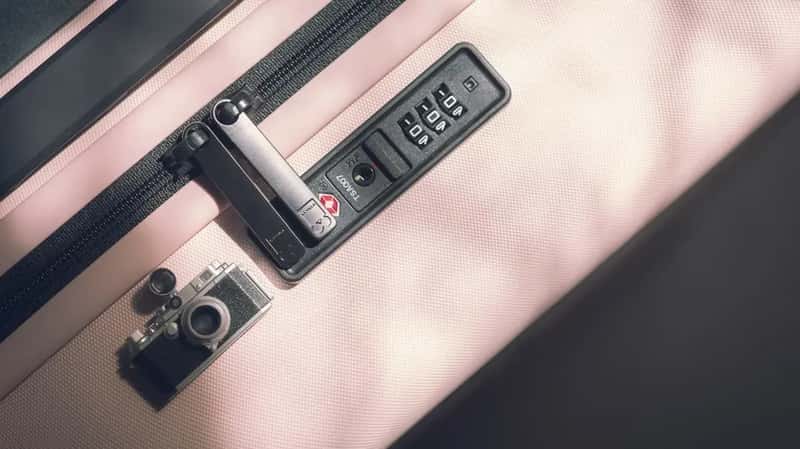
Standard security lanes still require laptops and large electronics to come out of the carry-on and go into their own bin – nothing on top, nothing underneath. Tablets, e-readers, and handheld game consoles all count. The traveler who loads everything up, steps back, and then hears “sir, your laptop needs to come out” is one of the most recognizable sights at any checkpoint. The belt has to stop, the bag comes back, and the whole lane pauses.
TSA PreCheck members are the notable exception – they can leave electronics in their bags, which is a big part of why that lane moves so much faster. If you’re in the standard lane and your laptop stays in the bag, everyone standing behind you feels the consequence. It’s a step that takes five seconds to do right and several minutes to fix when skipped.
#7 – Thinking TSA Agents Work for the Airline
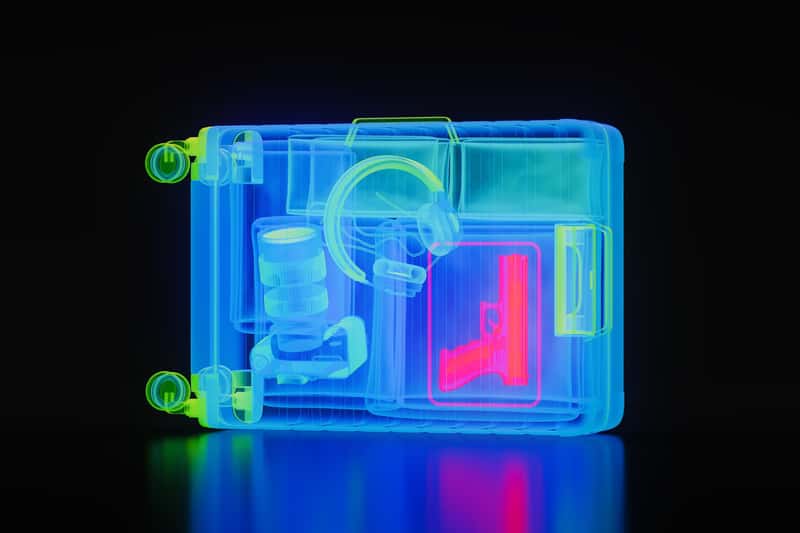
It sounds too obvious to make the list – but agents field this situation constantly. Because TSA officers handle boarding passes and stand near the entrance to the terminal, passengers regularly try to ask them about check-in issues, seat upgrades, or gate changes. One officer put it plainly: “I don’t work for the airlines. I work for the TSA, and I don’t have the ability to check you in or in any way modify your reservation.”
Some passengers even believe that scanning their boarding pass at security checks them in for their flight. It doesn’t. The checkpoint is a security function only, and experienced travelers have already sorted any airline issues before they joined the line. Walking up to the document podium with a reservation problem is a fast, reliable way to get flagged as someone new to this entire process.
#6 – Avoiding Eye Contact With Officers

TSA agents are trained in behavioral detection, and one of the most consistent cues they watch for is whether a traveler will meet their eyes during a document check or question. Consistent eye avoidance – staring at the floor, the phone, the bins, anywhere but the officer – stacks with other signals and prompts closer attention. Nervousness is understandable. Airports are stressful, and first-timers feel it. But the body language reads clearly to someone who does this job every day.
Experienced travelers make brief, natural eye contact during document verification because the interaction is routine to them. They answer questions directly and move on. First-timers often radiate anxiety in their entire posture – and agents are specifically trained to notice when someone’s discomfort goes beyond normal travel stress. It doesn’t take long to register.
#5 – Bringing Oversized Sunscreen (and Being Shocked When It’s Confiscated)

Summer travel produces one confiscation above all others: full-size sunscreen. It’s arguably the item that generates the most genuine disbelief at the checkpoint. The passenger stares at the officer, then at the bottle, and then at the officer again – as if there must be some mistake. There isn’t. A full-size SPF 50 is a liquid over 3.4 ounces, and it follows exactly the same rules as everything else in that category.
The item that gets confiscated most often isn’t something dangerous or unusual – it’s an $18 bottle of sunscreen packed by someone who didn’t think the lotion rule applied to skincare. The solution is simple: pack full-size sunscreen in checked luggage or bring a travel-size version in the quart bag. Agents see the reaction so often they can predict it the moment the bag goes onto the belt.
#4 – Talking Too Much or Making Nervous Jokes

There’s a specific kind of nervous energy that comes out as non-stop chatter – rambling about the flight, over-explaining what’s in the bag, making jokes to cut the tension. Agents are trained to notice it. Rapid talking during a document check is actually a recognized distraction pattern, and while most passengers doing it are just anxious, officers stay focused on your documents and belongings regardless of what’s being said.
The more serious version of this mistake is joking about weapons or bombs – even sarcastically, even obviously. It’s one of the fastest ways to derail your entire travel day and possibly your trip altogether. Experienced travelers keep checkpoint interactions short, polite, and direct. The passenger nervous-talking their way through the podium is spotted within the first few seconds of the conversation.
#3 – Not Knowing Whether Your State ID Is REAL ID-Compliant
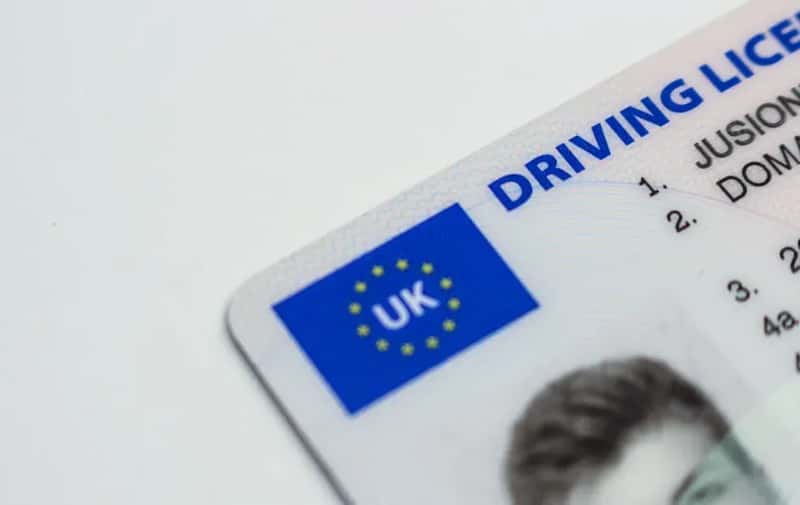
REAL ID enforcement is now fully in effect for domestic air travel, and agents are seeing exactly which travelers show up without a compliant ID. A non-compliant state license – or not knowing whether yours qualifies – triggers a longer identity verification process that flags you immediately and holds up the line. The star marking in the corner of your license is what you’re looking for. If it’s not there, you need a passport or another acceptable form of federal ID.
Frequent flyers already know their license status and many carry a passport as backup out of habit. First-timers often have no idea what the star means, why the agent is scrutinizing the corner of their card, or what happens next if it doesn’t clear. It’s become one of the most time-consuming checkpoint moments for unprepared travelers – and it’s entirely avoidable with five minutes of research before the trip.
#2 – Arriving Already Stressed, Rushed, and Visibly Panicking

Agents read body language from the moment you enter the security area, and someone sprinting through the checkpoint with a rolling suitcase, a half-zipped bag, and visible panic registers instantly. Rushed travelers skip steps, forget to pull out liquids, leave laptops in bags, and argue with agents about rules they never looked up. Every single mistake on this list becomes more likely when you’re already behind on time.
The downstream effect of rushing is that it compounds every other error. A panicked traveler grabs the bin before it’s cleared the scanner, walks through the metal detector still wearing a belt, or snaps at an officer who’s just doing the job. TSA recommends arriving at least two hours before domestic flights and three hours before international ones – not as a suggestion, but as the actual buffer you need to move through security without creating a scene.
#1 – Not Having TSA PreCheck and Not Understanding What They’re Missing

Nothing separates the seasoned traveler from the first-timer quite as visibly as the PreCheck lane. TSA officers themselves call it the single best way to move through a security checkpoint – shoes stay on, belt stays on, laptop stays in the bag, liquids stay in the carry-on. The line moves because the people in it know exactly what they’re doing. Meanwhile, the standard lane crawls, and the traveler who doesn’t know why is almost always standing in it.
The gap in wait times between standard and PreCheck lanes can hit 20 minutes or more during peak travel periods. PreCheck requires a one-time background check and a modest fee for five years of faster screening – most frequent flyers consider it non-negotiable. Walking into a packed standard lane while the PreCheck lane next to it sits nearly empty is, to a TSA agent, the single most reliable sign that someone doesn’t fly very often. It’s that visible.
None of these tells are about doing something wrong – they’re about preparation. TSA agents aren’t judging you for being new to flying. But they are clocking your experience level within seconds, and the markers are consistent enough that agents across every major airport see the same patterns play out every single day. Every item on this list is fixable before your next trip. Know your ID, pack a clean bag, wear sensible shoes, and get PreCheck. You won’t just look like you’ve done this before – you’ll actually move faster because of it.